Скачать презентацию Drug therapy in renal failure Kari Laine MD
9155d74d26bdd4e7d03e799e592b3cda.ppt
- Количество слайдов: 35
 Drug therapy in renal failure Kari Laine, MD, Ph. D University of Turku & medbase Ltd
 Causes of renal failure • Kidney diseases • Infections (glomerulonephritis); pyelonephritis seldom causes chronic renal failure • Polycystic kidney diseases • Drug- or chemical-induced injury • Secondary renal injury caused by a primary disease • DIABETES – type 2 diabetes a growing problem • High blood pressure and ischemic nephropathy • Age – disease (diabetes, hypertension, ischemia) • Renal function decreases on average by 1% per year after age 30 years
 Prevalence of renal failure • In the U. S. 35. 000 people are estimated to suffer from chronic renal failure • 13% of the population • Measured GFR<60 ml/min or demonstrated renal injury • A recent meta-analysis estimated that in the Western population 23%-36% of people >64 years of age has GFR<60 ml/min
 Blix HS et al. Nephrol Dial Transplant 2006; 21: 3164 -71. • Prospective study in general hospitals • 201 patients (GFR<60 ml/min; 25% of the whole population) used an average of 10 drugs • Approximately 40% of drugs were harmful to the kidneys or required modification of the dose; 5% fully contraindicated • Almost all patients were co-administered a minimum of two harmful drugs • Typical risk drug toxicity in 62% of exposed patients • 26% of risk drug exposures caused toxicity – – – Beta-lactam antibiotics, ciprofloxacin, aminoglycosides antithrombotic agents and anticoagulants anti-inflammatory drugs, codeine, tramadol ACE-inhibitors/sartans, spironolactone/potassium Allopurinol, metformin, sulphonylureas
 Determination of renal function • The exact glomerular filtration rate (GFR) can only be determined by means of radioactive markers exclusively eliminated by glomerular filtration: • 51 Cr-EDTA, 99 m. Tc-DTPA, 125 I-iothalamate • • Administration: i. v. Tracer clearance is measured from 3 -5 blood samples Determination with a gamma counter Used also for monitoring the safety of the use of nephrotoxic drugs
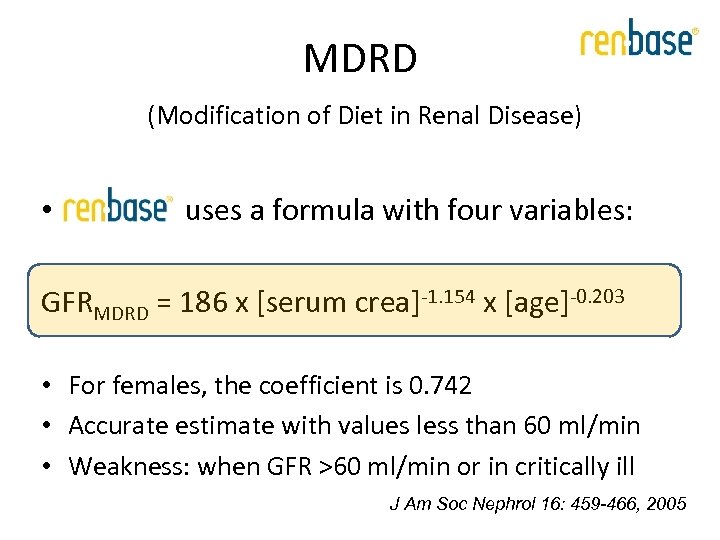 MDRD (Modification of Diet in Renal Disease) • k uses a formula with four variables: GFRMDRD = 186 x [serum crea]-1. 154 x [age]-0. 203 • For females, the coefficient is 0. 742 • Accurate estimate with values less than 60 ml/min • Weakness: when GFR >60 ml/min or in critically ill J Am Soc Nephrol 16: 459 -466, 2005
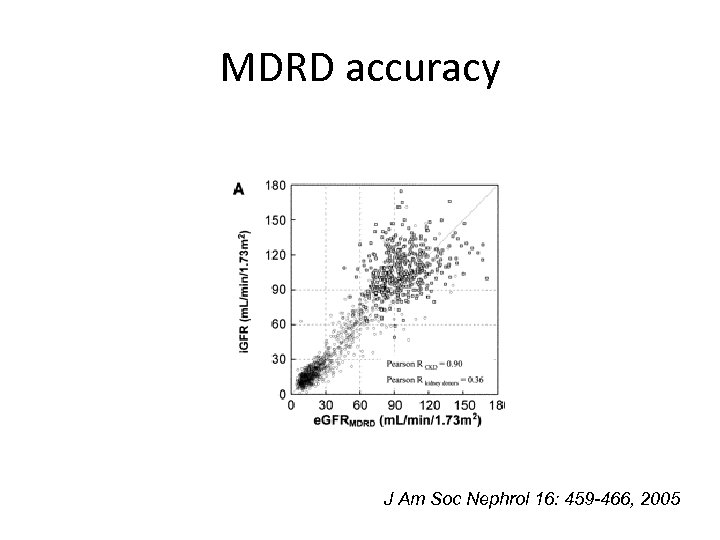 MDRD accuracy J Am Soc Nephrol 16: 459 -466, 2005
![Cockcroft-Gault 1, 23 x [140 – age (v)] x [weight (kg)] GFRCG = S/P-Creatinine](https://present5.com/presentation/9155d74d26bdd4e7d03e799e592b3cda/image-8.jpg "Cockcroft-Gault 1, 23 x [140 – age (v)] x [weight (kg)] GFRCG = S/P-Creatinine") Cockcroft-Gault 1, 23 x [140 – age (v)] x [weight (kg)] GFRCG = S/P-Creatinine (μmol/l) • For females, the coefficient is 0. 85 • In obese patients, ideal body weight must be used • Gives an accurate estimate when renal function is near normal (GFR >60 ml/min); if value calculated with MDRD >60 ml/min, prompts for height and weight for calculating ideal body weight and determines GFR using the Cockcroft-Gault formula
Cockcroft-Gault 1, 23 x [140 – age (v)] x [weight (kg)] GFRCG = S/P-Creatinine (μmol/l) • For females, the coefficient is 0. 85 • In obese patients, ideal body weight must be used • Gives an accurate estimate when renal function is near normal (GFR >60 ml/min); if value calculated with MDRD >60 ml/min, prompts for height and weight for calculating ideal body weight and determines GFR using the Cockcroft-Gault formula
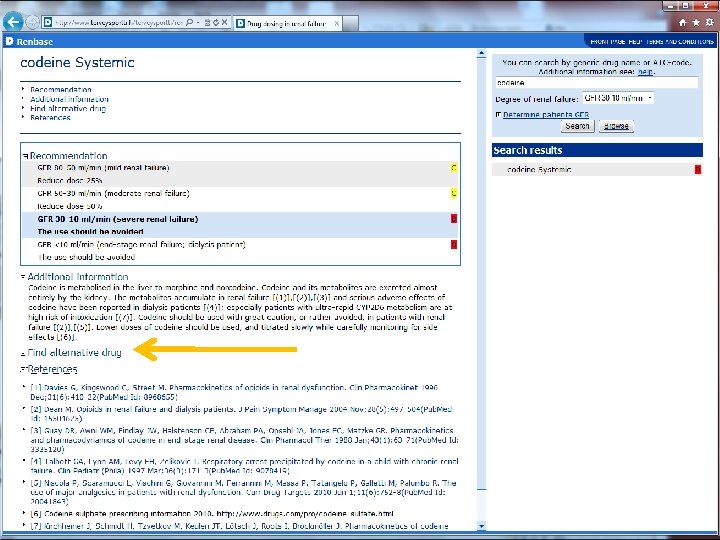
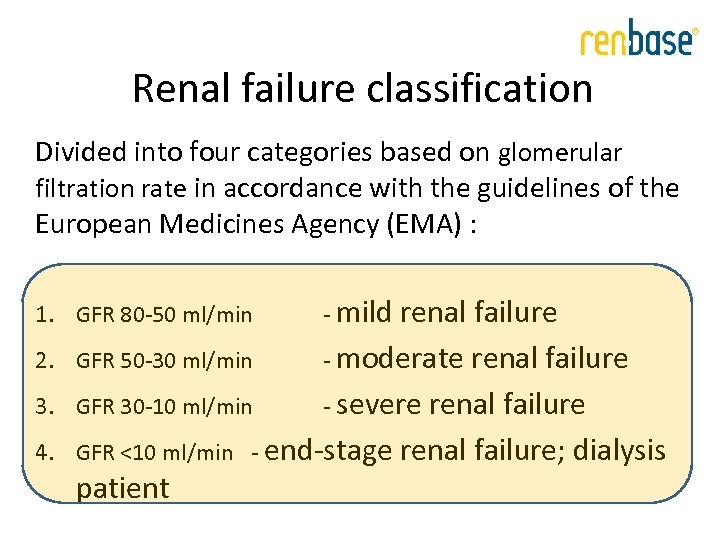 Renal failure classification Divided into four categories based on glomerular filtration rate in accordance with the guidelines of the European Medicines Agency (EMA) : 1. GFR 80 -50 ml/min - mild renal failure 2. GFR 50 -30 ml/min - moderate renal failure 3. GFR 30 -10 ml/min - severe renal failure 4. GFR <10 ml/min - end-stage renal failure; dialysis patient
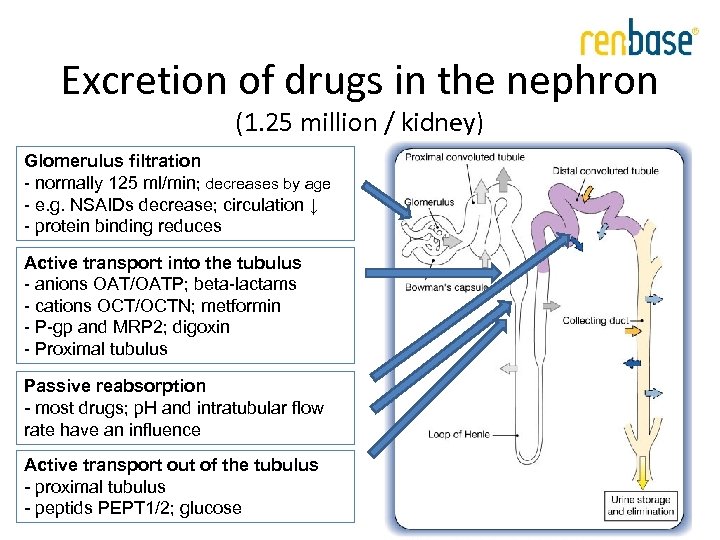 Excretion of drugs in the nephron (1. 25 million / kidney) Glomerulus filtration - normally 125 ml/min; decreases by age - e. g. NSAIDs decrease; circulation ↓ - protein binding reduces Active transport into the tubulus - anions OAT/OATP; beta-lactams - cations OCT/OCTN; metformin - P-gp and MRP 2; digoxin - Proximal tubulus Passive reabsorption - most drugs; p. H and intratubular flow rate have an influence Active transport out of the tubulus - proximal tubulus - peptids PEPT 1/2; glucose
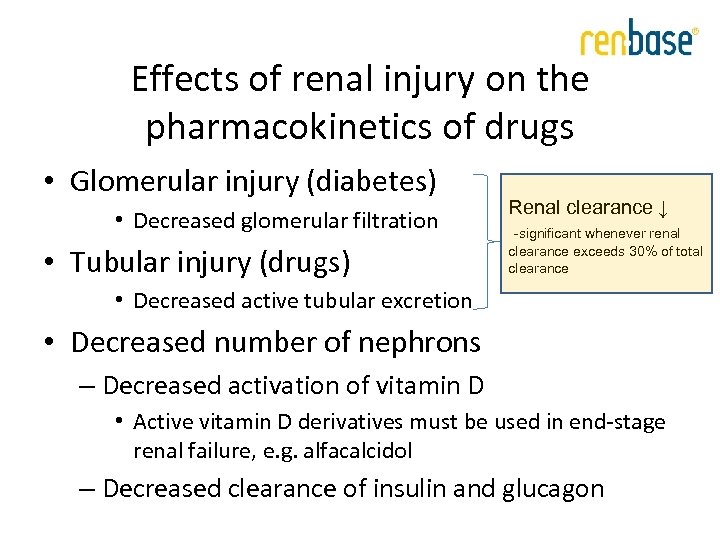 Effects of renal injury on the pharmacokinetics of drugs • Glomerular injury (diabetes) • Decreased glomerular filtration • Tubular injury (drugs) Renal clearance ↓ -significant whenever renal clearance exceeds 30% of total clearance • Decreased active tubular excretion • Decreased number of nephrons – Decreased activation of vitamin D • Active vitamin D derivatives must be used in end-stage renal failure, e. g. alfacalcidol – Decreased clearance of insulin and glucagon
 Relevance of metabolites • Prodrugs – Parent drug inactive, pharmacologic effect from metabolites; e. g. codeine • Parent drug and metabolite both active – E. g. risperidone, oxycodone • Even glucuronide metabolites may be active – E. g. midazolam, morphine Metabolites often accumulate in renal failure – it is important to be familiar with activity and kinetics and, if necessary, take them into account in concentration measurements!!
 Extra-renal effects • Renal failure has an effect on – Absorption of medicines • E. g. iron absorption is reduced – Distribution of drug ingredients • Serum protein concentration and binding capacity of tissues are reduced as a result of renal injury (albumin leaking into the urine and accumulation of uremic components) • Total concentration is reduced but free concentration may remain unchanged or increase – Drug metabolism and excretion into bile • Effects in phase I (2 B 6, 2 C 9, 2 C 19) and phase II (NAT, UGT 2 B 7) • Hydrolysis of conjugates may occur in enterohepatic circulation; excretion into bile may be saturated; reduced transport activity (OATP, P-gp)? ?
 • Renal failure may affect the pharmacokinetics of a drug, even though renal clearance would not be of significant importance to total clearance: – Mechanism: uremic toxins and elevated cytokine activity, which inhibit metabolic functions of the liver? ? – E. g. bupropion • Renal clearance <1% of total clearance • Renal failure increases exposure to bupropion by 130% The amount of the drug excreted in urine is not a fully reliable basis to determine the pharmacokinetics of the drug in renal failure • Response may change; e. g. beta blockers
 Dialysis treatment • Dialysis treatment can be given as peritoneal dialysis or hemodialysis • Dialysis treatment is commenced latest when GFR falls below 10% of normal (< 10 ml/min) • Incidence figures: – 1/3500 inhabitants in chronic dialysis treatment – Annually, 94 new treatments are commenced per million inhabitants
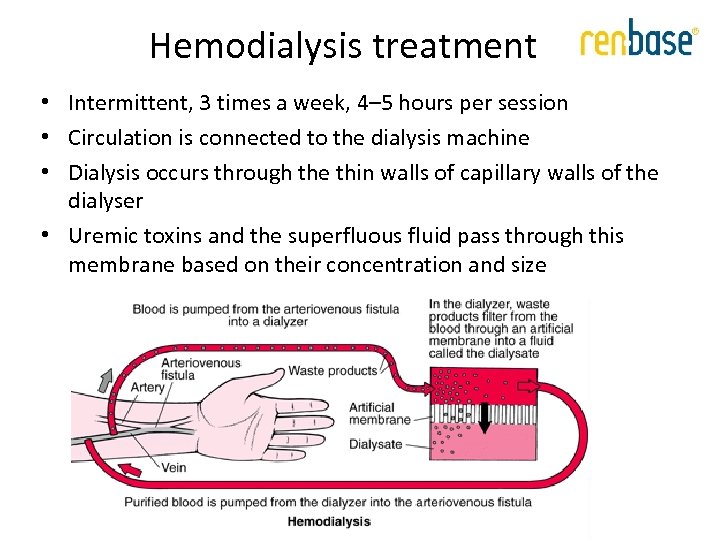 Hemodialysis treatment • Intermittent, 3 times a week, 4– 5 hours per session • Circulation is connected to the dialysis machine • Dialysis occurs through the thin walls of capillary walls of the dialyser • Uremic toxins and the superfluous fluid pass through this membrane based on their concentration and size
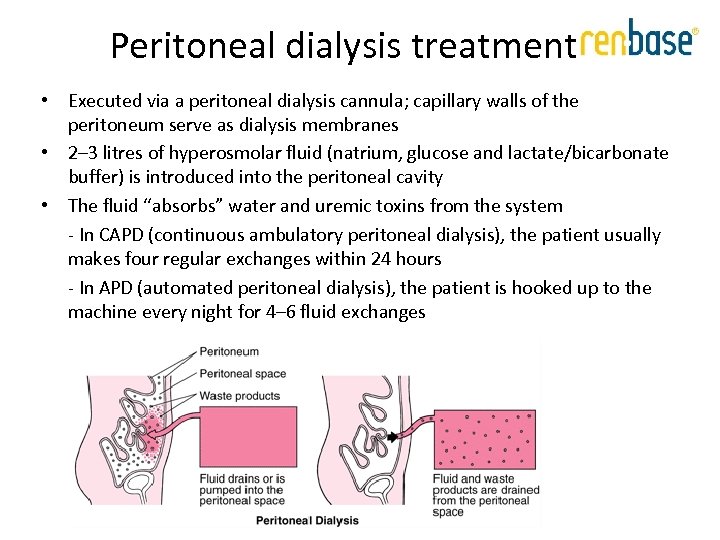 Peritoneal dialysis treatment • Executed via a peritoneal dialysis cannula; capillary walls of the peritoneum serve as dialysis membranes • 2– 3 litres of hyperosmolar fluid (natrium, glucose and lactate/bicarbonate buffer) is introduced into the peritoneal cavity • The fluid “absorbs” water and uremic toxins from the system - In CAPD (continuous ambulatory peritoneal dialysis), the patient usually makes four regular exchanges within 24 hours - In APD (automated peritoneal dialysis), the patient is hooked up to the machine every night for 4– 6 fluid exchanges
 Dialysis and drugs • Both hemo- and peritoneal dialysis remove drugs • Factors affecting the removal of drugs: – Molecular weight (e. g. vancomycin and amphotericin large – not removed) – Plasma protein binding (if more than 90%, dialysability is often poor) – Volume of distribution (large with e. g. tricyclics - most of the drug in tissues -> low elimination, rebound phenomenon) – Dialysis method and equipment (i. a. , dialysis membranes) – Dialysis conditions (duration, blood and dialysate flow rate)
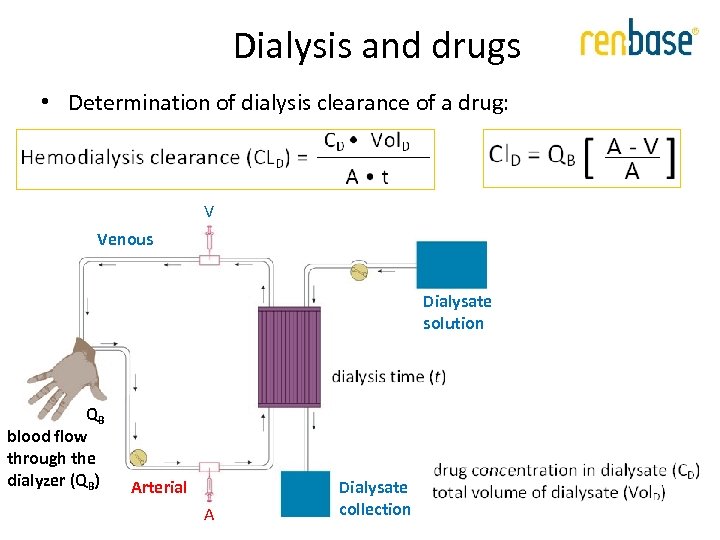 Dialysis and drugs • Determination of dialysis clearance of a drug: V Venous Dialysate solution QB blood flow through the dialyzer (QB) Arterial A Dialysate collection
 Dialysis and drugs • The relative volume of the drug being removed can be calculated with the clearance achieved by dialysis • The need of any additional dose caused by dialysis can be estimated/calculated using the elimination fraction • Well dialysable drugs are usually administered to a dialysis patient after a dialysis session • If the drug is removed both through dialysis and extrarenal elimination, an extra dose of the drug is usually also administered, equivalent to the volume of drug removed by dialysis • Dialysis treatment may also alter extrarenal drug metabolism (i. a. , liver metabolism) by removing uremic toxins (CYP 3 A 4 activity ↑ 27%) Nolin et al. J. Am. Soc. Nephrol. 2006
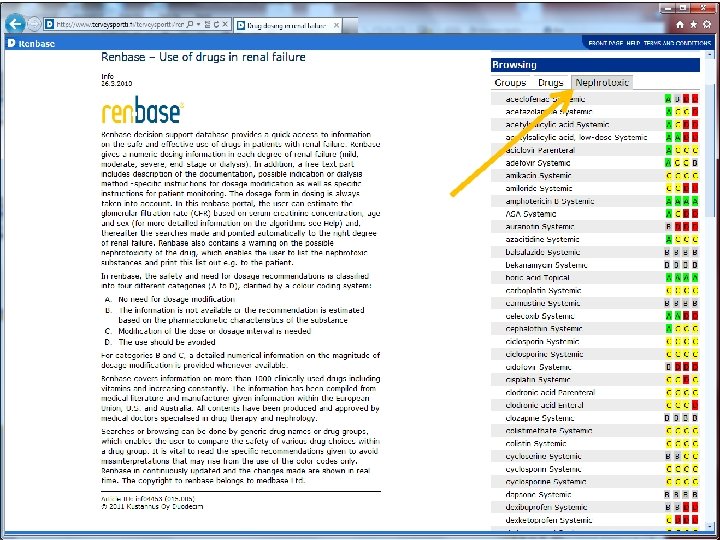
 Renal toxicity of drugs • Increases the risk of aggravation of already impaired renal function • Should be avoided in patients with chronic kidney disease • Problem can often be avoided by choice of drug • Close monitoring of renal function/drug concentration when an alternative safer option is not available • Aminoglycosides, anti-inflammatory drugs, cold, some bisphonates, several immunosuppressives • Can be listed in the portal
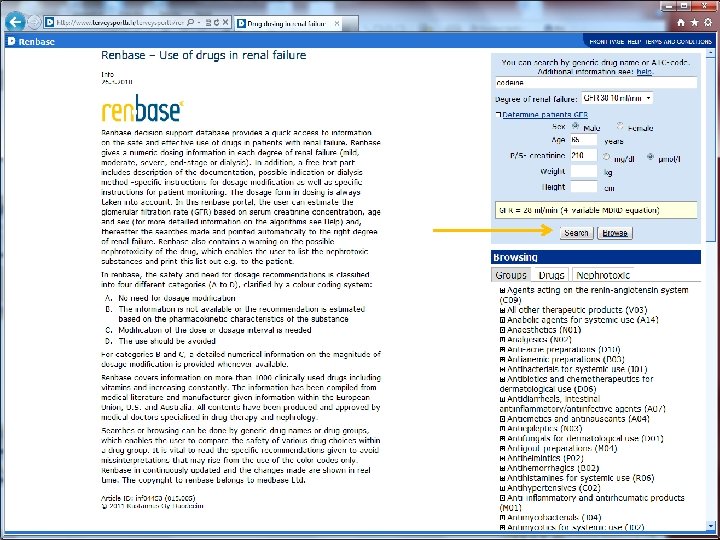
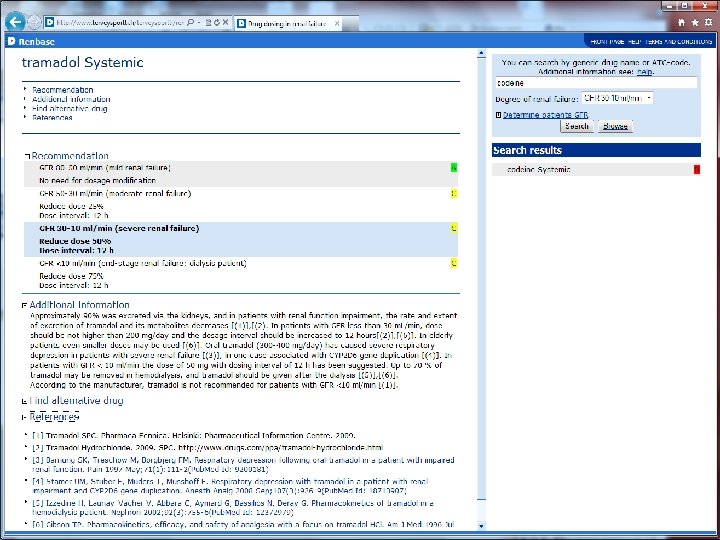
 Why the database? • Renal failure changes the pharmacokinetics of many drugs, which requires modification of the dose and closer-than-usual monitoring of the patient • Differences in safety between drugs • Differences in the documentation of drug safety Choosing the drug/dosage/treatment strategy correctly improves safety • There is lot of information, but it is not updated, nor is it readily available – poor penetration into clinical work • Making independent information available for the benefit of doctors, dentist and pharmacists improves the accuracy and safety of medication and ability of healthcare personnel to advice their patients • Effective drug therapy is not denied on wrong grounds
 development process – Standardised operating models for data search – Sources • Medical literature (Pubmed) • Information published by the creator in Europe, Australia and the United States – Data coding using standardised methods • Mode of administration, classification, standard phrases – Scientific assessment / inspection by a nephrologist
 • Mode of administration is taken into account: – Systemic (per oral, i. v. , i. m. , s. c. ) – Topical (dermatological, eye drops/ointments, vagitories, local anaesthetics) • Different recommendations for modification of the dose in different uses have been taken into account • Any effect of the drug inducing renal injury has been assessed
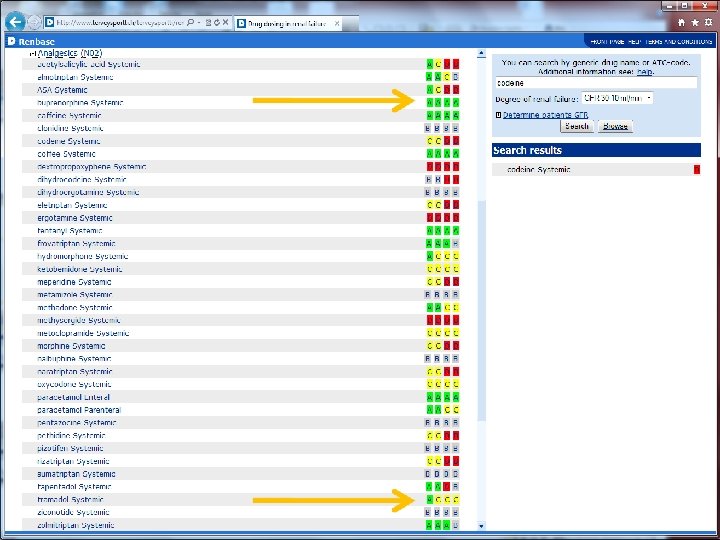
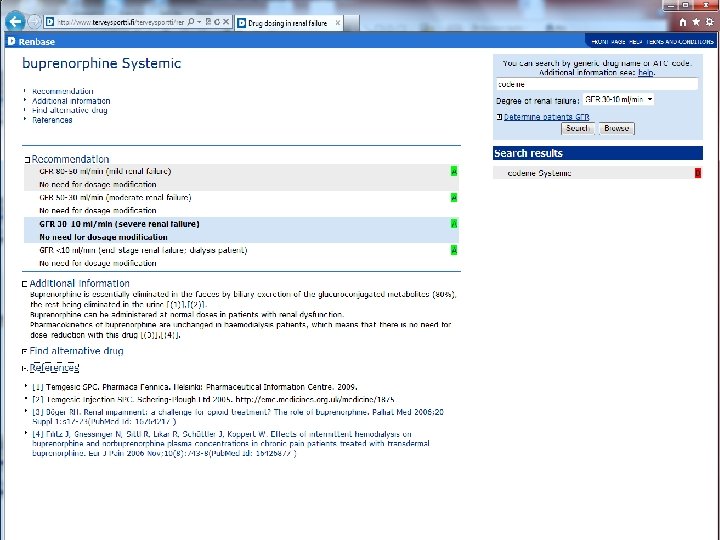
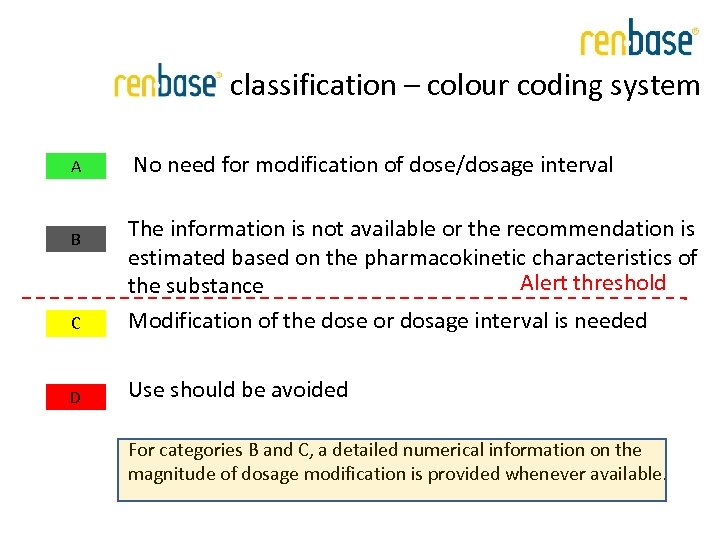 classification – colour coding system A No need for modification of dose/dosage interval C The information is not available or the recommendation is estimated based on the pharmacokinetic characteristics of Alert threshold the substance Modification of the dose or dosage interval is needed D Use should be avoided B For categories B and C, a detailed numerical information on the magnitude of dosage modification is provided whenever available.
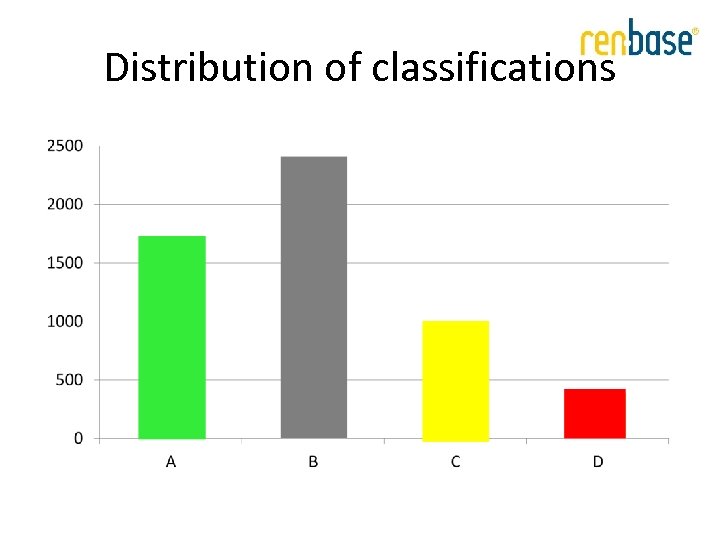 Distribution of classifications
![References (linked to Pubmed) - approximately 5, 000 references [1] Arancibia A, Drouguett MT,](https://present5.com/presentation/9155d74d26bdd4e7d03e799e592b3cda/image-27.jpg "References (linked to Pubmed) - approximately 5, 000 references [1] Arancibia A, Drouguett MT,") References (linked to Pubmed) - approximately 5, 000 references [1] Arancibia A, Drouguett MT, Fuentes G, González C, Thambo S, Palombo G. Pharmacokinetics of amoxicillin in subjects with normal and impaired renal function. Int J Clin Pharmacol Ther Toxicol 1982 Oct; 20(10): 447 -53(Pub. Med Id: 7141752) [2] Horber FF, Frey FJ, Descoeudres C, Murray AT, Reubi FC. Differential effect of impaired renal function on the kinetics of clavulanic acid and amoxicillin. Antimicrob Agents Chemother 1986 Apr; 29(4): 614 -9(Pub. Med Id: 3707111) [3] Humbert G, Spyker DA, Fillastre JP, Leroy A. Pharmacokinetics of amoxicillin: Dosage nomogram for patients with impaired renal function. Antimicrob Agents Chemother 1979 Jan; 15(1): 2833(Pub. Med Id: 426503) [4] Davies BE, Boon R, Horton R, Reubi FC, Descoeudres CE. Pharmacokinetics of amoxycillin and clavulanic acid in haemodialysis patients following intravenous administration of Augmentin. Br J Clin Pharmacol 1988 Oct; 26(4): 385 -90(Pub. Med Id: 3190988) [5] Lawson DH, Henderson AK, Mc. Geachy RR. Amoxycillin: pharmacokinetic studies in normal subjects, patients with pernicious anaemia and those with renal failure. Postgrad Med J 1974 Aug; 50(586): 500 -3(Pub. Med Id: 4618910) [6] Francke EL, Appel GB, Neu HC. Kinetics of intravenous amoxicillin in patients on long-term dialysis. Clin Pharmacol Ther 1979 Jul; 26(1): 31 -5(Pub. Med Id: 445959) [7] Slaughter RL, Kohli R, Brass C. Effects of hemodialysis on the pharmacokinetics of amoxicillin/clavulanic acid combination. Ther Drug Monit 1984; 6(4): 424 -7(Pub. Med Id: 6393464)
References (linked to Pubmed) - approximately 5, 000 references [1] Arancibia A, Drouguett MT, Fuentes G, González C, Thambo S, Palombo G. Pharmacokinetics of amoxicillin in subjects with normal and impaired renal function. Int J Clin Pharmacol Ther Toxicol 1982 Oct; 20(10): 447 -53(Pub. Med Id: 7141752) [2] Horber FF, Frey FJ, Descoeudres C, Murray AT, Reubi FC. Differential effect of impaired renal function on the kinetics of clavulanic acid and amoxicillin. Antimicrob Agents Chemother 1986 Apr; 29(4): 614 -9(Pub. Med Id: 3707111) [3] Humbert G, Spyker DA, Fillastre JP, Leroy A. Pharmacokinetics of amoxicillin: Dosage nomogram for patients with impaired renal function. Antimicrob Agents Chemother 1979 Jan; 15(1): 2833(Pub. Med Id: 426503) [4] Davies BE, Boon R, Horton R, Reubi FC, Descoeudres CE. Pharmacokinetics of amoxycillin and clavulanic acid in haemodialysis patients following intravenous administration of Augmentin. Br J Clin Pharmacol 1988 Oct; 26(4): 385 -90(Pub. Med Id: 3190988) [5] Lawson DH, Henderson AK, Mc. Geachy RR. Amoxycillin: pharmacokinetic studies in normal subjects, patients with pernicious anaemia and those with renal failure. Postgrad Med J 1974 Aug; 50(586): 500 -3(Pub. Med Id: 4618910) [6] Francke EL, Appel GB, Neu HC. Kinetics of intravenous amoxicillin in patients on long-term dialysis. Clin Pharmacol Ther 1979 Jul; 26(1): 31 -5(Pub. Med Id: 445959) [7] Slaughter RL, Kohli R, Brass C. Effects of hemodialysis on the pharmacokinetics of amoxicillin/clavulanic acid combination. Ther Drug Monit 1984; 6(4): 424 -7(Pub. Med Id: 6393464)
 • Information on the use of more than 1, 400 drugs during renal failure as well as dosage recommendations • Includes special licence drugs • Vitamins and key micronutrients • Search functions should always function with generic names and brand names of drugs • Updated every 3 months
 uses: • Portal use • Doctors, dentists, pharmacists • All health care units • Drug chart reviews • Integration to electronic patient record systems • Doctors, dentists • Automatic decision support