


 Скачать презентацию DRUG INTERACTIONS in Pharmacotherapy 2010 Prof Lukman Hakim
6485b0490b901913804e57ad399f395e.ppt
- Количество слайдов: 73
 DRUG INTERACTIONS in Pharmacotherapy 2010 Prof Lukman Hakim Ph. D Department of Pharmacology and Clinical Pharmacy Faculty of Pharmacy, Gadjah Mada University
 References for further reading 1. 2. 3. 4. 5. Koda-Kimble MA & Young LY (1998) Hansten and Horn’s Managing Clinically Important Drug Interactions, Applied Therapeutics, Inc, Vancouver Koda-Kimble et al (2007) Handbook of Applied Therapeutics, 8 th ed, Lippincott Williams & Wilkins, Philadelphia Mozayani A & Raymon LP (2004) Handbook of Drug Interactions- A Clinical and Forensic Guide, Humana Press, New Jersey Rodrigues AD (2002) Drug-Drug Interactions, Taylor & Francis, New York Stockley IH (1994) Drug Interactions, 3 rd ed, Blackwell Science, London
 Web sites for more learning tools www. arizonacert. org (drug interactions) www. drug-interactions. com (P 450 -mediated drug interactions) www. torsades. org (drug-induced arrhythmia) www. penncert. org (antibiotics) www. dcri. duke. edu/research/fields/certs. html (cardiovascular therapeutics) www. sph. unc. edu/healthoutcomes/certs/index. htm (therapeutics in pediatrics) www. uab. edu (therapeutics of musculoskeletal disorders)
 Occurence of drug interactions In Vitro In Vivo (in patients) : Clinically expected or unexpected Clinically observed or undetected Clinical effect can be severe or light
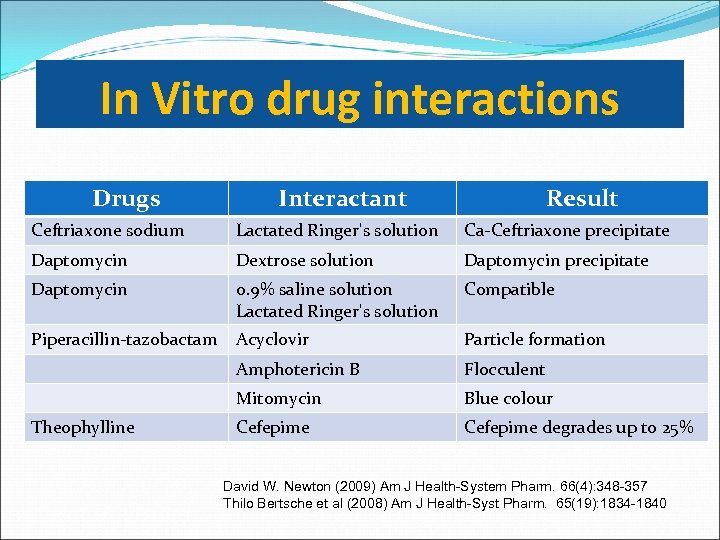 In Vitro drug interactions Drugs Interactant Result Ceftriaxone sodium Lactated Ringer's solution Ca-Ceftriaxone precipitate Daptomycin Dextrose solution Daptomycin precipitate Daptomycin 0. 9% saline solution Lactated Ringer's solution Compatible Piperacillin-tazobactam Acyclovir Particle formation Amphotericin B Flocculent Mitomycin Blue colour Cefepime degrades up to 25% Theophylline David W. Newton (2009) Am J Health-System Pharm. 66(4): 348 -357 Thilo Bertsche et al (2008) Am J Health-Syst Pharm. 65(19): 1834 -1840
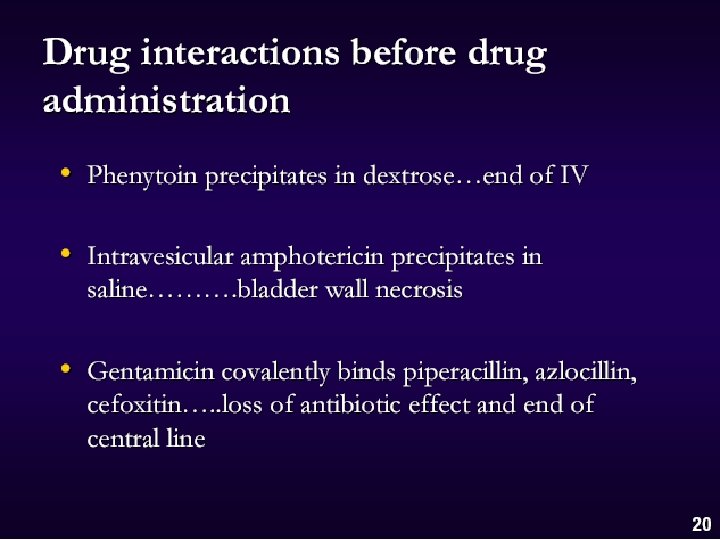
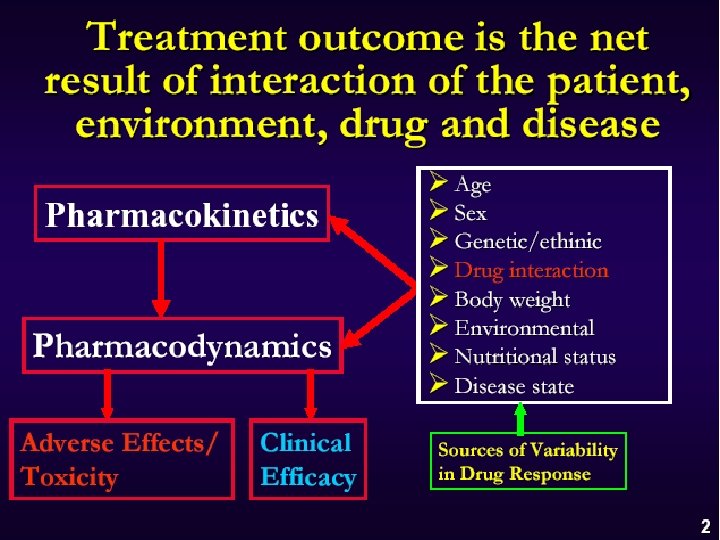
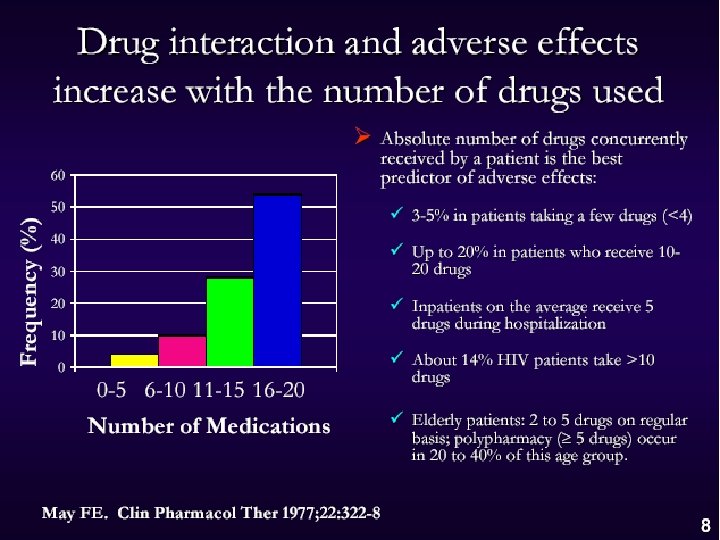
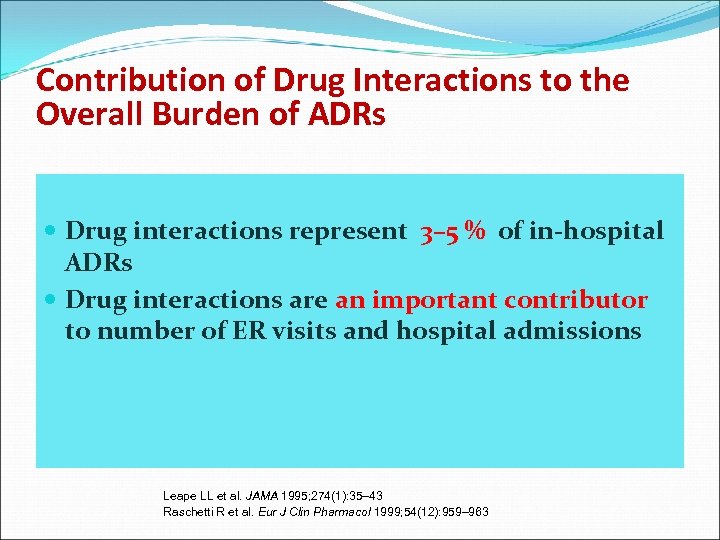 Contribution of Drug Interactions to the Overall Burden of ADRs Drug interactions represent 3– 5 % of in-hospital ADRs Drug interactions are an important contributor to number of ER visits and hospital admissions Leape LL et al. JAMA 1995; 274(1): 35– 43 Raschetti R et al. Eur J Clin Pharmacol 1999; 54(12): 959– 963
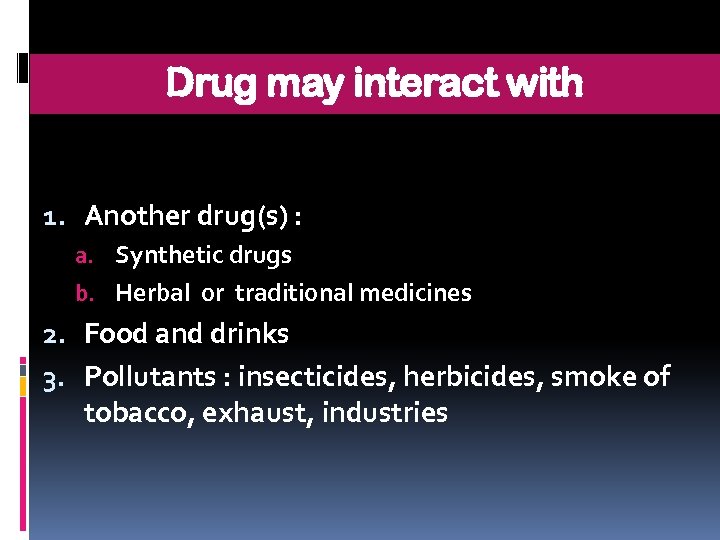 Drug may interact with 1. Another drug(s) : a. Synthetic drugs b. Herbal or traditional medicines 2. Food and drinks 3. Pollutants : insecticides, herbicides, smoke of tobacco, exhaust, industries
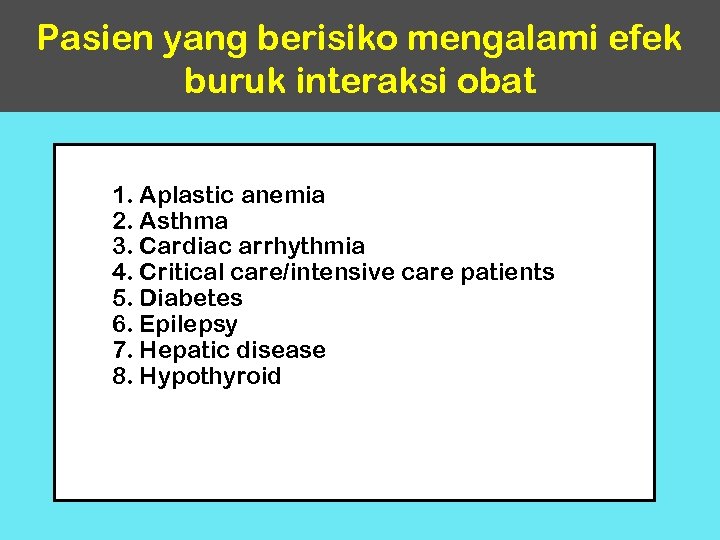 Pasien yang berisiko mengalami efek buruk interaksi obat 1. Aplastic anemia 2. Asthma 3. Cardiac arrhythmia 4. Critical care/intensive care patients 5. Diabetes 6. Epilepsy 7. Hepatic disease 8. Hypothyroid
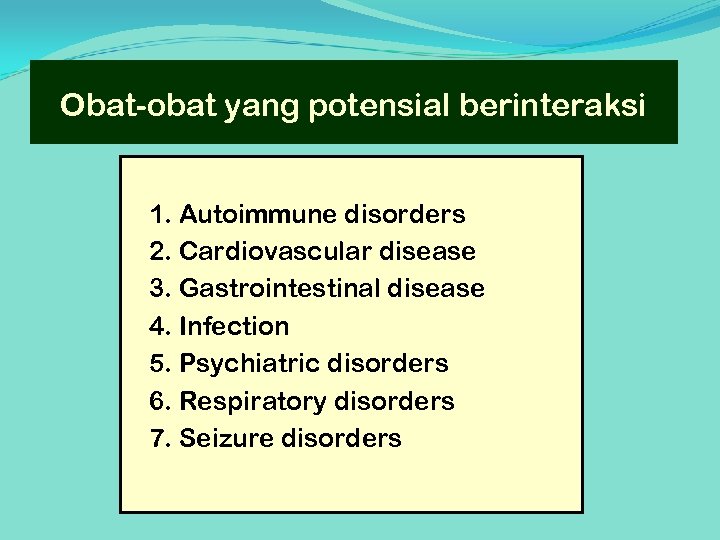 Obat-obat yang potensial berinteraksi 1. Autoimmune disorders 2. Cardiovascular disease 3. Gastrointestinal disease 4. Infection 5. Psychiatric disorders 6. Respiratory disorders 7. Seizure disorders
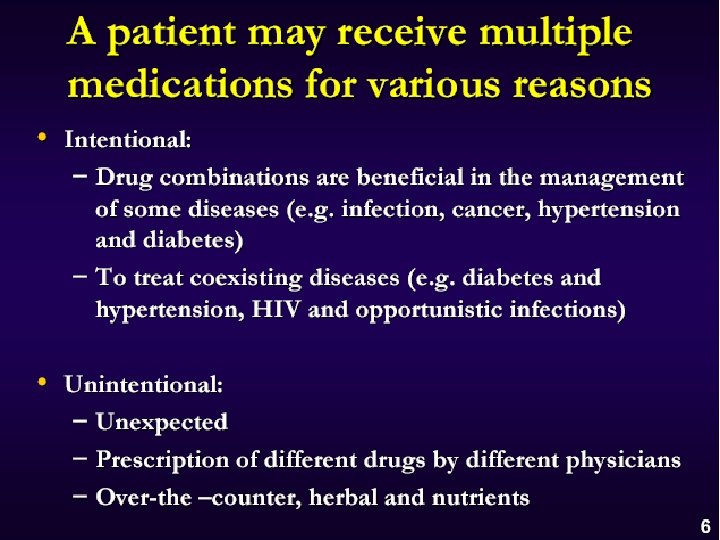
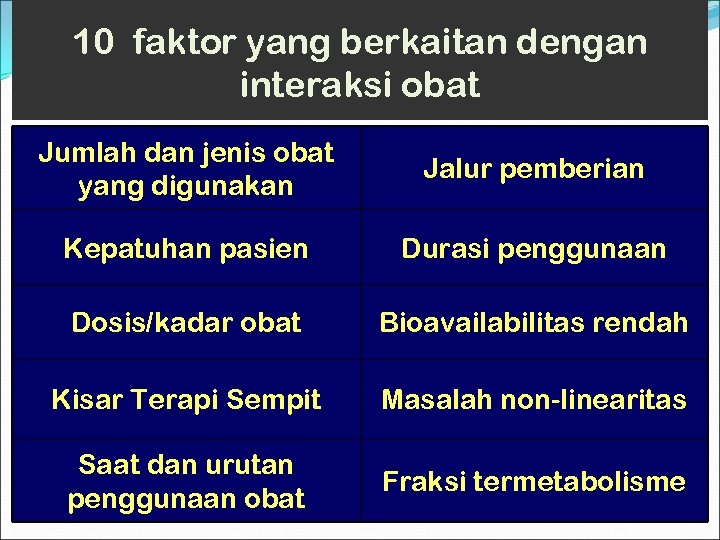 10 faktor yang berkaitan dengan interaksi obat Jumlah dan jenis obat yang digunakan Jalur pemberian Kepatuhan pasien Durasi penggunaan Dosis/kadar obat Bioavailabilitas rendah Kisar Terapi Sempit Masalah non-linearitas Saat dan urutan penggunaan obat Fraksi termetabolisme
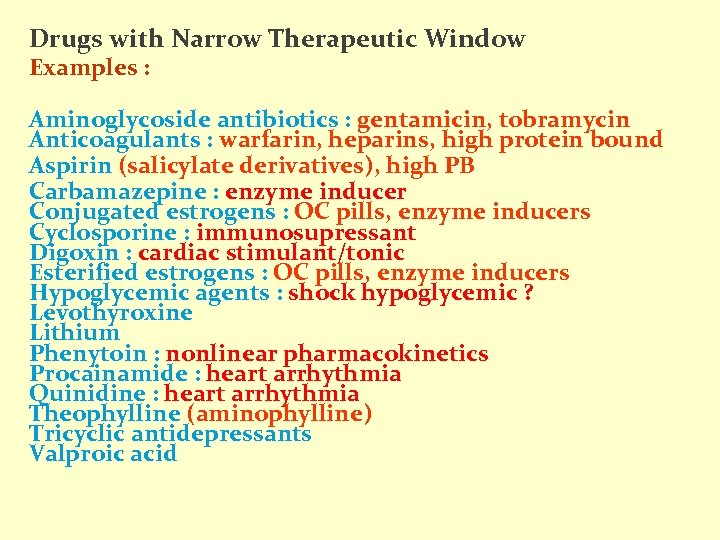 Drugs with Narrow Therapeutic Window Examples : Aminoglycoside antibiotics : gentamicin, tobramycin Anticoagulants : warfarin, heparins, high protein bound Aspirin (salicylate derivatives), high PB Carbamazepine : enzyme inducer Conjugated estrogens : OC pills, enzyme inducers Cyclosporine : immunosupressant Digoxin : cardiac stimulant/tonic Esterified estrogens : OC pills, enzyme inducers Hypoglycemic agents : shock hypoglycemic ? Levothyroxine Lithium Phenytoin : nonlinear pharmacokinetics Procainamide : heart arrhythmia Quinidine : heart arrhythmia Theophylline (aminophylline) Tricyclic antidepressants Valproic acid
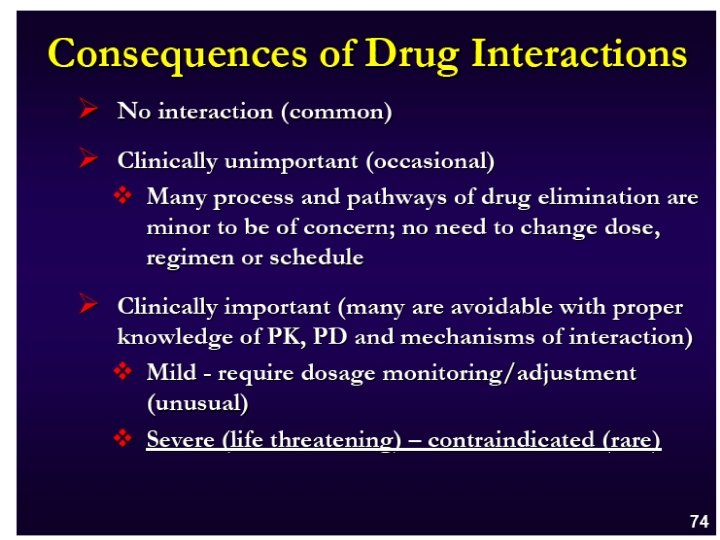
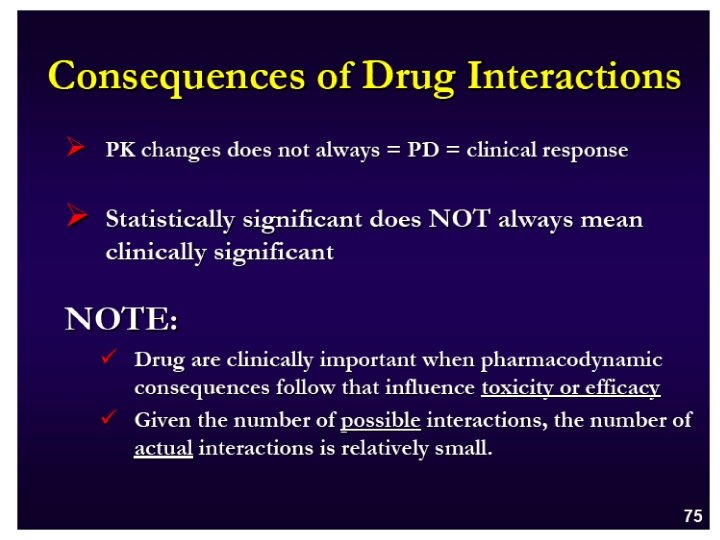
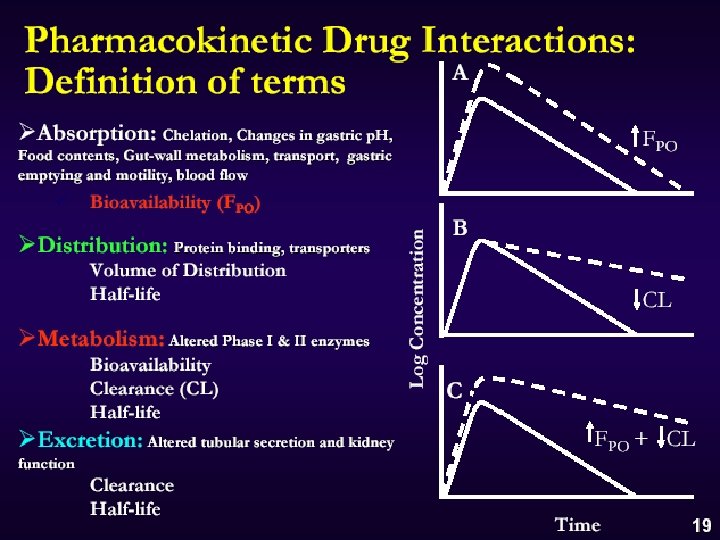
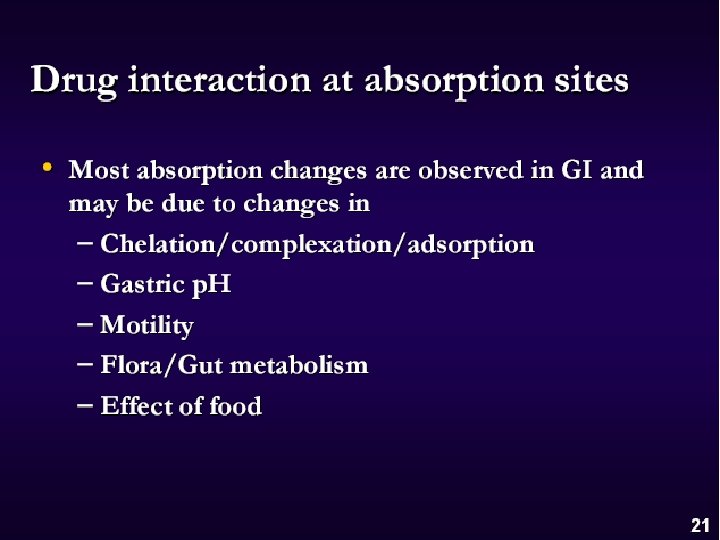
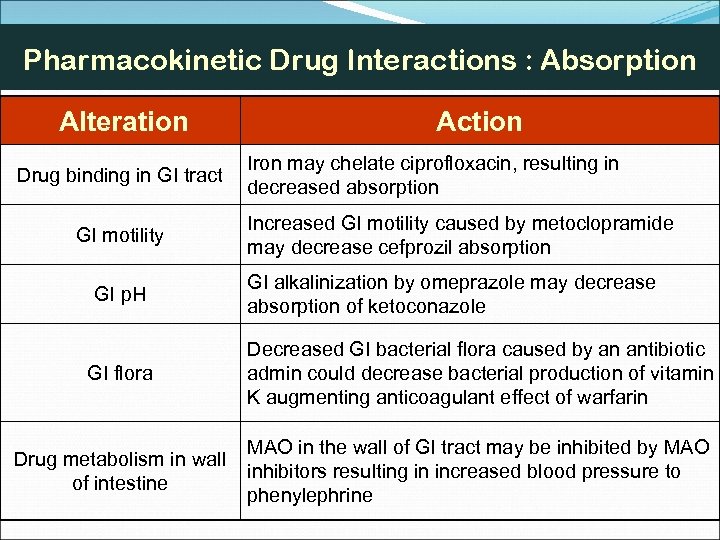 Pharmacokinetic Drug Interactions : Absorption Alteration Drug binding in GI tract GI motility GI p. H GI flora Action Iron may chelate ciprofloxacin, resulting in decreased absorption Increased GI motility caused by metoclopramide may decrease cefprozil absorption GI alkalinization by omeprazole may decrease absorption of ketoconazole Decreased GI bacterial flora caused by an antibiotic admin could decrease bacterial production of vitamin K augmenting anticoagulant effect of warfarin MAO in the wall of GI tract may be inhibited by MAO Drug metabolism in wall inhibitors resulting in increased blood pressure to of intestine phenylephrine
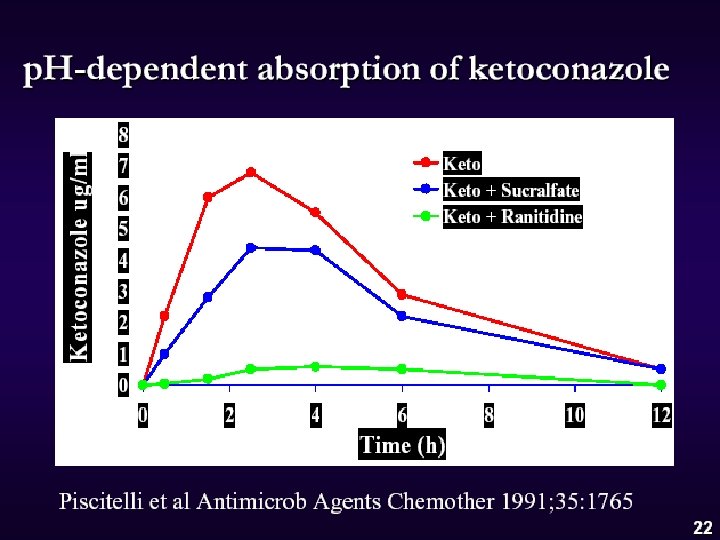
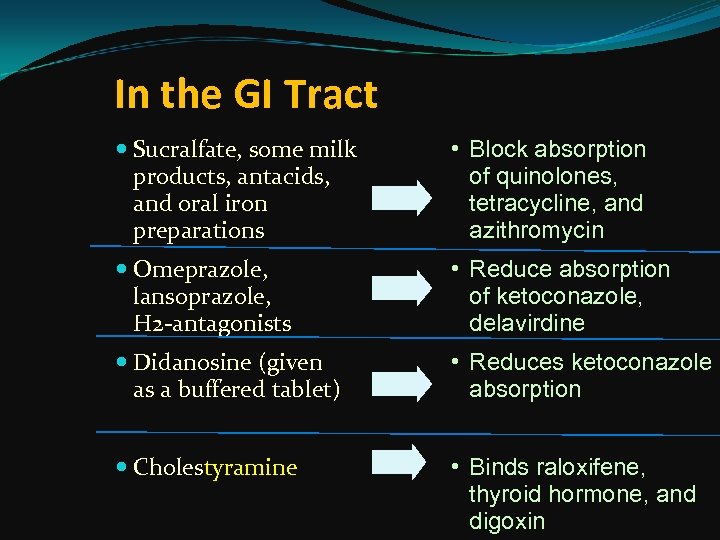 In the GI Tract Sucralfate, some milk products, antacids, and oral iron preparations • Block absorption of quinolones, tetracycline, and azithromycin Omeprazole, lansoprazole, H 2 -antagonists • Reduce absorption of ketoconazole, delavirdine Didanosine (given as a buffered tablet) • Reduces ketoconazole absorption Cholestyramine • Binds raloxifene, thyroid hormone, and digoxin
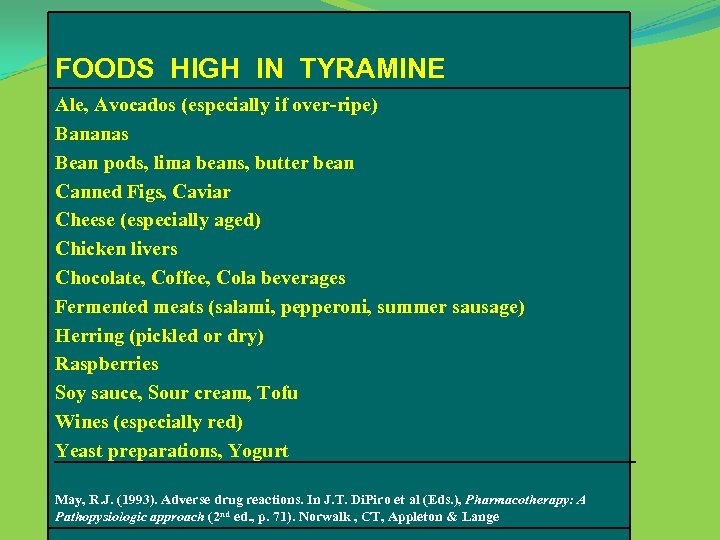 FOODS HIGH IN TYRAMINE Ale, Avocados (especially if over-ripe) Bananas Bean pods, lima beans, butter bean Canned Figs, Caviar Cheese (especially aged) Chicken livers Chocolate, Coffee, Cola beverages Fermented meats (salami, pepperoni, summer sausage) Herring (pickled or dry) Raspberries Soy sauce, Sour cream, Tofu Wines (especially red) Yeast preparations, Yogurt May, R. J. (1993). Adverse drug reactions. In J. T. Di. Piro et al (Eds. ), Pharmacotherapy: A Pathopysiologic approach (2 nd ed. , p. 71). Norwalk , CT, Appleton & Lange
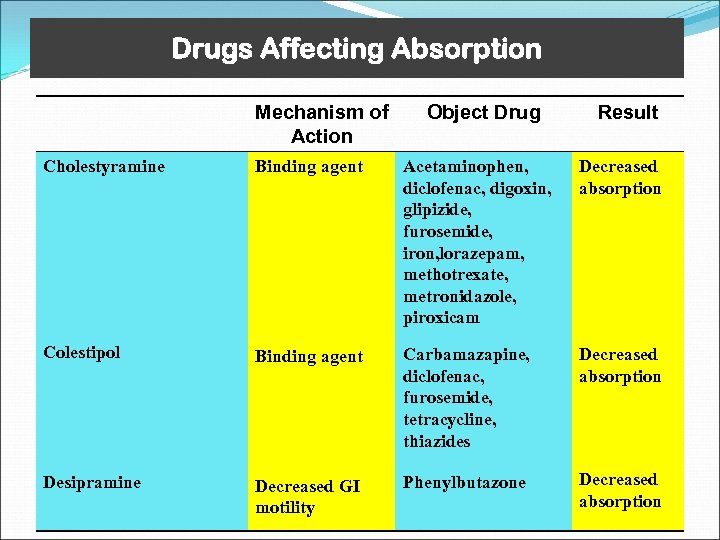 Drugs Affecting Absorption Mechanism of Action Object Drug Result Cholestyramine Binding agent Acetaminophen, diclofenac, digoxin, glipizide, furosemide, iron, lorazepam, methotrexate, metronidazole, piroxicam Decreased absorption Colestipol Binding agent Carbamazapine, diclofenac, furosemide, tetracycline, thiazides Decreased absorption Desipramine Decreased GI motility Phenylbutazone Decreased absorption
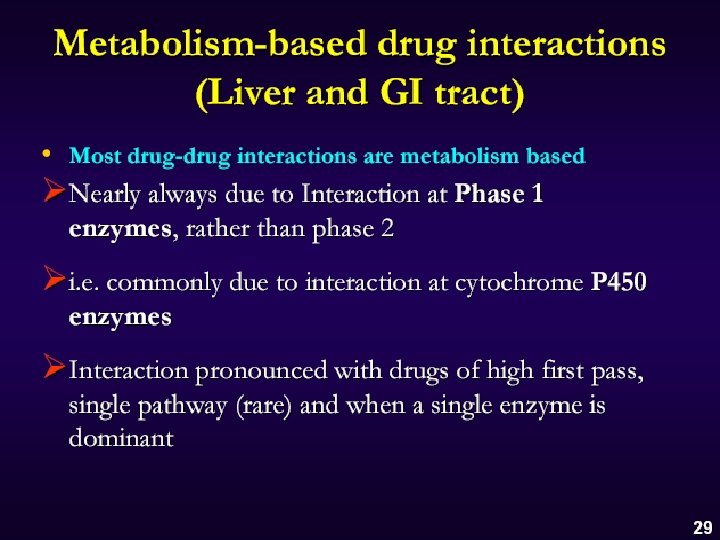
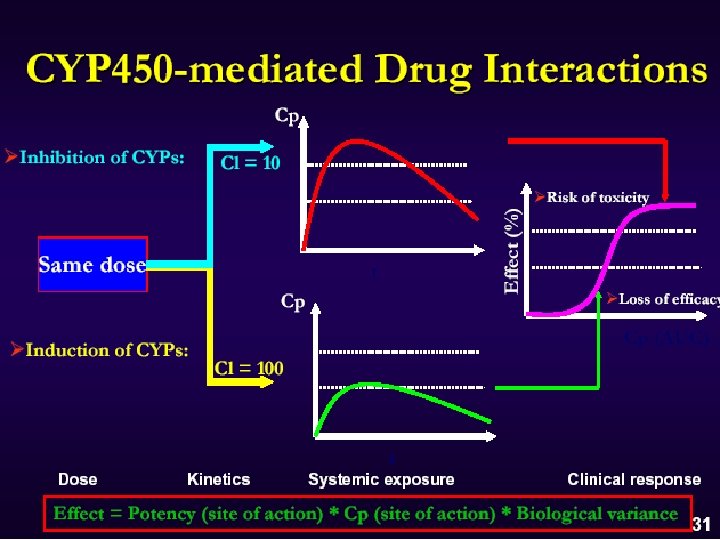
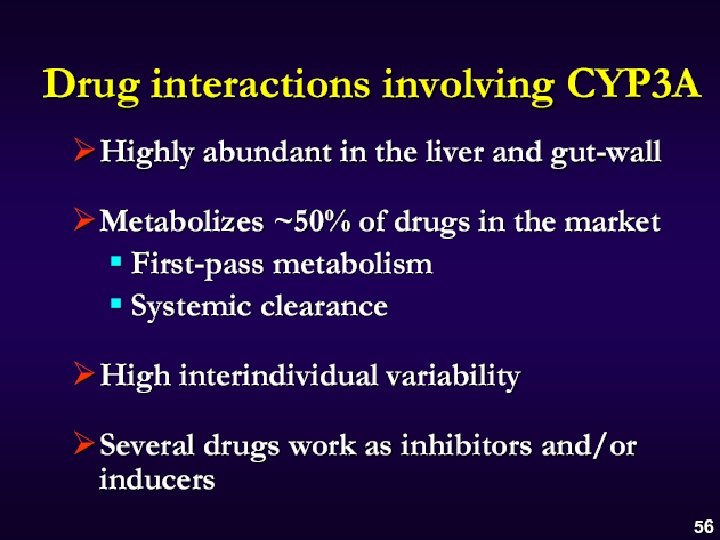
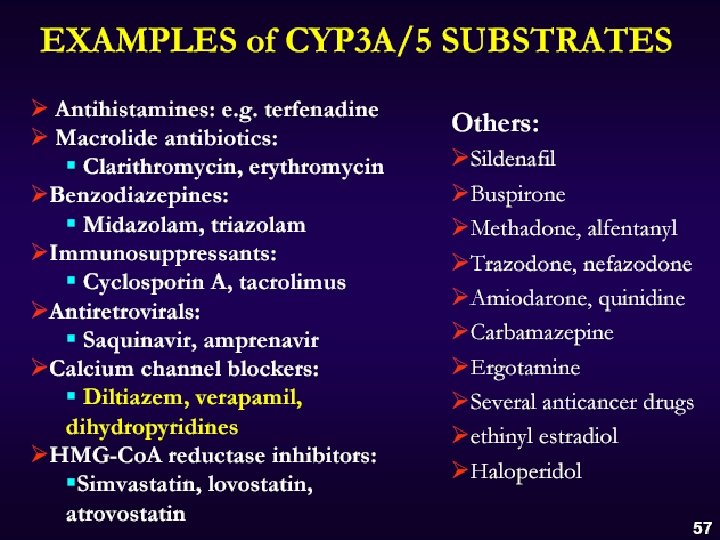
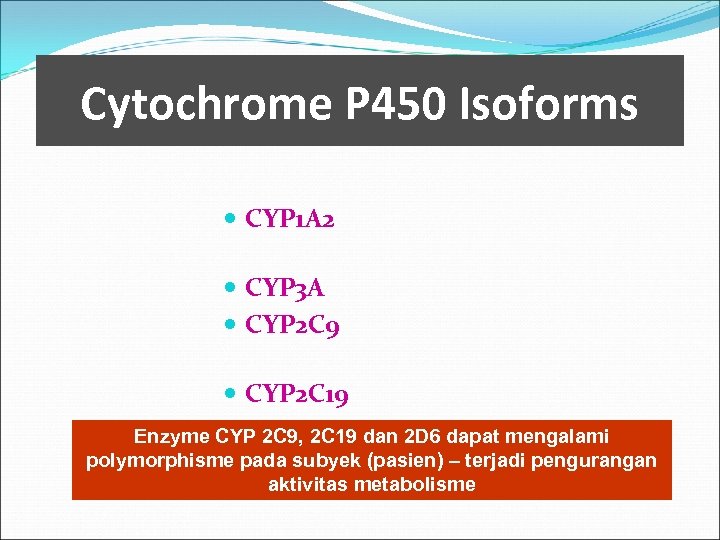 Cytochrome P 450 Isoforms CYP 1 A 2 CYP 3 A CYP 2 C 9 CYP 2 C 19 CYP 2 D 6 Enzyme CYP 2 C 9, 2 C 19 dan 2 D 6 dapat mengalami polymorphisme pada subyek (pasien) – terjadi pengurangan aktivitas metabolisme
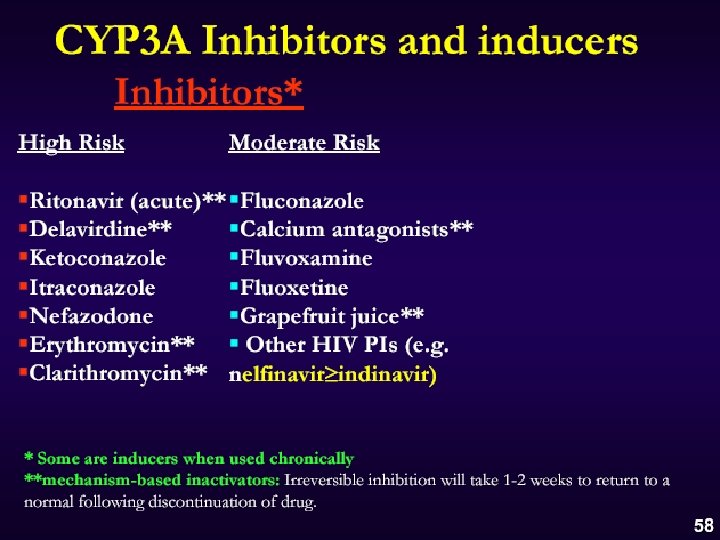
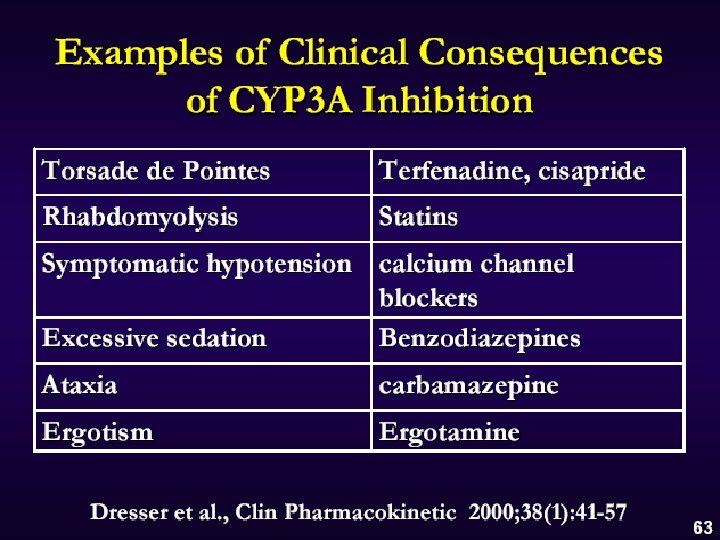
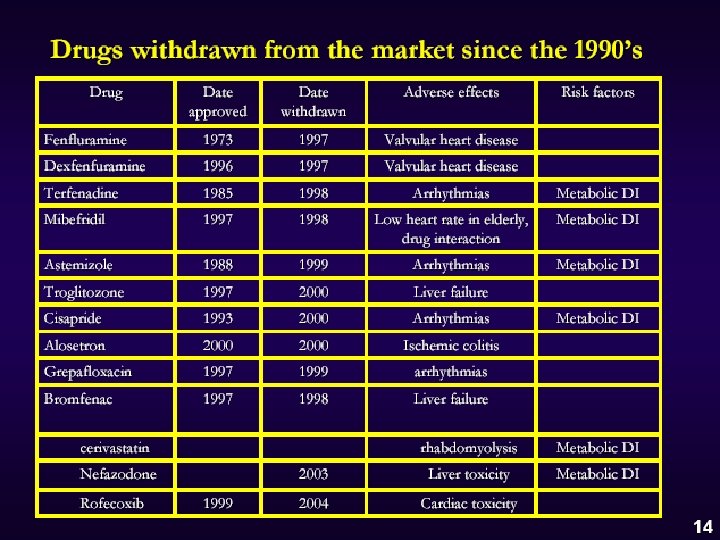
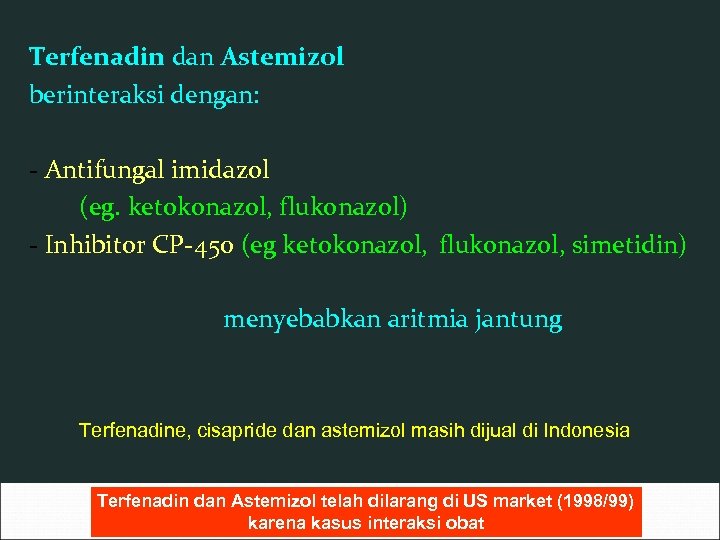 Terfenadin dan Astemizol berinteraksi dengan: - Antifungal imidazol (eg. ketokonazol, flukonazol) - Inhibitor CP-450 (eg ketokonazol, flukonazol, simetidin) menyebabkan aritmia jantung Terfenadine, cisapride dan astemizol masih dijual di Indonesia Terfenadin dan Astemizol telah dilarang di US market (1998/99) karena kasus interaksi obat
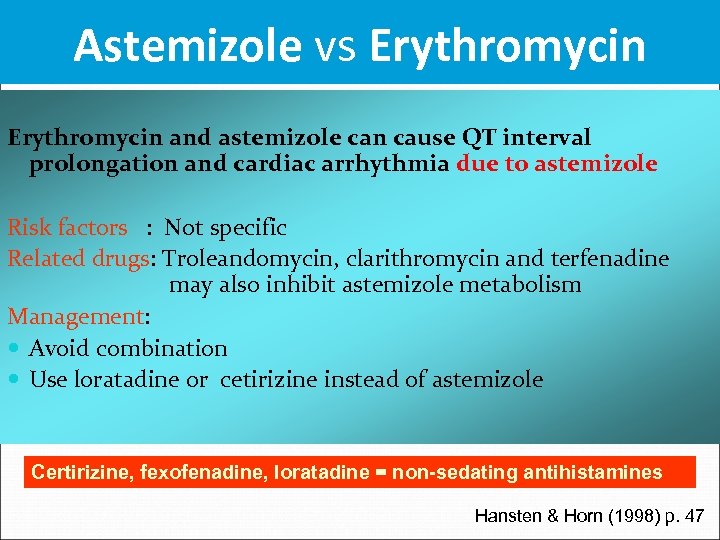 Astemizole vs Erythromycin and astemizole can cause QT interval prolongation and cardiac arrhythmia due to astemizole Risk factors : Not specific Related drugs: Troleandomycin, clarithromycin and terfenadine may also inhibit astemizole metabolism Management: Avoid combination Use loratadine or cetirizine instead of astemizole Certirizine, fexofenadine, loratadine = non-sedating antihistamines Hansten & Horn (1998) p. 47
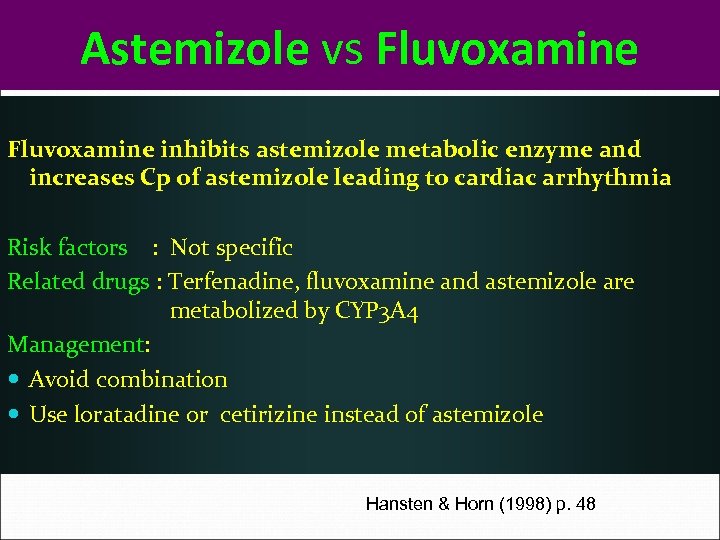 Astemizole vs Fluvoxamine inhibits astemizole metabolic enzyme and increases Cp of astemizole leading to cardiac arrhythmia Risk factors : Not specific Related drugs : Terfenadine, fluvoxamine and astemizole are metabolized by CYP 3 A 4 Management: Avoid combination Use loratadine or cetirizine instead of astemizole Hansten & Horn (1998) p. 48
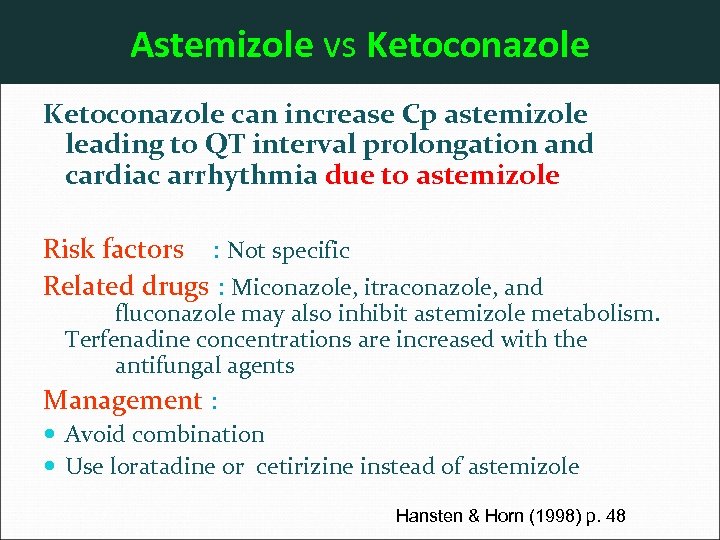 Astemizole vs Ketoconazole can increase Cp astemizole leading to QT interval prolongation and cardiac arrhythmia due to astemizole Risk factors : Not specific Related drugs : Miconazole, itraconazole, and fluconazole may also inhibit astemizole metabolism. Terfenadine concentrations are increased with the antifungal agents Management : Avoid combination Use loratadine or cetirizine instead of astemizole Hansten & Horn (1998) p. 48
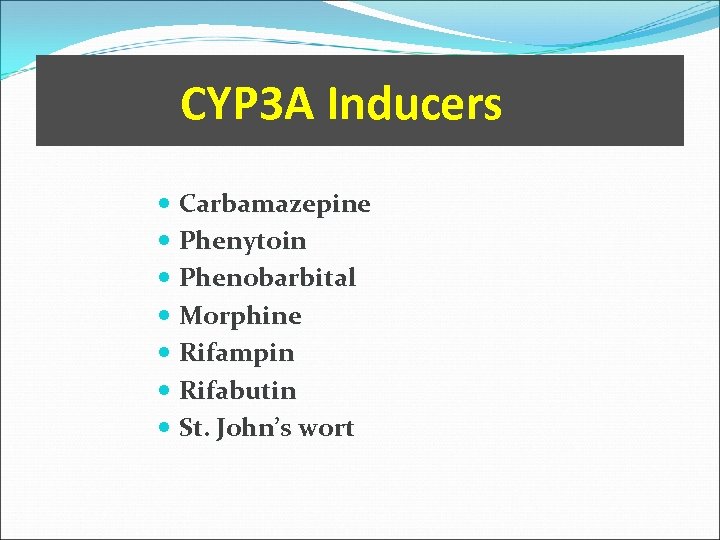 CYP 3 A Inducers Carbamazepine Phenytoin Phenobarbital Morphine Rifampin Rifabutin St. John’s wort
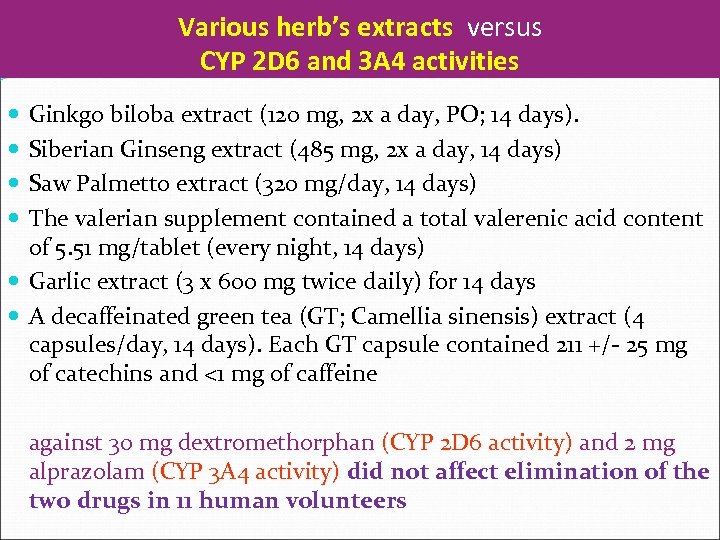 Various herb’s extracts versus CYP 2 D 6 and 3 A 4 activities Ginkgo biloba extract (120 mg, 2 x a day, PO; 14 days). Siberian Ginseng extract (485 mg, 2 x a day, 14 days) Saw Palmetto extract (320 mg/day, 14 days) The valerian supplement contained a total valerenic acid content of 5. 51 mg/tablet (every night, 14 days) Garlic extract (3 x 600 mg twice daily) for 14 days A decaffeinated green tea (GT; Camellia sinensis) extract (4 capsules/day, 14 days). Each GT capsule contained 211 +/- 25 mg of catechins and <1 mg of caffeine against 30 mg dextromethorphan (CYP 2 D 6 activity) and 2 mg alprazolam (CYP 3 A 4 activity) did not affect elimination of the two drugs in 11 human volunteers
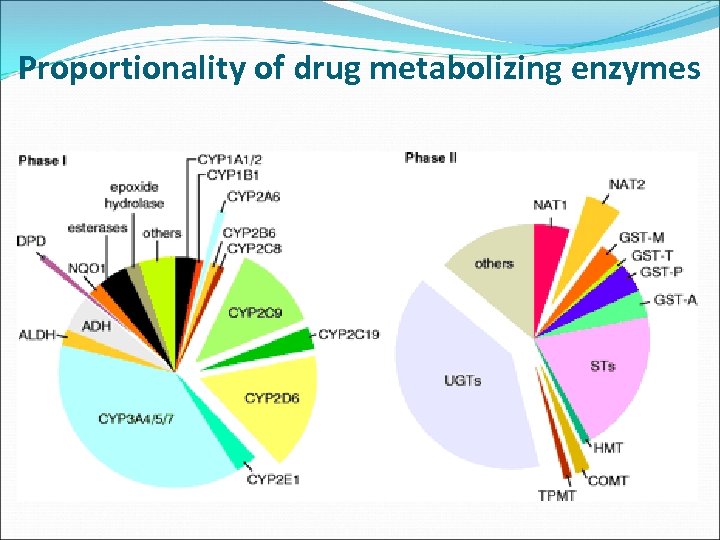 Proportionality of drug metabolizing enzymes
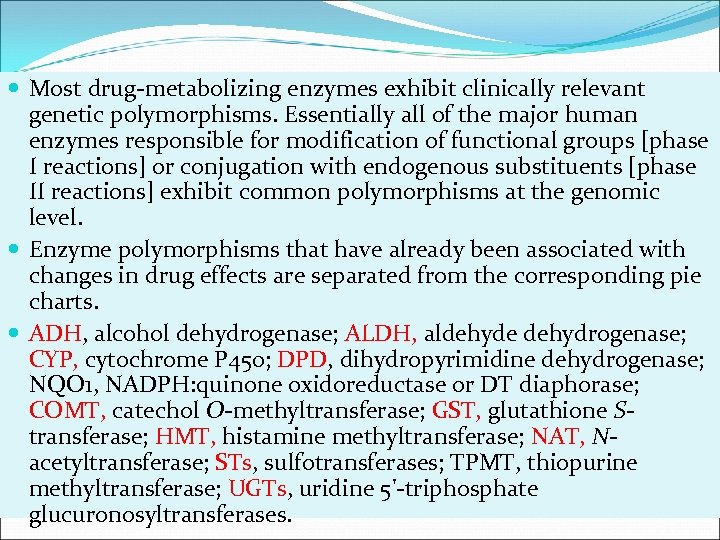 Most drug-metabolizing enzymes exhibit clinically relevant genetic polymorphisms. Essentially all of the major human enzymes responsible for modification of functional groups [phase I reactions] or conjugation with endogenous substituents [phase II reactions] exhibit common polymorphisms at the genomic level. Enzyme polymorphisms that have already been associated with changes in drug effects are separated from the corresponding pie charts. ADH, alcohol dehydrogenase; ALDH, aldehyde dehydrogenase; CYP, cytochrome P 450; DPD, dihydropyrimidine dehydrogenase; NQO 1, NADPH: quinone oxidoreductase or DT diaphorase; COMT, catechol O-methyltransferase; GST, glutathione Stransferase; HMT, histamine methyltransferase; NAT, Nacetyltransferase; STs, sulfotransferases; TPMT, thiopurine methyltransferase; UGTs, uridine 5'-triphosphate glucuronosyltransferases.
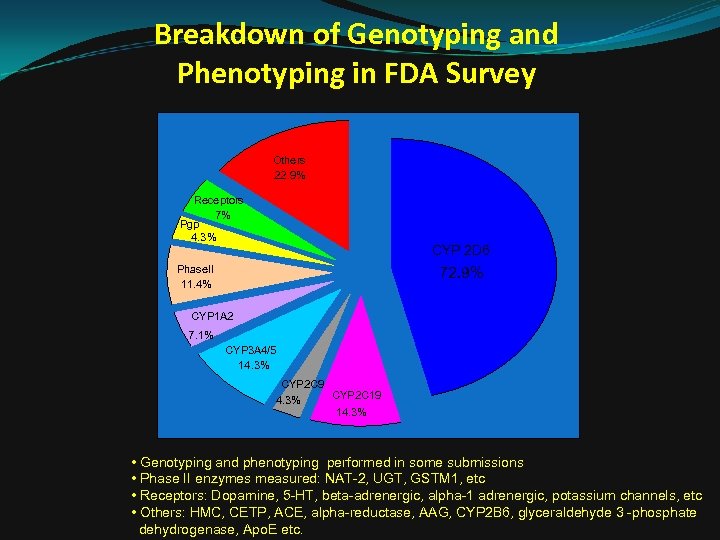 Breakdown of Genotyping and Phenotyping in FDA Survey Others 22. 9% Receptors 7% Pgp 4. 3% CYP 2 D 6 Phase. II 11. 4% 72. 9% CYP 1 A 2 7. 1% CYP 3 A 4/5 14. 3% CYP 2 C 9 4. 3% CYP 2 C 19 14. 3% • Genotyping and phenotyping performed in some submissions • Phase II enzymes measured: NAT-2, UGT, GSTM 1, etc • Receptors: Dopamine, 5 -HT, beta-adrenergic, alpha-1 adrenergic, potassium channels, etc • Others: HMC, CETP, ACE, alpha-reductase, AAG, CYP 2 B 6, glyceraldehyde 3 -phosphate dehydrogenase, Apo. E etc.
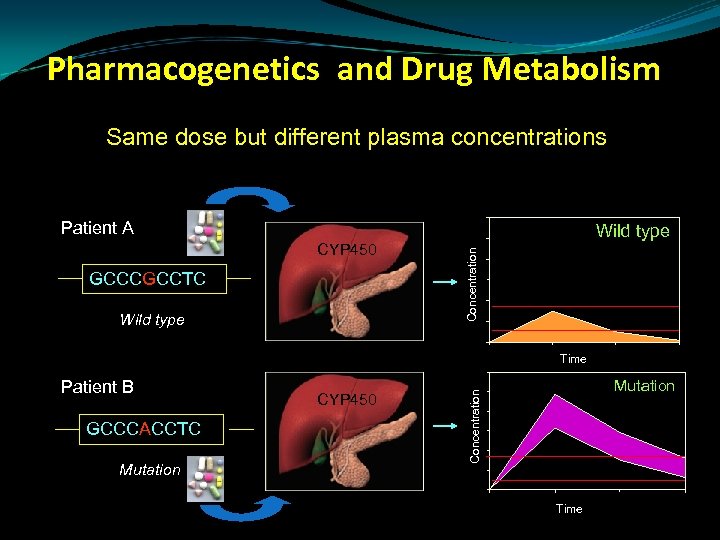 Pharmacogenetics and Drug Metabolism Same dose but different plasma concentrations Patient A GCCCGCCTC Wild type Concentration CYP 450 Wild type Time GCCCACCTC Mutation CYP 450 Mutation Concentration Patient B Time
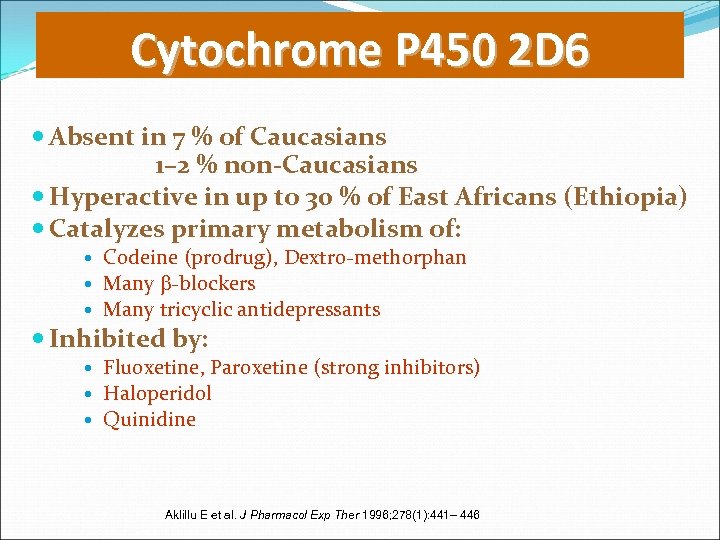 Cytochrome P 450 2 D 6 Absent in 7 % of Caucasians 1– 2 % non-Caucasians Hyperactive in up to 30 % of East Africans (Ethiopia) Catalyzes primary metabolism of: Codeine (prodrug), Dextro-methorphan Many -blockers Many tricyclic antidepressants Inhibited by: Fluoxetine, Paroxetine (strong inhibitors) Haloperidol Quinidine Aklillu E et al. J Pharmacol Exp Ther 1996; 278(1): 441– 446
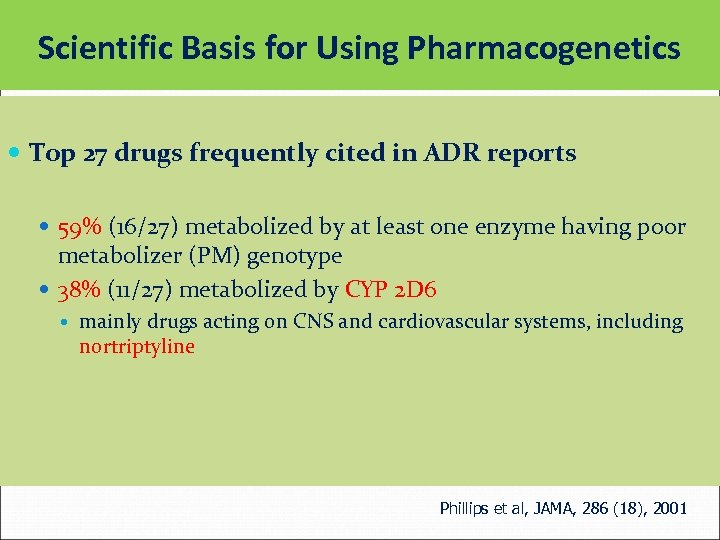 Scientific Basis for Using Pharmacogenetics Top 27 drugs frequently cited in ADR reports 59% (16/27) metabolized by at least one enzyme having poor metabolizer (PM) genotype 38% (11/27) metabolized by CYP 2 D 6 mainly drugs acting on CNS and cardiovascular systems, including nortriptyline Phillips et al, JAMA, 286 (18), 2001,
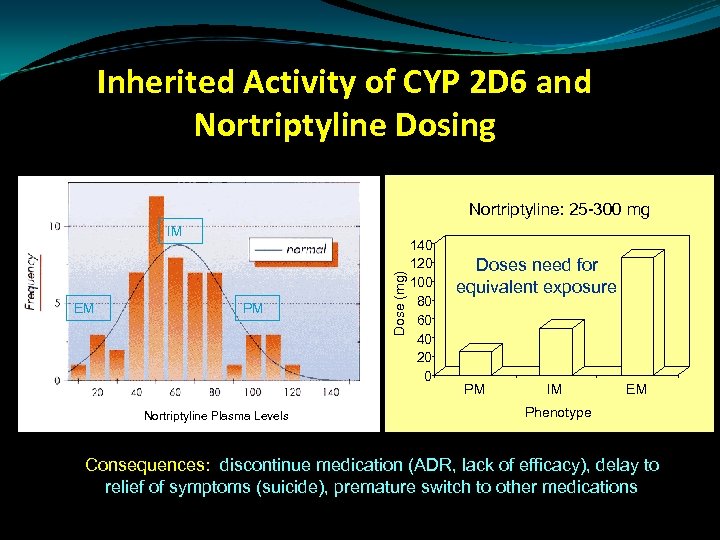 Inherited Activity of CYP 2 D 6 and Nortriptyline Dosing Nortriptyline: 25 -300 mg EM PM Nortriptyline Plasma Levels Dose (mg) IM 140 120 100 80 60 40 20 0 Doses need for equivalent exposure PM IM EM Phenotype Consequences: discontinue medication (ADR, lack of efficacy), delay to relief of symptoms (suicide), premature switch to other medications
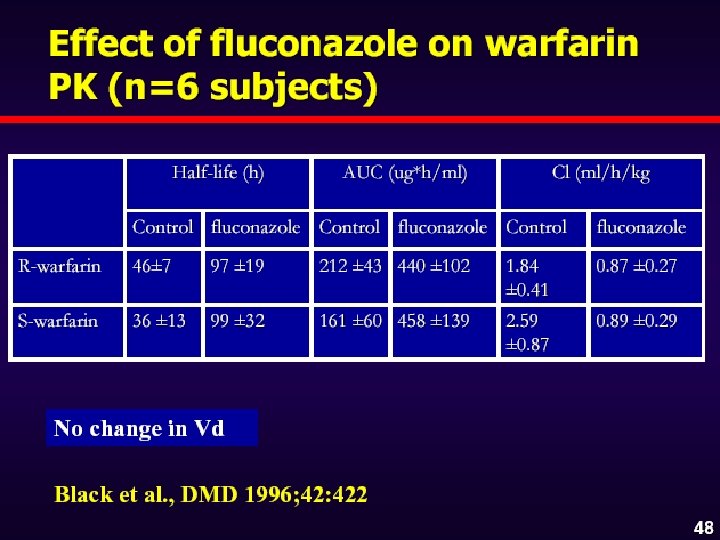
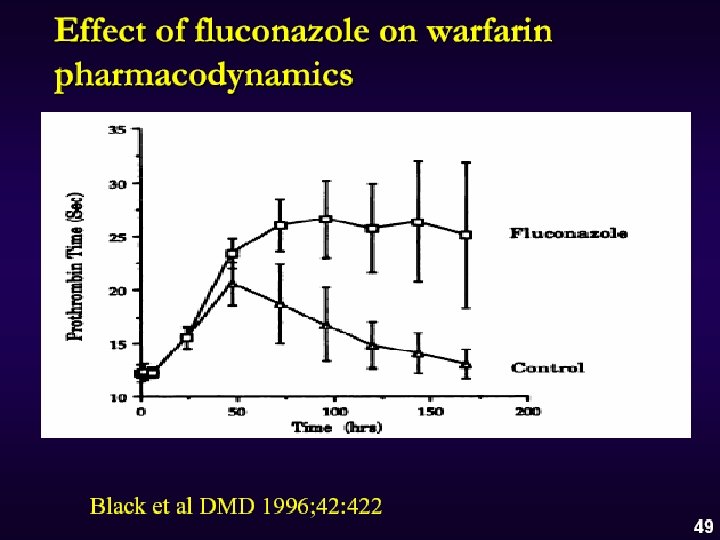
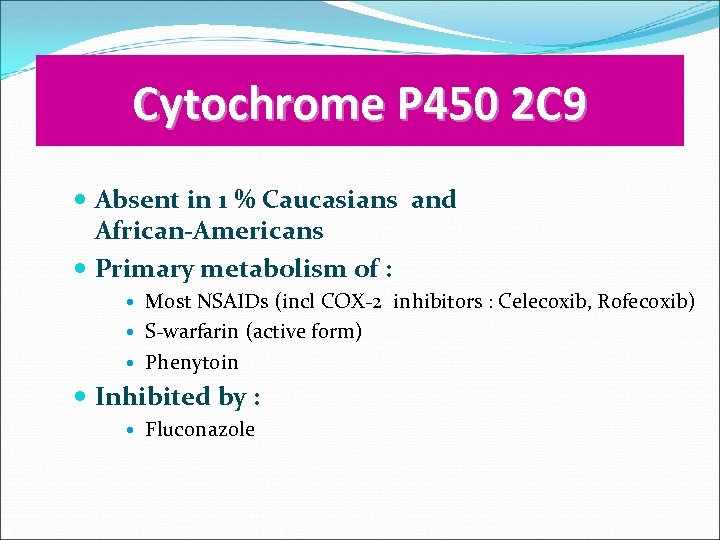 Cytochrome P 450 2 C 9 Absent in 1 % Caucasians and African-Americans Primary metabolism of : Most NSAIDs (incl COX-2 inhibitors : Celecoxib, Rofecoxib) S-warfarin (active form) Phenytoin Inhibited by : Fluconazole
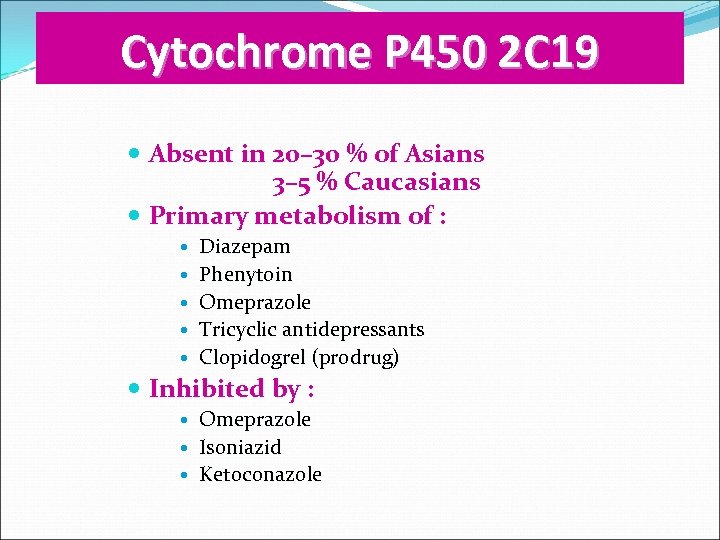 Cytochrome P 450 2 C 19 Absent in 20– 30 % of Asians 3– 5 % Caucasians Primary metabolism of : Diazepam Phenytoin Omeprazole Tricyclic antidepressants Clopidogrel (prodrug) Inhibited by : Omeprazole Isoniazid Ketoconazole
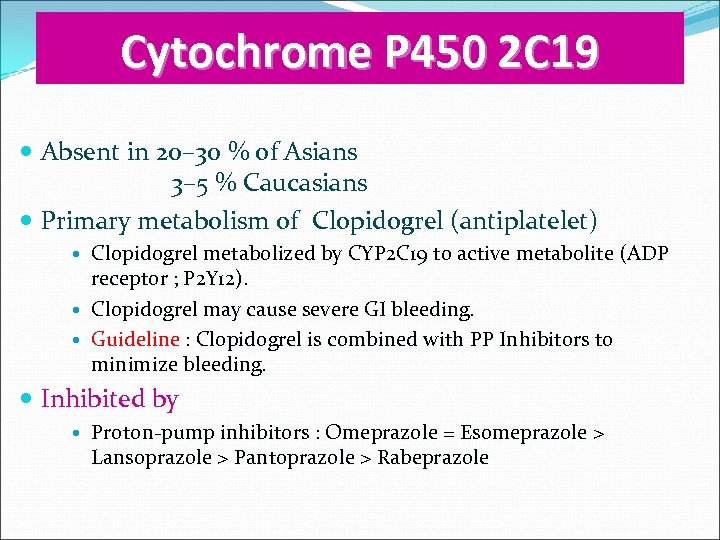 Cytochrome P 450 2 C 19 Absent in 20– 30 % of Asians 3– 5 % Caucasians Primary metabolism of Clopidogrel (antiplatelet) Clopidogrel metabolized by CYP 2 C 19 to active metabolite (ADP receptor ; P 2 Y 12). Clopidogrel may cause severe GI bleeding. Guideline : Clopidogrel is combined with PP Inhibitors to minimize bleeding. Inhibited by Proton-pump inhibitors : Omeprazole = Esomeprazole > Lansoprazole > Pantoprazole > Rabeprazole
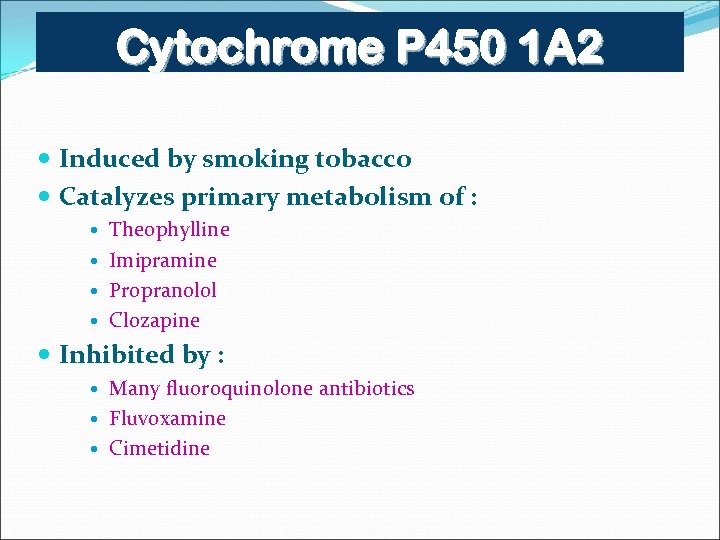 Cytochrome P 450 1 A 2 Induced by smoking tobacco Catalyzes primary metabolism of : Theophylline Imipramine Propranolol Clozapine Inhibited by : Many fluoroquinolone antibiotics Fluvoxamine Cimetidine
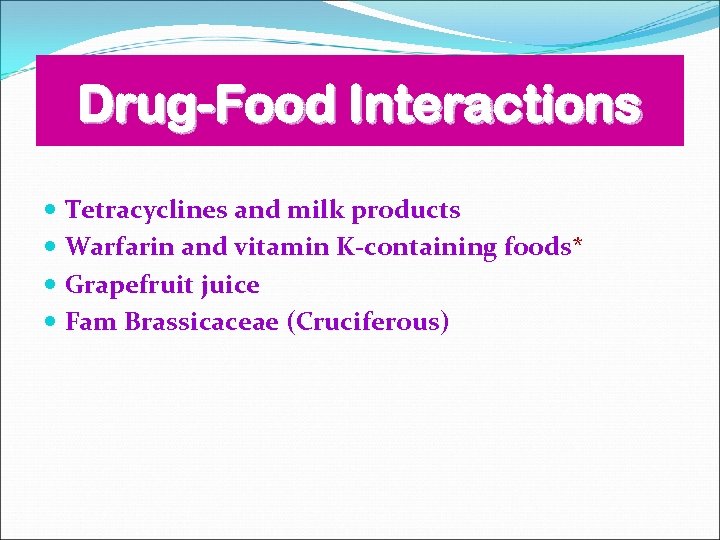 Drug-Food Interactions Tetracyclines and milk products Warfarin and vitamin K-containing foods* Grapefruit juice Fam Brassicaceae (Cruciferous)
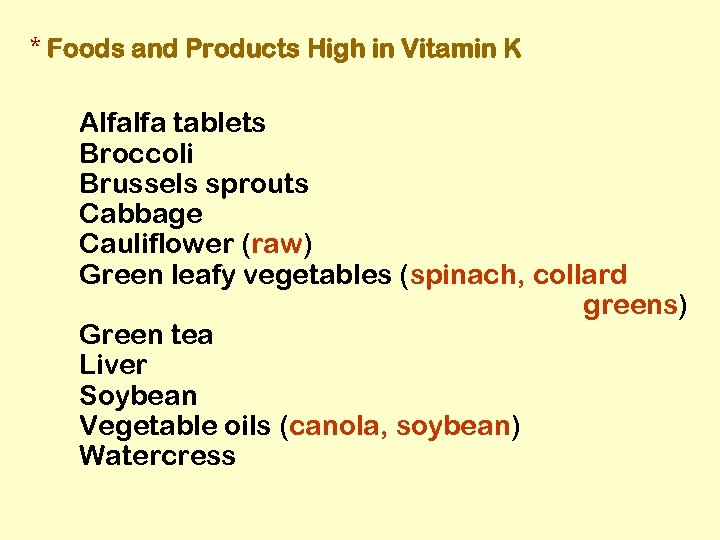 * Foods and Products High in Vitamin K Alfalfa tablets Broccoli Brussels sprouts Cabbage Cauliflower (raw) Green leafy vegetables (spinach, collard greens) Green tea Liver Soybean Vegetable oils (canola, soybean) Watercress
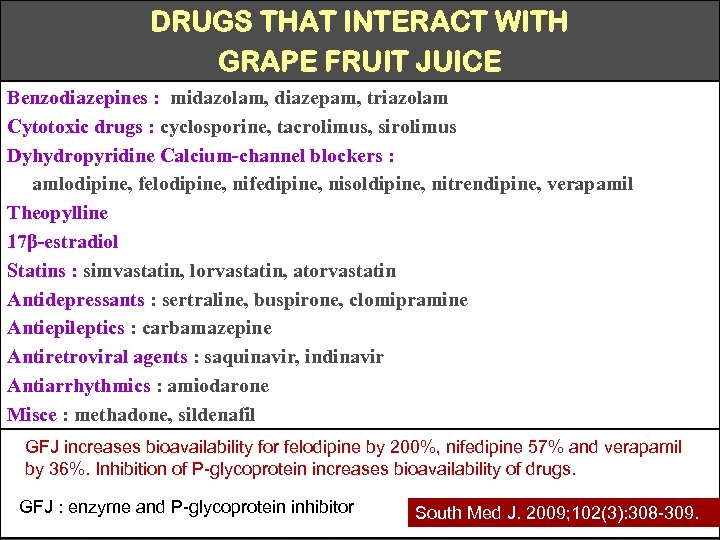 DRUGS THAT INTERACT WITH GRAPE FRUIT JUICE Benzodiazepines : midazolam, diazepam, triazolam Cytotoxic drugs : cyclosporine, tacrolimus, sirolimus Dyhydropyridine Calcium-channel blockers : amlodipine, felodipine, nifedipine, nisoldipine, nitrendipine, verapamil Theopylline 17β-estradiol Statins : simvastatin, lorvastatin, atorvastatin Antidepressants : sertraline, buspirone, clomipramine Antiepileptics : carbamazepine Antiretroviral agents : saquinavir, indinavir Antiarrhythmics : amiodarone Misce : methadone, sildenafil GFJ increases bioavailability for felodipine by 200%, nifedipine 57% and verapamil by 36%. Inhibition of P-glycoprotein increases bioavailability of drugs. GFJ : enzyme and P-glycoprotein inhibitor South Med J. 2009; 102(3): 308 -309.
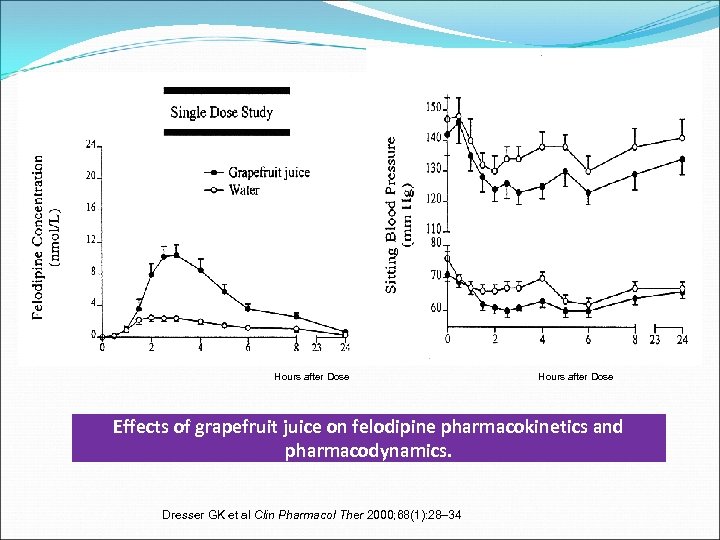 Hours after Dose Effects of grapefruit juice on felodipine pharmacokinetics and pharmacodynamics. Dresser GK et al Clin Pharmacol Ther 2000; 68(1): 28– 34
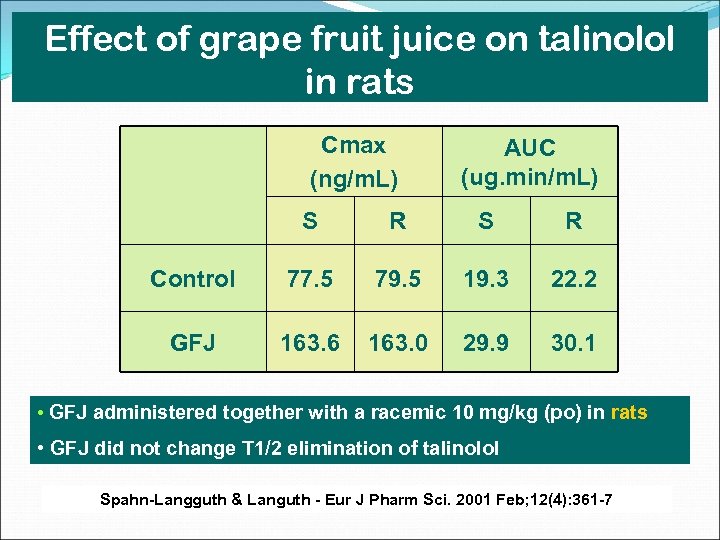 Effect of grape fruit juice on talinolol in rats Cmax (ng/m. L) AUC (ug. min/m. L) S R Control 77. 5 79. 5 19. 3 22. 2 GFJ 163. 6 163. 0 29. 9 30. 1 • GFJ administered together with a racemic 10 mg/kg (po) in rats • GFJ did not change T 1/2 elimination of talinolol Spahn-Langguth & Languth - Eur J Pharm Sci. 2001 Feb; 12(4): 361 -7
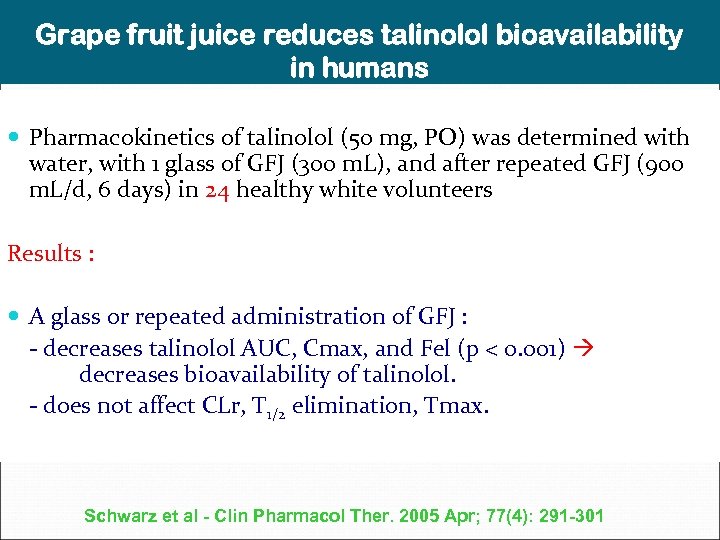 Grape fruit juice reduces talinolol bioavailability in humans Pharmacokinetics of talinolol (50 mg, PO) was determined with water, with 1 glass of GFJ (300 m. L), and after repeated GFJ (900 m. L/d, 6 days) in 24 healthy white volunteers Results : A glass or repeated administration of GFJ : - decreases talinolol AUC, Cmax, and Fel (p < 0. 001) decreases bioavailability of talinolol. - does not affect CLr, T 1/2 elimination, Tmax. Schwarz et al - Clin Pharmacol Ther. 2005 Apr; 77(4): 291 -301
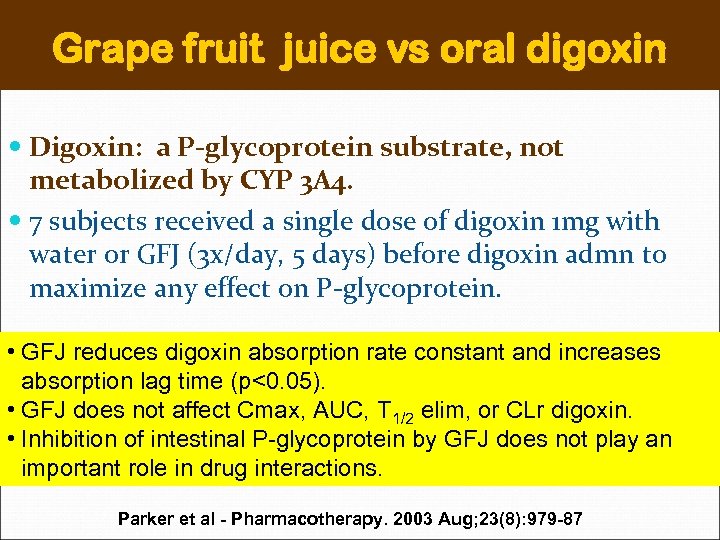 Grape fruit juice vs oral digoxin Digoxin: a P-glycoprotein substrate, not metabolized by CYP 3 A 4. 7 subjects received a single dose of digoxin 1 mg with water or GFJ (3 x/day, 5 days) before digoxin admn to maximize any effect on P-glycoprotein. • GFJ reduces digoxin absorption rate constant and increases absorption lag time (p<0. 05). • GFJ does not affect Cmax, AUC, T 1/2 elim, or CLr digoxin. • Inhibition of intestinal P-glycoprotein by GFJ does not play an important role in drug interactions. Parker et al - Pharmacotherapy. 2003 Aug; 23(8): 979 -87
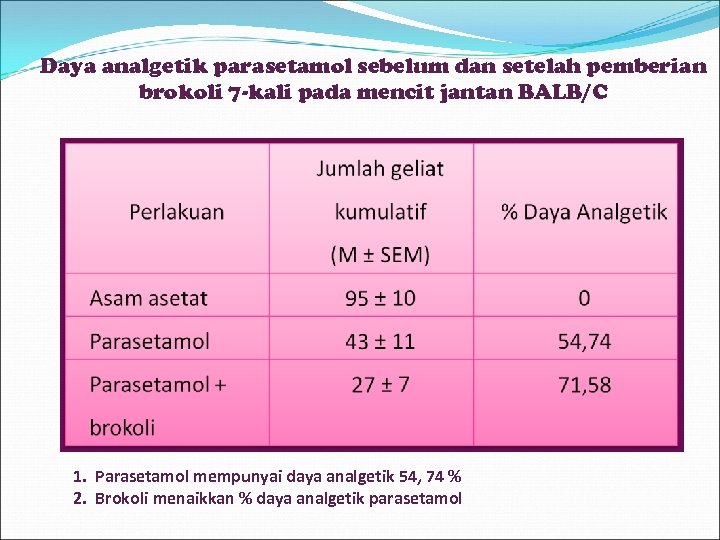 Daya analgetik parasetamol sebelum dan setelah pemberian brokoli 7 -kali pada mencit jantan BALB/C 1. Parasetamol mempunyai daya analgetik 54, 74 % 2. Brokoli menaikkan % daya analgetik parasetamol
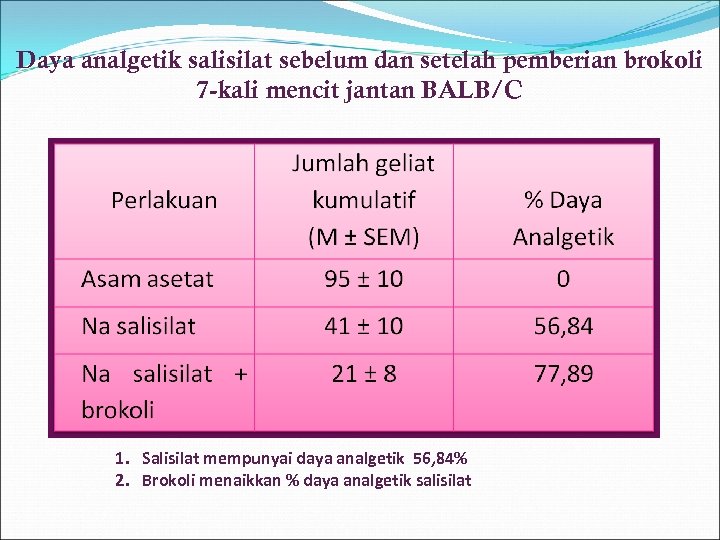 Daya analgetik salisilat sebelum dan setelah pemberian brokoli 7 -kali mencit jantan BALB/C 1. Salisilat mempunyai daya analgetik 56, 84% 2. Brokoli menaikkan % daya analgetik salisilat
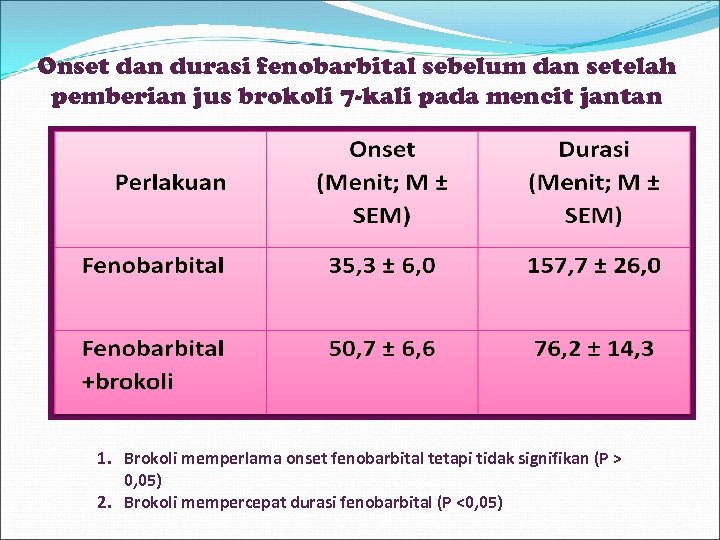 Onset dan durasi fenobarbital sebelum dan setelah pemberian jus brokoli 7 -kali pada mencit jantan 1. Brokoli memperlama onset fenobarbital tetapi tidak signifikan (P > 0, 05) 2. Brokoli mempercepat durasi fenobarbital (P <0, 05)
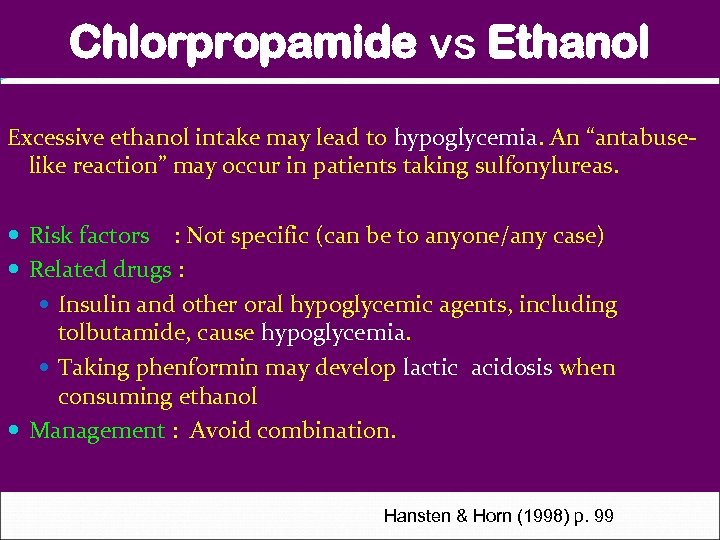 Chlorpropamide vs Ethanol Excessive ethanol intake may lead to hypoglycemia. An “antabuselike reaction” may occur in patients taking sulfonylureas. Risk factors : Not specific (can be to anyone/any case) Related drugs : Insulin and other oral hypoglycemic agents, including tolbutamide, cause hypoglycemia. Taking phenformin may develop lactic acidosis when consuming ethanol Management : Avoid combination. Hansten & Horn (1998) p. 99
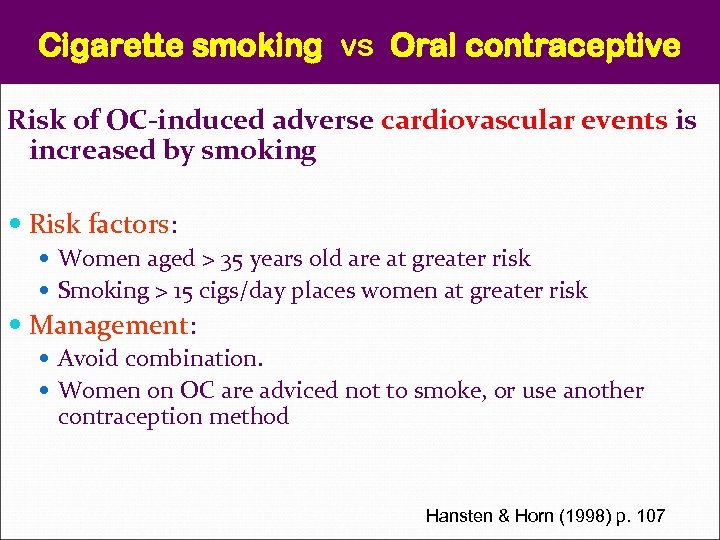 Cigarette smoking vs Oral contraceptive Risk of OC-induced adverse cardiovascular events is increased by smoking Risk factors: Women aged > 35 years old are at greater risk Smoking > 15 cigs/day places women at greater risk Management: Avoid combination. Women on OC are adviced not to smoke, or use another contraception method Hansten & Horn (1998) p. 107
 Drug-Herbal Interactions St John’s Wort Ginkgo biloba Kava Garlic Izzo and Ernst (2009) Adis data information BV
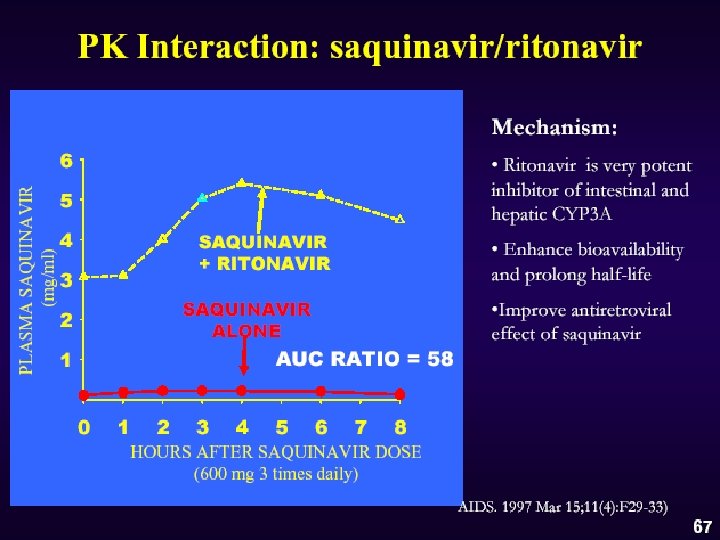
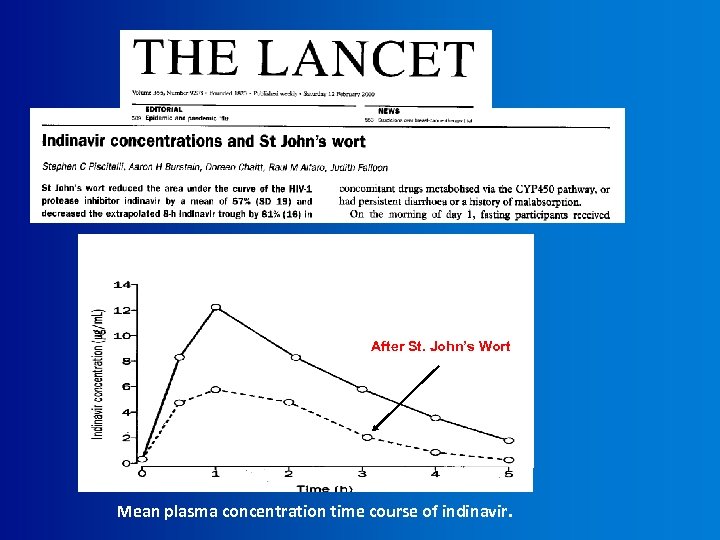 After St. John’s Wort Mean plasma concentration time course of indinavir.
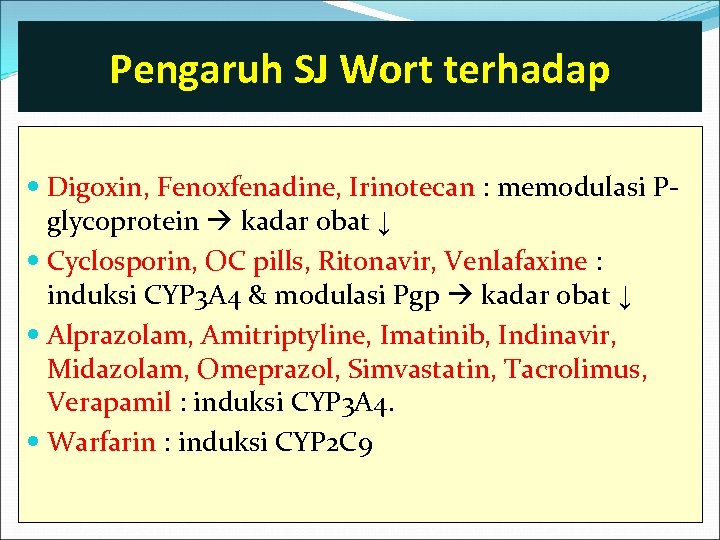 Pengaruh SJ Wort terhadap Digoxin, Fenoxfenadine, Irinotecan : memodulasi Pglycoprotein kadar obat ↓ Cyclosporin, OC pills, Ritonavir, Venlafaxine : induksi CYP 3 A 4 & modulasi Pgp kadar obat ↓ Alprazolam, Amitriptyline, Imatinib, Indinavir, Midazolam, Omeprazol, Simvastatin, Tacrolimus, Verapamil : induksi CYP 3 A 4. Warfarin : induksi CYP 2 C 9
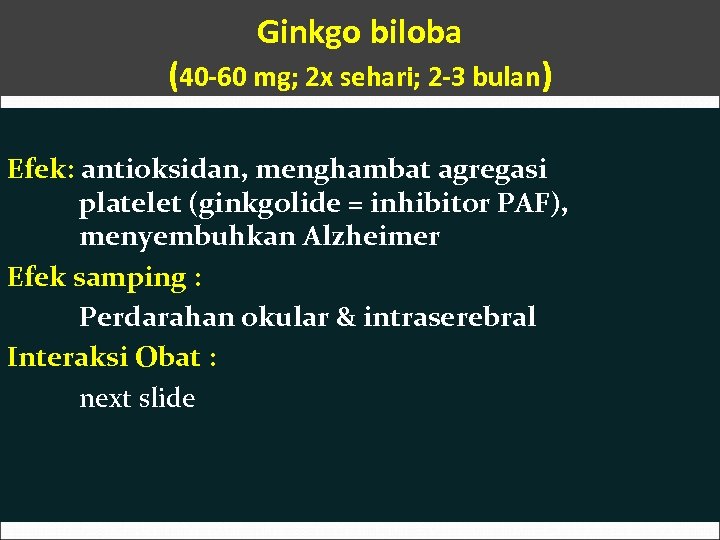 Ginkgo biloba (40 -60 mg; 2 x sehari; 2 -3 bulan) Efek: antioksidan, menghambat agregasi platelet (ginkgolide = inhibitor PAF), menyembuhkan Alzheimer Efek samping : Perdarahan okular & intraserebral Interaksi Obat : next slide
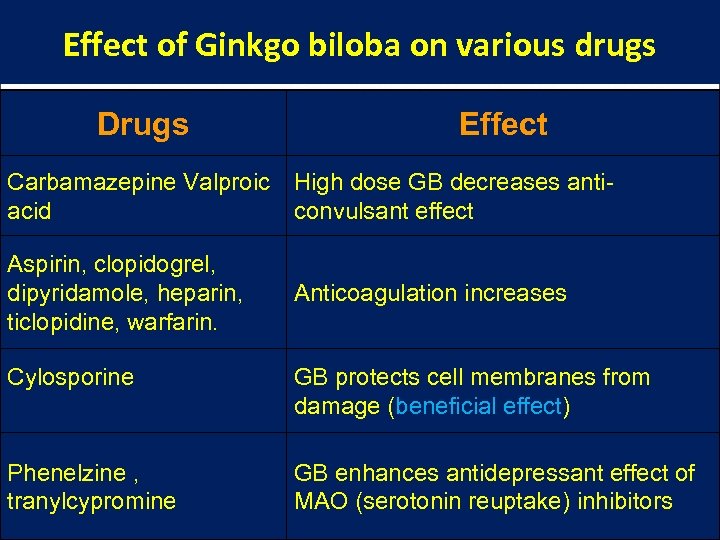 Effect of Ginkgo biloba on various drugs Drugs Effect Carbamazepine Valproic High dose GB decreases antiacid convulsant effect Aspirin, clopidogrel, dipyridamole, heparin, ticlopidine, warfarin. Anticoagulation increases Cylosporine GB protects cell membranes from damage (beneficial effect) Phenelzine , tranylcypromine GB enhances antidepressant effect of MAO (serotonin reuptake) inhibitors
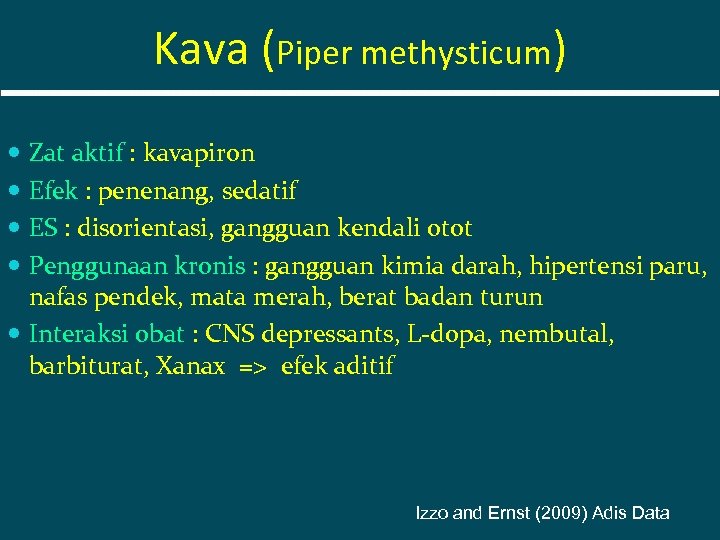 Kava (Piper methysticum) Zat aktif : kavapiron Efek : penenang, sedatif ES : disorientasi, gangguan kendali otot Penggunaan kronis : gangguan kimia darah, hipertensi paru, nafas pendek, mata merah, berat badan turun Interaksi obat : CNS depressants, L-dopa, nembutal, barbiturat, Xanax => efek aditif Izzo and Ernst (2009) Adis Data
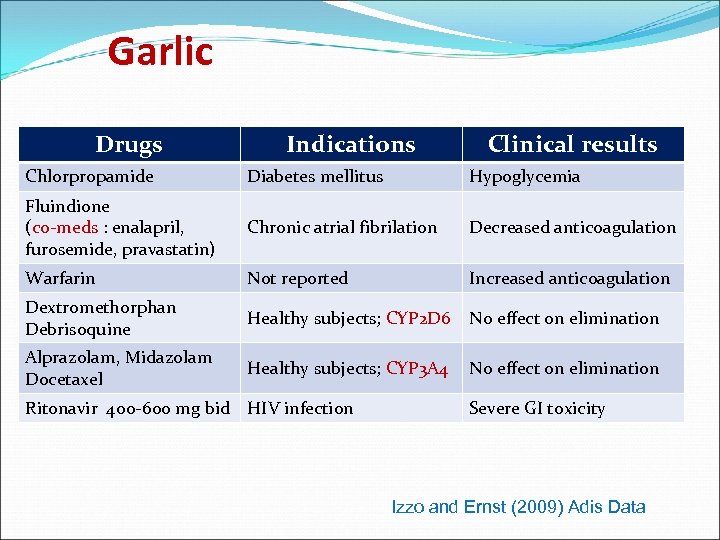 Garlic Drugs Indications Clinical results Chlorpropamide Diabetes mellitus Hypoglycemia Fluindione (co-meds : enalapril, furosemide, pravastatin) Chronic atrial fibrilation Decreased anticoagulation Warfarin Not reported Increased anticoagulation Dextromethorphan Debrisoquine Healthy subjects; CYP 2 D 6 No effect on elimination Alprazolam, Midazolam Docetaxel Healthy subjects; CYP 3 A 4 No effect on elimination Ritonavir 400 -600 mg bid HIV infection Severe GI toxicity Izzo and Ernst (2009) Adis Data
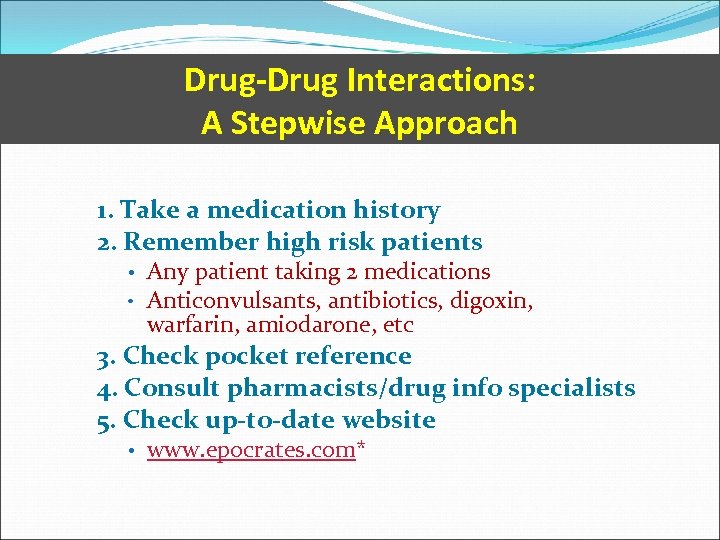 Drug-Drug Interactions: A Stepwise Approach 1. Take a medication history 2. Remember high risk patients • Any patient taking 2 medications • Anticonvulsants, antibiotics, digoxin, warfarin, amiodarone, etc 3. Check pocket reference 4. Consult pharmacists/drug info specialists 5. Check up-to-date website • www. epocrates. com*