 Скачать презентацию DR ALTAF AHMED Consultant Microbiologist Director Lab
99f1408c7d78f115b8246b2817357798.ppt
- Количество слайдов: 69




DR. ALTAF AHMED Consultant Microbiologist & Director Lab Services, The Indus Hospital, Karachi President, Infectious Diseases Society of Pakistan Rational use of antibiotics
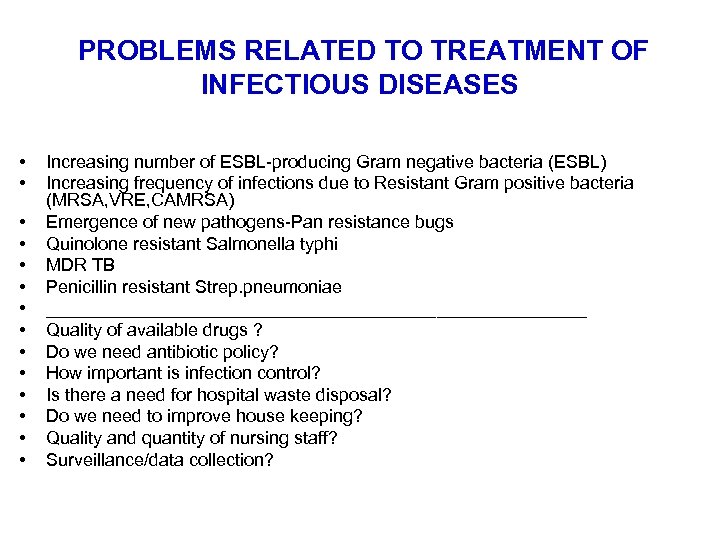
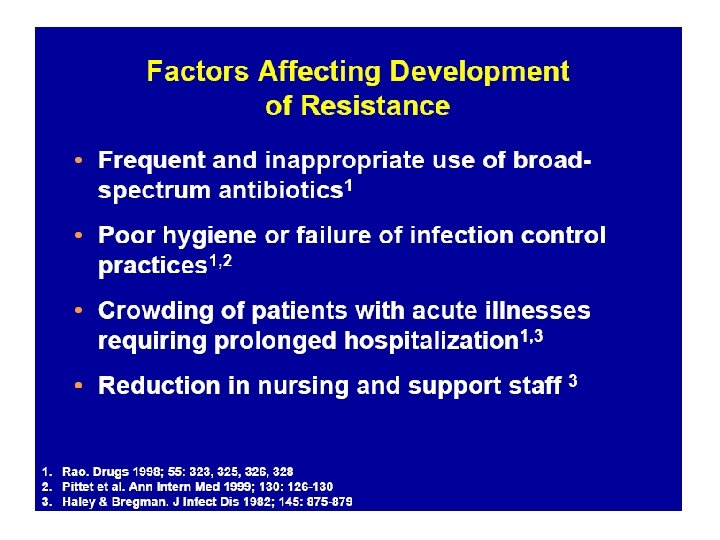
PROBLEMS RELATED TO TREATMENT OF INFECTIOUS DISEASES • • • • Increasing number of ESBL-producing Gram negative bacteria (ESBL) Increasing frequency of infections due to Resistant Gram positive bacteria (MRSA, VRE, CAMRSA) Emergence of new pathogens-Pan resistance bugs Quinolone resistant Salmonella typhi MDR TB Penicillin resistant Strep. pneumoniae ___________________________ Quality of available drugs ? Do we need antibiotic policy? How important is infection control? Is there a need for hospital waste disposal? Do we need to improve house keeping? Quality and quantity of nursing staff? Surveillance/data collection?
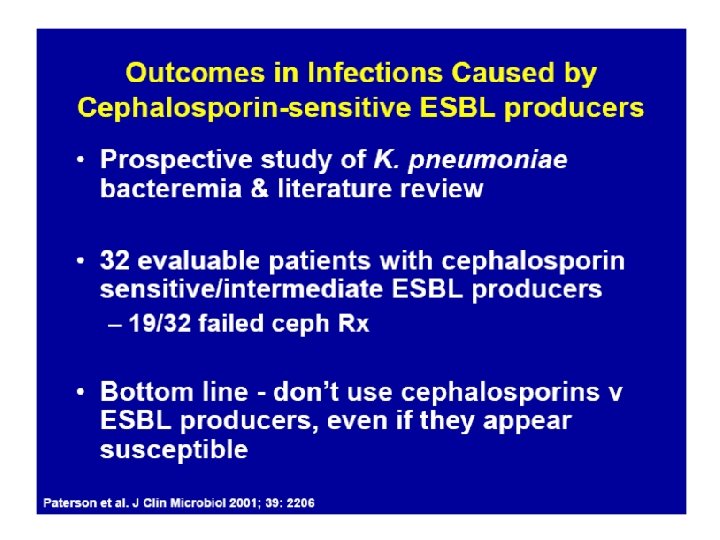
GRAM NEGATIVE BACTERIA Increasing Numbers & Clinical significance of ESBL Producers Extended spectrum beta lactamases
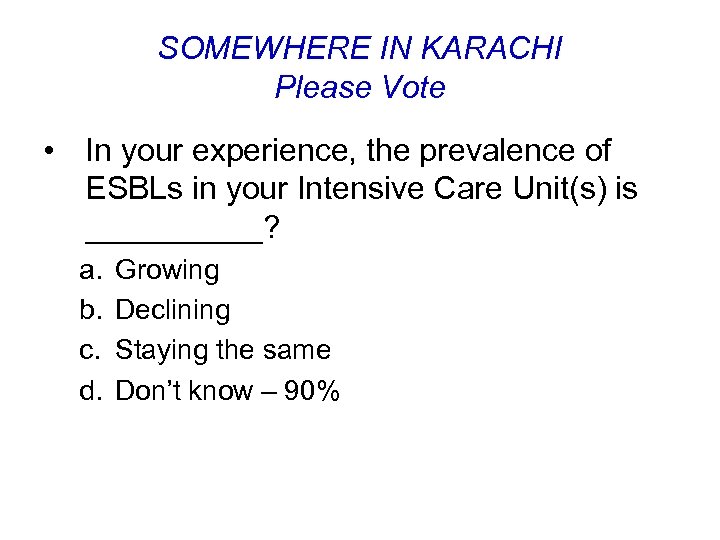
SOMEWHERE IN KARACHI Please Vote • In your experience, the prevalence of ESBLs in your Intensive Care Unit(s) is _____? a. b. c. d. Growing Declining Staying the same Don’t know – 90%
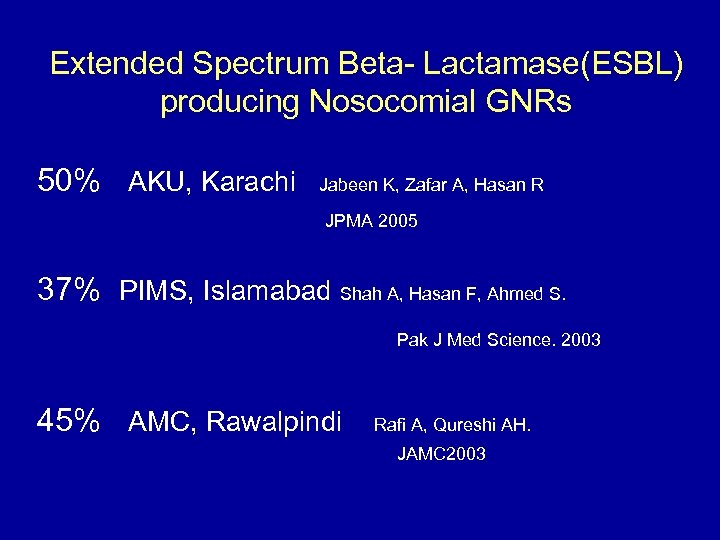
Extended Spectrum Beta- Lactamase(ESBL) producing Nosocomial GNRs 50% AKU, Karachi Jabeen K, Zafar A, Hasan R JPMA 2005 37% PIMS, Islamabad Shah A, Hasan F, Ahmed S. Pak J Med Science. 2003 45% AMC, Rawalpindi Rafi A, Qureshi AH. JAMC 2003
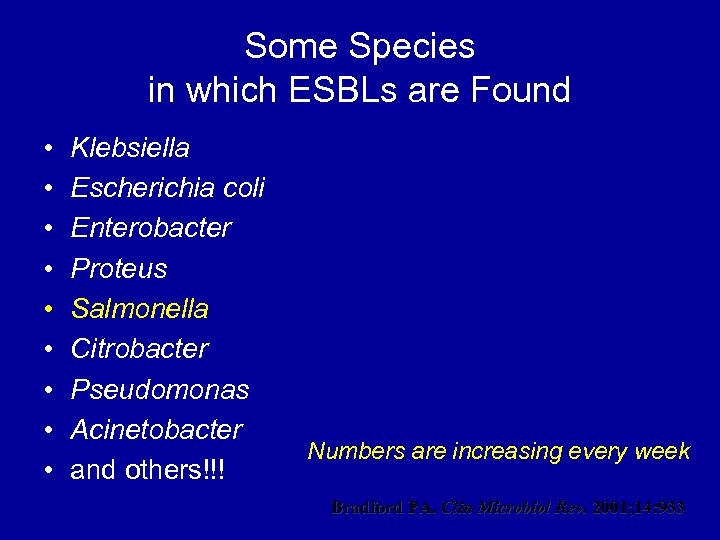
Some Species in which ESBLs are Found • • • Klebsiella Escherichia coli Enterobacter Proteus Salmonella Citrobacter Pseudomonas Acinetobacter and others!!! Numbers are increasing every week Bradford PA. Clin Microbiol Rev. 2001; 14: 933
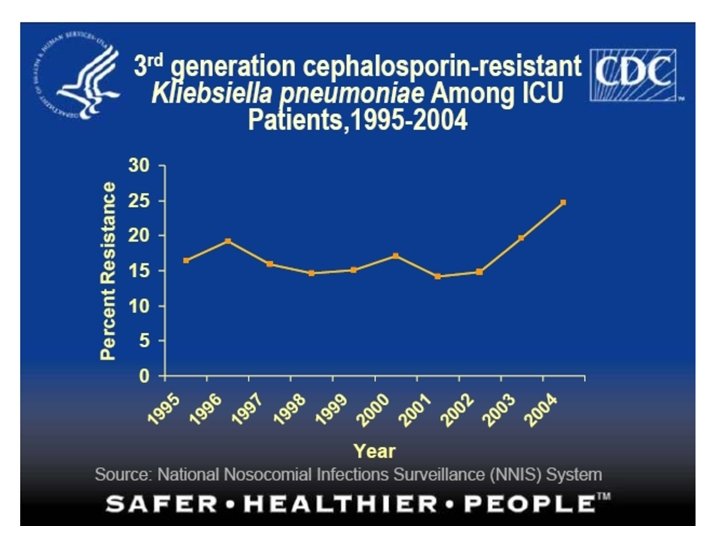
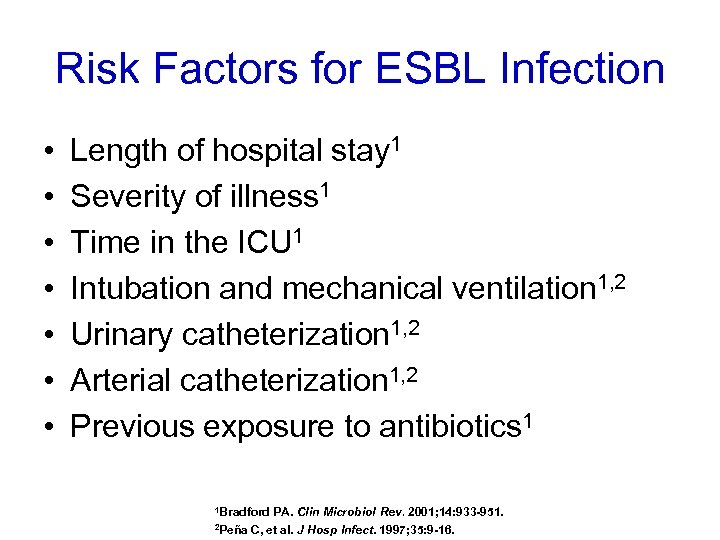
Risk Factors for ESBL Infection • • Length of hospital stay 1 Severity of illness 1 Time in the ICU 1 Intubation and mechanical ventilation 1, 2 Urinary catheterization 1, 2 Arterial catheterization 1, 2 Previous exposure to antibiotics 1 1 Bradford 2 Peña PA. Clin Microbiol Rev. 2001; 14: 933 -951. C, et al. J Hosp Infect. 1997; 35: 9 -16.
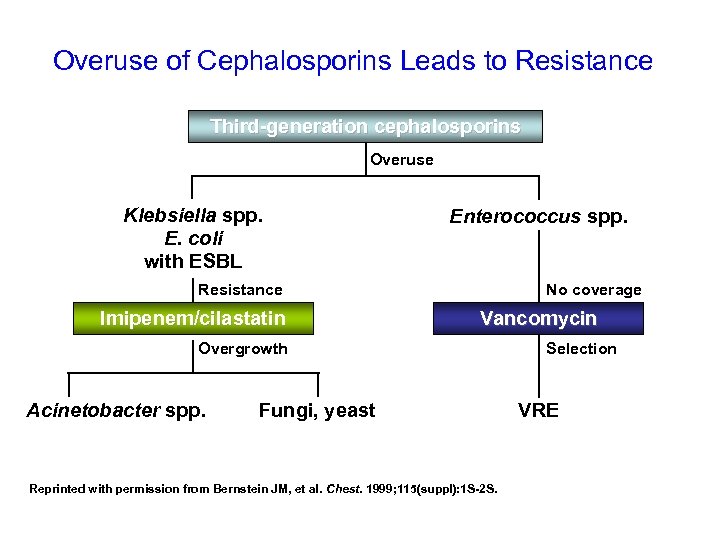
Overuse of Cephalosporins Leads to Resistance Third-generation cephalosporins Overuse Klebsiella spp. E. coli with ESBL Enterococcus spp. Resistance Imipenem/cilastatin No coverage Vancomycin Overgrowth Acinetobacter spp. Fungi, yeast Reprinted with permission from Bernstein JM, et al. Chest. 1999; 115(suppl): 1 S-2 S. Selection VRE
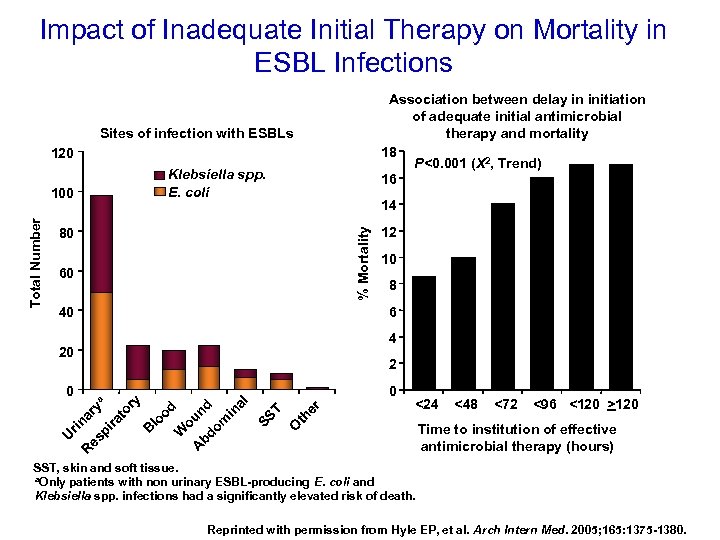
Impact of Inadequate Initial Therapy on Mortality in ESBL Infections Association between delay in initiation of adequate initial antimicrobial therapy and mortality 18 P<0. 001 (Χ 2, Trend) 16 Sites of infection with ESBLs 120 Klebsiella spp. E. coli 14 80 % Mortality Total Number 100 60 10 8 6 40 4 20 2 0 er O th T <24 R SS rin es ary a pi ra to ry B lo od W ou A bd nd om in al 0 U 12 <48 <72 <96 <120 >120 Time to institution of effective antimicrobial therapy (hours) SST, skin and soft tissue. a. Only patients with non urinary ESBL-producing E. coli and Klebsiella spp. infections had a significantly elevated risk of death. Reprinted with permission from Hyle EP, et al. Arch Intern Med. 2005; 165: 1375 -1380.
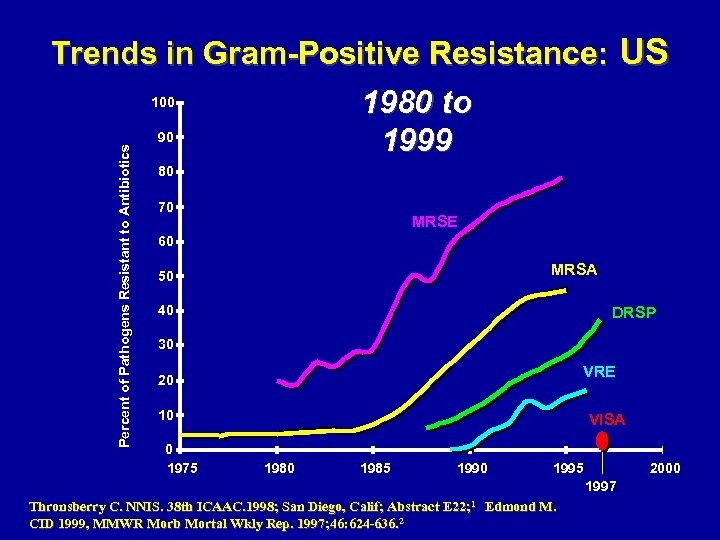
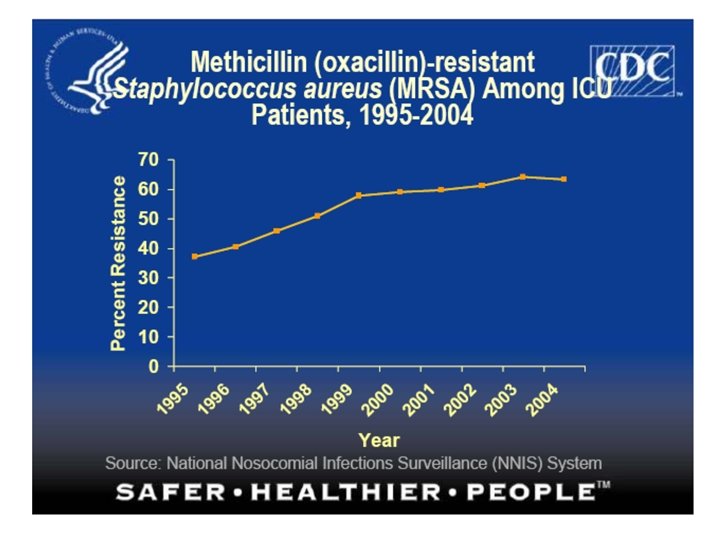
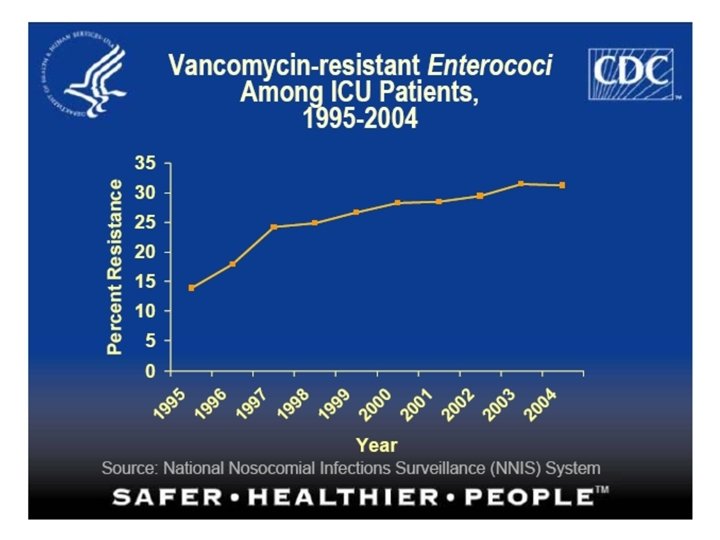
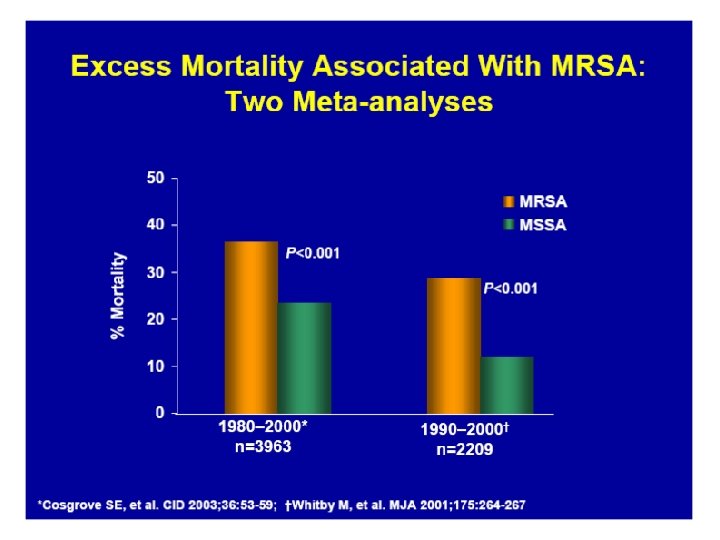
Percent of Pathogens Resistant to Antibiotics Trends in Gram-Positive Resistance: US 100 1980 to 90 1999 80 70 MRSE 60 MRSA 50 40 DRSP 30 VRE 20 10 0 1975 VISA 1980 1985 1990 1995 2000 1997 Thronsberry C. NNIS. 38 th ICAAC. 1998; San Diego, Calif; Abstract E 22; 1 Edmond M. CID 1999, MMWR Morb Mortal Wkly Rep. 1997; 46: 624 -636. 2
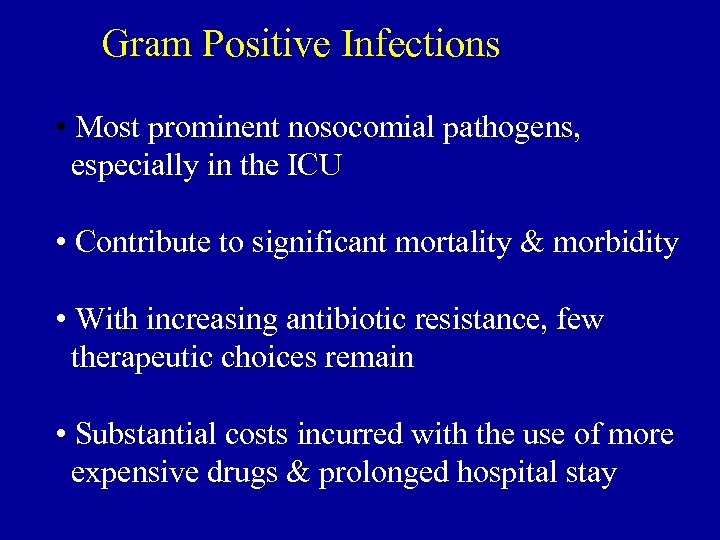
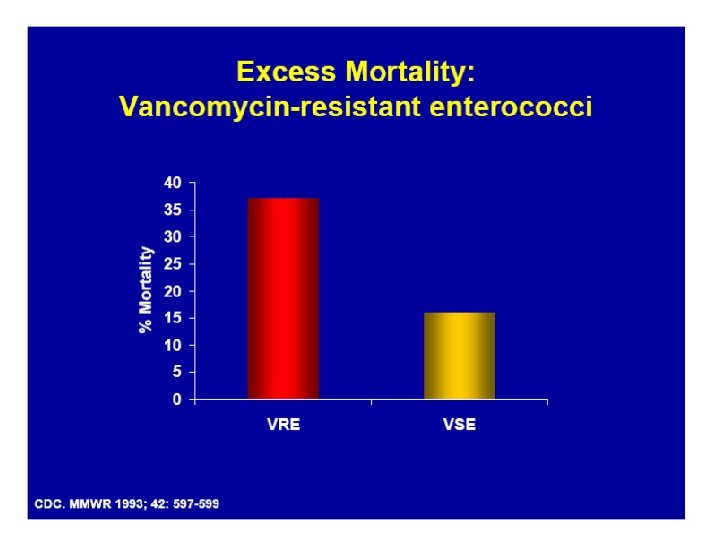
Gram Positive Infections • Most prominent nosocomial pathogens, especially in the ICU • Contribute to significant mortality & morbidity • With increasing antibiotic resistance, few therapeutic choices remain • Substantial costs incurred with the use of more expensive drugs & prolonged hospital stay
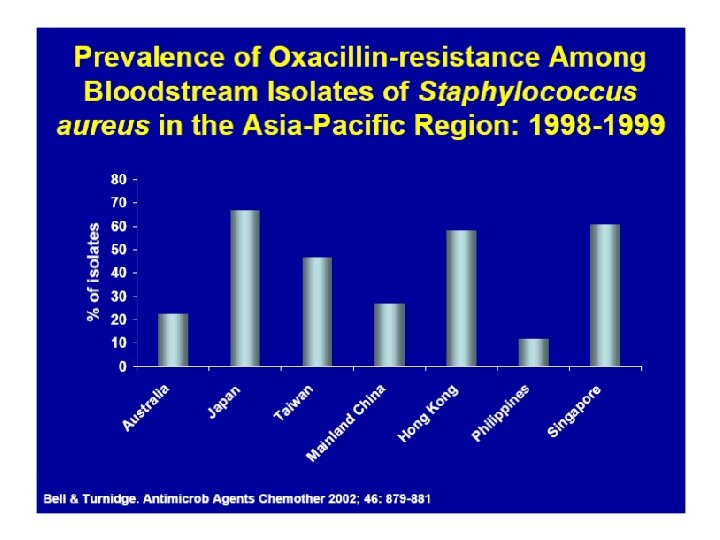
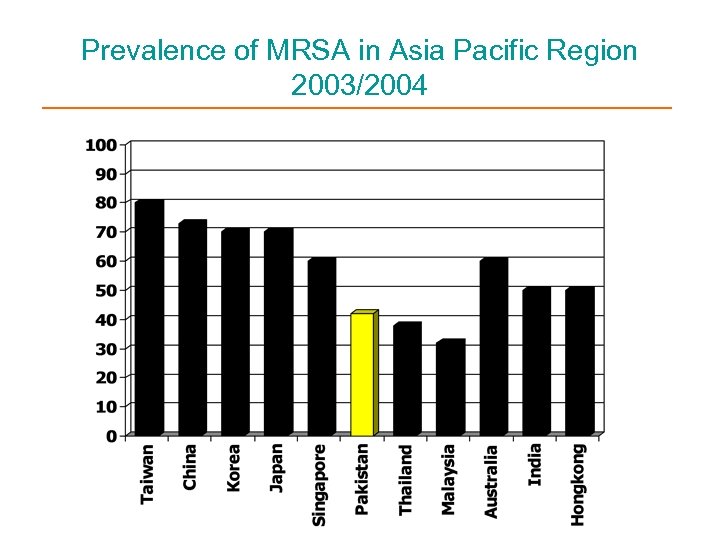
Prevalence of MRSA in Asia Pacific Region 2003/2004
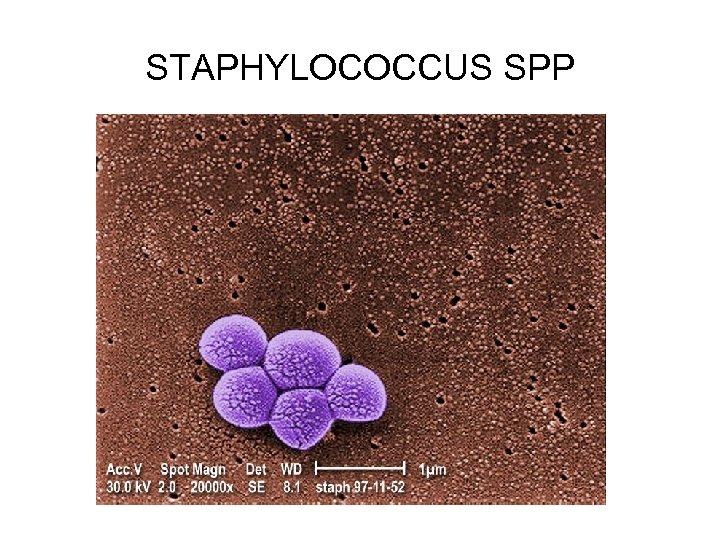
STAPHYLOCOCCUS SPP
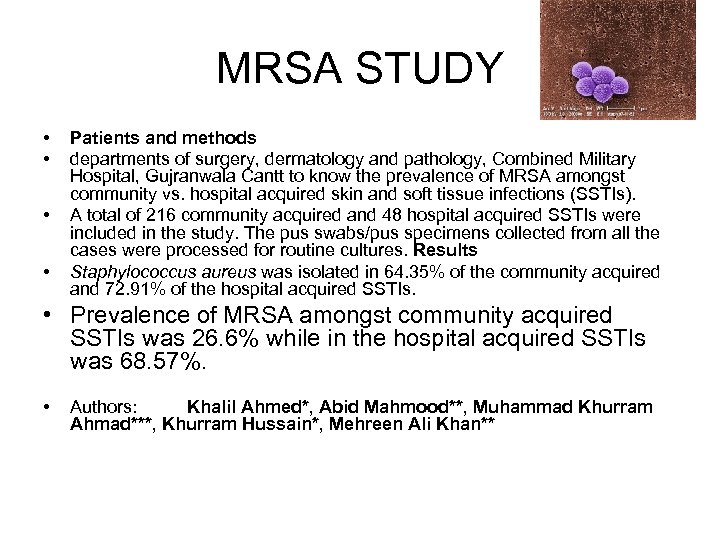
MRSA STUDY • • Patients and methods departments of surgery, dermatology and pathology, Combined Military Hospital, Gujranwala Cantt to know the prevalence of MRSA amongst community vs. hospital acquired skin and soft tissue infections (SSTIs). A total of 216 community acquired and 48 hospital acquired SSTIs were included in the study. The pus swabs/pus specimens collected from all the cases were processed for routine cultures. Results Staphylococcus aureus was isolated in 64. 35% of the community acquired and 72. 91% of the hospital acquired SSTIs. • Prevalence of MRSA amongst community acquired SSTIs was 26. 6% while in the hospital acquired SSTIs was 68. 57%. • Authors: Khalil Ahmed*, Abid Mahmood**, Muhammad Khurram Ahmad***, Khurram Hussain*, Mehreen Ali Khan**
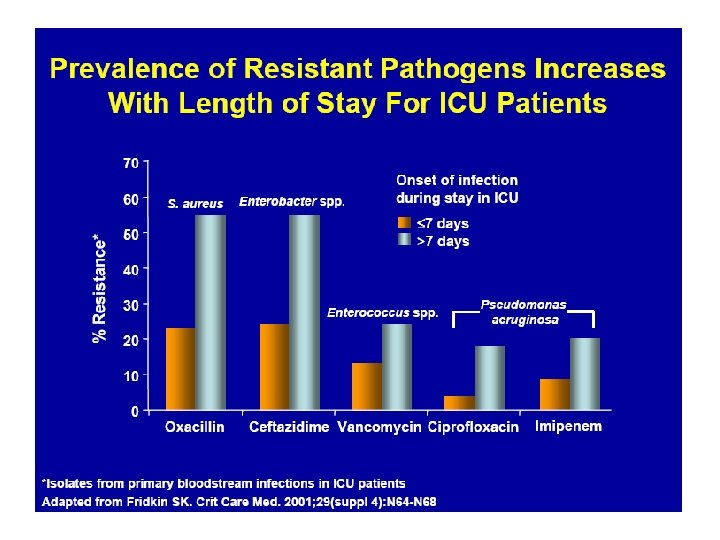
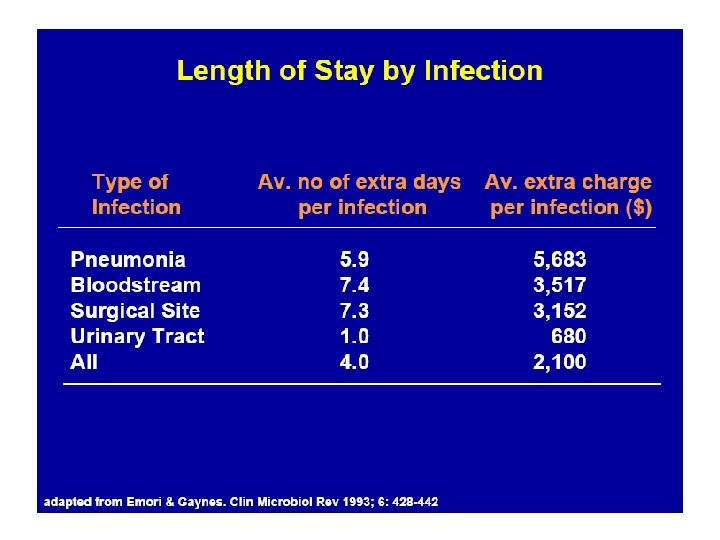
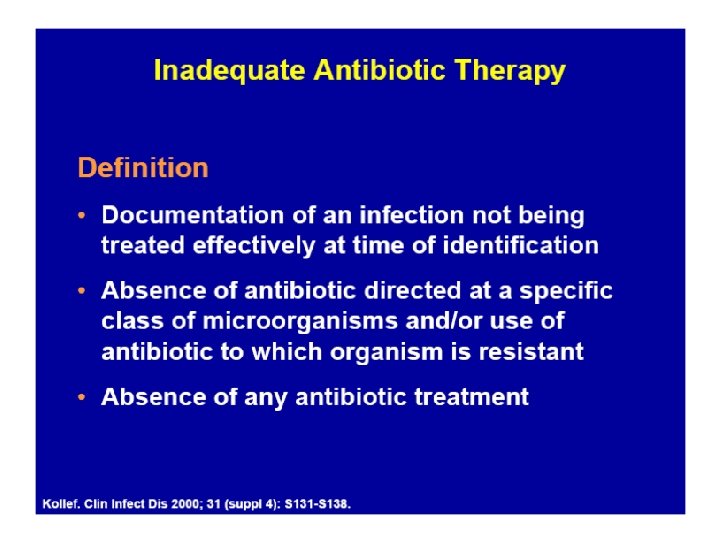
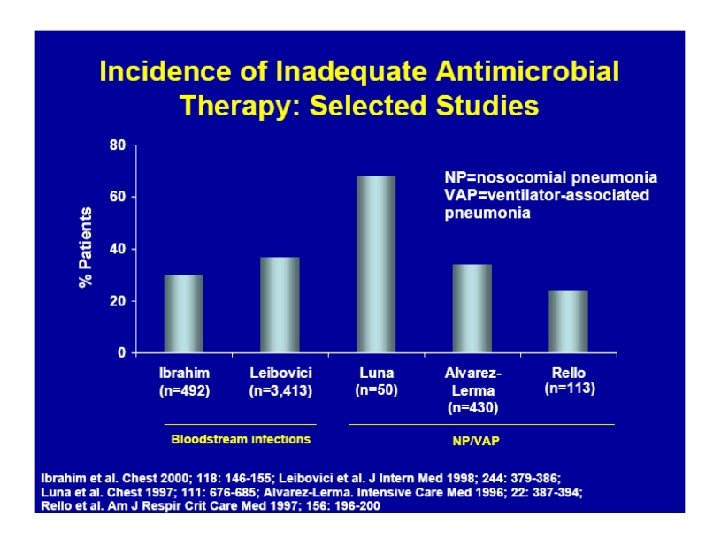
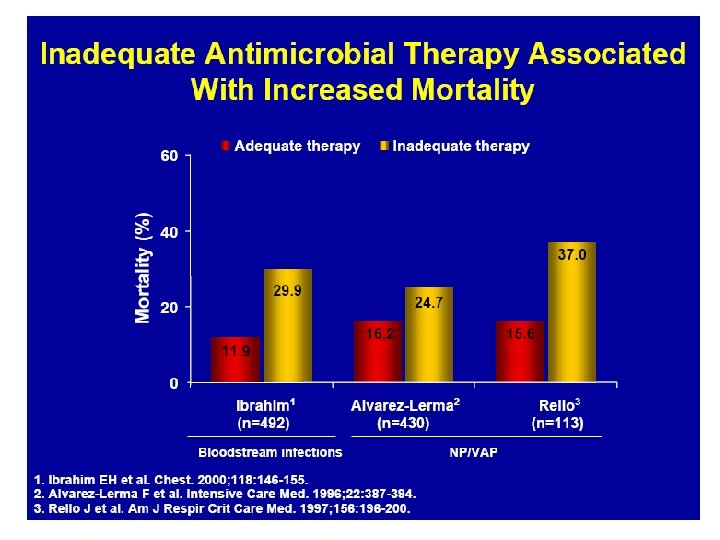
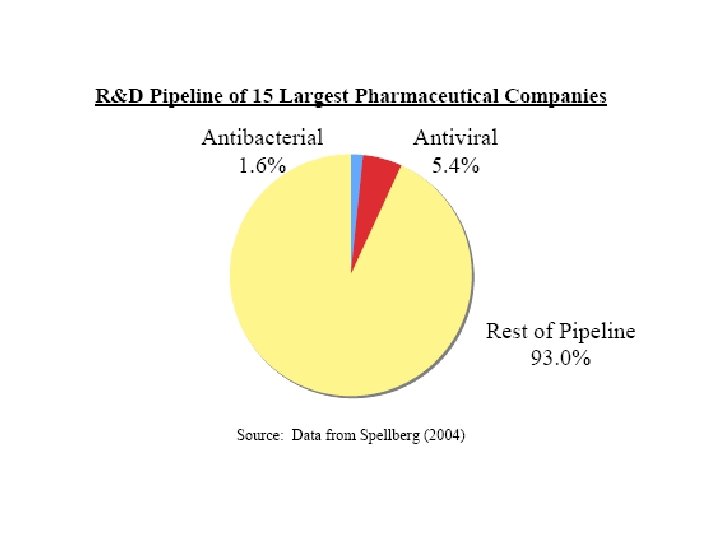
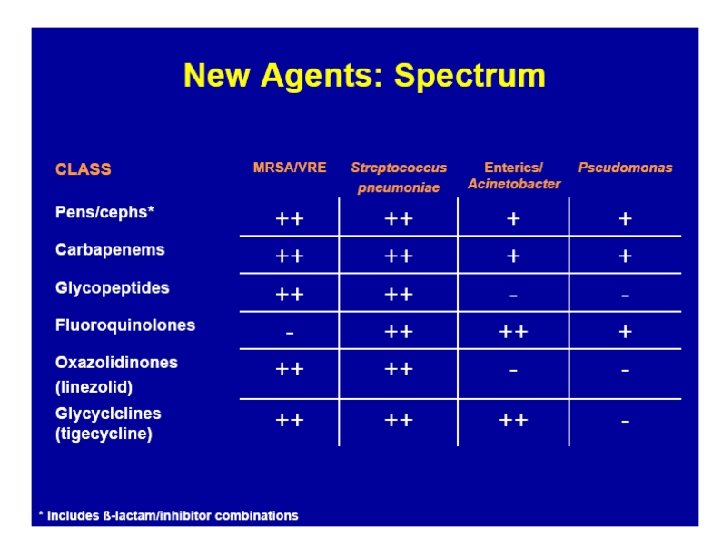
• DON’T WORRY DR. ALTAF, WE WILL GET NEW ANTIBIOTICS
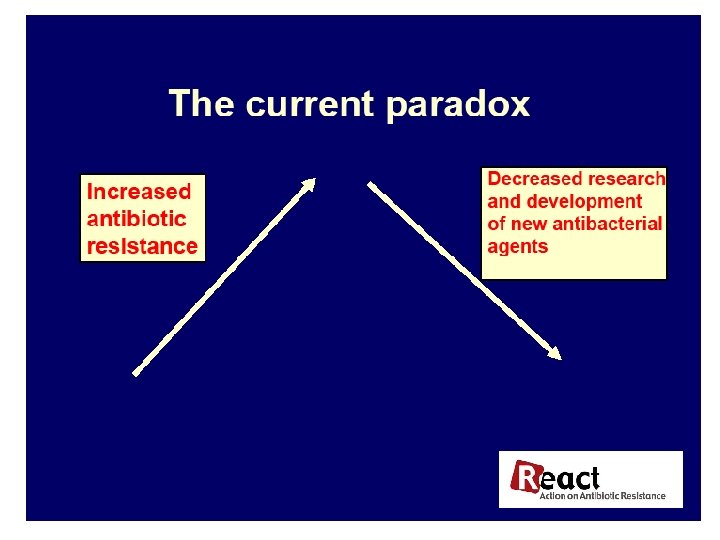
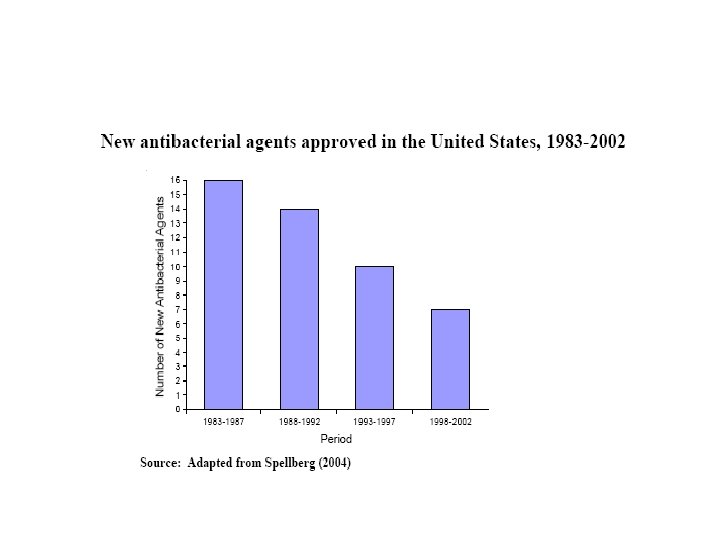
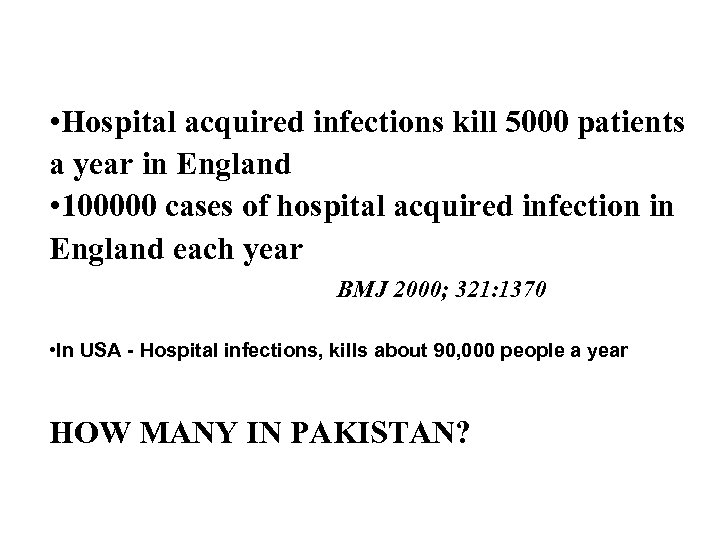
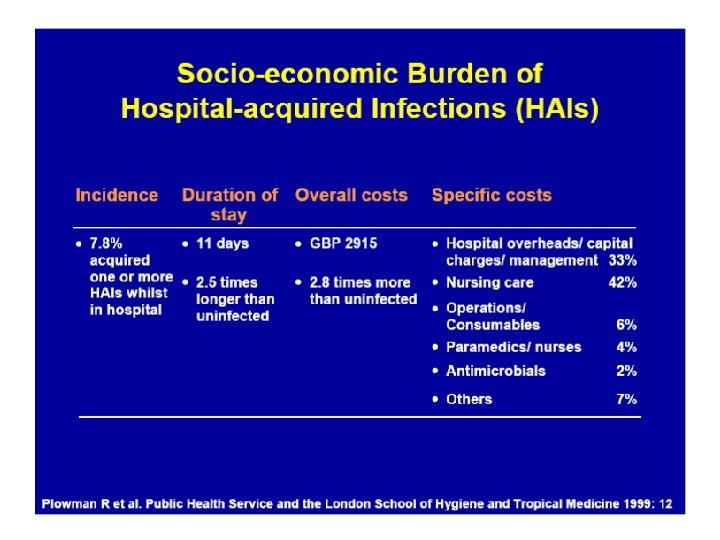
• Hospital acquired infections kill 5000 patients a year in England • 100000 cases of hospital acquired infection in England each year BMJ 2000; 321: 1370 • In USA - Hospital infections, kills about 90, 000 people a year HOW MANY IN PAKISTAN?
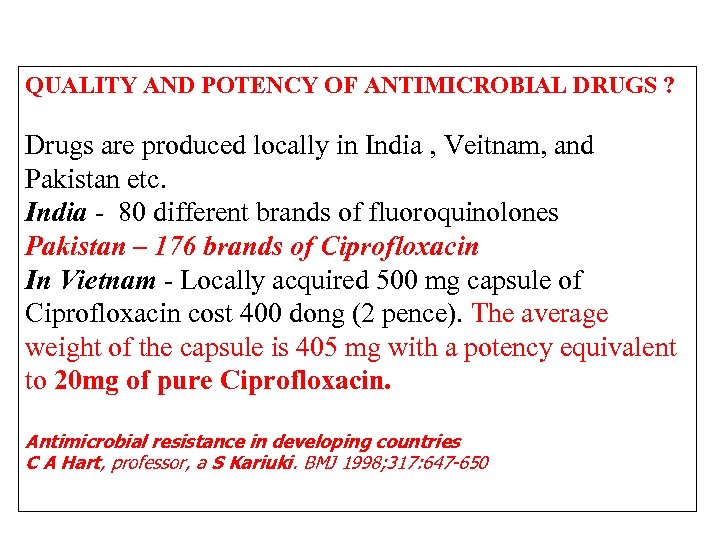
QUALITY AND POTENCY OF ANTIMICROBIAL DRUGS ? Drugs are produced locally in India , Veitnam, and Pakistan etc. India - 80 different brands of fluoroquinolones Pakistan – 176 brands of Ciprofloxacin In Vietnam - Locally acquired 500 mg capsule of Ciprofloxacin cost 400 dong (2 pence). The average weight of the capsule is 405 mg with a potency equivalent to 20 mg of pure Ciprofloxacin. Antimicrobial resistance in developing countries C A Hart, professor, a S Kariuki. BMJ 1998; 317: 647 -650

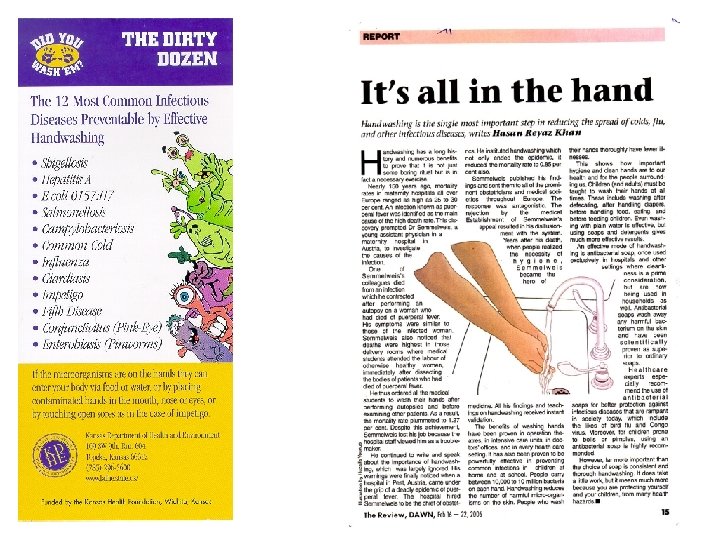
Prevention is better than cure!
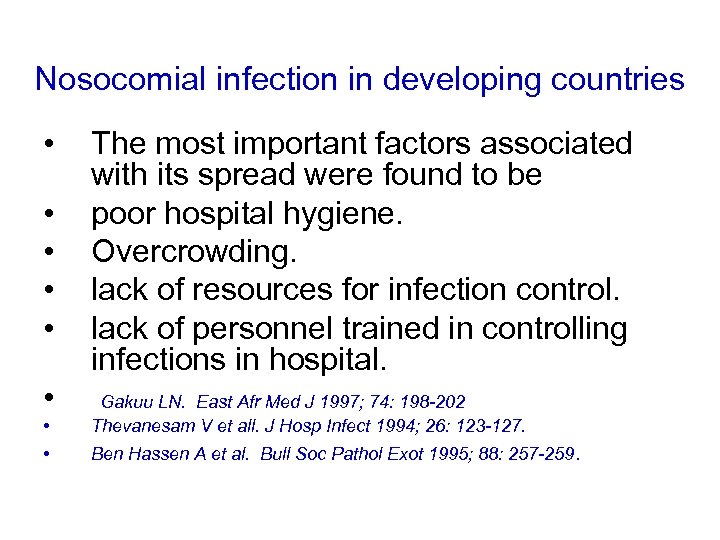
Nosocomial infection in developing countries • • The most important factors associated with its spread were found to be poor hospital hygiene. Overcrowding. lack of resources for infection control. lack of personnel trained in controlling infections in hospital. Gakuu LN. East Afr Med J 1997; 74: 198 -202 Thevanesam V et all. J Hosp Infect 1994; 26: 123 -127. Ben Hassen A et al. Bull Soc Pathol Exot 1995; 88: 257 -259.
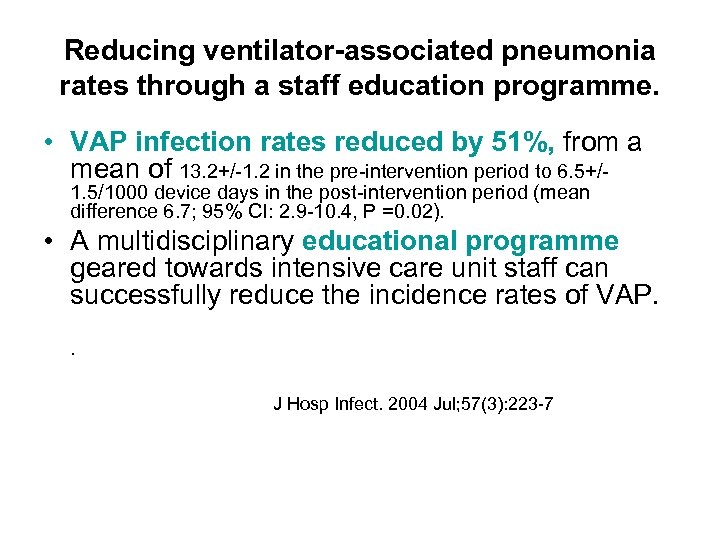
Reducing ventilator-associated pneumonia rates through a staff education programme. • VAP infection rates reduced by 51%, from a mean of 13. 2+/-1. 2 in the pre-intervention period to 6. 5+/1. 5/1000 device days in the post-intervention period (mean difference 6. 7; 95% CI: 2. 9 -10. 4, P =0. 02). • A multidisciplinary educational programme geared towards intensive care unit staff can successfully reduce the incidence rates of VAP. . J Hosp Infect. 2004 Jul; 57(3): 223 -7
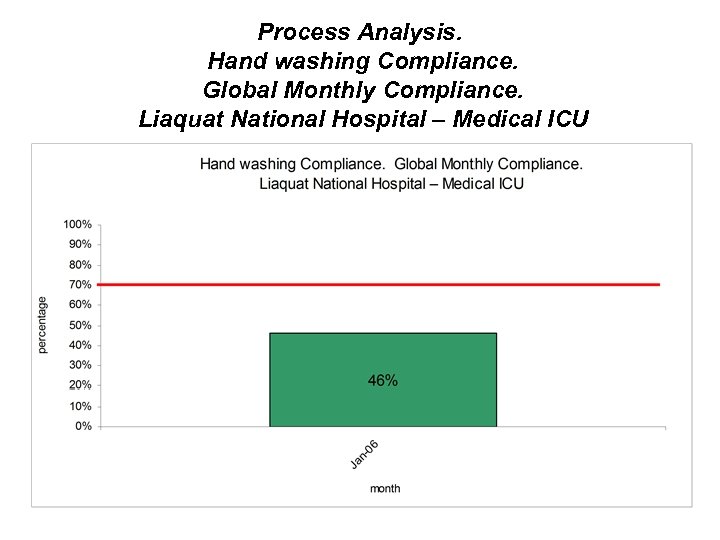
Process Analysis. Hand washing Compliance. Global Monthly Compliance. Liaquat National Hospital – Medical ICU
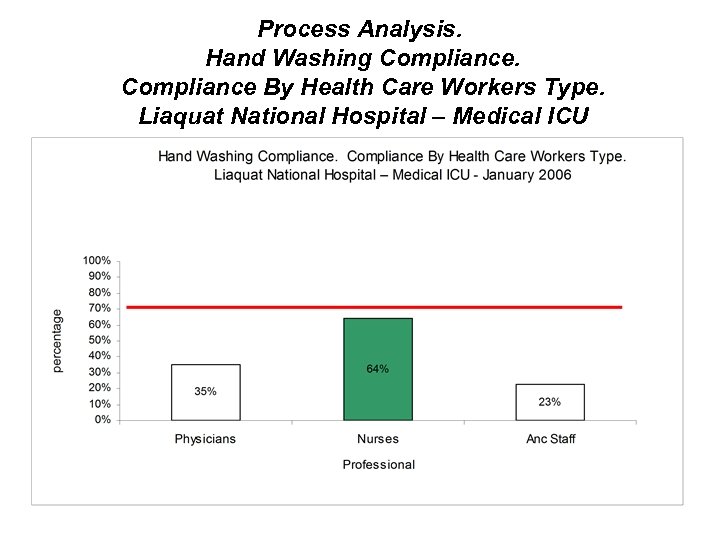
Process Analysis. Hand Washing Compliance By Health Care Workers Type. Liaquat National Hospital – Medical ICU
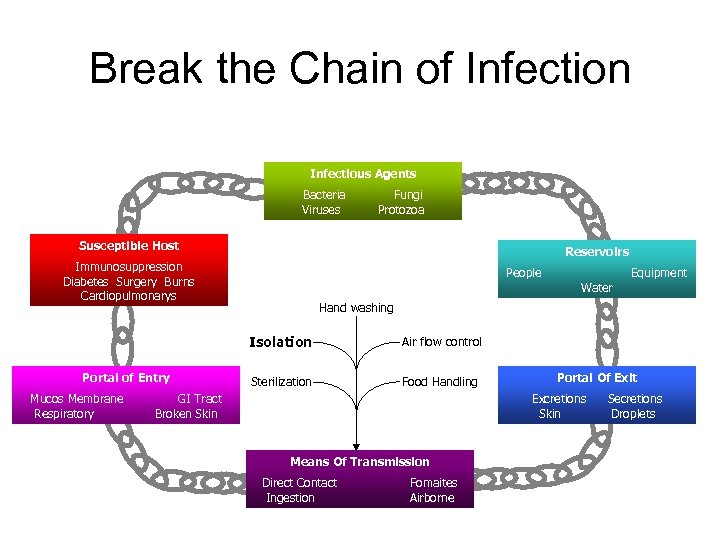
Break the Chain of Infection Infectious Agents Bacteria Viruses Fungi Protozoa Susceptible Host Reservoirs Immunosuppression Diabetes Surgery Burns Cardiopulmonarys People Mucos Membrane Respiratory Equipment Hand washing Isolation Portal of Entry Water Air flow control Sterilization Food Handling GI Tract Broken Skin Portal Of Exit Excretions Skin Means Of Transmission Direct Contact Ingestion Fomaites Airborne Secretions Droplets
COCKROACHES • Frequency of different species of cockroaches in tertiary care hospital and their role in transmission of bacterial pathogens Pakistan J Med Res Dec 2005; 44(4): 143 -8. Army Medical College, Rawalpindi • Aims: To identify different species of cockroaches in tertiary care hospital of Rawalpindi and evaluate their role in the transmission of bacterial pathogens as carrier agents. • Design and setting: Three species of cockroaches namely Periplaneta Americana (American cockroach), Blatta orientalis (Oriental cockroach) and Blattella germanica (German cockroach) were identified. • They were collected from nine sites of the hospital viz. Medical ward -16, Medical ward-2, Medical ward-10. Children medical ward, Gynecology and Obstetrics ward, Children surgical ward, Female surgical ward, Skin ward and Cook house.
COCKROACHES • Results: A total of 100 cockroaches were collected from various sites of a tertiary care Hospital from Oct-Dec 2004. American cockroaches were the most common in all the sites accounting for 73% followed by Oriental cockroaches 18% and German cockroaches 9%. • Thirteen types of bacteria were isolated which included Enterococcus spp 13. 4%, Proteus spp 11. 5%, Citrobacter spp 11. 3%, Klebsiella pneumoniae 12. 8%, Escherichia coli 9. 7%, Enterobacter spp 8. 0%, Pseudomonas spp 8. 0%, Bacillus spp 6. 9%, Pseudomonas aeruginosa 5. 7%, Serratia marcescens 4. 7%, Providencia spp 3. 4%, Staphylococcus spp 2. 3% and Klebsiella oxytoca 1. 8%. The prevalence of Periplaneta americana was highly significant and Enterococcus spp was the most common bacterial isolate in the hospital environment. • Conclusions: Cockroaches appear to be potential source of spread of infection in the hospitals. Effective measures need to be taken to tackle this issue.
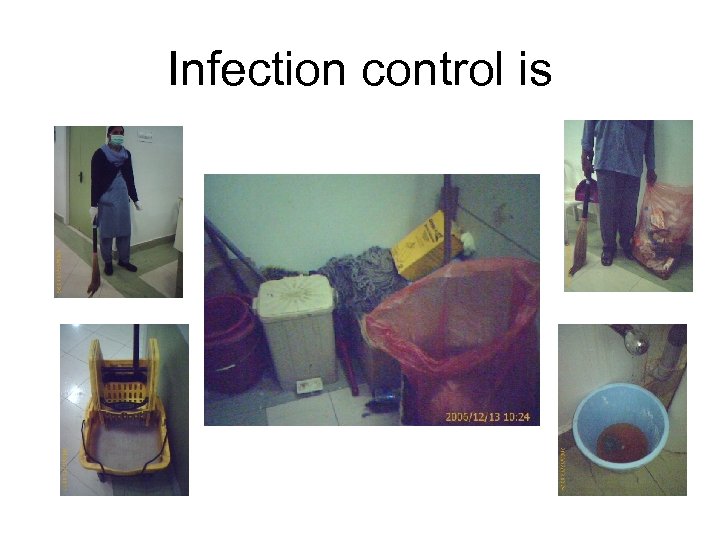
Infection control is
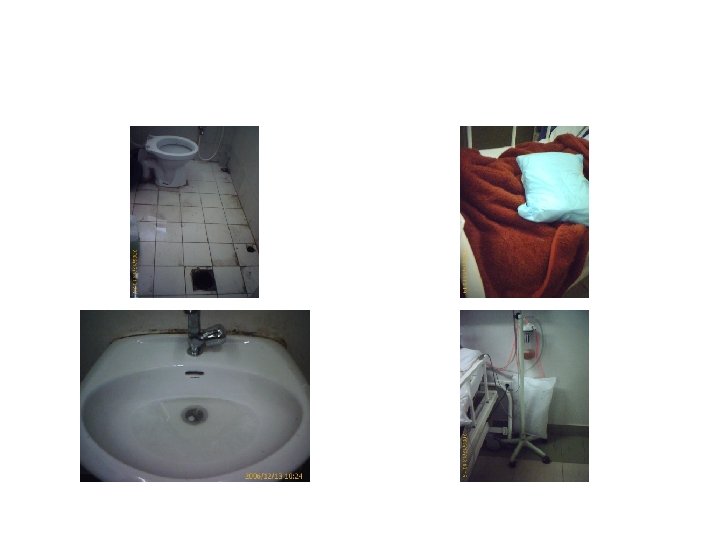
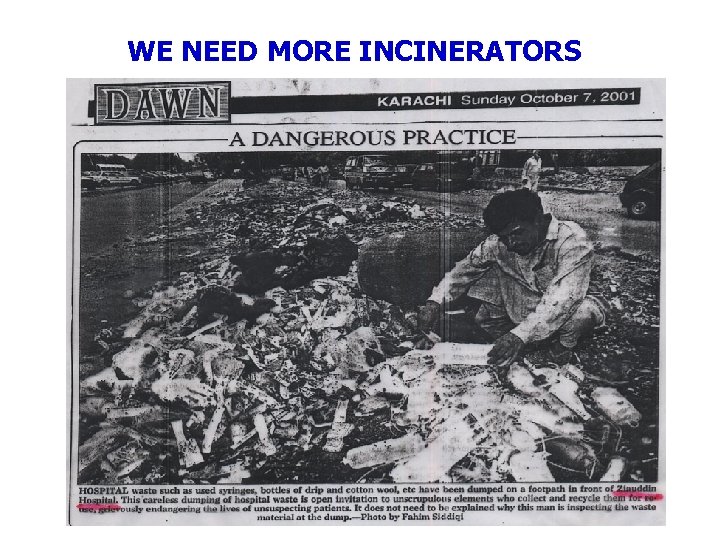
WE NEED MORE INCINERATORS
Please Remember • Infection control is everyone’s job and responsibility • The effectiveness of program depends on everyone’s commitment
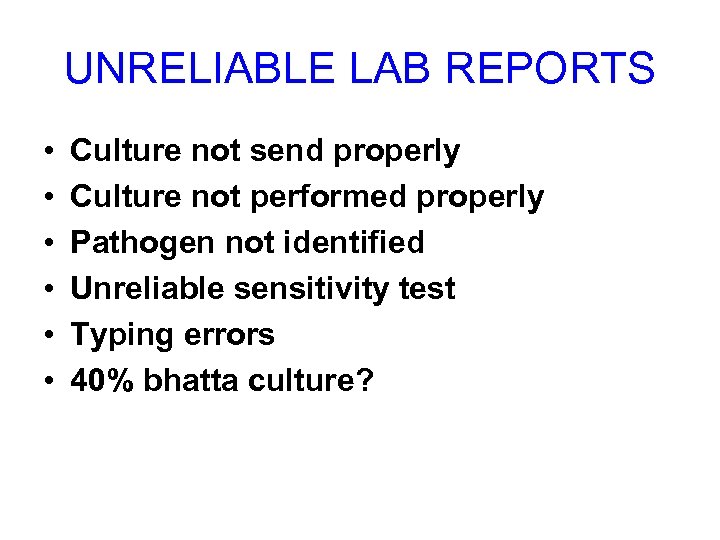
UNRELIABLE LAB REPORTS • • • Culture not send properly Culture not performed properly Pathogen not identified Unreliable sensitivity test Typing errors 40% bhatta culture?
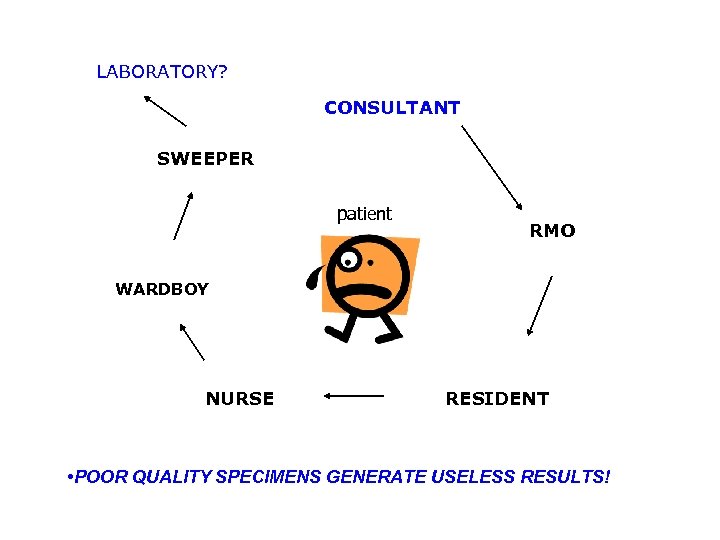
LABORATORY? CONSULTANT SWEEPER patient RMO WARDBOY NURSE RESIDENT • POOR QUALITY SPECIMENS GENERATE USELESS RESULTS!
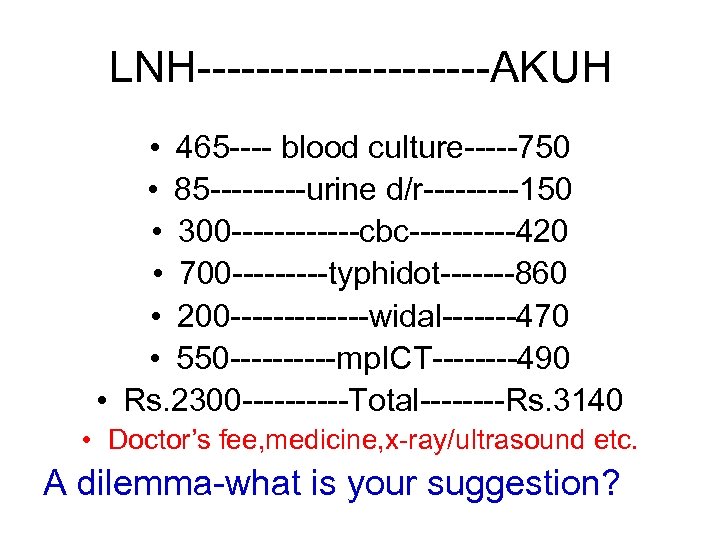
LNH----------AKUH • 465 ---- blood culture-----750 • 85 -----urine d/r-----150 • 300 ------cbc-----420 • 700 -----typhidot-------860 • 200 -------widal-------470 • 550 -----mp. ICT----490 • Rs. 2300 -----Total----Rs. 3140 • Doctor’s fee, medicine, x-ray/ultrasound etc. A dilemma-what is your suggestion?
?
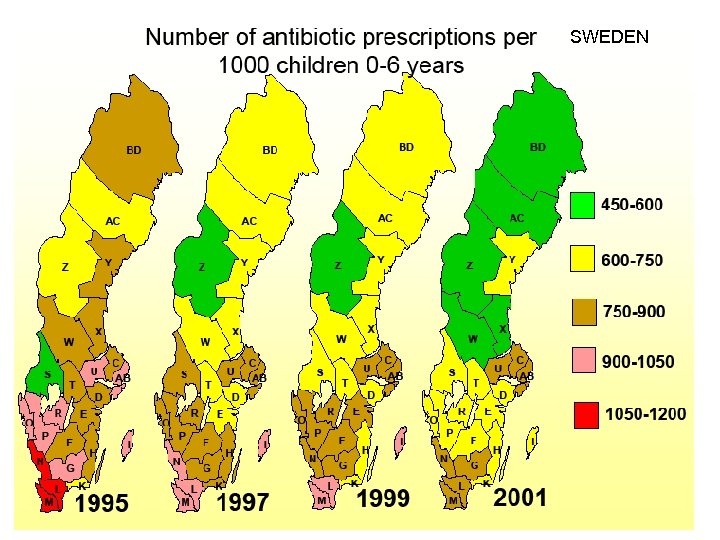
SWEDEN
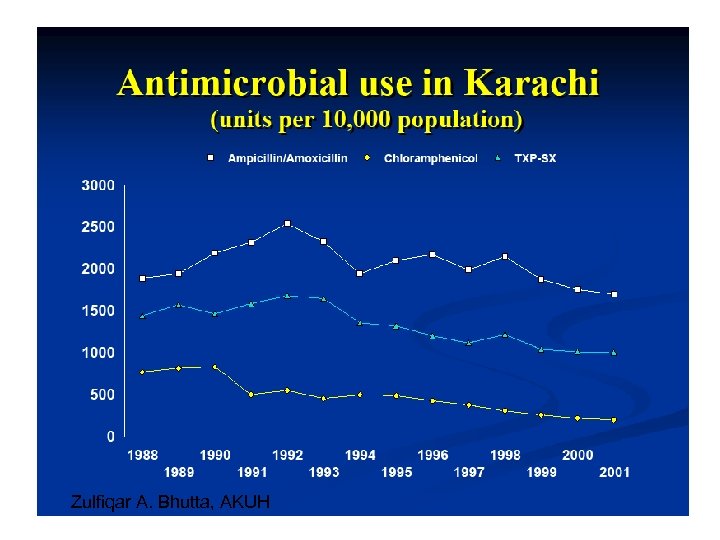
Zulfiqar A. Bhutta, AKUH
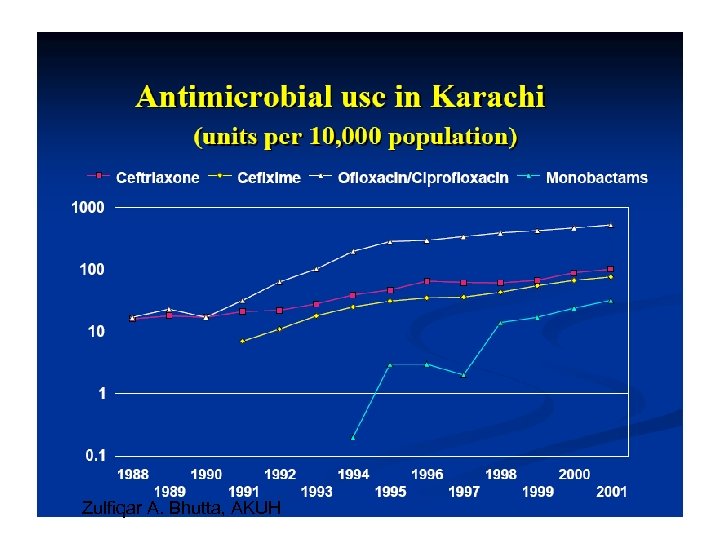
Zulfiqar A. Bhutta, AKUH
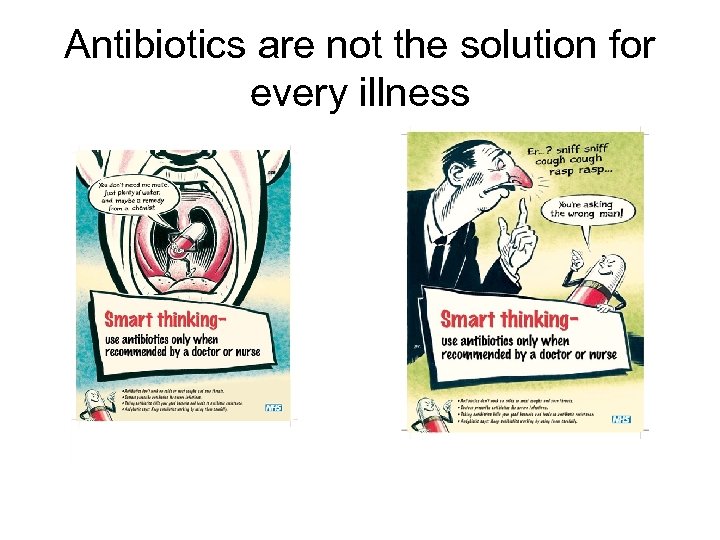
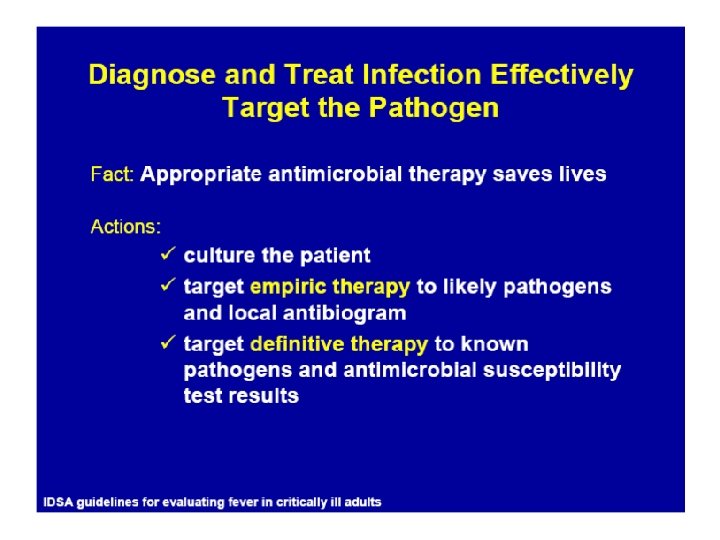
Antibiotics are not the solution for every illness
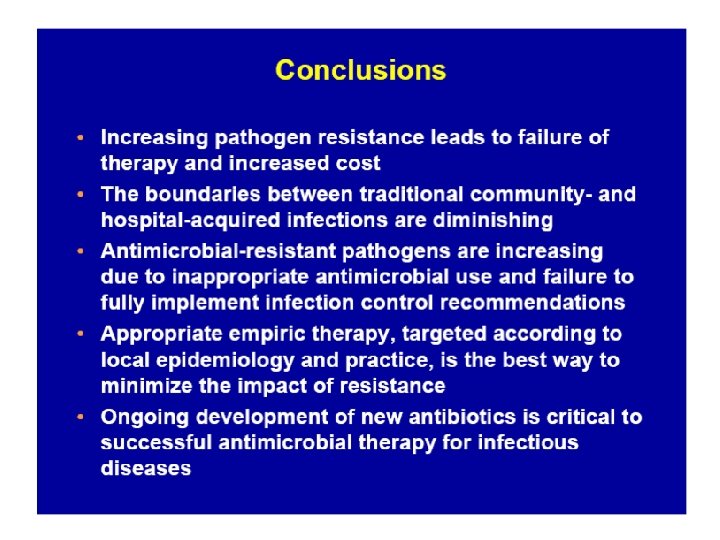
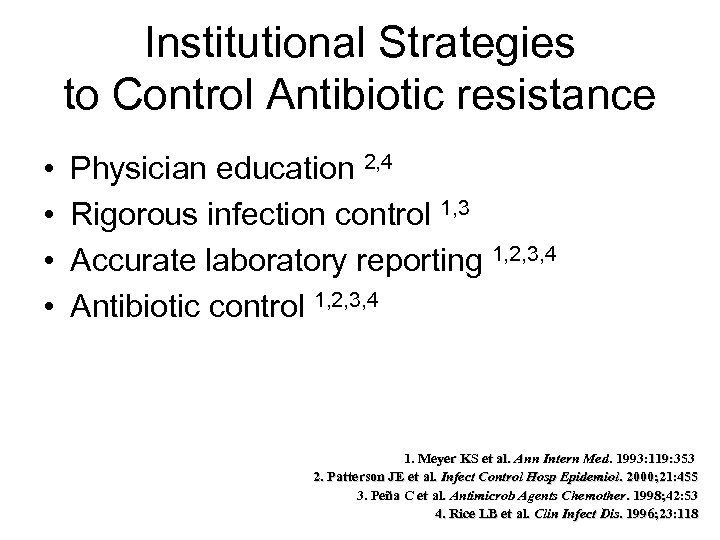
Institutional Strategies to Control Antibiotic resistance • • Physician education 2, 4 Rigorous infection control 1, 3 Accurate laboratory reporting 1, 2, 3, 4 Antibiotic control 1, 2, 3, 4 1. Meyer KS et al. Ann Intern Med. 1993: 119: 353 2. Patterson JE et al. Infect Control Hosp Epidemiol. 2000; 21: 455 3. Peña C et al. Antimicrob Agents Chemother. 1998; 42: 53 4. Rice LB et al. Clin Infect Dis. 1996; 23: 118
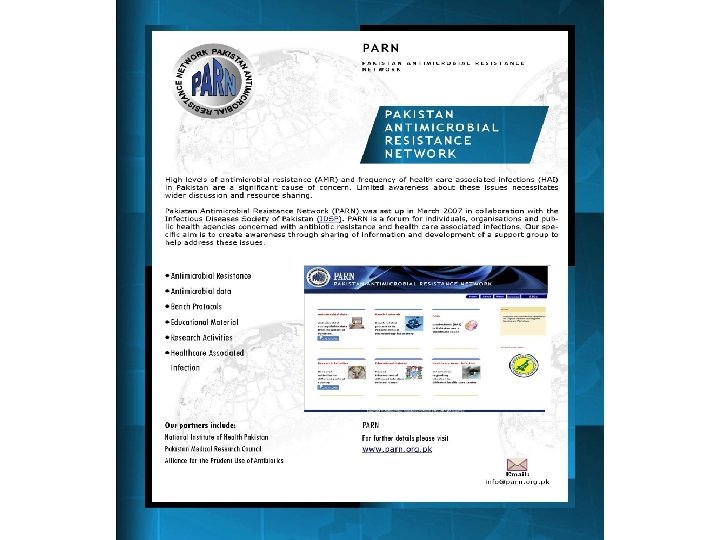
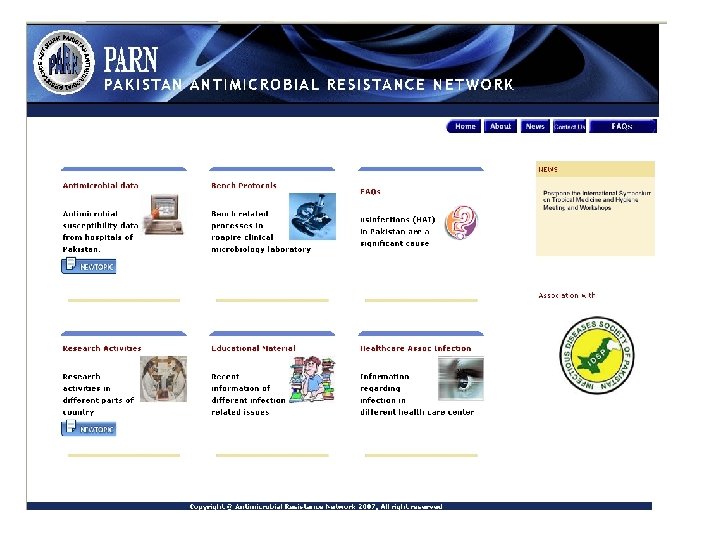

My message to all • Guidelines does not work unless they are implemented! • Implementation does not work unless there is local comittment and educational outreach!

THANK YOU & www. idspak. org altafvirus@yahoo. com
Скачать презентацию DR ALTAF AHMED Consultant Microbiologist Director Lab
99f1408c7d78f115b8246b2817357798.ppt