


 Скачать презентацию Дмитрий В Наумов ЛЯП ОИЯИ Лекция 1 Космология
0190a3f14598f9c4ccefb93e2049859d.ppt
- Количество слайдов: 74
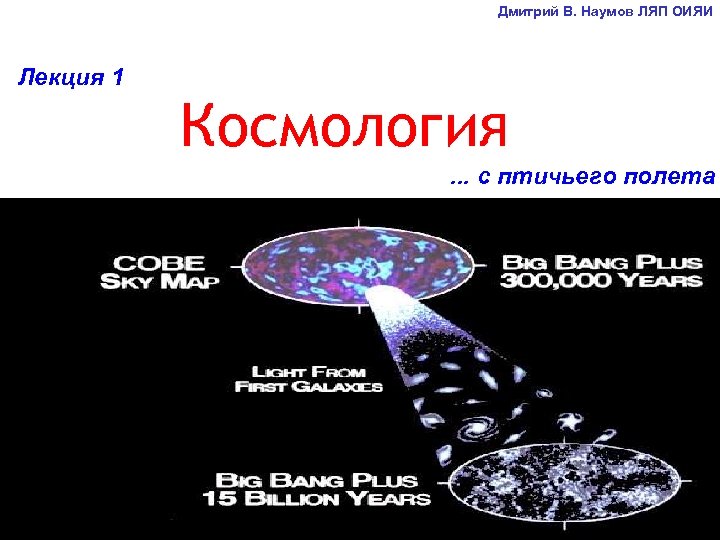 Дмитрий В. Наумов ЛЯП ОИЯИ Лекция 1 Космология. . . с птичьего полета
 О размерах. . . Гравитация Содержание Гравитация Ньютона Гравитация Эйнштейна Создание Вселенной Разбегание галактик Большой взрыв Инфляционная модель Состав Вселенной Видимое вещество Темная материя Темная энергия Космические Лучи Как детектируют КЛ сверх-высоких энергий Метрика Робертсона- Уолкера Уравнения Фридмана и их решения Кривизна пространства Черные дыры
 О размерах. . . Гравитация Содержание Гравитация Ньютона Гравитация Эйнштейна Создание Вселенной Разбегание галактик Большой взрыв Инфляционная модель Состав Вселенной Видимое вещество Темная материя Темная энергия Космические Лучи Как детектируют КЛ сверх-высоких энергий Красное смещение Закон Хаббла
 О размерах. . . Гравитация Содержание Гравитация Ньютона Гравитация Эйнштейна Создание Вселенной Разбегание галактик Большой взрыв Инфляционная модель Состав Вселенной Видимое вещество Темная материя Темная энергия Космические Лучи Как детектируют КЛ сверх-высоких энергий Красное смещение Эволюция Вселенной Нуклеосинтез Образование галактик и крупных структур Реликтовый микроволновой фон Эксперименты COBE и WMAP
 О размерах. . . Гравитация Содержание Гравитация Ньютона Гравитация Эйнштейна Создание Вселенной Разбегание галактик Большой взрыв Инфляционная модель Состав Вселенной Видимое вещество Темная материя Темная энергия Космические Лучи Как детектируют КЛ сверх-высоких энергий Проблемы стандартной модели БВ Квантовое начало
 Список литературы D. Scramm and M. S. Turner, ``Big Bang enters the precision era'', RMP 70(1998)0303 В. Л. Гинзбург, “О некоторых успехах физики и астрономии за последние три года”, УФH 172(2002)0213 В. А. Рубаков, ``Физика частиц и космология: состояние и надежды”, УФН 169(1999)1299 S. Sarkar, ``Big bang nucleosynthesis and physics beyond the standard model'', RPP 59(1996)1493 M. Turner, J. Tyson, ``Cosmology at the millenium'', RMP 71(1999)S 145 Dolgov, Ya. Zeldovich, ``Cosmology and elementary particles'', RMP 53(1981)0001 A. Dolgov, ``Neutrinos in Cosmology'', PR 370(2002)333 M. Maggiore, ``Gravitational Wave Experiments. . . '', PR 331(2000)283 V. L. Ginzburg, ``What problems of physics and astrophysics. . . '', Ph. U 042(1999)0353 I. L. Rozental, ``Elementary particles and cosmology'', Ph. U 40(1997)0763 V. A. Rubakov, M. E. Saposhnikov, ``Electroweak baryon number non-conservation. . . '', Ph. U 039(1996)0461 J. Ellis, ``Astropartical Physics: A personal outlook'', NPB 48(1996)522 J. Ellis, ``Particles and Cosmology'', NPB 35(1994)005 J. M. Uson, ``General Cosmology: Overview and outstanding problems'', NPB 28 A(1992)017 L. Jauneau, ``Introduction to Gravity and Cosmology'', LAL 88 -41 M. Kutschera, ``Introduction to Physical Cosmology'', INP-1659 -PH P. Olesen, ``An introduction to cosmology'', ESHEP(1997)220 astro-ph/0204294, astro-ph/0208103 astro-ph/0210580, astro-ph/0305038, astro-ph/0305063 astro-ph/0309703, astro-ph/0309704, astro-ph/0402065 astro-ph/9312022, astro-ph/9609007, astro-ph/9905017 astro-ph/9911325, astro-ph/9911440, gr-qc/0101003 gr-qc/0103023, hep-ph/0101119, hep-ph/0104251 hep-ph/0201178, hep-ph/0304257, hep-ph/0304264 hep-ph/0308251, hep-ph/9808418, hep-ph/9811432 hep-ph/9904502, hep-th/0209261, hep-th/9802057 hep-th/9907067
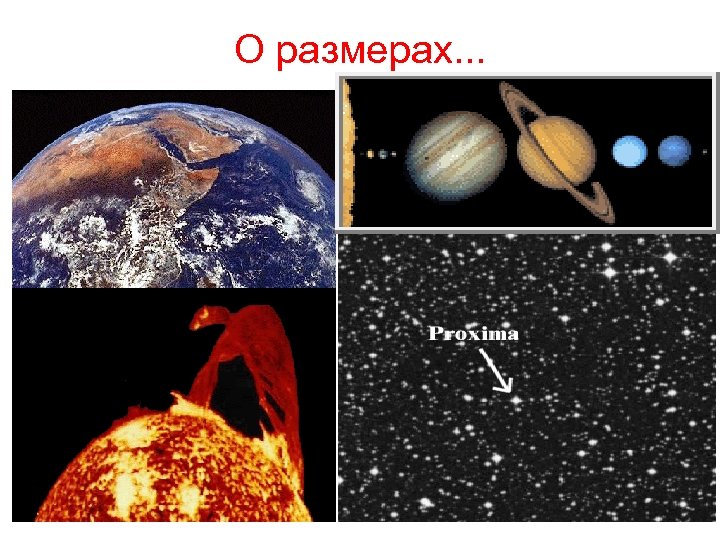 О размерах. . .
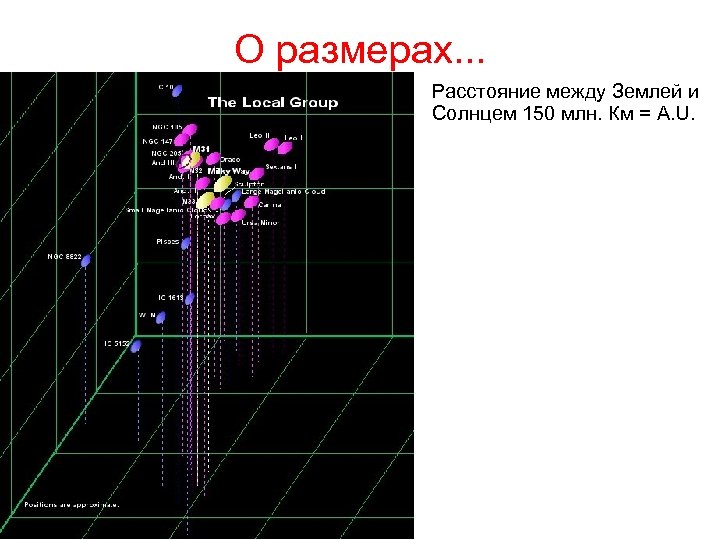 О размерах. . . Расстояние между Землей и Солнцем 150 млн. Км = A. U.
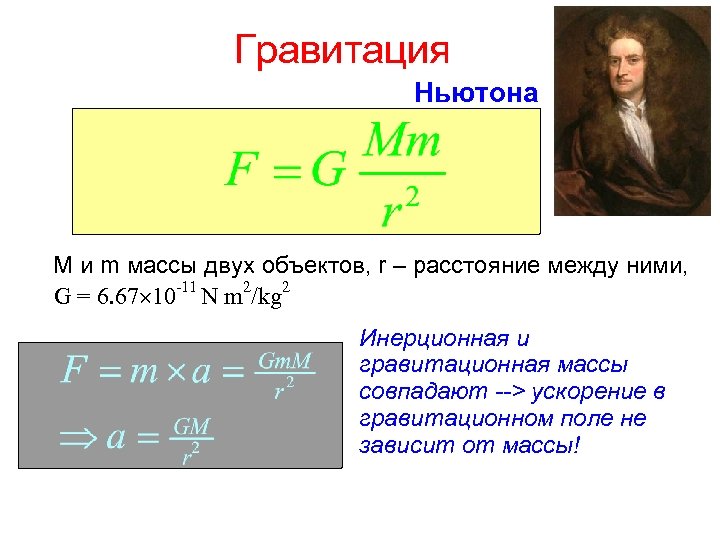 Гравитация Ньютона M и m массы двух объектов, r – расстояние между ними, G = 6. 67 10 -11 N m 2/kg 2 Инерционная и гравитационная массы совпадают --> ускорение в гравитационном поле не зависит от массы!
 Гравитация Эйнштейна http: //www. aip. org/history/einstein
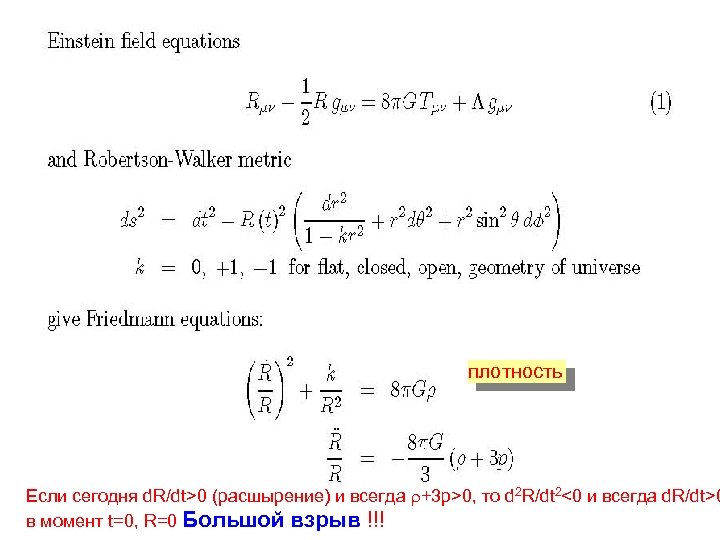 плотность Если сегодня d. R/dt>0 (расшырение) и всегда r+3 p>0, то d 2 R/dt 2<0 и всегда d. R/dt>0 в момент t=0, R=0 Большой взрыв !!!
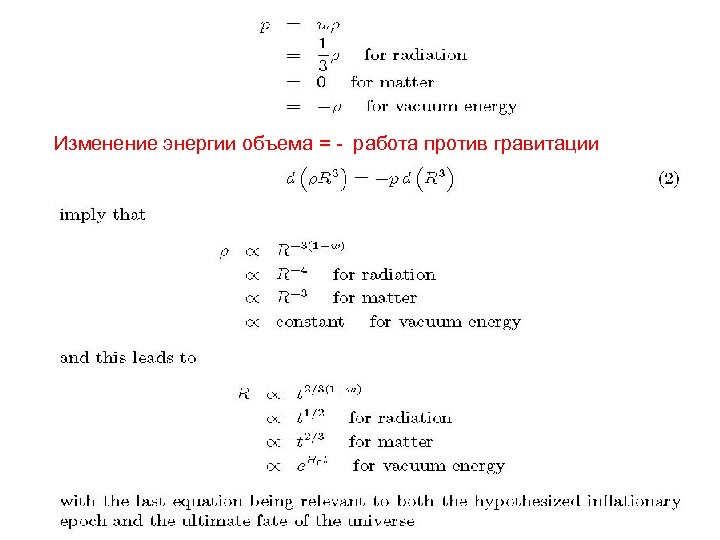 Изменение энергии объема = - работа против гравитации
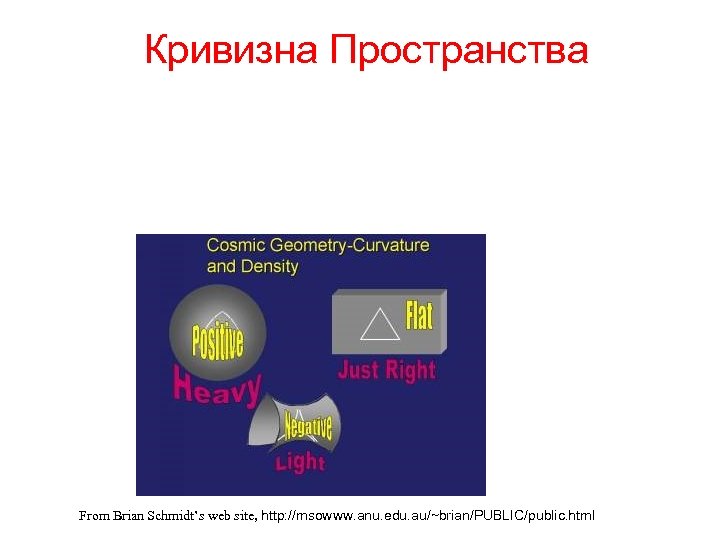 Кривизна Пространства From Brian Schmidt’s web site, http: //msowww. anu. edu. au/~brian/PUBLIC/public. html
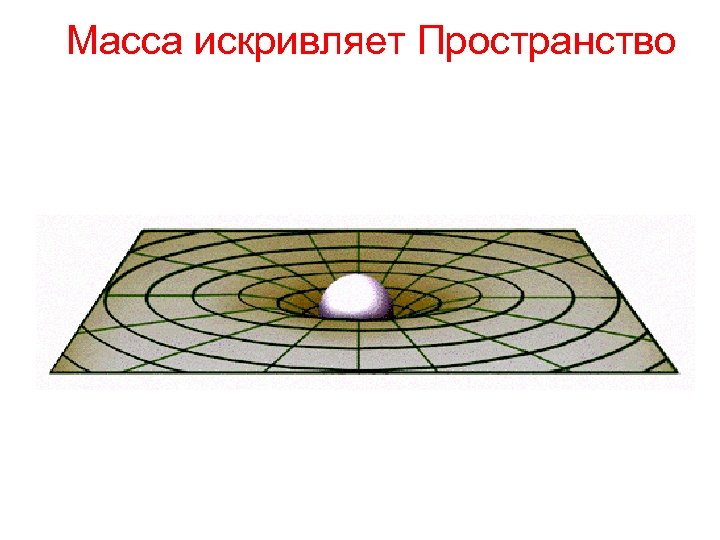 Масса искривляет Пространство
 Пример искривления изображения в гравитационном поле
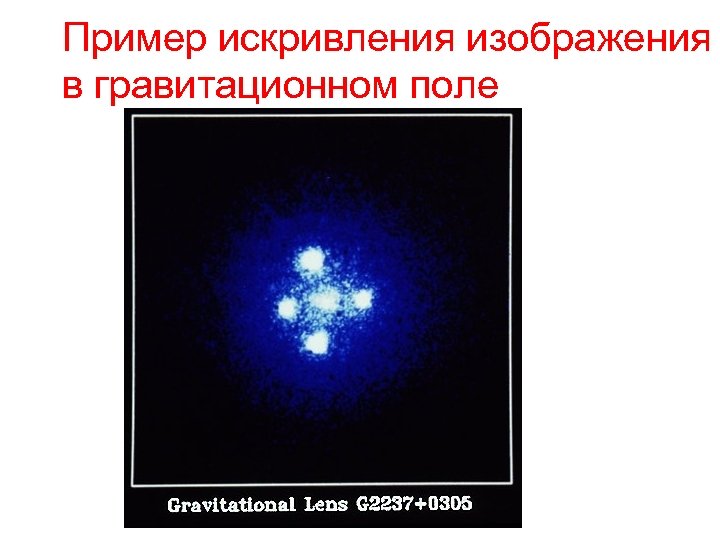 Пример искривления изображения в гравитационном поле
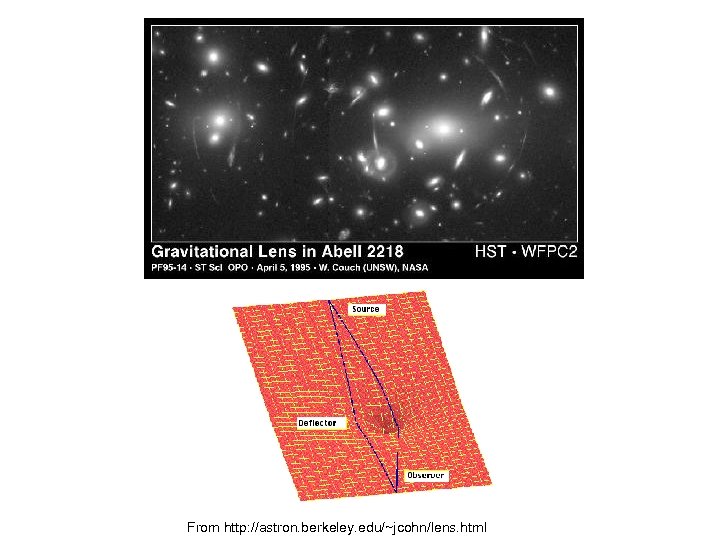 From http: //astron. berkeley. edu/~jcohn/lens. html
 Черные дыры
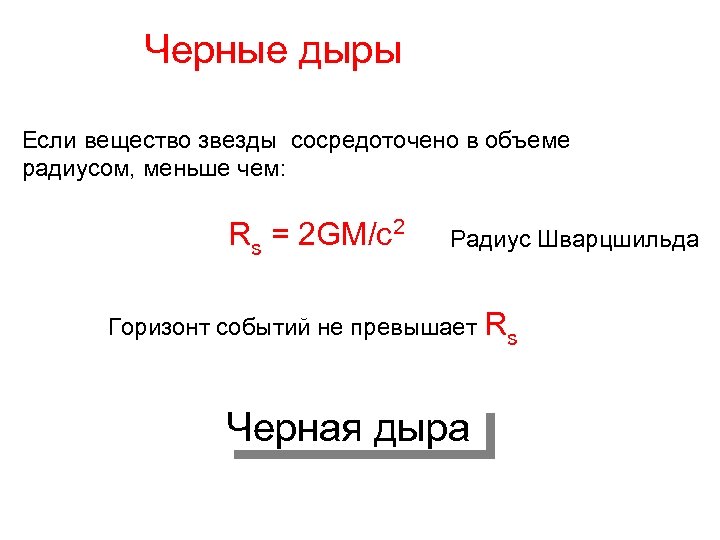 Черные дыры Если вещество звезды сосредоточено в объеме радиусом, меньше чем: Rs = 2 GM/c 2 Радиус Шварцшильда Горизонт событий не превышает Rs Черная дыра
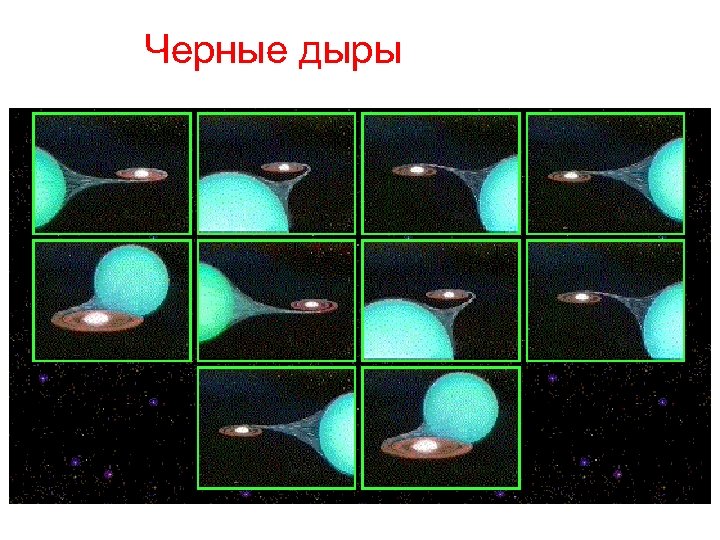 Черные дыры
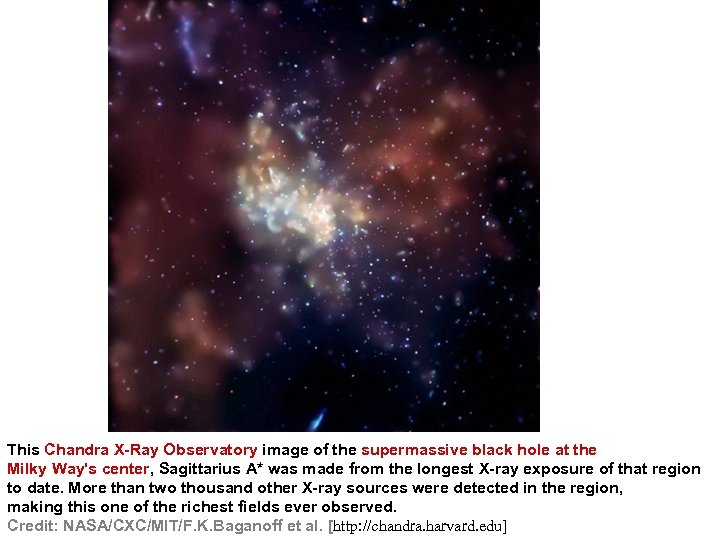 This Chandra X-Ray Observatory image of the supermassive black hole at the Milky Way's center, Sagittarius A* was made from the longest X-ray exposure of that region to date. More than two thousand other X-ray sources were detected in the region, making this one of the richest fields ever observed. Credit: NASA/CXC/MIT/F. K. Baganoff et al. [http: //chandra. harvard. edu]
 Создание Вселенной
 Создание Вселенной
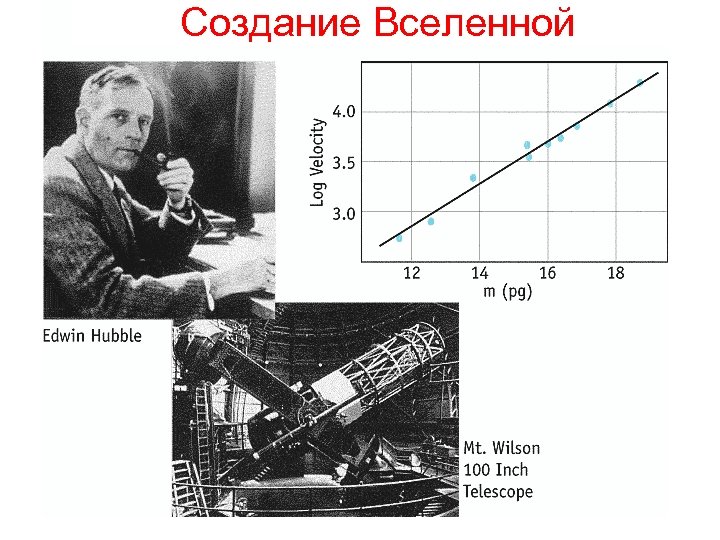
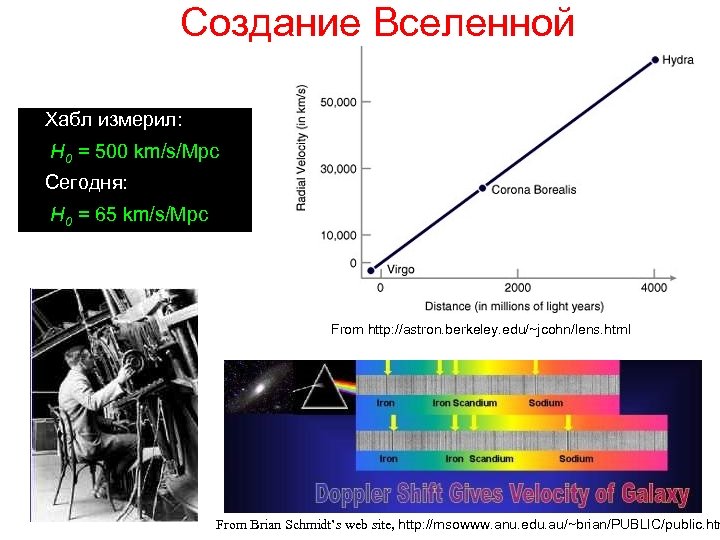 Создание Вселенной ✔ Хабл измерил: ✔ : H 0 = 500 km/s/Mpc ✔ Сегодня: ✔ H 0 = 65 km/s/Mpc From http: //astron. berkeley. edu/~jcohn/lens. html From Brian Schmidt’s web site, http: //msowww. anu. edu. au/~brian/PUBLIC/public. htm
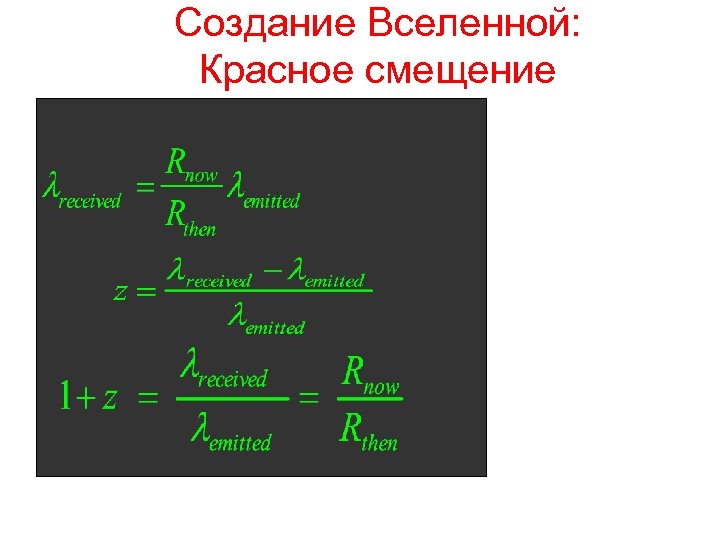 Создание Вселенной: Красное смещение
 Возраст Вселенной
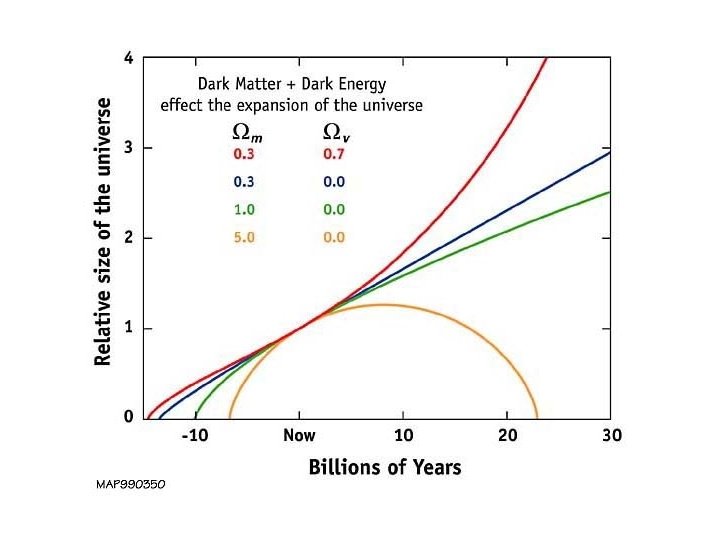
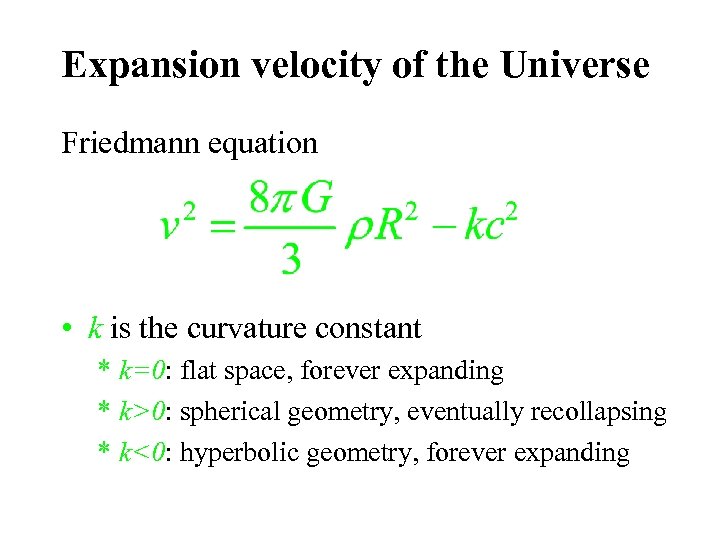 Expansion velocity of the Universe Friedmann equation • k is the curvature constant * k=0: flat space, forever expanding * k>0: spherical geometry, eventually recollapsing * k<0: hyperbolic geometry, forever expanding

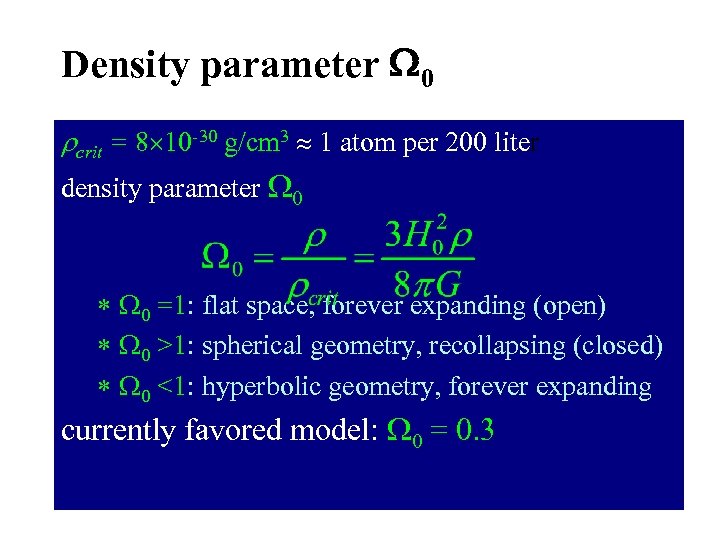 Density parameter 0 crit = 8 10 -30 g/cm 3 1 atom per 200 liter density parameter 0 0 =1: flat space, forever expanding (open) 0 >1: spherical geometry, recollapsing (closed) 0 <1: hyperbolic geometry, forever expanding currently favored model: 0 = 0. 3
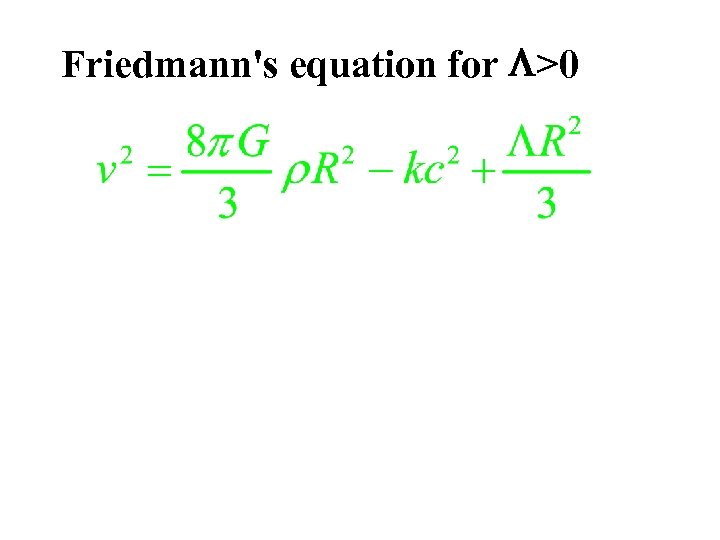 Friedmann's equation for >0
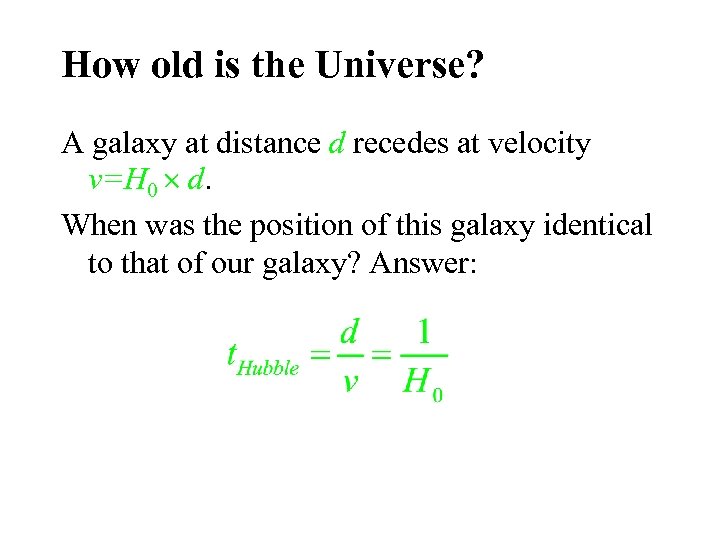 How old is the Universe? A galaxy at distance d recedes at velocity v=H 0 d. When was the position of this galaxy identical to that of our galaxy? Answer:
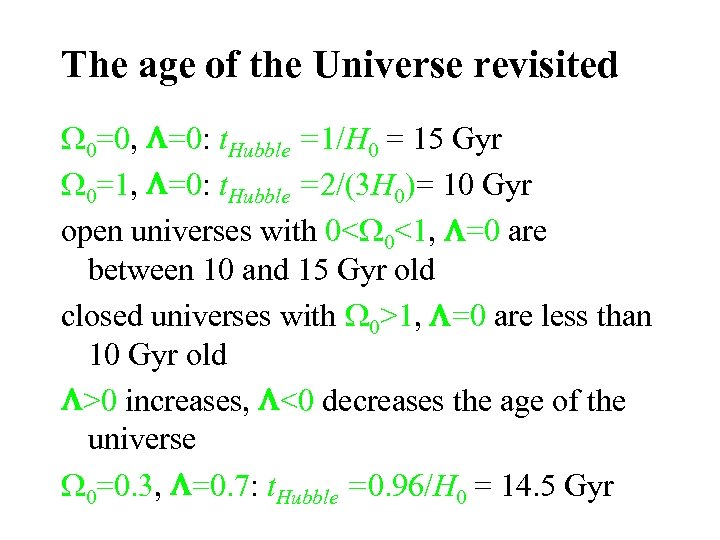 The age of the Universe revisited 0=0, =0: t. Hubble =1/H 0 = 15 Gyr 0=1, =0: t. Hubble =2/(3 H 0)= 10 Gyr open universes with 0< 0<1, =0 are between 10 and 15 Gyr old closed universes with 0>1, =0 are less than 10 Gyr old >0 increases, <0 decreases the age of the universe 0=0. 3, =0. 7: t. Hubble =0. 96/H 0 = 14. 5 Gyr
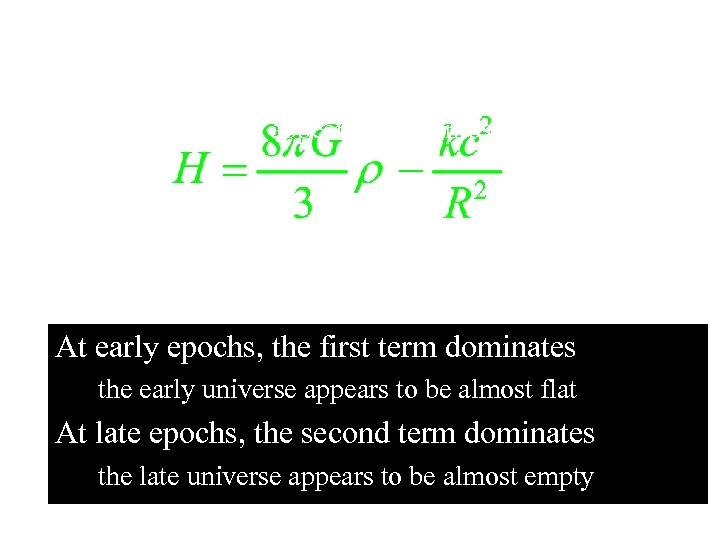 At early epochs, the first term dominates the early universe appears to be almost flat At late epochs, the second term dominates the late universe appears to be almost empty
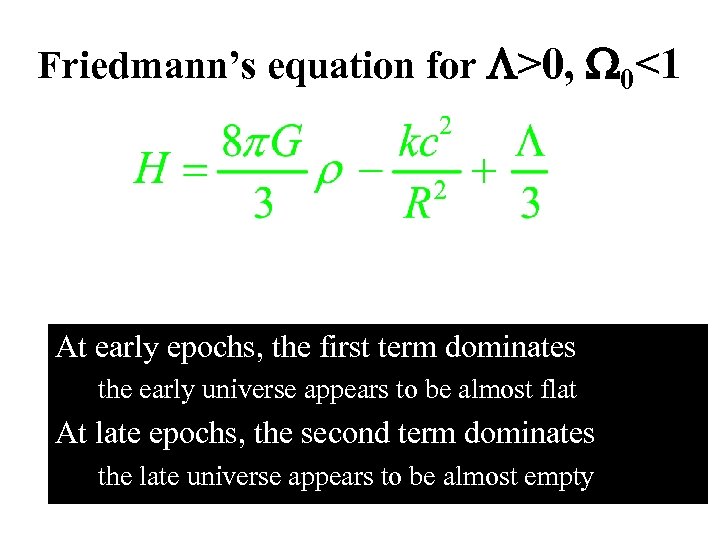 Friedmann’s equation for >0, 0<1 At early epochs, the first term dominates the early universe appears to be almost flat At late epochs, the second term dominates the late universe appears to be almost empty
 Создание Вселенной Большой взрыв
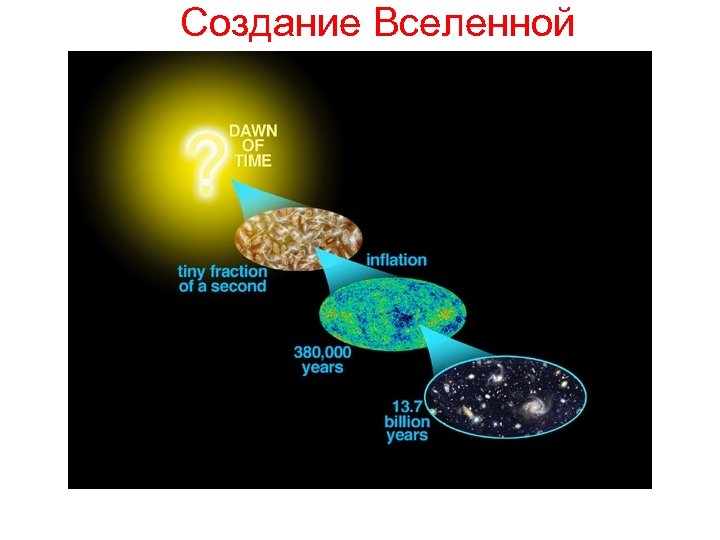 Создание Вселенной
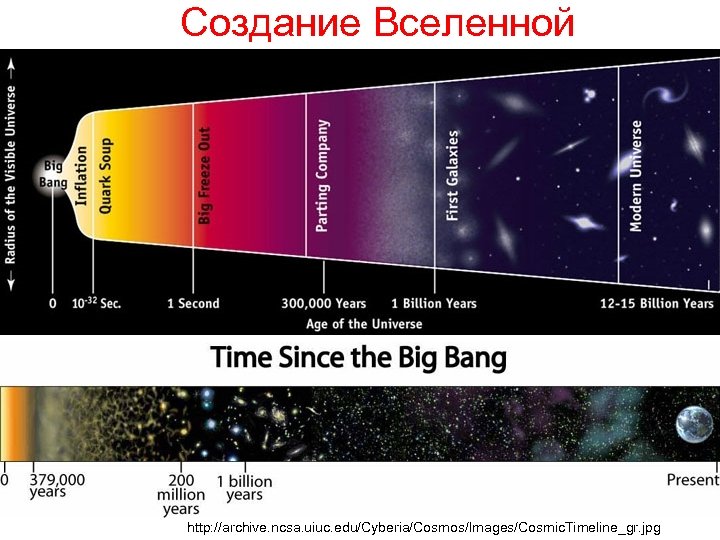 Создание Вселенной http: //archive. ncsa. uiuc. edu/Cyberia/Cosmos/Images/Cosmic. Timeline_gr. jpg
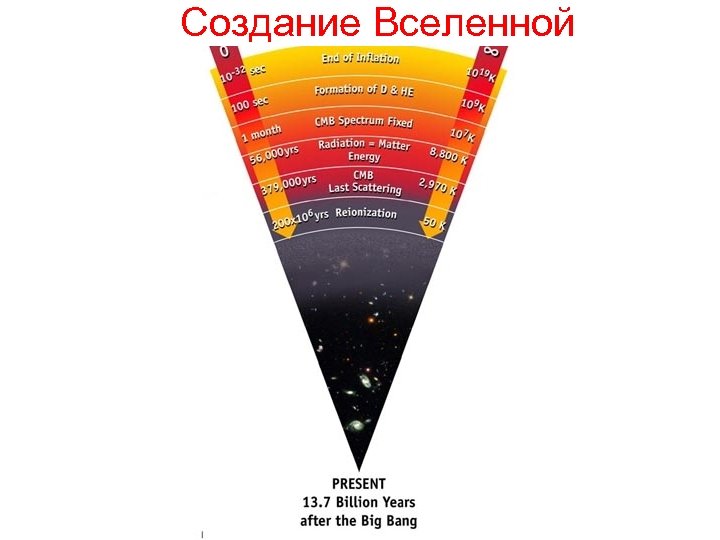 Создание Вселенной
 Создание Вселенной: Нуклеосинтез
 The structure of matter
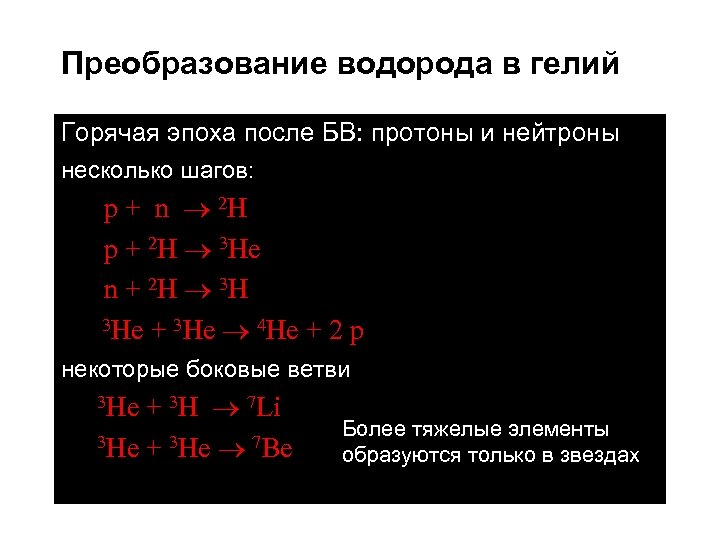 Преобразование водорода в гелий Горячая эпоха после БВ: протоны и нейтроны несколько шагов: p + n 2 H p + 2 H 3 He n + 2 H 3 H 3 He + 3 He 4 He + 2 p некоторые боковые ветви + 3 H 7 Li 3 He + 3 He 7 Be 3 He Более тяжелые элементы образуются только в звездах
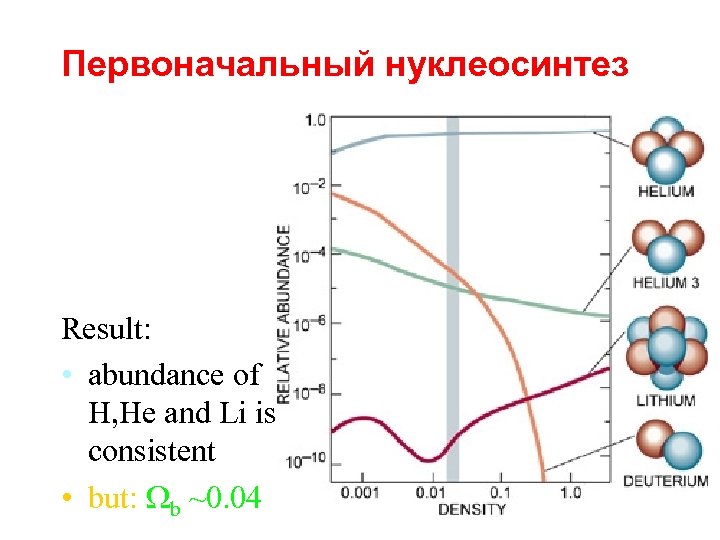 Первоначальный нуклеосинтез Result: • abundance of H, He and Li is consistent • but: b ~0. 04
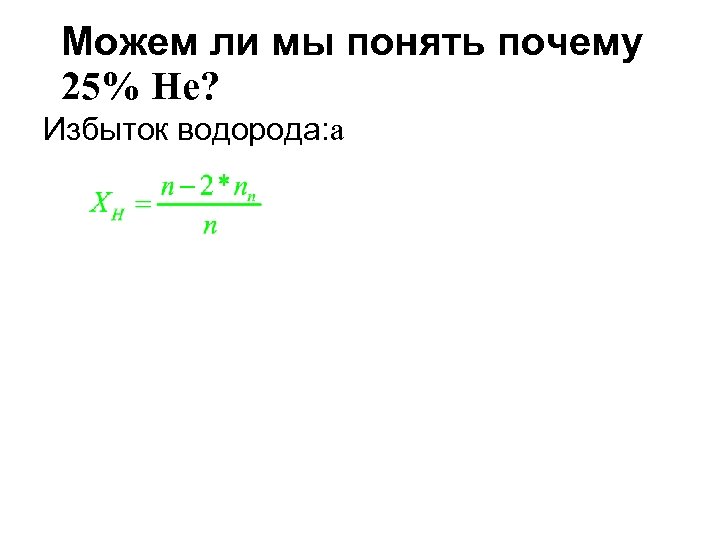 Можем ли мы понять почему 25% He? Избыток водорода: а
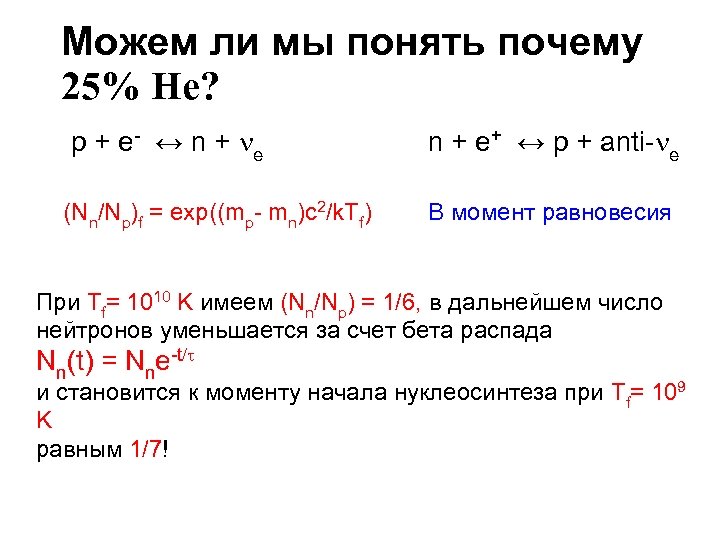 Можем ли мы понять почему 25% He? p + e - ↔ n + ne n + e+ ↔ p + anti-ne (Nn/Np)f = exp((mp- mn)c 2/k. Tf) В момент равновесия При Tf= 1010 K имеем (Nn/Np) = 1/6, в дальнейшем число нейтронов уменьшается за счет бета распада Nn(t) = Nne-t/t и становится к моменту начала нуклеосинтеза при Tf= 109 K равным 1/7!
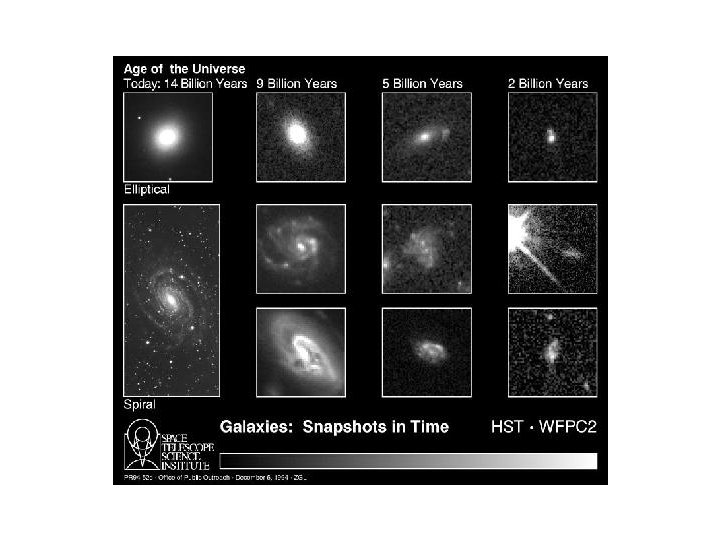
 Создание Вселенной: Образование галактик и крупных структур Смотрим видео structform
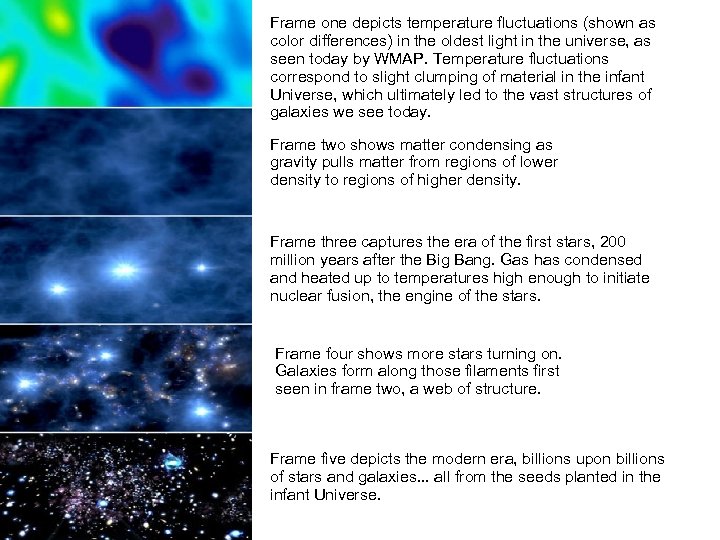 Frame one depicts temperature fluctuations (shown as color differences) in the oldest light in the universe, as seen today by WMAP. Temperature fluctuations correspond to slight clumping of material in the infant Universe, which ultimately led to the vast structures of galaxies we see today. Frame two shows matter condensing as gravity pulls matter from regions of lower density to regions of higher density. Frame three captures the era of the first stars, 200 million years after the Big Bang. Gas has condensed and heated up to temperatures high enough to initiate nuclear fusion, the engine of the stars. Frame four shows more stars turning on. Galaxies form along those filaments first seen in frame two, a web of structure. Frame five depicts the modern era, billions upon billions of stars and galaxies. . . all from the seeds planted in the infant Universe.
 Создание Вселенной: Реликтовый Микроволновый Фон
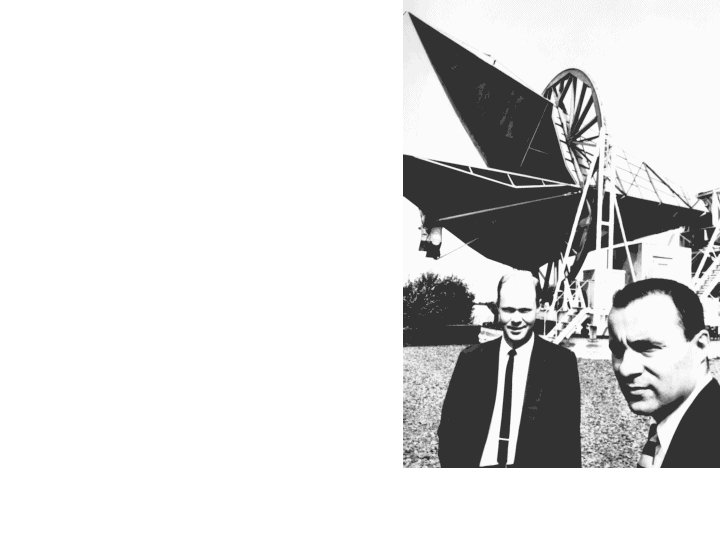
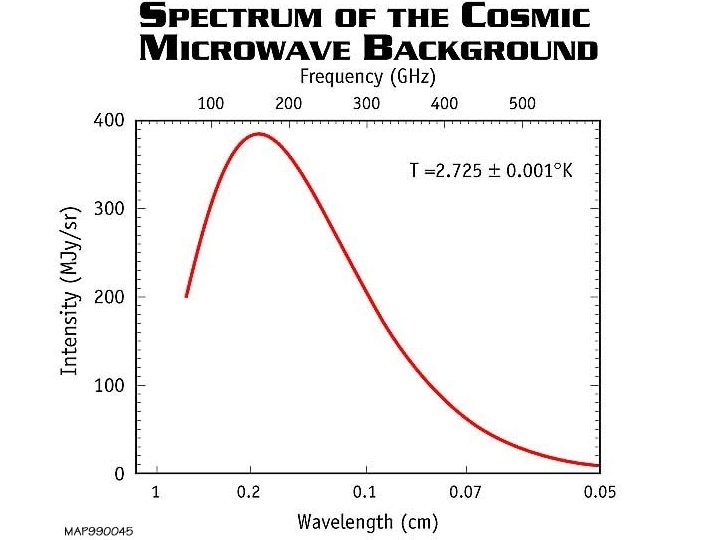
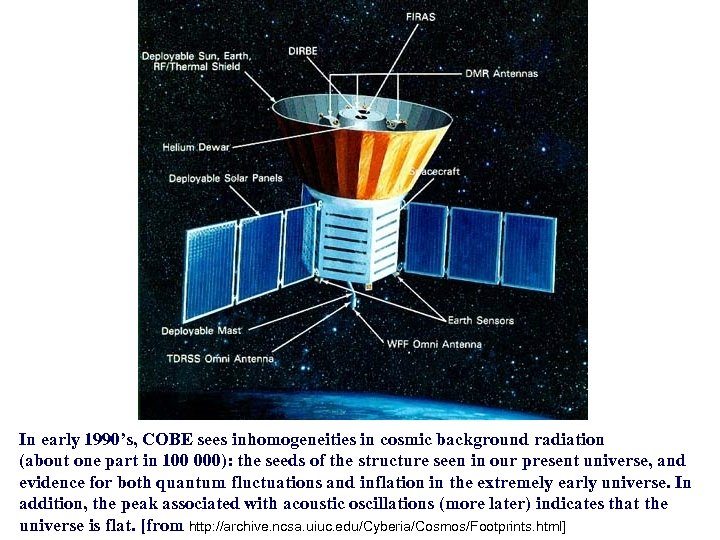 In early 1990’s, COBE sees inhomogeneities in cosmic background radiation (about one part in 100 000): the seeds of the structure seen in our present universe, and evidence for both quantum fluctuations and inflation in the extremely early universe. In addition, the peak associated with acoustic oscillations (more later) indicates that the universe is flat. [from http: //archive. ncsa. uiuc. edu/Cyberia/Cosmos/Footprints. html]
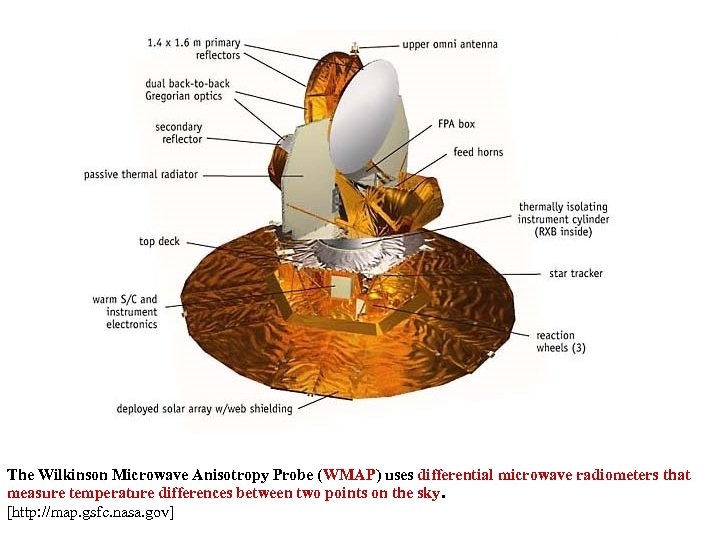 The Wilkinson Microwave Anisotropy Probe (WMAP) uses differential microwave radiometers that measure temperature differences between two points on the sky. [http: //map. gsfc. nasa. gov]
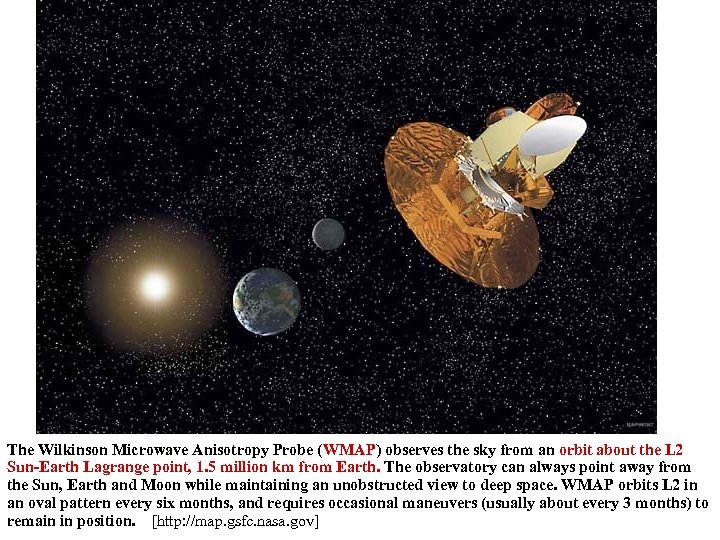 The Wilkinson Microwave Anisotropy Probe (WMAP) observes the sky from an orbit about the L 2 Sun-Earth Lagrange point, 1. 5 million km from Earth. The observatory can always point away from the Sun, Earth and Moon while maintaining an unobstructed view to deep space. WMAP orbits L 2 in an oval pattern every six months, and requires occasional maneuvers (usually about every 3 months) to remain in position. [http: //map. gsfc. nasa. gov]
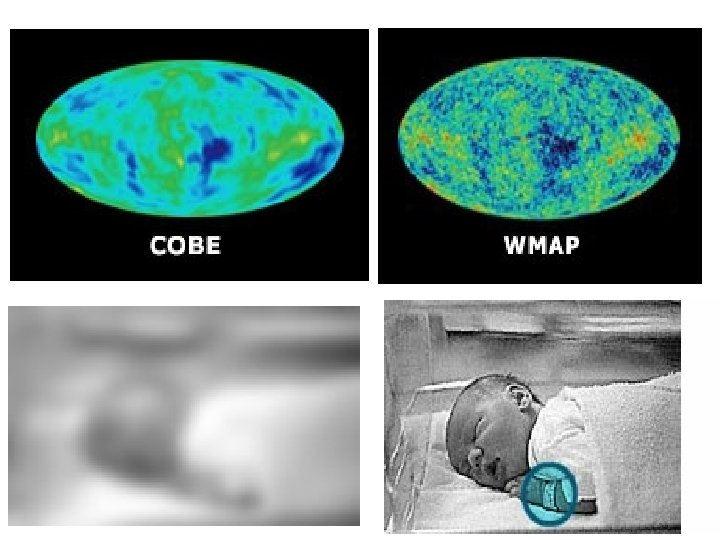
 Смотрим видео 030651
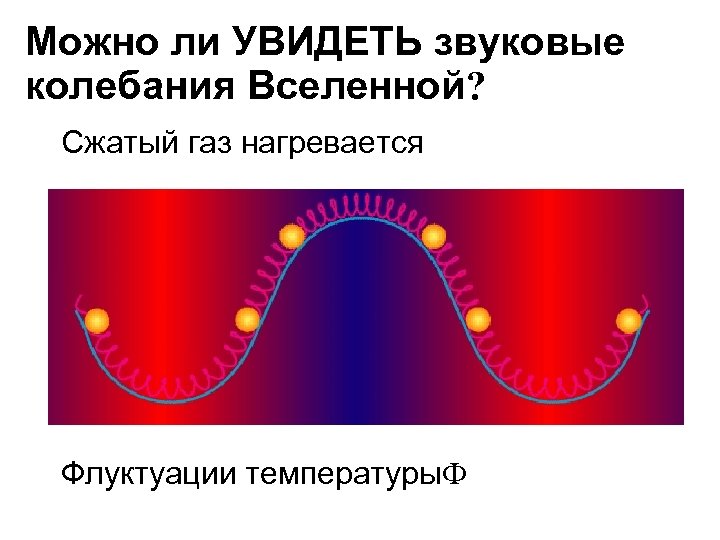 Можно ли УВИДЕТЬ звуковые колебания Вселенной? Сжатый газ нагревается Флуктуации температуры. Ф
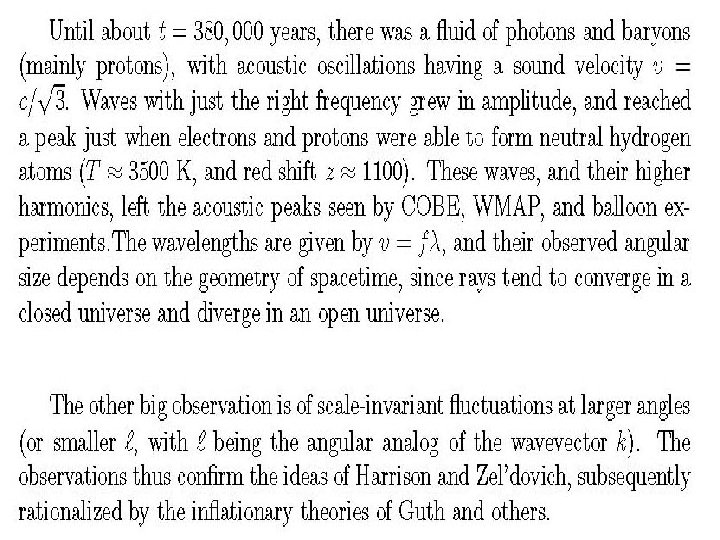
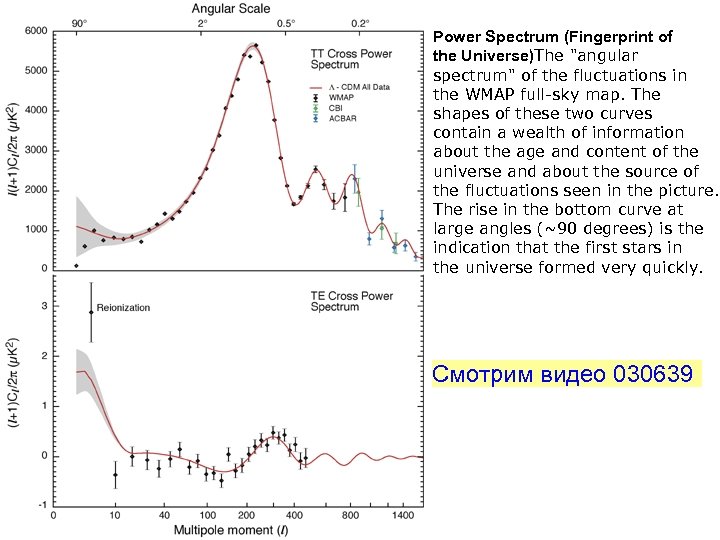 Power Spectrum (Fingerprint of the Universe)The "angular spectrum" of the fluctuations in the WMAP full-sky map. The shapes of these two curves contain a wealth of information about the age and content of the universe and about the source of the fluctuations seen in the picture. The rise in the bottom curve at large angles (~90 degrees) is the indication that the first stars in the universe formed very quickly. Смотрим видео 030639
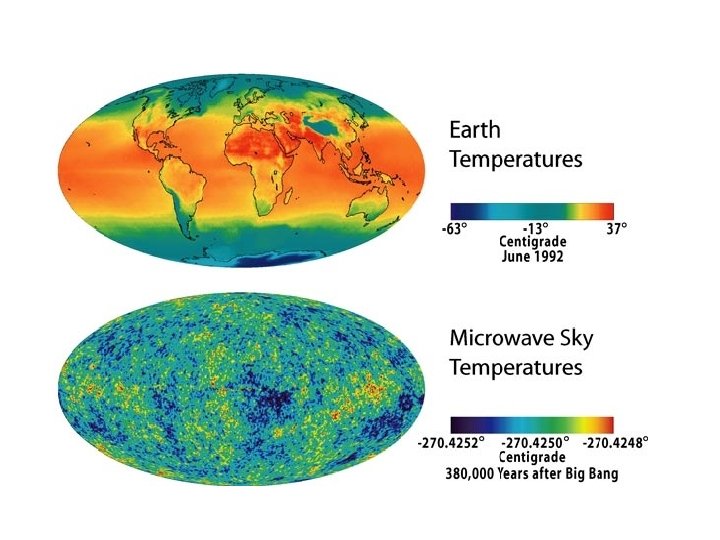
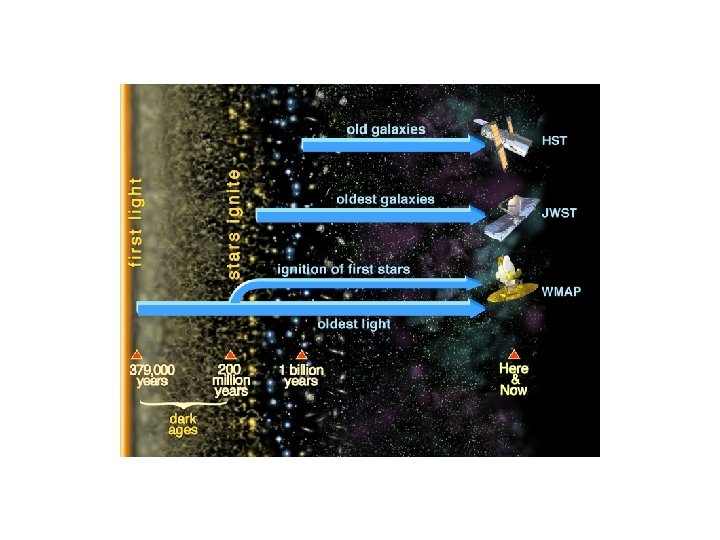
 Назад по Времени. WMAP, сегодня смотрит назад по времени на первый свет, который через 380000 лет после Большого Взрыва смог проникнуть через газовое вещество Вселенной (когда температура упала до 3000 К и начали образовываться атомы водорода). Около 13 млрд. Лет понадобилось свету, чтобы достичь нас. Через 200 млн. лет после БВ гигантские газовые облака под действием гравитации формировали звезды. После этого галактики и кластеры галактик образовались в пустом пространстве. Флуктуации тепмературы, видимые сегодня соответвствуют зернам, из которых выросли галактики.
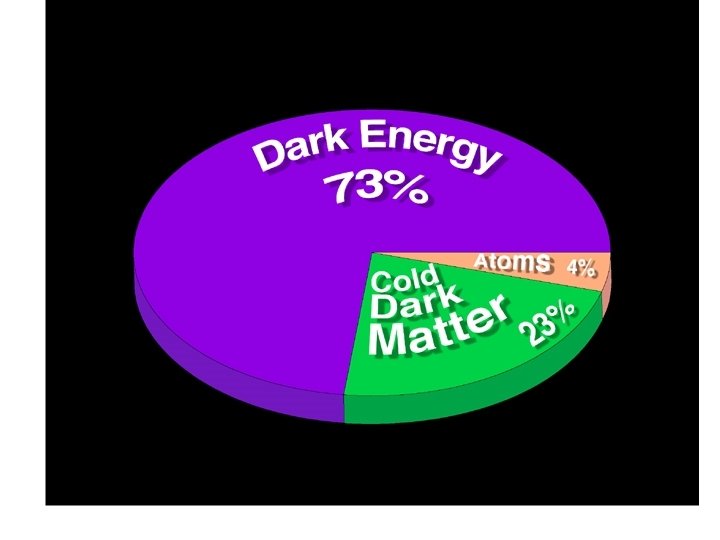
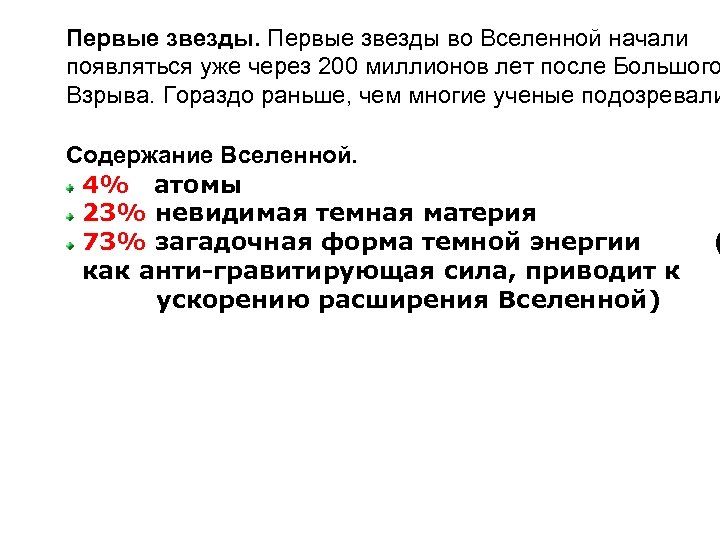 Первые звезды во Вселенной начали появляться уже через 200 миллионов лет после Большого Взрыва. Гораздо раньше, чем многие ученые подозревали Содержание Вселенной. 4% атомы 23% невидимая темная материя 73% загадочная форма темной энергии как анти-гравитирующая сила, приводит к ускорению расширения Вселенной) (
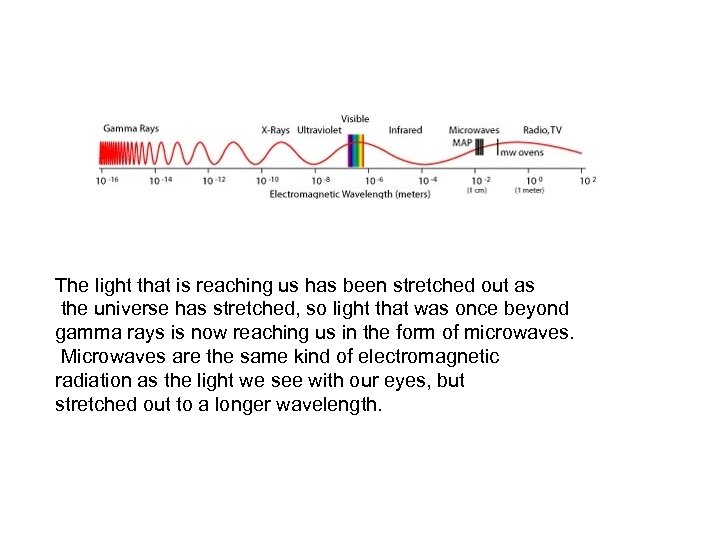 The light that is reaching us has been stretched out as the universe has stretched, so light that was once beyond gamma rays is now reaching us in the form of microwaves. Microwaves are the same kind of electromagnetic radiation as the light we see with our eyes, but stretched out to a longer wavelength.
 WMAP Conclusions We use our new detailed picture to ask: "What happened earlier to make this picture happen? " We now begin to probe the earliest moments of the universe: Inflation (the rapid expansion of the universe a fraction of a second after its birth. ). We have ruled out a textbook example of a particular inflation model. But others will be supported with this new evidence. Starting from the time of our picture we can ask: "What must have happened later? ” We have compared and combined the new WMAP data with other diverse cosmic measurements (galaxy clustering, Lyman-alpha cloud clustering, supernovae, etc. ), and we have found a new unified understanding of the universe: *Universe is 13. 7 billion years old with a margin of error of close to 1%. *First stars ignited 200 million years after the Big Bang. *Light in WMAP picture from 379, 000 years after the Big Bang. *Content of the Universe: *4% Atoms, 23% Cold Dark Matter, 73% Dark energy. *The data places new constraints on the dark energy. It seems more like a "cosmological constant" than a negative-pressure energy field called "quintessence". But quintessence is not ruled out. *Fast moving neutrinos do not play any major role in the evolution of structure in the universe. They would have prevented the early clumping of gas in the universe, delaying the emergence of the first stars, in conflict with the new WMAP data. *Expansion rate (Hubble constant) value: Ho= 71 km/sec/Mpc (with a margin of error of about 5%) *New evidence for Inflation (in polarized signal) *For theory that fits our data, the Universe will expand forever. (The nature of the dark energy is still a mystery. If it changes with time, or if other unknown and unexpected things happen in the universe, this conclusion could change. )
 Состав Вселенной
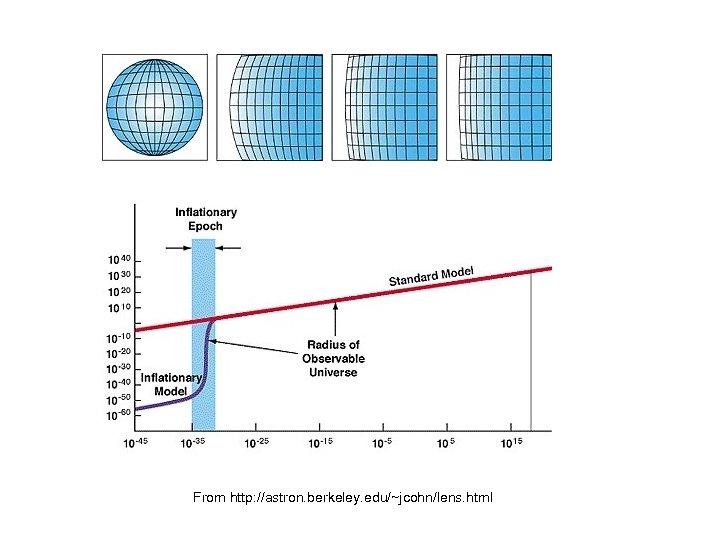 From http: //astron. berkeley. edu/~jcohn/lens. html
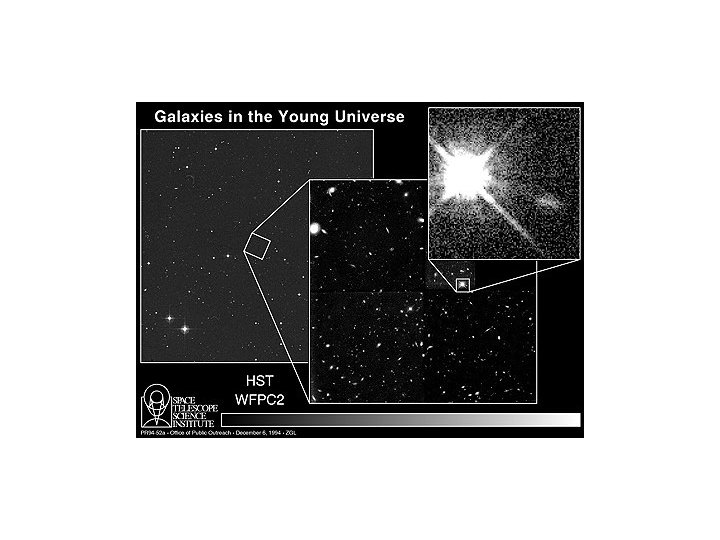
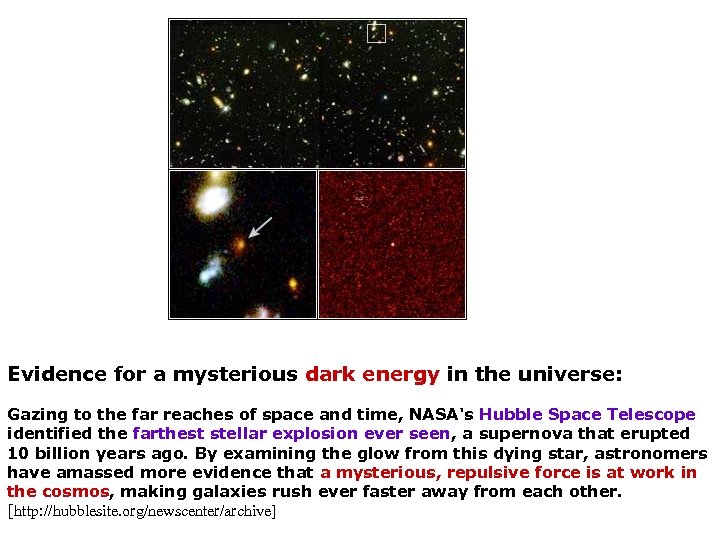 Evidence for a mysterious dark energy in the universe: Gazing to the far reaches of space and time, NASA's Hubble Space Telescope identified the farthest stellar explosion ever seen, a supernova that erupted 10 billion years ago. By examining the glow from this dying star, astronomers have amassed more evidence that a mysterious, repulsive force is at work in the cosmos, making galaxies rush ever faster away from each other. [http: //hubblesite. org/newscenter/archive]
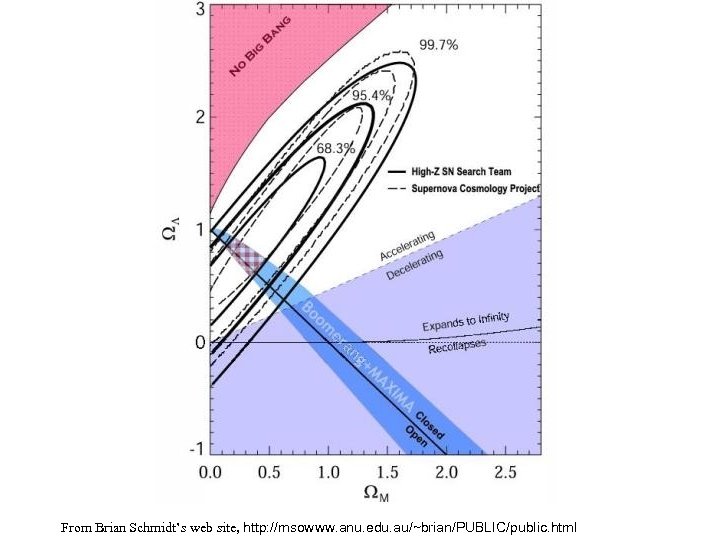 From Brian Schmidt’s web site, http: //msowww. anu. edu. au/~brian/PUBLIC/public. html
 The Four Pillars of the Standard Cosmology "The evolution of the world can be compared to a display of fireworks that has just ended; some few red wisps, ashes and smoke. Standing on a cooled cinder, we see the slow fading of the suns, and we try to recall the vanishing brilliance of the origin of the worlds. " Lemaitre. The four key observational successes of the standard Hot Big Bang model are the following: Expansion of the Universe Origin of the cosmic background radiation Nucleosynthesis of the light elements Formation of galaxies and large-scale structure The Big Bang model makes accurate and scientifically testable hypotheses in each of these areas and there is remarkable agreement with the observational data. from http: //www. damtp. cam. ac. uk/user/gr/public/bb_pillars. html
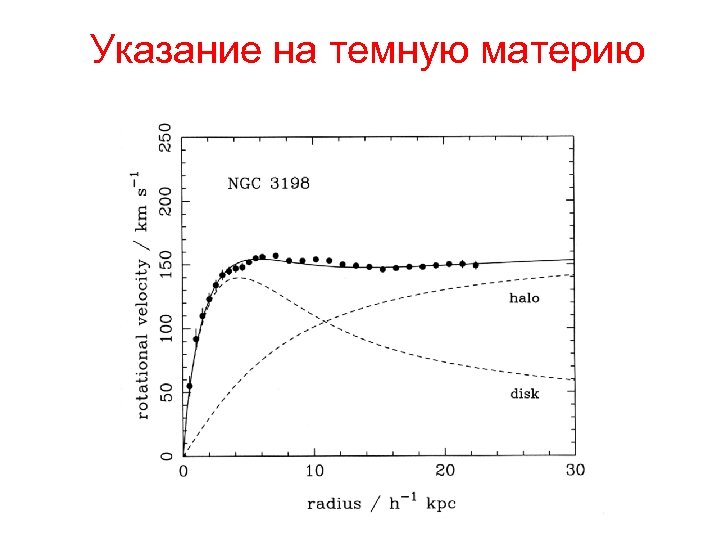 Указание на темную материю
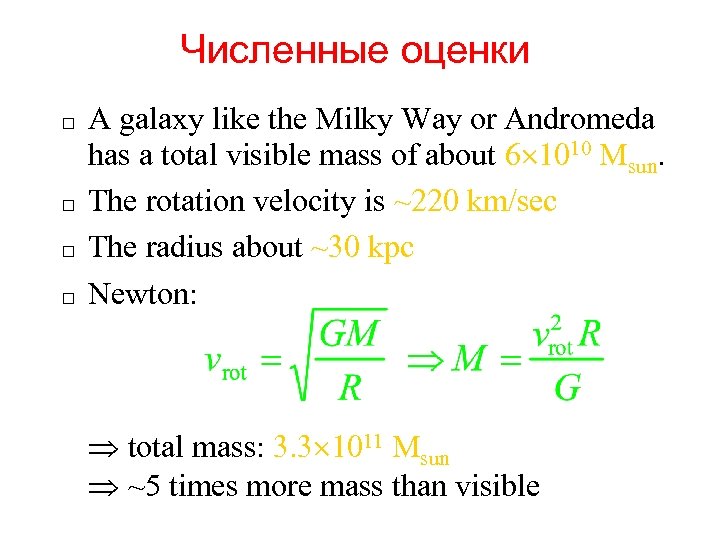 Численные оценки A galaxy like the Milky Way or Andromeda has a total visible mass of about 6 1010 Msun. The rotation velocity is ~220 km/sec The radius about ~30 kpc Newton: total mass: 3. 3 1011 Msun ~5 times more mass than visible