


 Скачать презентацию DISASTER RISK MANAGEMENT Achala Dahal Gyan Laxmi Shrestha
d326aac12151dc9f8863fa53d3a95da3.ppt
- Количество слайдов: 64
 DISASTER RISK MANAGEMENT Achala Dahal/ Gyan Laxmi Shrestha Nepal Administrative Staff College
 Learning objectives 2 Having gone through this session participants will be able to: Understanding of Disaster Risk Management Disaster Governance Role of Government Approaches to DRM 2018 -03 -18
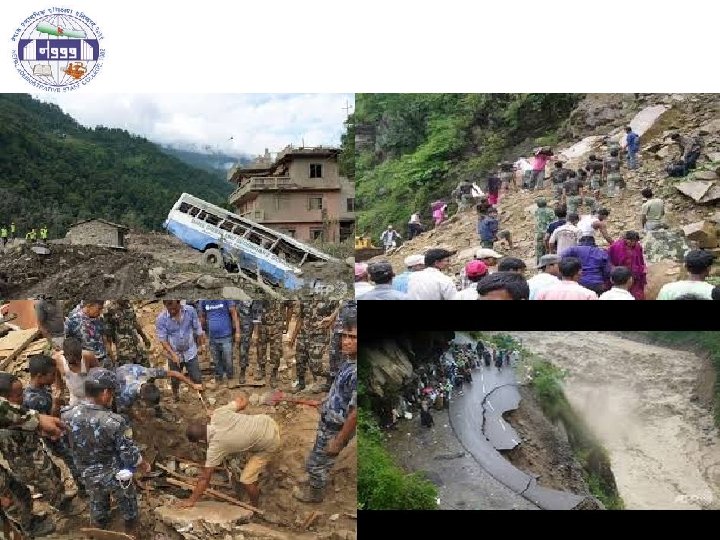
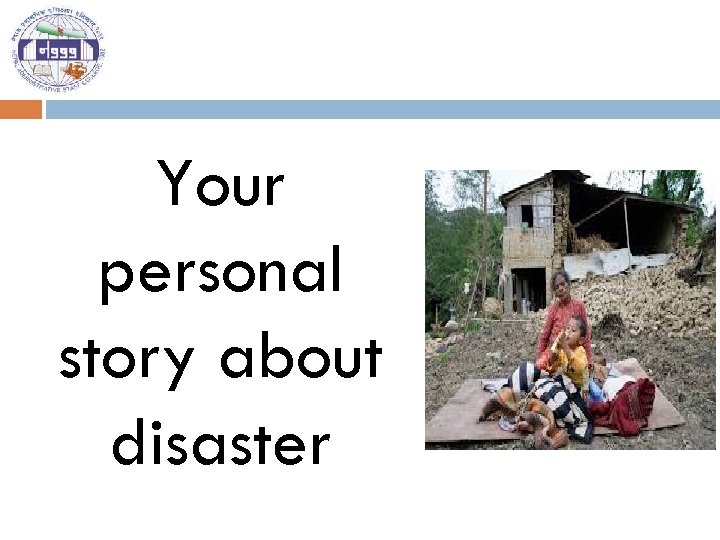 Your personal story about disaster
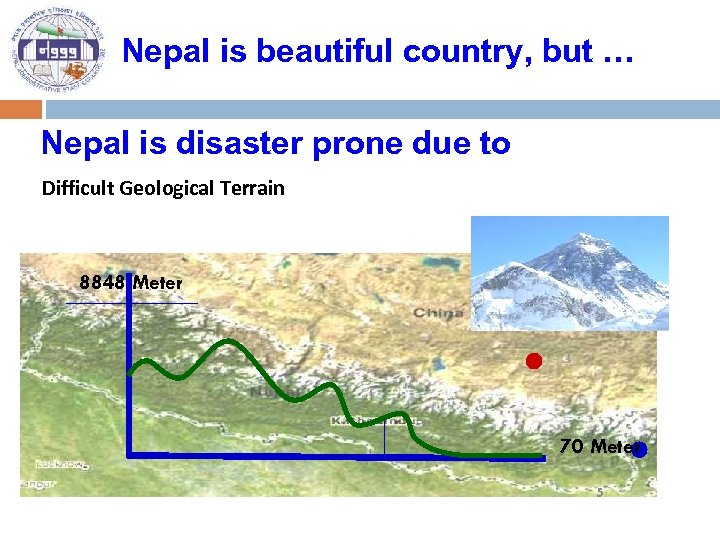 Nepal is beautiful country, but … Nepal is disaster prone due to Difficult Geological Terrain 8848 Meter 70 Meter 5
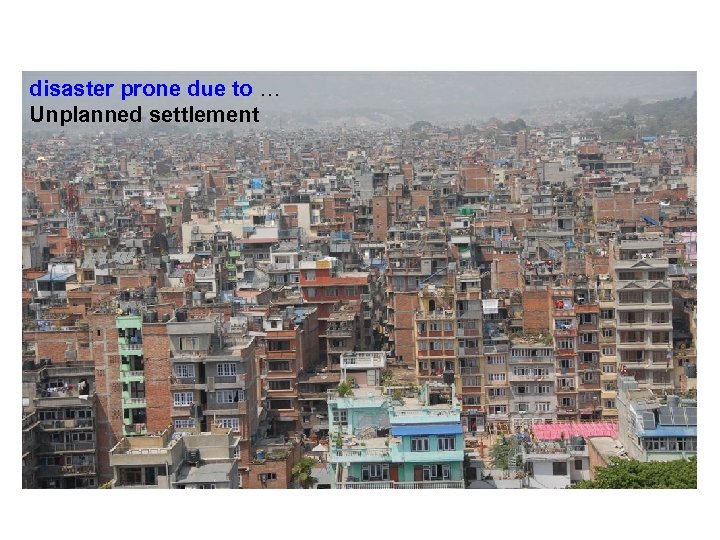 disaster prone due to … Unplanned settlement
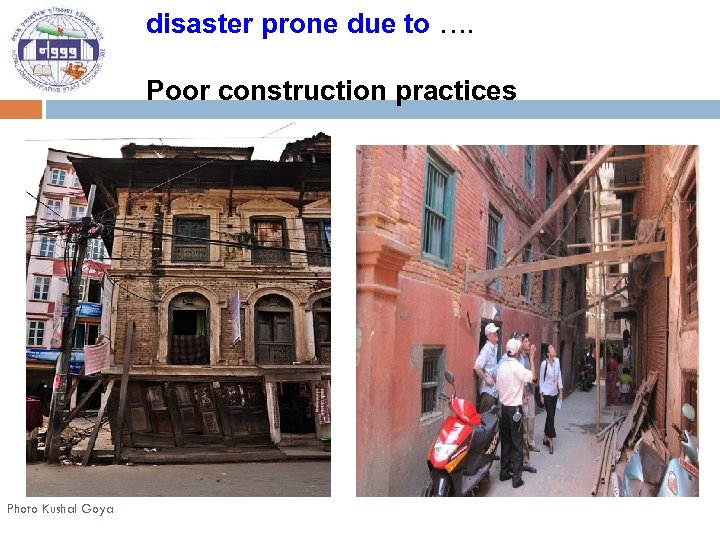 disaster prone due to …. Poor construction practices Photo Kushal Goya
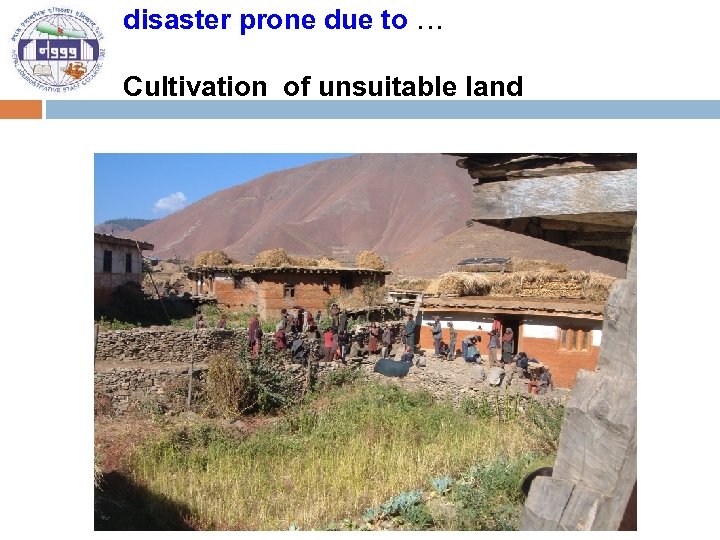 disaster prone due to … Cultivation of unsuitable land
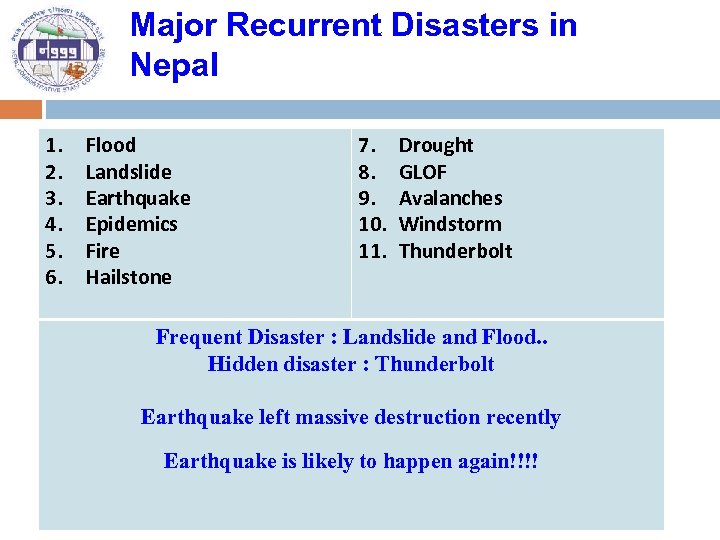 Major Recurrent Disasters in Nepal 1. 2. 3. 4. 5. 6. Flood Landslide Earthquake Epidemics Fire Hailstone 7. 8. 9. 10. 11. Drought GLOF Avalanches Windstorm Thunderbolt Frequent Disaster : Landslide and Flood. . Hidden disaster : Thunderbolt Earthquake left massive destruction recently Earthquake is likely to happen again!!!!
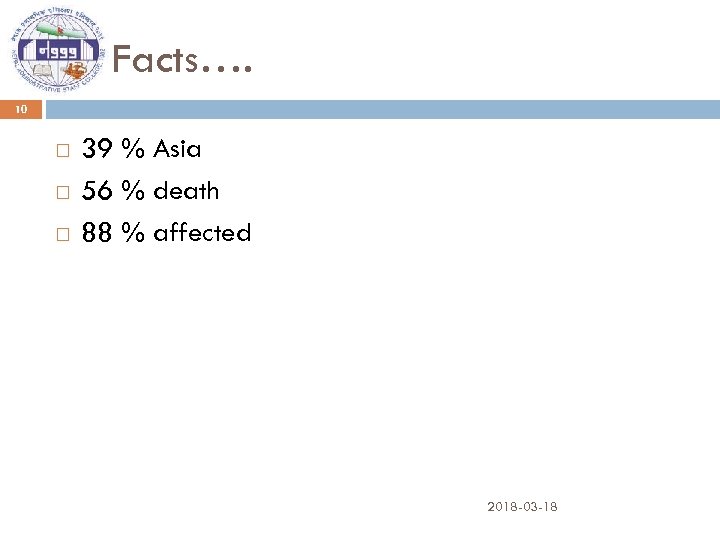 Facts…. 10 39 % Asia 56 % death 88 % affected 2018 -03 -18
 1. Fundamental of Disaster Risk Management
 Basic Terminologies
![Hazard- k|sf]k A dangerous phenomenon, substance, human activity or condition that may cause loss](https://present5.com/presentation/d326aac12151dc9f8863fa53d3a95da3/image-13.jpg "Hazard- k|sf]k A dangerous phenomenon, substance, human activity or condition that may cause loss") Hazard- k|sf]k A dangerous phenomenon, substance, human activity or condition that may cause loss of life, injury or other health impacts, property damage, loss of livelihoods and services, social and economic disruption, or environmental damage. To: tf 8/nf. Ubf kl/36 gf, j: t', dfgj. Lo lqmofsnfk, jf kl/l: ylt h; sf sf/0 fn] Hofgsf] gf]S; fg. L, 3 f. Ot] x'g] ; Defjgf jf c. Go : jf: Yo; Da. Gw. L c; /x¿, wgdfnsf] Iflt, hgh. Lljsf tyf ; ]jfx¿sf] gf]S; fg. L, ; fdflhs tyf
Hazard- k|sf]k A dangerous phenomenon, substance, human activity or condition that may cause loss of life, injury or other health impacts, property damage, loss of livelihoods and services, social and economic disruption, or environmental damage. To: tf 8/nf. Ubf kl/36 gf, j: t', dfgj. Lo lqmofsnfk, jf kl/l: ylt h; sf sf/0 fn] Hofgsf] gf]S; fg. L, 3 f. Ot] x'g] ; Defjgf jf c. Go : jf: Yo; Da. Gw. L c; /x¿, wgdfnsf] Iflt, hgh. Lljsf tyf ; ]jfx¿sf] gf]S; fg. L, ; fdflhs tyf
 Types of Hazard Natural Hazards : part of the natural environment 1. Hydro-meteorological hazards § Typhoons § Storm surges § Floods 2. Geologic hazards § Earthquake § Landslides 3. Oceanic Hazards § Tsunami § Tidal Surges 4. Biological Hazards § Epidemics § Insect Infestation
 Types of Hazard Man-made Hazards : human induced hazards 1. Socio-natural Hazards § Forest denudation § Famine § Increased occurrences of natural hazards 2. Socio-political Hazards § War § Civil unrest 3. Technological Hazards § Transport accidents § Toxic substance poisoning § Contamination of food and water sources
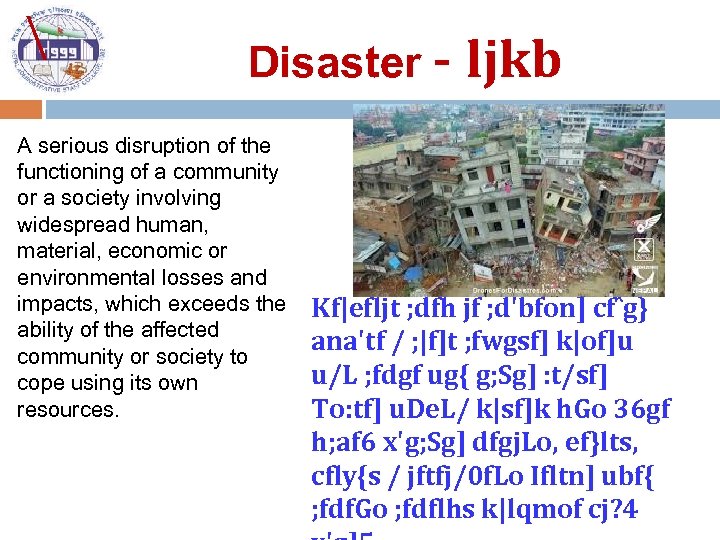 Disaster - A serious disruption of the functioning of a community or a society involving widespread human, material, economic or environmental losses and impacts, which exceeds the ability of the affected community or society to cope using its own resources. ljkb Kf|efljt ; dfh jf ; d'bfon] cfˆg} ana'tf / ; |f]t ; fwgsf] k|of]u u/L ; fdgf ug{ g; Sg] : t/sf] To: tf] u. De. L/ k|sf]k h. Go 36 gf h; af 6 x'g; Sg] dfgj. Lo, ef}lts, cfly{s / jftfj/0 f. Lo Ifltn] ubf{ ; fdf. Go ; fdflhs k|lqmof cj? 4
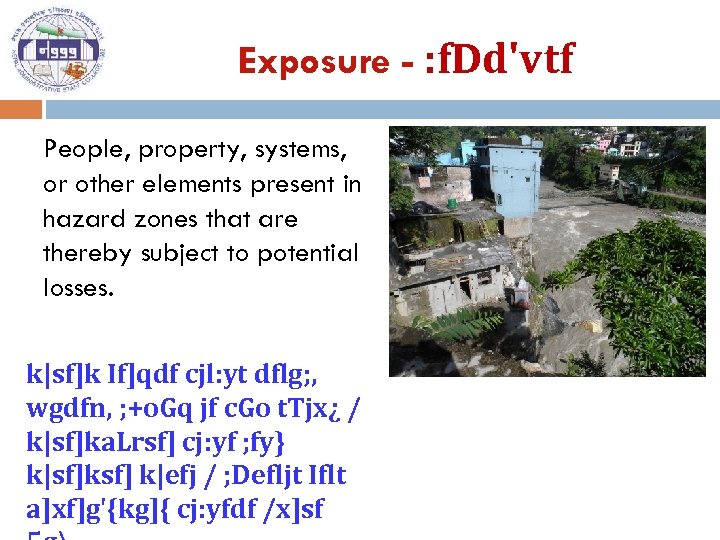 Exposure - : f. Dd'vtf People, property, systems, or other elements present in hazard zones that are thereby subject to potential losses. k|sf]k If]qdf cjl: yt dflg; , wgdfn, ; +o. Gq jf c. Go t. Tjx¿ / k|sf]ka. Lrsf] cj: yf ; fy} k|sf]ksf] k|efj / ; Defljt Iflt a]xf]g'{kg]{ cj: yfdf /x]sf
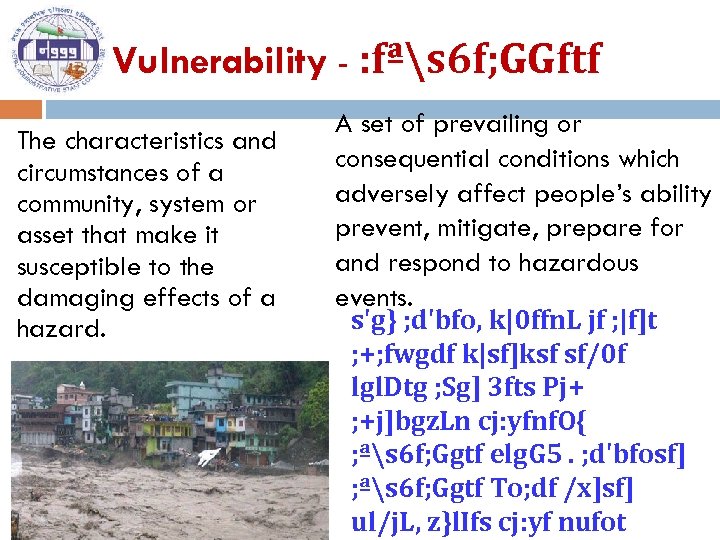 Vulnerability - : fªs 6 f; GGftf The characteristics and circumstances of a community, system or asset that make it susceptible to the damaging effects of a hazard. A set of prevailing or consequential conditions which adversely affect people’s ability prevent, mitigate, prepare for and respond to hazardous events. s'g} ; d'bfo, k|0 ffn. L jf ; |f]t ; +; fwgdf k|sf]ksf sf/0 f lgl. Dtg ; Sg] 3 fts Pj+ ; +j]bgz. Ln cj: yfnf. O{ ; ªs 6 f; Ggtf elg. G 5. ; d'bfosf] ; ªs 6 f; Ggtf To; df /x]sf] ul/j. L, z}l. Ifs cj: yf nufot
 Factors of Vulnerability Physical / Material Vulnerability § Hazard-prone location of community houses, farmlands, infrastructure, basic services § Design and construction materials of houses and buildings § Insecure and risky sources of livelihood § Lack of basic services: education, health, safe drinking water, shelter, sanitation, roads, electricity, communication § Exposed to violence (domestic, armed conflicts) § Age and disability
 Factors of Vulnerability Social / Organizational Vulnerability § Weak family / kinship structures § Lack of leadership and initiative to solve problems or conflicts § Exclusion of certain groups from decisionmaking or unequal participation in community affairs § Absence or weak community organizations § Social status (castes, ethnicity, gender) § Neglect from government and civil institutions
 Factors of Vulnerability Motivational / Attitudinal Vulnerability § § § Negative attitude towards change Passivity, fatalism, hopelessness Lack of initiative Dependence on external support Lack of knowledge and skills Extremism
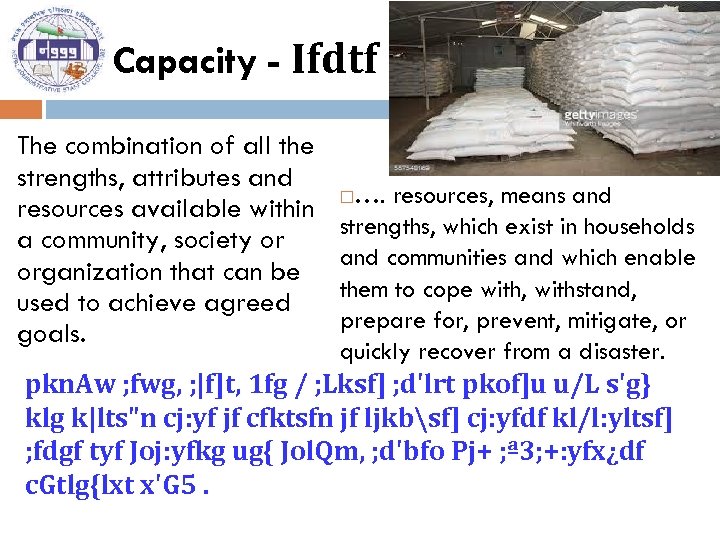 Capacity - Ifdtf The combination of all the strengths, attributes and resources available within a community, society or organization that can be used to achieve agreed goals. …. resources, means and strengths, which exist in households and communities and which enable them to cope with, withstand, prepare for, prevent, mitigate, or quickly recover from a disaster. pkn. Aw ; fwg, ; |f]t, 1 fg / ; Lksf] ; d'lrt pkof]u u/L s'g} klg k|lts"n cj: yf jf cfktsfn jf ljkbsf] cj: yfdf kl/l: yltsf] ; fdgf tyf Joj: yfkg ug{ Jol. Qm, ; d'bfo Pj+ ; ª 3; +: yfx¿df c. Gtlg{lxt x'G 5.
 Factors of Capacity Physical / Economic Capacity § § § § Money / Cash Real Properties Stable sources of income and livelihood Safe infrastructures Food security Balanced natural environment Limited number of hazards events
 Factors of Capacity Social / Organizational Capacity § Relationship with relatives and family § People – centered government § Strong civil society / empowered community § Functional community based and civic organizations § Optimum availability of basic social and health services § Strong social networks and institutions
 Factors of Capacity Motivational / Attitudinal Capacity § § § § Knowledgeable and skillful Confidence and self-esteem Proactive attitude Open to change and new ideas Continual learning Building on experiences Positive perception in life
 Existing Institutional Instruments • • Natural Calamity (Relief ) Act, 1982 Local Self Governance Act, 1999 National Strategy for DRM 2009 Rescue and Relief Standards, 2007 Sector specific policies and plans (NPC) National Disaster Management Act ( Proposed) National Disaster Response Framework with 49 activities Disaster Preparedness and Response Plan almost all district
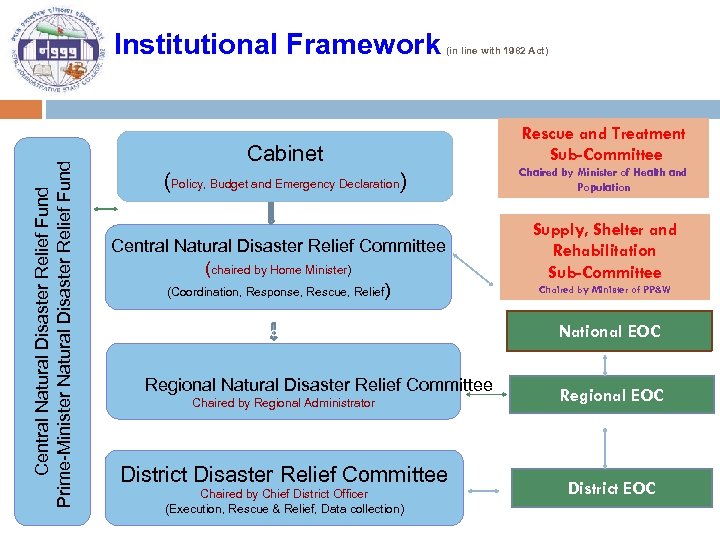 Central Natural Disaster Relief Fund Prime-Minister Natural Disaster Relief Fund Institutional Framework (in line with 1982 Act) Cabinet (Policy, Budget and Emergency Declaration) Central Natural Disaster Relief Committee (chaired by Home Minister) (Coordination, Response, Rescue, Relief) c Regional Natural Disaster Relief Committee Chaired by Regional Administrator District Disaster Relief Committee Chaired by Chief District Officer (Execution, Rescue & Relief, Data collection) Rescue and Treatment Sub-Committee Chaired by Minister of Health and Population Supply, Shelter and Rehabilitation Sub-Committee Chaired by Minister of PP&W National EOC Regional EOC District EOC
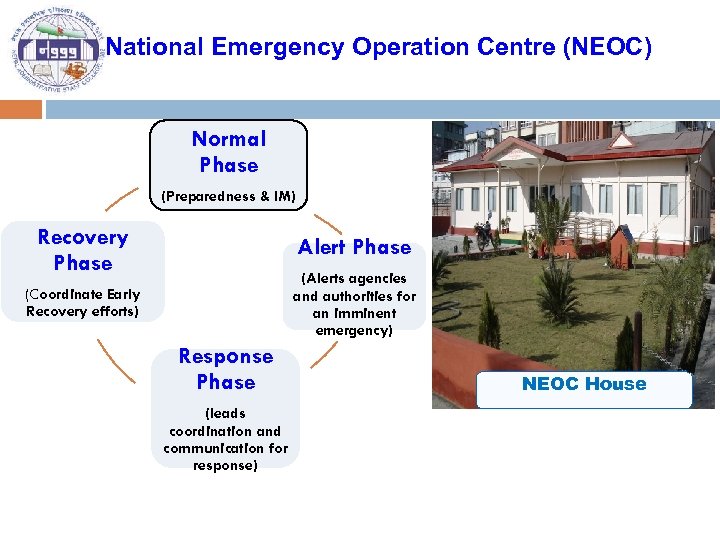 National Emergency Operation Centre (NEOC) Normal Phase (Preparedness & IM) Recovery Phase Alert Phase (Alerts agencies and authorities for an imminent emergency) (Coordinate Early Recovery efforts) Response Phase (leads coordination and communication for response) NEOC House
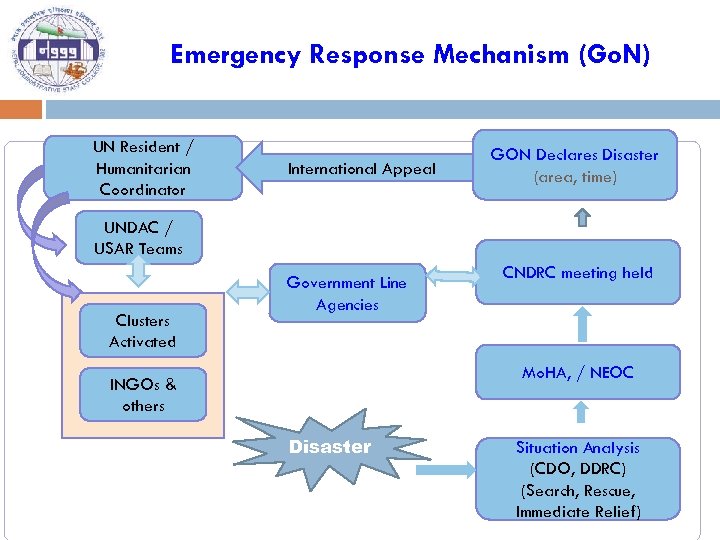 Emergency Response Mechanism (Go. N) UN Resident / Humanitarian Coordinator International Appeal GON Declares Disaster (area, time) UNDAC / USAR Teams Clusters Activated Government Line Agencies CNDRC meeting held Mo. HA, / NEOC INGOs & others Disaster Situation Analysis (CDO, DDRC) (Search, Rescue, Immediate Relief)
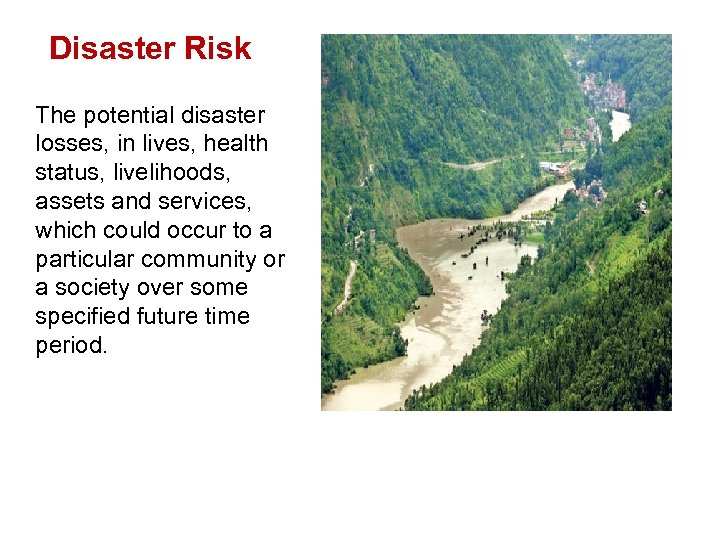 Disaster Risk The potential disaster losses, in lives, health status, livelihoods, assets and services, which could occur to a particular community or a society over some specified future time period.
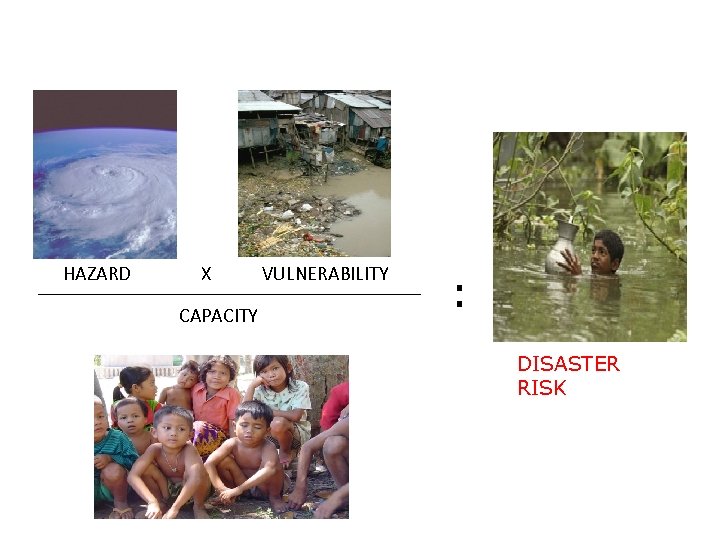 HAZARD X CAPACITY VULNERABILITY : DISASTER RISK
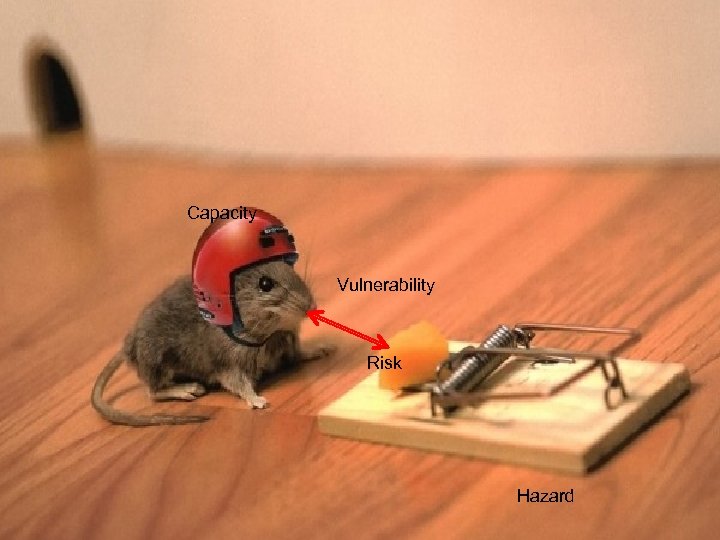 Capacity Vulnerability Risk Hazard
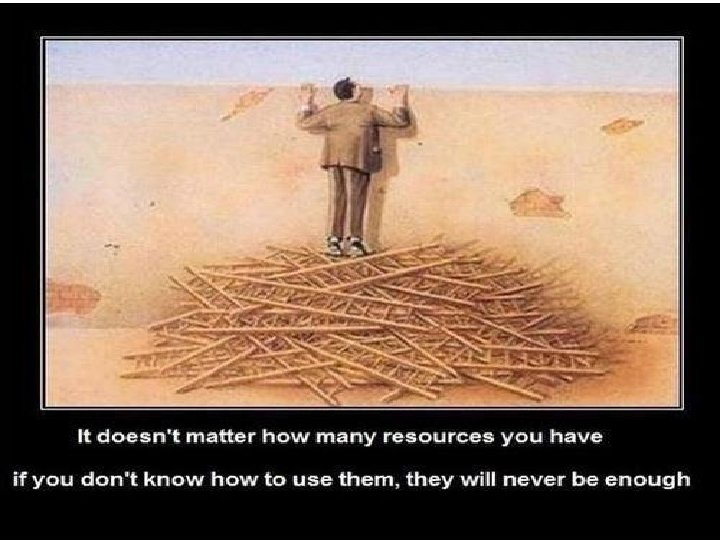
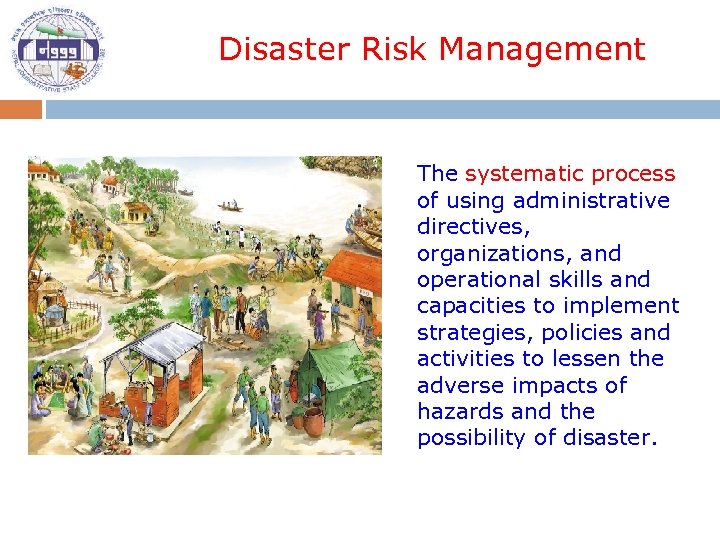 Disaster Risk Management The systematic process of using administrative directives, organizations, and operational skills and capacities to implement strategies, policies and activities to lessen the adverse impacts of hazards and the possibility of disaster.
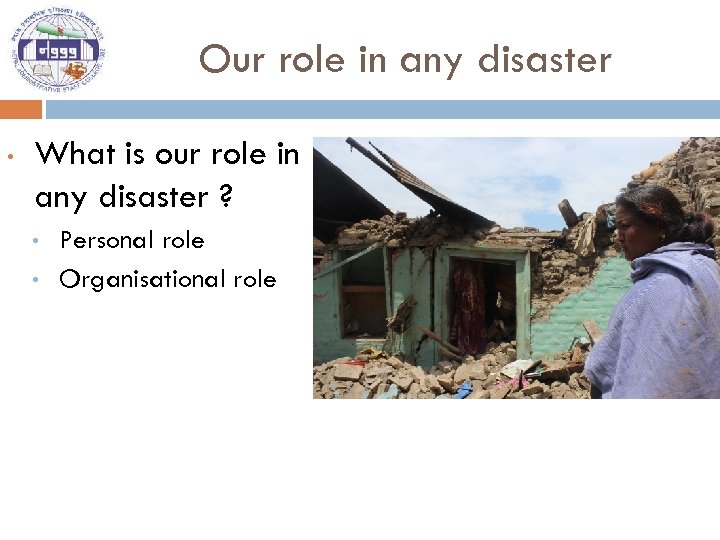 Our role in any disaster • What is our role in any disaster ? • • Personal role Organisational role
 3. Disaster risk management cycle
![c. Eof; ljkb Joj: yfkgdf ul/g] lqmofsnfkx? s] s] x'g<](https://present5.com/presentation/d326aac12151dc9f8863fa53d3a95da3/image-37.jpg "c. Eof; ljkb Joj: yfkgdf ul/g] lqmofsnfkx? s] s] x'g<") c. Eof; ljkb Joj: yfkgdf ul/g] lqmofsnfkx? s] s] x'g<
c. Eof; ljkb Joj: yfkgdf ul/g] lqmofsnfkx? s] s] x'g<
![c. Eof; Arrange following in disaster cycle order cl. Nks/0 f (Mitigation) hf]lvd Go](https://present5.com/presentation/d326aac12151dc9f8863fa53d3a95da3/image-38.jpg "c. Eof; Arrange following in disaster cycle order cl. Nks/0 f (Mitigation) hf]lvd Go") c. Eof; Arrange following in disaster cycle order cl. Nks/0 f (Mitigation) hf]lvd Go"lgs/0 f (Risk k'g{: yfkgf (Rehabilitation) Reduction) k"j{; "rgf k|0 ffn. L (Early /f]syfd (Prevention) Warning System) k'g{lgdf{0 f k"j{ tof/L (Preparedness)(Reconstruction) ljkb cufl 8 (Pre Disaster) p 2 f/ (Rescue) ljkb k. Zrft (Post/fxft (Relief) Disaster) k'g{nfe (Recovery) e 08 f/ dfkg (Stock Piling) k|ltsfo{ (Response)
c. Eof; Arrange following in disaster cycle order cl. Nks/0 f (Mitigation) hf]lvd Go"lgs/0 f (Risk k'g{: yfkgf (Rehabilitation) Reduction) k"j{; "rgf k|0 ffn. L (Early /f]syfd (Prevention) Warning System) k'g{lgdf{0 f k"j{ tof/L (Preparedness)(Reconstruction) ljkb cufl 8 (Pre Disaster) p 2 f/ (Rescue) ljkb k. Zrft (Post/fxft (Relief) Disaster) k'g{nfe (Recovery) e 08 f/ dfkg (Stock Piling) k|ltsfo{ (Response)
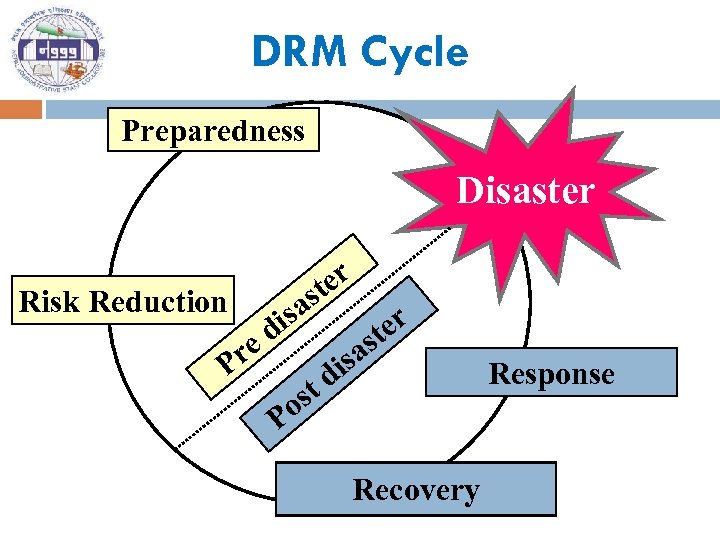 DRM Cycle Preparedness Disaster Risk Reduction re P er st isa d sa i td os P er st Recovery Response
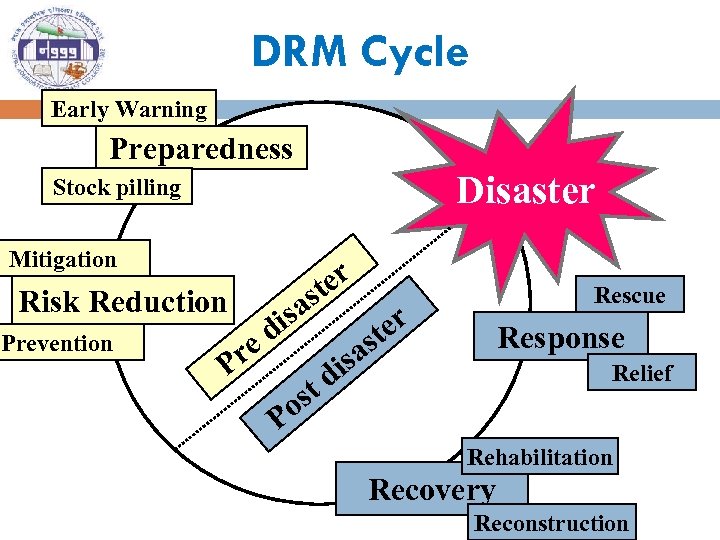 DRM Cycle Early Warning Preparedness Disaster Stock pilling Mitigation Risk Reduction Prevention re P er st isa d er st Response sa i td os P Rescue Relief Rehabilitation Recovery Reconstruction
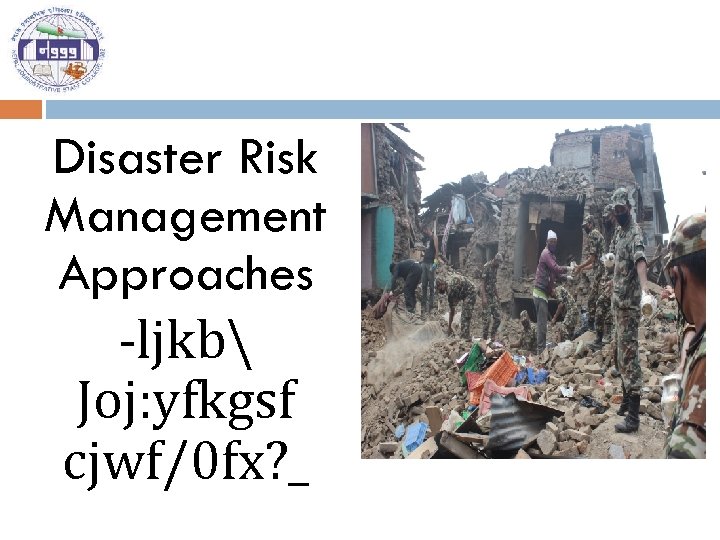 Disaster Risk Management Approaches -ljkb Joj: yfkgsf cjwf/0 fx? _
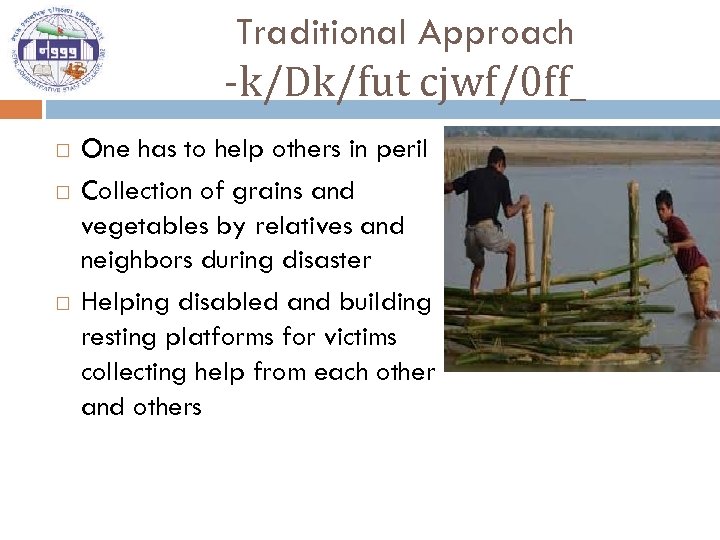 Traditional Approach -k/Dk/fut cjwf/0 ff_ One has to help others in peril Collection of grains and vegetables by relatives and neighbors during disaster Helping disabled and building resting platforms for victims collecting help from each other and others
![Sustainable development approach -lbuf] ljsf; cjwf/0 ff_ This approach facilitates the adoption of disaster](https://present5.com/presentation/d326aac12151dc9f8863fa53d3a95da3/image-43.jpg "Sustainable development approach -lbuf] ljsf; cjwf/0 ff_ This approach facilitates the adoption of disaster") Sustainable development approach -lbuf] ljsf; cjwf/0 ff_ This approach facilitates the adoption of disaster mitigation programmes -cl. Nks/0 f sfo{qmdx? _ at the local level including structural and non structural -; +/rgfut tyf u}/ ; +/rgfut_ measures. It promotes the incorporation of disaster risk management in development planning. It enhances the capacities of communities and coping systems at various levels and sectors towards self reliance and self sufficiency in managing disaster effectively.
Sustainable development approach -lbuf] ljsf; cjwf/0 ff_ This approach facilitates the adoption of disaster mitigation programmes -cl. Nks/0 f sfo{qmdx? _ at the local level including structural and non structural -; +/rgfut tyf u}/ ; +/rgfut_ measures. It promotes the incorporation of disaster risk management in development planning. It enhances the capacities of communities and coping systems at various levels and sectors towards self reliance and self sufficiency in managing disaster effectively.
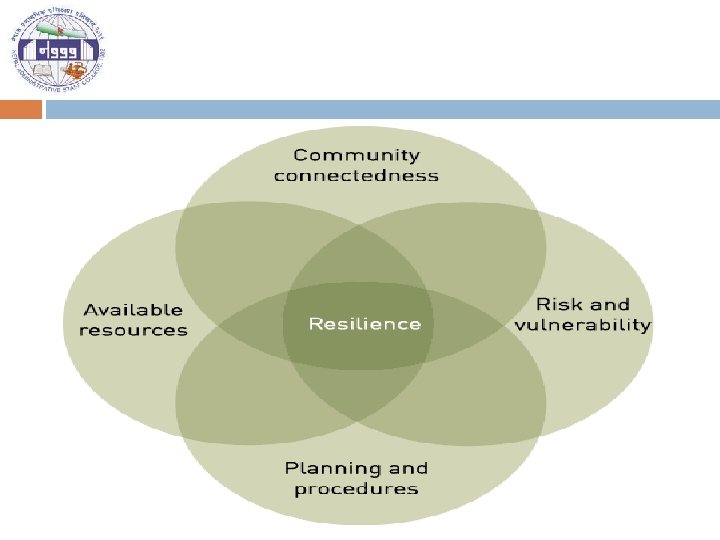
 Vulnerability reduction approach -; +s 6 f; Ggtf Go"lgs/0 f cjwf/0 ff_ This approach addresses both the vulnerability and resilience by dealing with the causes of stresses and disasters, and strengthening communities at risk. It includes a number of coordinated activities on vulnerability assessment, prevention and mitigation, and preparedness for response. This insists on the building resilience capacity of the communities through strengthening their livelihood capacities.
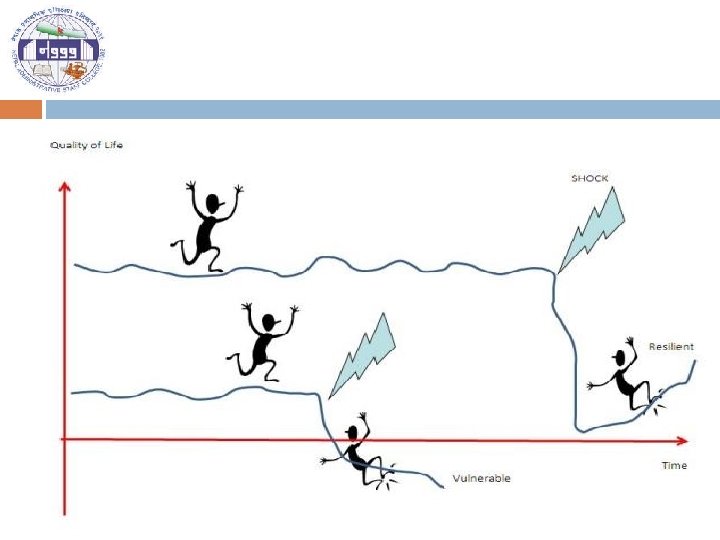
![Vulnerability to resilience approach (V 2 R) -; +s 6 f; Ggtf b]lv p.](https://present5.com/presentation/d326aac12151dc9f8863fa53d3a95da3/image-45.jpg "Vulnerability to resilience approach (V 2 R) -; +s 6 f; Ggtf b]lv p.") Vulnerability to resilience approach (V 2 R) -; +s 6 f; Ggtf b]lv p. Tyfgz. Lntf cjwf/0 ff_ Capacitates vulnerable communities to absorb hazard stresses and shocks and bring their livelihoods back to original position. It focuses on building adaptive capacity of livelihood elements to enhance their resilience capacities. It is a two way approach of reducing hazard, exposure and sensitivity at one side and enhancing coping and restoration capacity of those vulnerable on the other.
Vulnerability to resilience approach (V 2 R) -; +s 6 f; Ggtf b]lv p. Tyfgz. Lntf cjwf/0 ff_ Capacitates vulnerable communities to absorb hazard stresses and shocks and bring their livelihoods back to original position. It focuses on building adaptive capacity of livelihood elements to enhance their resilience capacities. It is a two way approach of reducing hazard, exposure and sensitivity at one side and enhancing coping and restoration capacity of those vulnerable on the other.
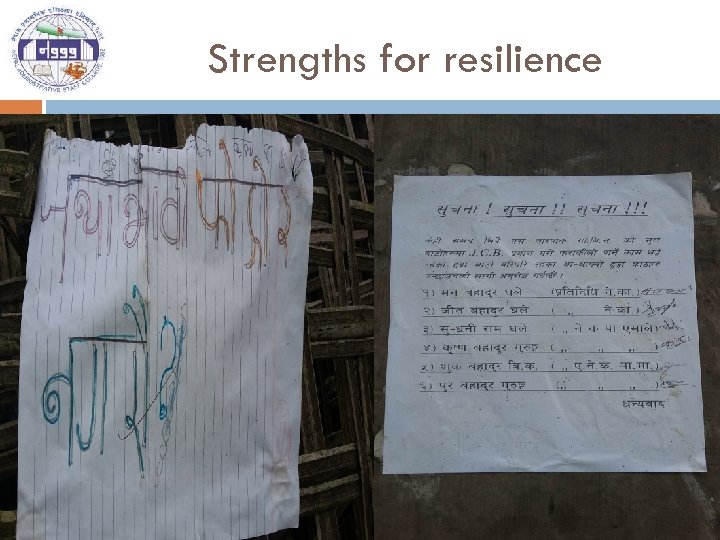 Strengths for resilience
 Key Challenges 49 Behaviour Lack of authority bearing or less accountability Converting situation towards personal opportunity to gain Tendency of playing with loopholes Weak compliance 2018 -03 -18
 Structure 50 1. Technical and financial capacity to successfully implement plans; 2. Difficult terrain and weak logistics resulting in delayed response; 3. Management of warehouses and Limited stockpiling; 4. Trained and consolidated Search and Rescue Team; 5. Communication equipment and infrastructures; 6. Implementation of National Building Codes; 7. Management of evacuation sites; 8. Limited Fire Services 9. Risk insurance ? tranfering risk ? 2018 -03 -18
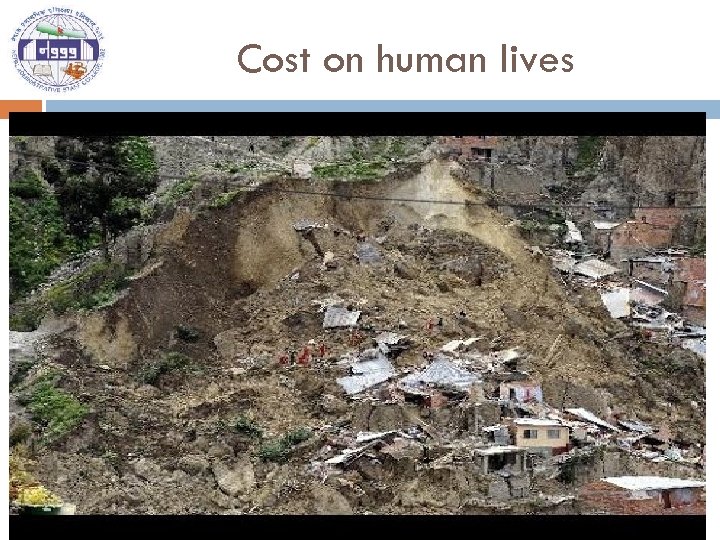 Cost on human lives
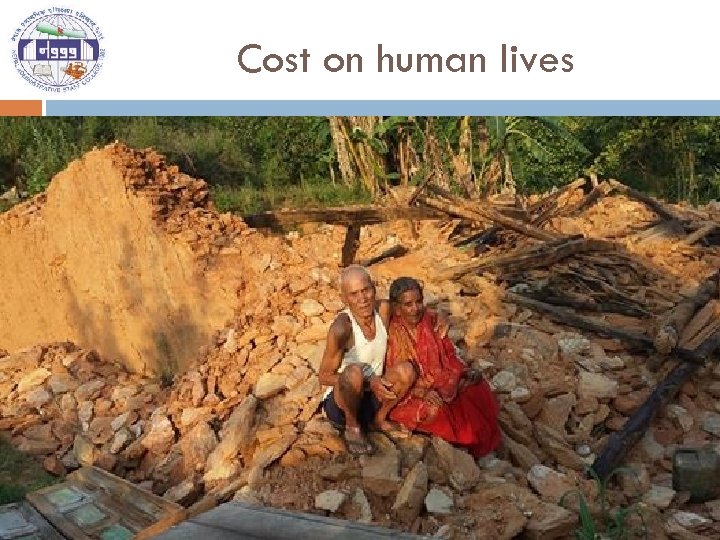 Cost on human lives
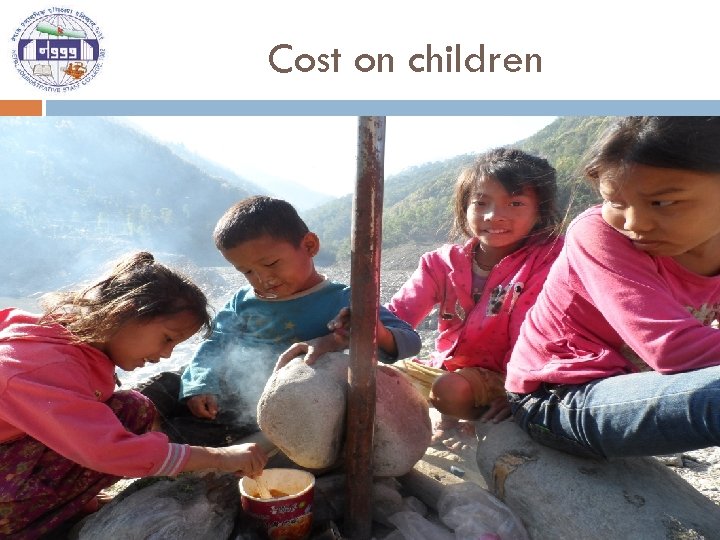 Cost on children
 Case of Surkhet
 Vulnerability: Earthquake
 Our behaviour-Our lost-Darchula
 Cost on development
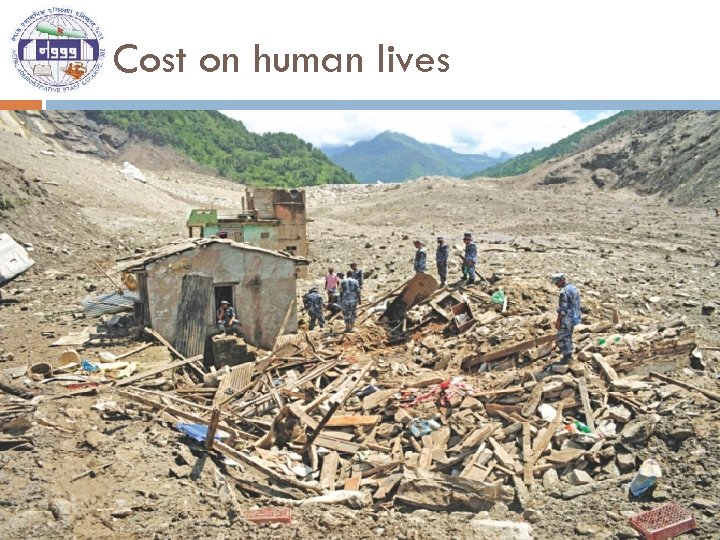 Cost on human lives

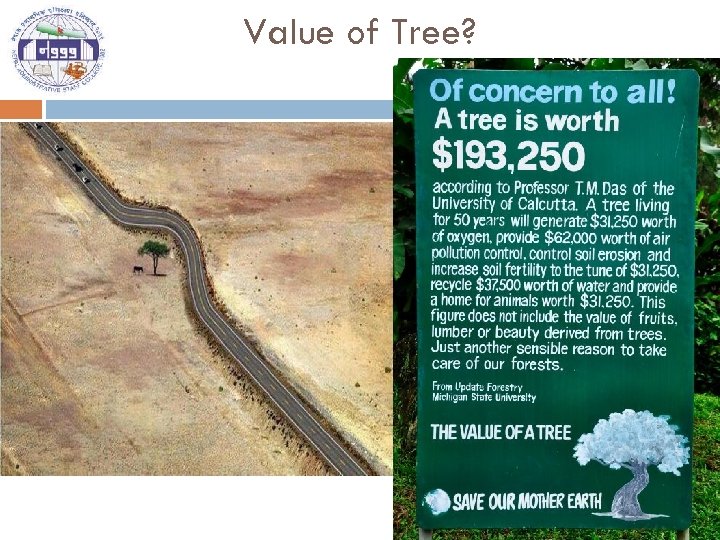 Value of Tree?
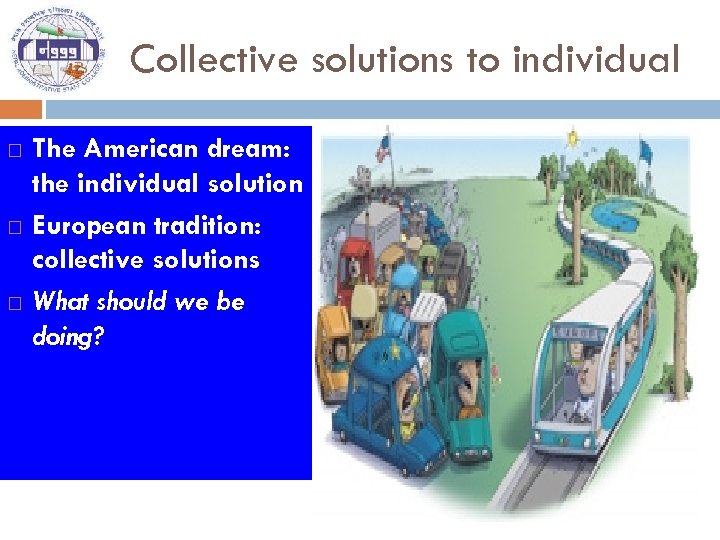 Collective solutions to individual The American dream: the individual solution European tradition: collective solutions What should we be doing?
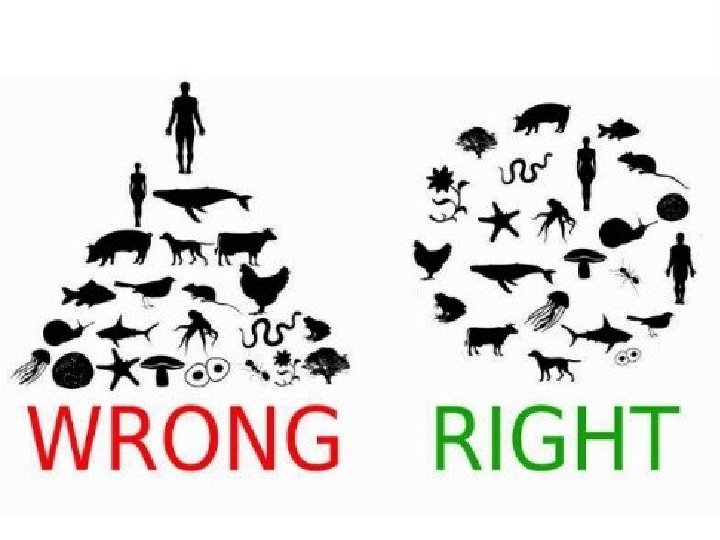
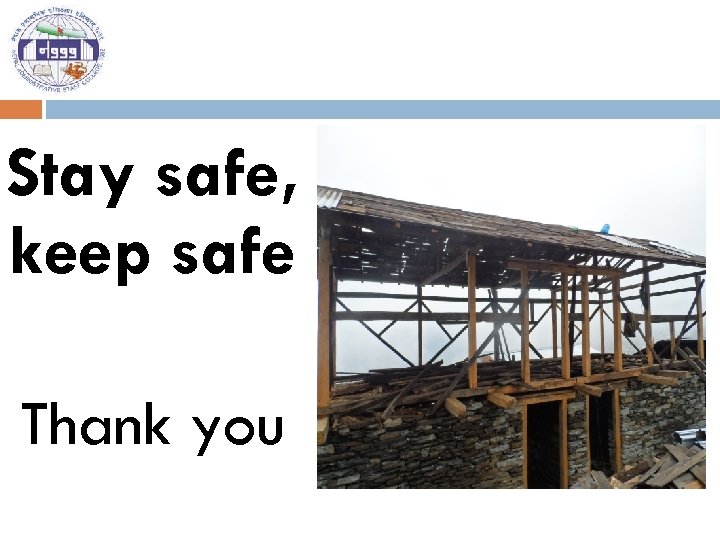 Stay safe, keep safe Thank you