


 Скачать презентацию Diamonds J D Price Images and much
c2c0bca1e131d21cf3205fe1471eedd4.ppt
- Количество слайдов: 29
 Diamonds J. D. Price
 Images and much of the information here is from the American Museum of Natural History Diamond Exhibit, by Dr. George Harlow http: //www. amnh. org
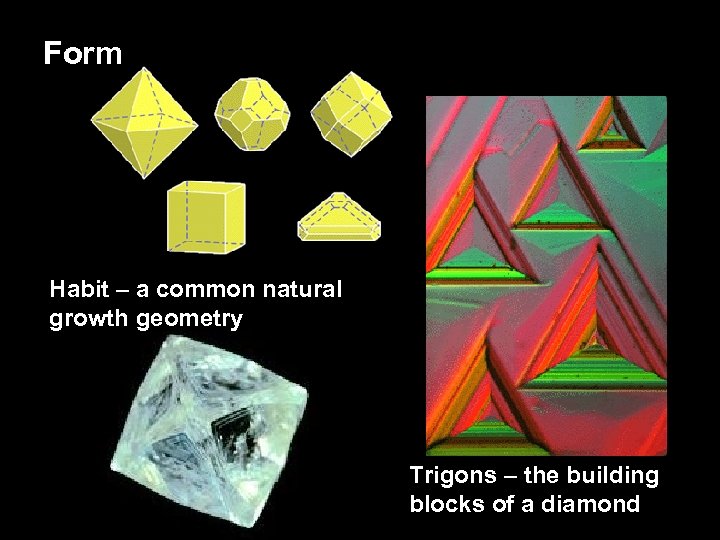 Form Habit – a common natural growth geometry Trigons – the building blocks of a diamond
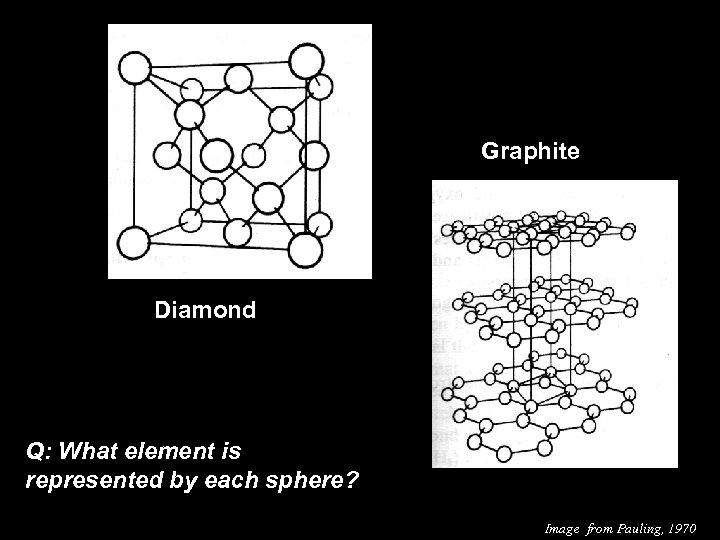 Graphite Diamond Q: What element is represented by each sphere? Image from Pauling, 1970
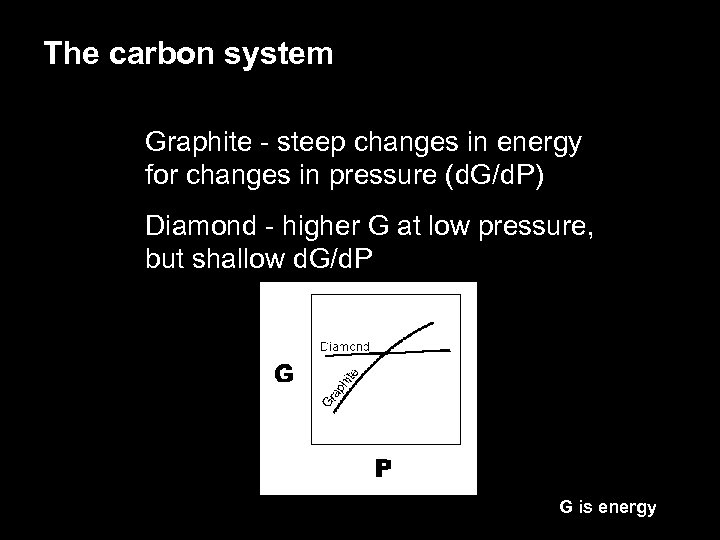 The carbon system Graphite - steep changes in energy for changes in pressure (d. G/d. P) Diamond - higher G at low pressure, but shallow d. G/d. P G is energy
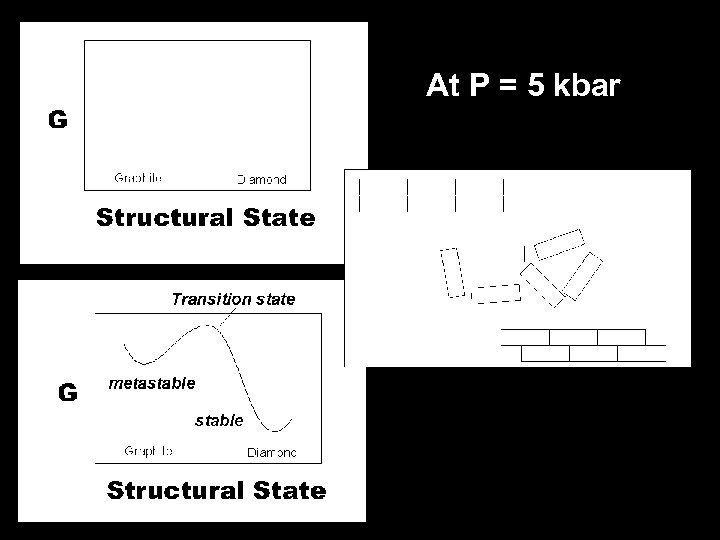 At P = 5 kbar
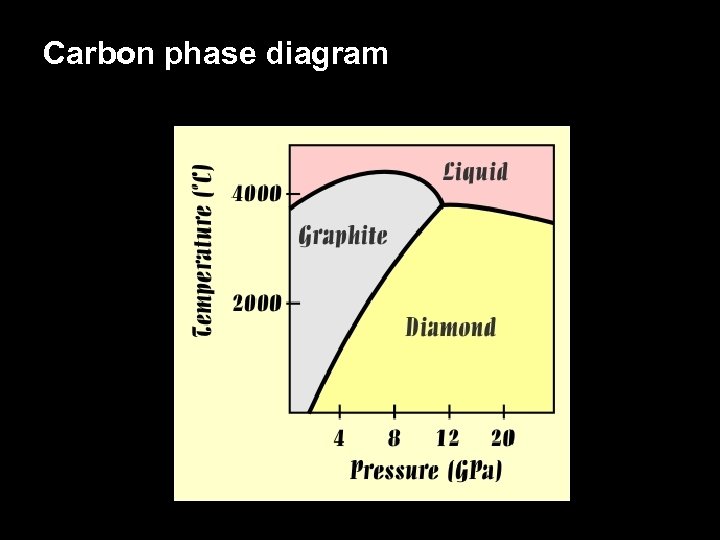 Carbon phase diagram
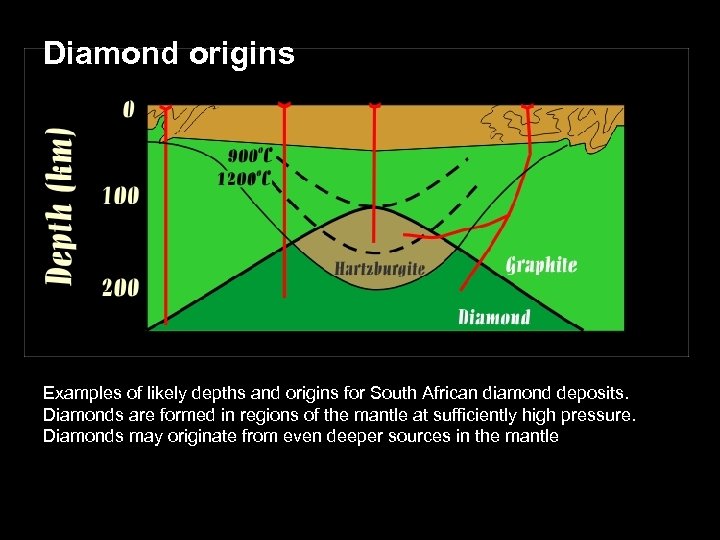 Diamond origins Examples of likely depths and origins for South African diamond deposits. Diamonds are formed in regions of the mantle at sufficiently high pressure. Diamonds may originate from even deeper sources in the mantle
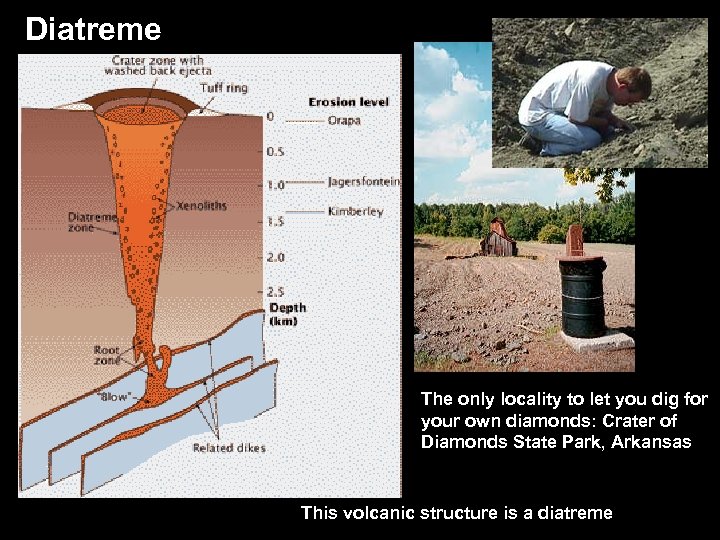 Diatreme The only locality to let you dig for your own diamonds: Crater of Diamonds State Park, Arkansas This volcanic structure is a diatreme
 Diamonds in space White dwarf BPM 3793 0. 6 size of the earth White dwarves are burned-out sunsized stars Core is carbon, formed as the end product of fusion Metalfe et al, 2004 concluded from astroseismic measurements that it is 90% solid (5 E 29 kg or 1 E 34 Carats)
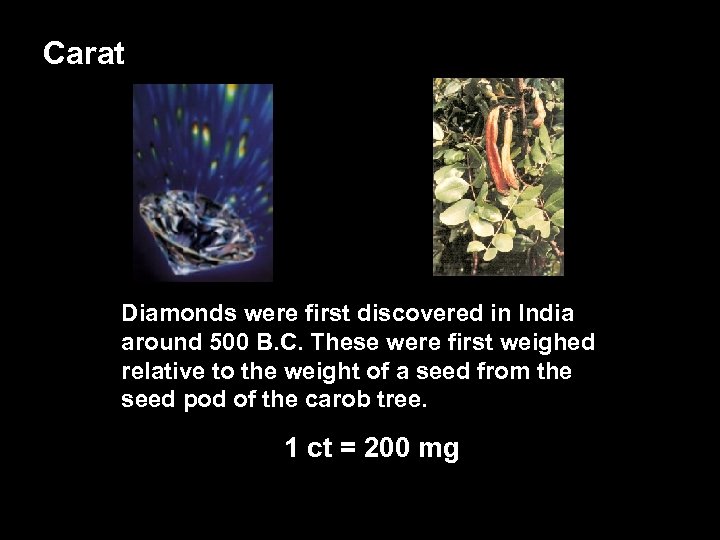 Carat Diamonds were first discovered in India around 500 B. C. These were first weighed relative to the weight of a seed from the seed pod of the carob tree. 1 ct = 200 mg
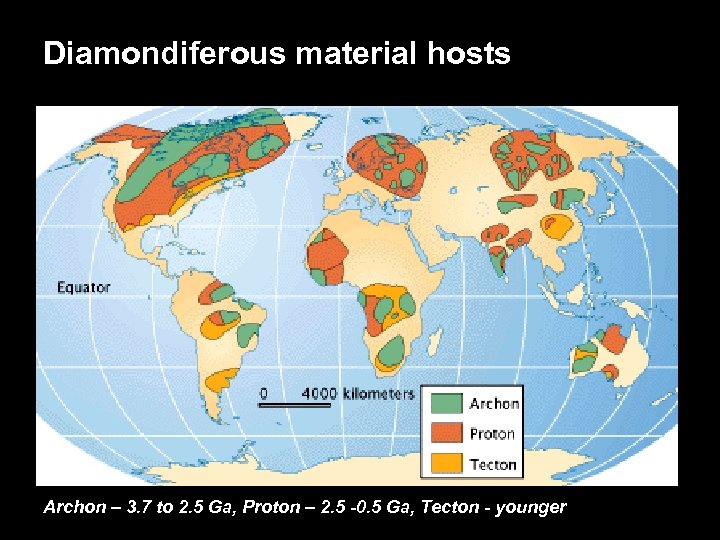 Diamondiferous material hosts Archon – 3. 7 to 2. 5 Ga, Proton – 2. 5 -0. 5 Ga, Tecton - younger
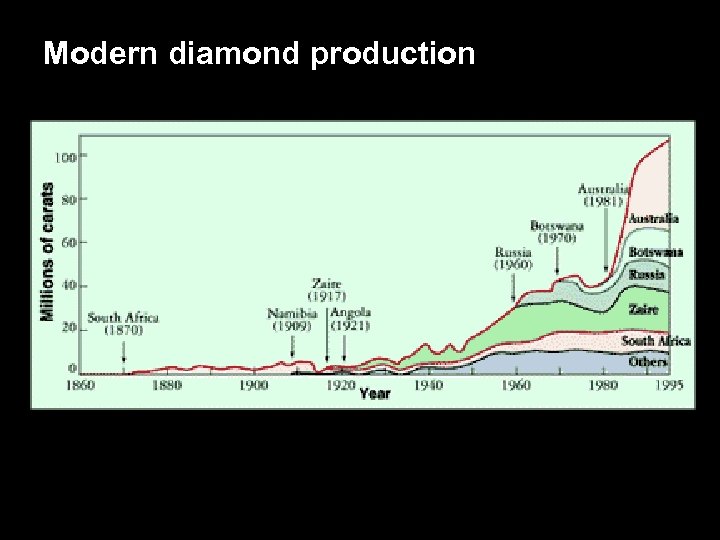 Modern diamond production
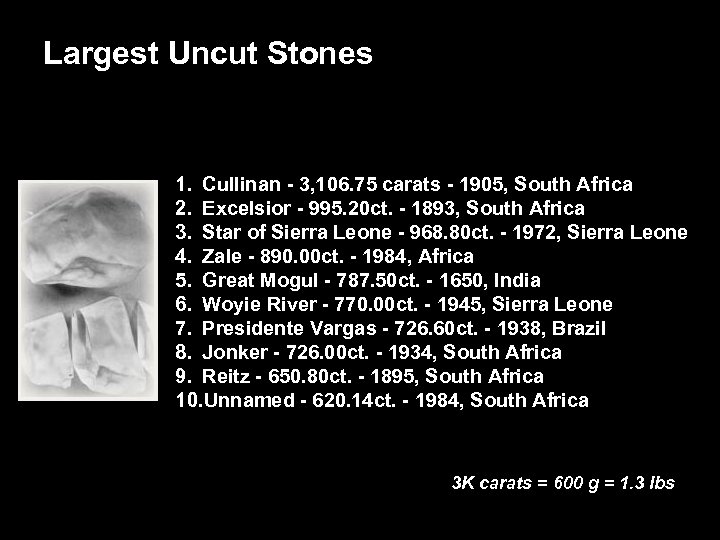 Largest Uncut Stones 1. Cullinan - 3, 106. 75 carats - 1905, South Africa 2. Excelsior - 995. 20 ct. - 1893, South Africa 3. Star of Sierra Leone - 968. 80 ct. - 1972, Sierra Leone 4. Zale - 890. 00 ct. - 1984, Africa 5. Great Mogul - 787. 50 ct. - 1650, India 6. Woyie River - 770. 00 ct. - 1945, Sierra Leone 7. Presidente Vargas - 726. 60 ct. - 1938, Brazil 8. Jonker - 726. 00 ct. - 1934, South Africa 9. Reitz - 650. 80 ct. - 1895, South Africa 10. Unnamed - 620. 14 ct. - 1984, South Africa 3 K carats = 600 g = 1. 3 lbs
 Mining Ekati, NWT Mirny, Siberia d=525 m The big hole, Kimberly, SA
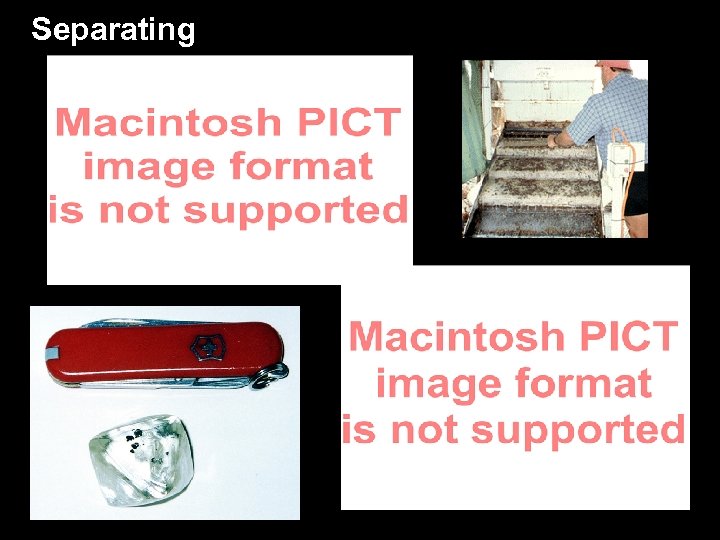 Separating
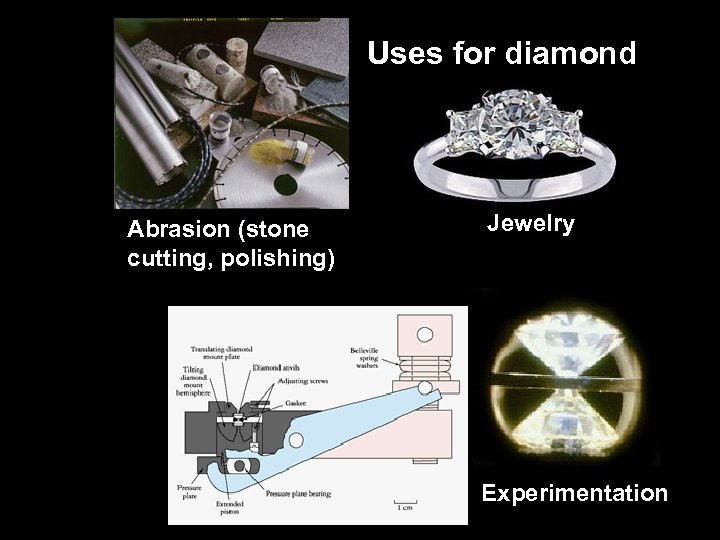 Uses for diamond Abrasion (stone cutting, polishing) Jewelry Experimentation
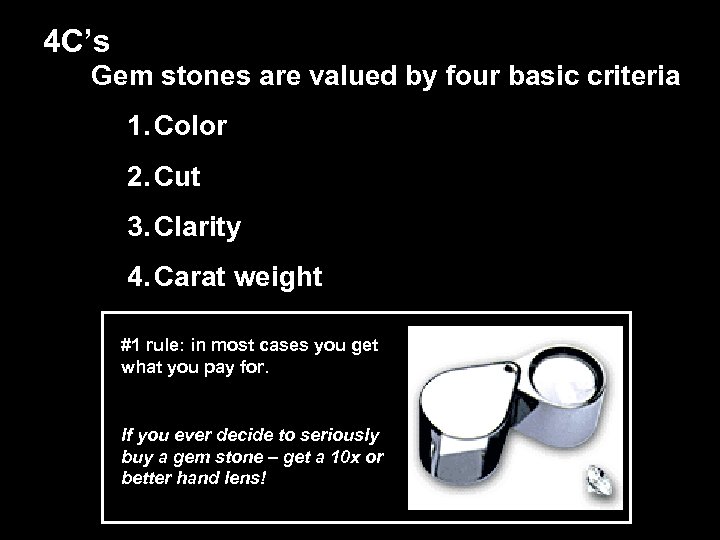 4 C’s Gem stones are valued by four basic criteria 1. Color 2. Cut 3. Clarity 4. Carat weight #1 rule: in most cases you get what you pay for. If you ever decide to seriously buy a gem stone – get a 10 x or better hand lens!
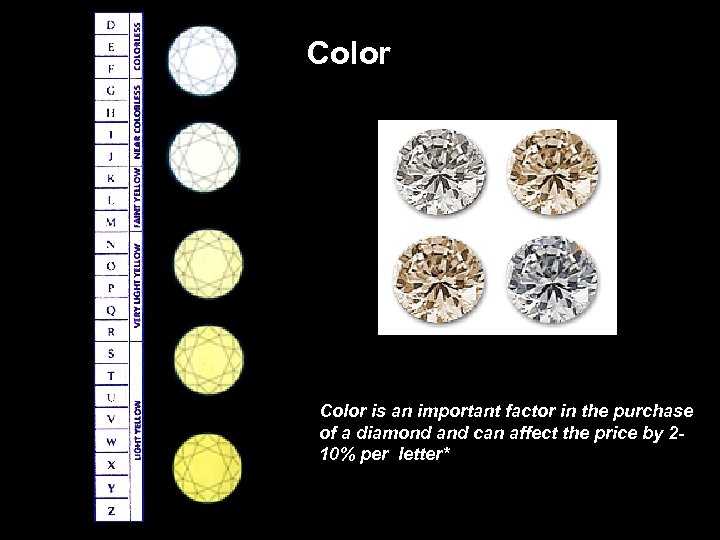 Color is an important factor in the purchase of a diamond and can affect the price by 210% per letter*
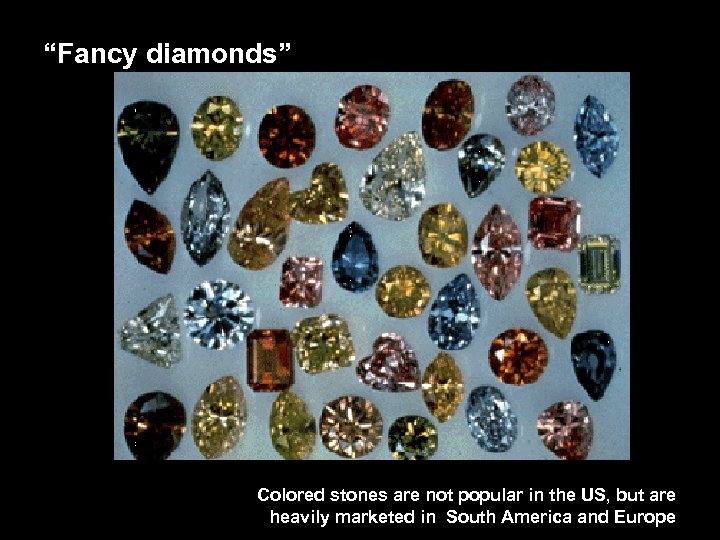 “Fancy diamonds” Colored stones are not popular in the US, but are heavily marketed in South America and Europe
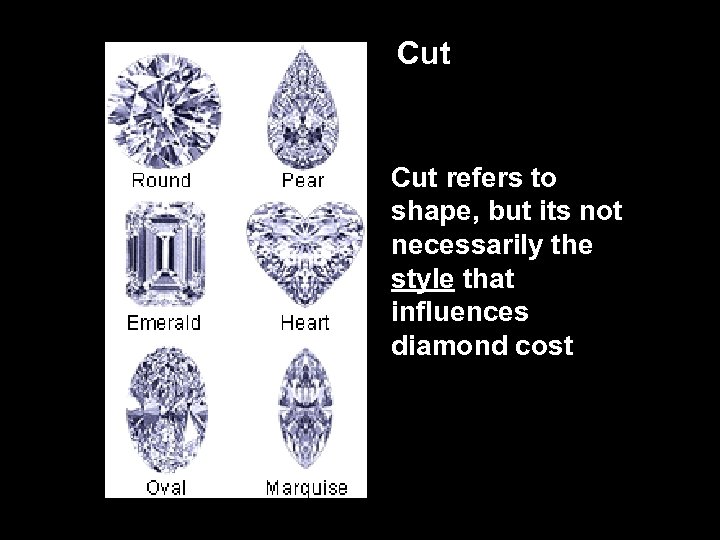 Cut refers to shape, but its not necessarily the style that influences diamond cost
 Cutting
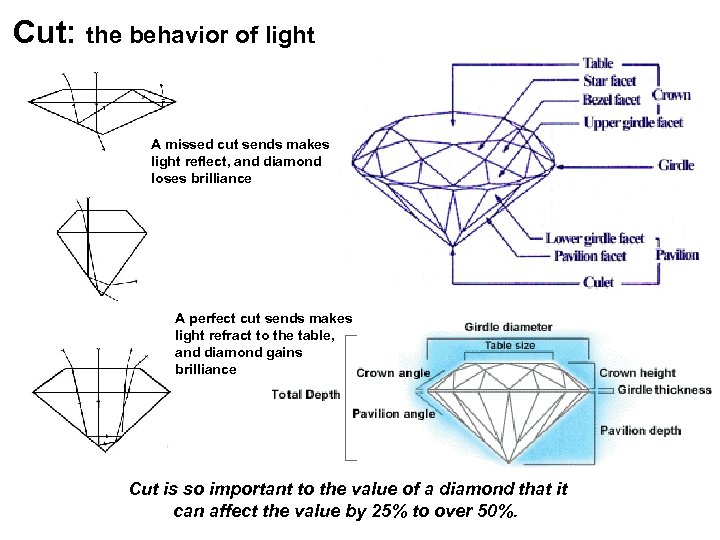 Cut: the behavior of light A missed cut sends makes light reflect, and diamond loses brilliance A perfect cut sends makes light refract to the table, and diamond gains brilliance Cut is so important to the value of a diamond that it can affect the value by 25% to over 50%.
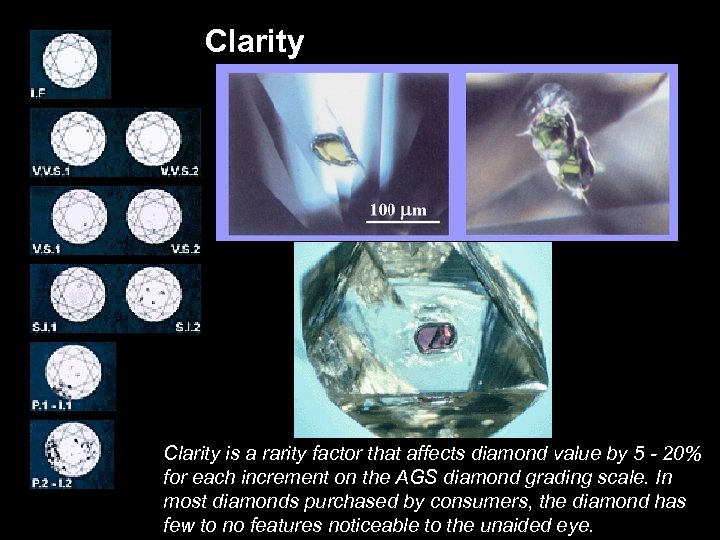 Clarity is a rarity factor that affects diamond value by 5 - 20% for each increment on the AGS diamond grading scale. In most diamonds purchased by consumers, the diamond has few to no features noticeable to the unaided eye.
 Carat In the early 1900's the Metric Carat was established. 1 Carat = 0. 2 gram • Full Carat: A diamond that weighs or rounds to 1. 00 Carat. • Light Carat: A diamond that weighs slightly less than 1. 00 Carat. Example. 96 -. 00. This IS NOT a full Carat. Diamonds in this range are priced less. • Magic Sizes: Diamonds that weigh-in exactly at or greater than a major size category. Each major size category marks a greater degree of rarity, and commands a higher price. Q: which of the four c’s are nature’s doing, and which are the gemologist’s doing?
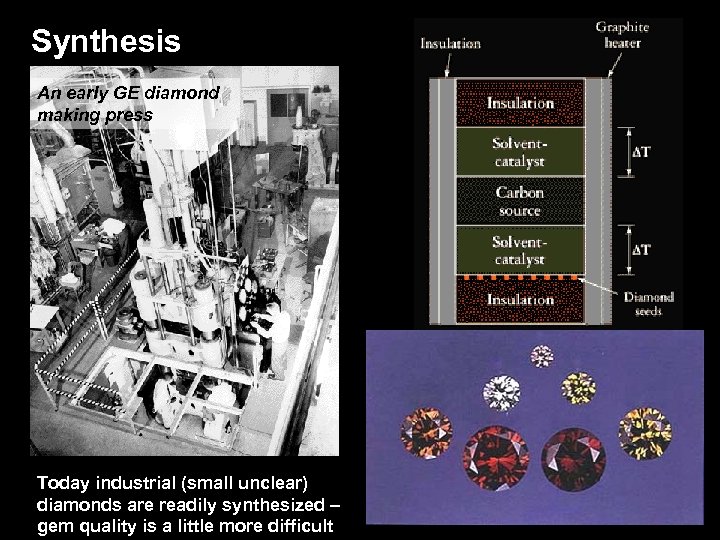 Synthesis An early GE diamond making press Today industrial (small unclear) diamonds are readily synthesized – gem quality is a little more difficult
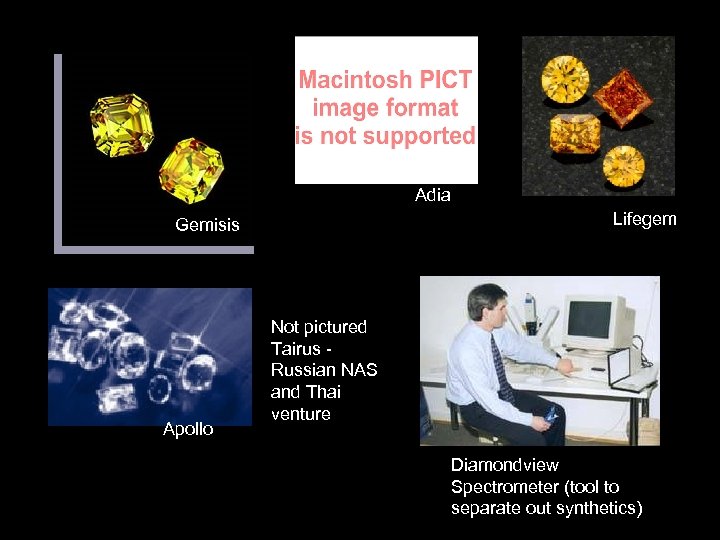 Adia Lifegem Gemisis Apollo Not pictured Tairus Russian NAS and Thai venture Diamondview Spectrometer (tool to separate out synthetics)
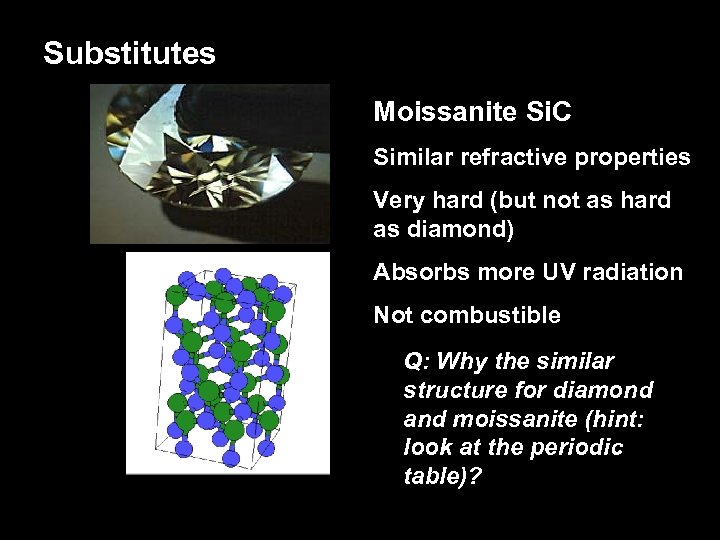 Substitutes Moissanite Si. C Similar refractive properties Very hard (but not as hard as diamond) Absorbs more UV radiation Not combustible Q: Why the similar structure for diamond and moissanite (hint: look at the periodic table)?
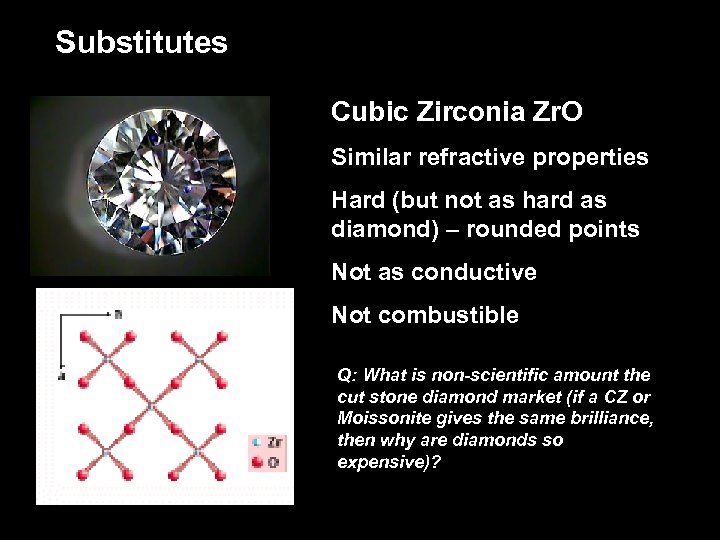 Substitutes Cubic Zirconia Zr. O Similar refractive properties Hard (but not as hard as diamond) – rounded points Not as conductive Not combustible Q: What is non-scientific amount the cut stone diamond market (if a CZ or Moissonite gives the same brilliance, then why are diamonds so expensive)?