 Скачать презентацию Diabetes mellitus lessons from the past challenges for
180bdf83242dd698b477d190aebd3613.ppt
- Количество слайдов: 75



Diabetes mellitus lessons from the past, challenges for the future Prof George S Reusz MD Ph. D Sc. D Semmelweis University Budapest
Diabetes • • Definition History Classification Comorbidities → Obesity, hypertension, dyslipidemia Complications → Micro- and macrovascular disease Treatment - challanges Social consequences - Epidemiology
Diabetes • • Definition History Classification Comorbidities → Obesity, hypertension, dyslipidemia Complications → Micro- and macrovascular disease Treatment - challenges Social consequencies - Epidemiology
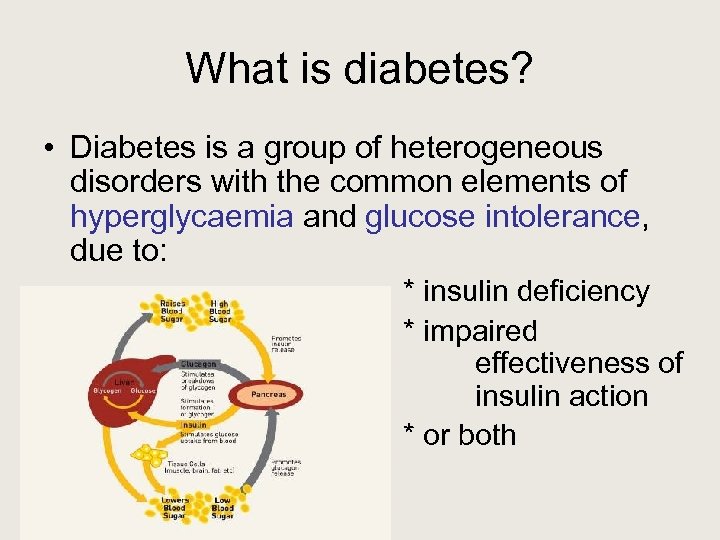
What is diabetes? • Diabetes is a group of heterogeneous disorders with the common elements of hyperglycaemia and glucose intolerance, due to: * insulin deficiency * impaired effectiveness of insulin action * or both
Diabetes • • Definition History Classification Comorbidities → Obesity, hypertension, dyslipidemia Complications → Micro- and macrovascular disease Treatment - challanges Social consequencies - Epidemiology

Diabetes History 1550 BC: First Written Document: Ebers papyrus lists several means ‘‘to drive away the passing of too much urine. ’’
250 BC: The Word Diabetes First Used • Apollonius of Memphis coined the name "diabetes” meaning "to go through" or siphon. He understood that the disease drained more fluid than a person could consume. • Gradually the Latin word for honey, "mellitus, " was added to diabetes because it made the urine sweet
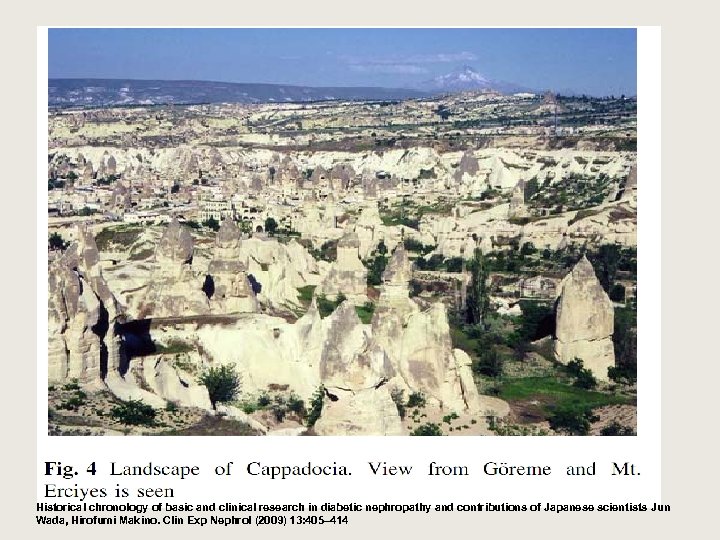
200 AD: Aretaeus the Cappadocian Diabetes is a wonderful affection, not very frequent among men, being a melting down of the flesh and limbs into urine…The flow is incessant, as if from the opening of aqueducts…it takes a long period to form, but the patient is short-lived…for the melting is rapid, the death speedy. Moreover, life is disgusting and painful; thirst unquenchable; excessive drinking…and one cannot stop them either from drinking or making water. . . they are affected with nausea, restlessness, and a burning thirst; and at no distant term they expire. Historical chronology of basic and clinical research in diabetic nephropathy and contributions of Japanese scientists Jun Wada, Hirofumi Makino. Clin Exp Nephrol (2009) 13: 405– 414

Sixth century Hindu healers wrote that flies and ants were attracted to urine of people with a mysterious disease that caused intense thirst, enormous urine output, and wasting away of the body
Early Research • In 1798, John Rollo documented excess sugar in the blood and urine • In 1813, Claude Bernard linked diabetes to glycogen metabolism • In 1869, Paul Langerhans, a German medical student, discovered islet cells in the pancreas • In 1910, Sharpey-Shafer of Edinburgh suggested a single chemical was missing from the pancreas. He proposed calling this chemical "insulin. "
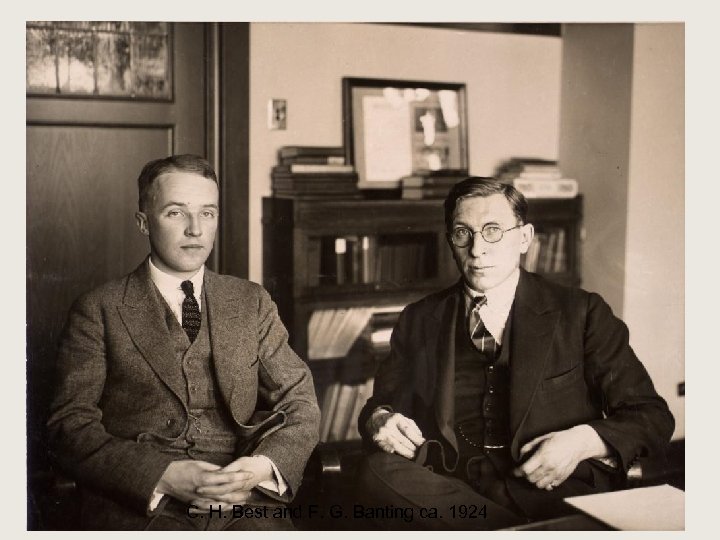
• In Jan, 1922, Banting and Best injected a 14 -year-old patient with newly developed pancreas extract • It caused his blood glucose to fall from 520 to 120 mg/d. L in 24 hours • The patient lived a relatively healthy life for 13 years before dying of pneumonia at 27 C. H. Best and F. G. Banting ca. 1924
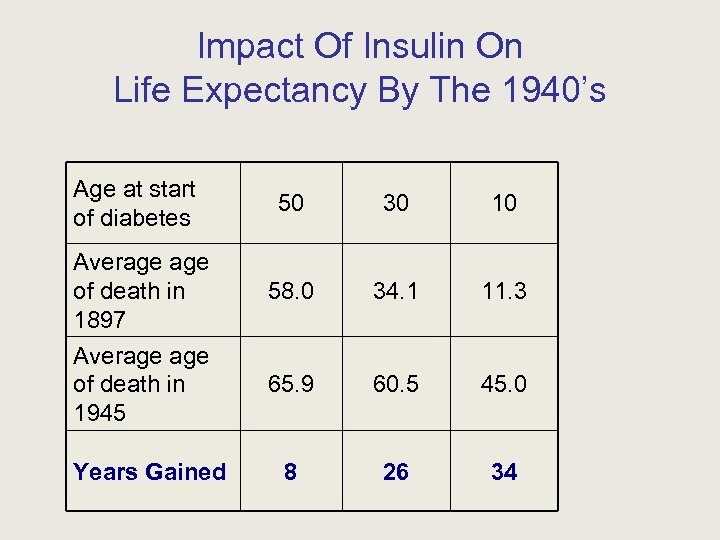
Impact Of Insulin On Life Expectancy By The 1940’s Age at start of diabetes 50 30 10 Average of death in 1897 58. 0 34. 1 11. 3 Average of death in 1945 65. 9 60. 5 45. 0 Years Gained 8 26 34
Diabetes • • Definition History Classification Comorbidities → Obesity, hypertension, dyslipidemia Complications → Micro- and macrovascular disease Treatment - challenges Social consequencies – Epidemiology
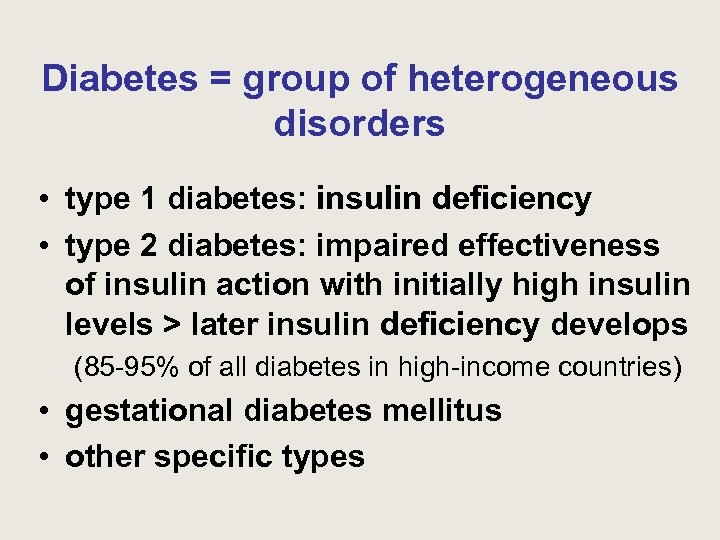
Diabetes = group of heterogeneous disorders • type 1 diabetes: insulin deficiency • type 2 diabetes: impaired effectiveness of insulin action with initially high insulin levels > later insulin deficiency develops (85 -95% of all diabetes in high-income countries) • gestational diabetes mellitus • other specific types
Type 1 diabetes (insulin-dependent, immune-mediated or juvenileonset diabetes) • destruction of the insulin-producing cells of the pancreas, typically due to an autoimmune reaction • beta cells of the pancreas therefore produce little or no insulin • reasons: genetic predisposition? viral infection? autoimmune disease?
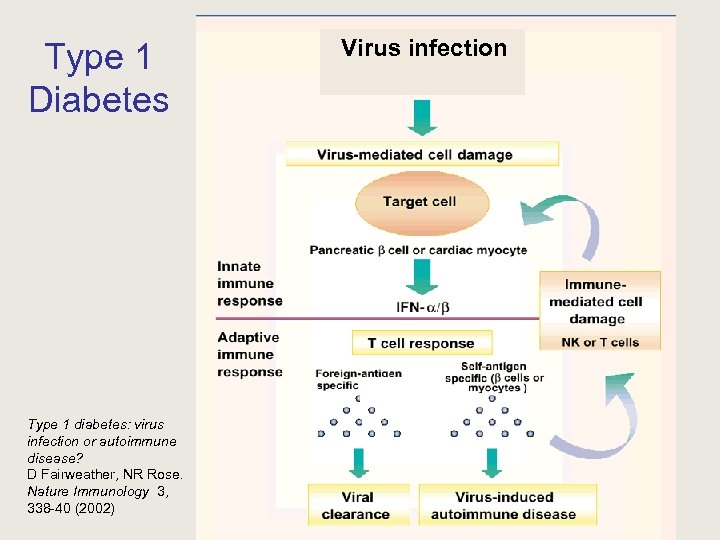
Type 1 Diabetes Virus infection Type 1 diabetes: virus infection or autoimmune disease? D Fairweather, NR Rose. Nature Immunology 3, 338 -40 (2002)
Type 1 diabetes - symptoms • • abnormal thirst and a dry mouth frequent urination extreme tiredness/lack of energy constant hunger sudden weight loss slow-healing wounds recurrent infections blurred vision Pls refer to: Aretaeus the Cappadocian 200 AD
Type 2 diabetes • insulin resistance and relative insulin deficiency • not dependent on exogenous insulin (but may require insulin for control of hyperglycaemia if this is not achieved with diet alone or with oral hypoglycaemic agents) • no specific early signs or symptoms
Antechamber: Impaired glucose tolerance (IGT) • asymptomatic condition defined by elevated (though not diabetic) levels of blood glucose after oral glucose challenge. • IGT: high risk of progressing to type 2 diabetes
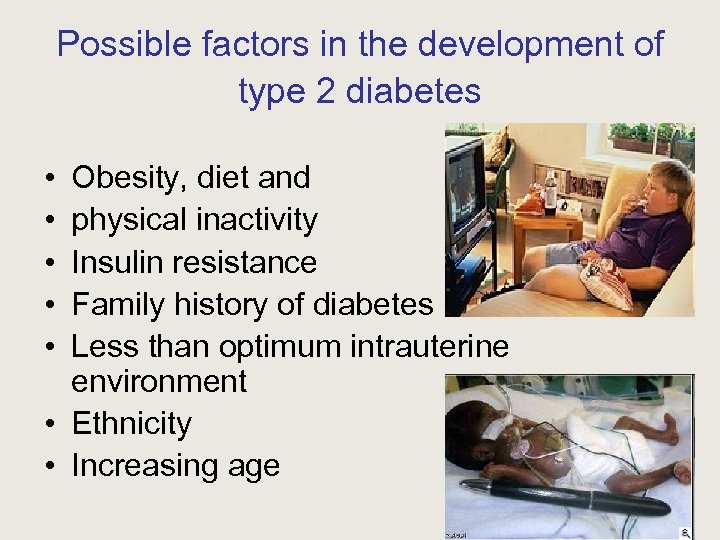
Possible factors in the development of type 2 diabetes • • • Obesity, diet and physical inactivity Insulin resistance Family history of diabetes Less than optimum intrauterine environment • Ethnicity • Increasing age
Diabetes • • Definition History Classification Comorbidities → Obesity, hypertension dyslipidemia • Complications → Micro- and macrovascular disease • Treatment - challenges • Social consequencies - Epidemiology
Obesity, insulin resistance, type 2 diabetes • Obesity is highly correlated with an increased risk of developing glycemic dysorders

Evolution of the incidence of obesity among children between 1963 and 2004 1999– 2000 National Health and Nutrition Examination Survey (NHANES) BMI>95 PC
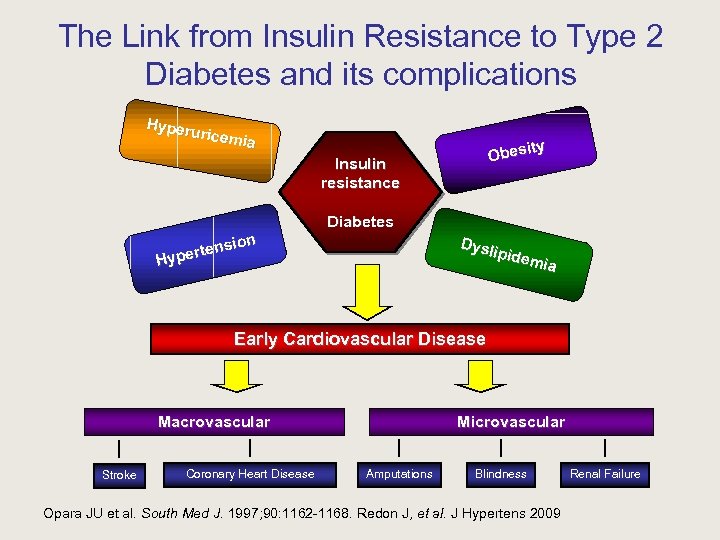
The Link from Insulin Resistance to Type 2 Diabetes and its complications Hyperu ricemi a ity Obes Insulin resistance Diabetes sion erten Hyp Dysl ipide mia Early Cardiovascular Disease Macrovascular Stroke Coronary Heart Disease Microvascular Amputations Blindness Opara JU et al. South Med J. 1997; 90: 1162 -1168. Redon J, et al. J Hypertens 2009 Renal Failure
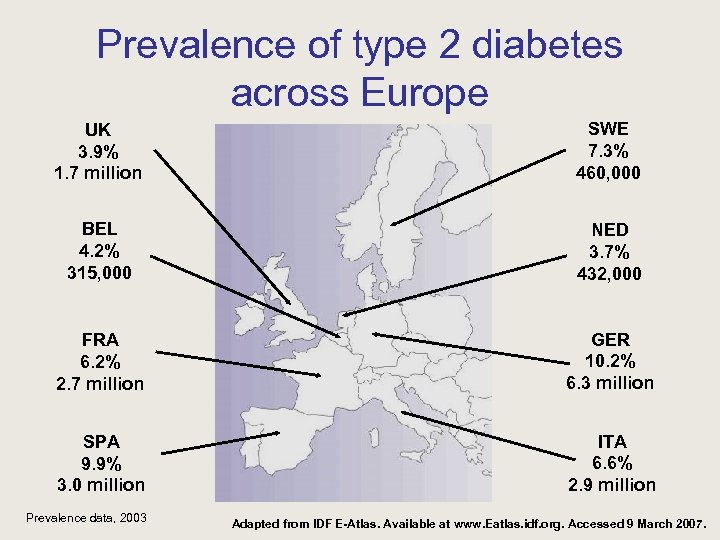
Prevalence of type 2 diabetes across Europe UK 3. 9% 1. 7 million SWE 7. 3% 460, 000 BEL 4. 2% 315, 000 NED 3. 7% 432, 000 FRA 6. 2% 2. 7 million GER 10. 2% 6. 3 million SPA 9. 9% 3. 0 million ITA 6. 6% 2. 9 million Prevalence data, 2003 Adapted from IDF E-Atlas. Available at www. Eatlas. idf. org. Accessed 9 March 2007.
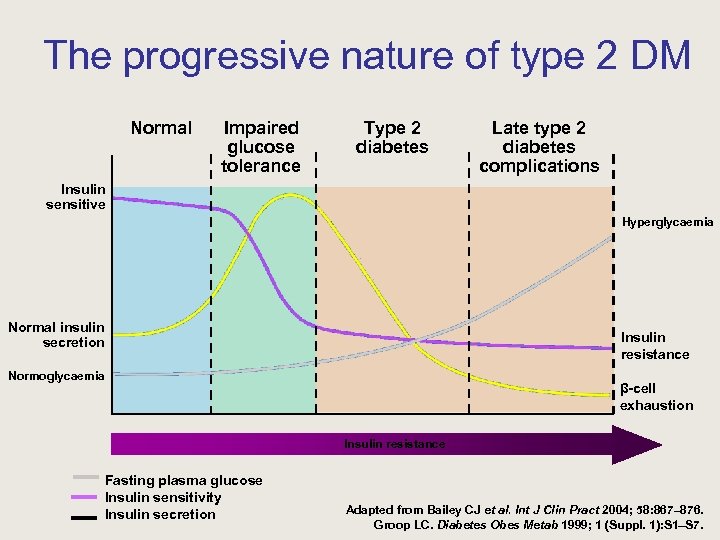
The progressive nature of type 2 DM Normal Impaired glucose tolerance Type 2 diabetes Late type 2 diabetes complications Insulin sensitive Hyperglycaemia Normal insulin secretion Insulin resistance Normoglycaemia β-cell exhaustion Insulin resistance Fasting plasma glucose Insulin sensitivity Insulin secretion Adapted from Bailey CJ et al. Int J Clin Pract 2004; 58: 867– 876. Groop LC. Diabetes Obes Metab 1999; 1 (Suppl. 1): S 1–S 7.
Diabetes • • • Definition History Classification Comorbidities → Obesity, hypertension, dyslipidemia Complications→ Micro- and macrovascular disease • Treatment - challenges • Social consequencies - Epidemiology
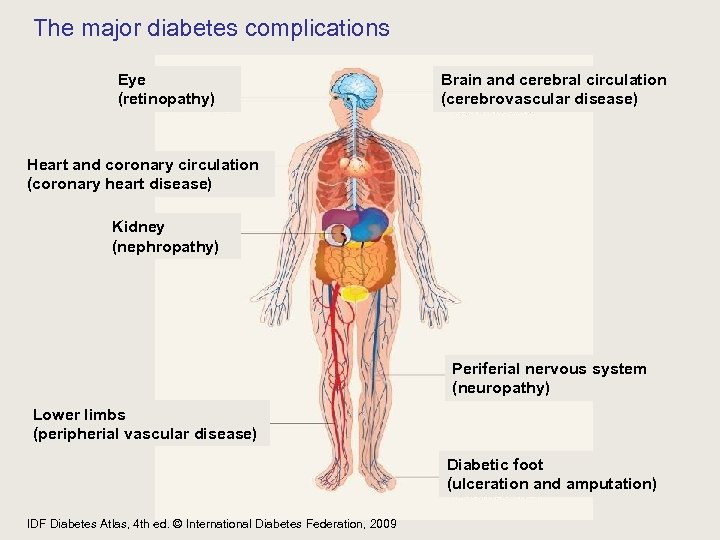
The major diabetes complications Eye (retinopathy) Brain and cerebral circulation (cerebrovascular disease) Heart and coronary circulation (coronary heart disease) Kidney (nephropathy) Periferial nervous system (neuropathy) Lower limbs (peripherial vascular disease) Diabetic foot (ulceration and amputation) IDF Diabetes Atlas, 4 th ed. © International Diabetes Federation, 2009
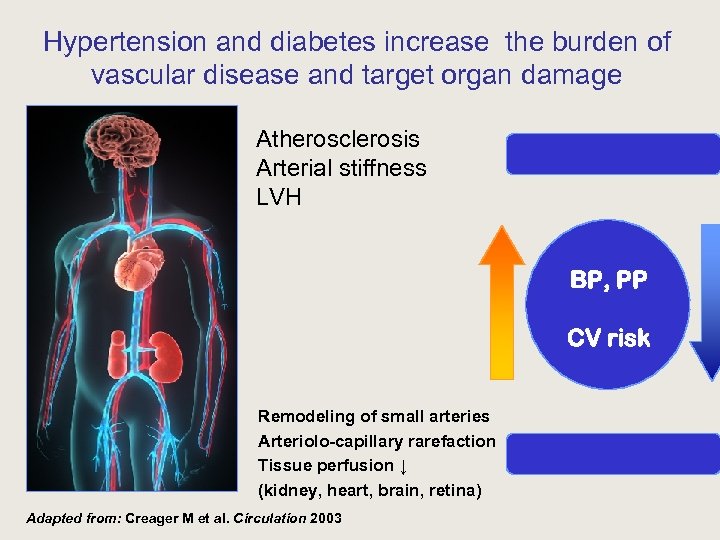
Hypertension and diabetes increase the burden of vascular disease and target organ damage Atherosclerosis Arterial stiffness LVH BP, PP CV risk Remodeling of small arteries Arteriolo-capillary rarefaction Tissue perfusion ↓ (kidney, heart, brain, retina) Adapted from: Creager M et al. Circulation 2003
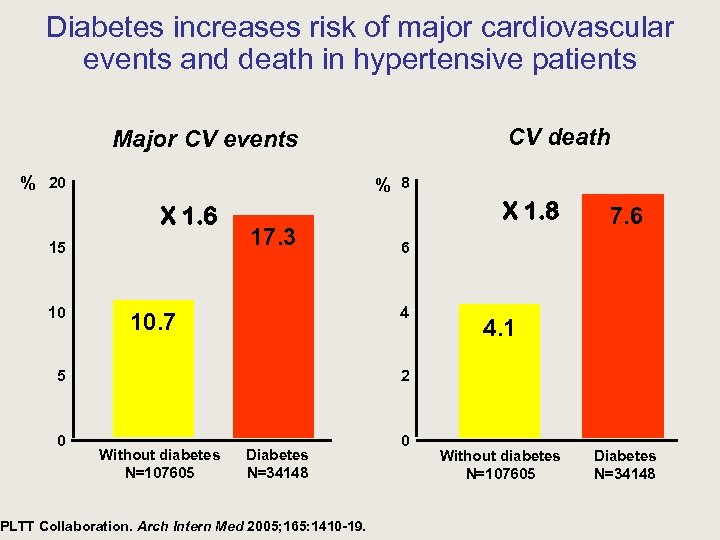
Diabetes increases risk of major cardiovascular events and death in hypertensive patients CV death Major CV events % 20 % 8 X 1. 6 15 10 17. 3 7. 6 6 4 10. 7 5 0 X 1. 8 4. 1 2 Without diabetes N=107605 Diabetes N=34148 PLTT Collaboration. Arch Intern Med 2005; 165: 1410 -19. 0 Without diabetes N=107605 Diabetes N=34148
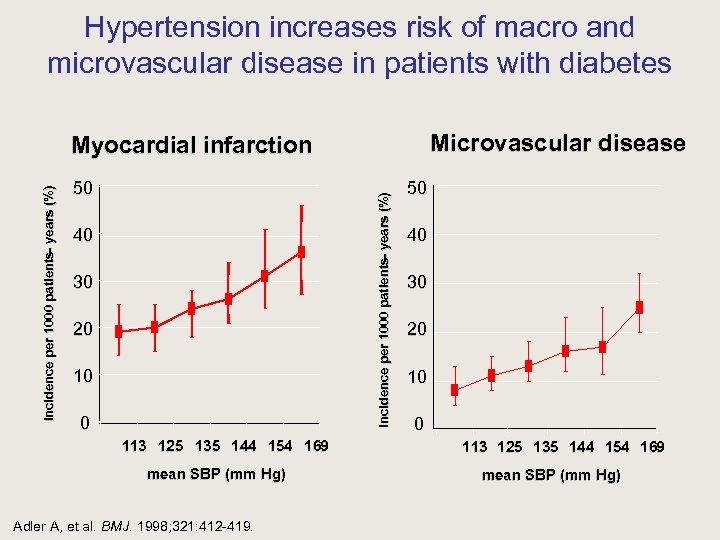
Hypertension increases risk of macro and microvascular disease in patients with diabetes Microvascular disease 50 incidence per 1000 patients- years (%) Myocardial infarction 40 30 20 10 0 113 125 135 144 154 169 mean SBP (mm Hg) Adler A, et al. BMJ. 1998; 321: 412 -419. 50 40 30 20 10 0 113 125 135 144 154 169 mean SBP (mm Hg)
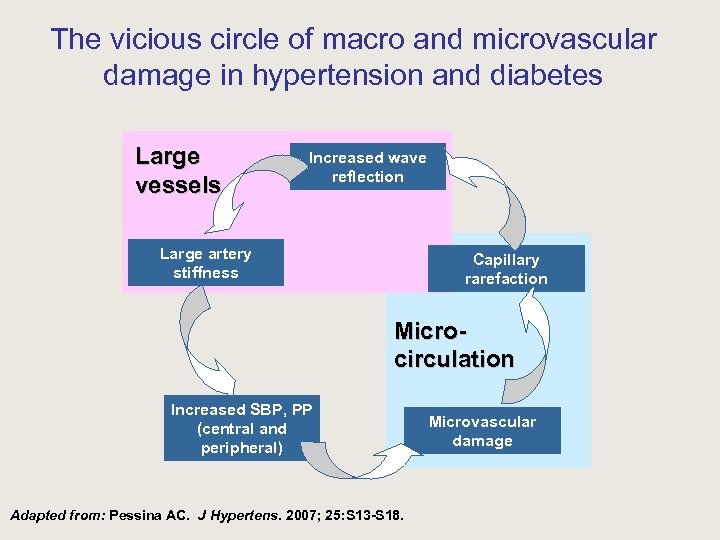
The vicious circle of macro and microvascular damage in hypertension and diabetes Large vessels Increased wave reflection Large artery stiffness Capillary rarefaction Microcirculation Increased SBP, PP (central and peripheral) Adapted from: Pessina AC. J Hypertens. 2007; 25: S 13 -S 18. Microvascular damage
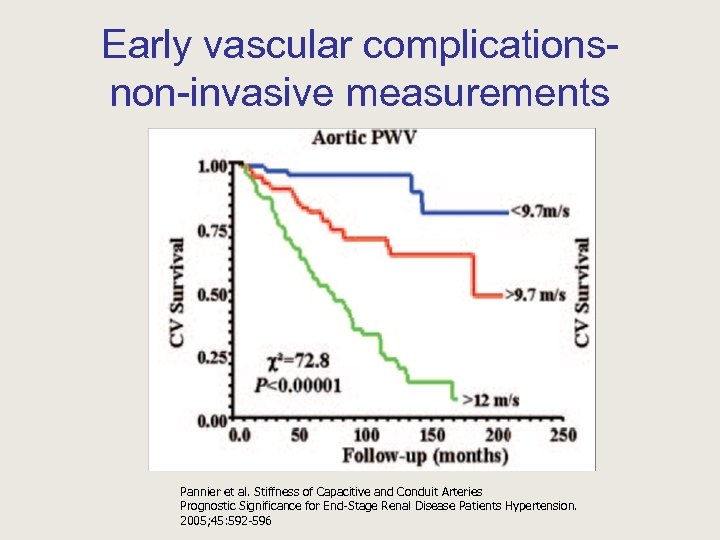
Early vascular complicationsnon-invasive measurements Pannier et al. Stiffness of Capacitive and Conduit Arteries Prognostic Significance for End-Stage Renal Disease Patients Hypertension. 2005; 45: 592 -596
Diabetic nephropathy • A microvascular complication of diabetes marked by albuminuria and a deteriorating course from normal renal function to ESRD • The leading cause of chronic renal disease in patients starting renal replacement therapy
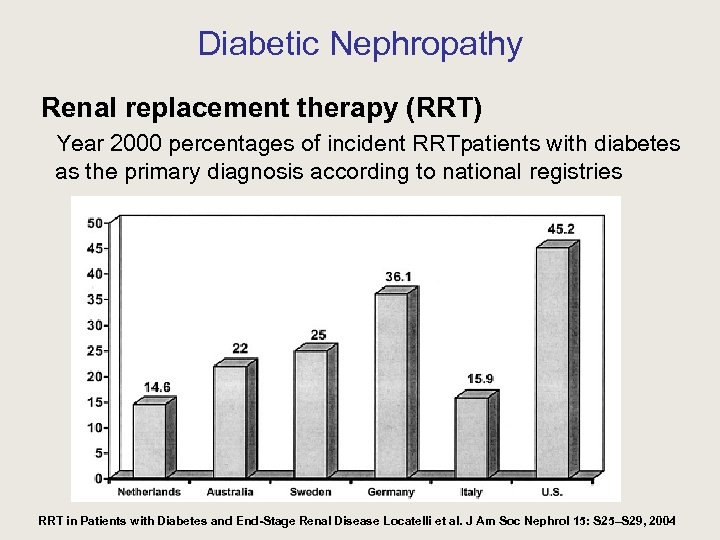
Diabetic Nephropathy Renal replacement therapy (RRT) Year 2000 percentages of incident RRTpatients with diabetes as the primary diagnosis according to national registries RRT in Patients with Diabetes and End-Stage Renal Disease Locatelli et al. J Am Soc Nephrol 15: S 25–S 29, 2004
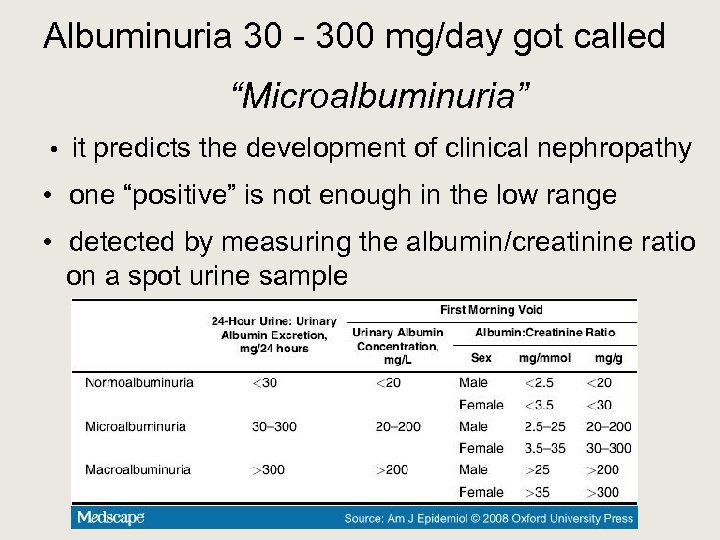
Albuminuria 30 - 300 mg/day got called “Microalbuminuria” • it predicts the development of clinical nephropathy • one “positive” is not enough in the low range • detected by measuring the albumin/creatinine ratio on a spot urine sample
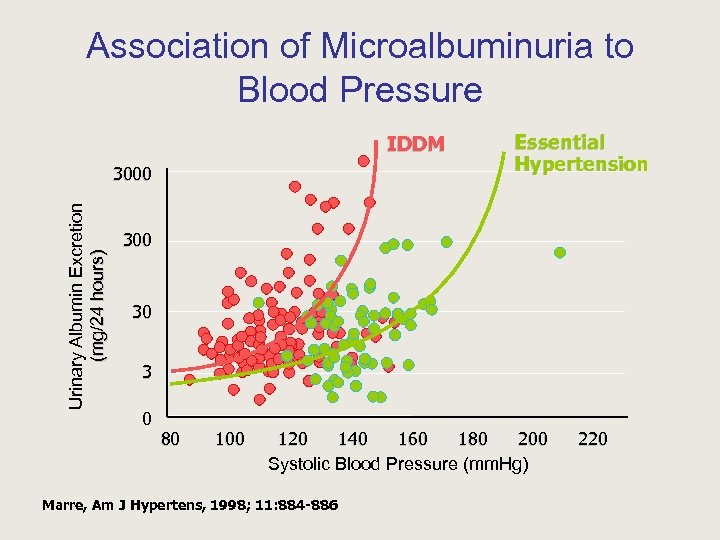
Association of Microalbuminuria to Blood Pressure IDDM Urinary Albumin Excretion (mg/24 hours) 3000 Essential Hypertension 300 30 3 0 80 100 120 140 160 180 200 Systolic Blood Pressure (mm. Hg) Marre, Am J Hypertens, 1998; 11: 884 -886 220
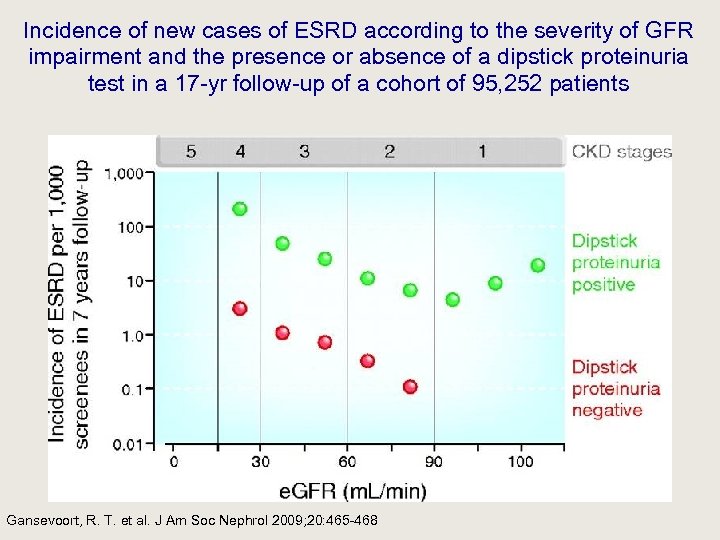
Incidence of new cases of ESRD according to the severity of GFR impairment and the presence or absence of a dipstick proteinuria test in a 17 -yr follow-up of a cohort of 95, 252 patients Gansevoort, R. T. et al. J Am Soc Nephrol 2009; 20: 465 -468
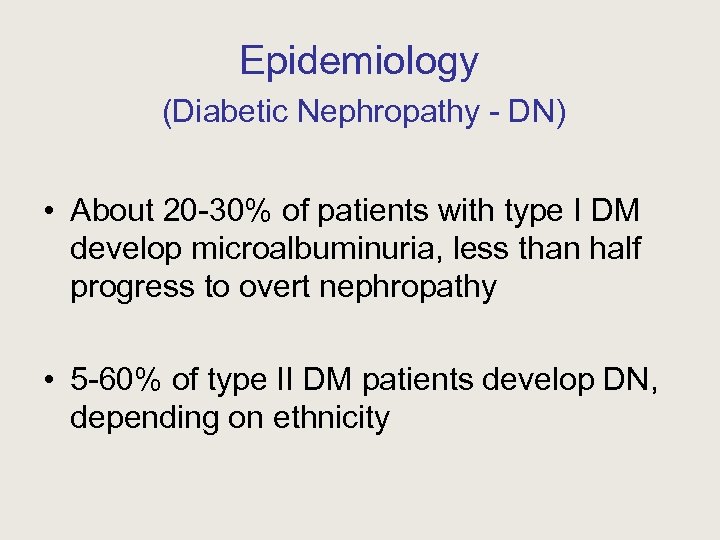
Epidemiology (Diabetic Nephropathy - DN) • About 20 -30% of patients with type I DM develop microalbuminuria, less than half progress to overt nephropathy • 5 -60% of type II DM patients develop DN, depending on ethnicity
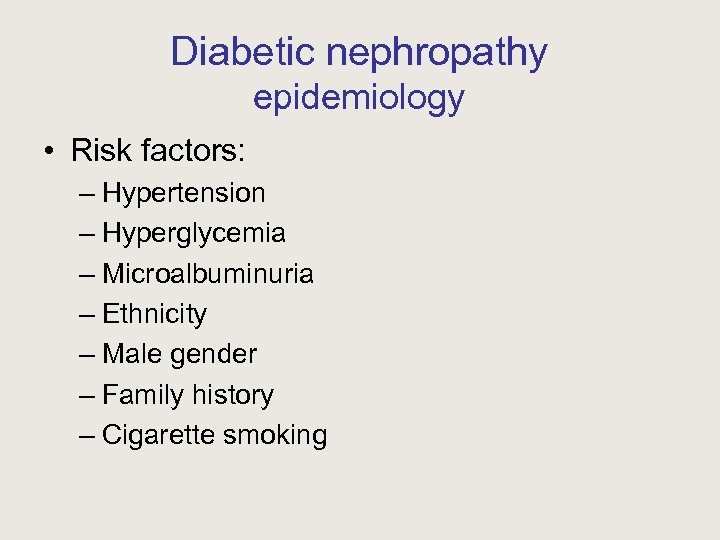
Diabetic nephropathy epidemiology • Risk factors: – Hypertension – Hyperglycemia – Microalbuminuria – Ethnicity – Male gender – Family history – Cigarette smoking
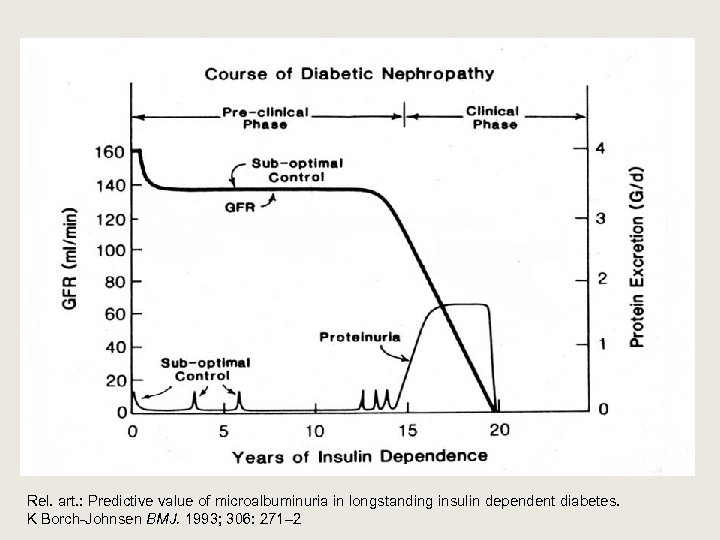
Rel. art. : Predictive value of microalbuminuria in longstanding insulin dependent diabetes. K Borch-Johnsen BMJ. 1993; 306: 271– 2
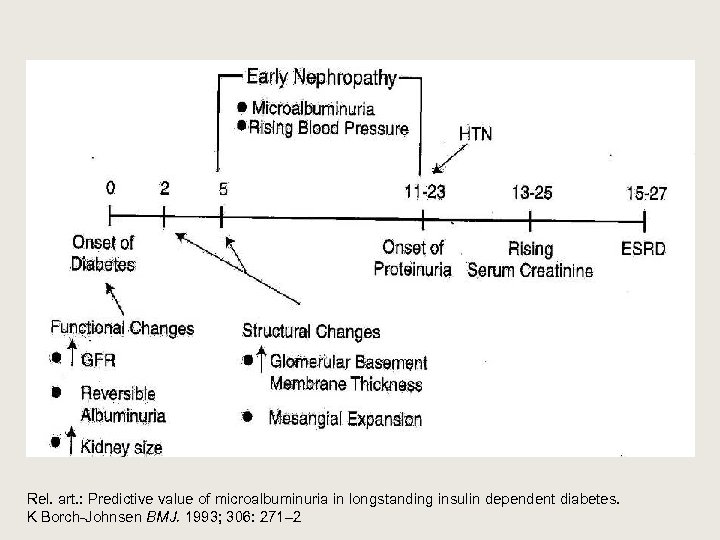
Rel. art. : Predictive value of microalbuminuria in longstanding insulin dependent diabetes. K Borch-Johnsen BMJ. 1993; 306: 271– 2
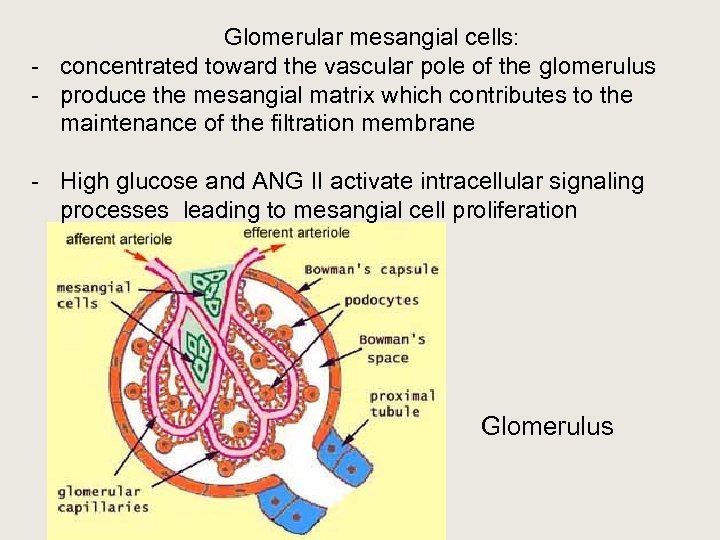
Glomerular mesangial cells: - concentrated toward the vascular pole of the glomerulus - produce the mesangial matrix which contributes to the maintenance of the filtration membrane - High glucose and ANG II activate intracellular signaling processes leading to mesangial cell proliferation Glomerulus
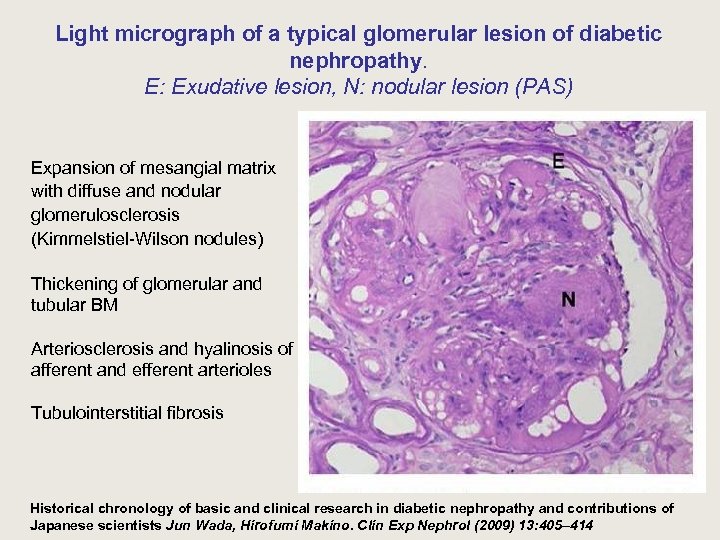
Light micrograph of a typical glomerular lesion of diabetic nephropathy. E: Exudative lesion, N: nodular lesion (PAS) Expansion of mesangial matrix with diffuse and nodular glomerulosclerosis (Kimmelstiel-Wilson nodules) Thickening of glomerular and tubular BM Arteriosclerosis and hyalinosis of afferent and efferent arterioles Tubulointerstitial fibrosis Historical chronology of basic and clinical research in diabetic nephropathy and contributions of Japanese scientists Jun Wada, Hirofumi Makino. Clin Exp Nephrol (2009) 13: 405– 414
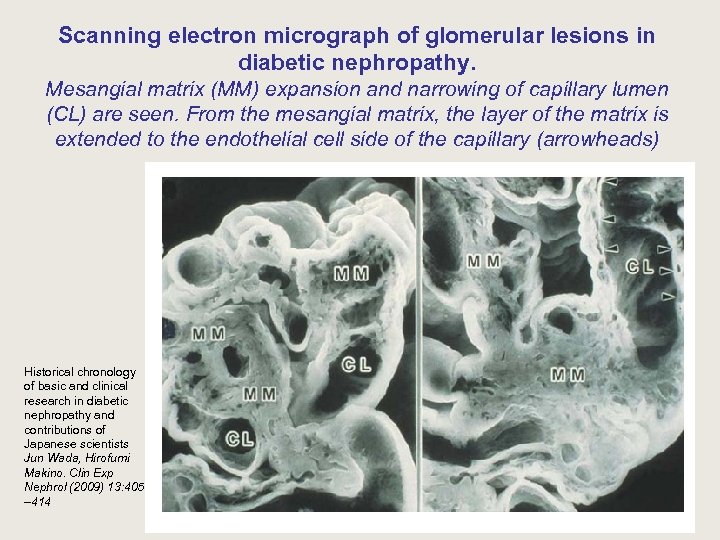
Scanning electron micrograph of glomerular lesions in diabetic nephropathy. Mesangial matrix (MM) expansion and narrowing of capillary lumen (CL) are seen. From the mesangial matrix, the layer of the matrix is extended to the endothelial cell side of the capillary (arrowheads) Historical chronology of basic and clinical research in diabetic nephropathy and contributions of Japanese scientists Jun Wada, Hirofumi Makino. Clin Exp Nephrol (2009) 13: 405 – 414
Pathogenesis (Diabetic Nephropathy) • Genetic predisposition to or protection from diabetic nephropathy – Differences in prevalence of microalbuminuria, ESRD in different patient populations – Only half of patients with poor glycemic control will develop diabetic nephropathy – Family studies • Multiple genes may be involved
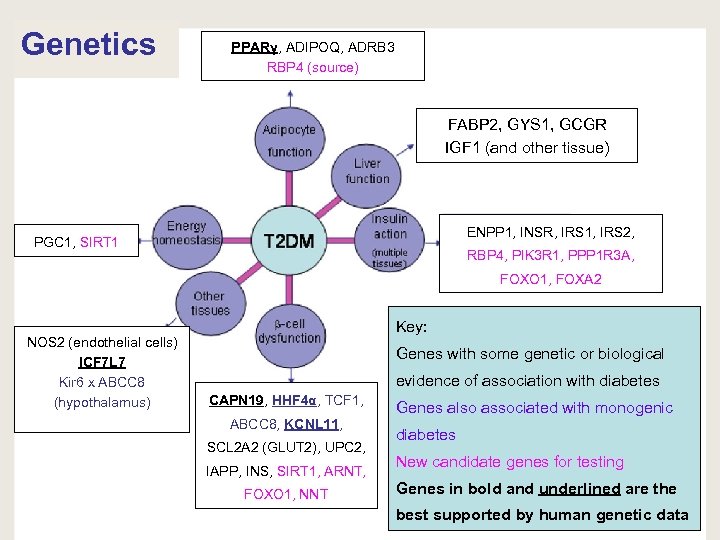
Genetics PPARγ, ADIPOQ, ADRB 3 RBP 4 (source) Genetic predisposition FABP 2, GYS 1, GCGR IGF 1 (and other tissue) ENPP 1, INSR, IRS 1, IRS 2, PGC 1, SIRT 1 RBP 4, PIK 3 R 1, PPP 1 R 3 A, FOXO 1, FOXA 2 NOS 2 (endothelial cells) ICF 7 L 7 Kir 6 x ABCC 8 (hypothalamus) Key: Genes with some genetic or biological evidence of association with diabetes CAPN 19, HHF 4α, TCF 1, ABCC 8, KCNL 11, SCL 2 A 2 (GLUT 2), UPC 2, IAPP, INS, SIRT 1, ARNT, FOXO 1, NNT Genes also associated with monogenic diabetes New candidate genes for testing Genes in bold and underlined are the best supported by human genetic data
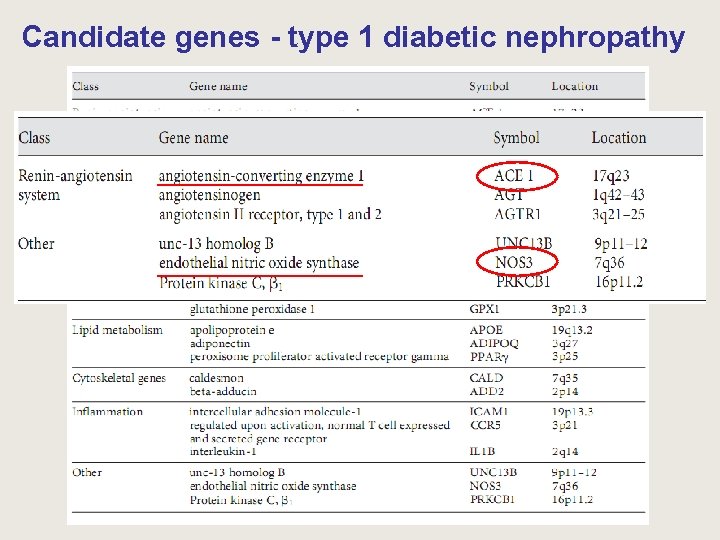
Candidate genes - type 1 diabetic nephropathy
Diabetes • • • Definition History Classification Comorbidities → Obesity, hypertension, dyslipidemia Complications → Micro- and macrovascular disease • Treatment - challenges • Social consequencies- Epidemiology
Challenges in the Management of Diabetes The ultimate goal of diabetes therapy to prevent micro- and macrovascular complications in order to improve life expectancy and quality of life
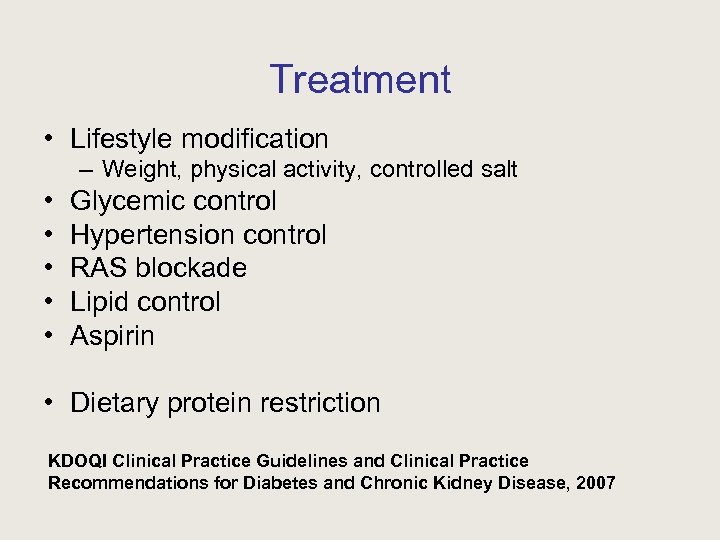
Treatment • Lifestyle modification – Weight, physical activity, controlled salt • • • Glycemic control Hypertension control RAS blockade Lipid control Aspirin • Dietary protein restriction KDOQI Clinical Practice Guidelines and Clinical Practice Recommendations for Diabetes and Chronic Kidney Disease, 2007
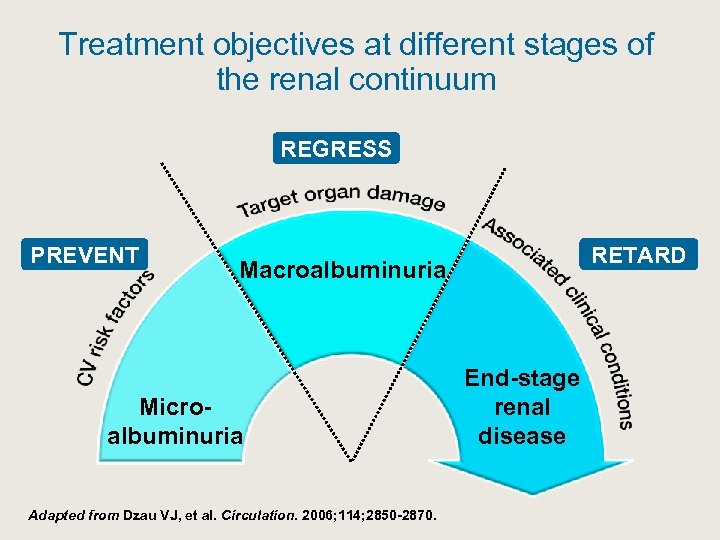
Treatment objectives at different stages of the renal continuum REGRESS PREVENT RETARD Macroalbuminuria Microalbuminuria Adapted from Dzau VJ, et al. Circulation. 2006; 114; 2850 -2870. End-stage renal disease
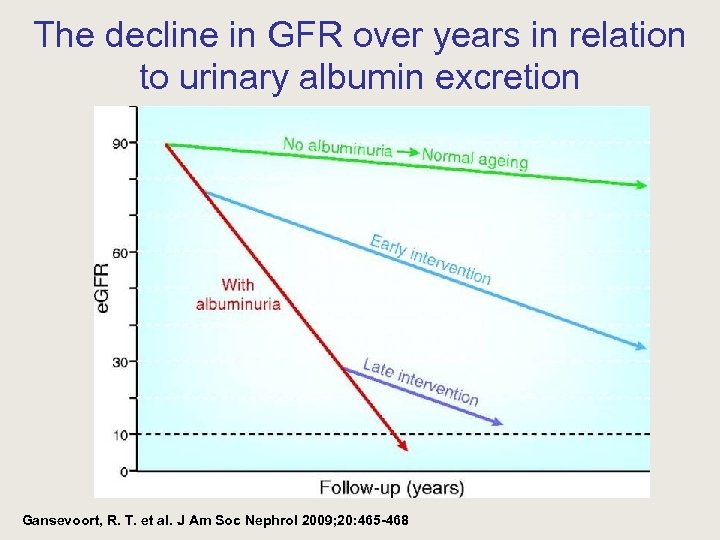
The decline in GFR over years in relation to urinary albumin excretion Gansevoort, R. T. et al. J Am Soc Nephrol 2009; 20: 465 -468
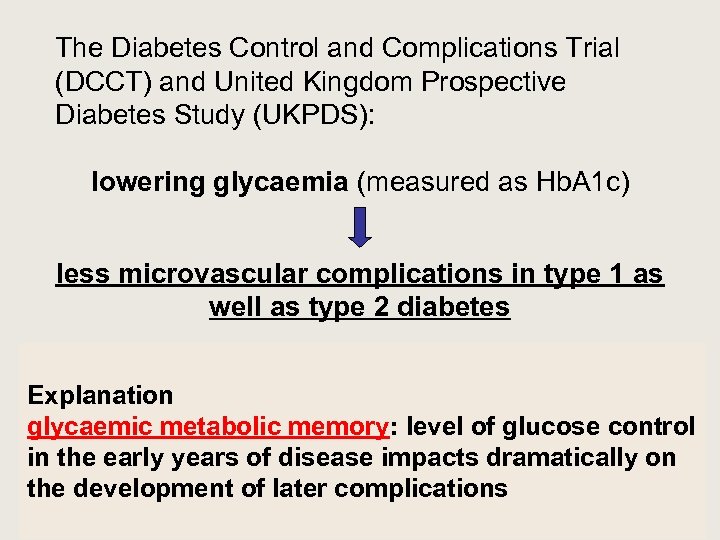
The Diabetes Control and Complications Trial (DCCT) and United Kingdom Prospective Diabetes Study (UKPDS): lowering glycaemia (measured as Hb. A 1 c) less microvascular complications in type 1 as well as type 2 diabetes DCCT: Diabetes Control and Complications Trial Research Group. The effect of intensive diabetes treatment on the development and progression of long-term Explanation complications in insulin-dependent diabetes mellitus: the Diabetes Control and glycaemic metabolic memory: level of glucose control Complications Trial. N Engl J Med, 1993; 329: 978 -986. in the early years of disease impacts dramatically on UKPDS: UK Prospective Diabetes Study Group. Intensive blood glucose control the development of later complications with sulphonylureas or insulin compared with conventional treatment and risk of complication in patients with type 2 diabetes. Lancet, 1998; 352: 837 -853.
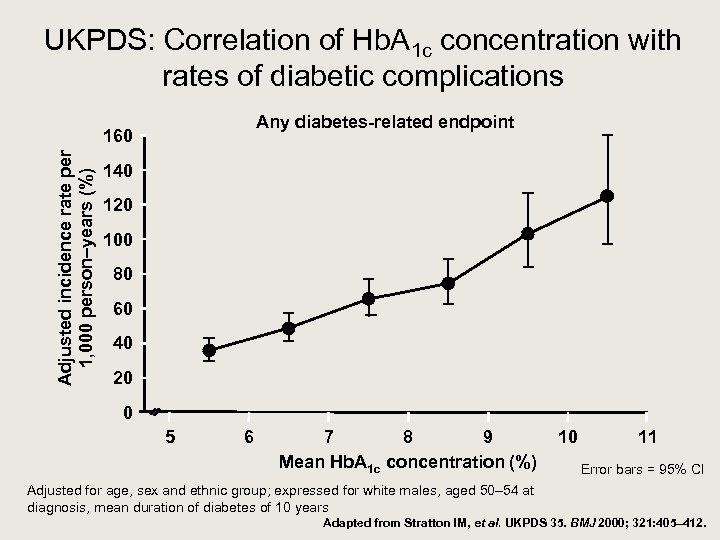
UKPDS: Correlation of Hb. A 1 c concentration with rates of diabetic complications Any diabetes-related endpoint Adjusted incidence rate per 1, 000 person–years (%) 160 140 120 100 80 60 40 20 0 5 6 7 8 9 Mean Hb. A 1 c concentration (%) 10 11 Error bars = 95% CI Adjusted for age, sex and ethnic group; expressed for white males, aged 50– 54 at diagnosis, mean duration of diabetes of 10 years Adapted from Stratton IM, et al. UKPDS 35. BMJ 2000; 321: 405– 412.
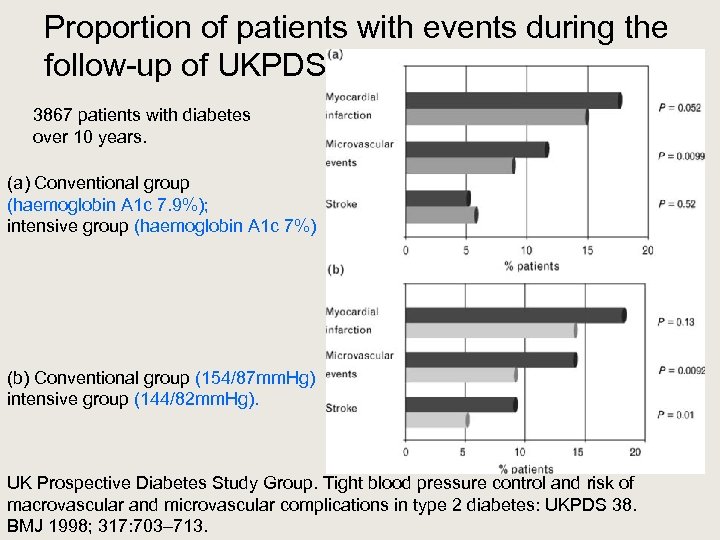
Proportion of patients with events during the follow-up of UKPDS 3867 patients with diabetes over 10 years. (a) Conventional group (haemoglobin A 1 c 7. 9%); intensive group (haemoglobin A 1 c 7%) (b) Conventional group (154/87 mm. Hg) intensive group (144/82 mm. Hg). UK Prospective Diabetes Study Group. Tight blood pressure control and risk of macrovascular and microvascular complications in type 2 diabetes: UKPDS 38. BMJ 1998; 317: 703– 713.
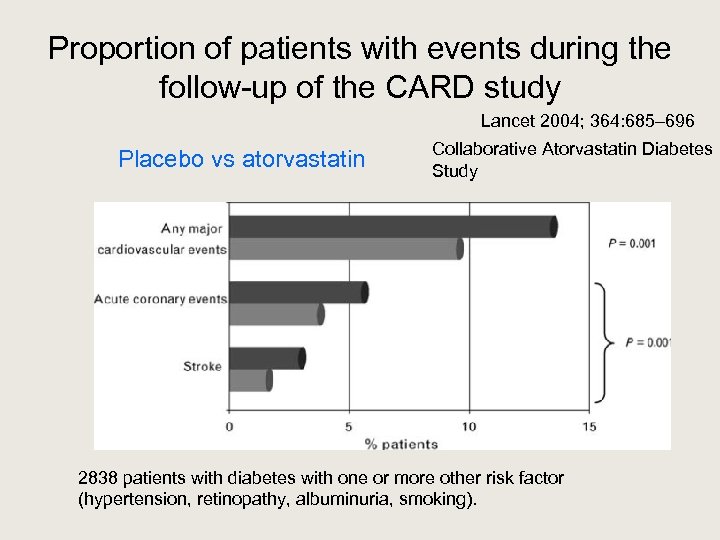
Proportion of patients with events during the follow-up of the CARD study Lancet 2004; 364: 685– 696 Placebo vs atorvastatin Collaborative Atorvastatin Diabetes Study 2838 patients with diabetes with one or more other risk factor (hypertension, retinopathy, albuminuria, smoking).
Treatment (Diabetic Nephropathy) • ACE inhibitors or ARB have a strong antiproteinuric effect apart from their antihypertensive actions • Increasing the dose of the ACEI or ARB beyond the optimum antihypertensive doses further reduces proteinuria • Antiproteinuric effect is enhanced by a low Na diet or diuretic
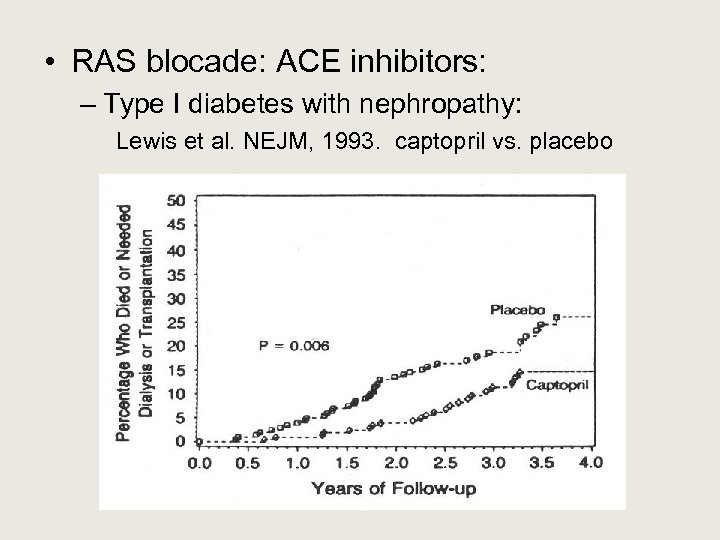
• RAS blocade: ACE inhibitors: – Type I diabetes with nephropathy: Lewis et al. NEJM, 1993. captopril vs. placebo
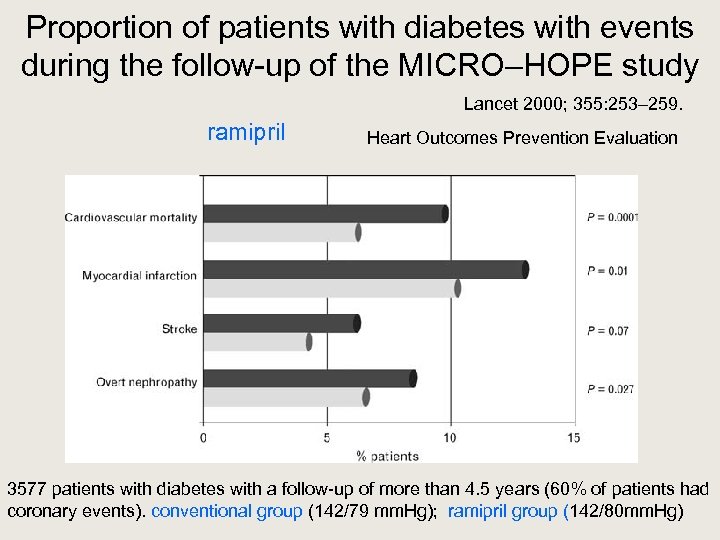
Proportion of patients with diabetes with events during the follow-up of the MICRO–HOPE study Lancet 2000; 355: 253– 259. ramipril Heart Outcomes Prevention Evaluation 3577 patients with diabetes with a follow-up of more than 4. 5 years (60% of patients had coronary events). conventional group (142/79 mm. Hg); ramipril group (142/80 mm. Hg)
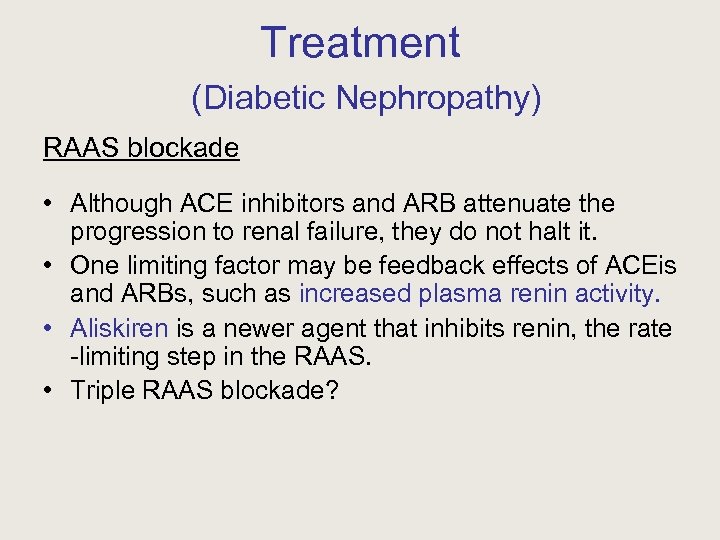
Treatment (Diabetic Nephropathy) RAAS blockade • Although ACE inhibitors and ARB attenuate the progression to renal failure, they do not halt it. • One limiting factor may be feedback effects of ACEis and ARBs, such as increased plasma renin activity. • Aliskiren is a newer agent that inhibits renin, the rate -limiting step in the RAAS. • Triple RAAS blockade?
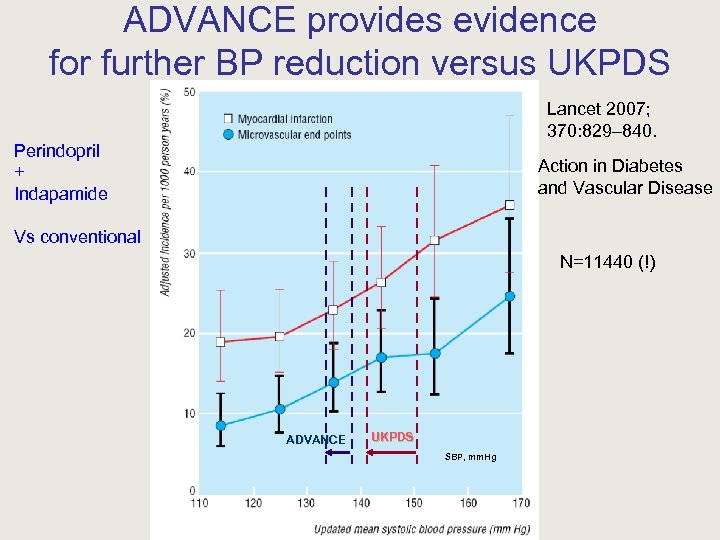
ADVANCE provides evidence for further BP reduction versus UKPDS Lancet 2007; 370: 829– 840. Perindopril + Indapamide Action in Diabetes and Vascular Disease Vs conventional N=11440 (!) ADVANCE UKPDS SBP, mm. Hg
Treatment (Diabetic Nephropathy) • Hypertension control: – Lower the BP, slower the decline in GFR in patients with diabetic nephropathy – JNC VI recommended BP < 130/85 mm. Hg in patients with renal insufficiency – Patients with CKD and > 1 g proteinuria, BP goal should be < 125 -130/75 -80 mm. Hg *JNC: Joint National Committee on Prevention, Detection, Evaluation, and Treatment of High Blood Pressure
Summary Macrovascular and microvascular disease • Major cause of early morbidity and mortality • Agressive treatment of hypertension and dyslipidemia • Intensive treatment of modifiable risk factors - Lifestyle: increase physical activity - Improved diet: reduce total and saturated fat, increase monosaturated fat, antioxidants and flavonoids International Diabetes Federation, 2008
Diabetes • • • Definition History Classification Comorbidities → Obesity, hypertension, dyslipidemia Complications → Micro- and macrovascular disease Treatment - challenges • Social consequencies- Epidemiology
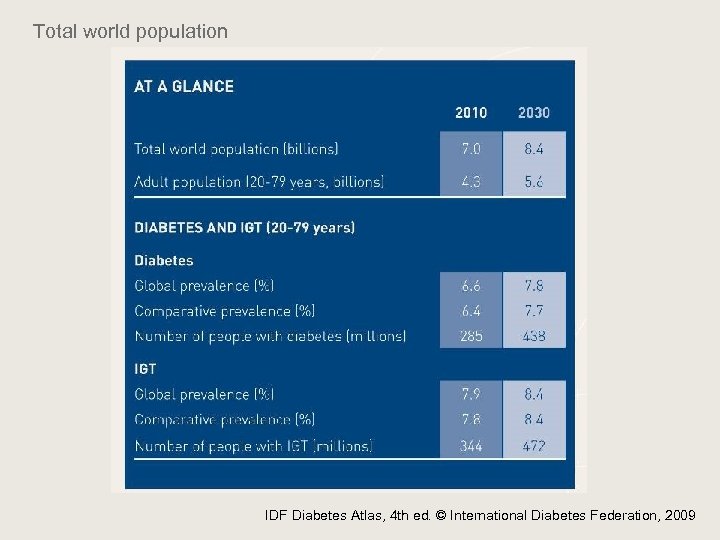
Total world population IDF Diabetes Atlas, 4 th ed. © International Diabetes Federation, 2009
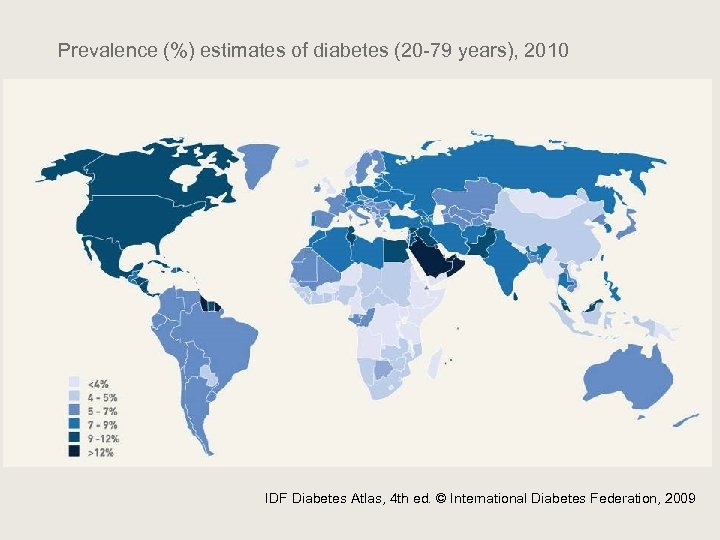
Prevalence (%) estimates of diabetes (20 -79 years), 2010 IDF Diabetes Atlas, 4 th ed. © International Diabetes Federation, 2009
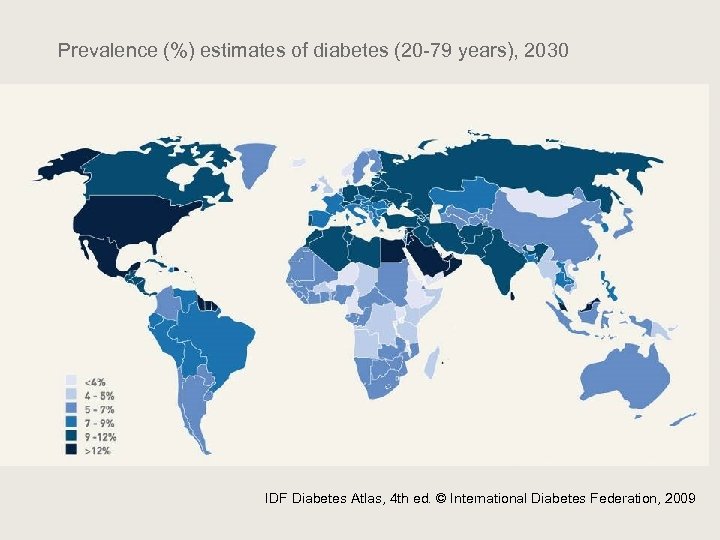
Prevalence (%) estimates of diabetes (20 -79 years), 2030 IDF Diabetes Atlas, 4 th ed. © International Diabetes Federation, 2009
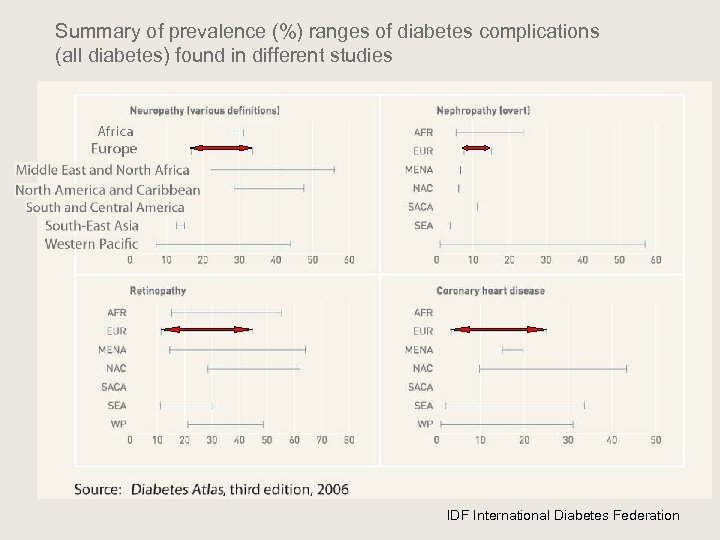
Summary of prevalence (%) ranges of diabetes complications (all diabetes) found in different studies IDF International Diabetes Federation
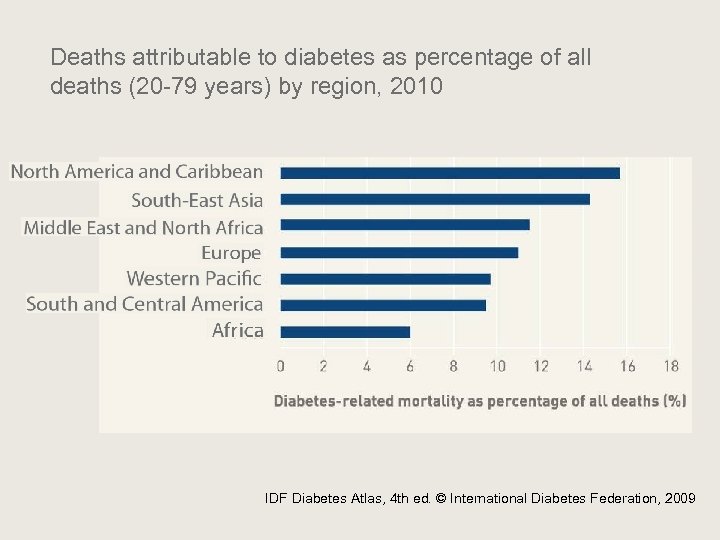
Deaths attributable to diabetes as percentage of all deaths (20 -79 years) by region, 2010 IDF Diabetes Atlas, 4 th ed. © International Diabetes Federation, 2009
TAKE HOME MESSAGE The diabetes epidemic is here and threatens to overwhelm health systems if left unchecked The majority of type 2 diabetes cases can be prevented — prevention costs governments far less than treating diabetes and its complications. The non-preventable forms of diabetes can be treated. Diagnosis, treatment, management and prevention of diabetes and other non-communicable diseases require integrated health systems, delivery of care down to primary care level, and supportive policies outside the health sector.

 Скачать презентацию Diabetes mellitus lessons from the past challenges for
180bdf83242dd698b477d190aebd3613.ppt