


 Скачать презентацию Designing for Human Control Operator Error Traditional
6a808e8842d333972f8eece9e508bd64.ppt
- Количество слайдов: 55
 Designing for Human Control
 Operator Error: Traditional View
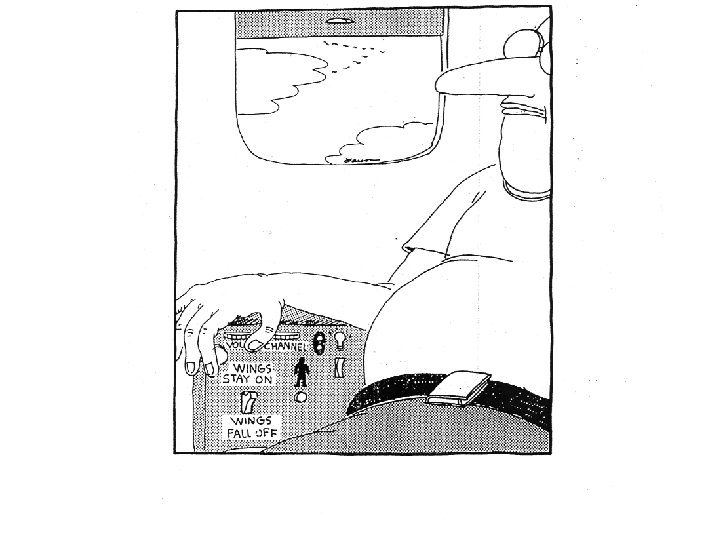


 Typical Problems with IT
 Cognitive Consequences of Computers
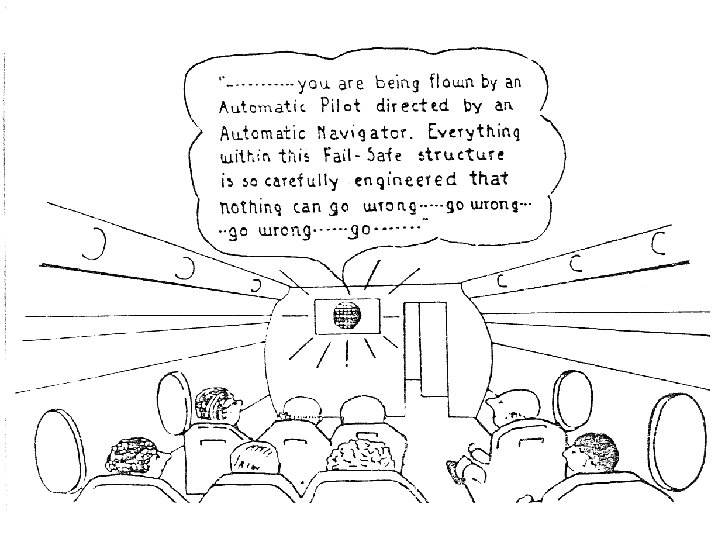
 Human-Centered Design
 Advantages of Humans
 Role of Humans in Automated Systems
 Role of Humans in Automated Systems (2)
 Role of Humans in Automated Systems (3)
 Consequences of Computers
 Mixing Humans and Computers

 Typical Problems with IT
 Cognitive Consequences of Computers
 Designing for Human Control
 Updating Process Models
 Human Error Fundamentals
 Human Factors in Accidents (4)
 General Design Principles
 Inconsistent Behavior
 Unintended Side Effects
 Providing Control Options
 Providing Control Options
 Design for Error Tolerance
 Design for Error Tolerance (2)
 Matching Tasks to Human Characteristics
 Matching Tasks to Human Characteristics (2)
 Reducing Human Errors
 Reducing Human Errors (2)
 Reducing Human Errors (3)
 Modes
Modes
 Mode Confusion
 Mode Confusion (2)
 Mode Confusion (3)
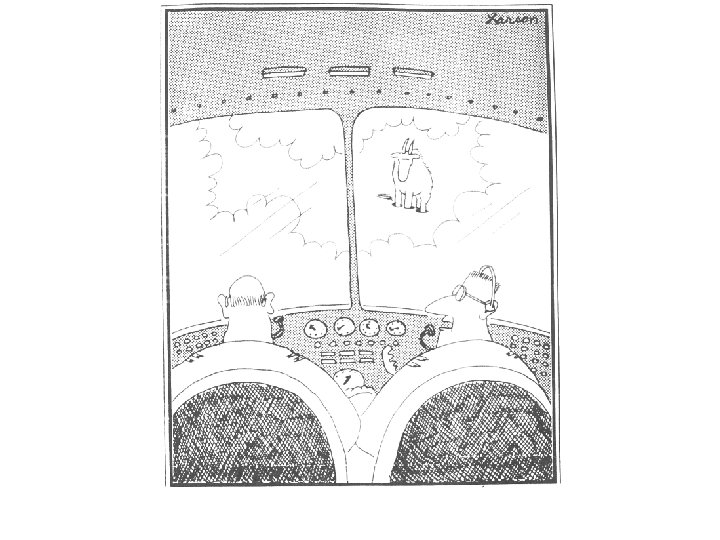
 Interface Interpretation Errors
 Interface Interpretation Errors (2)
 Indirect Mode Changes
 Indirect Mode Changes (2)
 Providing Information and Feedback
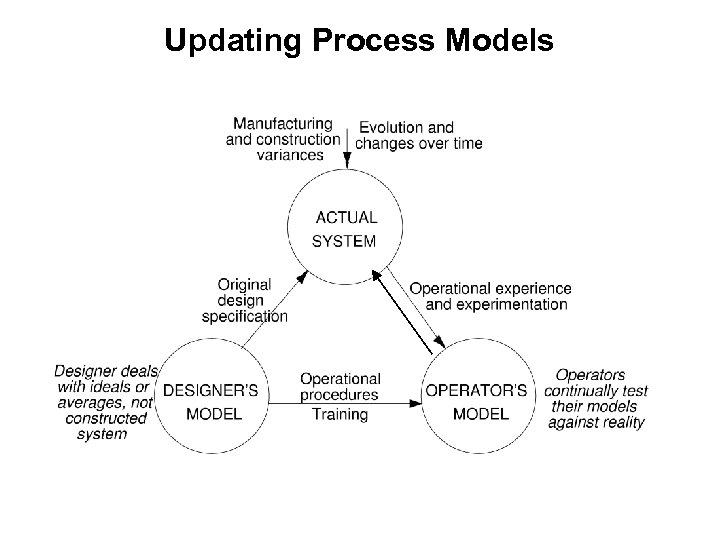
 Updating Mental Models
 Updating Mental Models (2)
 Updating Process Models (3)
 Detecting Faults and Failures
 Example Accident
 Alarms
 Alarms (2)
 Displaying Feedback to Human Controllers
 Displaying Feedback to Human Controllers
 Training and Maintaining Skills
 Training and Maintaining Skills