


 Скачать презентацию Dealing with Inflows Kazakhstan s Experience 2004 -06 Aasim
d36ceec7e3a59e24333c02632db7472a.ppt
- Количество слайдов: 29
 Dealing with Inflows: Kazakhstan’s Experience, 2004 -06 Aasim M. Husain April 2007
 Outline n n n Impressive macro performance Volume and types of inflows Outflows Scaling the net inflows Policy responses Lessons
 Macro Achievements
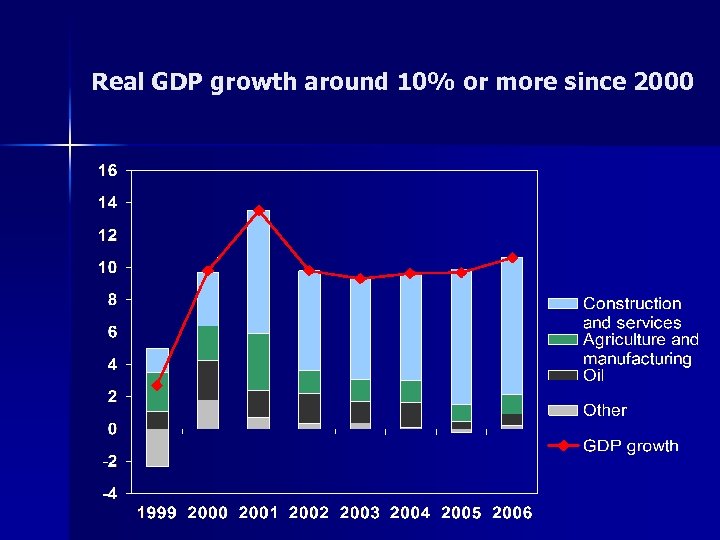 Real GDP growth around 10% or more since 2000
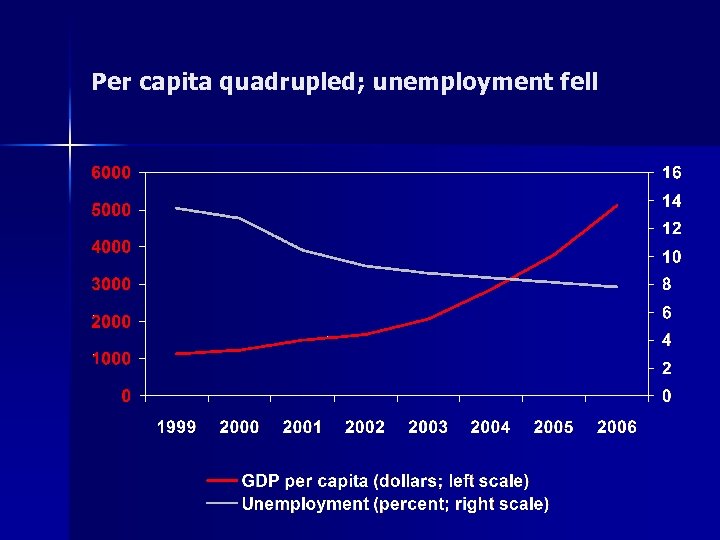 Per capita quadrupled; unemployment fell
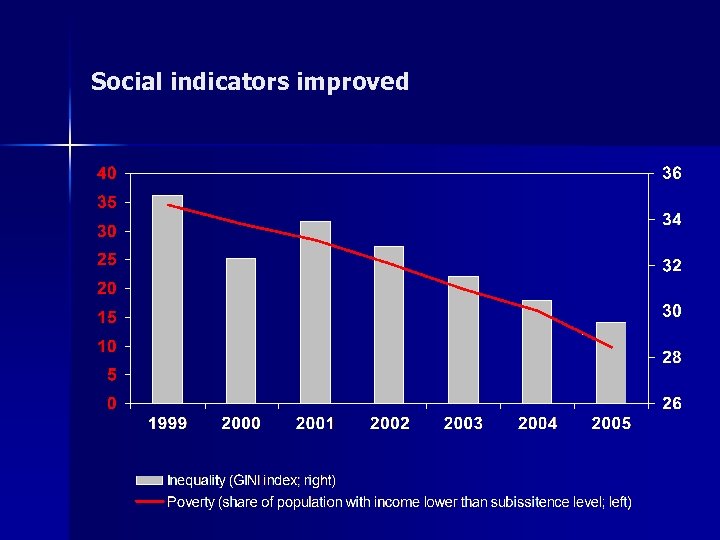 Social indicators improved
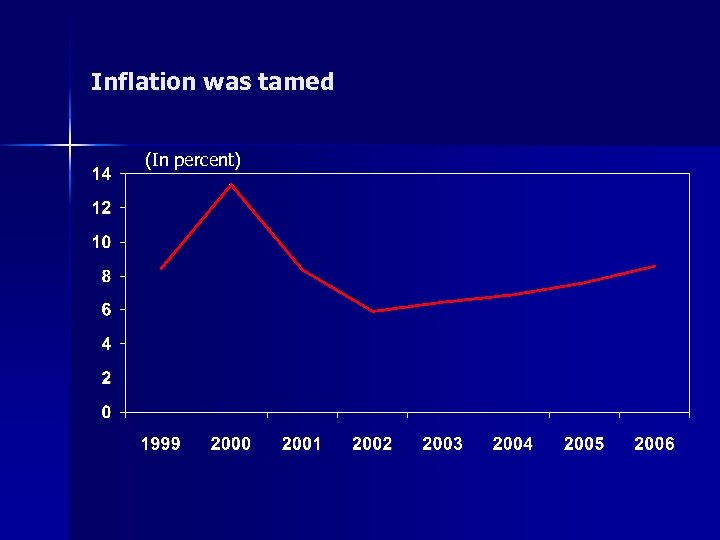 Inflation was tamed (In percent)
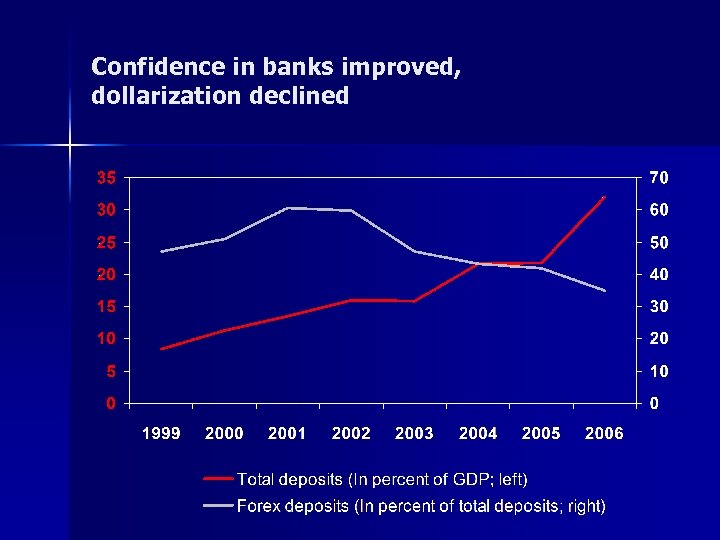 Confidence in banks improved, dollarization declined
 Kazakhstan’s Forex Inflows
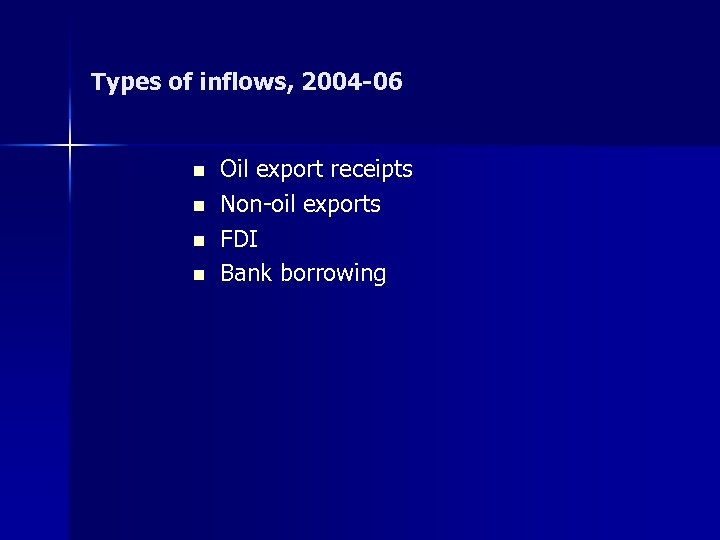 Types of inflows, 2004 -06 n n Oil export receipts Non-oil exports FDI Bank borrowing
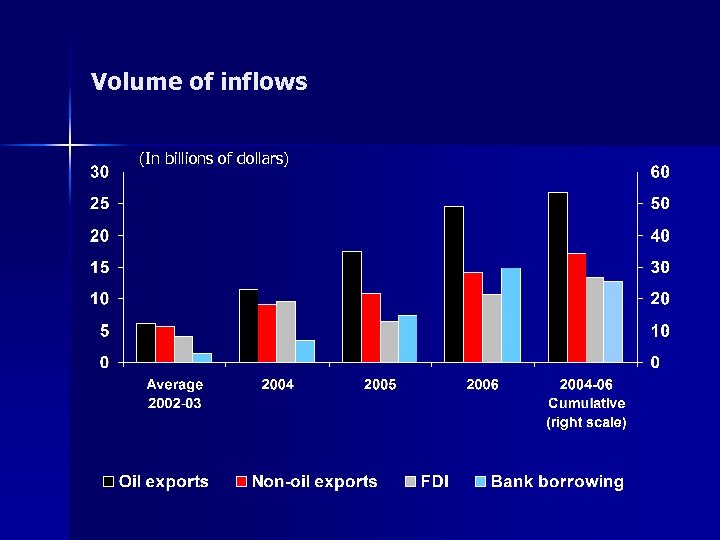 Volume of inflows (In billions of dollars)
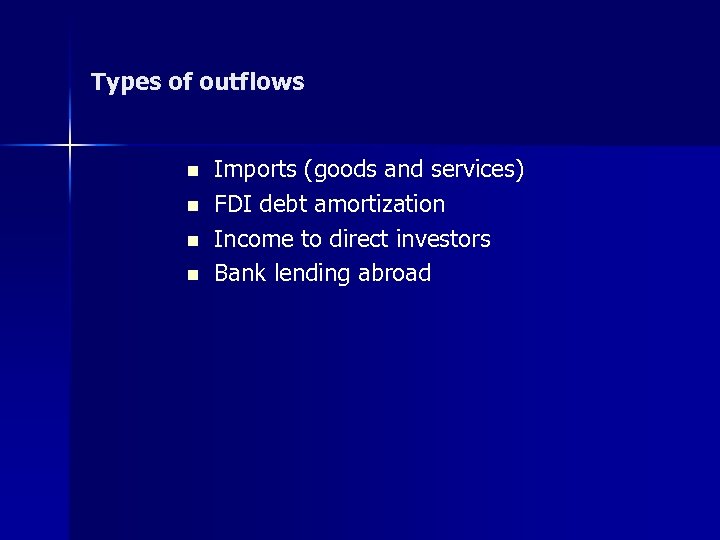 Types of outflows n n Imports (goods and services) FDI debt amortization Income to direct investors Bank lending abroad
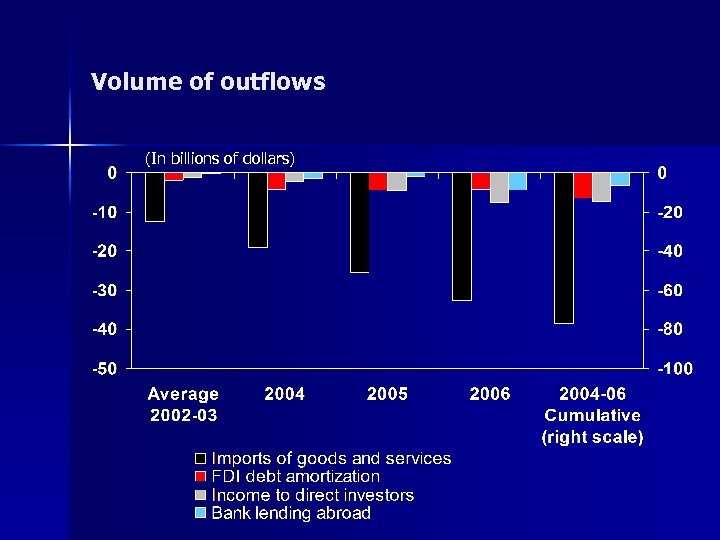 Volume of outflows (In billions of dollars)
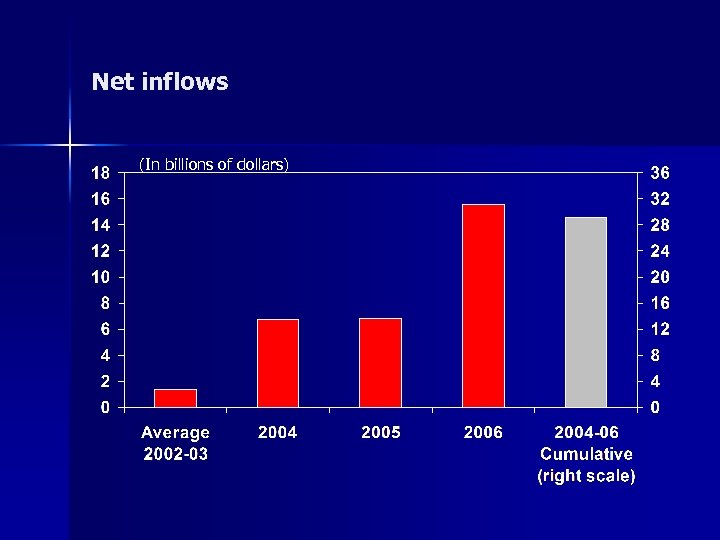 Net inflows (In billions of dollars)
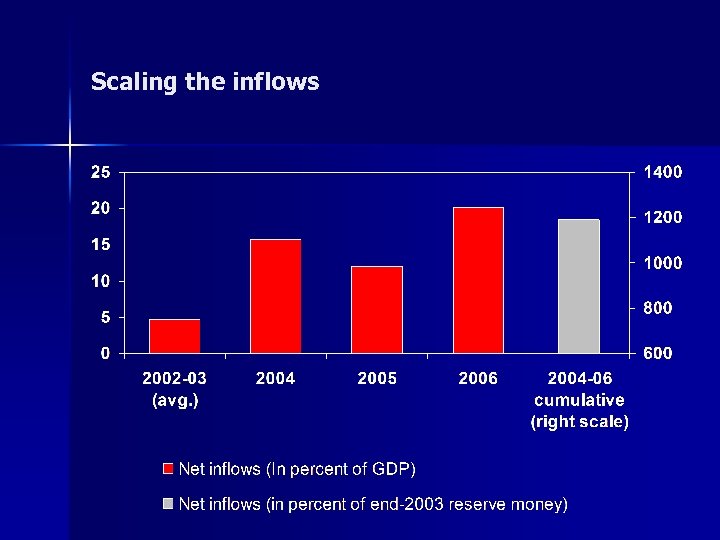 Scaling the inflows
 Policy Responses
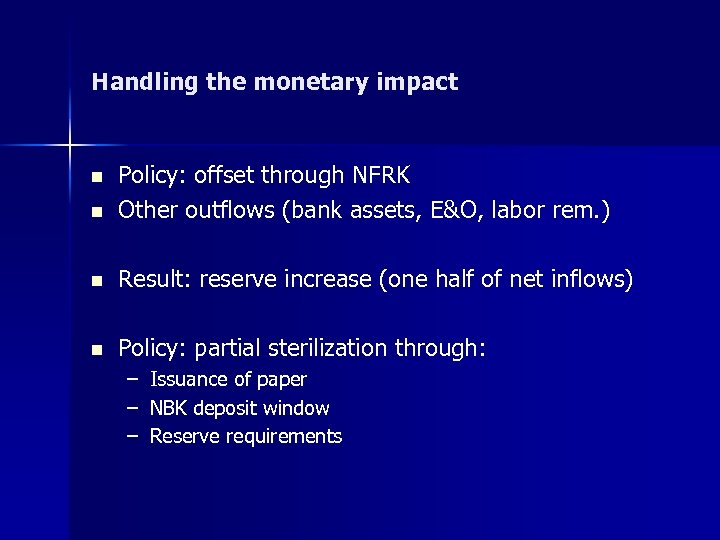 Handling the monetary impact n Policy: offset through NFRK Other outflows (bank assets, E&O, labor rem. ) n Result: reserve increase (one half of net inflows) n Policy: partial sterilization through: n – – – Issuance of paper NBK deposit window Reserve requirements
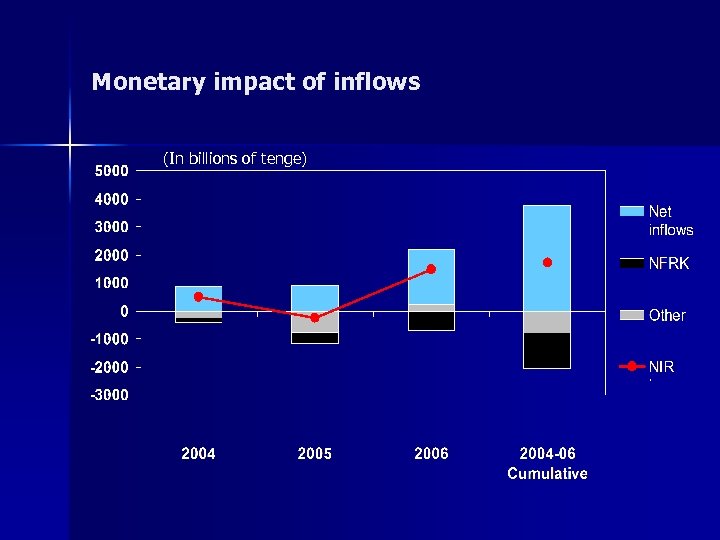 Monetary impact of inflows (In billions of tenge)
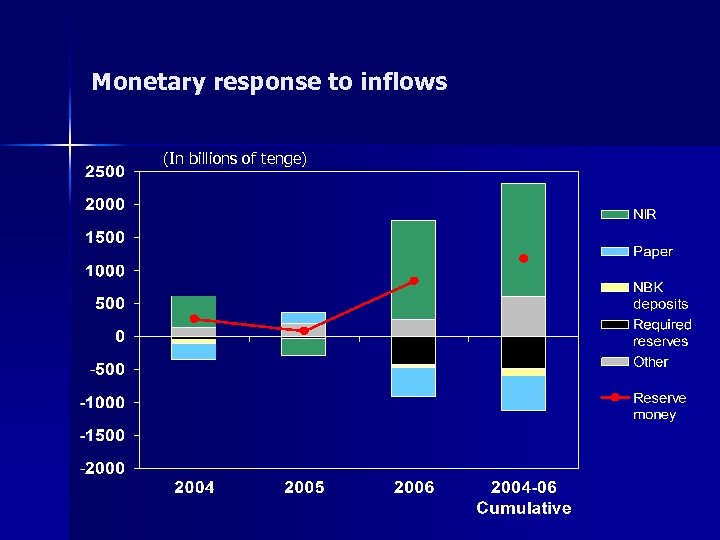 Monetary response to inflows (In billions of tenge)
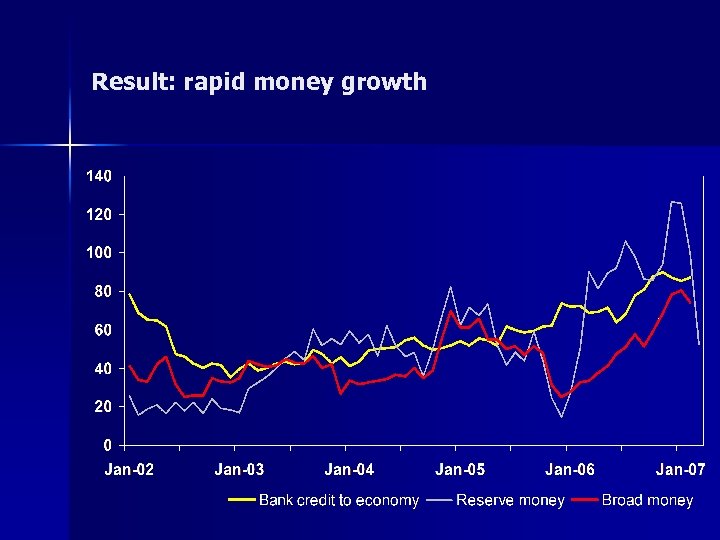 Result: rapid money growth
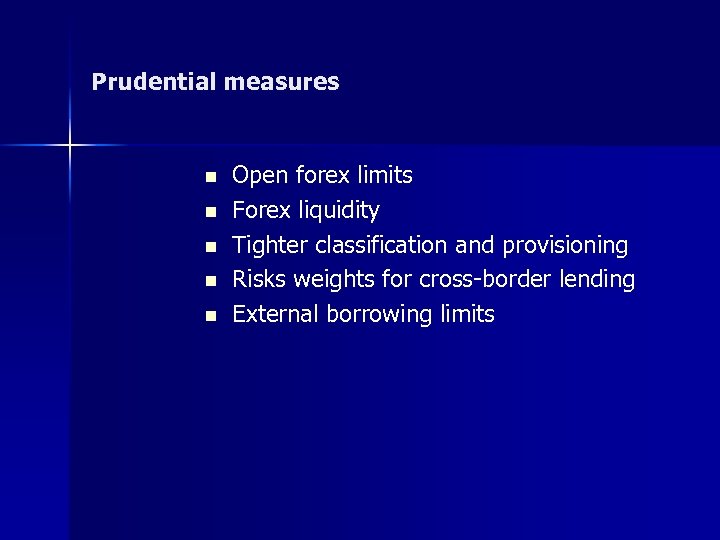 Prudential measures n n n Open forex limits Forex liquidity Tighter classification and provisioning Risks weights for cross-border lending External borrowing limits
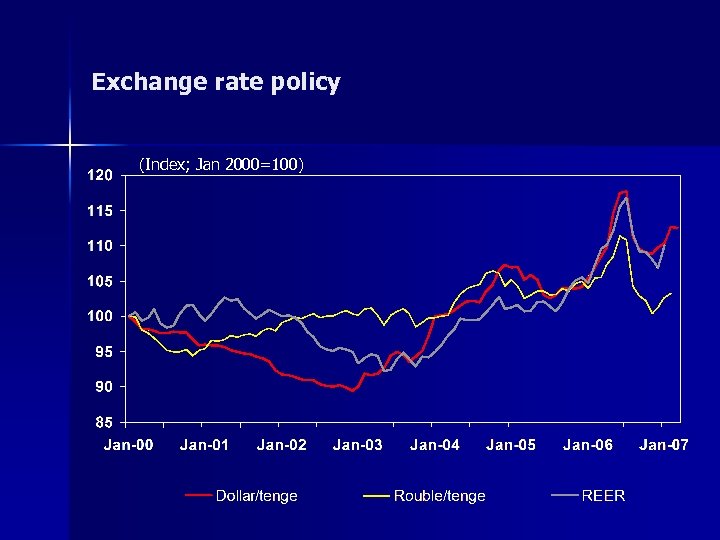 Exchange rate policy (Index; Jan 2000=100)
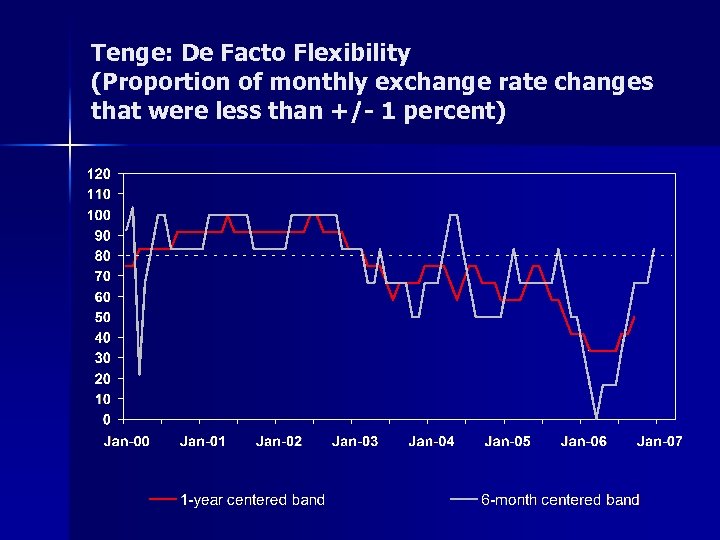 Tenge: De Facto Flexibility (Proportion of monthly exchange rate changes that were less than +/- 1 percent)
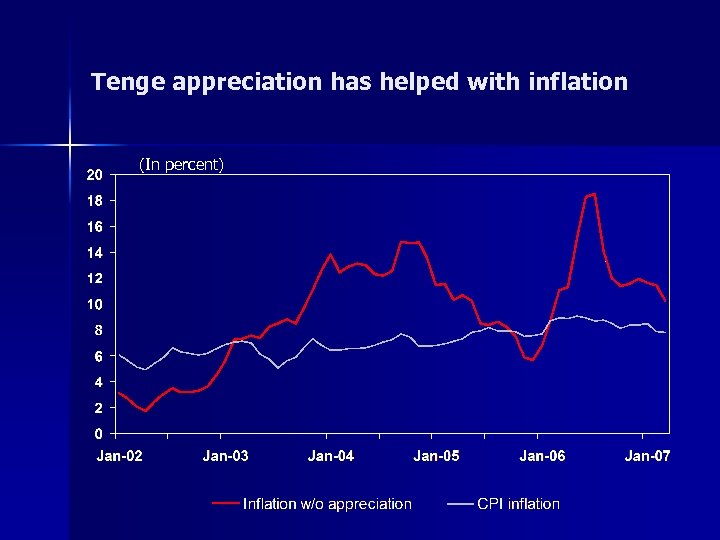 Tenge appreciation has helped with inflation (In percent)
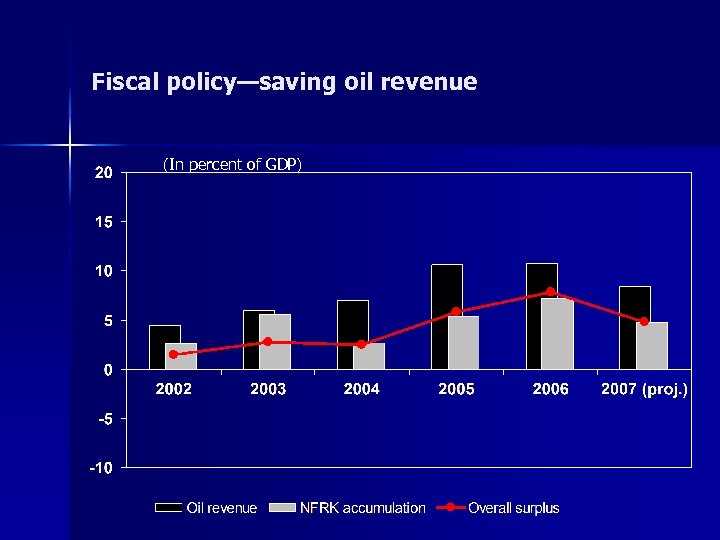 Fiscal policy—saving oil revenue (In percent of GDP)
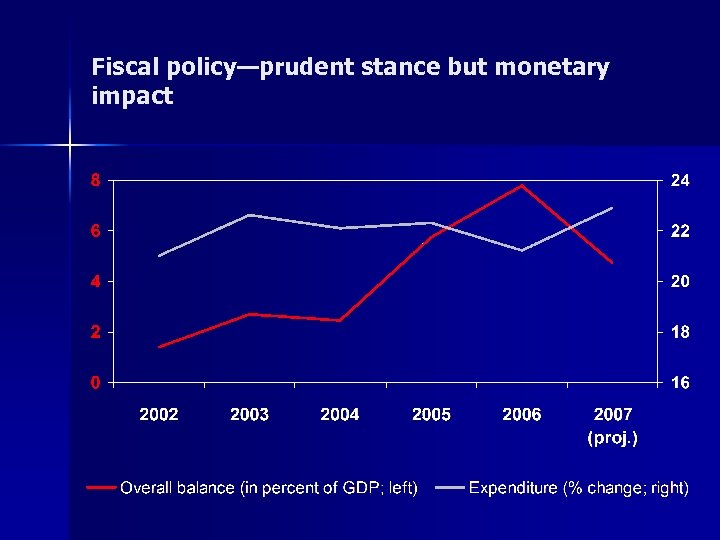 Fiscal policy—prudent stance but monetary impact
 Lessons and Policy Implications
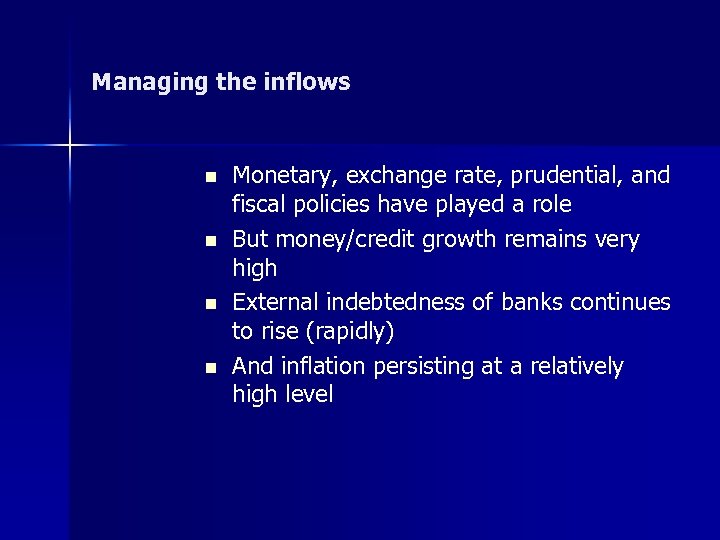 Managing the inflows n n Monetary, exchange rate, prudential, and fiscal policies have played a role But money/credit growth remains very high External indebtedness of banks continues to rise (rapidly) And inflation persisting at a relatively high level
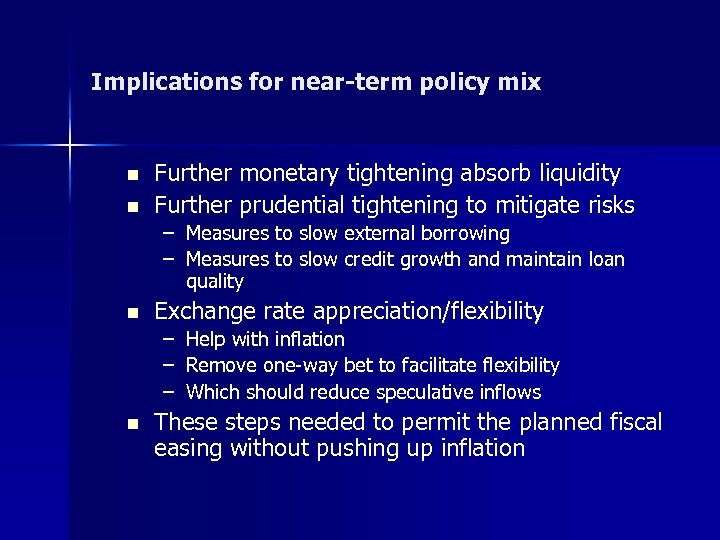 Implications for near-term policy mix n n Further monetary tightening absorb liquidity Further prudential tightening to mitigate risks – Measures to slow external borrowing – Measures to slow credit growth and maintain loan quality n Exchange rate appreciation/flexibility – Help with inflation – Remove one-way bet to facilitate flexibility – Which should reduce speculative inflows n These steps needed to permit the planned fiscal easing without pushing up inflation