


 Скачать презентацию Deafness in Dogs Causes Prevalence and Current Research
2f48a8121b0384f81a17aa972d08c9fc.ppt
- Количество слайдов: 39
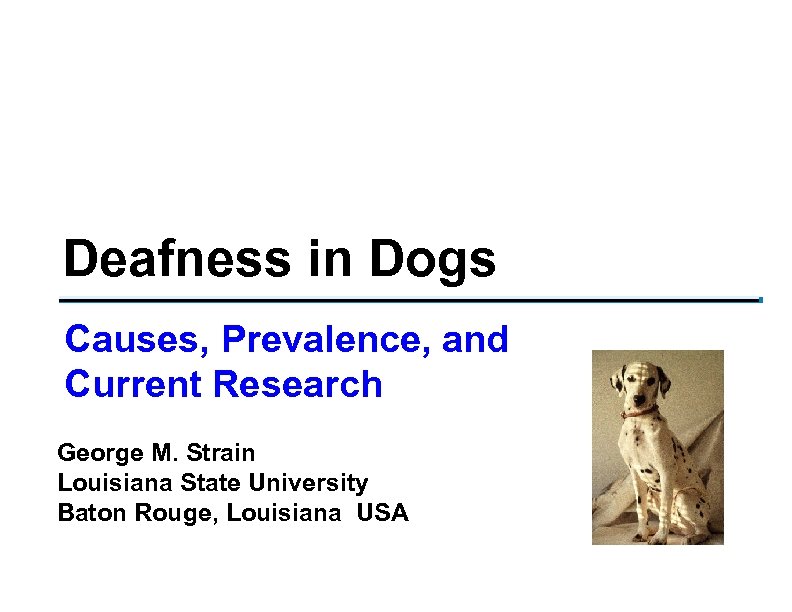 Deafness in Dogs Causes, Prevalence, and Current Research George M. Strain Louisiana State University Baton Rouge, Louisiana USA
 Forms of Deafness n inherited or acquired n congenital or later-onset n sensorineural or conductive n Result: eight possible combinations (i. e. , acquired later-onset sensorineural deafness)
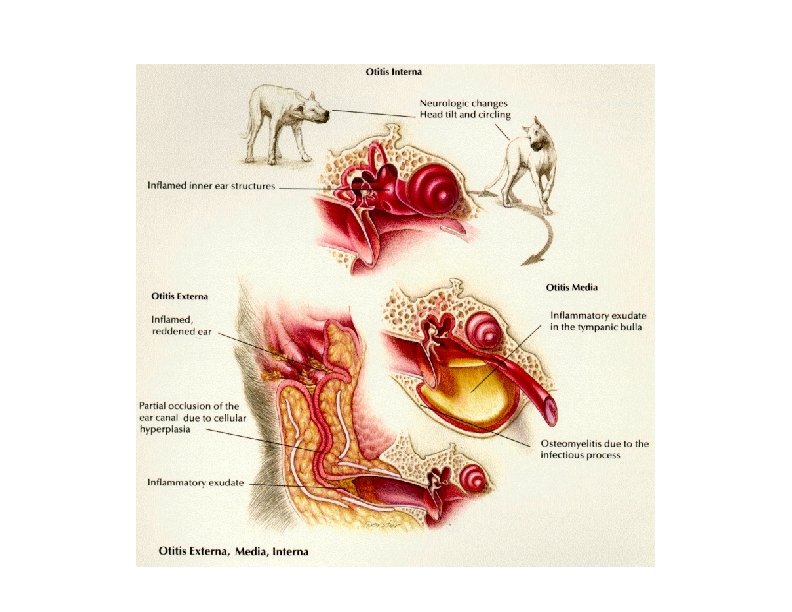
 Definitions n n sensorineural deafness - loss of function because of loss of cochlear hair cells or cochlear nerve neurons conductive deafness - blockage of sound transmission through outer and/or middle ear without damage to cochlea
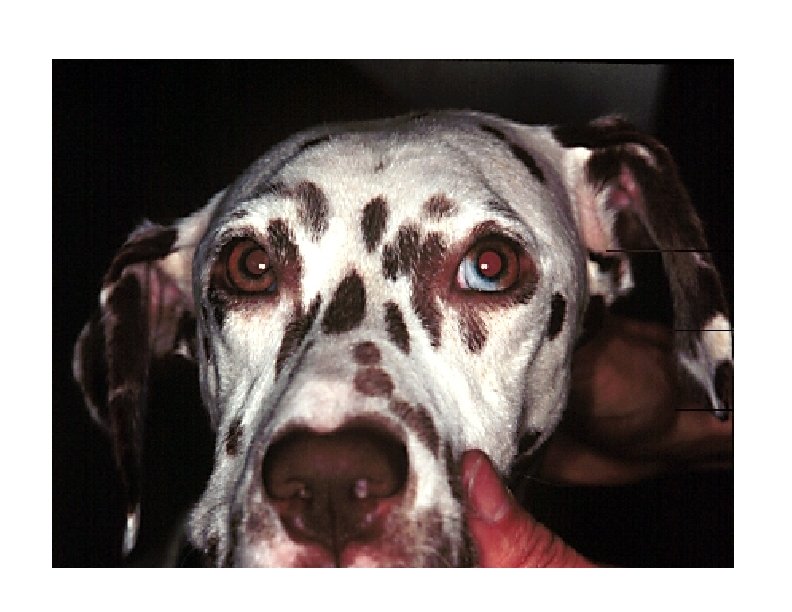
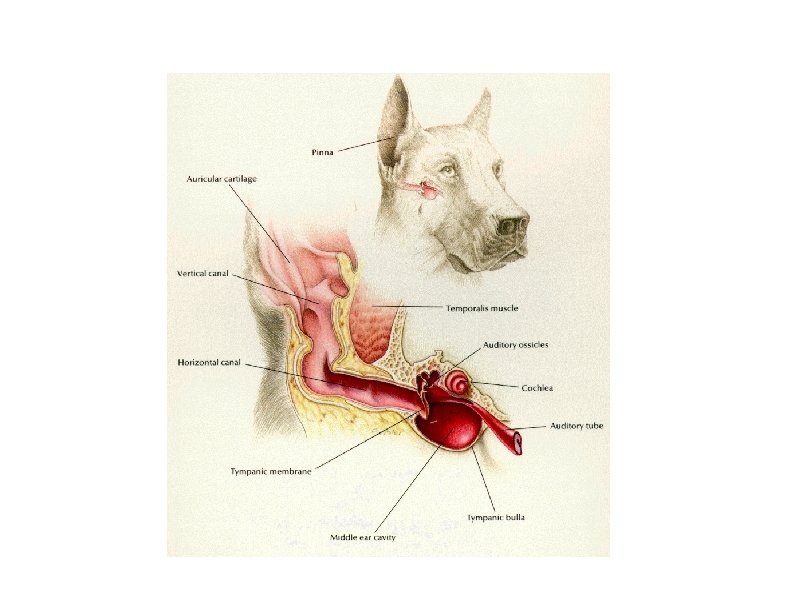
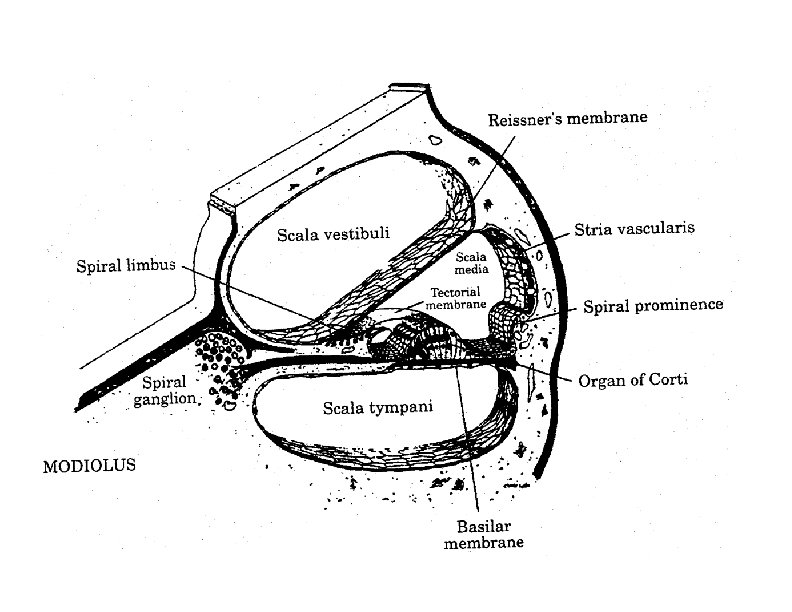
 Inherited Congenital Sensorineural Deafness n usually associated with the genes responsible for white hair è piebald gene (sp) and extreme piebald (sw) gene è merle (M) gene deafness develops at 3 -4 weeks of age after the blood supply to the cochlea (stria vascularis) degenerates n strial degeneration is thought to result from absence of pigment cells (melanocytes) n other pigmentation effects are frequently seen n
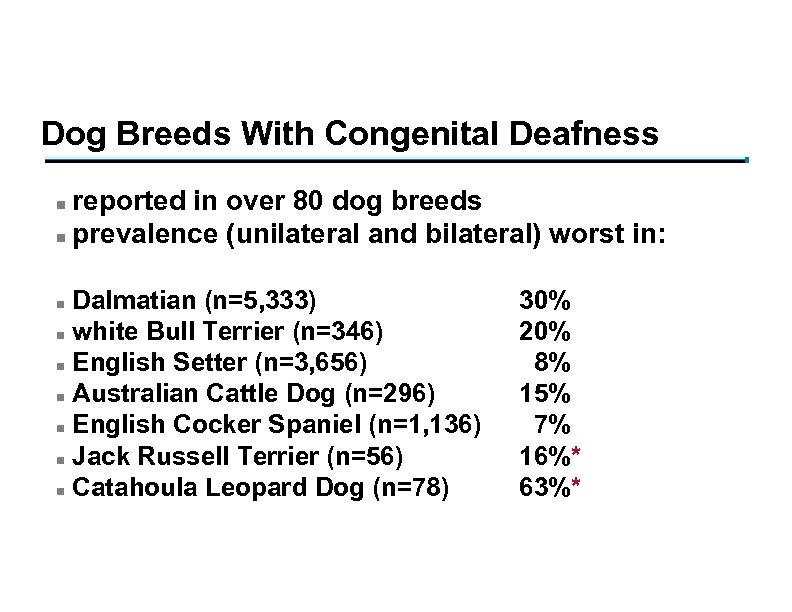 Dog Breeds With Congenital Deafness reported in over 80 dog breeds n prevalence (unilateral and bilateral) worst in: n Dalmatian (n=5, 333) n white Bull Terrier (n=346) n English Setter (n=3, 656) n Australian Cattle Dog (n=296) n English Cocker Spaniel (n=1, 136) n Jack Russell Terrier (n=56) n Catahoula Leopard Dog (n=78) n 30% 20% 8% 15% 7% 16%* 63%*
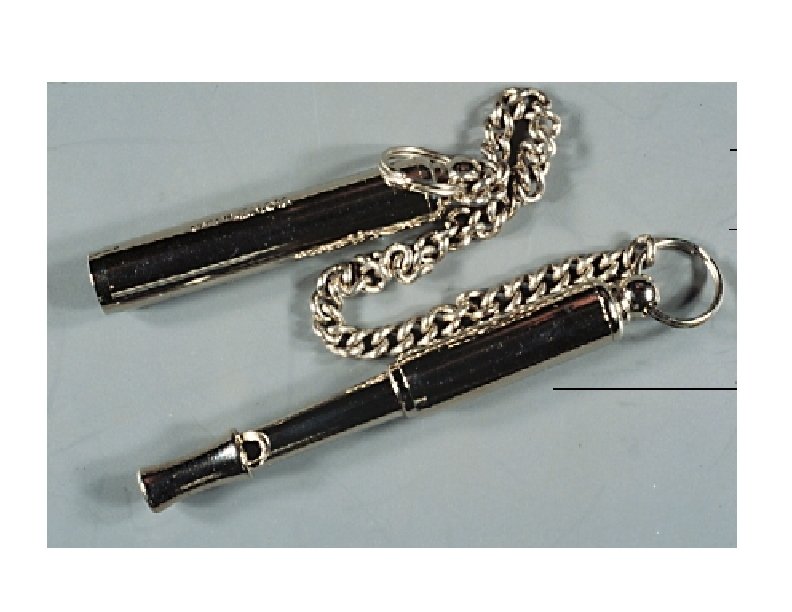
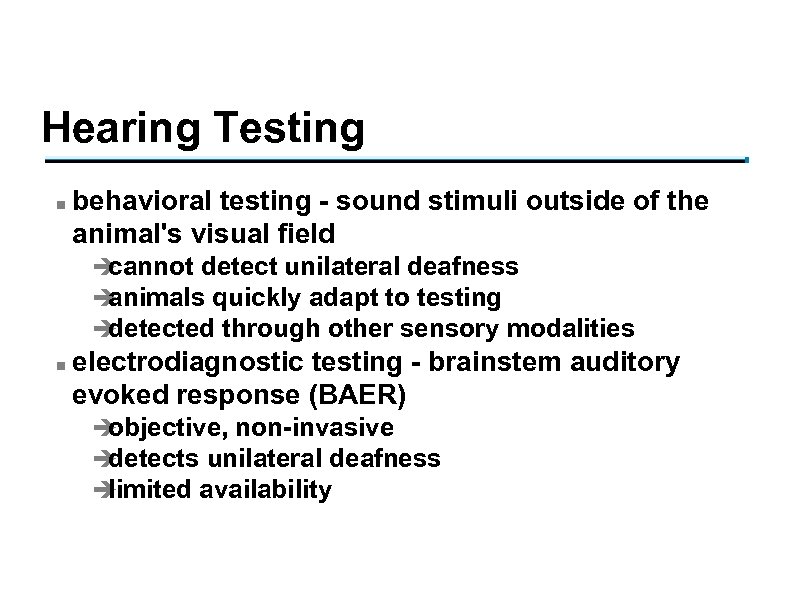 Hearing Testing n behavioral testing - sound stimuli outside of the animal's visual field è cannot detect unilateral deafness è animals quickly adapt to testing è detected through other sensory modalities n electrodiagnostic testing - brainstem auditory evoked response (BAER) è objective, non-invasive è detects unilateral deafness è limited availability

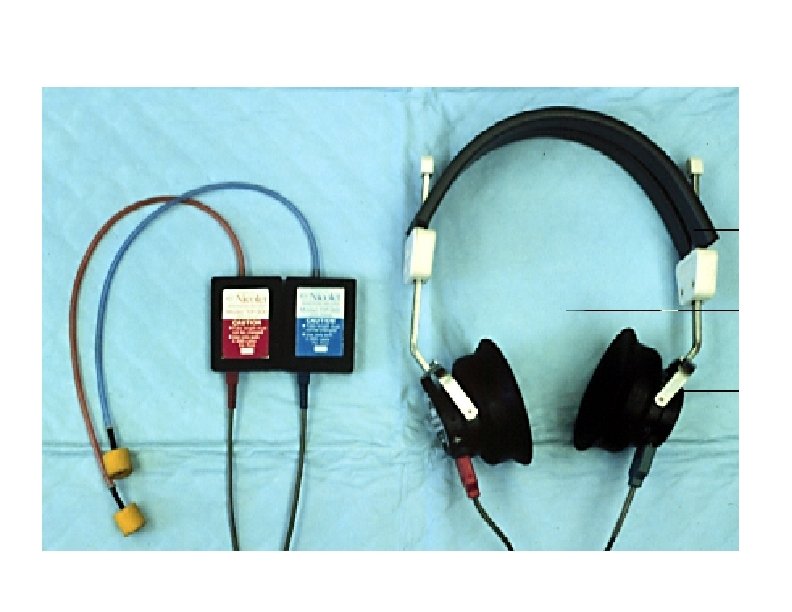
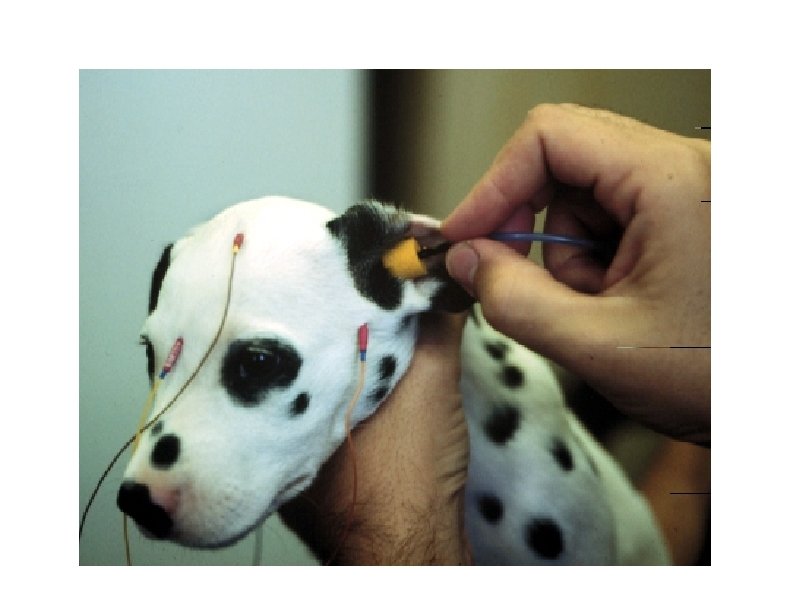
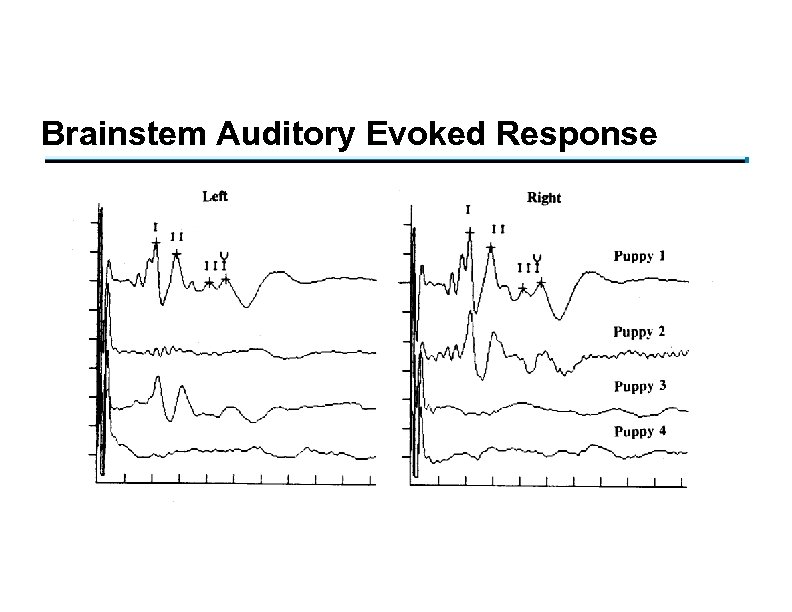 Brainstem Auditory Evoked Response
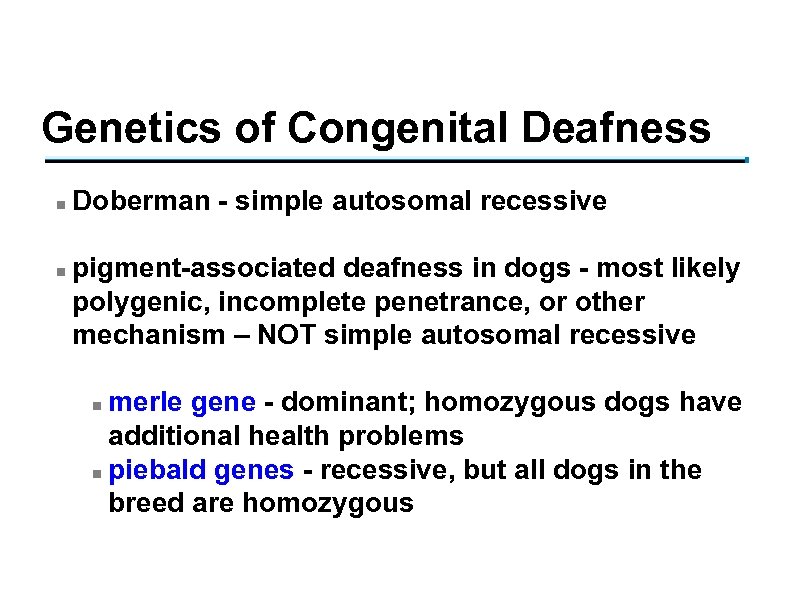 Genetics of Congenital Deafness n n Doberman - simple autosomal recessive pigment-associated deafness in dogs - most likely polygenic, incomplete penetrance, or other mechanism – NOT simple autosomal recessive merle gene - dominant; homozygous dogs have additional health problems n piebald genes - recessive, but all dogs in the breed are homozygous n
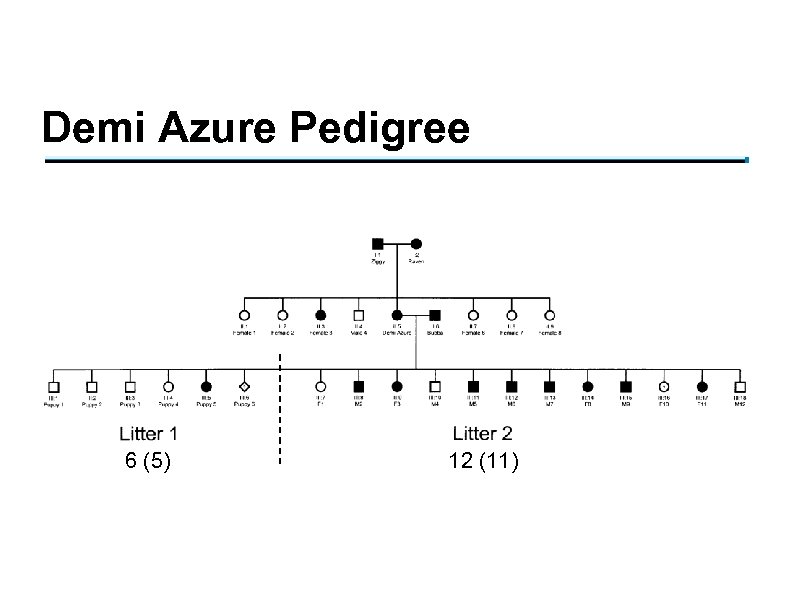 Demi Azure Pedigree 6 (5) 12 (11)
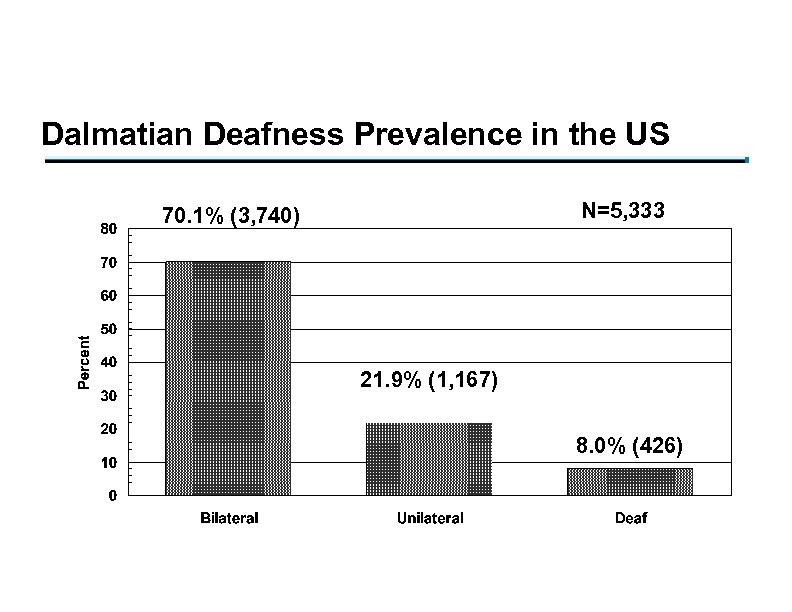 Dalmatian Deafness Prevalence in the US N=5, 333 70. 1% (3, 740) 21. 9% (1, 167) 8. 0% (426)
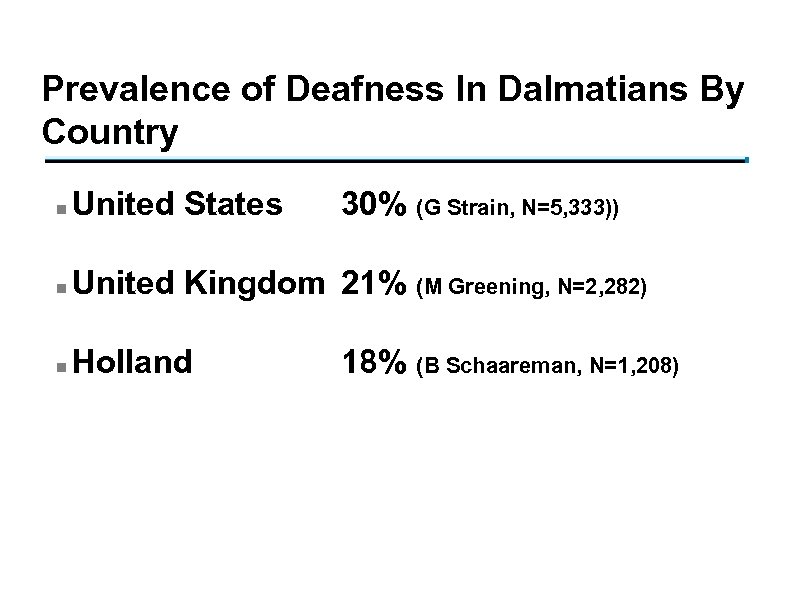 Prevalence of Deafness In Dalmatians By Country n United States 30% (G Strain, N=5, 333)) n United Kingdom 21% (M Greening, N=2, 282) n Holland 18% (B Schaareman, N=1, 208)
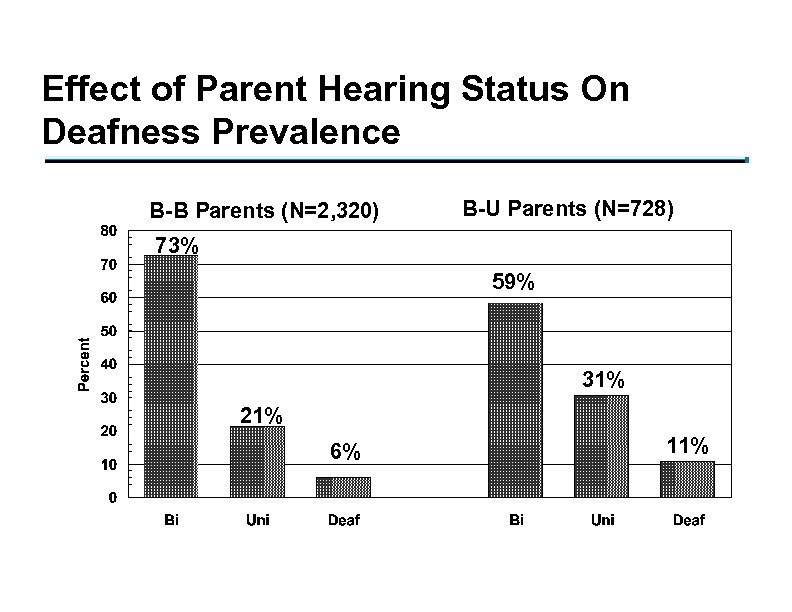 Effect of Parent Hearing Status On Deafness Prevalence B-B Parents (N=2, 320) B-U Parents (N=728) 73% 59% 31% 21% 6% 11%
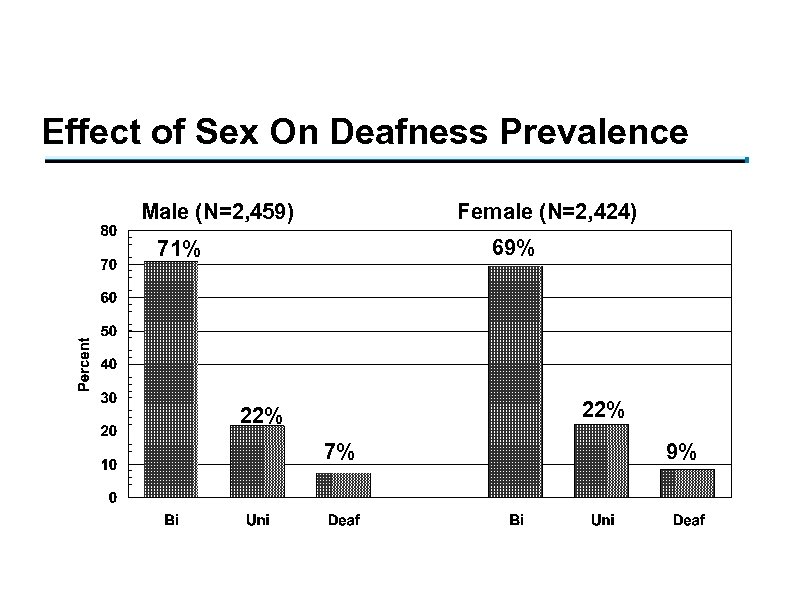 Effect of Sex On Deafness Prevalence Male (N=2, 459) Female (N=2, 424) 69% 71% 22% 7% 9%
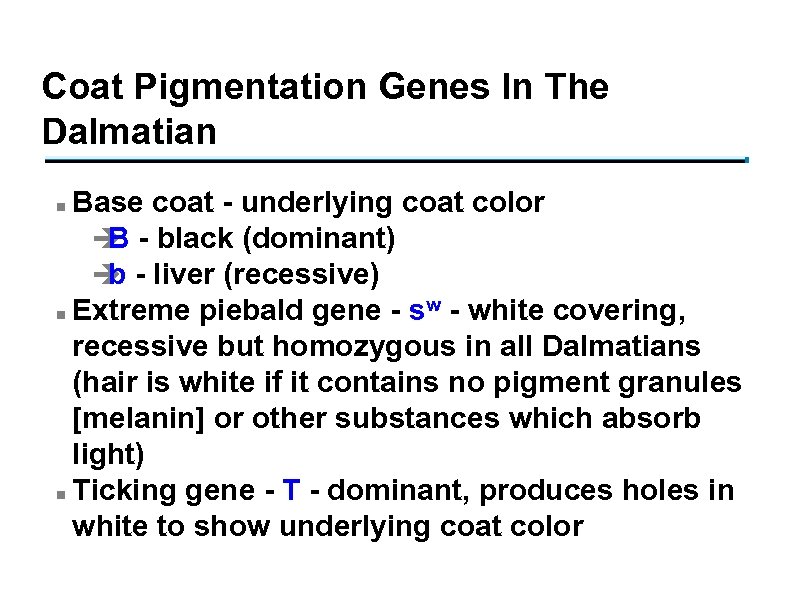 Coat Pigmentation Genes In The Dalmatian Base coat - underlying coat color è - black (dominant) B è - liver (recessive) b w - white covering, n Extreme piebald gene - s recessive but homozygous in all Dalmatians (hair is white if it contains no pigment granules [melanin] or other substances which absorb light) n Ticking gene - T - dominant, produces holes in white to show underlying coat color n
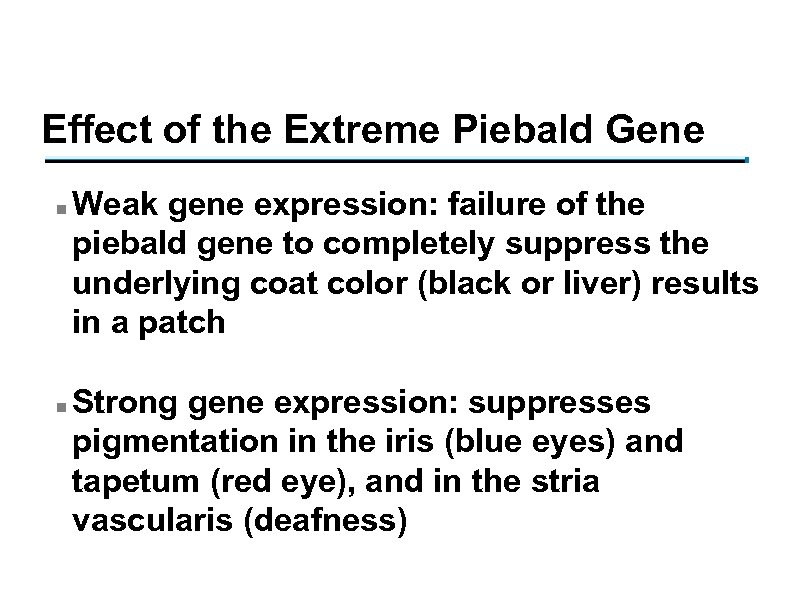 Effect of the Extreme Piebald Gene n n Weak gene expression: failure of the piebald gene to completely suppress the underlying coat color (black or liver) results in a patch Strong gene expression: suppresses pigmentation in the iris (blue eyes) and tapetum (red eye), and in the stria vascularis (deafness)
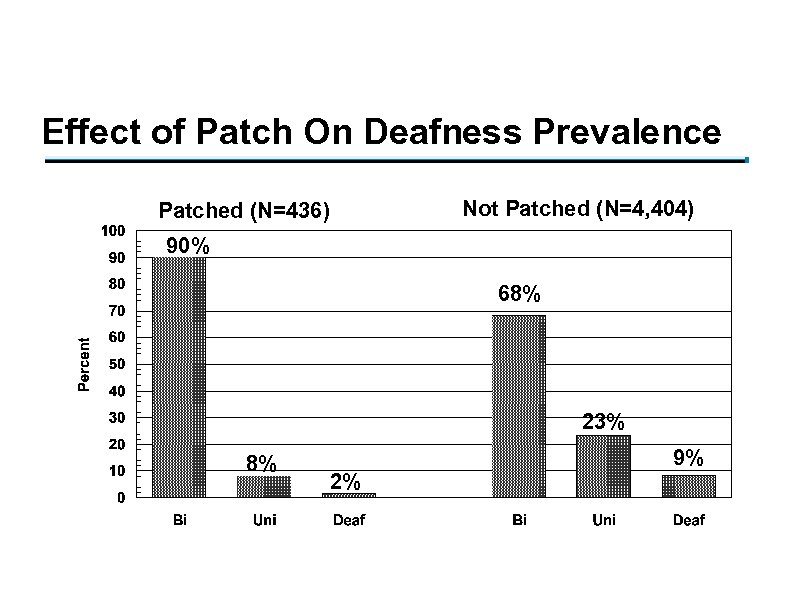 Effect of Patch On Deafness Prevalence Not Patched (N=4, 404) Patched (N=436) 90% 68% 23% 8% 2% 9%
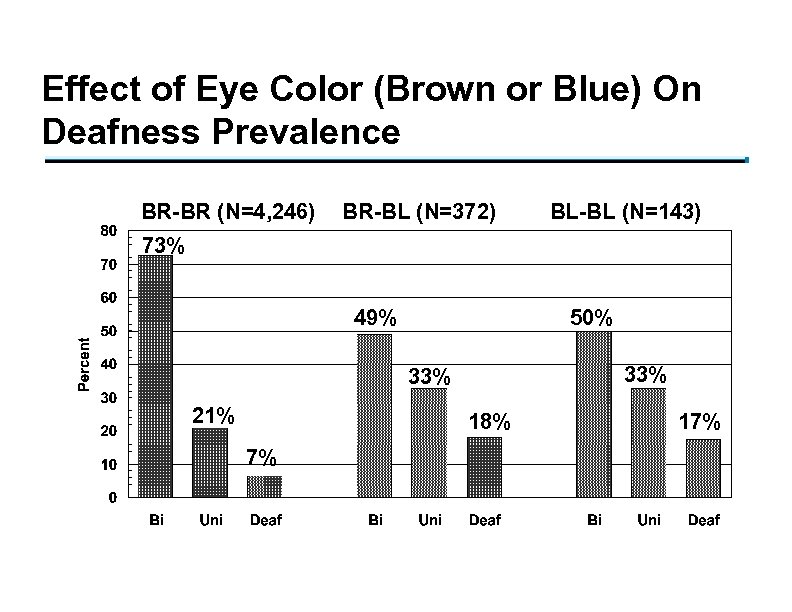 Effect of Eye Color (Brown or Blue) On Deafness Prevalence BR-BR (N=4, 246) BR-BL (N=372) BL-BL (N=143) 73% 49% 50% 33% 21% 18% 7% 17%
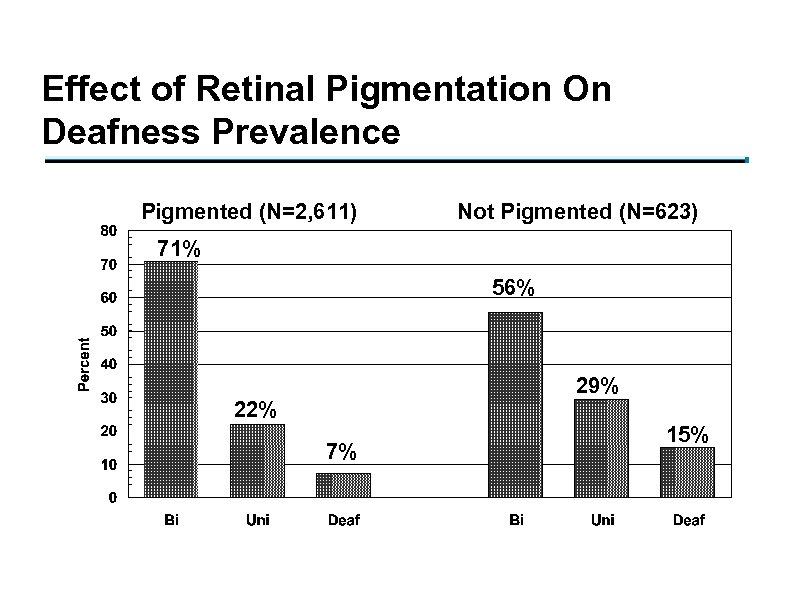 Effect of Retinal Pigmentation On Deafness Prevalence Pigmented (N=2, 611) Not Pigmented (N=623) 71% 56% 29% 22% 7% 15%
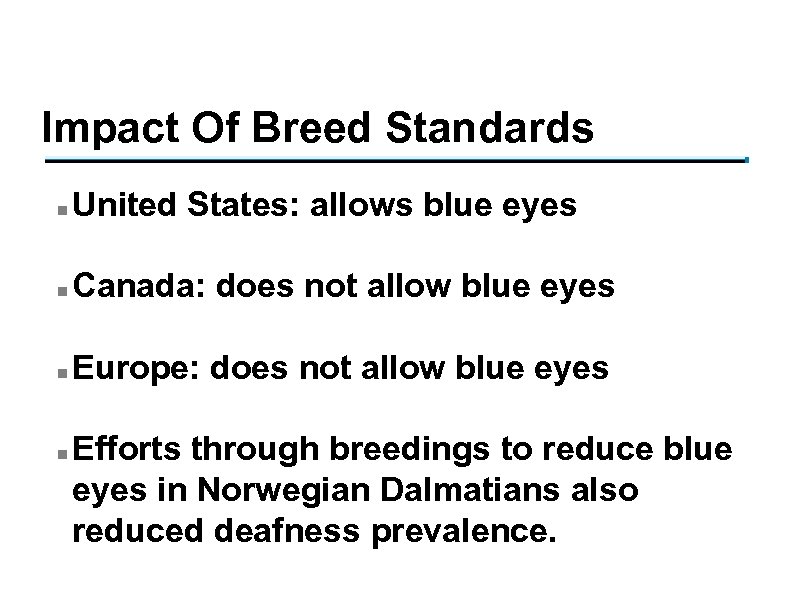 Impact Of Breed Standards n United States: allows blue eyes n Canada: does not allow blue eyes n Europe: does not allow blue eyes n Efforts through breedings to reduce blue eyes in Norwegian Dalmatians also reduced deafness prevalence.
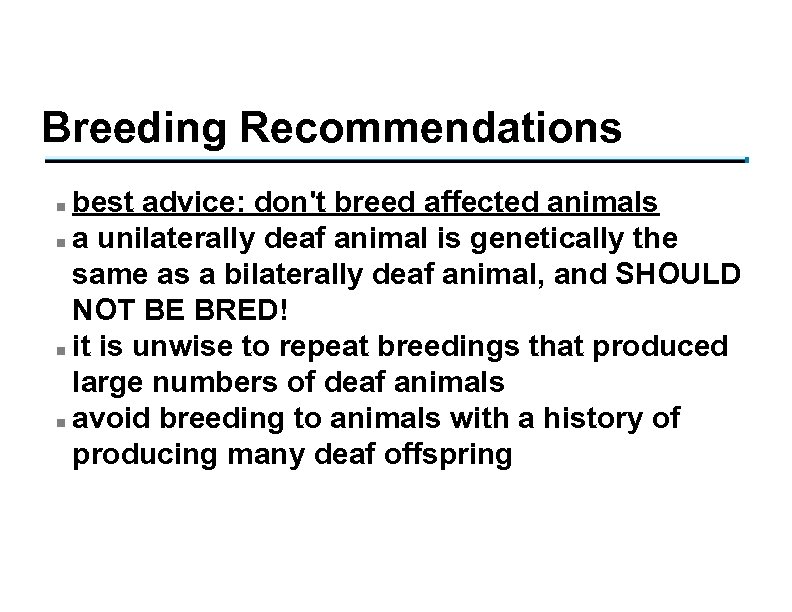 Breeding Recommendations best advice: don't breed affected animals n a unilaterally deaf animal is genetically the same as a bilaterally deaf animal, and SHOULD NOT BE BRED! n it is unwise to repeat breedings that produced large numbers of deaf animals n avoid breeding to animals with a history of producing many deaf offspring n
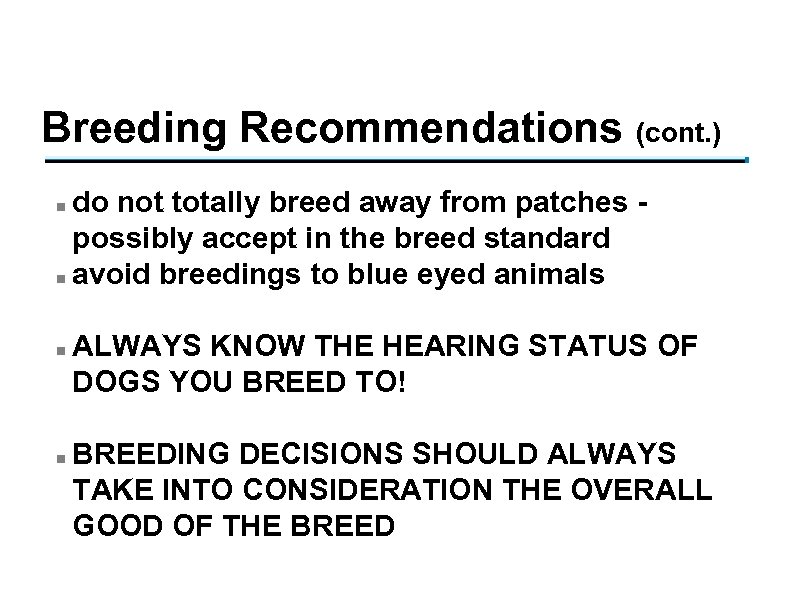 Breeding Recommendations (cont. ) do not totally breed away from patches possibly accept in the breed standard n avoid breedings to blue eyed animals n n n ALWAYS KNOW THE HEARING STATUS OF DOGS YOU BREED TO! BREEDING DECISIONS SHOULD ALWAYS TAKE INTO CONSIDERATION THE OVERALL GOOD OF THE BREED
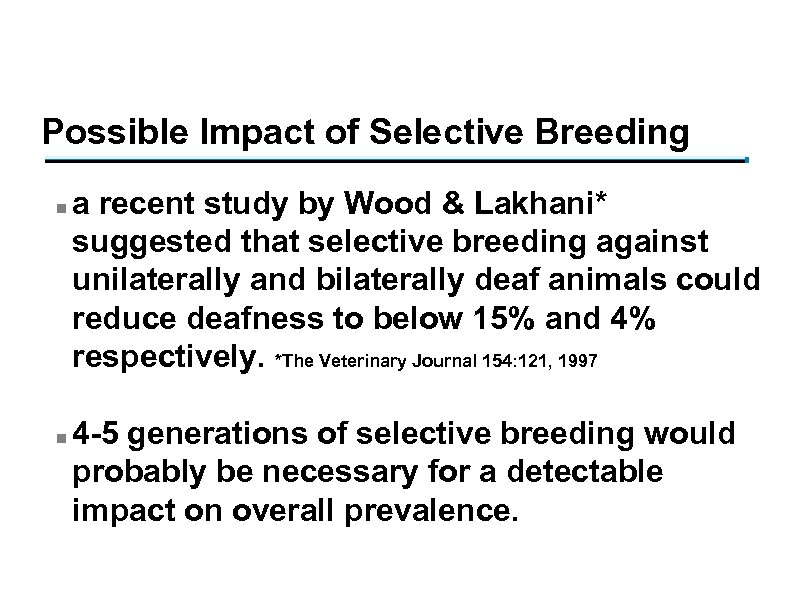 Possible Impact of Selective Breeding n n a recent study by Wood & Lakhani* suggested that selective breeding against unilaterally and bilaterally deaf animals could reduce deafness to below 15% and 4% respectively. *The Veterinary Journal 154: 121, 1997 4 -5 generations of selective breeding would probably be necessary for a detectable impact on overall prevalence.
 Current Research
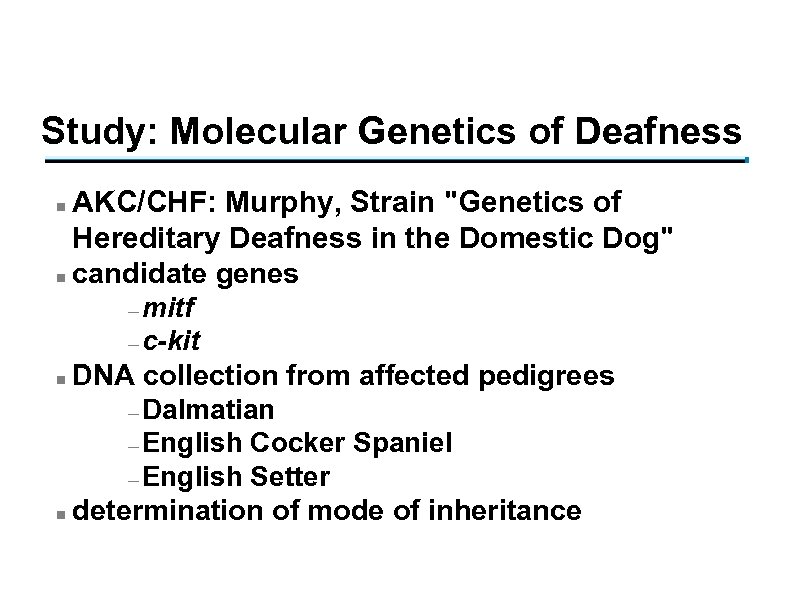 Study: Molecular Genetics of Deafness AKC/CHF: Murphy, Strain "Genetics of Hereditary Deafness in the Domestic Dog" n candidate genes n – mitf – c-kit DNA collection from affected pedigrees – Dalmatian – English Cocker Spaniel – English Setter n determination of mode of inheritance n
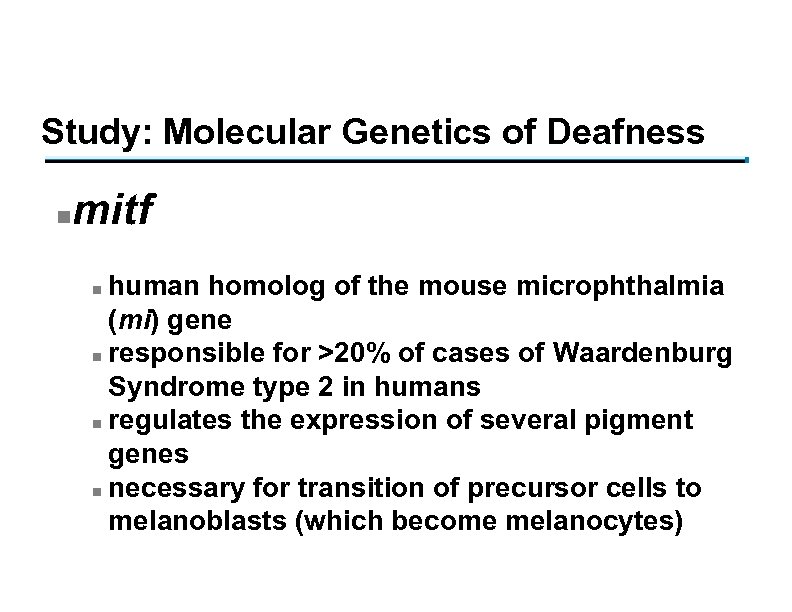 Study: Molecular Genetics of Deafness n mitf human homolog of the mouse microphthalmia (mi) gene n responsible for >20% of cases of Waardenburg Syndrome type 2 in humans n regulates the expression of several pigment genes n necessary for transition of precursor cells to melanoblasts (which become melanocytes) n
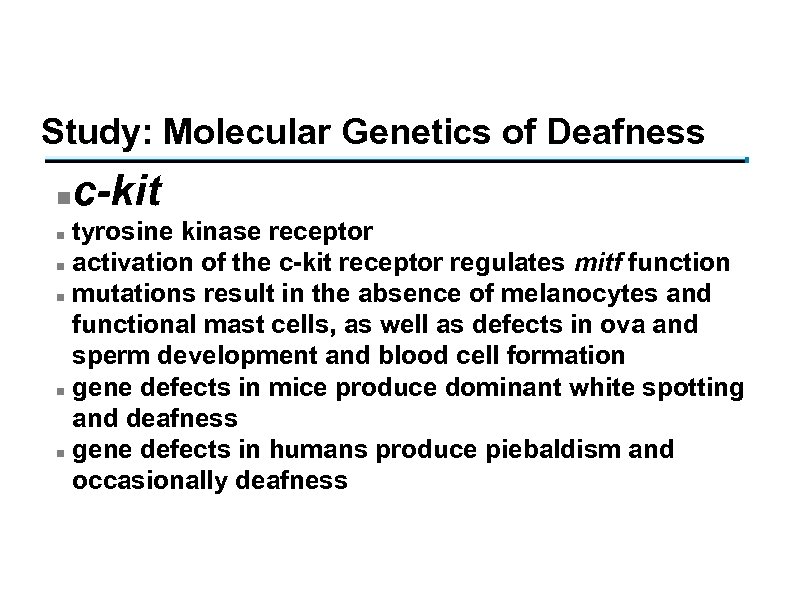 Study: Molecular Genetics of Deafness n c-kit tyrosine kinase receptor n activation of the c-kit receptor regulates mitf function n mutations result in the absence of melanocytes and functional mast cells, as well as defects in ova and sperm development and blood cell formation n gene defects in mice produce dominant white spotting and deafness n gene defects in humans produce piebaldism and occasionally deafness n
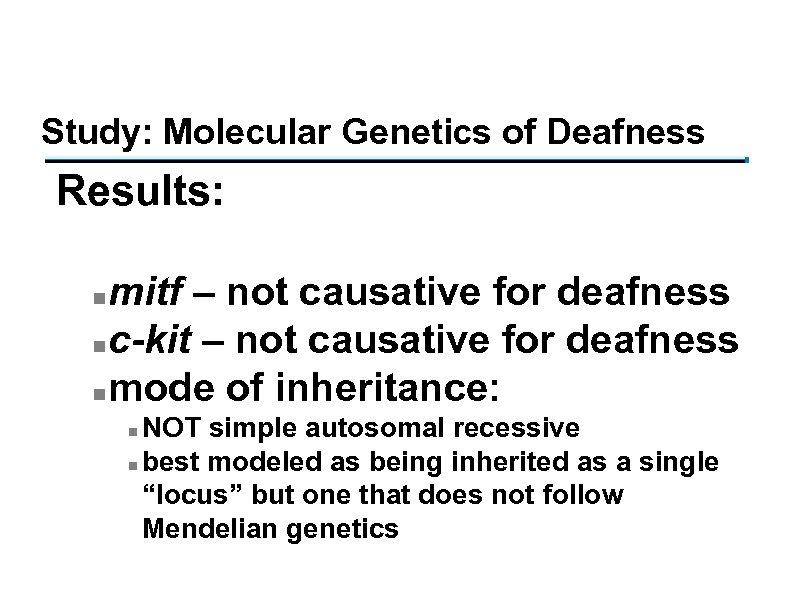 Study: Molecular Genetics of Deafness Results: mitf – not causative for deafness n c-kit – not causative for deafness n mode of inheritance: n NOT simple autosomal recessive n best modeled as being inherited as a single “locus” but one that does not follow Mendelian genetics n
 Other Ongoing Molecular Genetic Studies • AKC/CHF: Murphy, Strain: "Whole genome screens using microsatellite markers in genetic analyses of hereditary deafness in the Dalmatian and English Setter“ • pedigree of >200 Dalmatians with DNA • English setter pedigree being assembled • whole-genome screens underway • further funding being sought from NIH & CHF
 References: Strain GM. Deafness in Dogs & Cats web page: www. lsu. edu/deafness/deaf. htm n Strain GM. 1996. Aetiology, prevalence and diagnosis of deafness in dogs and cats. British Veterinary Journal 152 (1): 17 -36. n Little CC. 1957. The Inheritance Of Coat Color in Dogs. Howell Book House: New York. 194 pp. n Searle AG. 1968. Comparative Genetics of Coat Colour In Mammals. Logos Press/ Academic Press: London. 310 pp. n
 Deafness in Dogs & Cats Web Site: www. lsu. edu/deafness/deaf. htm strain@lsu. edu