


 Скачать презентацию Dangers to navigation When approaching land ships
Dangers to navigation.ppt
- Количество слайдов: 69
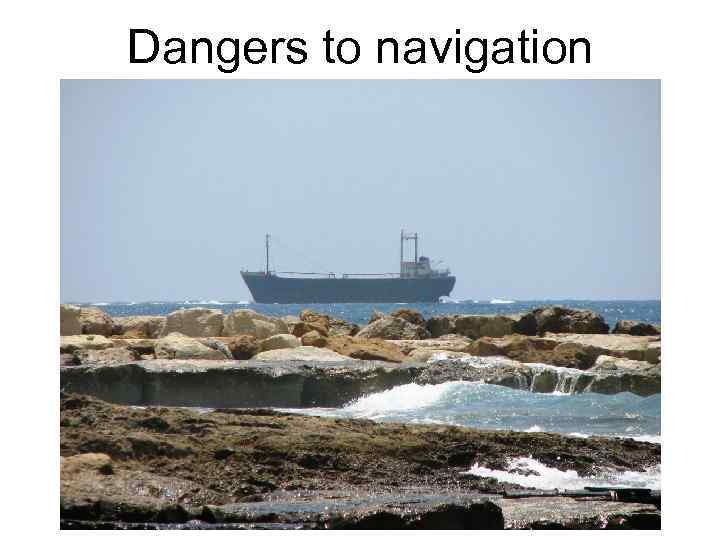 Dangers to navigation
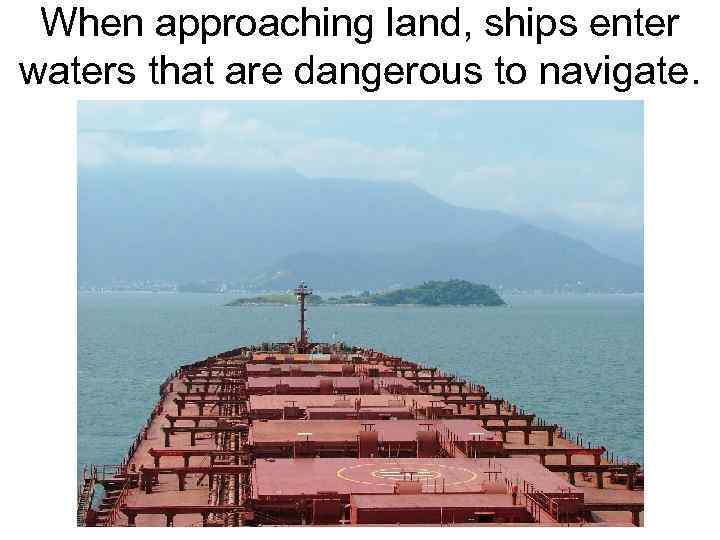 When approaching land, ships enter waters that are dangerous to navigate.
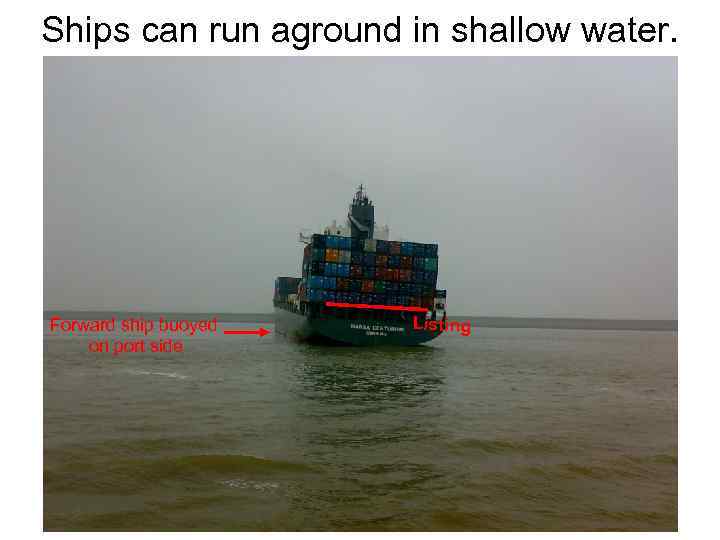 Ships can run aground in shallow water. Forward ship buoyed on port side Listing
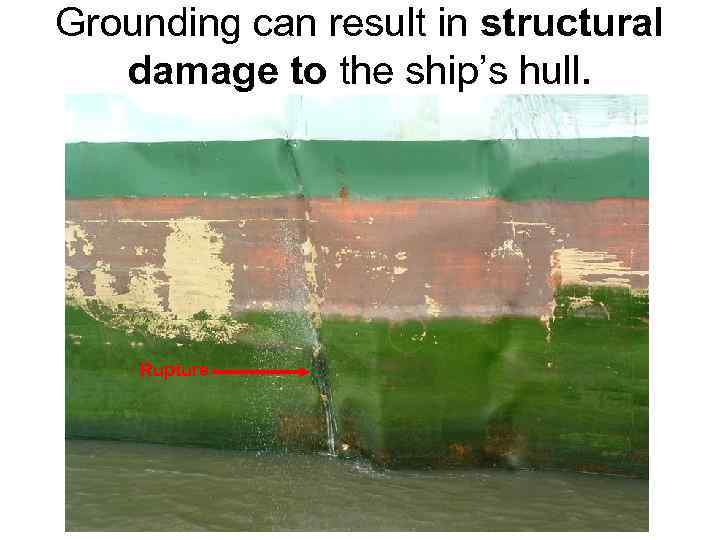 Grounding can result in structural damage to the ship’s hull. Rupture
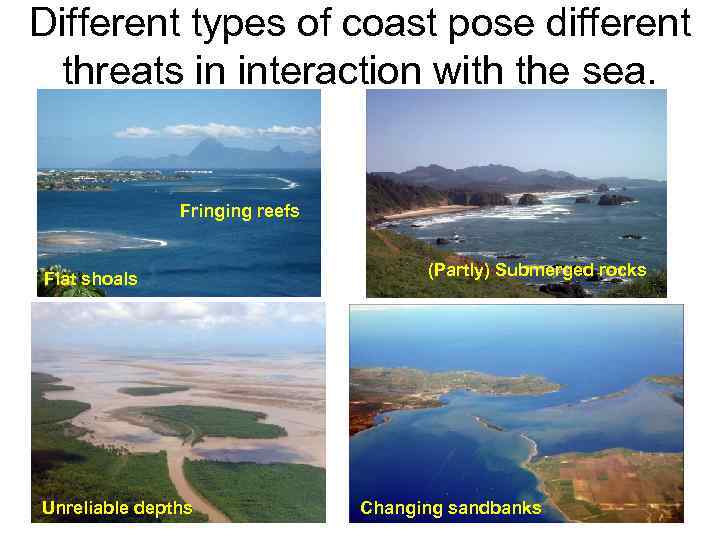 Different types of coast pose different threats in interaction with the sea. Fringing reefs Flat shoals Unreliable depths (Partly) Submerged rocks Changing sandbanks
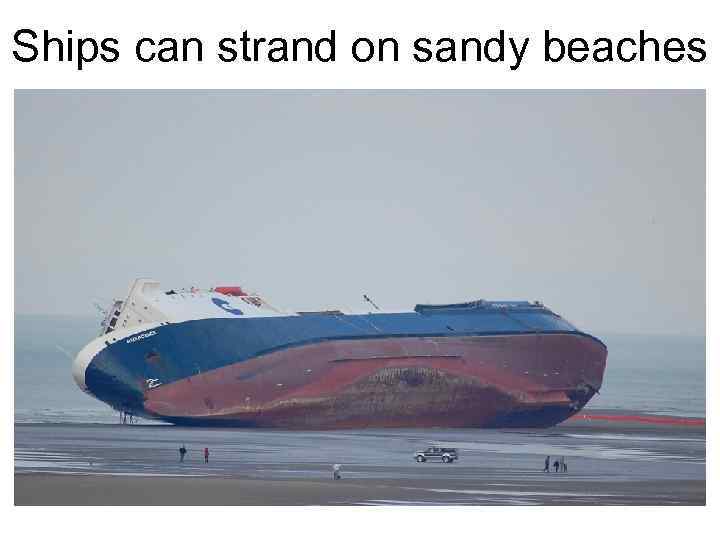 Ships can strand on sandy beaches
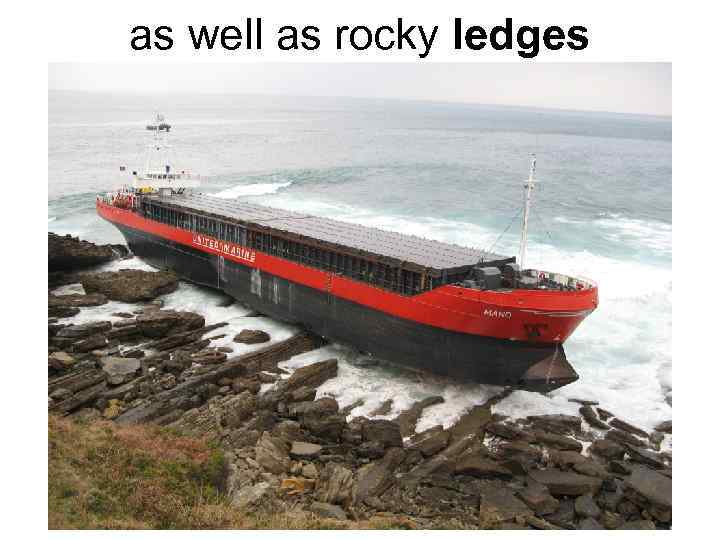 as well as rocky ledges
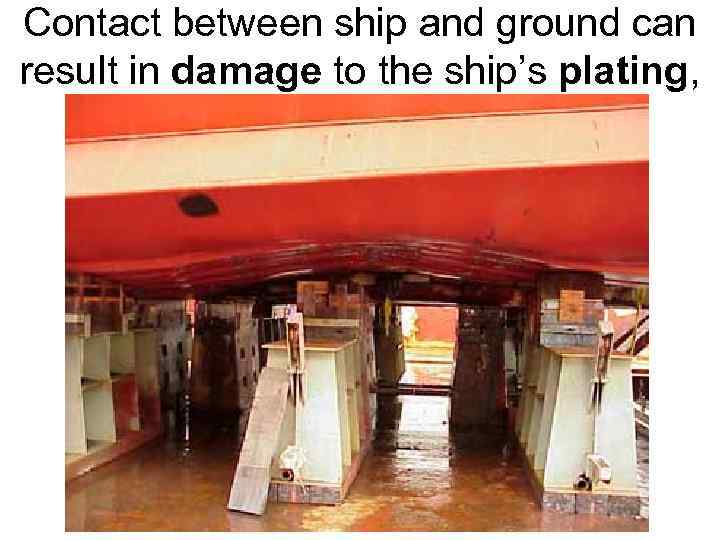 Contact between ship and ground can result in damage to the ship’s plating,
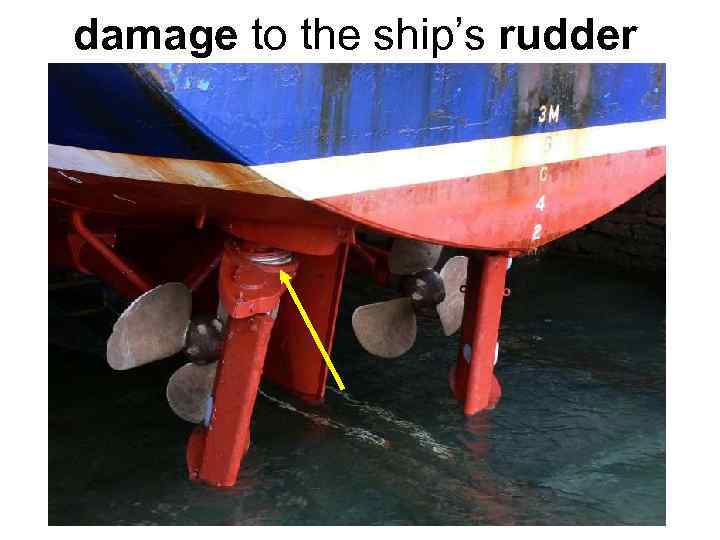 damage to the ship’s rudder
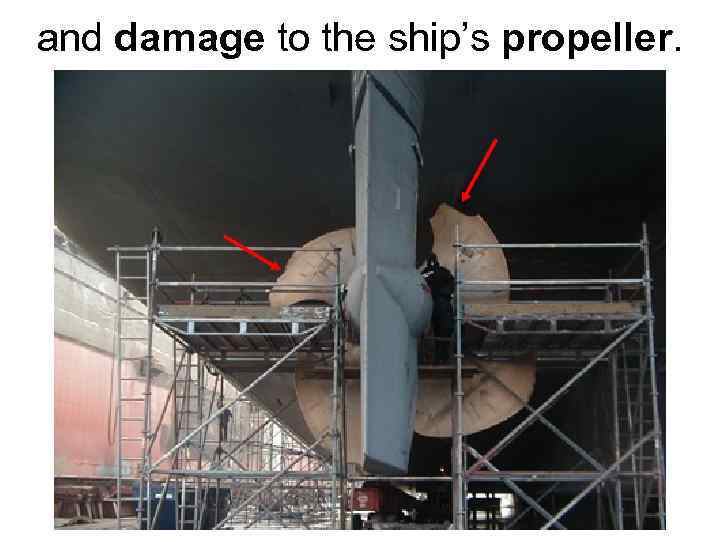 and damage to the ship’s propeller.
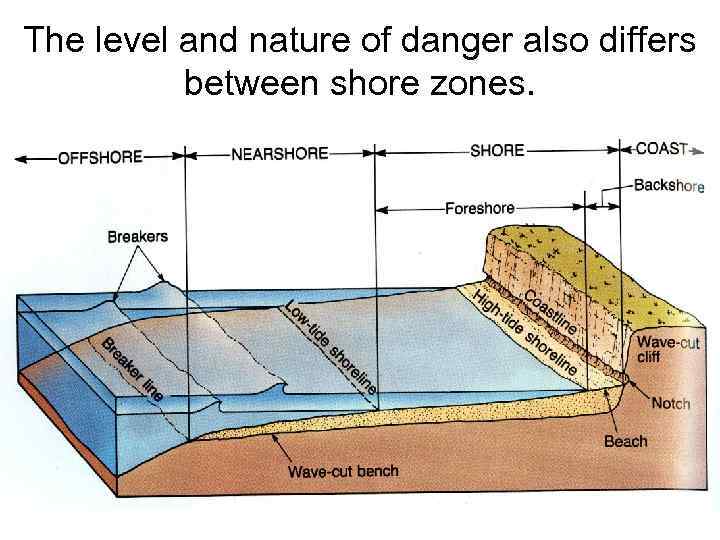 The level and nature of danger also differs between shore zones.
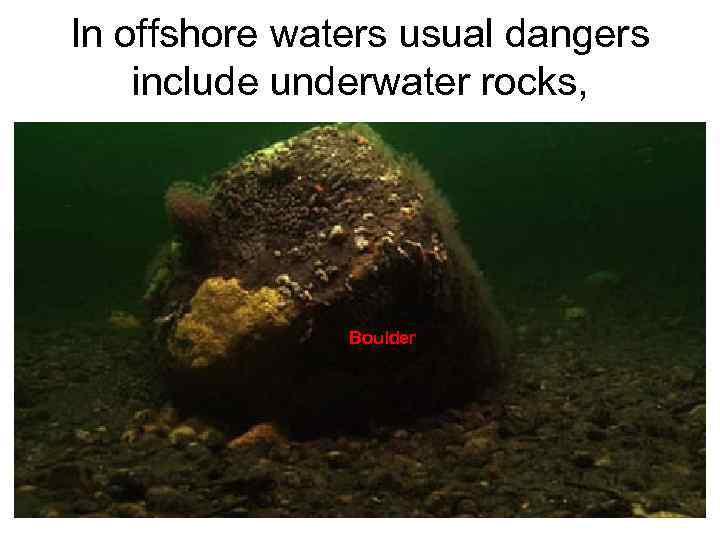 In offshore waters usual dangers include underwater rocks, Boulder
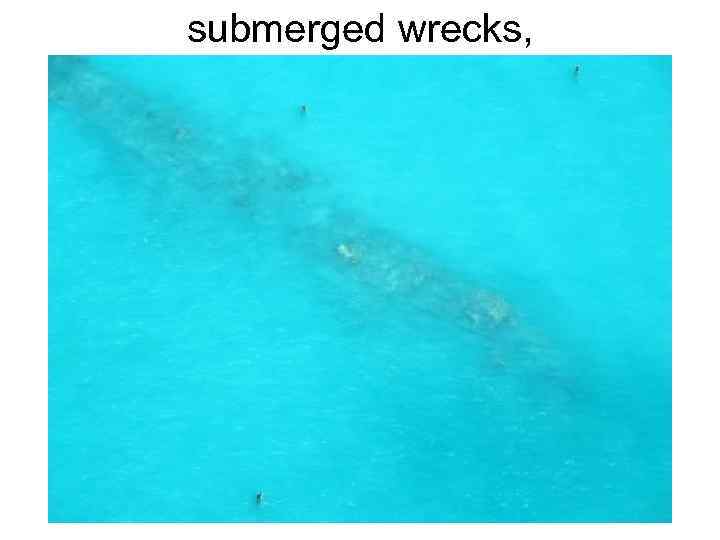 submerged wrecks,
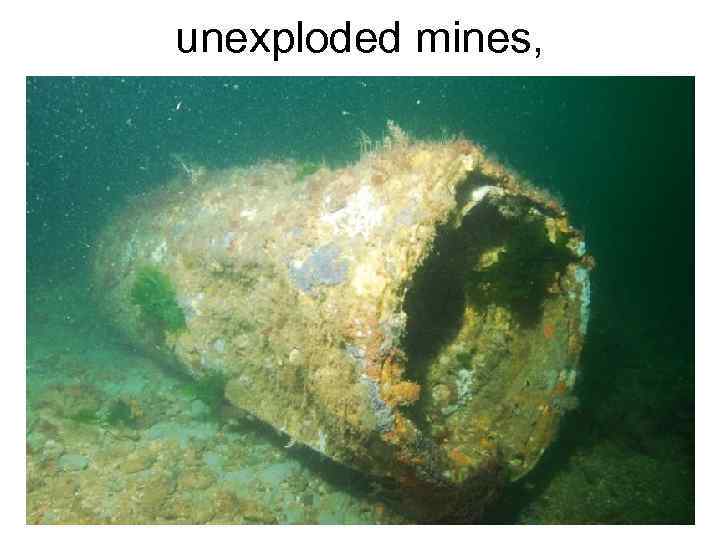 unexploded mines,
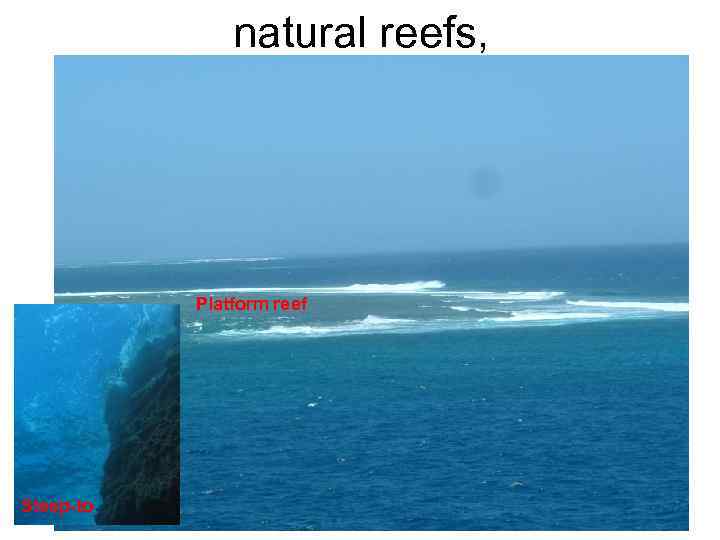 natural reefs, Platform reef Steep-to
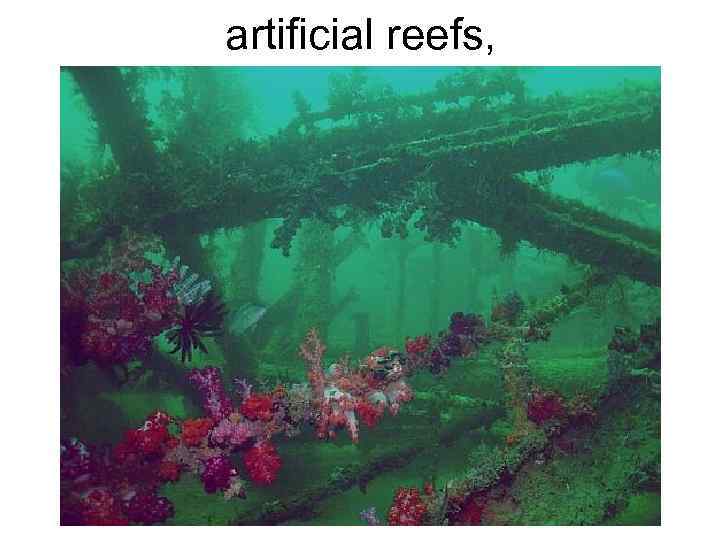 artificial reefs,
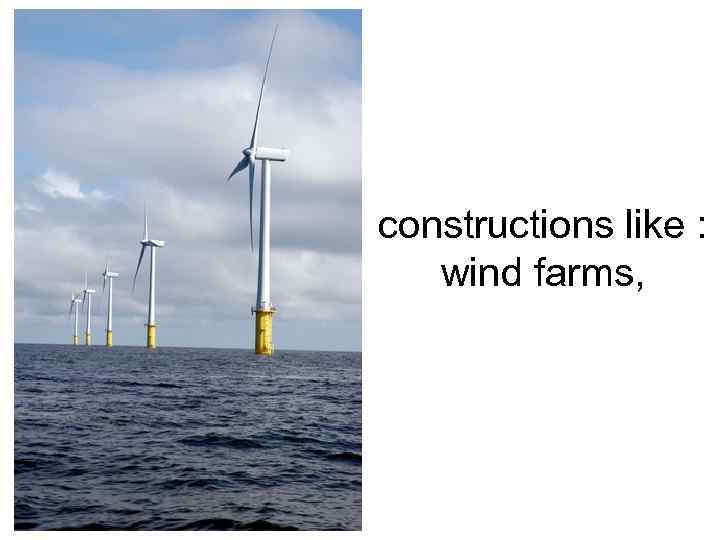 constructions like : wind farms,
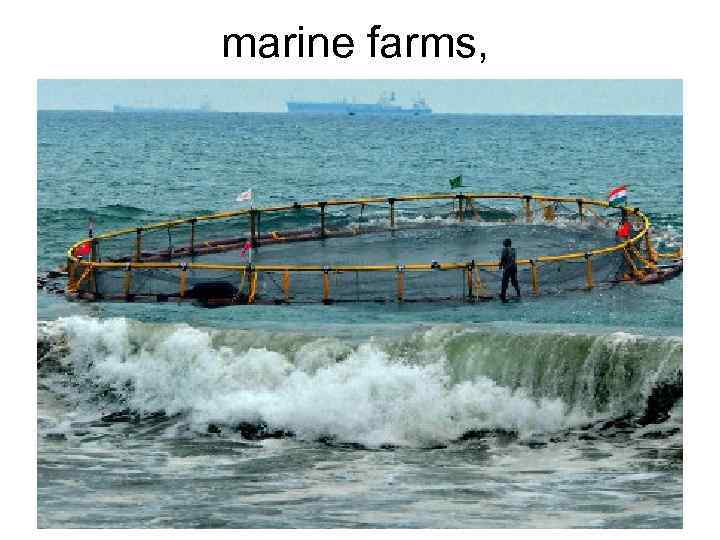 marine farms,
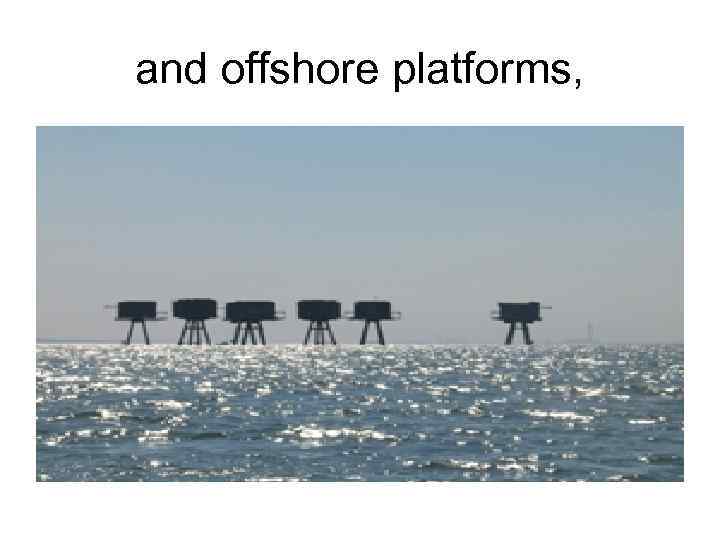 and offshore platforms,
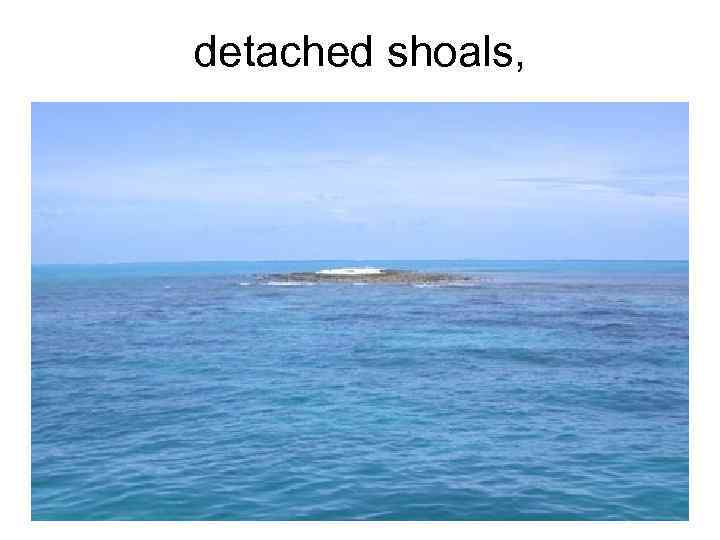 detached shoals,
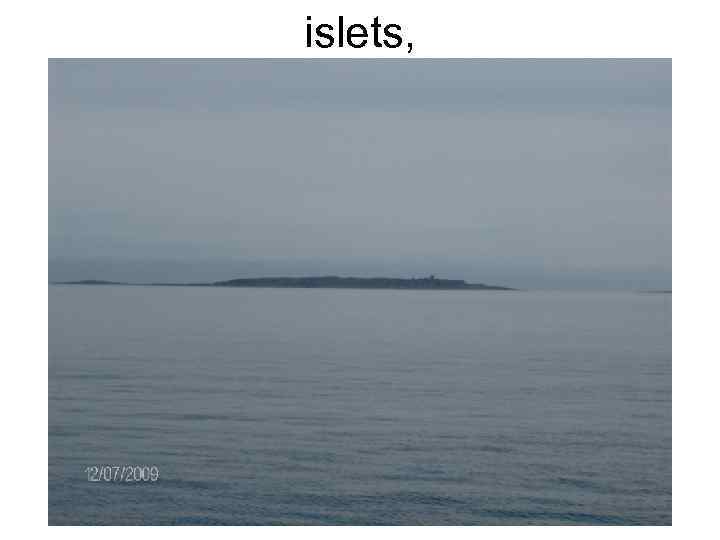 islets,
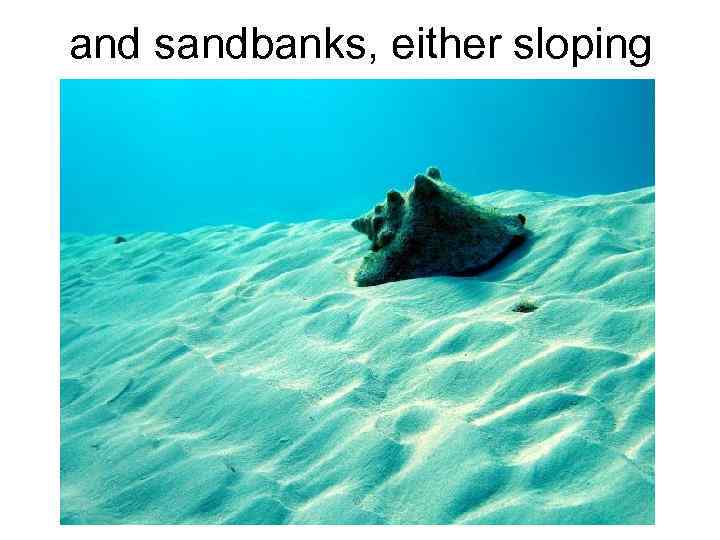 and sandbanks, either sloping
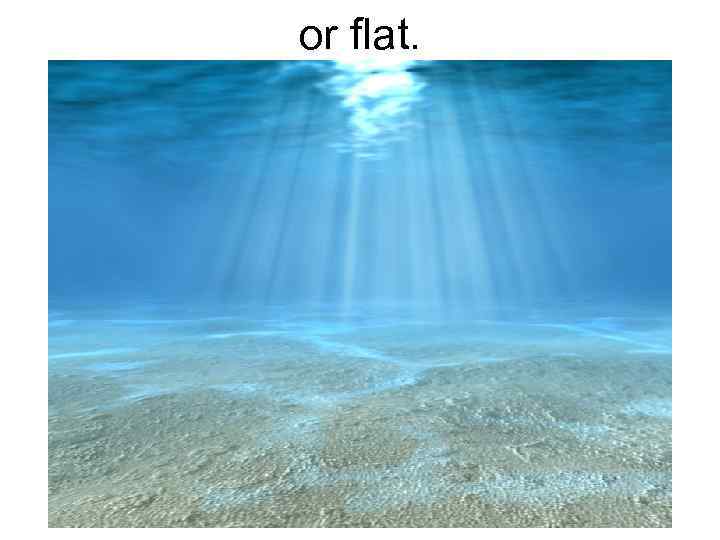 or flat.
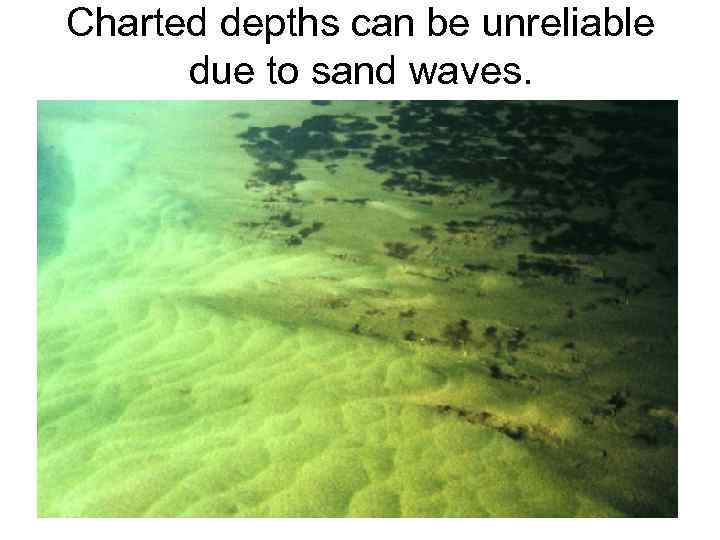 Charted depths can be unreliable due to sand waves.
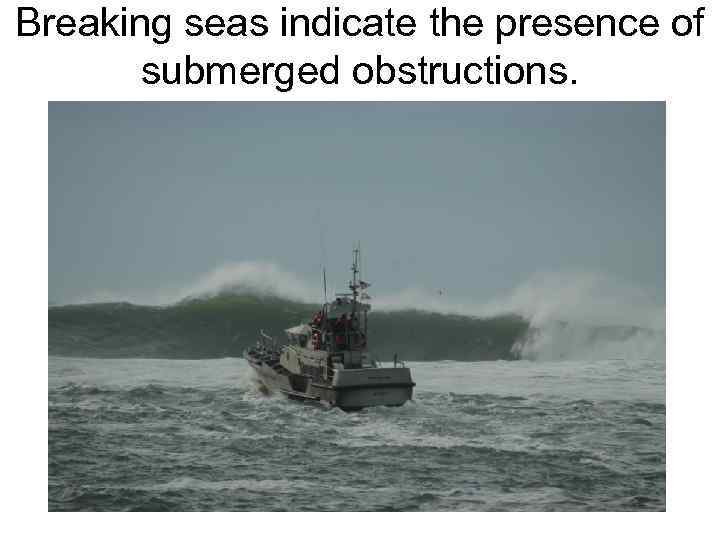 Breaking seas indicate the presence of submerged obstructions.
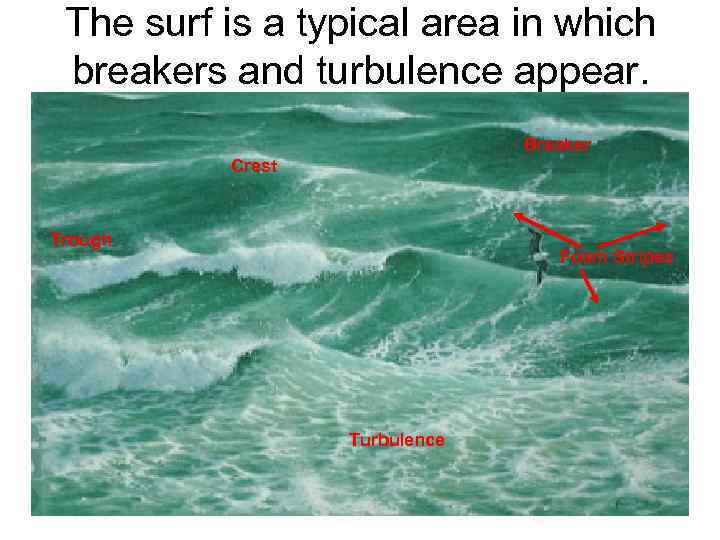 The surf is a typical area in which breakers and turbulence appear. Breaker Crest Trough Foam Stripes Turbulence
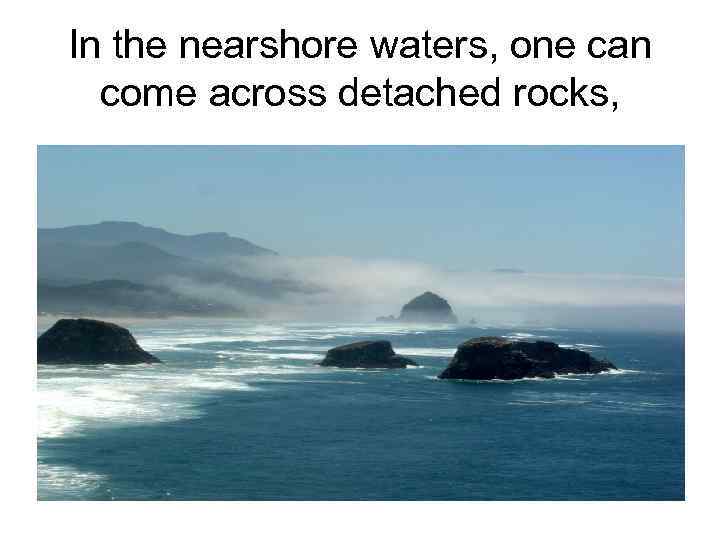 In the nearshore waters, one can come across detached rocks,
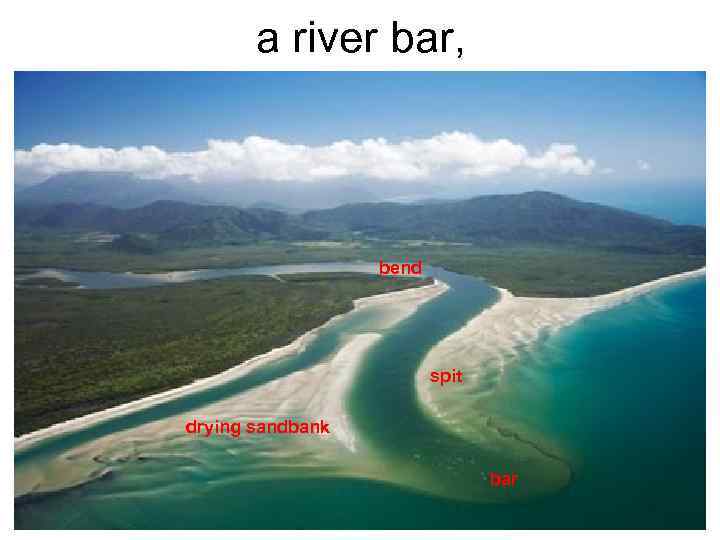 a river bar, bend spit drying sandbank bar
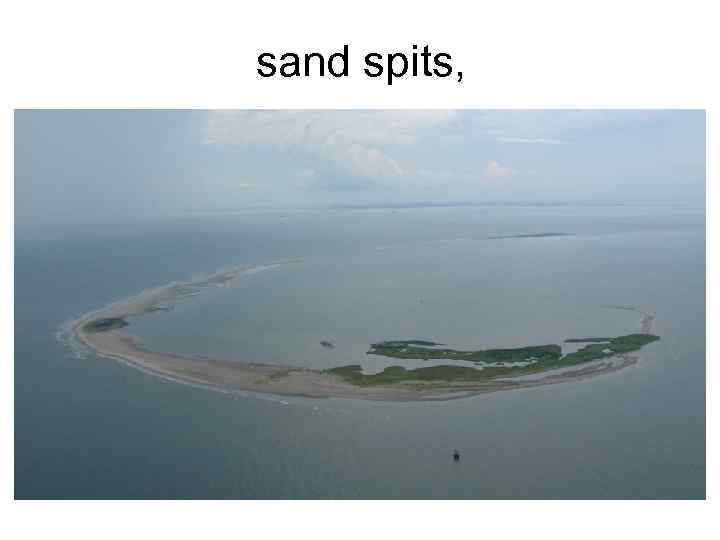 sand spits,
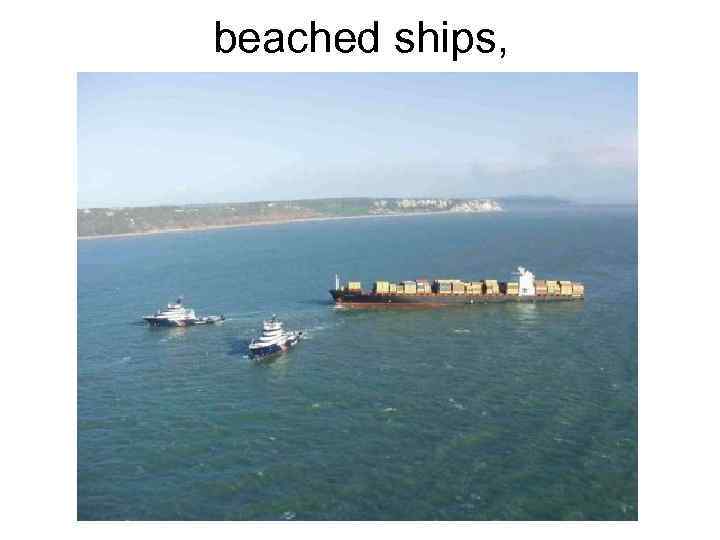 beached ships,
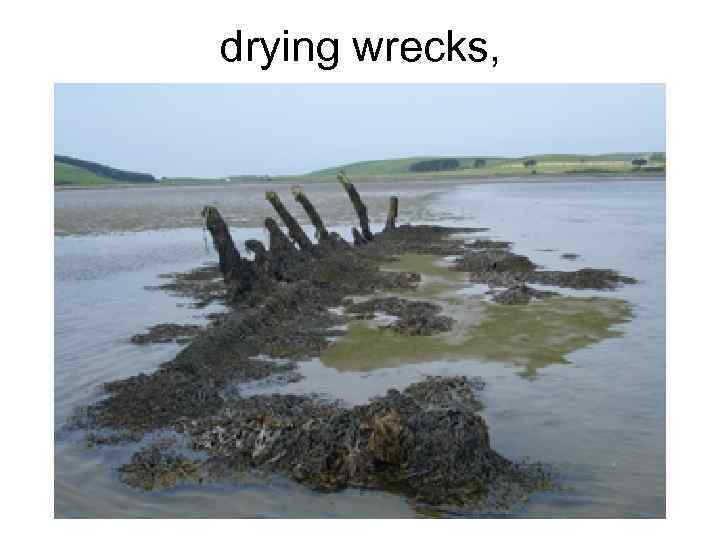 drying wrecks,
 and drying sand banks.
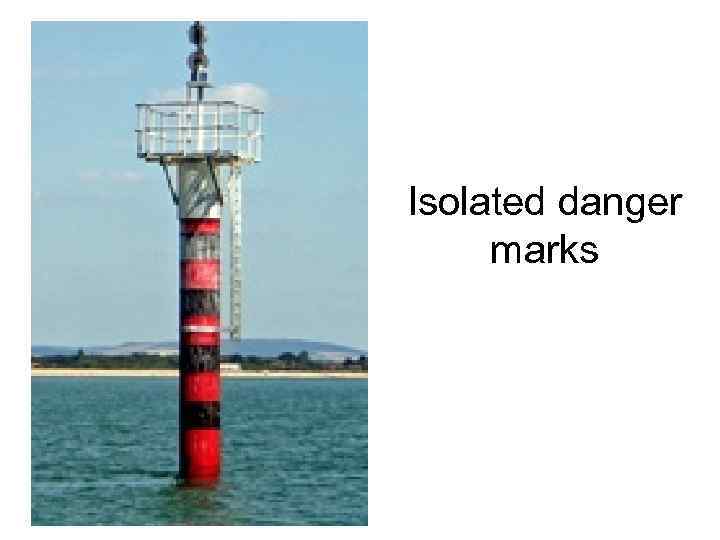 Isolated danger marks
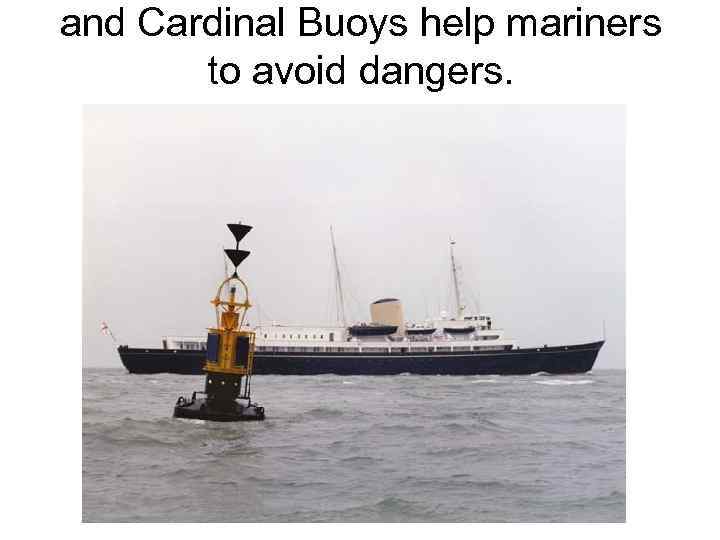 and Cardinal Buoys help mariners to avoid dangers.
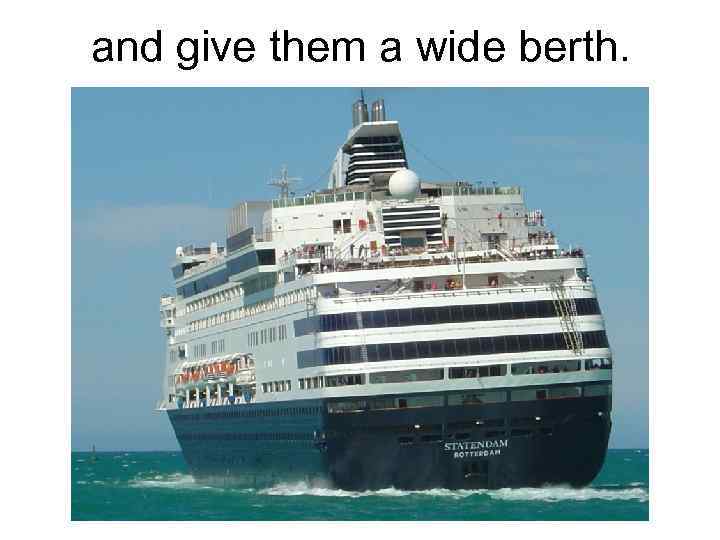 and give them a wide berth.
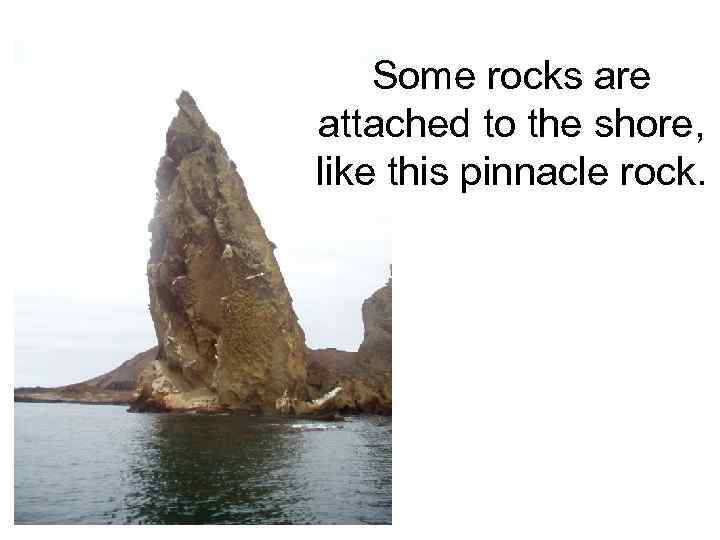 Some rocks are attached to the shore, like this pinnacle rock.
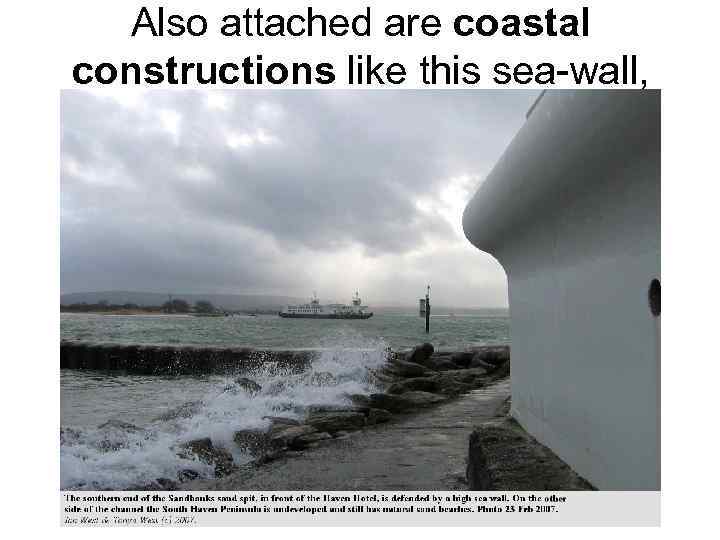 Also attached are coastal constructions like this sea-wall,
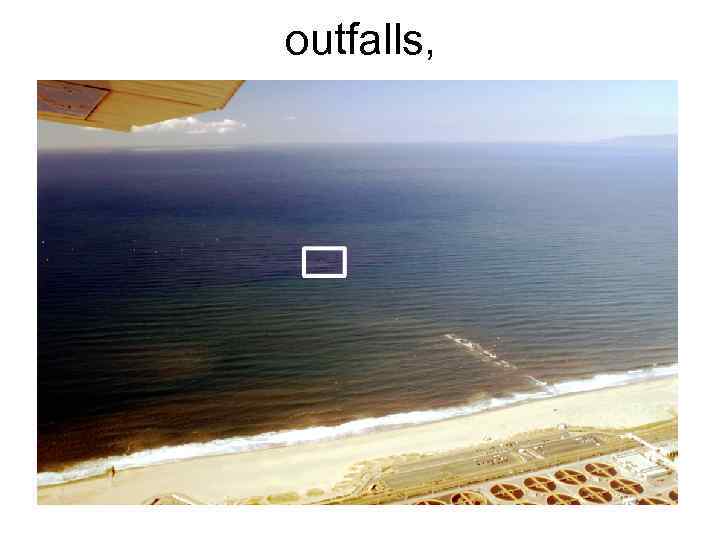 outfalls,
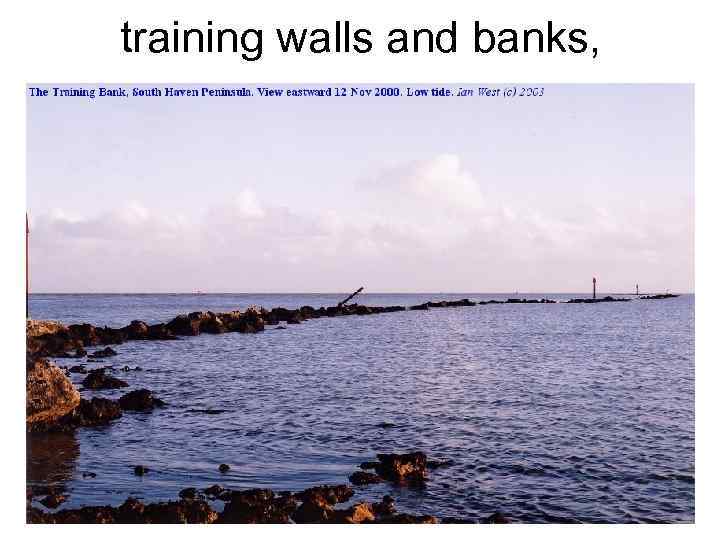 training walls and banks,
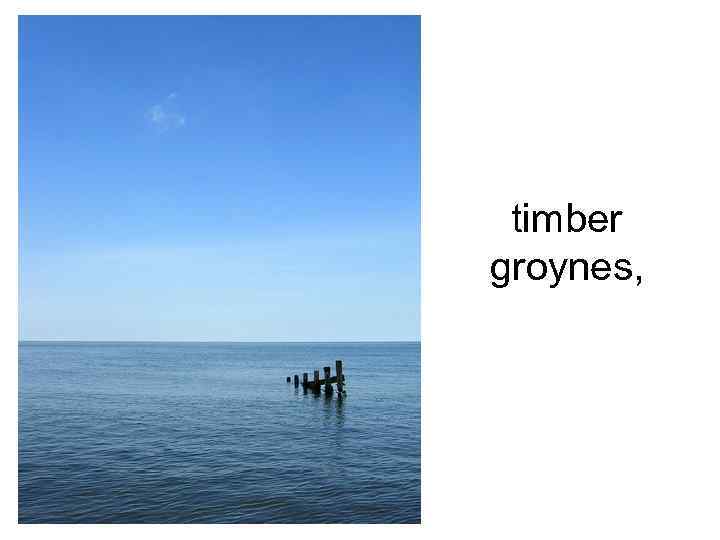 timber groynes,
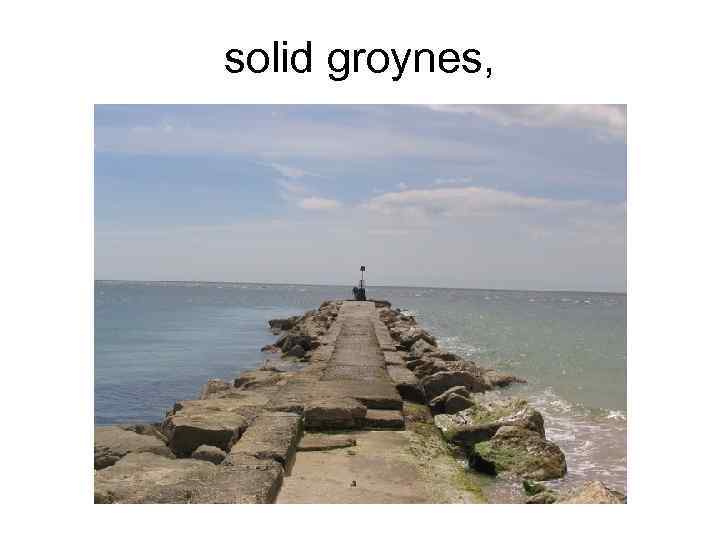 solid groynes,
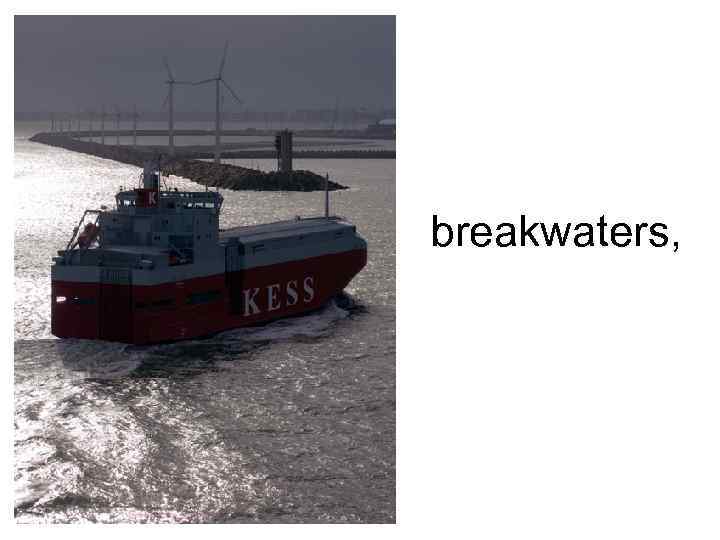 breakwaters,
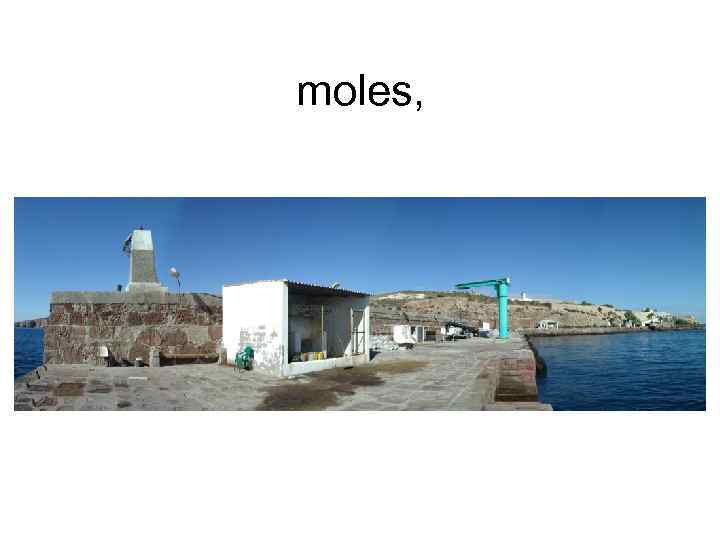 moles,
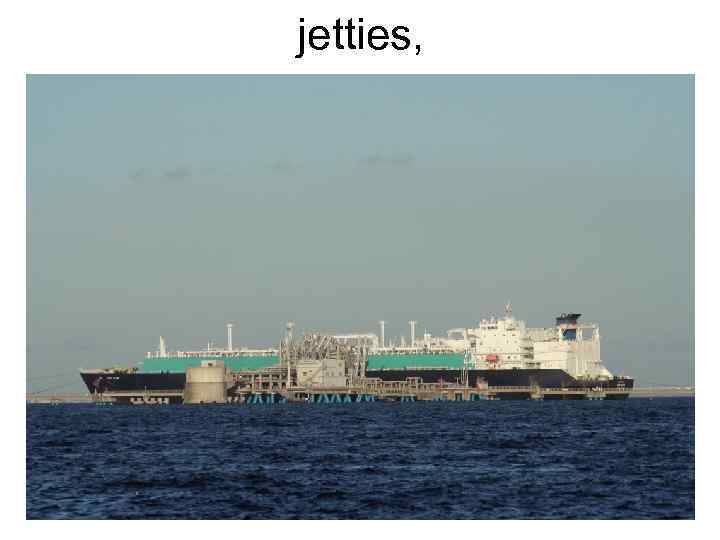 jetties,
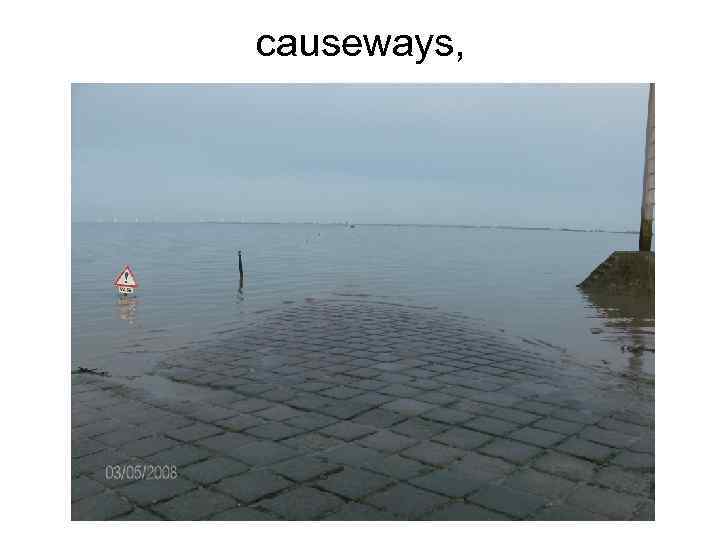 causeways,
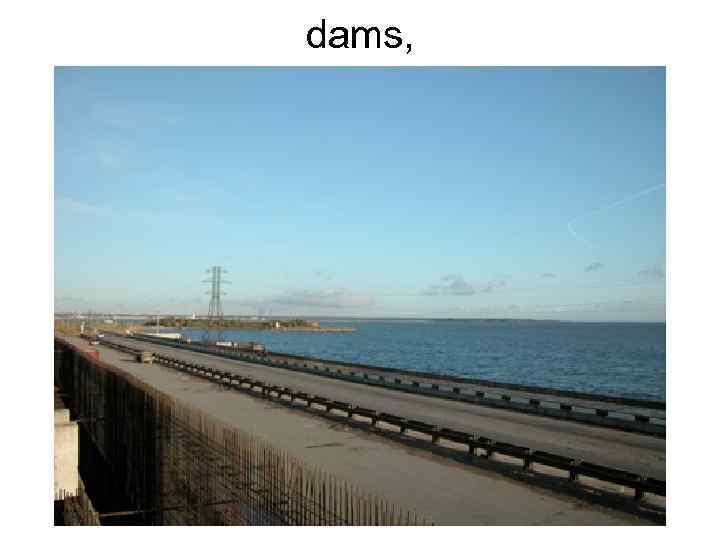 dams,
dams,
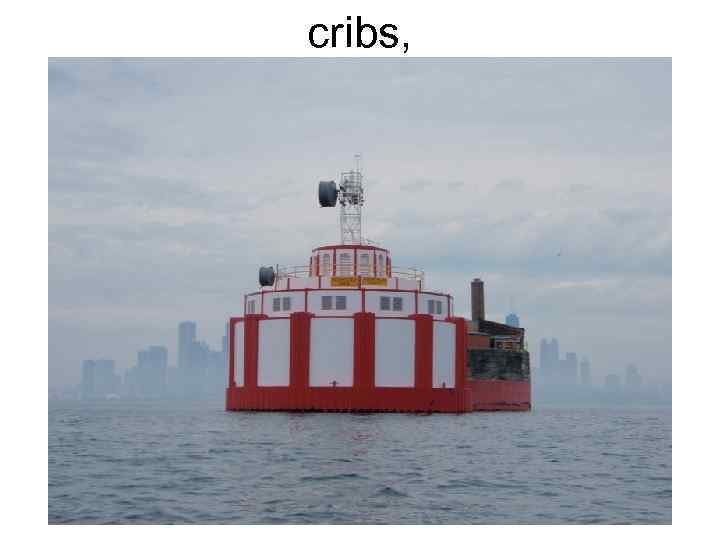 cribs,
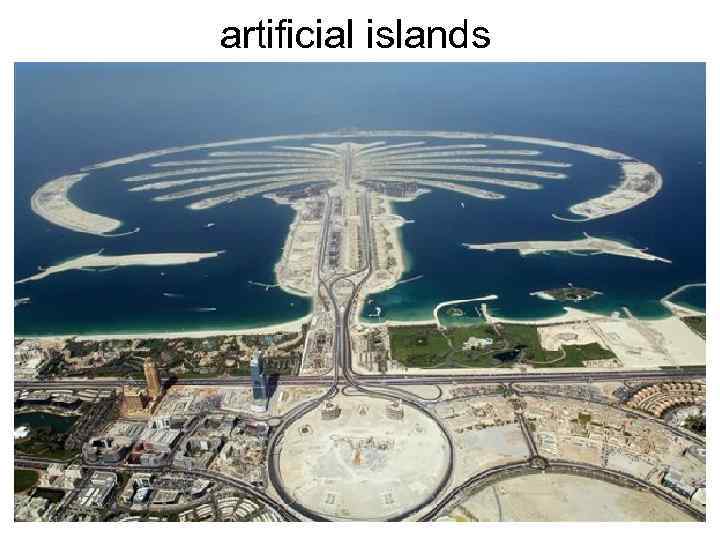 artificial islands
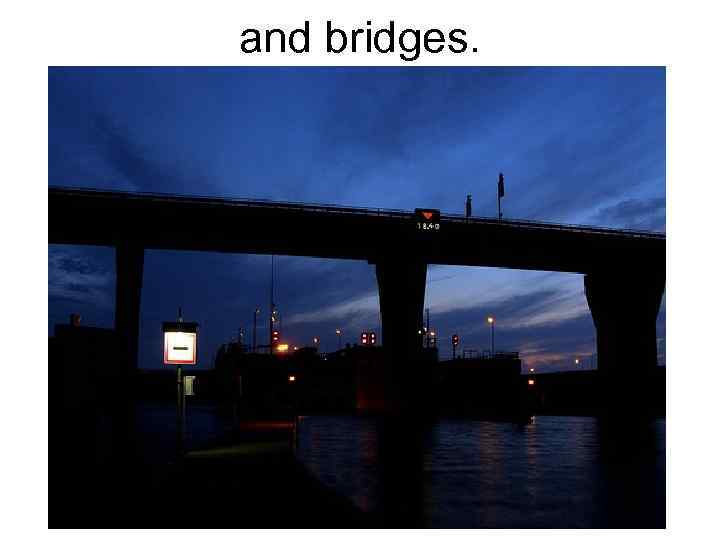 and bridges.
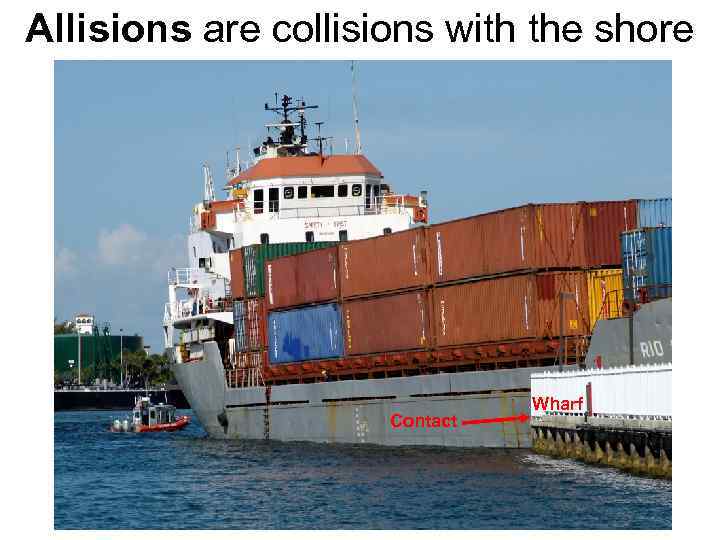 Allisions are collisions with the shore Contact Wharf
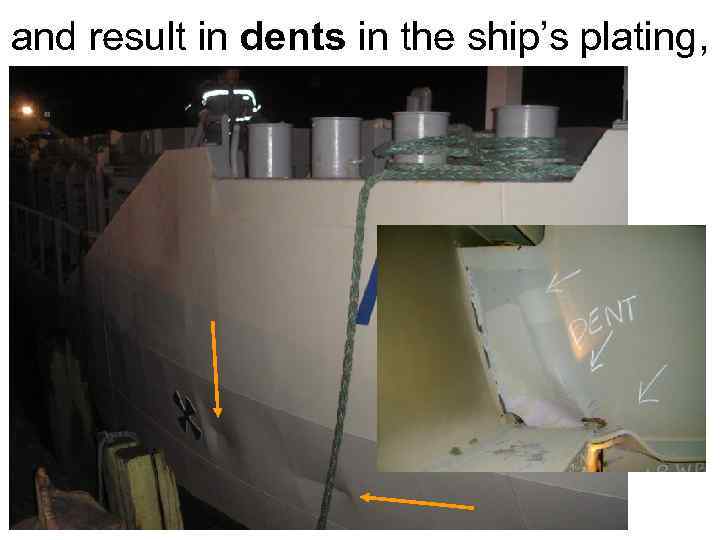 and result in dents in the ship’s plating,
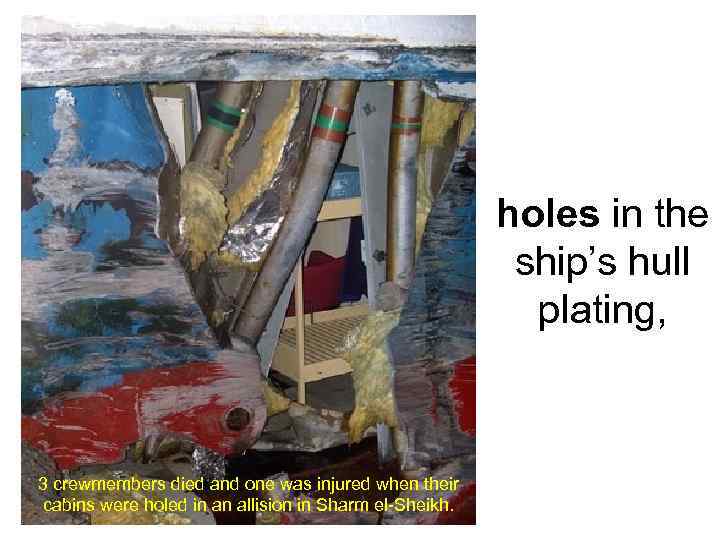 holes in the ship’s hull plating, 3 crewmembers died and one was injured when their cabins were holed in an allision in Sharm el-Sheikh.
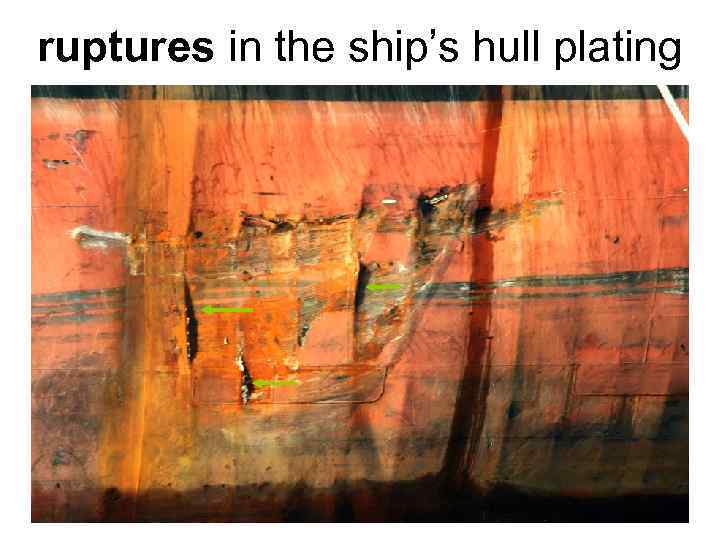 ruptures in the ship’s hull plating
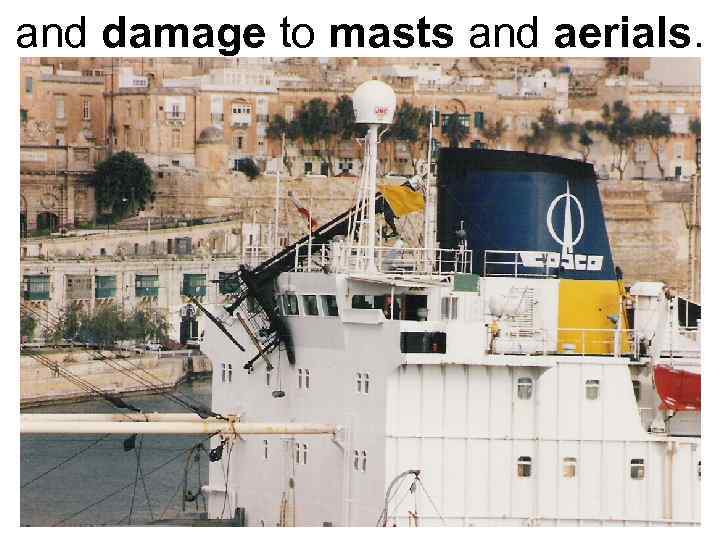 and damage to masts and aerials.
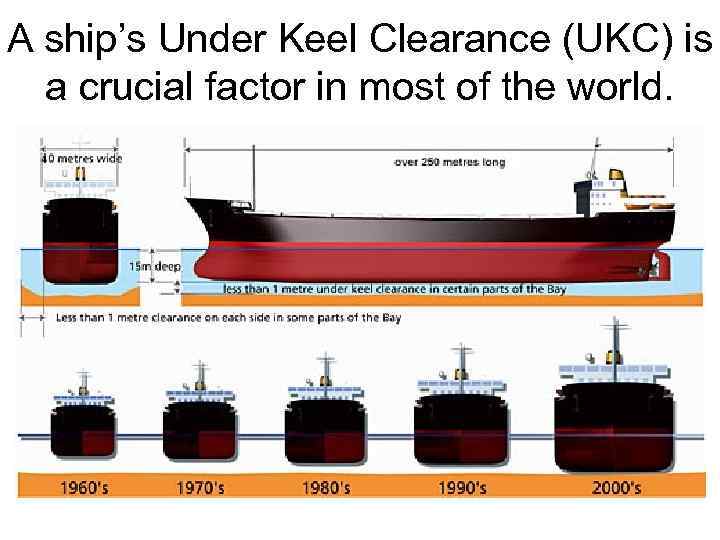 A ship’s Under Keel Clearance (UKC) is a crucial factor in most of the world.
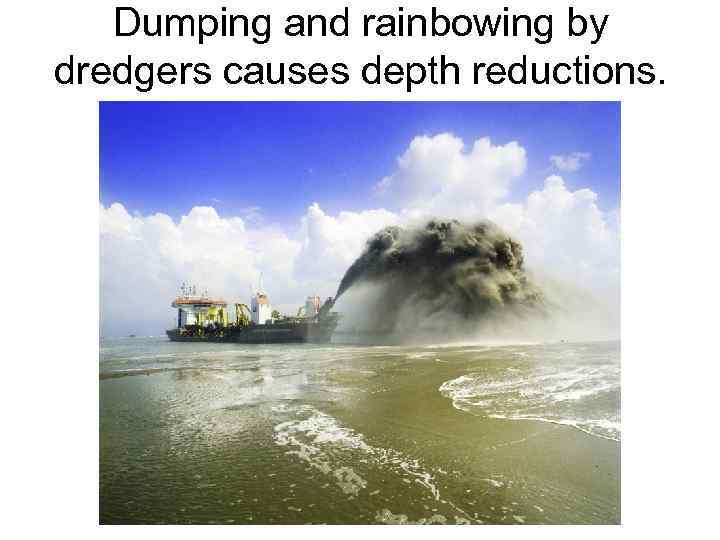 Dumping and rainbowing by dredgers causes depth reductions.
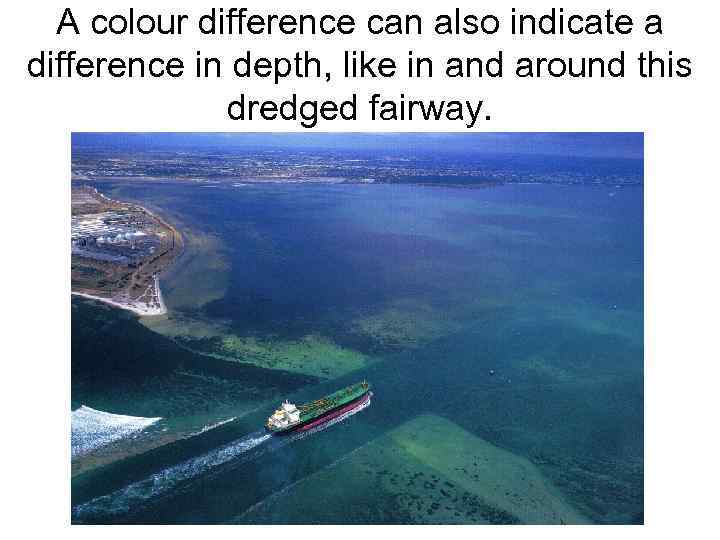 A colour difference can also indicate a difference in depth, like in and around this dredged fairway.
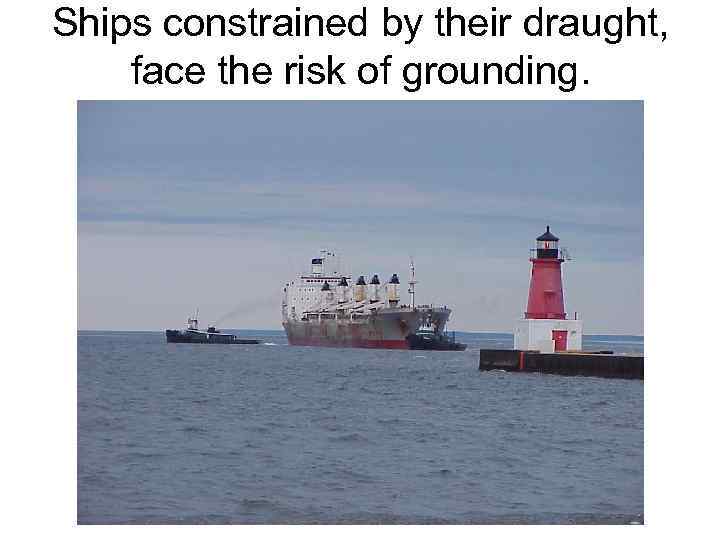 Ships constrained by their draught, face the risk of grounding.
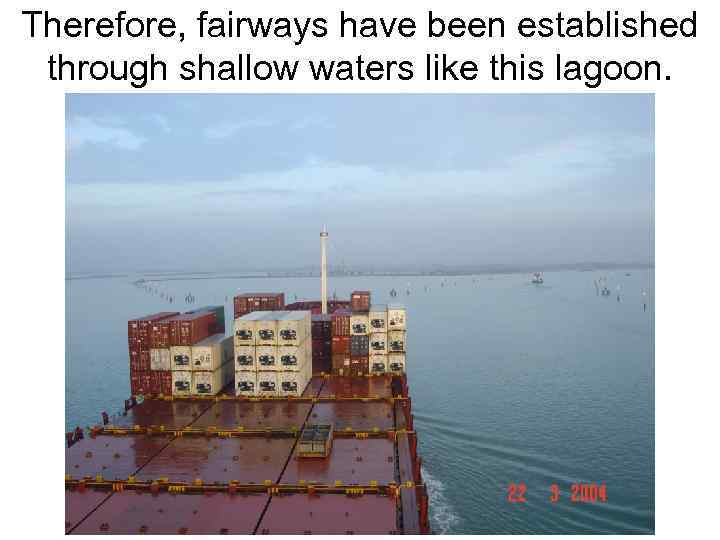 Therefore, fairways have been established through shallow waters like this lagoon.
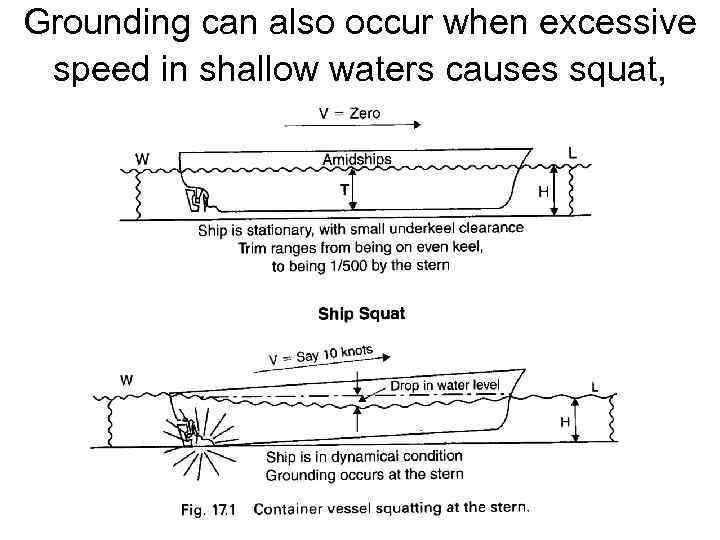 Grounding can also occur when excessive speed in shallow waters causes squat,
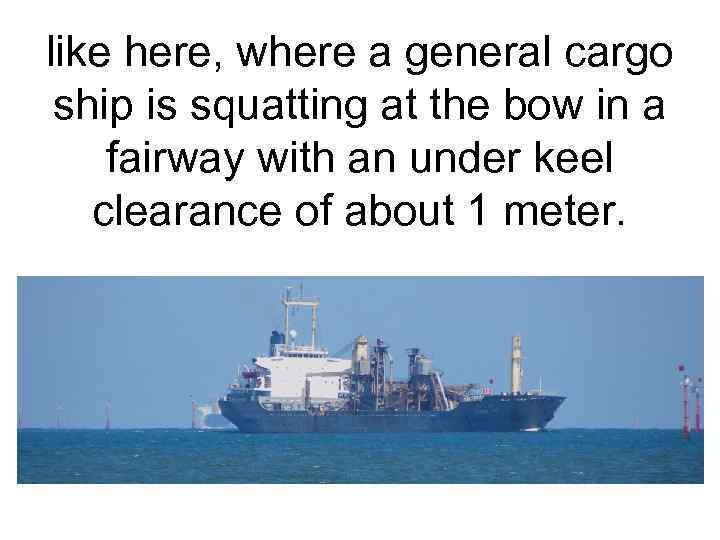 like here, where a general cargo ship is squatting at the bow in a fairway with an under keel clearance of about 1 meter.
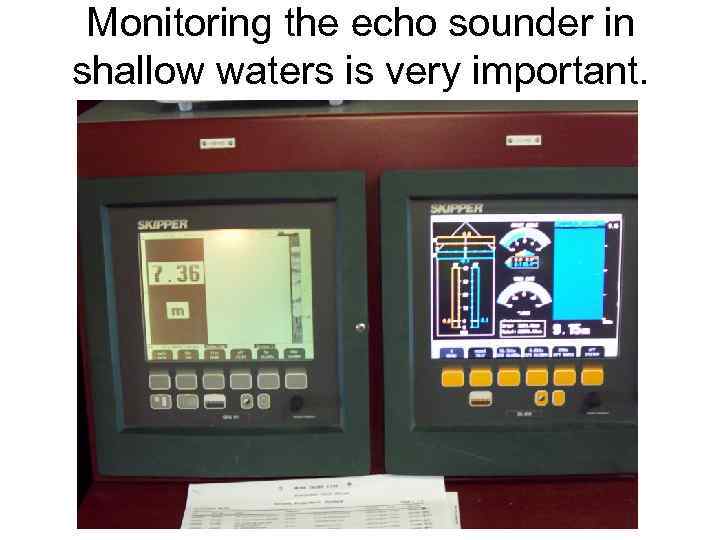 Monitoring the echo sounder in shallow waters is very important.
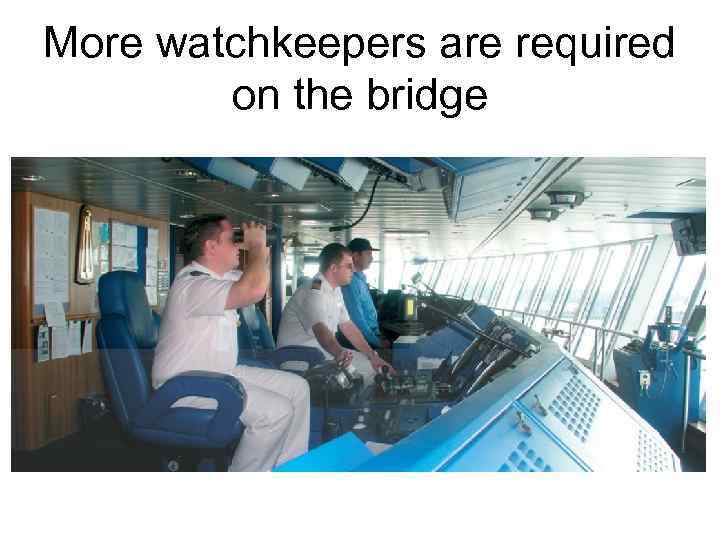 More watchkeepers are required on the bridge
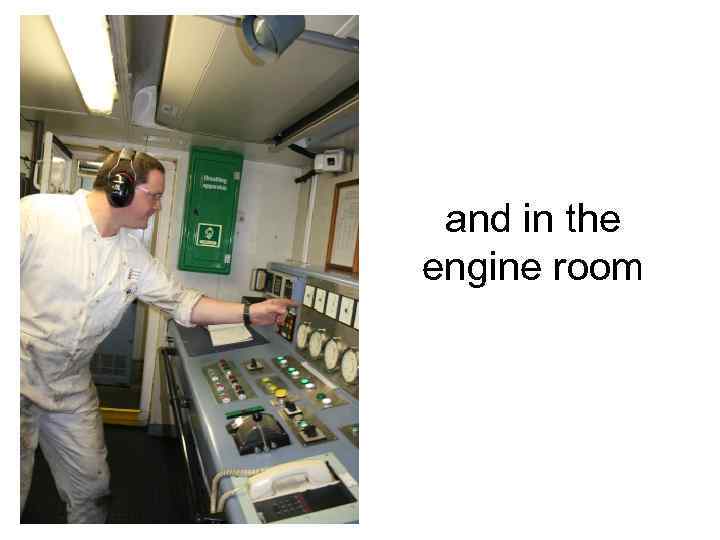 and in the engine room
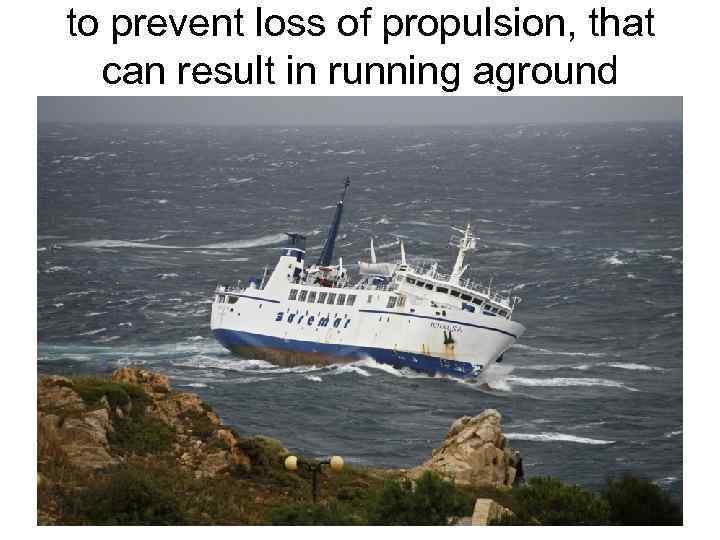 to prevent loss of propulsion, that can result in running aground
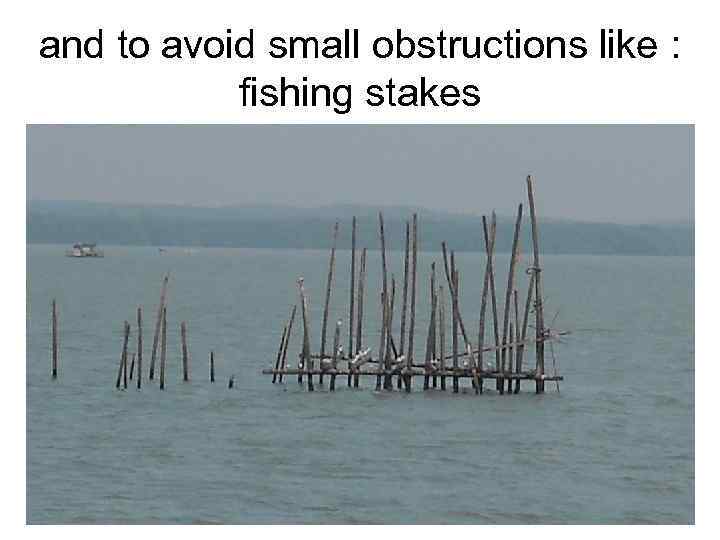 and to avoid small obstructions like : fishing stakes
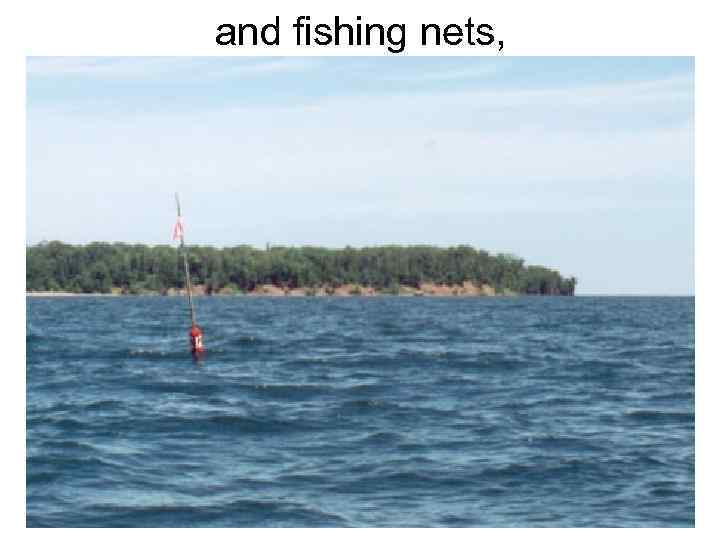 and fishing nets,
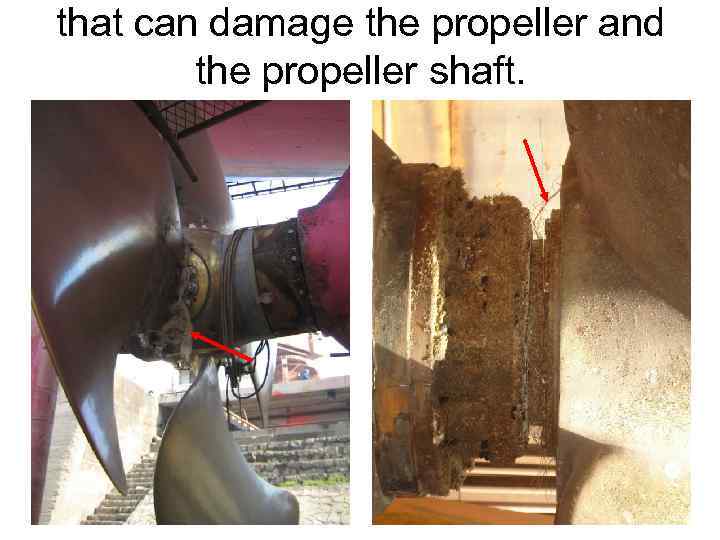 that can damage the propeller and the propeller shaft.
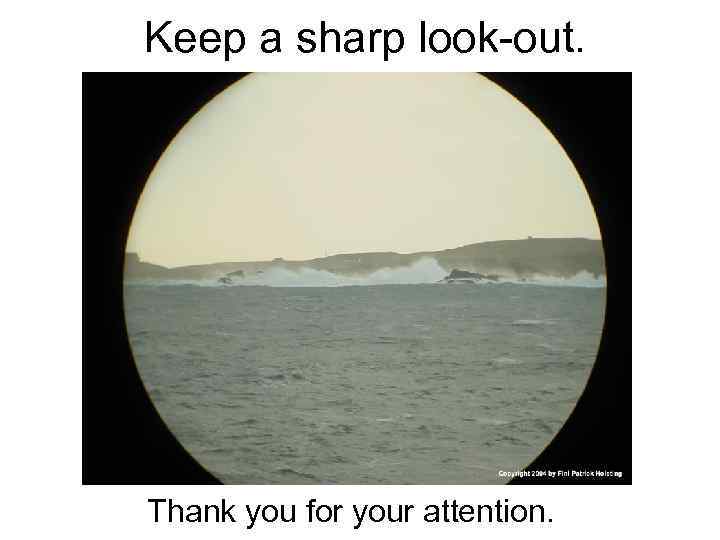 Keep a sharp look-out. Thank you for your attention.