


 Скачать презентацию Curriculum Night Grade 3 August 31 2017
9cf010f8ae692e6dba1657baea35a08e.ppt
- Количество слайдов: 29
 Curriculum Night Grade 3 August 31, 2017
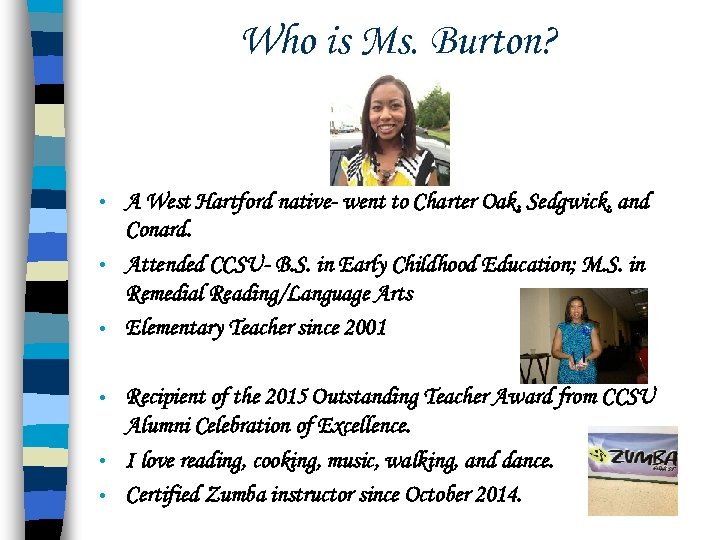 Who is Ms. Burton? A West Hartford native- went to Charter Oak, Sedgwick, and Conard. • Attended CCSU- B. S. in Early Childhood Education; M. S. in Remedial Reading/Language Arts • Elementary Teacher since 2001 • Recipient of the 2015 Outstanding Teacher Award from CCSU Alumni Celebration of Excellence. • I love reading, cooking, music, walking, and dance. • Certified Zumba instructor since October 2014. •
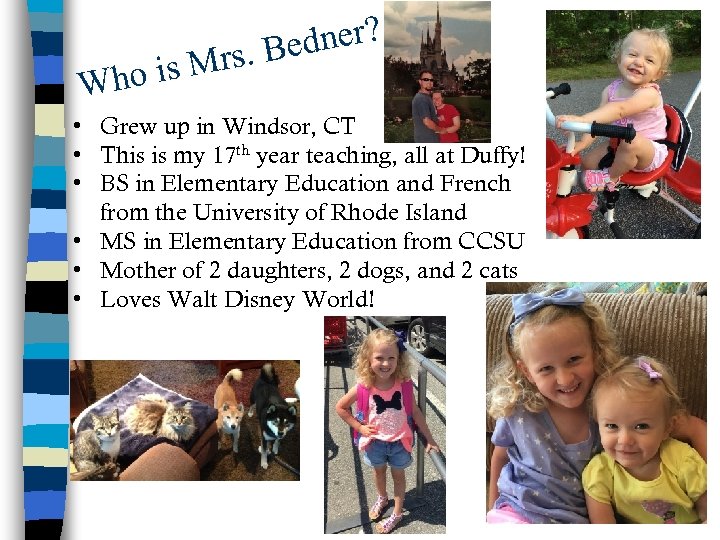 dner? rs. Be o is M Wh • Grew up in Windsor, CT • This is my 17 th year teaching, all at Duffy! • BS in Elementary Education and French from the University of Rhode Island • MS in Elementary Education from CCSU • Mother of 2 daughters, 2 dogs, and 2 cats • Loves Walt Disney World!
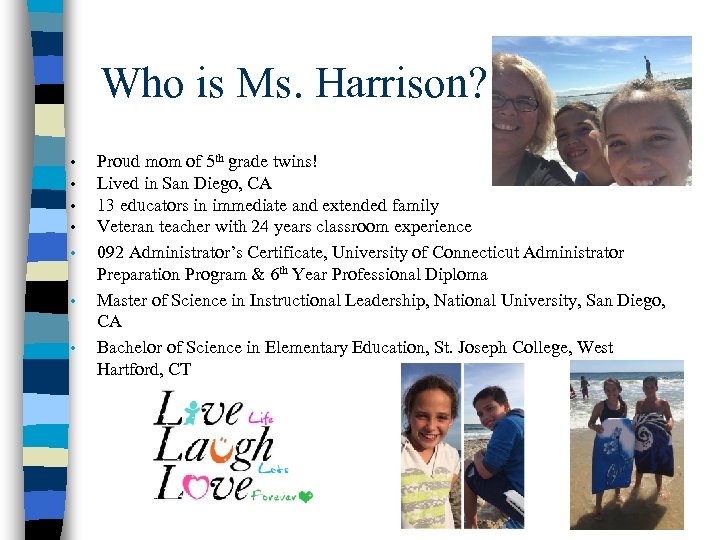 Who is Ms. Harrison? • • Proud mom of 5 th grade twins! Lived in San Diego, CA 13 educators in immediate and extended family Veteran teacher with 24 years classroom experience 092 Administrator’s Certificate, University of Connecticut Administrator Preparation Program & 6 th Year Professional Diploma Master of Science in Instructional Leadership, National University, San Diego, CA Bachelor of Science in Elementary Education, St. Joseph College, West Hartford, CT
 Reading A Balanced Approach n Harcourt Story. Town Anthology n Flexible Reading Groups n Reader’s Workshop n Reading Strategies n Diagnostic Tools n Literature Circles n Reader’s Theater n Common Core State Standards n Word Study / Vocabulary
 Reading n Unit 1: Characters in Action – Character traits & motivation (fiction) n Unit 2: Recounting Folk Literature – Story elements, moral or lesson (fiction) n Unit 3: Main Idea – Main idea & key details (non-fiction) n Unit 4: Organizing Informational Text – Text features (non-fiction) – Scientific, historical, & procedural texts (non-fiction) n Unit 5: Comparing Points in Multiple Texts – Research, author’s purpose, opinion, and point of view (non-fiction) n Unit 6: Characters in a Series – How characters’ traits & actions influence events within a series (fiction) – How the character changes over a series (fiction)
 Social Studies n Civics – Citizenship – Basic Government Structure, in Terms of Rules – Constitution Day, Human Rights Day, Martin Luther King, Jr. Day n Geography – Map Skills n Cultures: – Recognition of Religious Holidays n Integrated Reading, Writing & Speaking Skills
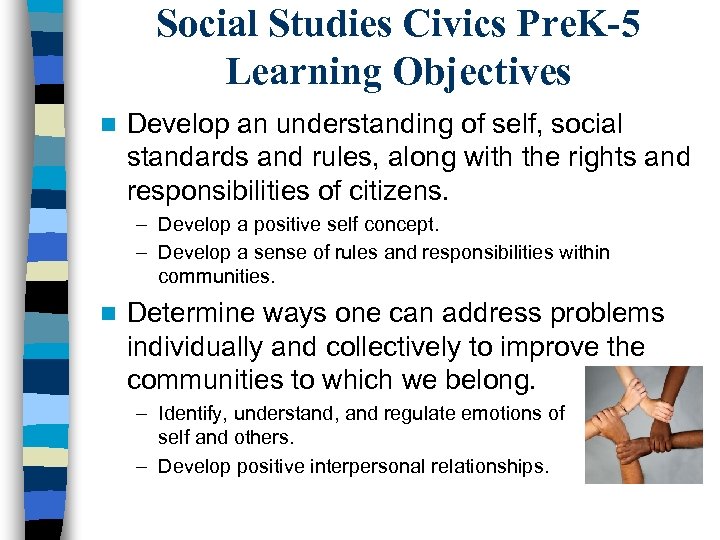 Social Studies Civics Pre. K-5 Learning Objectives n Develop an understanding of self, social standards and rules, along with the rights and responsibilities of citizens. – Develop a positive self concept. – Develop a sense of rules and responsibilities within communities. n Determine ways one can address problems individually and collectively to improve the communities to which we belong. – Identify, understand, and regulate emotions of self and others. – Develop positive interpersonal relationships.
 Social Studies n Civics – Citizenship – Basic Government Structure, in Terms of Rules – Constitution Day, Human Rights Day, Martin Luther King, Jr. Day n Geography – Map Skills n Cultures: – Recognition of Religious Holidays n Integrated Reading, Writing & Speaking Skills
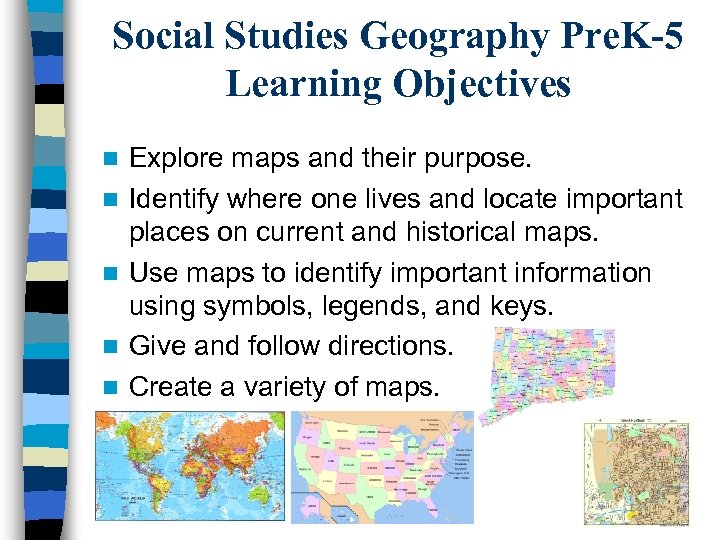 Social Studies Geography Pre. K-5 Learning Objectives n n n Explore maps and their purpose. Identify where one lives and locate important places on current and historical maps. Use maps to identify important information using symbols, legends, and keys. Give and follow directions. Create a variety of maps.
 Social Studies n Civics – Citizenship – Basic Government Structure, in Terms of Rules – Constitution Day, Human Rights Day, Martin Luther King, Jr. Day n Geography – Map Skills n Cultures: – Recognition of Religious Holidays • Durga Puja • Dessehra • Diwali/Divali n Integrated Reading, Writing & Speaking Skills
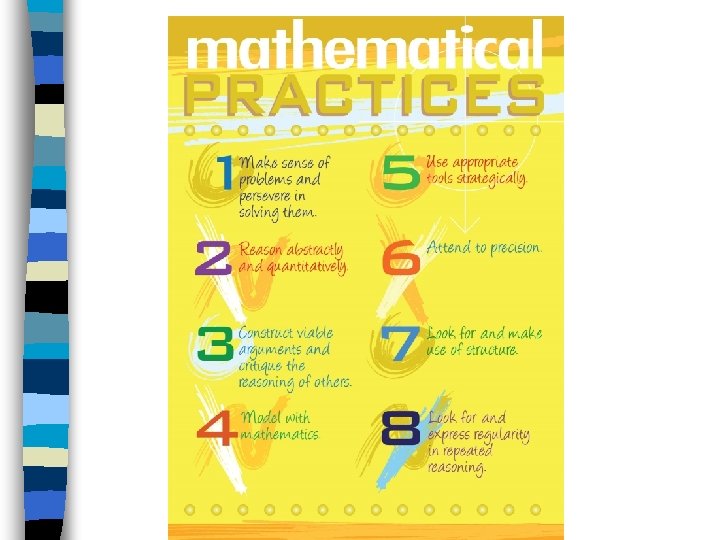
 Math Common Core State Standards n Diagnostic tools n Manipulatives n Flexible Math Groups n Literature Connections n Interactive Math Journal n Online Resources n
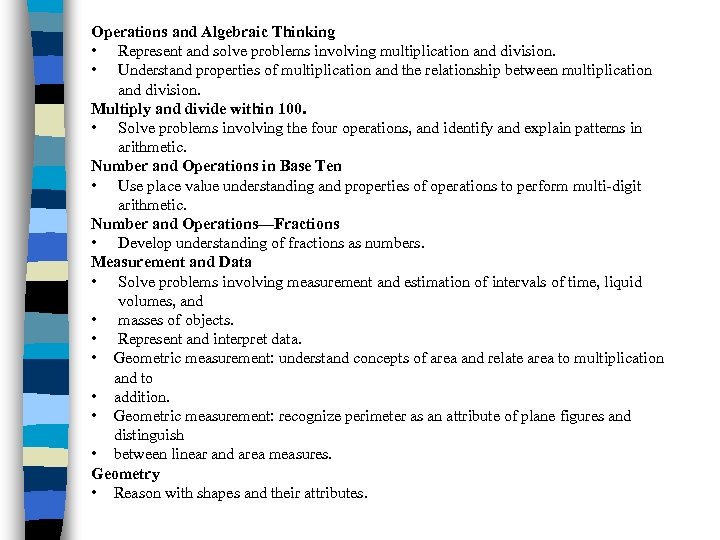 Operations and Algebraic Thinking • Represent and solve problems involving multiplication and division. • Understand properties of multiplication and the relationship between multiplication and division. Multiply and divide within 100. • Solve problems involving the four operations, and identify and explain patterns in arithmetic. Number and Operations in Base Ten • Use place value understanding and properties of operations to perform multi-digit arithmetic. Number and Operations—Fractions • Develop understanding of fractions as numbers. Measurement and Data • Solve problems involving measurement and estimation of intervals of time, liquid volumes, and • masses of objects. • Represent and interpret data. • Geometric measurement: understand concepts of area and relate area to multiplication and to • addition. • Geometric measurement: recognize perimeter as an attribute of plane figures and distinguish • between linear and area measures. Geometry • Reason with shapes and their attributes.
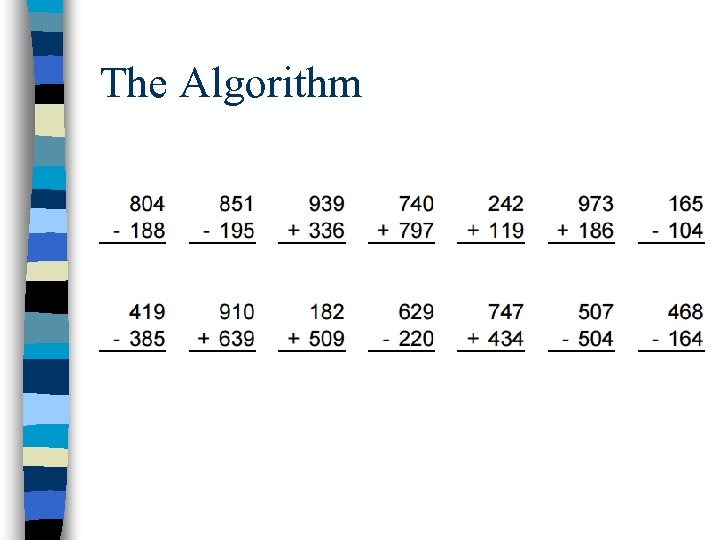 The Algorithm
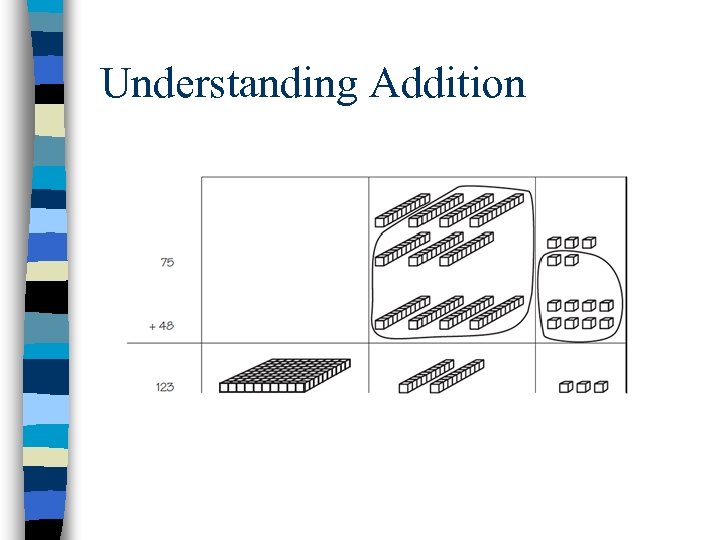 Understanding Addition
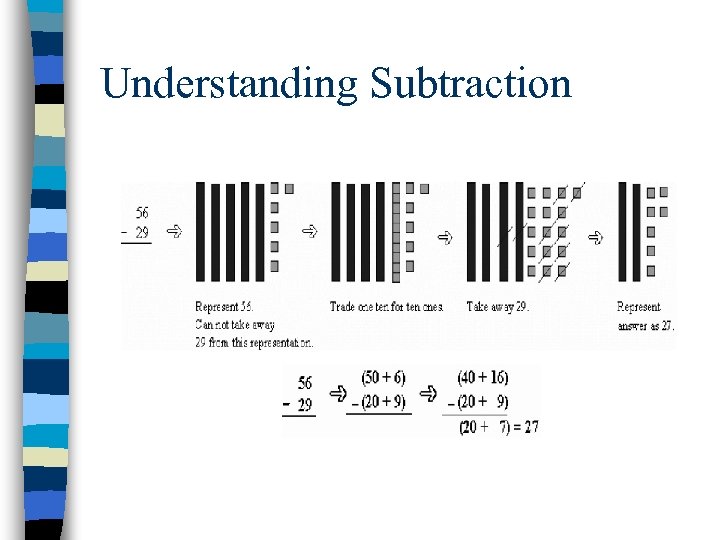 Understanding Subtraction
 Science Next Generation Science Standards (NGSS) The newly re-designed Grade 3 Science curriculum is based on the K-12 Next Generation Science Standards (NGSS) passed by the CT State Board of Education in November 2015. This standardsbased framework emphasizes learning experiences that provide students with the skills and knowledge they need ● to be well-informed citizens, ● to be prepared for college and careers, ● and to understand appreciate the essential role of science in our community and our world.
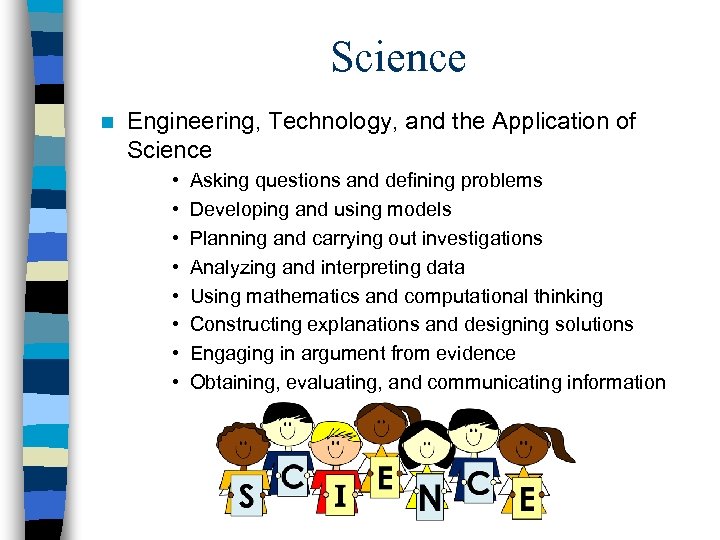 Science n Engineering, Technology, and the Application of Science • • Asking questions and defining problems Developing and using models Planning and carrying out investigations Analyzing and interpreting data Using mathematics and computational thinking Constructing explanations and designing solutions Engaging in argument from evidence Obtaining, evaluating, and communicating information
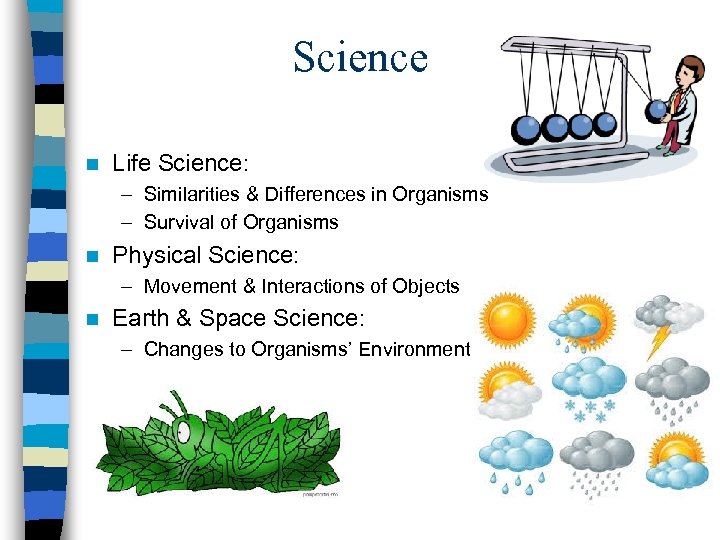 Science n Life Science: – Similarities & Differences in Organisms – Survival of Organisms n Physical Science: – Movement & Interactions of Objects n Earth & Space Science: – Changes to Organisms’ Environment
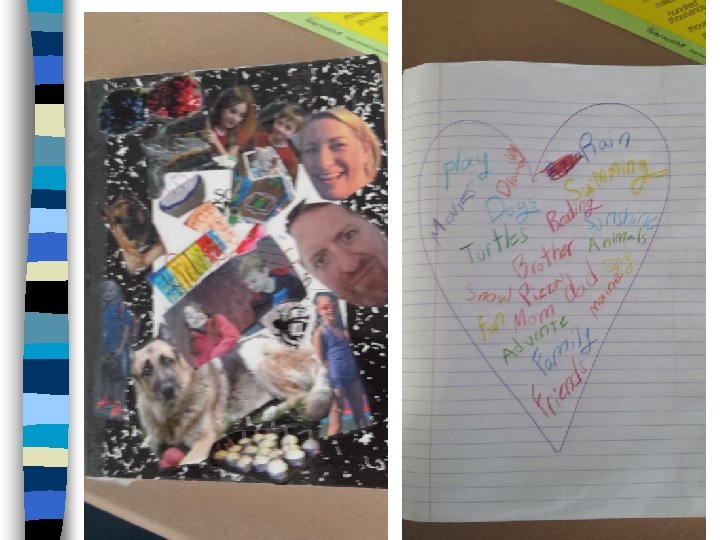
 Writing n Writer’s Workshop n The Writer’s Notebook – Free Write – Creating a Community of Writers, Narrative, Information, Opinion – Write with a purpose & audience in mind n The Writing Process n Common Core State Standards
 Web-based, accessible at school and at home n Unique log-in code for each child n Recommended practice 3 x/week for no more than 10 minutes per session n
 Homework n EVERY DAY: – Read for at least 20 minutes every day. – Study the spelling and vocabulary words throughout the week. – Take 5 -10 minutes to practice your math facts every day… Write them out, Flash Cards, Xtra. Math. org, Sumdog. com, Arcademicskillbuilders. com, Ten. Marks. com, Have someone quiz you n MONDAY: – Spelling/Vocabulary list comes home. n TUESDAY: – Complete a vocabulary activity. n WEDNESDAY: – Complete a math concept practice activity.
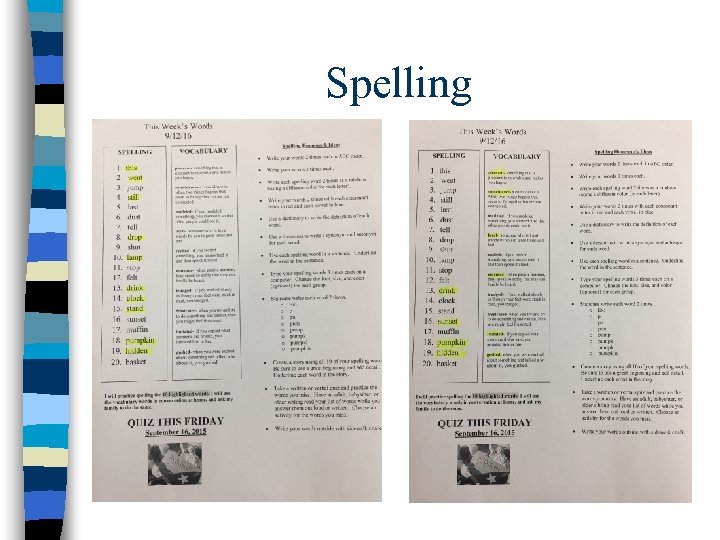 Spelling
 Classroom Environment n PBIS n Duffy Promise n Second Step n Responsive Classroom n Teamwork
 RISE “Raising Instructional Success for Everyone” “Rise & Shine” “We are going to RISE up together”
 Rationale & Support -Flexible groupings of students for 6 -8 weeks to provide intervention services, enrichment, independent practice, inquiry projects -Grade level/school-wide collaboration -RISE will take place on M, W, F to provide a balanced approach
 Thank you from Team 3 Classroom Teacher Room 10 Kristi Burton Classroom Teacher Room 22 Kelli Bedner Classroom Teacher Portable 1 Chris Harrison