 Скачать презентацию CURBING DRINK DRIVING IN EUROPE EUROCARE Alcohol Policy
4e589c31bc45f181d9c5f2d667a2f4a8.ppt
- Количество слайдов: 21



CURBING DRINK DRIVING IN EUROPE EUROCARE Alcohol Policy Conference Brussels, 27 November 2014 Graziella Jost, ETSC Programme Director
OUR MEMBERS
OUR WORK
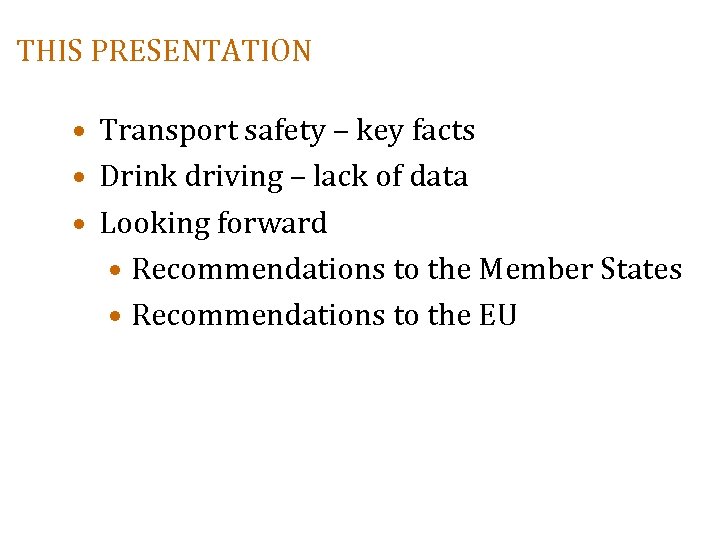
THIS PRESENTATION • Transport safety – key facts • Drink driving – lack of data • Looking forward • Recommendations to the Member States • Recommendations to the EU

11 deaths – Commercial Air Traffic 202 deaths – General Aviation EASA (2013)
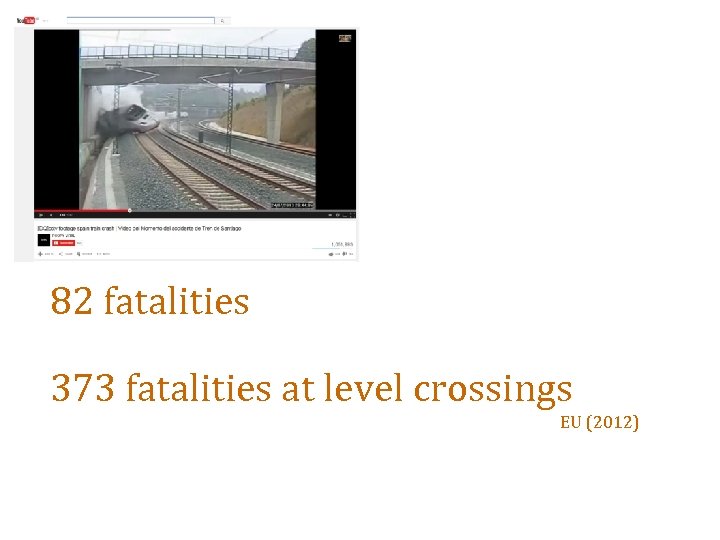
82 fatalities 373 fatalities at level crossings EU (2012)
26, 025 People killed in the EU 28 in 2013 as a consequence of road collisions 199, 000 People recorded by the Police as seriously injured* in the EU 28 in 2013 *according to their national definitions
500 deaths every week EU 28 (2013)
Time for a European road safety agency?
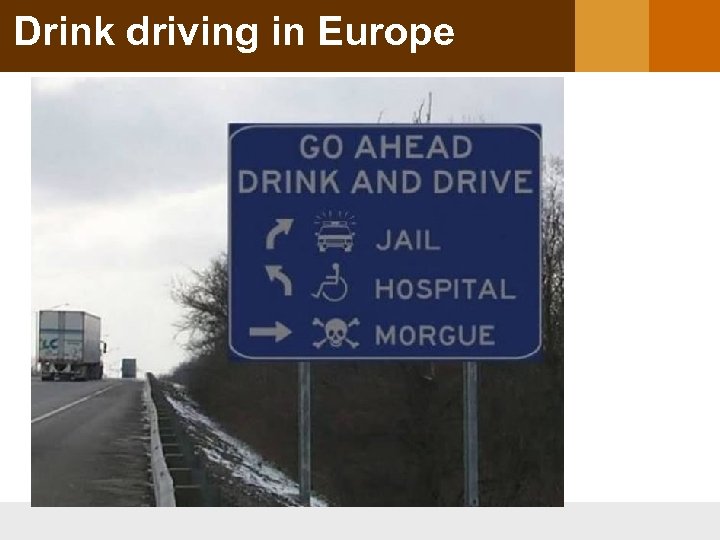
Drink driving in Europe
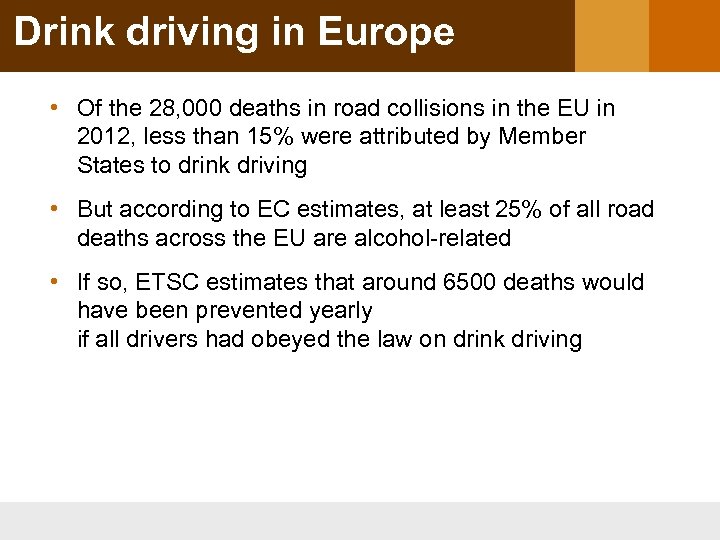
Drink driving in Europe • Of the 28, 000 deaths in road collisions in the EU in 2012, less than 15% were attributed by Member States to drink driving • But according to EC estimates, at least 25% of all road deaths across the EU are alcohol-related • If so, ETSC estimates that around 6500 deaths would have been prevented yearly if all drivers had obeyed the law on drink driving
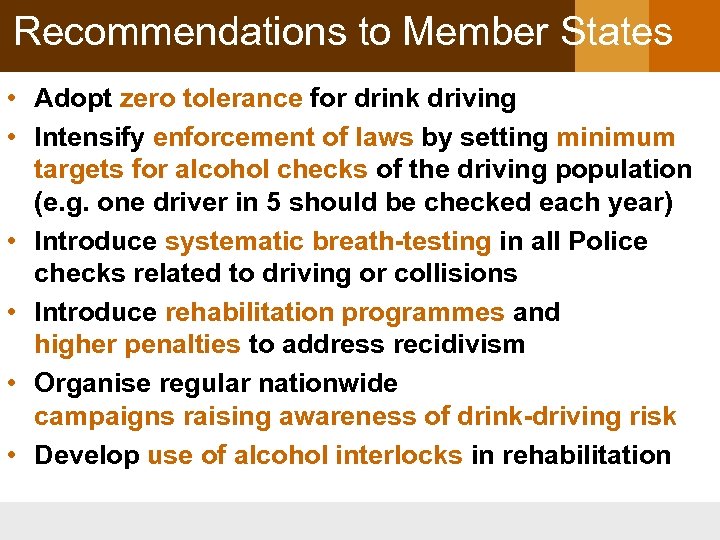
Recommendations to Member States • Adopt zero tolerance for drink driving • Intensify enforcement of laws by setting minimum targets for alcohol checks of the driving population (e. g. one driver in 5 should be checked each year) • Introduce systematic breath-testing in all Police checks related to driving or collisions • Introduce rehabilitation programmes and higher penalties to address recidivism • Organise regular nationwide campaigns raising awareness of drink-driving risk • Develop use of alcohol interlocks in rehabilitation
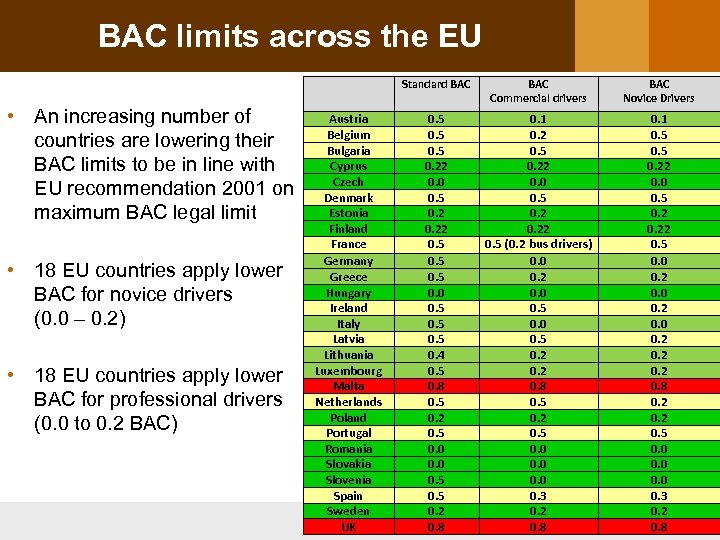
BAC limits across the EU Standard BAC • An increasing number of countries are lowering their BAC limits to be in line with EU recommendation 2001 on maximum BAC legal limit • • Austria Belgium Bulgaria Cyprus Czech Denmark Estonia Finland France Germany 18 EU countries apply lower Greece BAC for novice drivers Hungary Ireland (0. 0 – 0. 2) Italy Latvia Lithuania 18 EU countries apply lower Luxembourg Malta BAC for professional drivers Netherlands Poland (0. 0 to 0. 2 BAC) Portugal Romania Slovakia Slovenia Spain Sweden UK BAC Commercial drivers BAC Novice Drivers 0. 5 0. 22 0. 0 0. 5 0. 22 0. 5 0. 0 0. 5 0. 4 0. 5 0. 8 0. 5 0. 2 0. 5 0. 0 0. 5 0. 2 0. 8 0. 1 0. 2 0. 5 0. 22 0. 0 0. 5 0. 22 0. 5 (0. 2 bus drivers) 0. 0 0. 2 0. 0 0. 5 0. 2 0. 8 0. 5 0. 2 0. 5 0. 0 0. 3 0. 2 0. 8 0. 1 0. 5 0. 22 0. 0 0. 5 0. 22 0. 5 0. 0 0. 2 0. 8 0. 2 0. 5 0. 0 0. 3 0. 2 0. 8
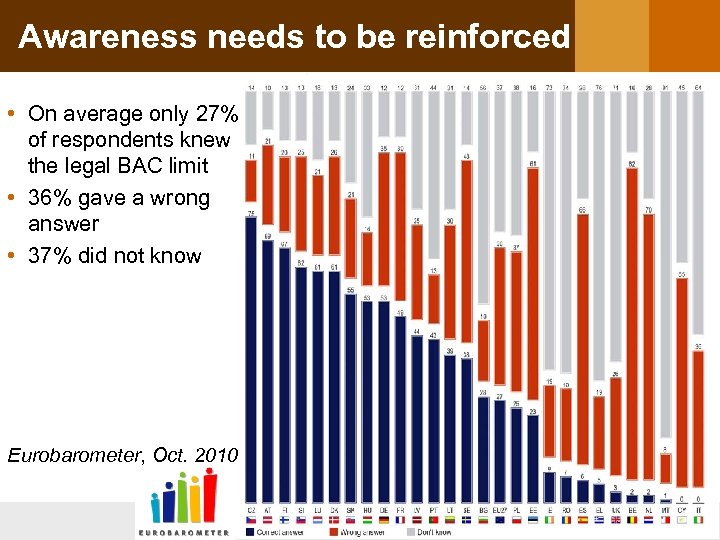
Awareness needs to be reinforced • On average only 27% of respondents knew the legal BAC limit • 36% gave a wrong answer • 37% did not know Eurobarometer, Oct. 2010
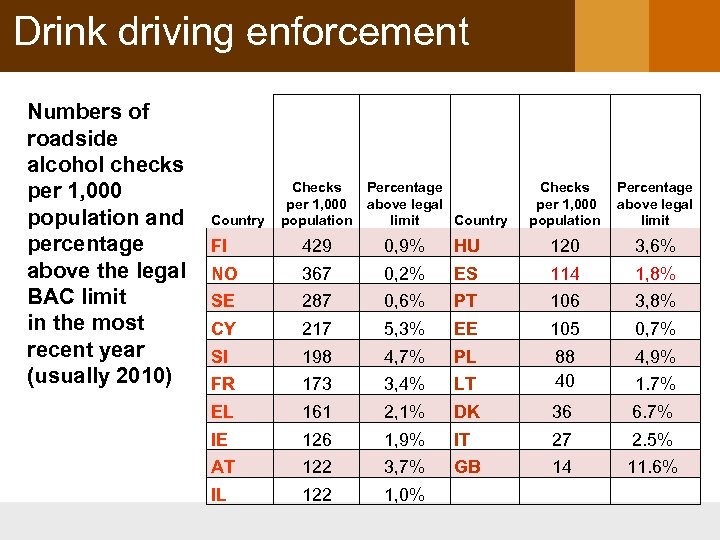
Drink driving enforcement Numbers of roadside alcohol checks per 1, 000 population and percentage above the legal BAC limit in the most recent year (usually 2010) Country Checks per 1, 000 population Percentage above legal limit FI 429 0, 9% HU 120 3, 6% NO 367 0, 2% ES 114 1, 8% SE 287 0, 6% PT 106 3, 8% CY 217 5, 3% EE 105 0, 7% SI 198 4, 7% PL 4, 9% FR 173 3, 4% LT 88 40 EL 161 2, 1% DK 36 6. 7% IE 126 1, 9% IT 27 2. 5% AT 122 3, 7% GB 14 11. 6% IL 122 1, 0% 1. 7%
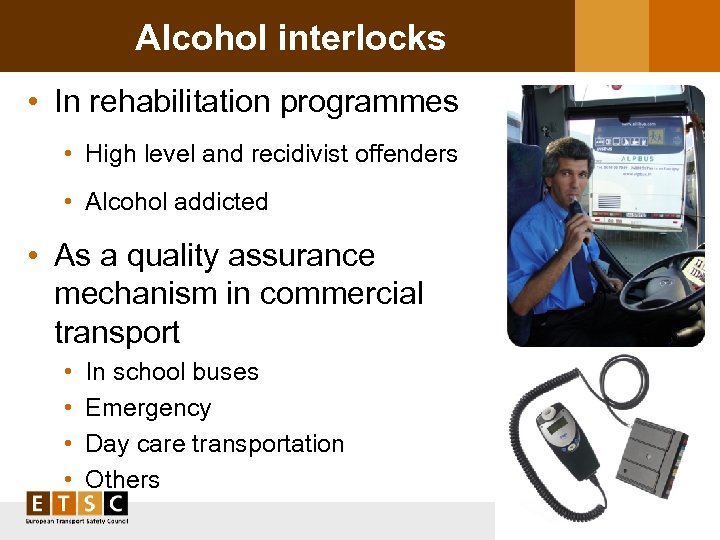
Alcohol interlocks • In rehabilitation programmes • High level and recidivist offenders • Alcohol addicted • As a quality assurance mechanism in commercial transport • • In school buses Emergency Day care transportation Others
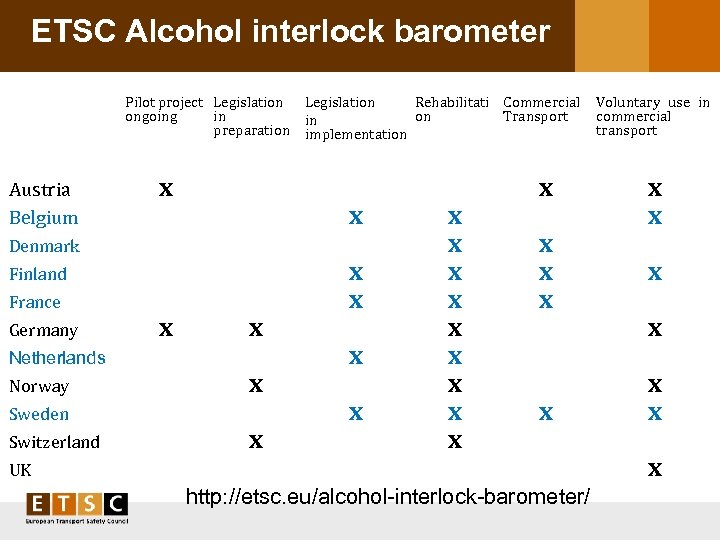
ETSC Alcohol interlock barometer Austria Belgium Denmark Finland France Germany Netherlands Norway Sweden Switzerland UK Pilot project Legislation ongoing in preparation x x x x Legislation Rehabilitati Commercial on Transport in implementation x x x x x x Voluntary use in commercial transport x x x x x http: //etsc. eu/alcohol-interlock-barometer/ x x x
EP Report on Road Safety “Recommends, as a reintegration measure, the fitting of alcohol interlocks to the vehicles of road users who already have more than one drink-driving conviction” “Recommends that fitting of alcohol interlocks (. . . ) to all new types of commercial passenger and goods transport vehicles be made compulsory; calls on the Commission to prepare by 2013 a proposal for a Directive for the fitting of alcohol interlocks, including the relevant specifications for its technical implementation”
European Commission Road Safety Policy Orientations 2011 -2020 “The Commission will examine to what extent measures are appropriate for making the installation of alcohol interlock devices in vehicles compulsory, for example with respect to professional transport (e. g. school buses)”
ETSC recommendations to the EU • Propose a Directive setting a zero tolerance for drink driving for commercial and novice drivers • Encourage Member States to prepare national enforcement plans with targets including drink driving • Work towards standardised definitions of drinkdriving and alcohol-related collisions • Introduce uniform standards for alcohol interlocks in the EU and help all Member States to introduce them • Introduce alcohol interlocks firstly for repeat offenders and professional drivers and in due course in non-intrusive form for all vehicles
 Скачать презентацию CURBING DRINK DRIVING IN EUROPE EUROCARE Alcohol Policy
4e589c31bc45f181d9c5f2d667a2f4a8.ppt