 Скачать презентацию Culture Consumer Behavior and Product Policy Tauno Kekäle
bf65c293a8c680036d049fbcf6d504ab.ppt
- Количество слайдов: 60



Culture, Consumer Behavior and Product Policy Tauno Kekäle Nitra Slovak Agricultural University November, 2009
WHAT DOES “INTERNATIONAL” MEAN ? =>WHAT IS THE MAIN POINT HERE ?
WHAT DOES “INTERNATIONAL” MEAN ? =>WHAT IS THE MAIN POINT HERE ? …distances…mental and geographical
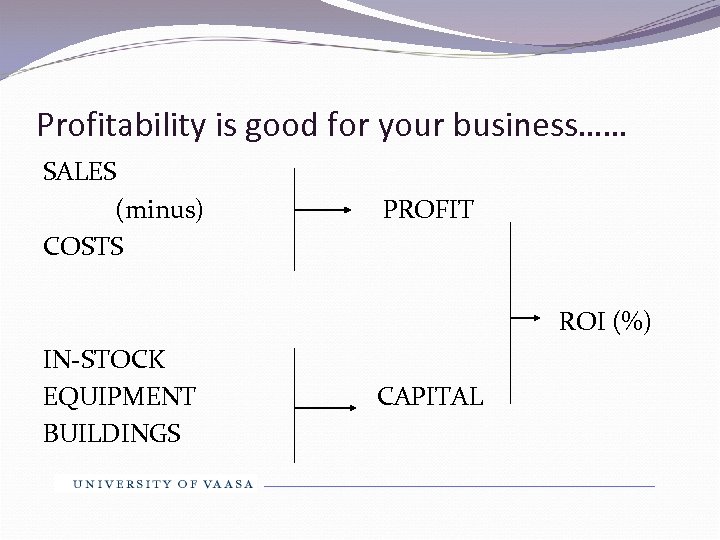
Profitability is good for your business…… SALES (minus) COSTS PROFIT ROI (%) IN-STOCK EQUIPMENT BUILDINGS CAPITAL
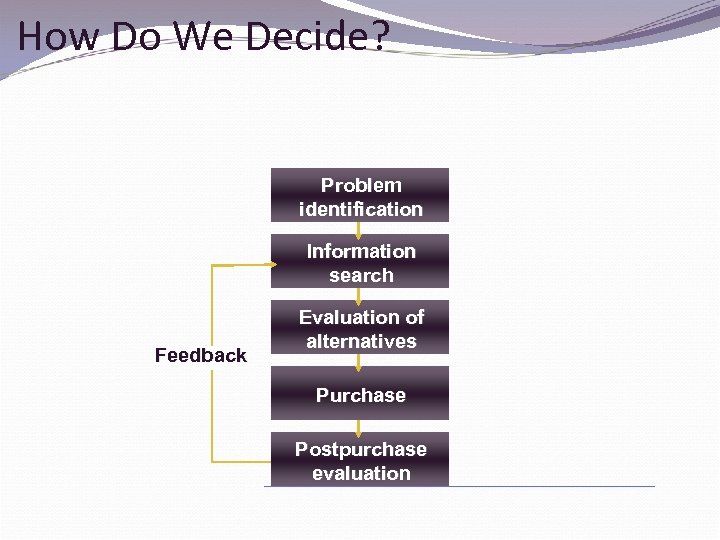
How Do We Decide? Problem identification Information search Feedback Evaluation of alternatives Purchase Postpurchase evaluation
CONSTRUCTIVE VIEW TO “CULTURE”: Surface-level matters have deeper-level causes and reasons The “culture”, paintings architectures, habits etc we observe are products of the deep shared, subconscious beliefs and assumptions on how the world works and how we should live in it
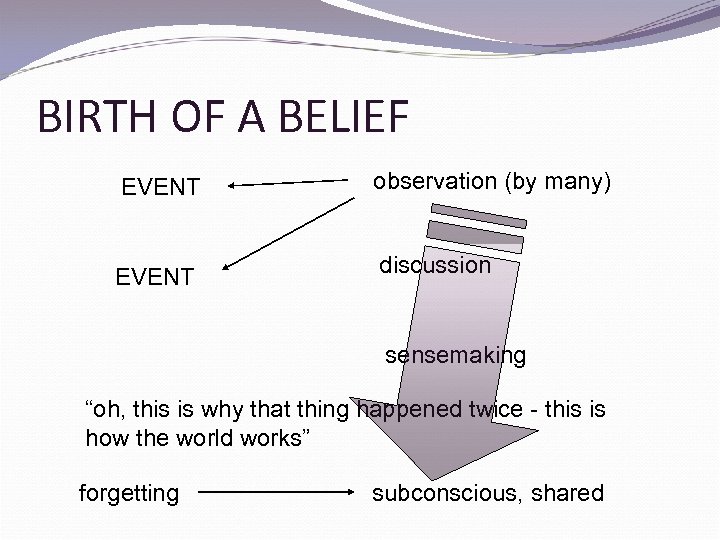
BIRTH OF A BELIEF EVENT observation (by many) EVENT discussion sensemaking “oh, this is why that thing happened twice - this is how the world works” forgetting subconscious, shared
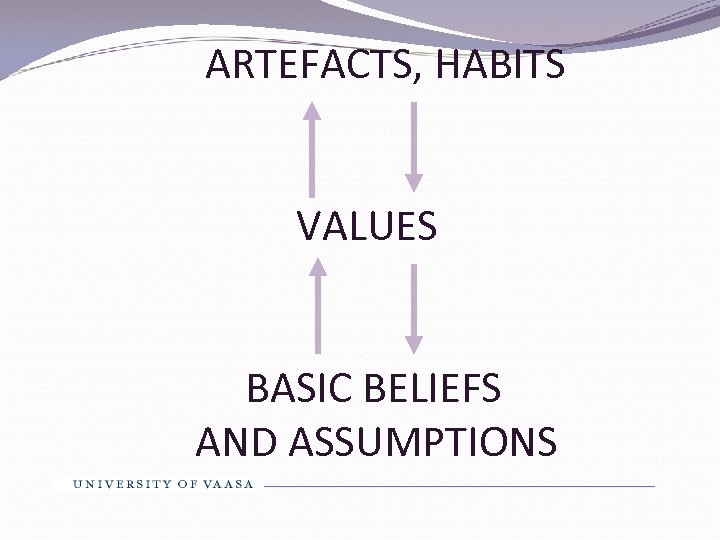
ARTEFACTS, HABITS VALUES BASIC BELIEFS AND ASSUMPTIONS
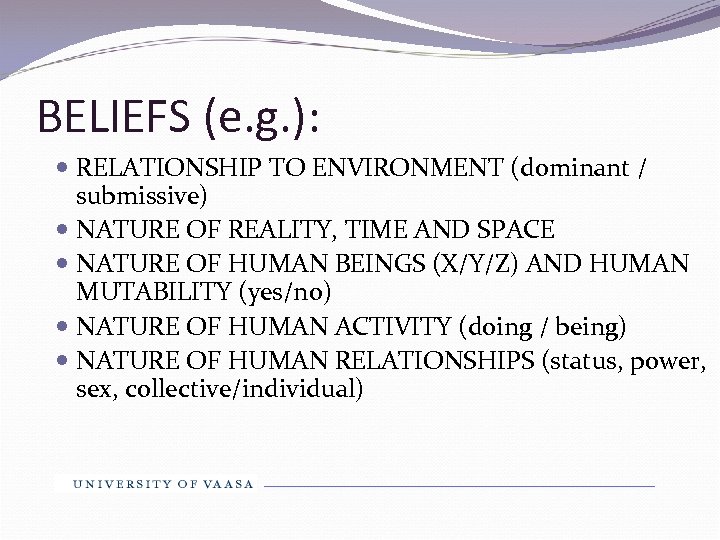
BELIEFS (e. g. ): RELATIONSHIP TO ENVIRONMENT (dominant / submissive) NATURE OF REALITY, TIME AND SPACE NATURE OF HUMAN BEINGS (X/Y/Z) AND HUMAN MUTABILITY (yes/no) NATURE OF HUMAN ACTIVITY (doing / being) NATURE OF HUMAN RELATIONSHIPS (status, power, sex, collective/individual)
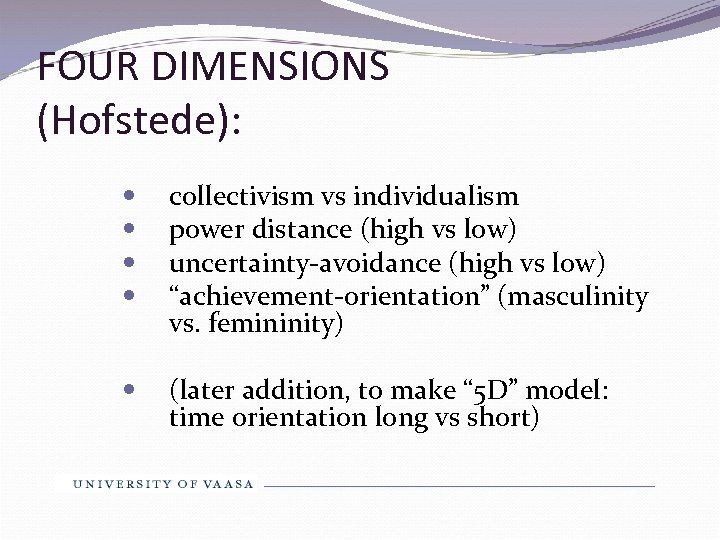
FOUR DIMENSIONS (Hofstede): collectivism vs individualism power distance (high vs low) uncertainty-avoidance (high vs low) “achievement-orientation” (masculinity vs. femininity) (later addition, to make “ 5 D” model: time orientation long vs short)
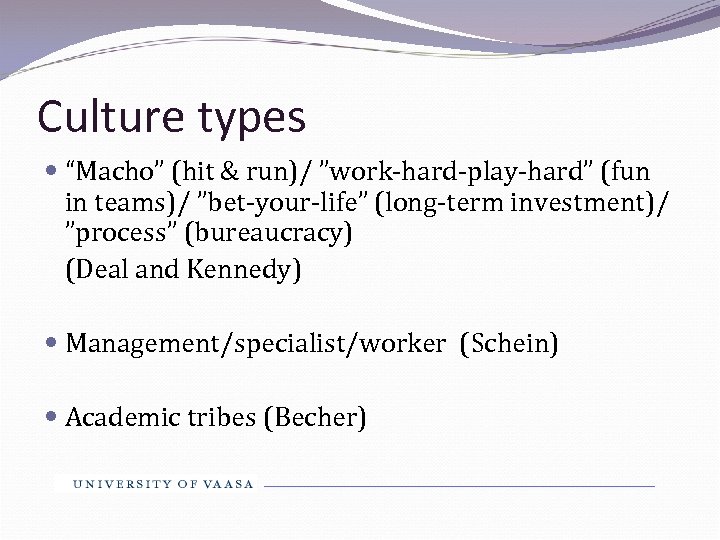
Culture types “Macho” (hit & run)/ ”work-hard-play-hard” (fun in teams)/ ”bet-your-life” (long-term investment)/ ”process” (bureaucracy) (Deal and Kennedy) Management/specialist/worker (Schein) Academic tribes (Becher)
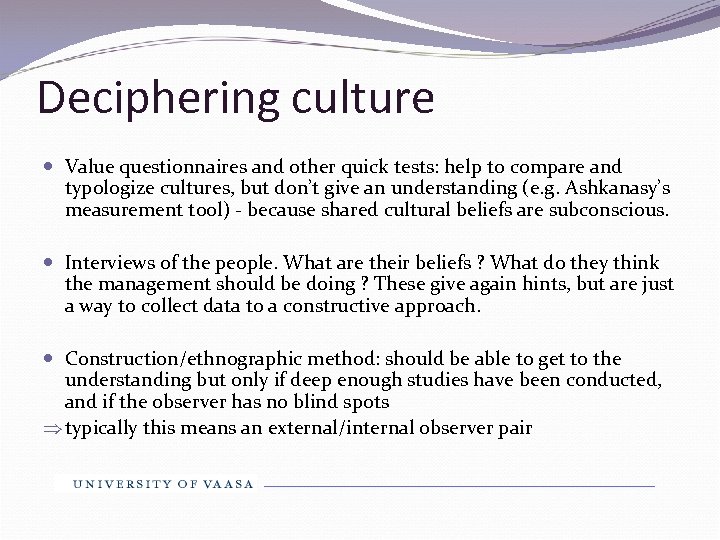
Deciphering culture Value questionnaires and other quick tests: help to compare and typologize cultures, but don’t give an understanding (e. g. Ashkanasy’s measurement tool) - because shared cultural beliefs are subconscious. Interviews of the people. What are their beliefs ? What do they think the management should be doing ? These give again hints, but are just a way to collect data to a constructive approach. Construction/ethnographic method: should be able to get to the understanding but only if deep enough studies have been conducted, and if the observer has no blind spots Þ typically this means an external/internal observer pair
Deciphering culture (2) It may help to understand one’s own culture if one knows what kind of cultures there generally are ! After that: 1) Look around you. Sentences and slogans that are often repeated, furniture, pictures, books in bookshelves, dress code…. . 2) Observe, participate. Parties, meetings, rituals and traditions…. 3) Listen. Topics discussed, stories of important events and organizational heroes, remunerations and punishments………
Cultural Factors on Consumer Behavior Culture: Captured by Values, Beliefs & Customs/Habits, regulates societal behavior. Subculture: Add/delete some VBC’s, but accept the majority of society’s VBC’s. Social Class: An ascribed indicator of status. Beliefs that indicate and connect to Wealth, Power and Prestige. (Marketing Analogies e. g. Income, Occupation, Education…. )
Social Factors (2) Family (and friends): The most influential group(s) in most peoples’ lives relative to consumption behavior. Roles & Statuses: The hats we wear. This creates expectations that we may comply with.
Personal Factors of Consumer Behavior: “Who We Are” Age & Lifecycle Stage: Indicates consumption needs. Occupation: Indicates ambitions /accomplishments and provides insights into consumption wants. Economic Circumstances and Lifestyle: Indicates ability to consume and levels of consumption.
Psychological Factors of Consumer Behavior Personality: The Self, that which makes us who we are; distinguishes us from others. Motivation: That which impels us to act. Tension Drive Response, model. Unfilled needs create tension, when the tension is sufficiently high it triggers a response that is directed at satisfying the need. The need remains in stasis until the tension again builds, e. g. , you get hungry and eat every 5 or 6 hours.
Psychological Factors (2) Perception: Our point of contact with the environment. Relates to the process of attention. Which sense do we attend to? Organizes sensory stimuli. What is figure and what is background? Involves interpretation of sensory stimuli. What was that sound?
Psychological Factors (3) Learning: How we gather and store information about our environment. Basis for how we act.
Learning theories Classical Conditioning: Pavlov Stimulus Response method based on conditioned and unconditioned elements. Behavioral Conditioning: Skinner Stimulus Response Reinforcement view based on types of reinforcement and their schedules. Information Processing Models: Environmental info is received through the senses and processed. Learning occurs during conscious interaction with the environment and is stored in long-term memory. Computer analogy.
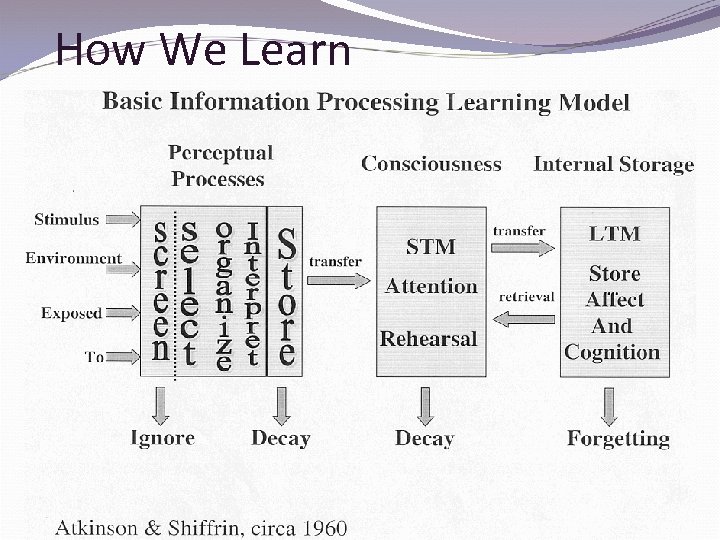
How We Learn
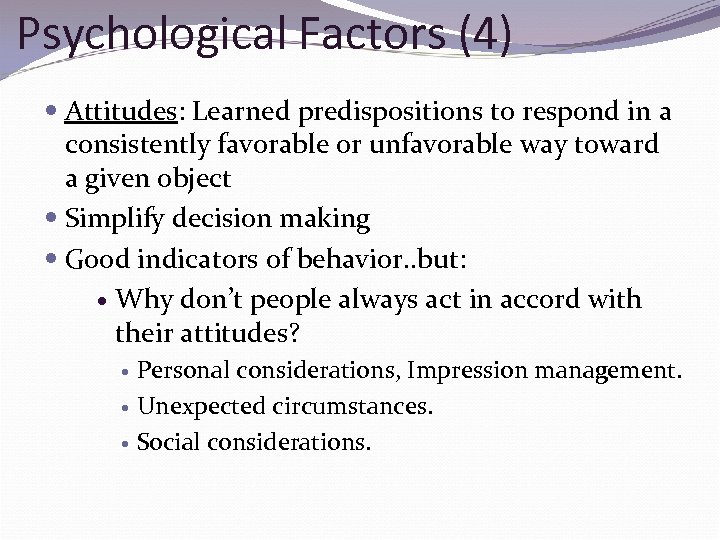
Psychological Factors (4) Attitudes: Learned predispositions to respond in a consistently favorable or unfavorable way toward a given object Simplify decision making Good indicators of behavior. . but: Why don’t people always act in accord with their attitudes? Personal considerations, Impression management. Unexpected circumstances. Social considerations.
Attitudes: Single Component The simplest conceptualization is that Attitude = Affect, where affect reflects an individual’s feelings about an object.
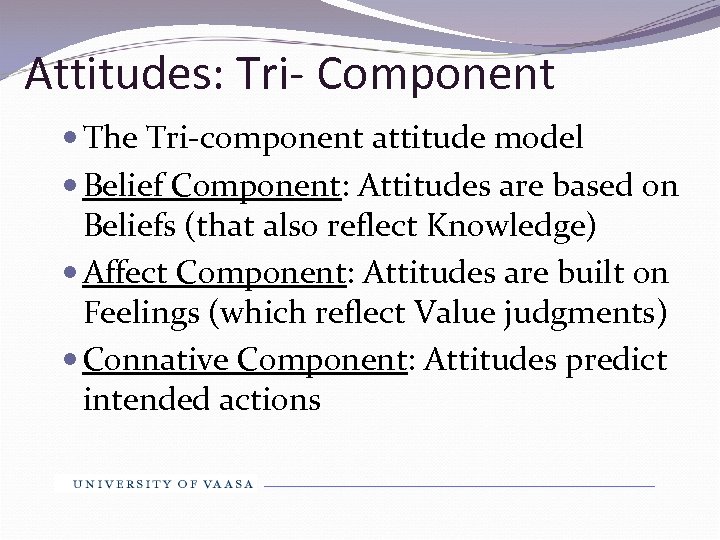
Attitudes: Tri- Component The Tri-component attitude model Belief Component: Attitudes are based on Beliefs (that also reflect Knowledge) Affect Component: Attitudes are built on Feelings (which reflect Value judgments) Connative Component: Attitudes predict intended actions
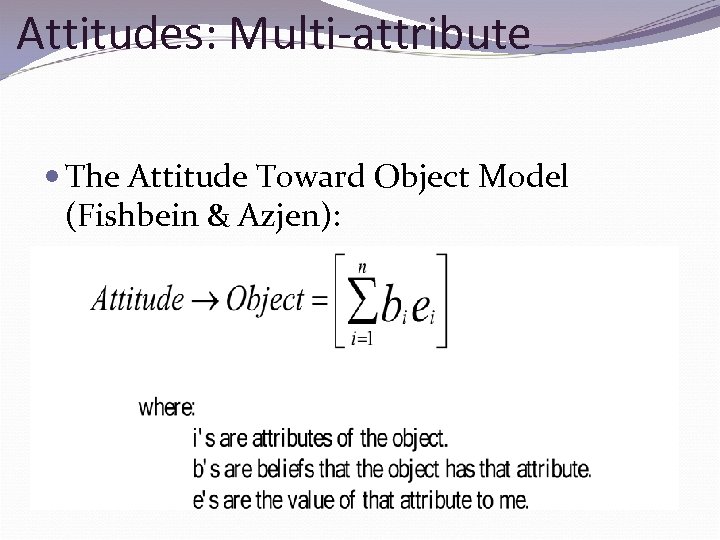
Attitudes: Multi-attribute The Attitude Toward Object Model (Fishbein & Azjen):
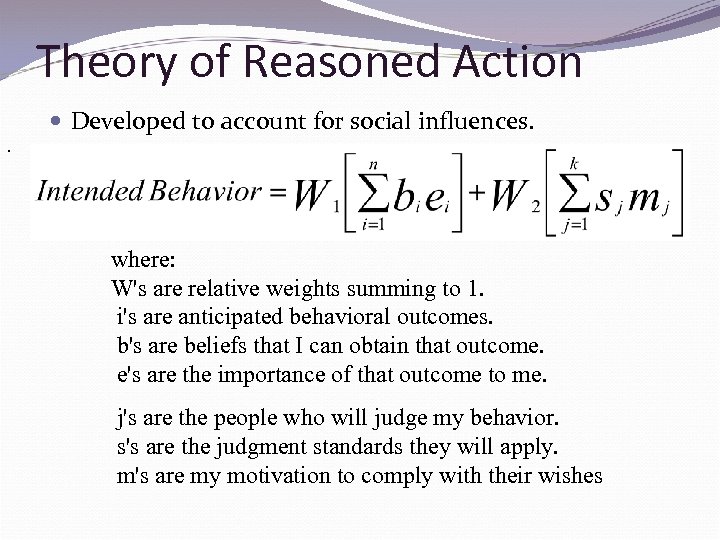
Theory of Reasoned Action . Developed to account for social influences. where: W's are relative weights summing to 1. i's are anticipated behavioral outcomes. b's are beliefs that I can obtain that outcome. e's are the importance of that outcome to me. j's are the people who will judge my behavior. s's are the judgment standards they will apply. m's are my motivation to comply with their wishes
INTERNATIONAL PRODUCT POLICY: ANOTHER CULTURE IS A RISK FOR OUR BUSINESS What if we do not sell ? What if it is difficult ? What if we make the wrong statement ? The risk increases the more unknown worlds we are trying to explore…… (both concerning beliefs – religions, worldviews, history etc – and artifacts such as language, consumption habits, etc. )
THINKING CUSTOMER VALUE 1. CUSTOMER SHOULD FEEL THE VALUE -the goal cannot be to sell once as expensively as possible, but that the customer feels he gets something that is difficult to measure in monetary terms(and that nobody else gives) 2. THE PRODUCT IS NOT A “PRODUCT” -our product is the knowledge we sell to the customer to improve value for them - or for their customers (physical product or service)
THINKING CUSTOMER VALUE (2) 3. CUSTOMER SATISFACTION IS NOT THE FINAL GOAL, REALLY -as producers we have a duty to serve the customer throughout the life cycle of the product (or the customer’s process) and to improve the offering continuously -despite the duty, this is also makes business sense: instead of selling/pushing we “open a connection” to the customer spending
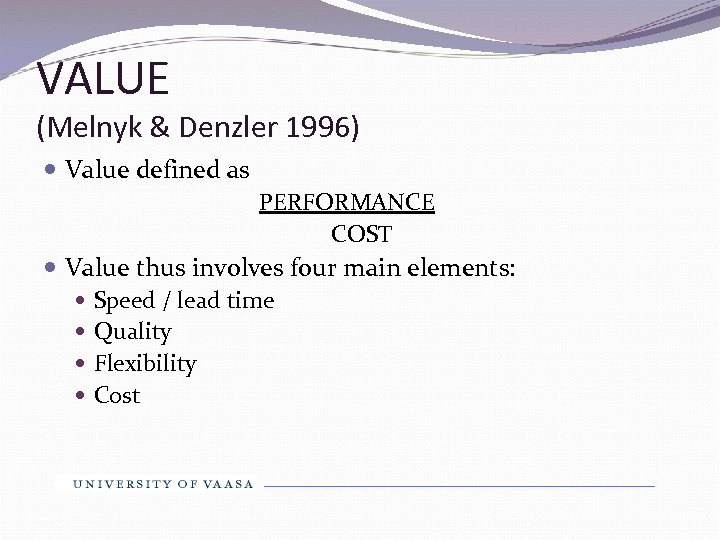
VALUE (Melnyk & Denzler 1996) Value defined as PERFORMANCE COST Value thus involves four main elements: Speed / lead time Quality Flexibility Cost
Levels of Problem Solving Routine: Evaluative criteria and brand preference are known, effort is devoted to finding the item to purchase. Limited: Evaluative criteria are known, but brand preference is not formed. Extensive: Evaluative criteria are not known and brand preference is not formed.
The Role of Involvement reflects the importance of making the best/right choice or decision. It spans all levels of problem solving.
HELPING THE CUSTOMER TO HELP YOU: what do the people REALLY want/need ? -Don't ask directly for requirements, ask for use cases -Review together the typical use of existing products -Let the customer review your documentation so that you speak same language and understand the product uses -If you see opportunities to improve their processes, include them in sufficient detail so that you can see if they are really improvements
So, what to sell ? The international marketer needs to determine what the market offering should be in a foreign market : Defining the product offering Products versus Services? Cultural factors
What is a product ? Product: A bundle of attributes The Total Product Tangible attributes: materials, size, weight, design, packaging, performance, comfort Intangibles: brand image, styling, other benefits (installation, delivery, credit, warranty, after-sale service, return policy)
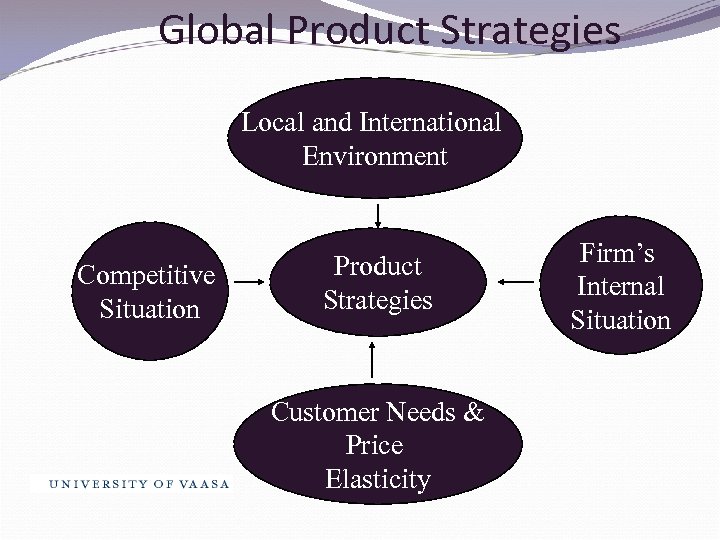
Global Product Strategies Local and International Environment Competitive Situation Product Strategies Customer Needs & Price Elasticity Firm’s Internal Situation
Goods versus Services/Rights Instead of marketing a product abroad, the company may also sell the rights to a product/brand or services in a foreign market: - rights : brand / trademark / patent - services : management skills (hotel chain) often through concept franchising
Sales of Rights - Examples Franchising business : - Coca-Cola : - Pilkington: - Other : use of its name to licensed bottlers around the world. licensing of the process of float glass. Manpower, Mc. Donald's, etc.
Sales of Rights - Examples Management Contracts : - Sheraton Hotels : Management contract for hotels abroad, sale of consulting and management contracts Little equity invested : Sheraton manages almost 400 hotels worldwide but has equity in only 40 of them. Advantages : minimum risk & strong competitive position.
Sales of Rights - Examples Turn-Key operations : The firm is selling technical and engineering skills. The firm is training foreign nationals to run a plant. The firm is supplying material and equipment. (e. g. Wärtsilä Diesel; KWH Pipe)
Product Related Global Drivers Demand Drivers Higher expectations More information Higher switching costs Full-service expectations
Product Related Global Drivers Supply Drivers Fast-paced innovations Frequent product modifications Manufacturing rationalization Outsourcing coordination Strategic Alliances
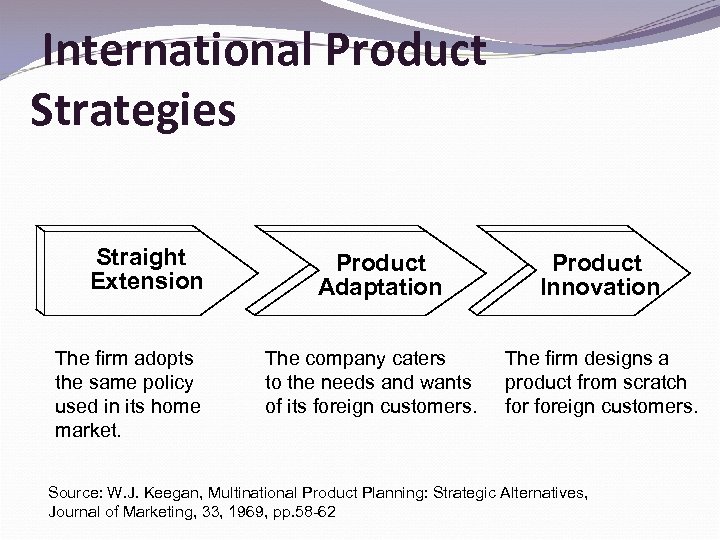
International Product Strategies Straight Extension The firm adopts the same policy used in its home market. Product Adaptation The company caters to the needs and wants of its foreign customers. Product Innovation The firm designs a product from scratch foreign customers. Source: W. J. Keegan, Multinational Product Planning: Strategic Alternatives, Journal of Marketing, 33, 1969, pp. 58 -62
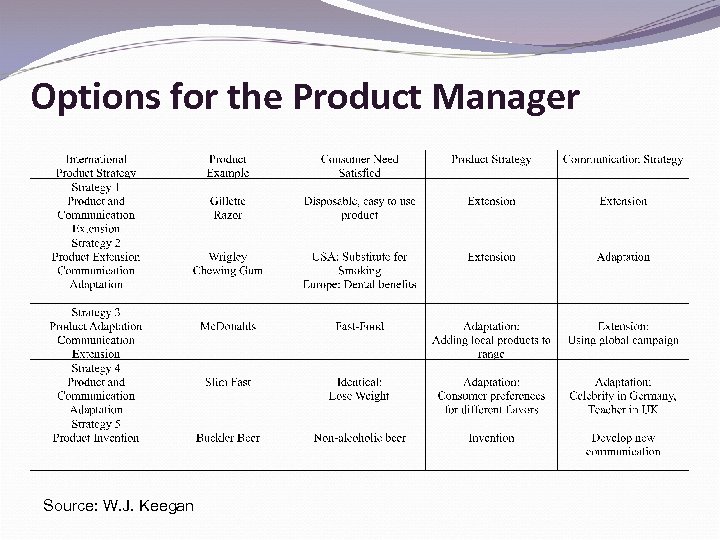
Options for the Product Manager Source: W. J. Keegan
Global Product Decisions Existing Products Product phase-out Product modification Product introduction into new markets Product performance management New Product development Product introduction Product performance management
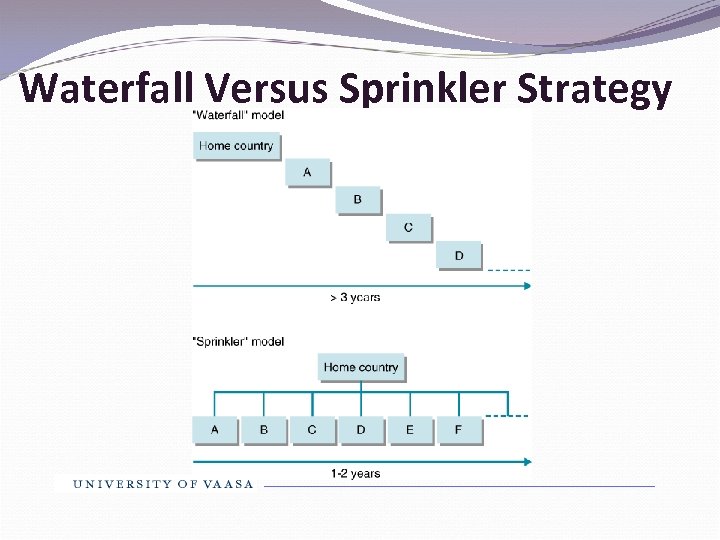
Waterfall Versus Sprinkler Strategy
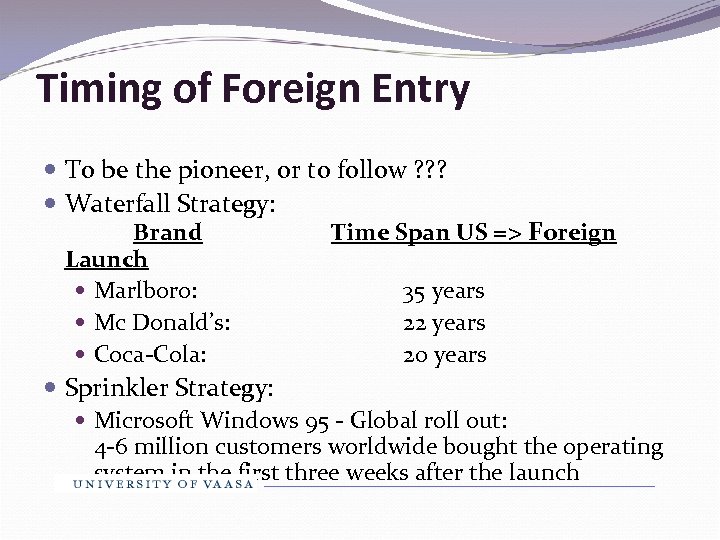
Timing of Foreign Entry To be the pioneer, or to follow ? ? ? Waterfall Strategy: Brand Time Span US => Foreign Launch Marlboro: 35 years Mc Donald’s: 22 years Coca-Cola: 20 years Sprinkler Strategy: Microsoft Windows 95 - Global roll out: 4 -6 million customers worldwide bought the operating system in the first three weeks after the launch
RISKY BUSINESS New markets: “always” s-curve, but how steep ? starts to grow when ? how long can we afford to wait ? => lead users => customer clinics, Delphi => observer strategy, scenarios => product overlap strategy (BCG zoo)
RPV MODEL (Christensen et al. 2004) WHO will be the incumbent to take up the competition with us upon entry: Who has the RESOURCES Whose PROCESSES would be most flexible Whose VALUES would support it (Think Nokia. Should they be studying Apple… Samsung…. Microsoft…Google ? )
Managing International Product Lines Deciding on the right individual product for world markets is only one aspect of product policy. The next step is to decide what family of products should be offered
International Product Line Planning The foreign product line is frequently smaller than the domestic line because of financial and market limitations. By introducing a limited product line into foreign markets the firm can test the market before taking a bigger plunge.
Reasons for Product Standardization Economies of scale : Common Consumer needs : Production, R&D, Marketing Consumer Mobility : Customer retention & Loyalty American Express, Kodak, . . . Drinking patterns, car sizes Home Country Image : US jeans, French Perfumes, . . . Impact of technology : B to B Markets
POSTPONEMENT Saves “bound capital”, diminishes stocks, increases flexibility: differentiating elements of the product must reside in relatively few “chunks” product, as well as supply process, must be designed so that the differentiating elements can be added to the product near to the end of the chain
Mandatory product adaptations Governmental regulations Technological considerations (e. g. , voltage, infrastructure) Cultural imperatives - is it acceptable to consumers Measurement standards: volume, length, weight, quantity
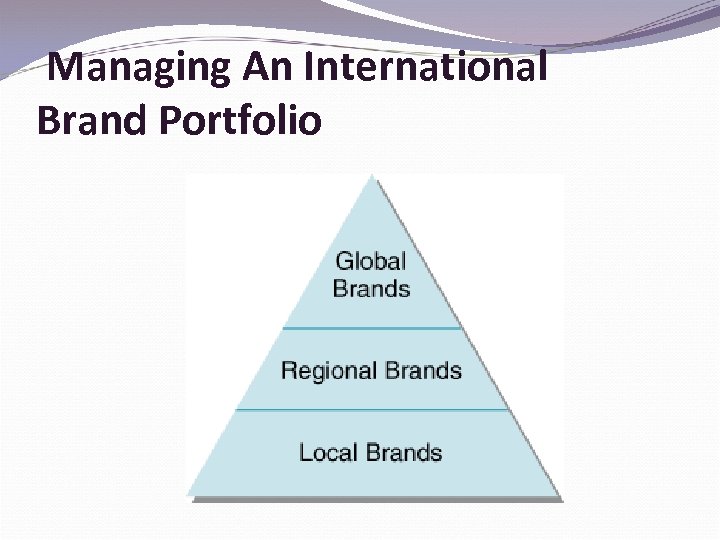
Managing An International Brand Portfolio
Brand Positioning Perceived fit Positioning is between a defined relative particular product to: offering and the competitive offerings needs of target market consumer needs
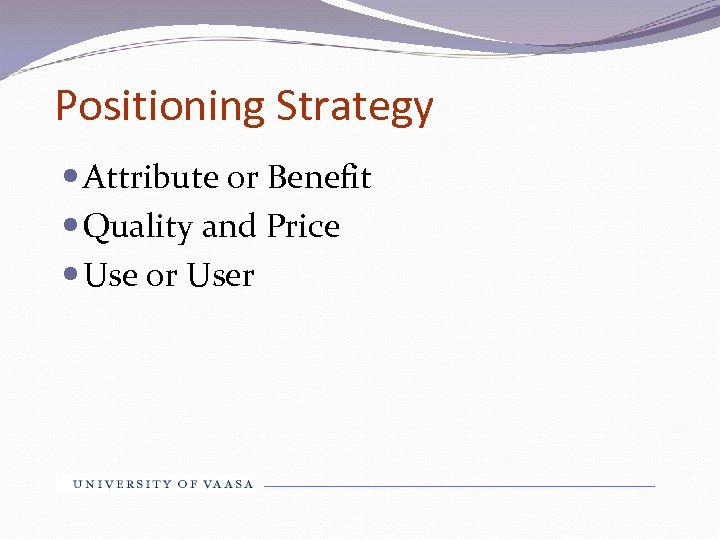
Positioning Strategy Attribute or Benefit Quality and Price Use or User
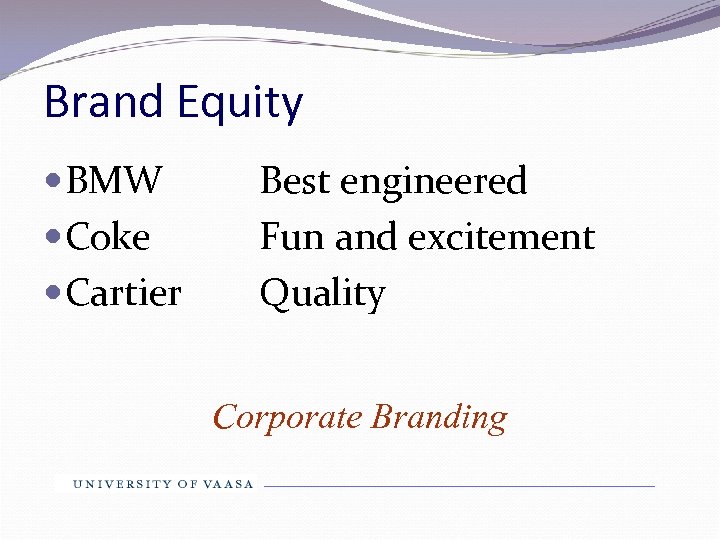
Brand Equity BMW Coke Cartier Best engineered Fun and excitement Quality Corporate Branding
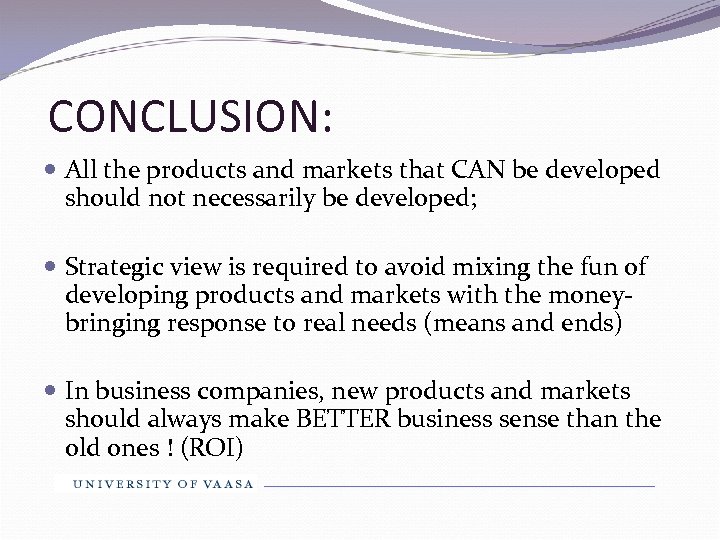
CONCLUSION: All the products and markets that CAN be developed should not necessarily be developed; Strategic view is required to avoid mixing the fun of developing products and markets with the moneybringing response to real needs (means and ends) In business companies, new products and markets should always make BETTER business sense than the old ones ! (ROI)
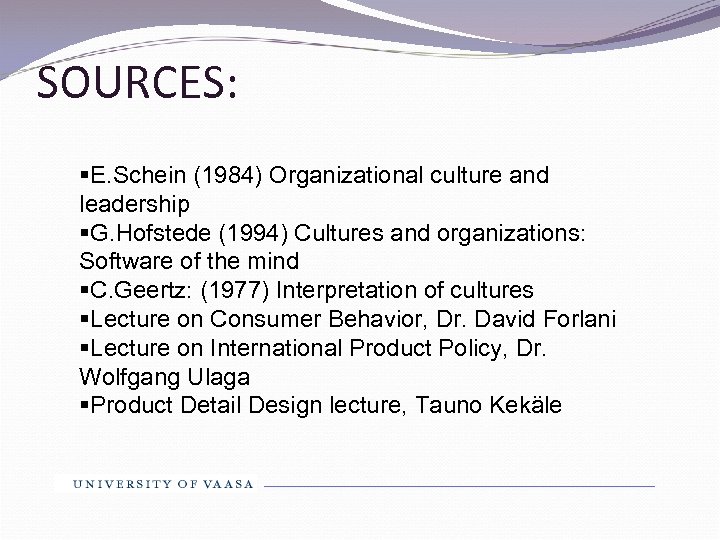
SOURCES: §E. Schein (1984) Organizational culture and leadership §G. Hofstede (1994) Cultures and organizations: Software of the mind §C. Geertz: (1977) Interpretation of cultures §Lecture on Consumer Behavior, Dr. David Forlani §Lecture on International Product Policy, Dr. Wolfgang Ulaga §Product Detail Design lecture, Tauno Kekäle
Скачать презентацию Culture Consumer Behavior and Product Policy Tauno Kekäle
bf65c293a8c680036d049fbcf6d504ab.ppt