


 Скачать презентацию Culture and Cognition Outline 1 Introduction 2
Culture_and_Cognition_pptx_2017.pptx
- Количество слайдов: 42
 Culture and Cognition
 Outline 1. Introduction 2. Visual illusions 3. Pictorial perception 4. Intelligence across cultures 4. 1 General Intelligence ‘g’ 4. 2 Indigenous conceptions 5. Cognitive styles: 5. 1 Field dependence/independence 5. 2 East/ West styles 6. Conclusions
 Readings • Berry, et al (2011). Cross-cultural Psychology. Chapters 9 and 6. • Segall, M. H. , Campbell, D. T. , & Herskovits, K. J. (1966). The influence of culture on visual perception. Indianapolis: Bobbs-Merrill. • Berry, J. W. , and Dasen, P. (1974) (Eds. ). Culture and Cognition, London: Methuen found • Nisbett, R. E. (2003). The geography of thought: How Asians and Westerners think differently … and why. New York: The Free Press
 1. Introduction • The field of study called culture and cognition includes a number of related phenomena: sensation, perception, intelligence and cognitive style. • Sensation and perception were one of the earliest areas of psychology to be examined across cultures.
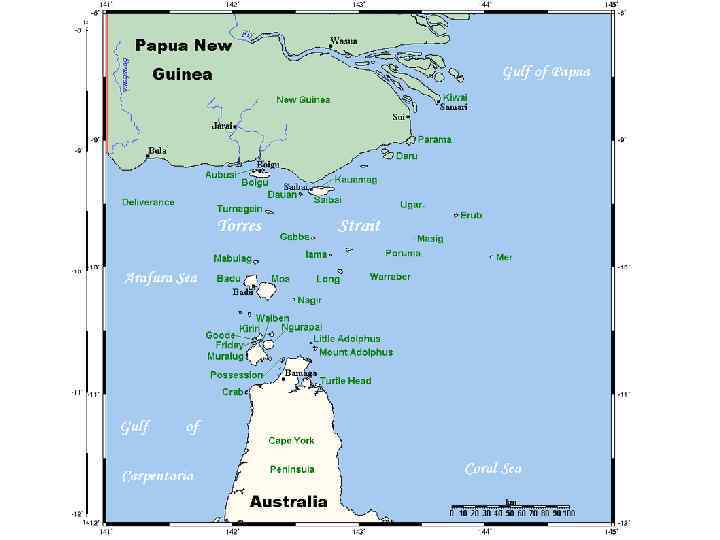
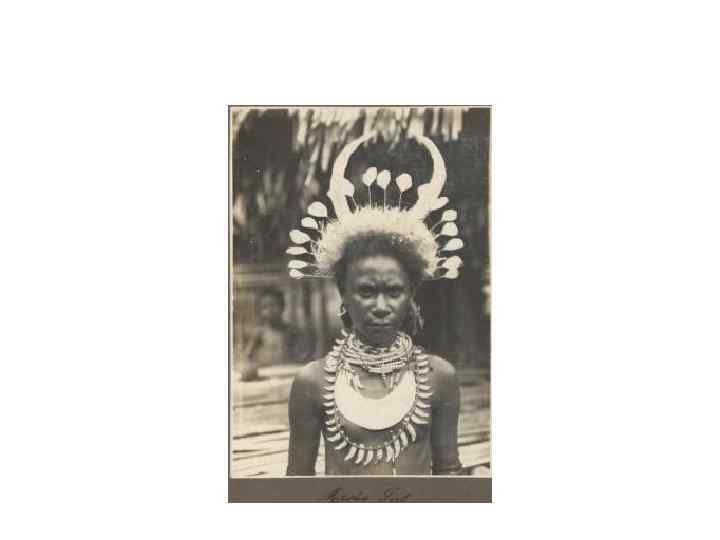
 1. Introduction • The 1899 expedition to the Torres Strait Islands by Rivers examined a number of phenomena, including colour perception and the susceptibility of these peoples to visual illusions. • The belief at that time was that these ‘savages’ would be tricked more easily that would Cambridge undergraduates. • However, the findings were more complicated!
 2. Visual Illusion Susceptibility One of the classics of ccp are studies of susceptibility to visual illusions (Segall, Campbell & Herskovits, 1962, 1966) They examined 2 theory-derived hypotheses, checked the relevant (external) cultural conditions and analyzed their data They had data collected by colleagues around the world [in 14 non-western and 3 western contexts], using a well-designed stimulus book. The two hypotheses were: - carpentered world hypothesis; - foreshortening hypothesis Both hypotheses are based on the view that we respond to visual illusions on the basis of what we have learned in our visual ecology
 2. Carpentered World Hypothesis • Susceptibility to angled illusions [such as the Muller-Lyer arrows, and the Sander parallelogram] is promoted by living in visual environments that are carpentered to produce many right angles. • Perceivers are ‘tricked’ by interpreting these acute and obtuse angles as right angles. • In the ML, they overestimate the length of the line subtended by the outward pointing arrows • In the Sander, they over estimate the length of the line subtended between the obtuse angles
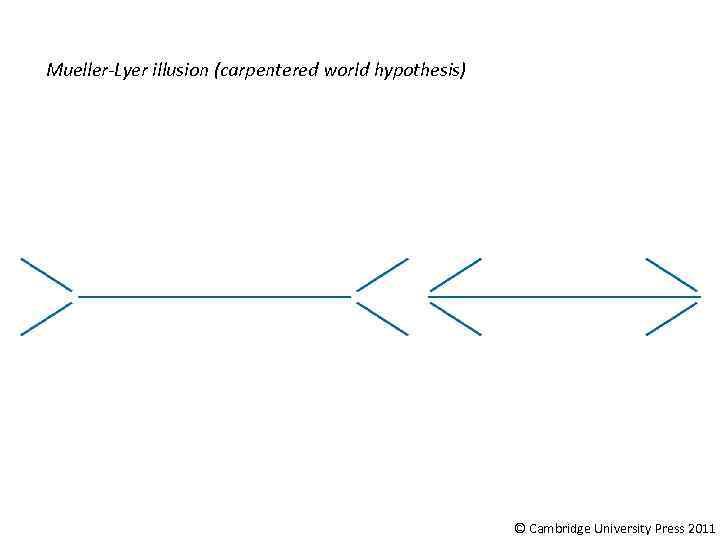 Mueller-Lyer illusion (carpentered world hypothesis) © Cambridge University Press 2011
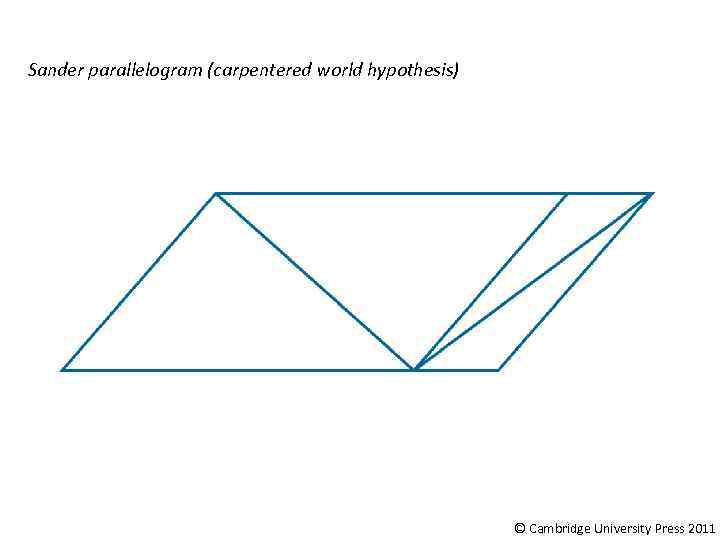 Sander parallelogram (carpentered world hypothesis) © Cambridge University Press 2011
 2. Foreshortening Hypothesis • Susceptibility to the horizontal-vertical illusion is promoted for people who experience long distances in a horizontal plane, and having few verticals. • Perceivers are ‘tricked’ into interpreting a vertical stimulus as a long line running away from them in the horizontal plane. • They thus overestimate the length of the vertical line in relation to the horizontal line.
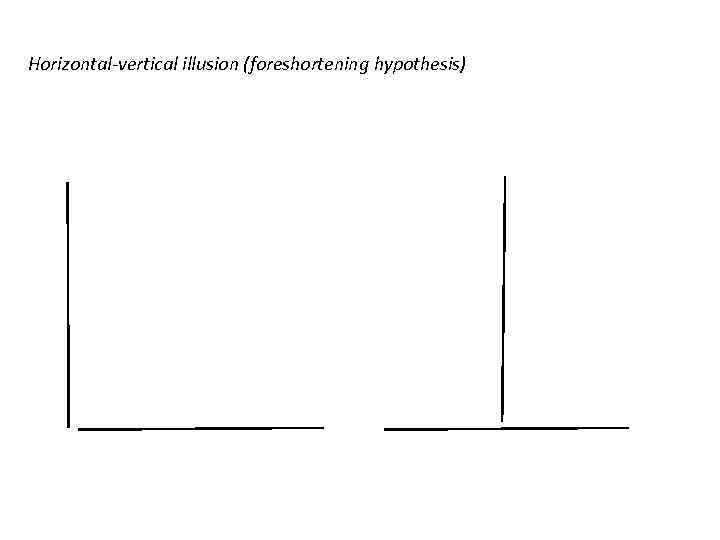 Horizontal-vertical illusion (foreshortening hypothesis)
 3. Perception of Depth in Pictures • The recognition of objects in drawings requires previous experience of drawings and the conventions used to represent objects. • Hudson studied one aspect of pictorial perception [depth perception pictures ] in South Africa using drawings of animals and topography. • He began this line of work to improve communication of safe working practices in mine workers.
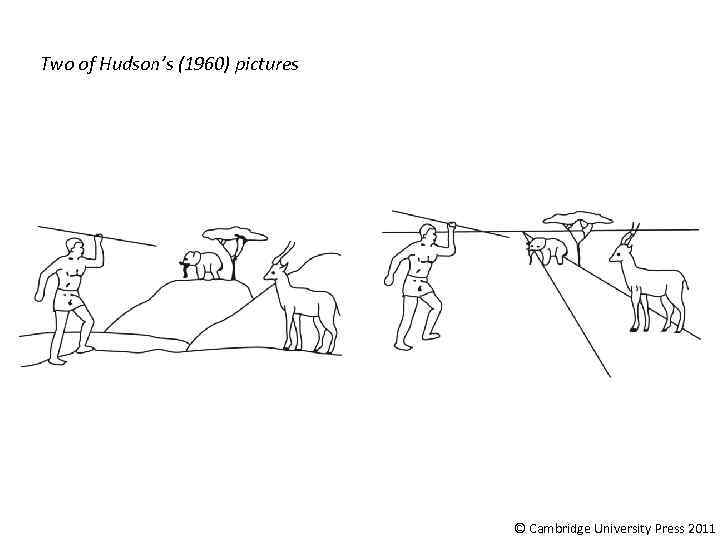 Two of Hudson’s (1960) pictures © Cambridge University Press 2011
 3. Perception of Depth in Pictures • The perception of depth involves depth cues: - relative size, - superposition, - gradient of texture, and - perspective. • Some of these require more exposure to be learned than others: - for example the gradient of texture is usually compelling by itself - in contrast linear perspective qualifies as a cultural convention • Hudson concluded that aspects of 3 D perception of 2 D figures are based on a set of learned skills in particular cultural contexts.
 4. Cognition -Introduction • The study of cognition, cognitive abilities and intelligence has been controversial for many years. • The notion that there is only one kind of intelligence is problematic, because there are many culturallybased (indigenous) conceptions. • Despite these problems, the concept of general intelligence continues to be used across cultures. • The notions of cognitive style has come to replace intelligence in much c-c research.
 4. Intelligence • There are three explanatory frames that were historically used to describe or interpret the intelligence of “primitive peoples”: -Climate: During the Enlightenment temperate climate (eg. , Europe) was seen as more conducive to high civilization than tropical or arctic regions - “Race”: In the 19 th century theories of social and cultural evolution developed - Culture: In the 20 th century “culture” gained prominence, with a shift in emphasis
 4. General Intelligence • There is evidence that many tests of cognitive ability are correlated, leading to the concept of a general cognitive capacity, called "g". • Many studies have attempted to compare ‘g’ across cultures, but have experienced serious problems with equivalence and comparability. • Nevertheless, “racial” differences in studies in the USA on “g” have been inferred from intelligence test score • The core problem is that individual level heritability cannot applied to culture-level data.
 4. General Intelligence Many criticisms have been raised about such studies: - A distinction has to be made between intelligence A, B, C: A-genetic equipment and potentiality B-the results of its development through interaction with culture C- actual performance on an intelligent tests - There are important changes in mean group performance over time (Flynn effect) - Cross-cultural equivalence is difficult to achieve - the “g” loading is correlated with “culture” loading - Stimulus familiarity affects processing even with simple tasks
 4. General Intelligence • The tradition of claiming that there is one kind of intelligence (quality) that varies in development (competence) and expression (quantity/ performance) is exemplified by the work of Lynn and colleagues. • This is the absolutist perspective • They take IQ scores from a variety of studies and interpret them as valid estimates of intelligence. • These ‘findings’ are unsound, and without any known validity. • Nevertheless, they are popular among non-psychologists.
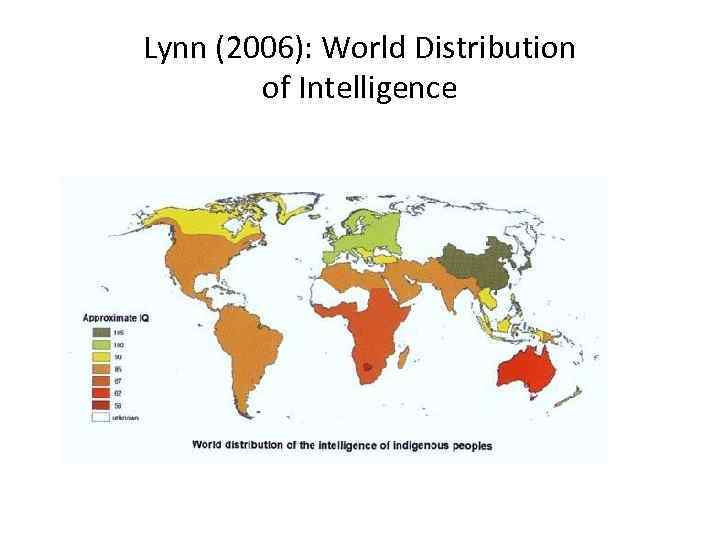 Lynn (2006): World Distribution of Intelligence
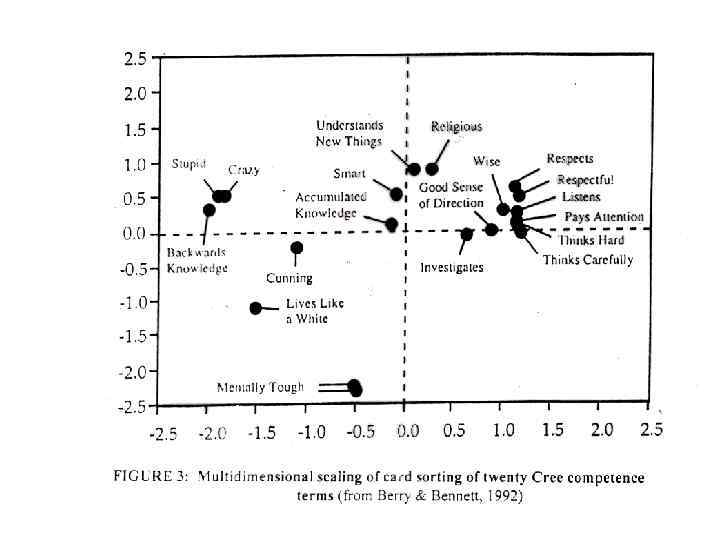
 4. 2 Indigenous Conceptions of Intelligence • Most cultures have a clear notion of what they consider to be a competent or intelligent person. • Many studies have examined these indigenous conceptions, which have large variation. • One of these, described in the textbook by Berry and Bennett, 1992. • They found that for the Cree people of northern Canada, the core quality is that of respect
 5. Cognitive Styles • Cognitive styles are a person’s preferred way of processing information and dealing with day-to-day tasks. • They serve as ways of organizing and using cognitive information that allow a cultural group and its members to deal effectively with problems encountered in daily living. • There is evidence that individuals in all cultures have the processes required to deal with information in their environments. • The cognitive styles approach allows for the comparison of cognitive competence or performance across cultural groups, without the use of some absolute criterion (such as ‘g’ in the general intelligence approach)
 5. 1. Field Dependence-Independence • Witkin found that a number of abilities were related to each other in a way that evidenced a “pattern, ” namely the tendency to rely primarily on internal (as opposed to external) frames of reference when orienting oneself in space. • The FDI cognitive style is referred to by Witkin as the “extent of autonomous functioning. ”
 5. 1. Field Dependence-Independence • The construct of FD-FDI refers to the extent to which an individual typically relies upon or accepts the physical or social environment as given, in contrast to working on it, for example by analyzing or restructuring it. • Those who tend to accept or rely upon the external environment are relatively more field-dependent (FD), while those who tend to work on it are relatively more field-independent (FI). • The construct is a linear dimension. Individuals have a characteristic “place” on this dimension with most falling in the broad middle range.
 5. 1 Field Dependence-Independence • The cognitive style of people in a culture is related to their ecological and cultural situations • It has been found that nomadic hunters and gatherers, who are relatively loose in social structure and who emphasize assertion in socialization, are relatively fieldindependent • In contrast, sedentary agriculturalists, who are tight in social structure and who emphasize compliance in socialization, are relatively field-dependent. • Furthermore, those undergoing acculturation, particularly those with higher Western schooling are likely to be more field-independent than those with less such experience.
 5. 1 Field Dependence-Independence * Research has found that a relatively field-dependent cognitive style is prevalent in social settings characterized by insistence on adherence to authority both in society and in the family, by the use of strict or even harsh socialization practices to enforce this compliance, and by tight social organization. *In contrast, a relatively field-independent cognitive style is prevalent in social settings which are more encouraging of autonomous functioning, which are more lenient in their child-rearing practices, and which are loose in their social organization. "
 5. 1 Field Dependence-Independence
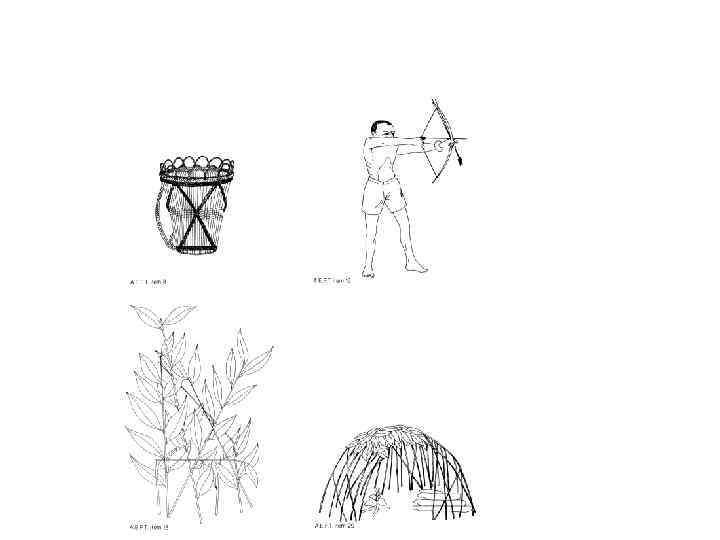
 5. 1 Cognitive Styles African Embedded Figures test • One of the common tasks used to assess FID cognitive style is the Embedded Figures Test. • This task requires the locating of a small figure that is embedded in a larger complex figure. • For use in the study with Biaka pygmies in Central Africa, there was developed a task that was appropriate for their ecological and cultural experience, called the African Embedded Figures Test
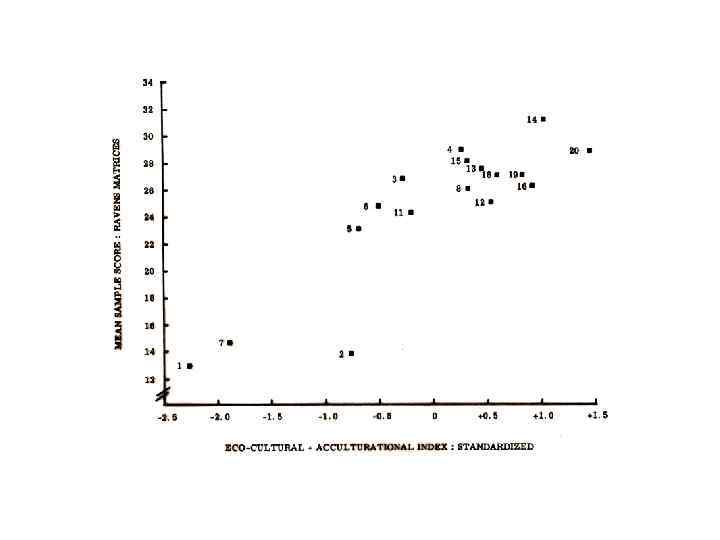
 5. 1 Cognitive Styles • Although sometimes used as a measure of general intelligence, Ravens Matrices have also been considered to be part of the FID cognitive style. • In research across a number of societies [ranging from hunting/gathering to agricultural], variations in performance has been found to be related to the ecocultural setting of the group.
 5. 2. East / West Cognitive Styles • Research on cognitive styles in Eastern and Western cultures has been carried out by Nisbett • He began with observations about ancient Greece and China, arguing that they were “drastically different in ways that led to different economic, political and social arrangements”. • He noted that in China, “agricultural peoples need to get along with one another”, whereas in Greece, “hunting, herding, fishing and trade do not require living in the same stable community”.
 5. 2. East / West Cognitive Styles • He further argued that in agricultural communities, “causality would be seen as located in the field or in the relation between object and the field”. • These observations were then linked to the cognitive style of field-dependence , and to the ecocultural basis of cognition
 5. 2. East/ West Cognitive Styles • In this work, a distinction is made between more holistic, and more analytic ways of thinking. • The former is seen as characteristic of East Asian populations, the latter of Westerners, especially Euro-Americans. • The basic proposition is that “… there are indeed dramatic differences in the nature of Asian and European thought processes”.
 5. 2. East/ West Cognitive Styles • Nisbett denies that “everyone has the same basic cognitive processes…or that all rely on the same tools for perception, memory, causal analysis, categorization and inference” • In a series of experiments, Nisbett and colleagues indeed found differences between Eastern and Western participants in performance on a variety of cognitive tasks.
 5. 2. East/ West Cognitive Styles • These tasks include: - the presentation of objects in contexts, and asking participants to detect changes in the background or foreground. - requesting participants to say whether a thing is an object or a substance. • An important question regarding the claims of East-West cognition researchers is about the ‘depth’ of these cognitive performance differences. • Nisbett has noted that “Most of the time, in fact, Easterners and Westerners were found to behave in ways that were qualitatively distinct” [emphasis added] (Nisbett, 2003).
 5. 2. East/ West Cognitive Styles • The conclusion that there are qualitative differences in basic processes, however, is not supported by their review of their own evidence. • For example: -“Americans found it harder to detect changes in the background of scenes and Japanese found it harder to detect changes in objects in the foreground”, and - When shown a thing, Japanese are twice as likely to regard it as a substance than as an object and Americans are twice as likely to regard it as an object than as a substance” [emphases added] (Nibett, 2003).
 5. 2. East/West Cognitive Styles • Two issues are important here: - First, we see no evidence of qualitative differences in performance: apparently all participants could perform these tasks, but to different degrees; hence there can be no claim of a cognitive process being present in one group but absent in the other. - Second, even if there were qualitative differences in performance, this would not permit an easy claim of there being differences in underlying basic cognitive processes. As noted earlier, the inferences required to go back from performance to process is a complex one, which these researchers seem not to examine. - Taken together, these comments support the view that cultures and individuals develop ways of perceiving and cognizing their environments that allow them to best adapt to the demands that they confront in their daily lives. - These are the hallmarks of the cognitive styles approach.
 6. Conclusion • Perception and cognition are activities and processes of the organism that are universal. • However, they are influenced by experience in, and knowledge acquired in particular ecologies and cultures. • Thus, cross-cultural differences should be expected, even predicted from a knowledge of these ecological and cultural influences.