


 Скачать презентацию CRAWLSPACE AND CLIMATE CHANGE SAVING THE WORLD ONE
bd6fb32519d16550f6dcc7ec9f1569e0.ppt
- Количество слайдов: 71
 CRAWLSPACE AND CLIMATE CHANGE SAVING THE WORLD ONE CRAWLSPACE AT A TIME Scott Waterman Phil Loudon Alaska Housing Finance Corporation swaterman@ahfc. state. ak. us 907 -330 -8195 Arctic Technical Services nrgtech@polarnet. com 907 -452 -8368
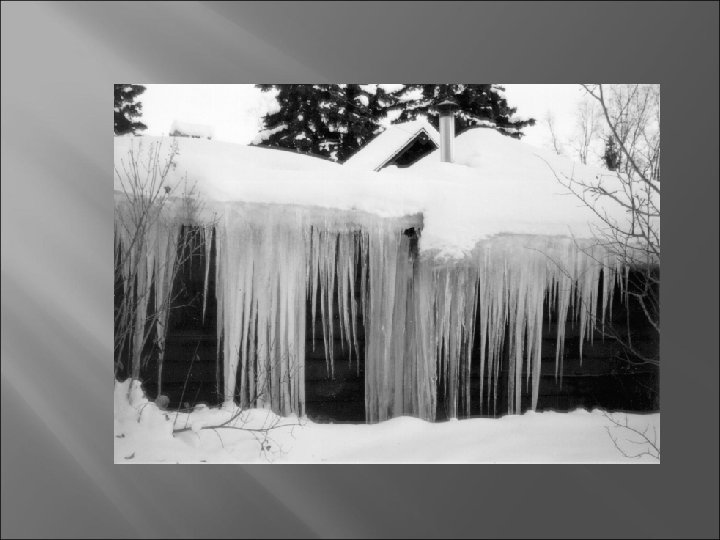
 What happens when… …there is interaction between combustion & occupant with attic and crawl? Too much attic air = heat loss, icicles, over ventilation, dry house, etc. It annoys the cat. Moldy oldie Crawl space = bad Occupant air Combustion air in crawlspace is NOT crawlspace ventilation air!
 And What happens when. . There is more demand for oil than the world can produce? Burning of fossil fuels is driving atmospheric C 02 to 400 ppm? Environmental aspects of oil production are wreaking havoc on other economic livelihoods?
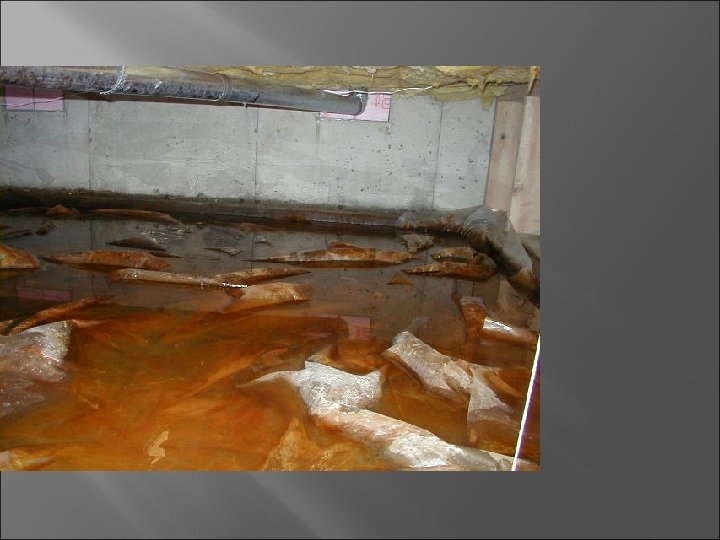
 Some problems in Crawlspaces Water intrusion Moisture diffusion Air leakage Heat loss Radon Other air quality issues
 Crawlspaces Foundations Hold the building up Keep the groundwater out Keep the soil gas out Keep the surface water out Let the water vapor out if it gets in Keep heat in during winter Keep heat out during summer
 Crawl Spaces Your Instructor May be older Recent building development Replaced open post & pad How do they dry?
 Pre-1940 in the northern United States, the standard residential foundation type was the basement. They were often used as root cellars in urban as well as rural areas. In the northern U. S. , crawl space foundations were used for porches and unconditioned building additions.
 In the southern U. S. , however, most residences were on pier foundations. Economy of pier foundations over basements, in the absence of frost. Building precedents in agriculture rather than urban culture. Likelihood of termite infestations. Variety of storage options on farms.
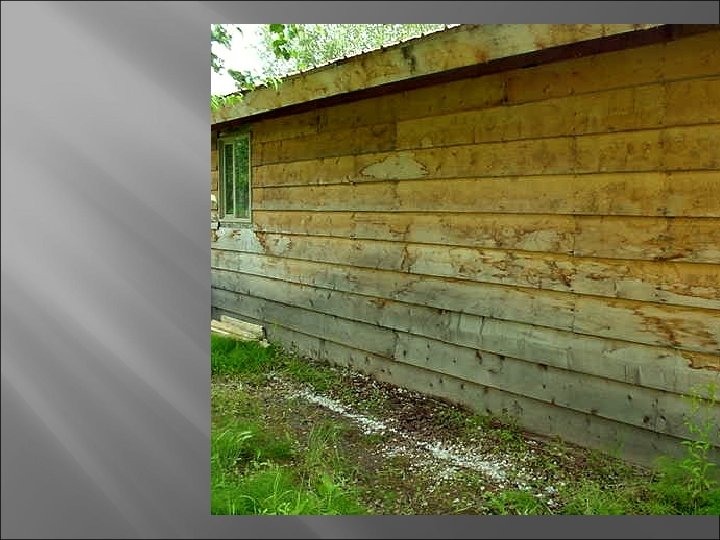
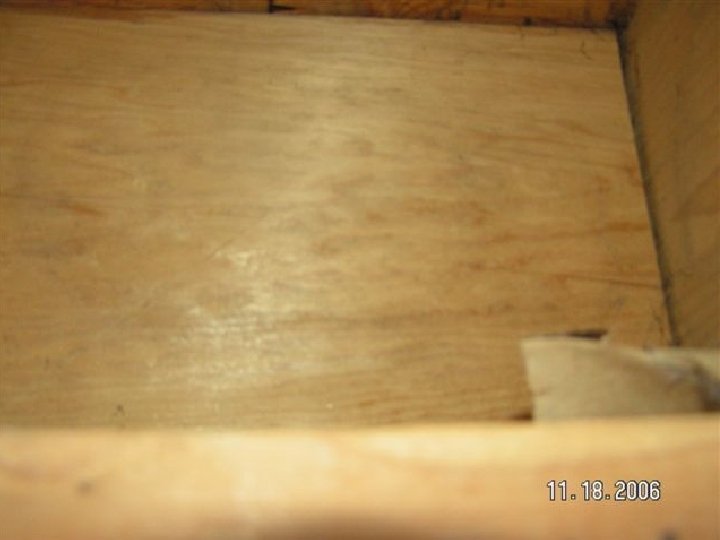
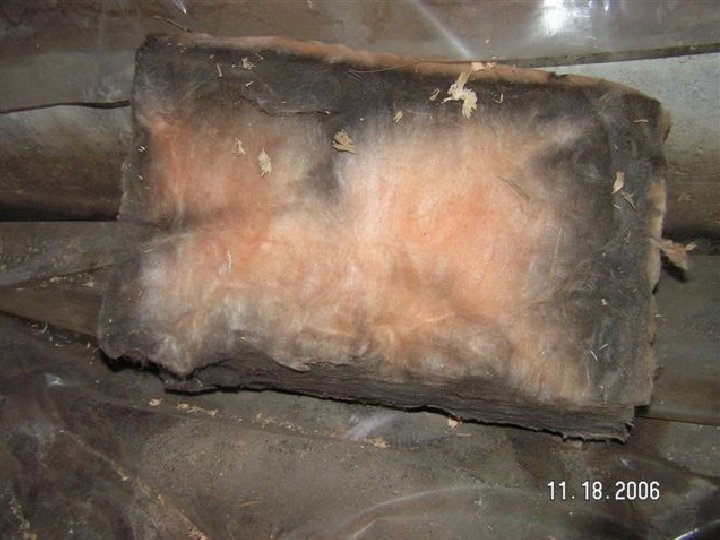
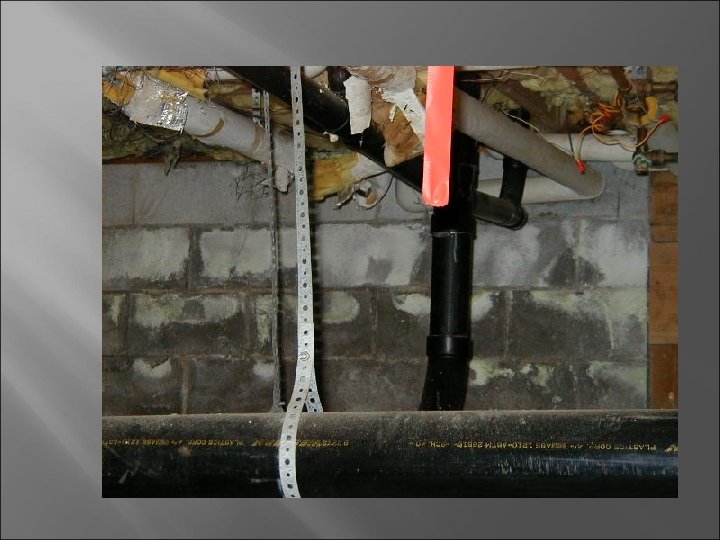
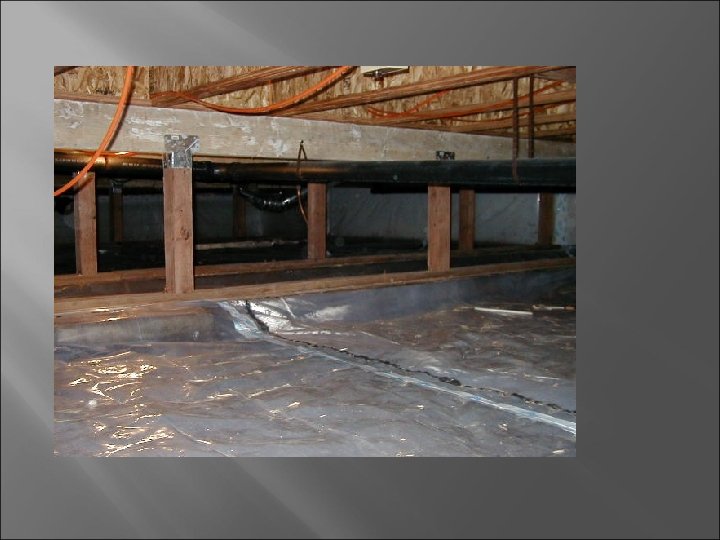
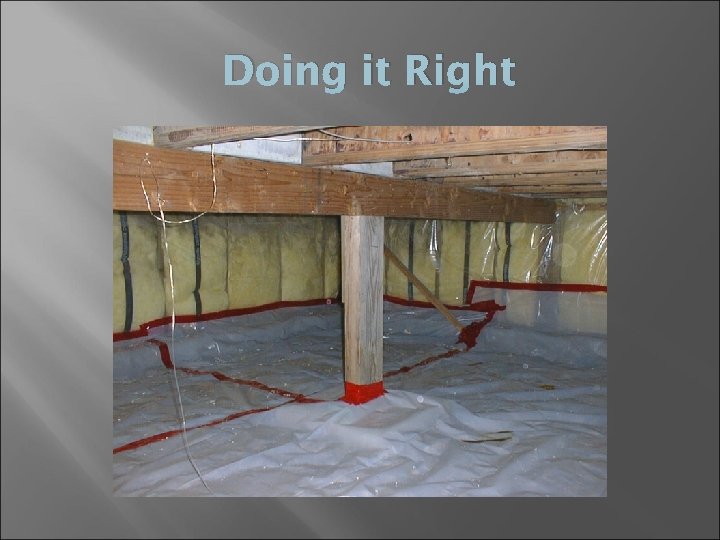 Doing it Right
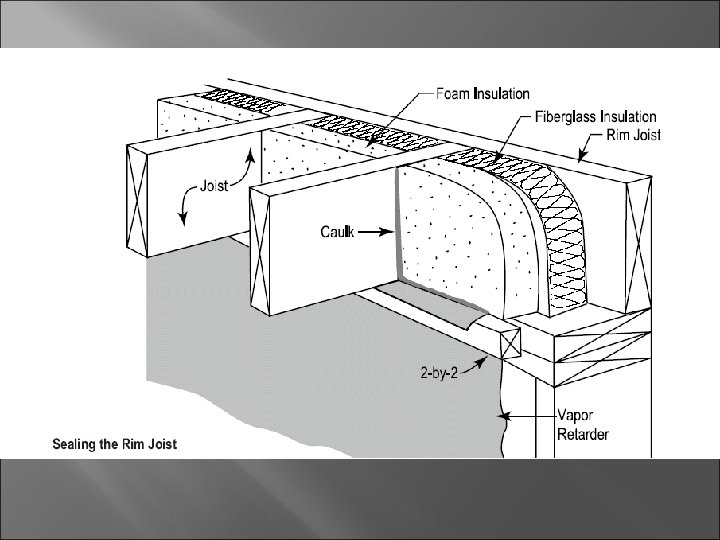
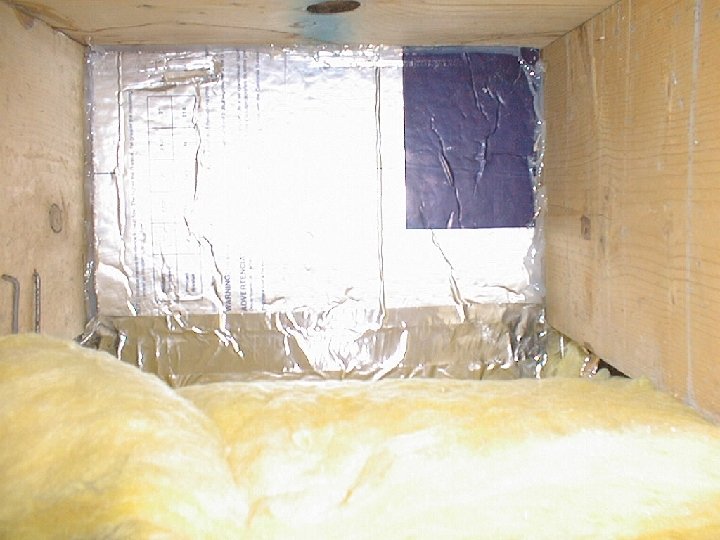
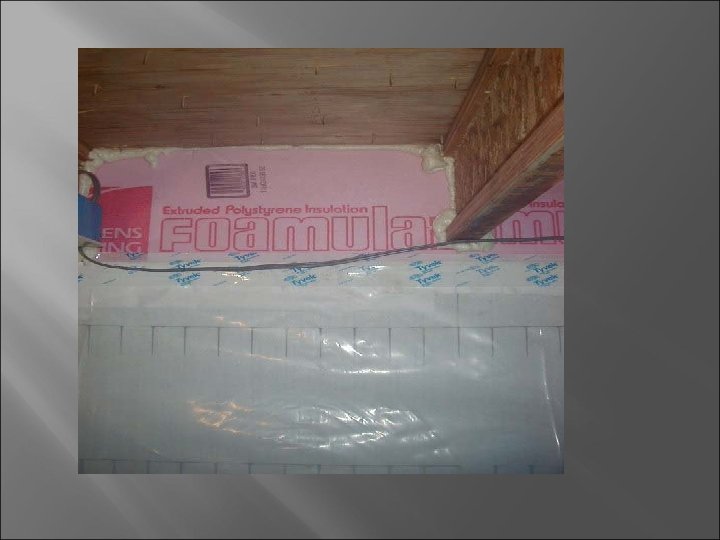
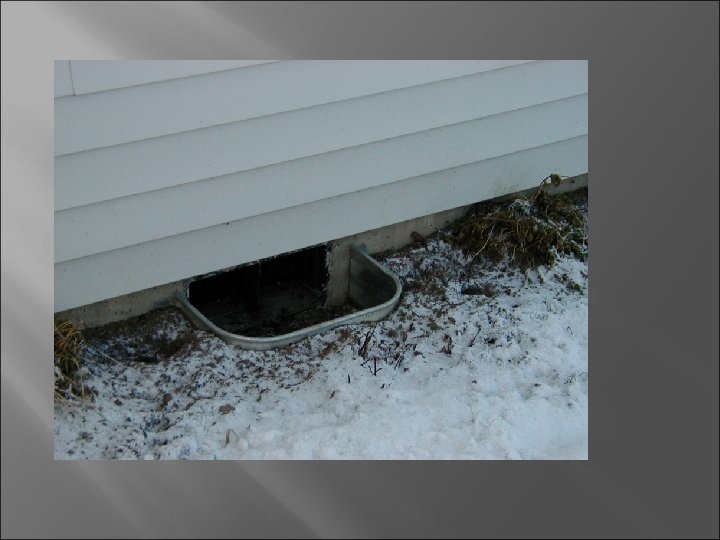
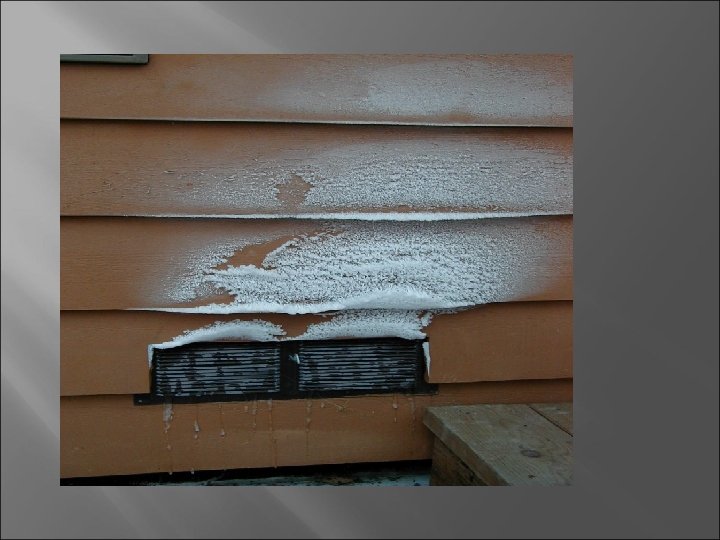
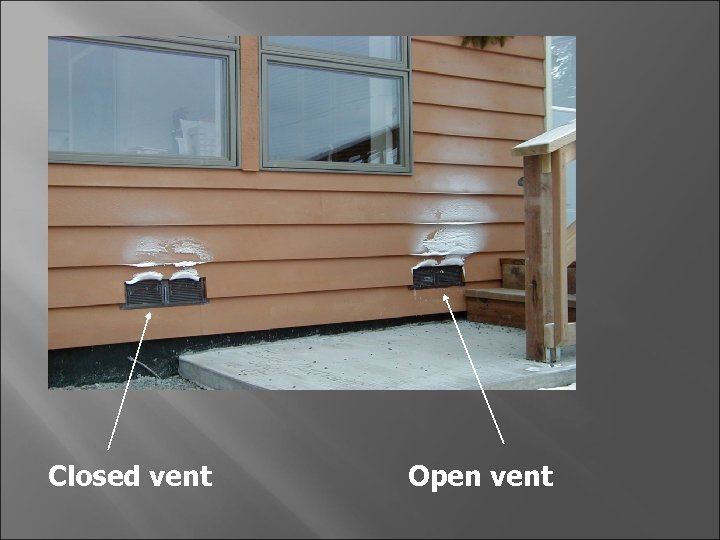 Closed vent Open vent
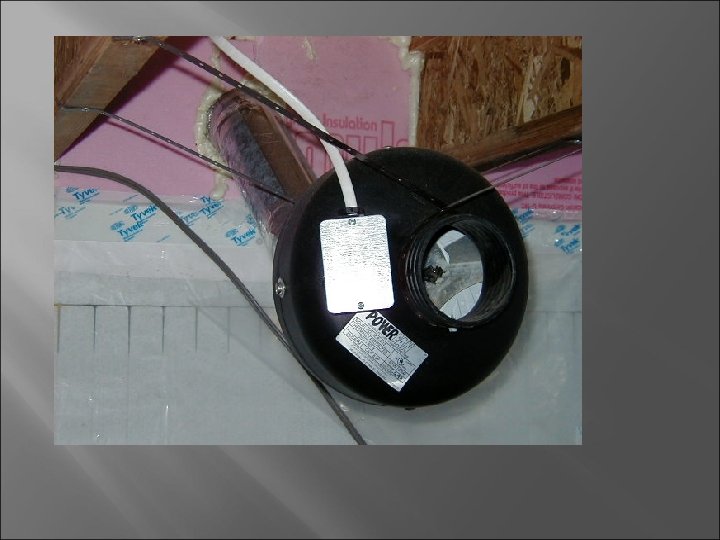
 Air movement “Air is like teenagers, cheap labor and rivers…. It takes path of least resistance” (& flows through nearest largest available hole. ) For airflow to occur, there must be a hole, and a driving force. Driving force can be stack, pressure, differential, temperature, wind, mechanical
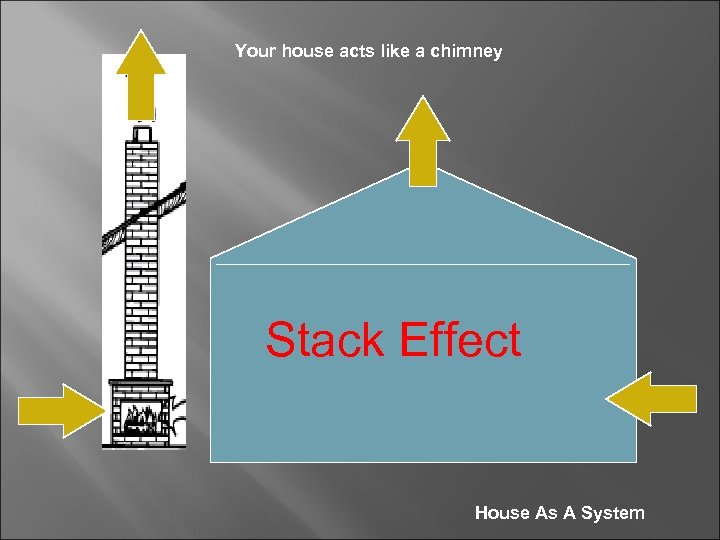 Your house acts like a chimney Stack Effect House As A System
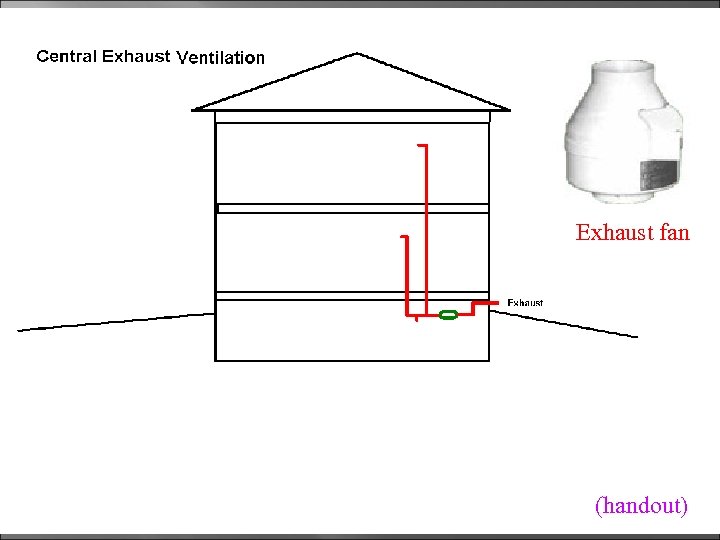 Exhaust fan Ducts & in-line fan integrate bath exhaust with crawlspace ventilation (handout)
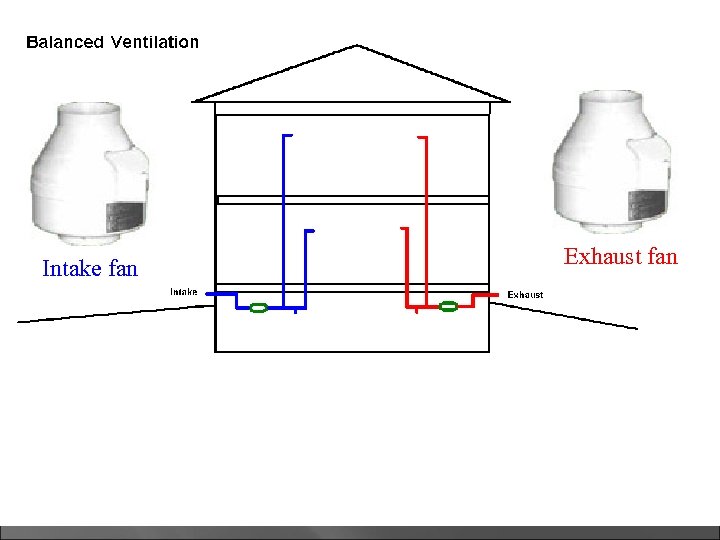 Exhaust fan Intake fan Adding an intake fan
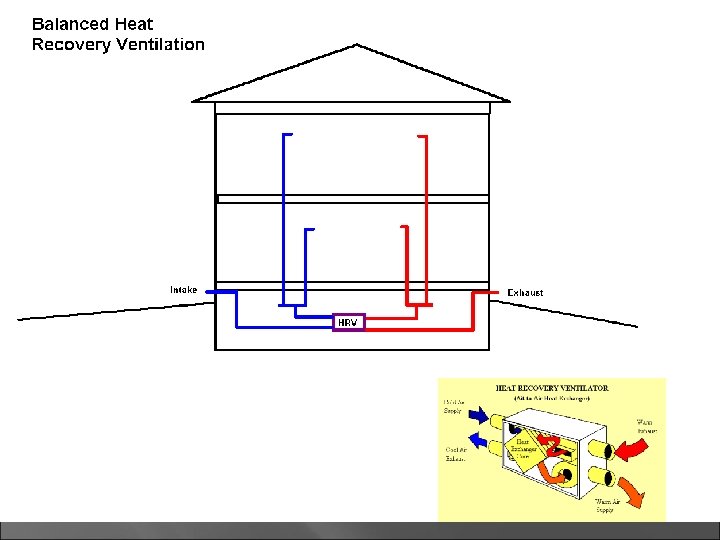 Adding an HRV
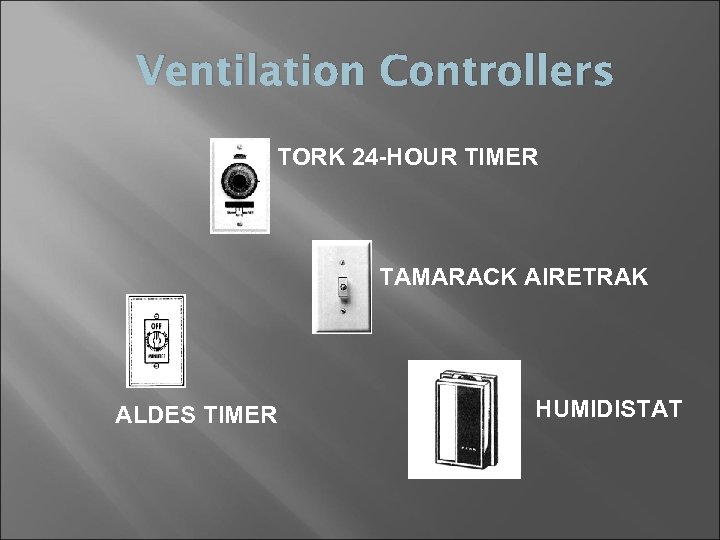 Ventilation Controllers TORK 24 -HOUR TIMER TAMARACK AIRETRAK ALDES TIMER HUMIDISTAT
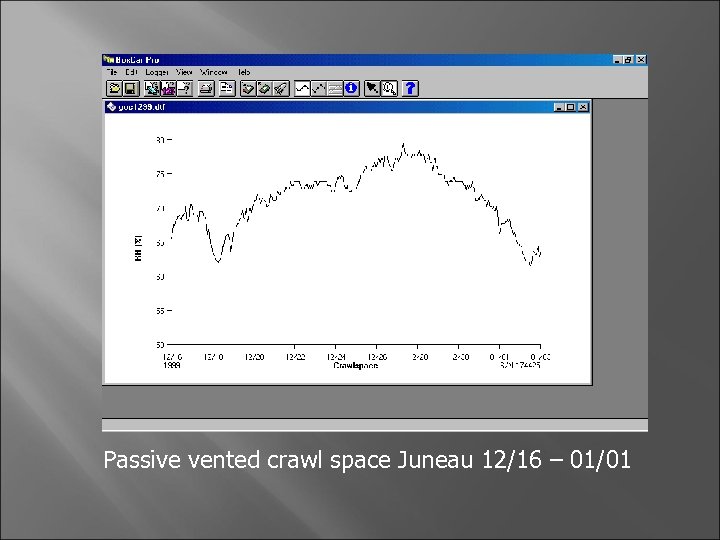 Passive vented crawl space Juneau 12/16 – 01/01
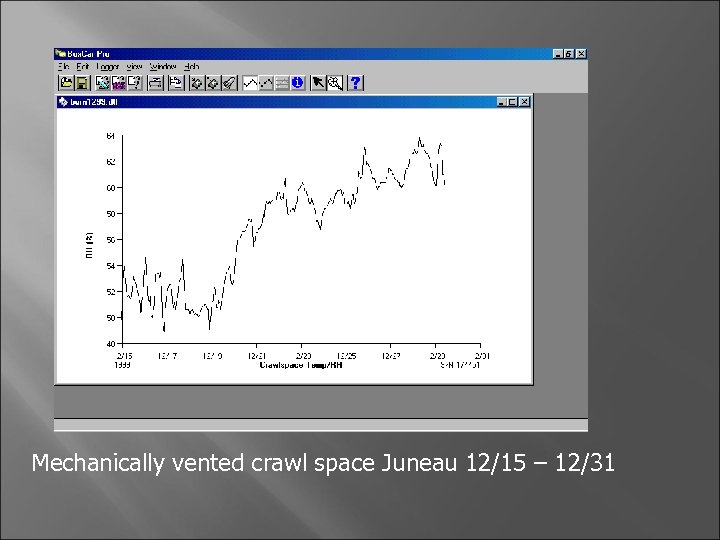 Mechanically vented crawl space Juneau 12/15 – 12/31
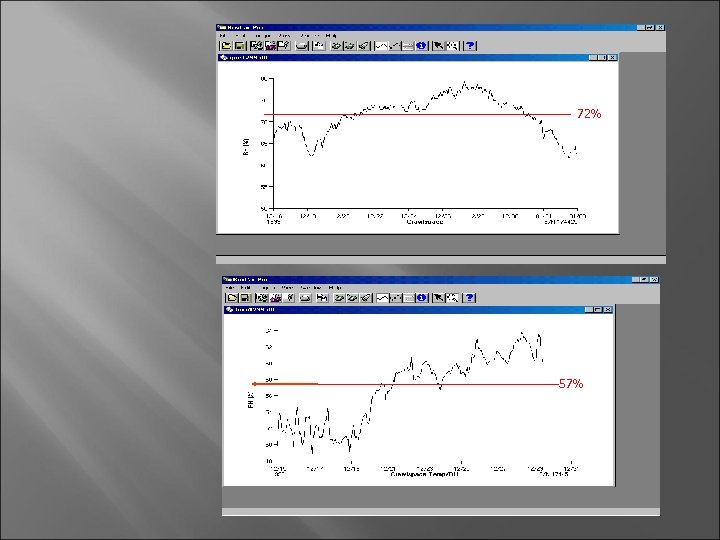 72% Passive vented crawl 57% Mechanically vented
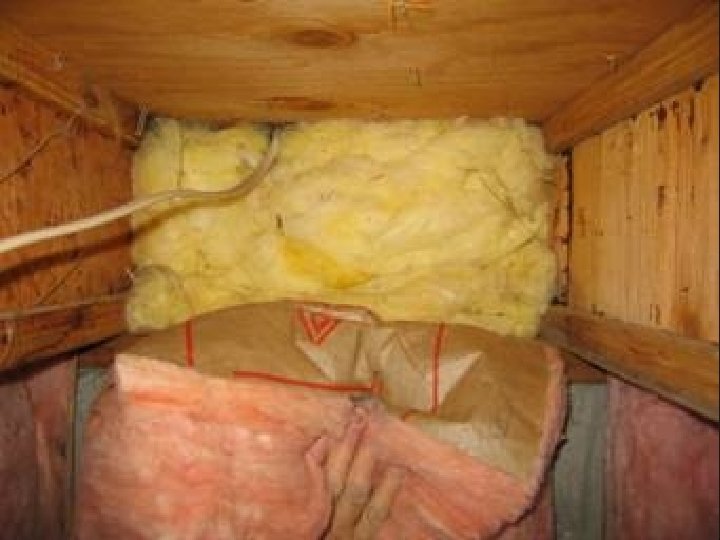
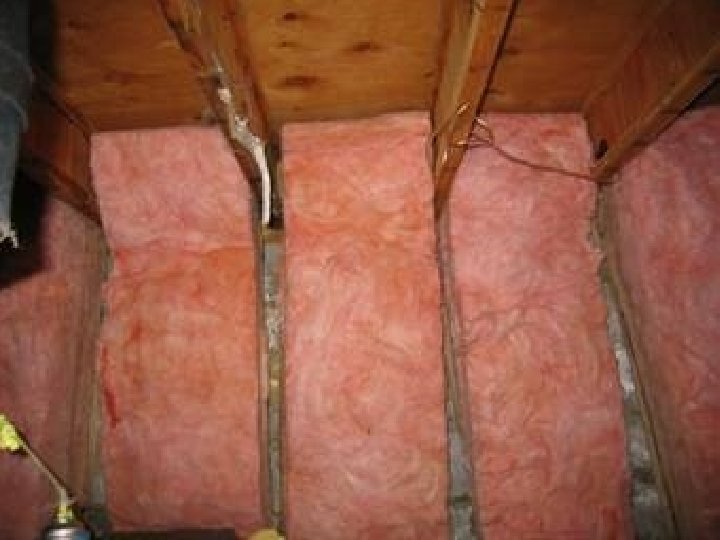
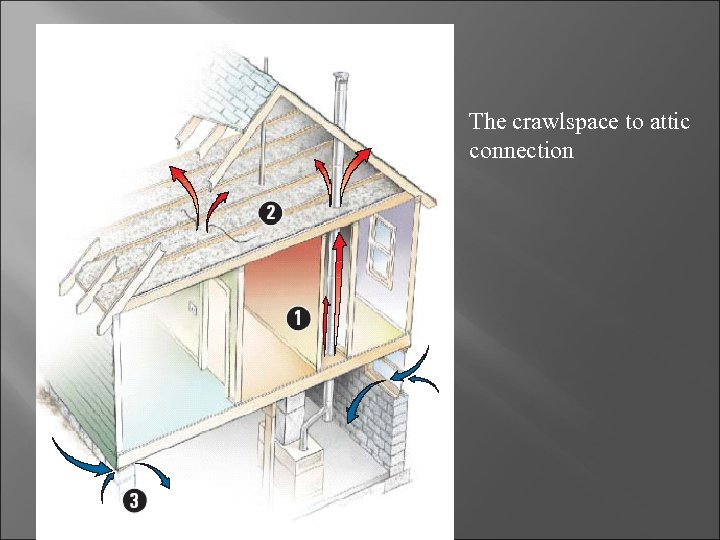 The crawlspace to attic connection
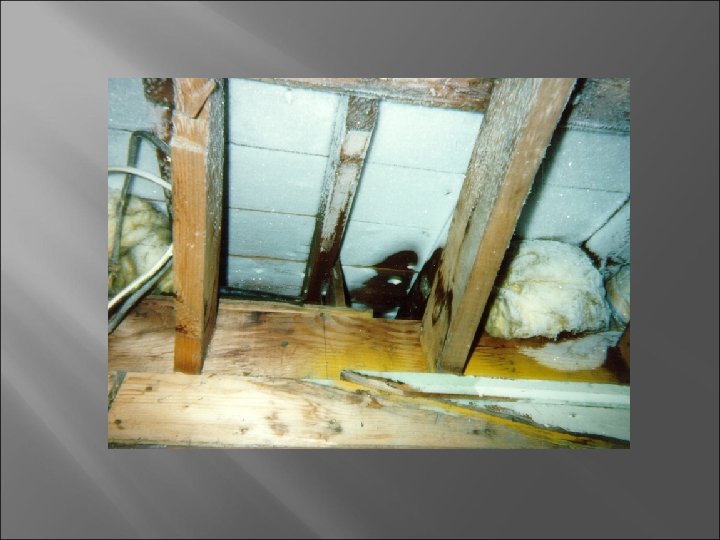
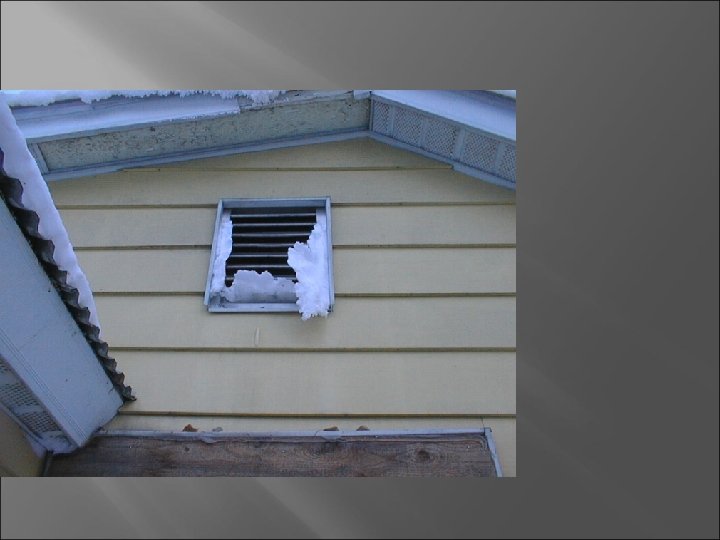
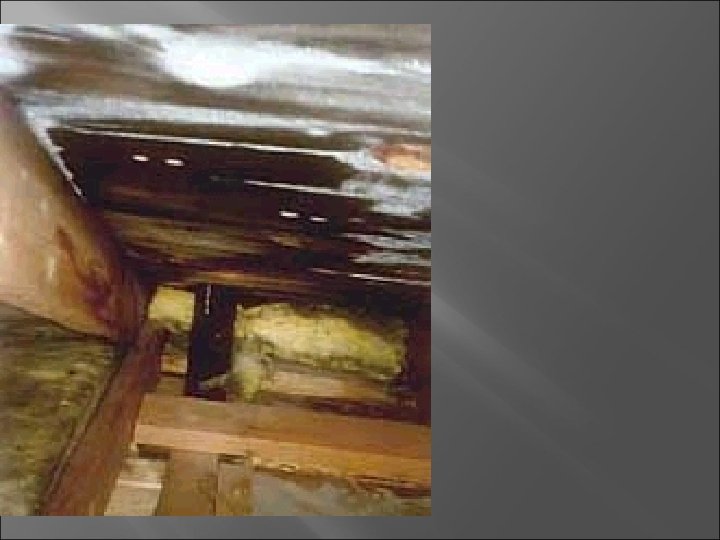
 Other Air Quality issues Mold Insects Radon Sewer gasses
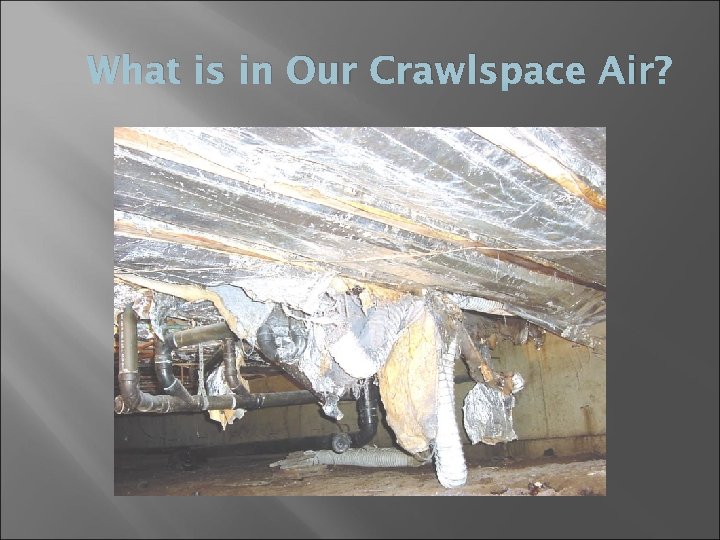 What is in Our Crawlspace Air?
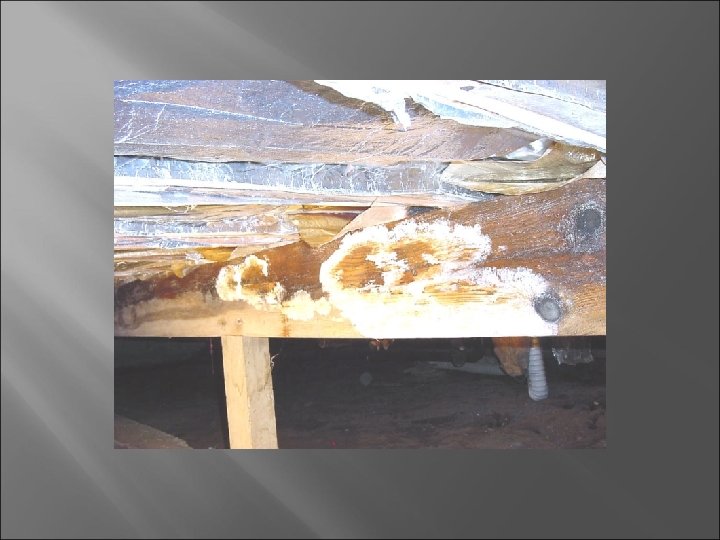
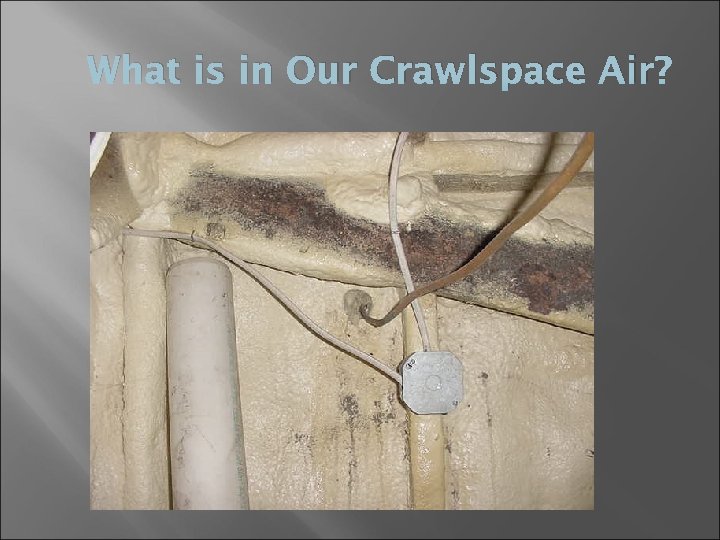 What is in Our Crawlspace Air?
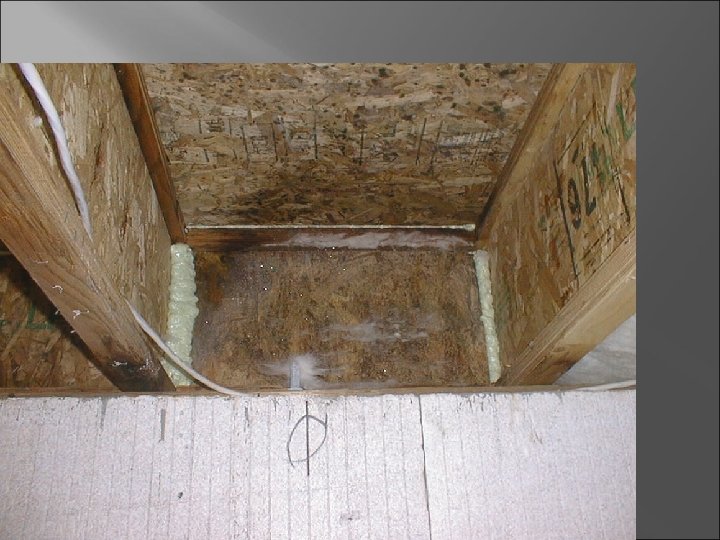
 Radon: Seal the foundation Can be a problem in many areas of western US Alaska radon specialist, Rich Seifert, University of Alaska Fairbanks Cooperative Extension ffrds@uaf. edu, 1 -800 -478 -TECH (8324) EPA radon website address has manuals for buyers, sellers and builders: http: //www. epa. gov/radon/pubs
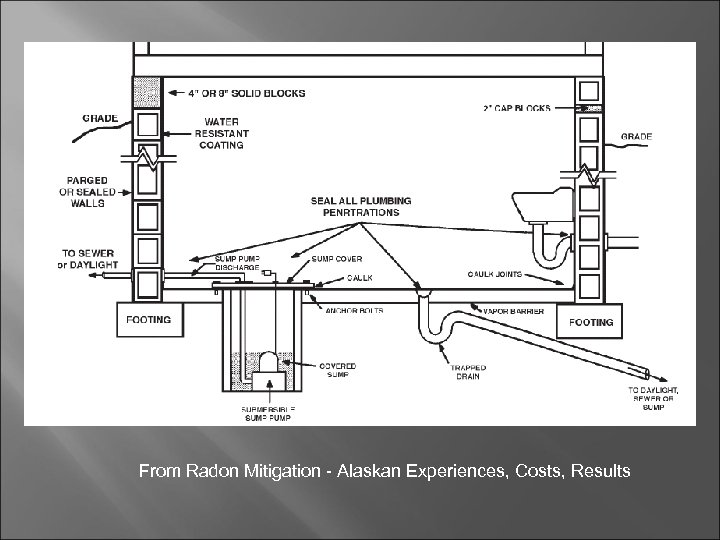 From Radon Mitigation - Alaskan Experiences, Costs, Results
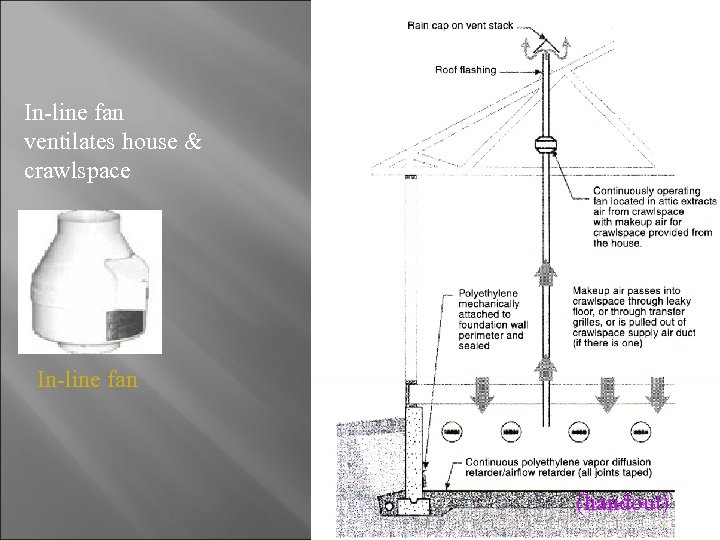 In-line fan ventilates house & crawlspace In-line fan (handout)
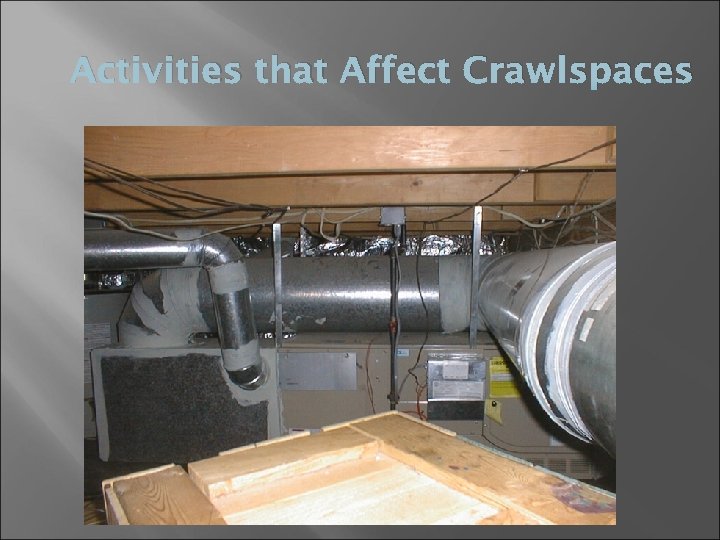 Activities that Affect Crawlspaces
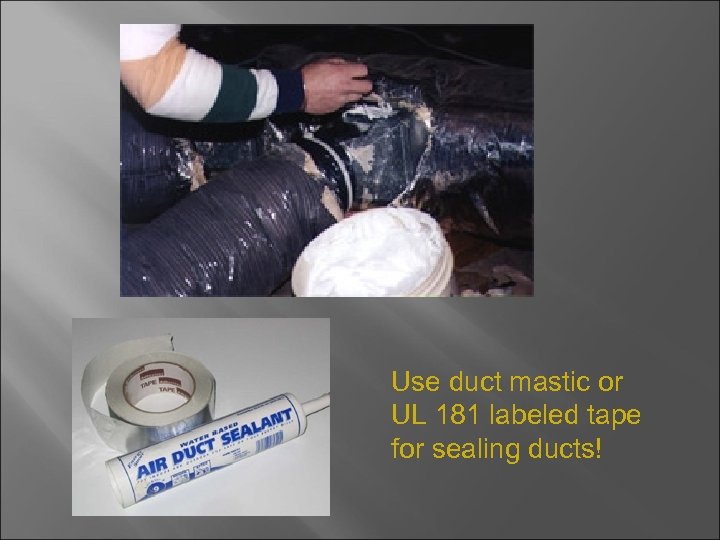 Use duct mastic or UL 181 labeled tape for sealing ducts!
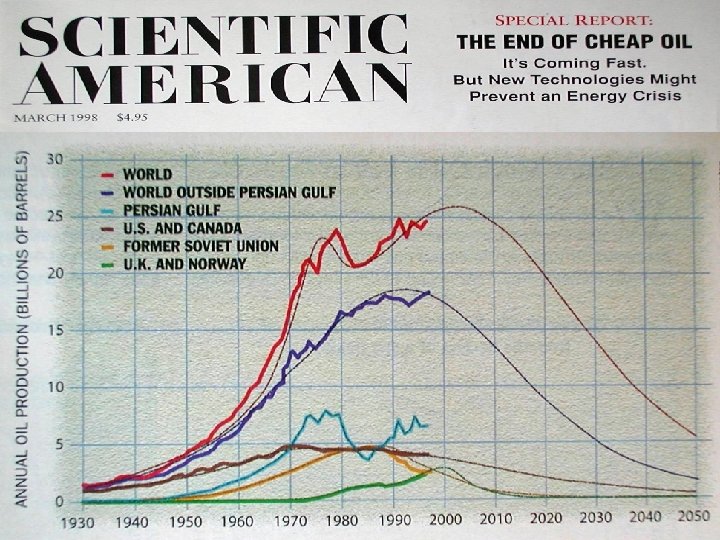
 PEAK OIL AND & CLIMATE CHANGE (The end of cheap oil)
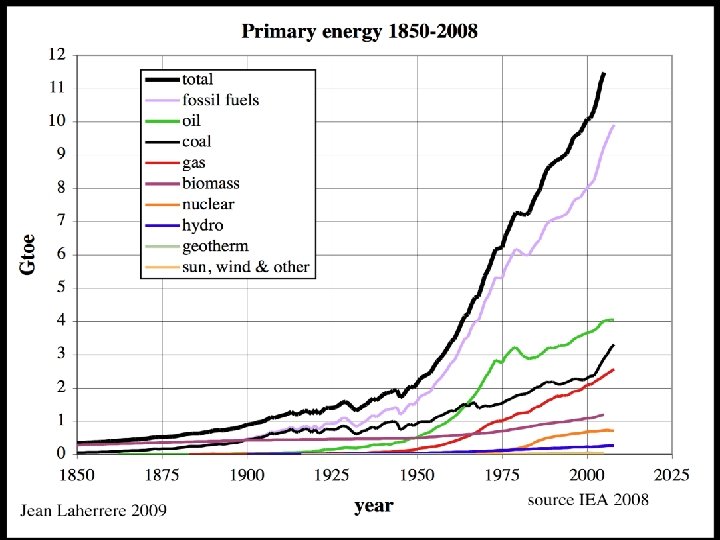
 Peak Oil & Climate Change Peak Oil - When the production of crude reaches the halfway points The second half of the oil era will be far more expensive than the first Pessimists say Peak Oil has arrived Optimists say it will be here by 2020 Fossil fuels fuel climate change
 It’s the Economy, Stupid! Bill Clinton, 1992 Every recession in the US since 1929 has been preceded by a run-up in energy costs Economic issues overwhelm those of energy and climate change Energy and climate change will drive the economy – in either direction
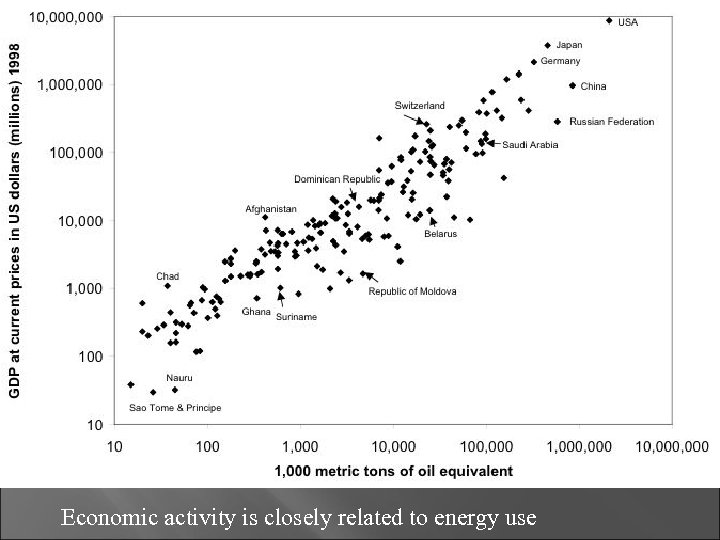 Economic activity is closely related to energy use
 Cheap Energy Slavery was 25% of the British energy prior to abolition. The result was the industrial revolution Any economic model works with cheap energy costs Peak “cheap energy” passed in 2005
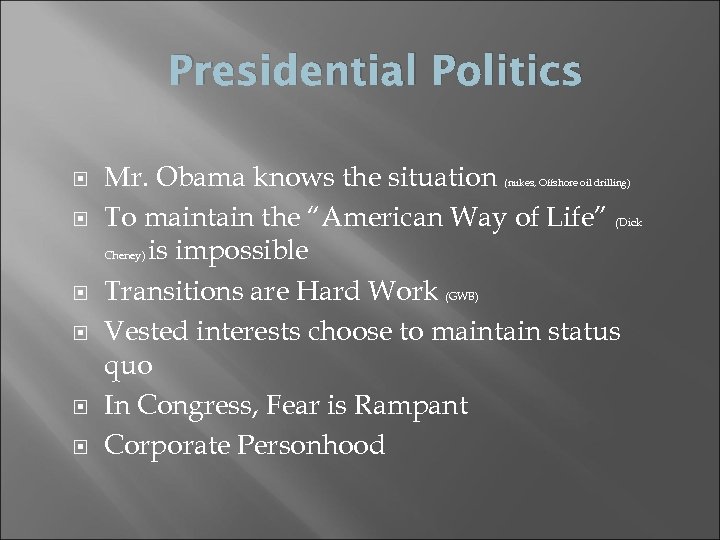 Presidential Politics Mr. Obama knows the situation To maintain the “American Way of Life” is impossible Transitions are Hard Work Vested interests choose to maintain status quo In Congress, Fear is Rampant Corporate Personhood (nukes, Offshore oil drilling) (Dick Cheney) (GWB)
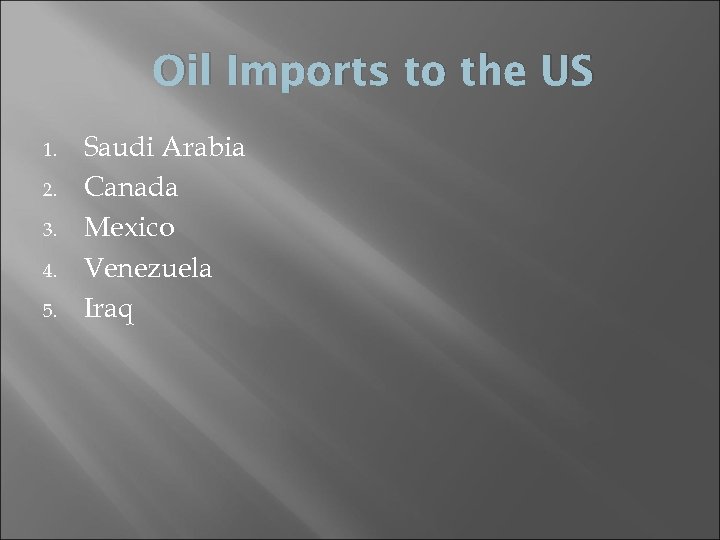 Oil Imports to the US 1. 2. 3. 4. 5. Saudi Arabia Canada Mexico Venezuela Iraq
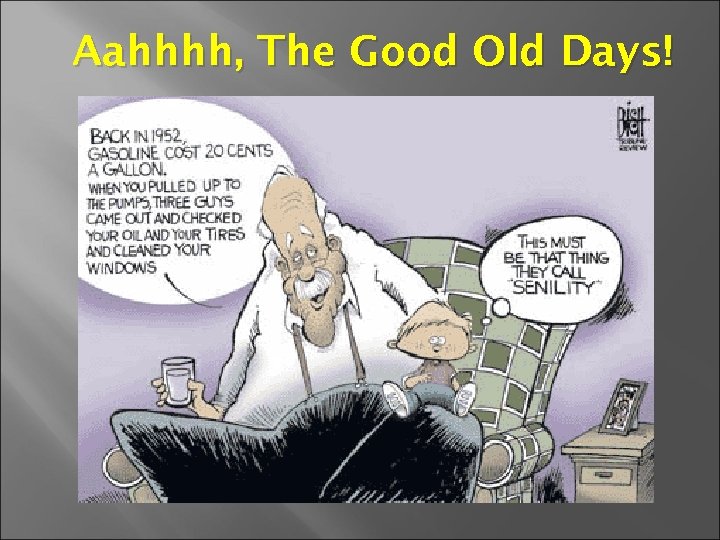 Aahhhh, The Good Old Days!
 Tea Party Perspective Traditional mindset (Church, authority figurehead, nuclear family and grandpa’s lifestyle) Lost Jobs from blue collar sector Average or below education Skeptical of science, higher education, and government Trapped by circumstances not of their making Willing to take green jobs
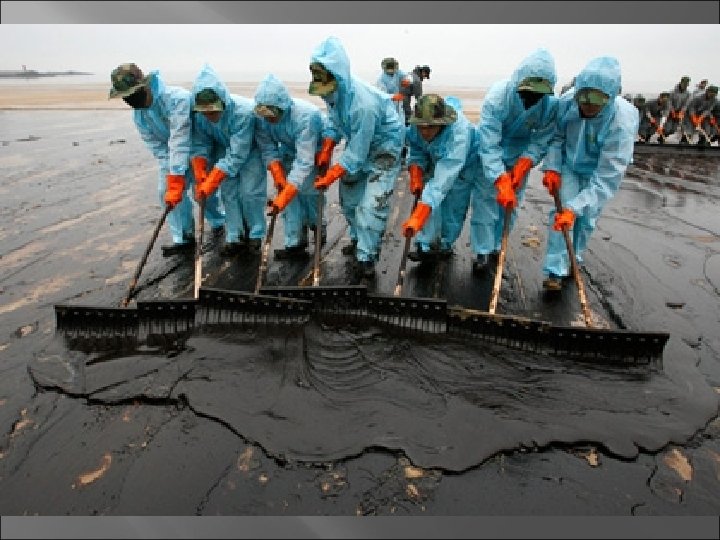
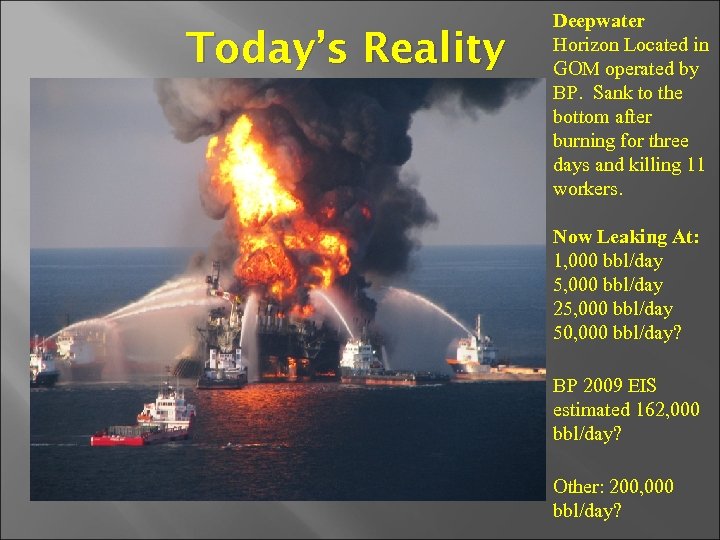 Today’s Reality Deepwater Horizon Located in GOM operated by BP. Sank to the bottom after burning for three days and killing 11 workers. Now Leaking At: 1, 000 bbl/day 5, 000 bbl/day 25, 000 bbl/day 50, 000 bbl/day? BP 2009 EIS estimated 162, 000 bbl/day? Other: 200, 000 bbl/day?
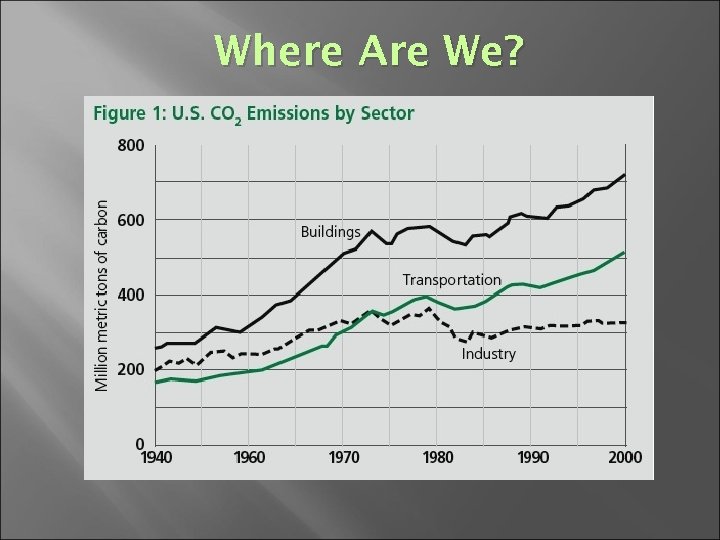 Where Are We?
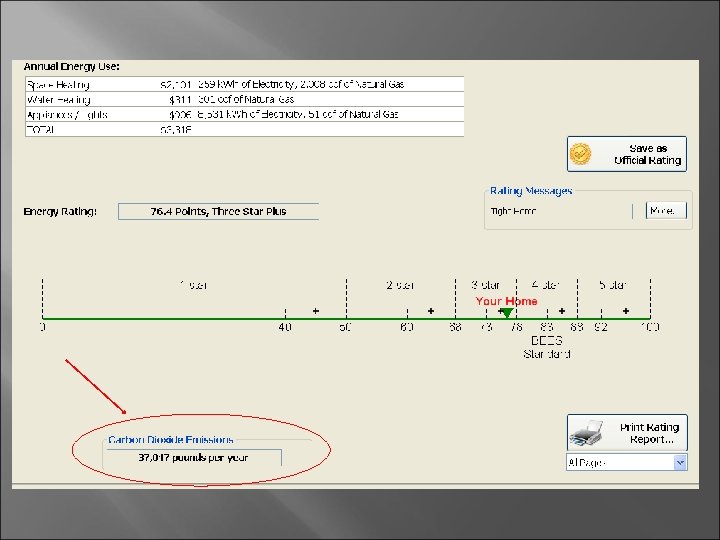
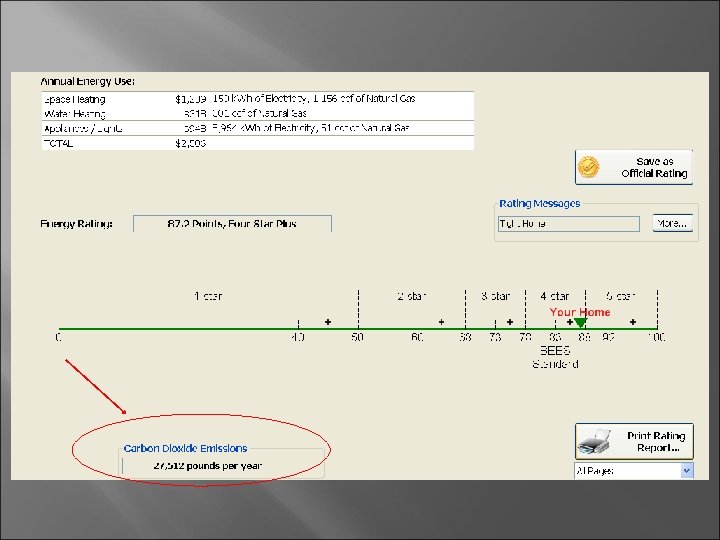
 Climate Change Little disagreement among climate scientists Tobacco science is funded by those interested in maintaining status quo 400 ppm CO 2 is a tipping point - We are at 387 today Climate change is perceived as too expensive to deal with – but climate change and energy costs will drive the economy for decades Climate change and energy can bring prosperity
 Next steps Create the vision of your future Resiliency vs. Efficiency Bernard Leitaer and local currency Local networks Local food Framing our stories Move to amend Climate Prosperity (soviets, local neighborhoods, swamps) (Paul Hawken)
 Energy Efficiency Works The work you do in the crawlspace makes a difference to the planet The US is twice as energy intensive as most of Europe and Asia. Much of northern Europe and Japan have a higher standard of living that the US
 John Fitzgerald Kennedy We have the power to make this the best generation in the history of mankind, or to make it the last
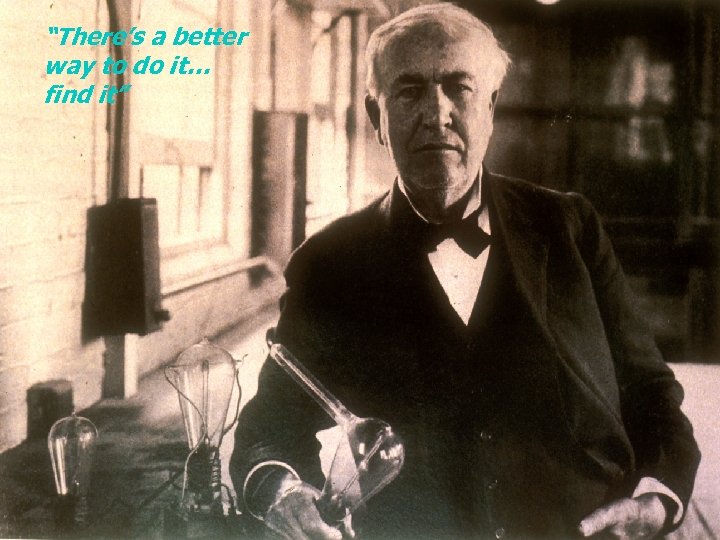 “There’s a better way to do it… find it”
 CONTACTS Phil Loudon, Arctic Technical Services nrgtech@polarnet. com 907 -452 -8368 & Scott Waterman, AHFC Energy Programs swaterman@ahfc. state. ak. us 907 -330 -8195 Rich Seifert, University of Alaska Fairbanks Cooperative Extension, energy, housing & radon specialist ffrds@uaf. edu, 1 -800 -478 -8324
 For more bright ideas… AHFC Research Information Center (907) 330 -8164 or 1 -800 -478 -4636 www. ahfc. state. ak. us (RIC Library)