


 Скачать презентацию Country or dependent territory China 8 India United States
Popolazione_mondiale.pptx
- Количество слайдов: 13
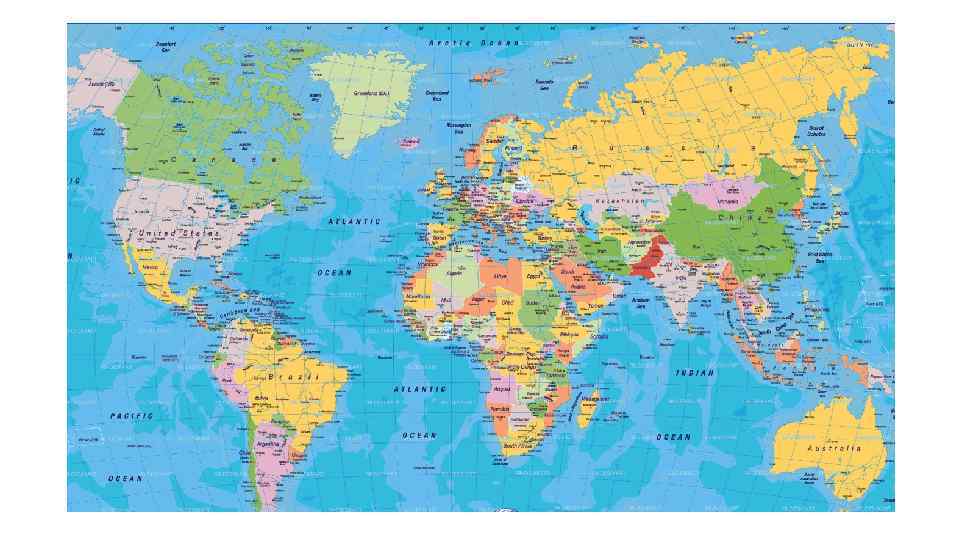
![Country (or dependent territory) China[8] India United States Indonesia Brazil Pakistan Nigeria Bangladesh Russia[9]](https://present5.com/presentation/85454049_344960970/image-2.jpg "Country (or dependent territory) China[8] India United States Indonesia Brazil Pakistan Nigeria Bangladesh Russia[9]") Country (or dependent territory) China[8] India United States Indonesia Brazil Pakistan Nigeria Bangladesh Russia[9] Japan Mexico Philippines Vietnam Ethiopia Egypt Germany Population 1, 368, 020, 000 1, 262, 820, 000 319, 129, 000 252, 164, 800 203, 476, 000 188, 199, 000 178, 517, 000 157, 356, 000 146, 149, 200 127, 090, 000 119, 713, 203 100, 583, 600 89, 708, 900 87, 952, 991 87, 538, 800 80, 767, 000
Country (or dependent territory) China[8] India United States Indonesia Brazil Pakistan Nigeria Bangladesh Russia[9] Japan Mexico Philippines Vietnam Ethiopia Egypt Germany Population 1, 368, 020, 000 1, 262, 820, 000 319, 129, 000 252, 164, 800 203, 476, 000 188, 199, 000 178, 517, 000 157, 356, 000 146, 149, 200 127, 090, 000 119, 713, 203 100, 583, 600 89, 708, 900 87, 952, 991 87, 538, 800 80, 767, 000
![Iran Turkey Democratic Republic of the Congo France[10] Thailand United Kingdom Italy South Africa](https://present5.com/presentation/85454049_344960970/image-3.jpg "Iran Turkey Democratic Republic of the Congo France[10] Thailand United Kingdom Italy South Africa") Iran Turkey Democratic Republic of the Congo France[10] Thailand United Kingdom Italy South Africa Burma South Korea Colombia Tanzania Spain Ukraine[11] Argentina Kenya Algeria Poland 77, 910, 000 76, 667, 864 69, 360, 000 66, 050, 000 64, 871, 000 64, 105, 654 60, 783, 711 54, 002, 000 51, 419, 420 50, 423, 955 47, 874, 400 47, 421, 786 46, 507, 760 42, 973, 696 42, 669, 500 41, 800, 000 38, 700, 000 38, 496, 000 Europe 500. 000
Iran Turkey Democratic Republic of the Congo France[10] Thailand United Kingdom Italy South Africa Burma South Korea Colombia Tanzania Spain Ukraine[11] Argentina Kenya Algeria Poland 77, 910, 000 76, 667, 864 69, 360, 000 66, 050, 000 64, 871, 000 64, 105, 654 60, 783, 711 54, 002, 000 51, 419, 420 50, 423, 955 47, 874, 400 47, 421, 786 46, 507, 760 42, 973, 696 42, 669, 500 41, 800, 000 38, 700, 000 38, 496, 000 Europe 500. 000
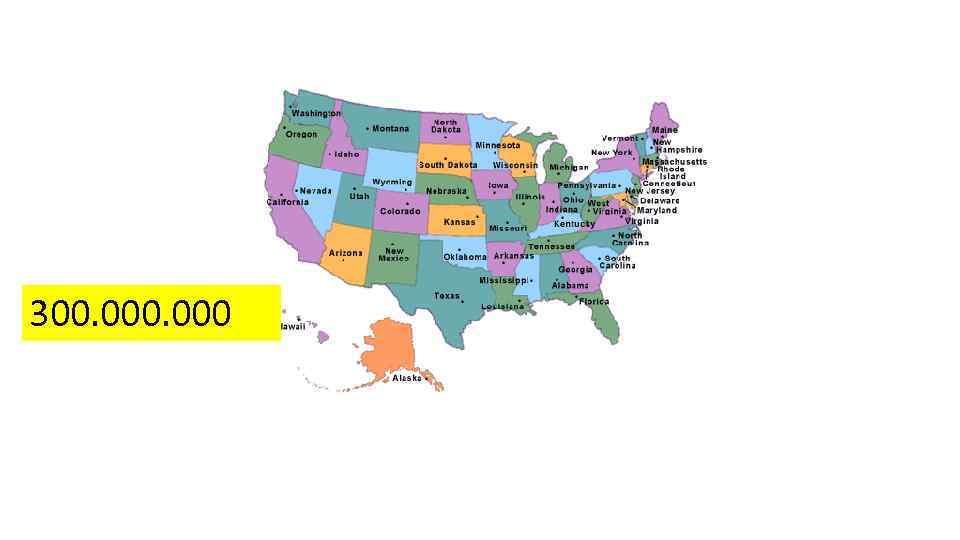 300. 000
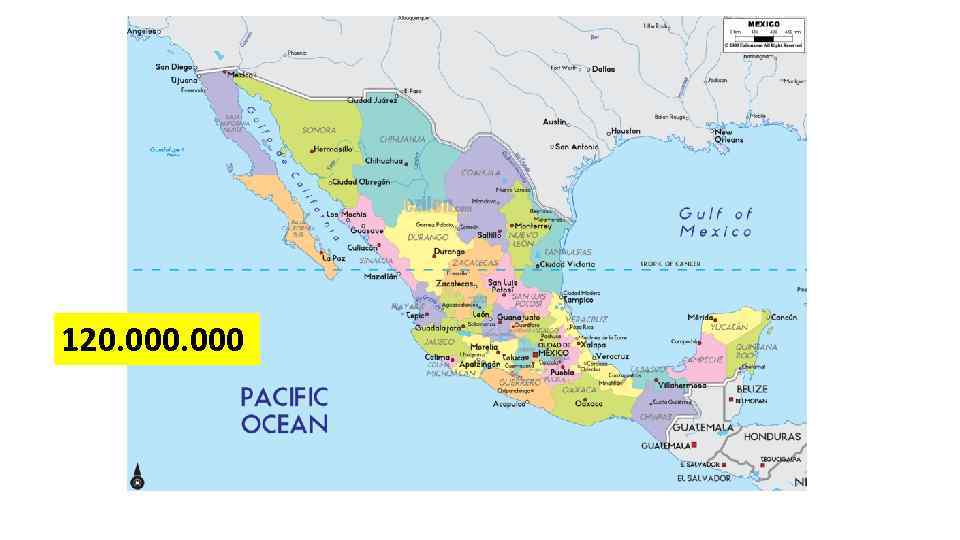 120. 000
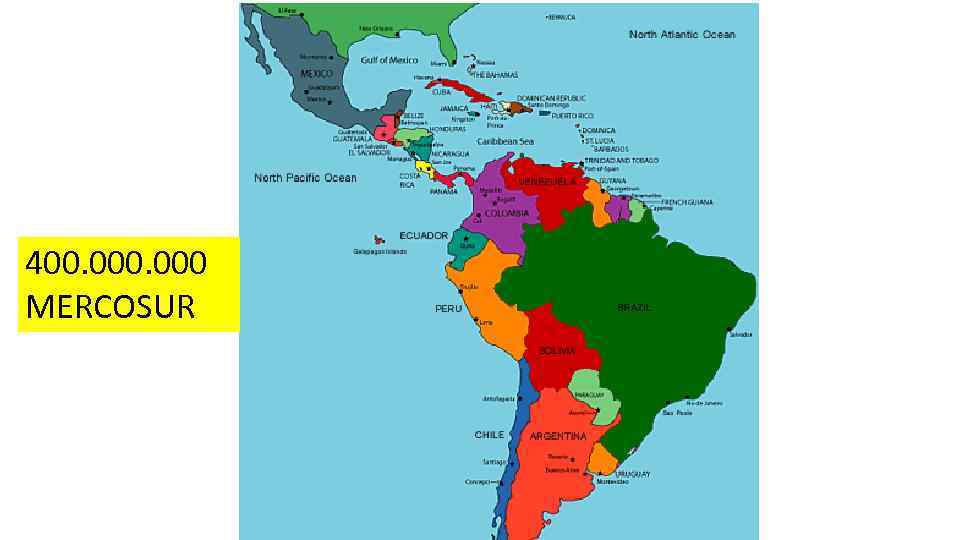 400. 000 MERCOSUR
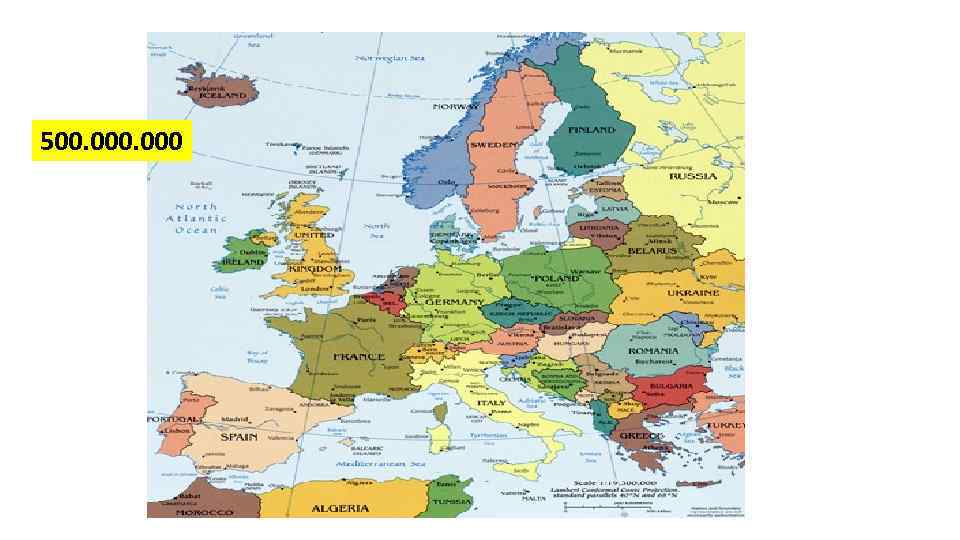 500. 000
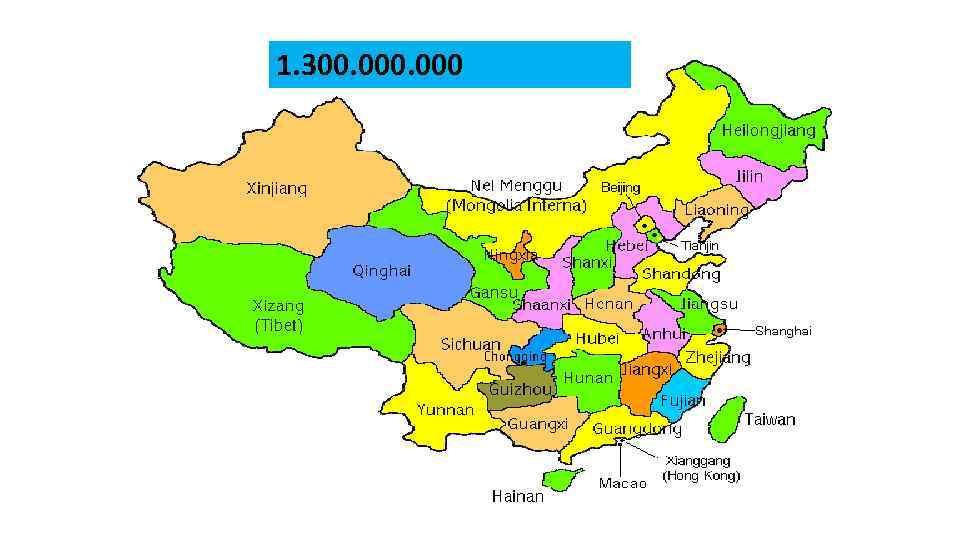 1. 300. 000
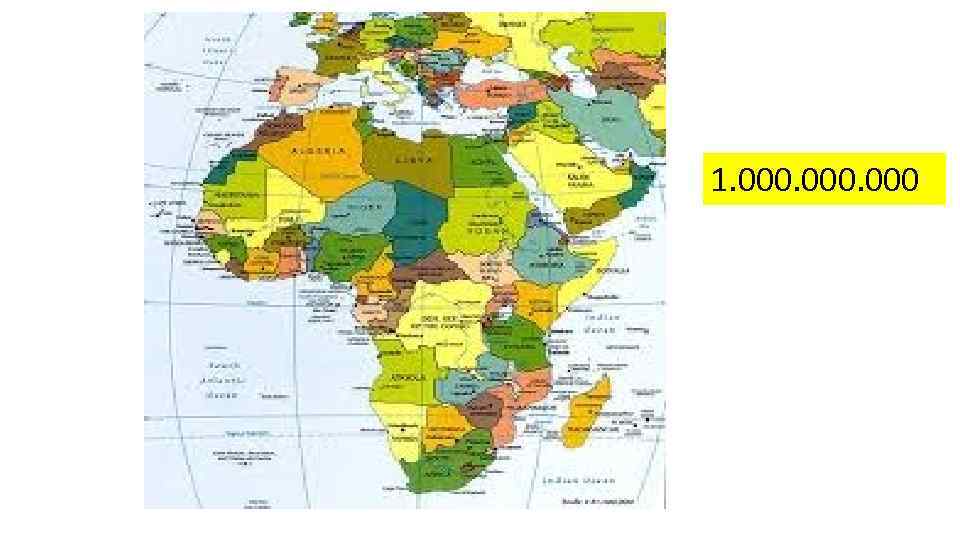 1. 000
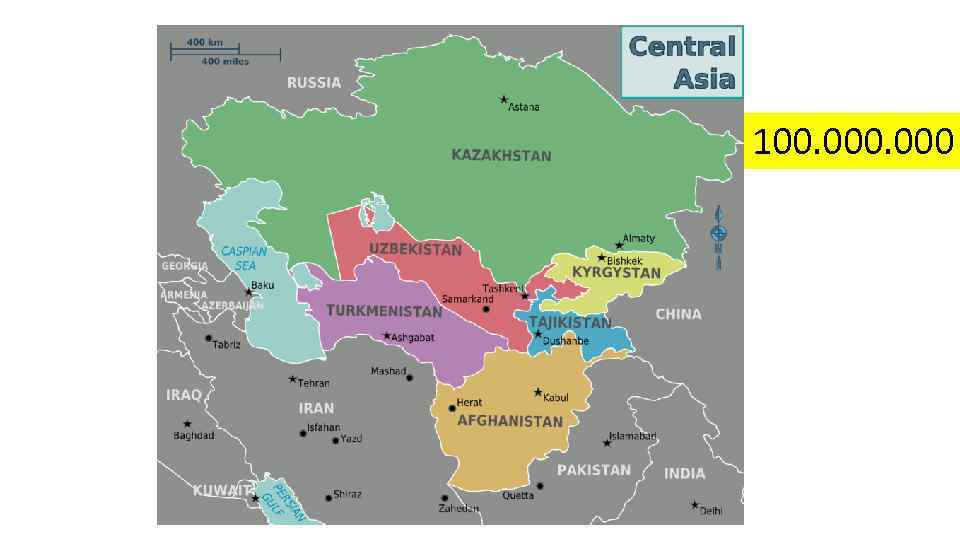 100. 000
 Why laboratories play an important role in food control ? • They are able, by measuring certain parameters (chemical or microbiological), to define if the food is safe and/or it is in agreement with the regulations • Their data can be used for risk assessment and subsequent sampling To measure you need laboratories
 To control you must be able to measure and the results of your measurements must be reliable DATA MUST BE RELIABLE wrong data can bring to wrong decisions Good data can only be produced in accredited laboratories
 Accreditation means that laboratory has the competence to conduct analysis on specific parameters that show conformity or not conformity of the food. Competences means: Ø Qualified Management personnel Ø Qualified technical personnel Ø Right instrumentation Ø Right laboratory environment