 Скачать презентацию Correlation between students perception of academic grading and
Jans presentation2.pptx
- Количество слайдов: 15



Correlation between students’ perception of academic grading and their cognitive and learning strategies Suleyman Demirel University Philology Faculty Foreign languages department Made by Z. Abdrakhym, E. Radyuk TFL-3 A Scientific supervisor S. Lukashova
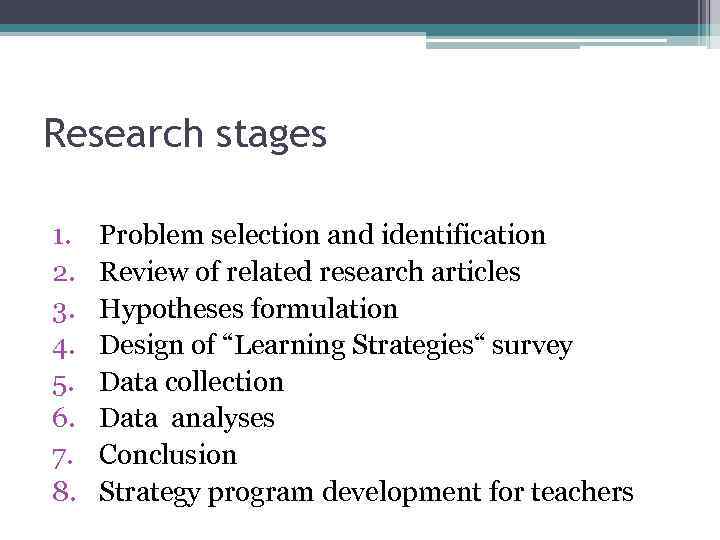
Research stages 1. 2. 3. 4. 5. 6. 7. 8. Problem selection and identification Review of related research articles Hypotheses formulation Design of “Learning Strategies“ survey Data collection Data analyses Conclusion Strategy program development for teachers
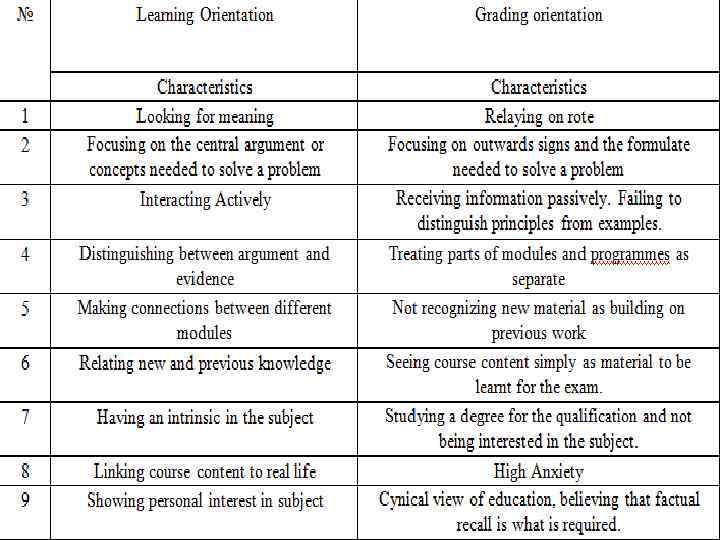

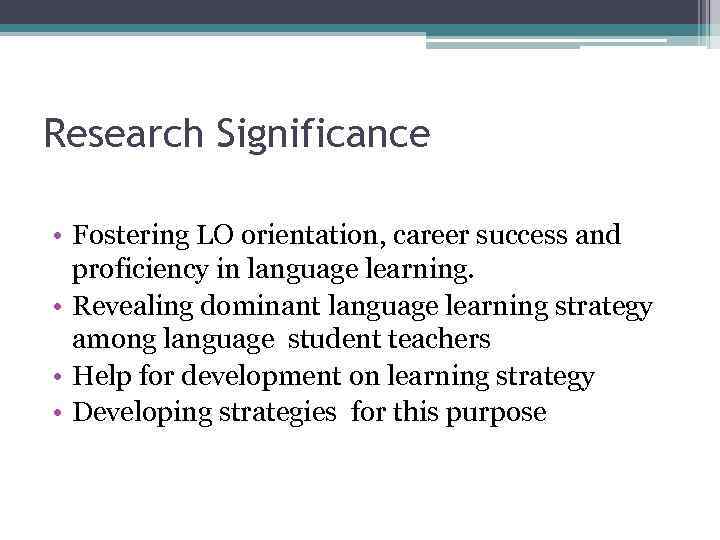
Research Significance • Fostering LO orientation, career success and proficiency in language learning. • Revealing dominant language learning strategy among language student teachers • Help for development on learning strategy • Developing strategies for this purpose
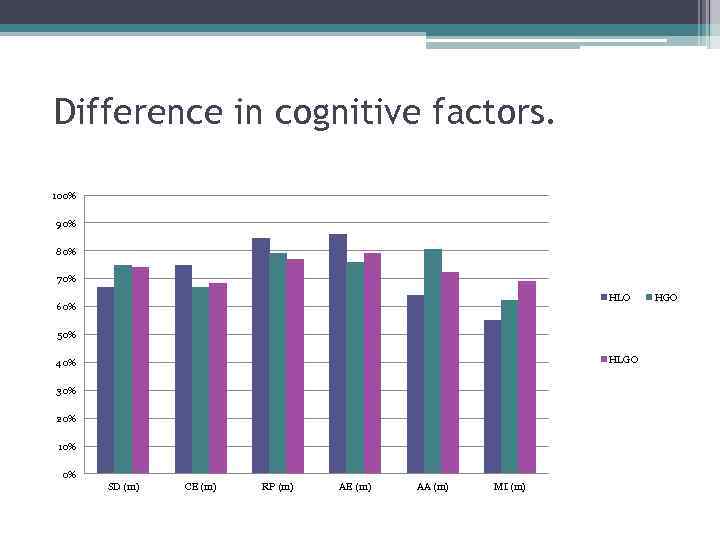
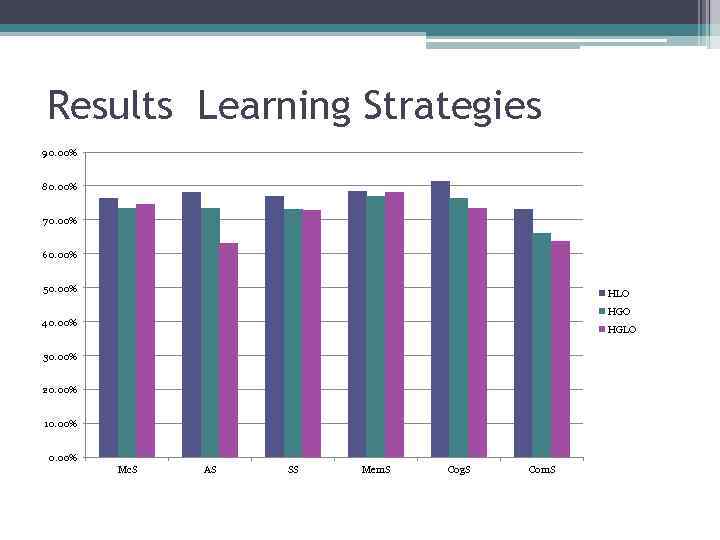
Research Hypotheses • The majority of students-teachers should have more learning than grade orientation. • Cognitive preferences of High LO individuals: - Higher Creative Expression (CE), Reading for Pleasure (RP) and Academic Efficacy (AE). • Cognitive preferences of high GO individuals: • -higher on Structure Dependence (SD) , Academic Apathy (AA), Mistrust of Instructors (MI). • High LO students progress better in all 6 strategies in Second Language Acquisition.
Research aim Identification of LO and GO learners in our university Examination of cognitive preferences and correlation between LO and GO Investigation of FL learning strategies and correlation with LO Strategy program on improving LO orientation • To prove our hypotheses
Research participants • (LOGO) was taken among sophomore, junior, and senior students of Two Foreign Language department, of Suleyman Demirel University. The number of interviewed students is 44.
Research tools: • 1. ”LOGO questionnaire “ • 2. Survey of Academic Orientations : vse orientations • 3. Self –designed “Questionnaire on 6 learning strategies in Second Language Acquisition ” • Toje vkluchit’ strategi I rawifrovat ‘
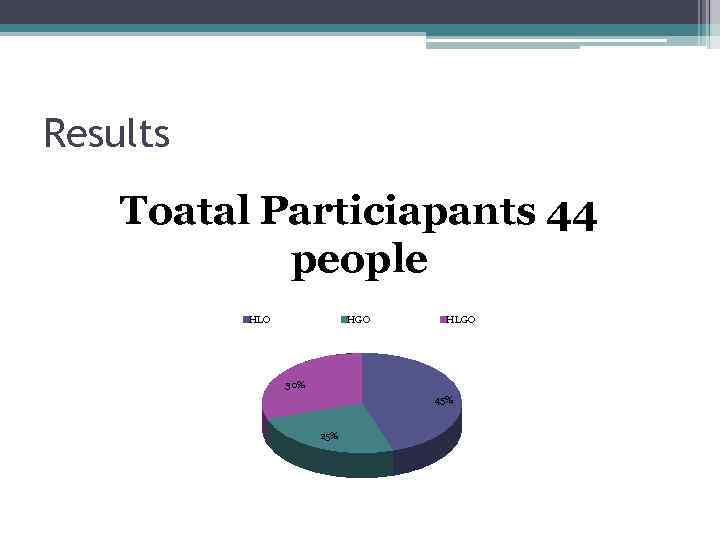
Results Toatal Particiapants 44 people HLO HGO HLGO 30% 45% 25%
Difference in cognitive factors. 100% 90% 80% 70% HLO 60% 50% HLGO 40% 30% 20% 10% 0% SD (m) CE (m) RP (m) AE (m) AA (m) MI (m) HGO
Results Learning Strategies 90. 00% 80. 00% 70. 00% 60. 00% 50. 00% HLO HGO 40. 00% HGLO 30. 00% 20. 00% 10. 00% Mc. S AS SS Mem. S Cog. S Com. S
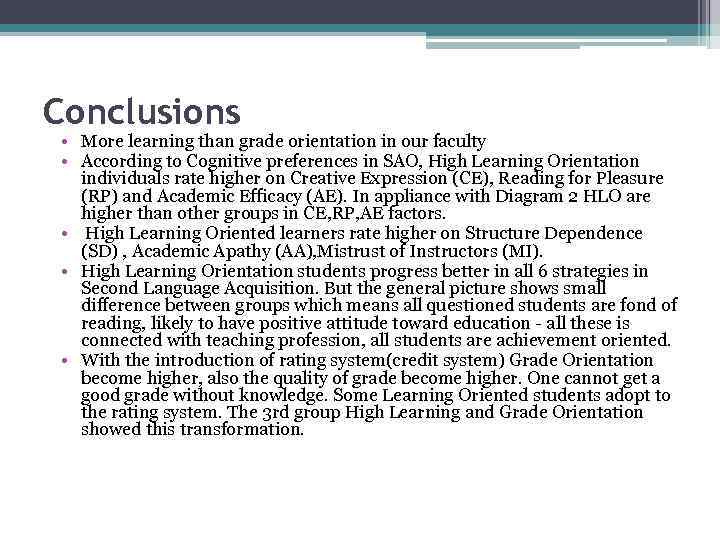
Conclusions • More learning than grade orientation in our faculty • According to Cognitive preferences in SAO, High Learning Orientation individuals rate higher on Creative Expression (CE), Reading for Pleasure (RP) and Academic Efficacy (AE). In appliance with Diagram 2 HLO are higher than other groups in CE, RP, AE factors. • High Learning Oriented learners rate higher on Structure Dependence (SD) , Academic Apathy (AA), Mistrust of Instructors (MI). • High Learning Orientation students progress better in all 6 strategies in Second Language Acquisition. But the general picture shows small difference between groups which means all questioned students are fond of reading, likely to have positive attitude toward education - all these is connected with teaching profession, all students are achievement oriented. • With the introduction of rating system(credit system) Grade Orientation become higher, also the quality of grade become higher. One cannot get a good grade without knowledge. Some Learning Oriented students adopt to the rating system. The 3 rd group High Learning and Grade Orientation showed this transformation.
Novelty • First time in Kazakhstani environment LOGO assessment • First time data collection and analysis of LOGO correlation with cognitive preferences. • Introduction of LS survey into this scientific area
Strategy programm
Скачать презентацию Correlation between students perception of academic grading and
Jans presentation2.pptx