


 Скачать презентацию Core Case Study Using Nature to Purify Sewage
860fec13ffdfdc77a3386398bdaa2ffc.ppt
- Количество слайдов: 78
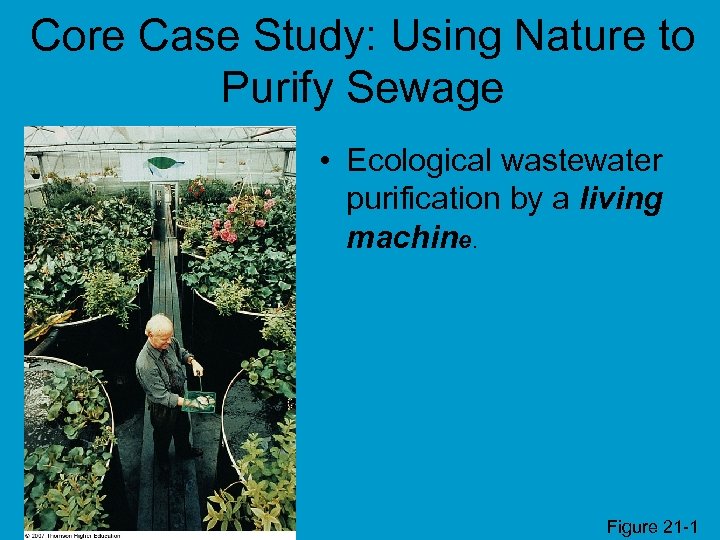 Core Case Study: Using Nature to Purify Sewage • Ecological wastewater purification by a living machine. Figure 21 -1
 -Sewage flows in to passive solar greenhouse -Tilapia and crayfish eat snails and zooplankton -water passes through artificial marsh of sand gravel and bulrush filters algae and remaining waste -Algae and decomposers break down sewage waste -Snails and zooplankton consume remaining microorganisms -water hyacinth, cattails and bulrushes take up nutrients released by algae and decomposers -some of the bulrush from the marsh absorbs toxic metals like mercury and lead -tilapia can be sold as food or bait -water is exposed to UV light so that it is clean enough to drink
 Ocean pollution articles • • • O. C. Pollution Costs Millions in Health Care Plastic Breaks down in the Ocean, After all-And Fast The Great Pacific Garbage Patch Toxic Slime Rises up Destroying Ocean Life With tips from Whistle Blowers, More Hands on Deck in Pollution Cases • Is Your Washing Machine Contributing to the Microplastic pollution problem in the oceans? • If You Use Pharmaceuticals you are Polluting the Water • Sentinels under Attack (a sentinel is a sea lion)
 Ocean Pollution Articles you will be presenting your findings to the class…. . presentation will be worth 25 pts • What is the article about give a synopsis in about 2 -3 sentences • What are some of the main points the article is trying to make (3 -4 main points) • What are some of the facts or evidence provided in the article? (3 or more facts) • What conclusions did you draw after reading this article (3 – 4 conclusions) • What surprised you about this article? • What are some questions for further exploration (2 or more)
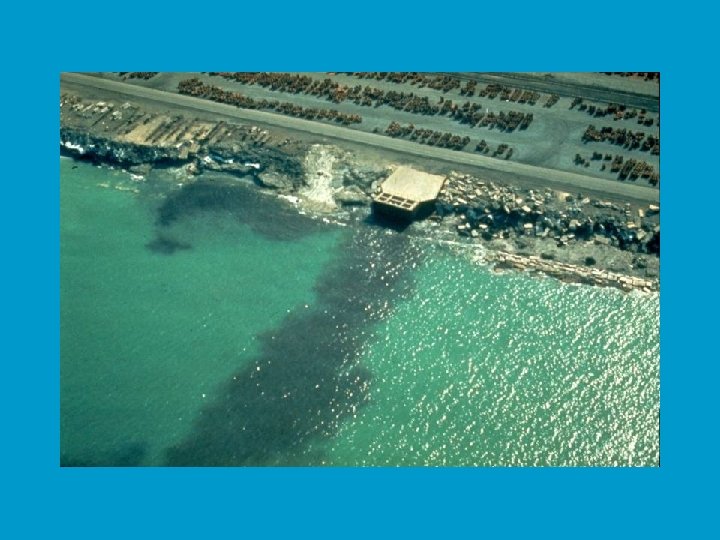
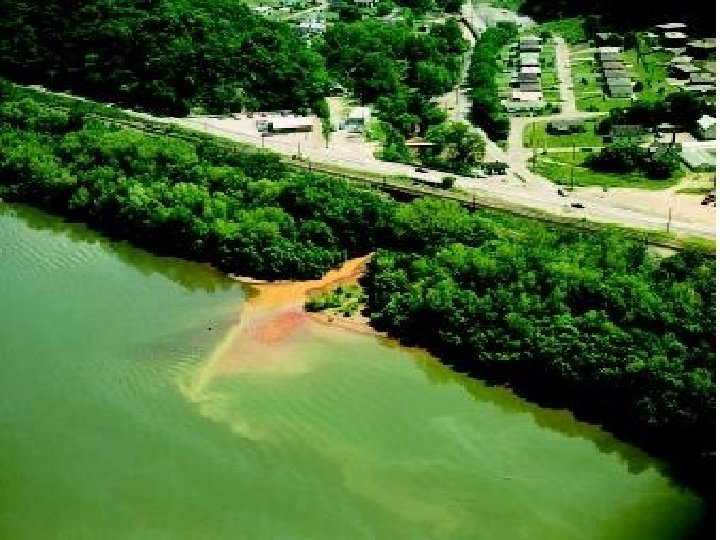
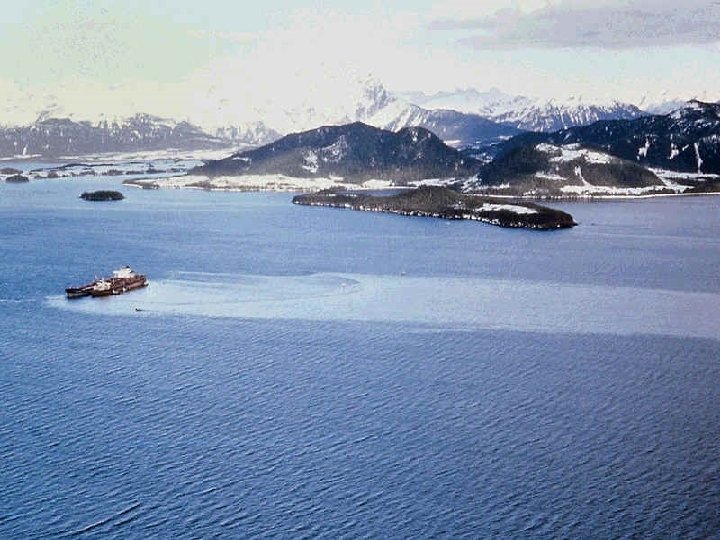
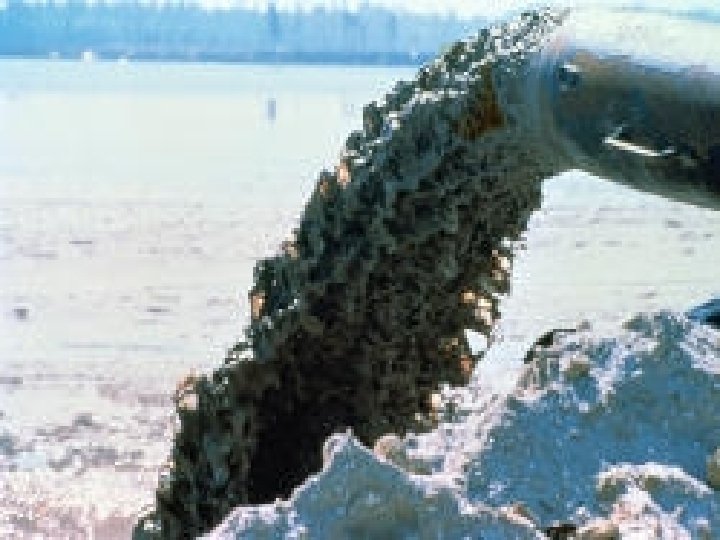
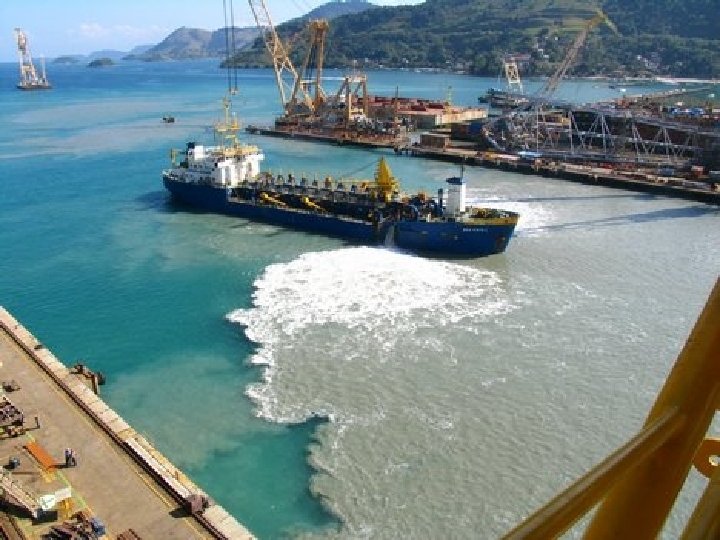
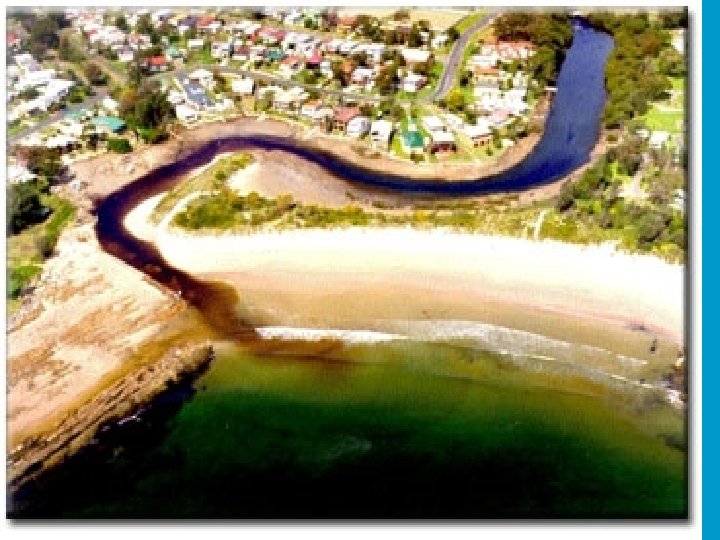
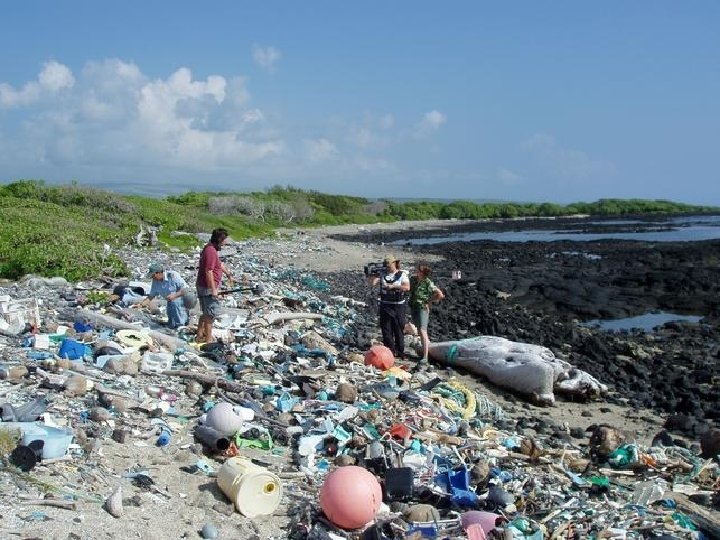
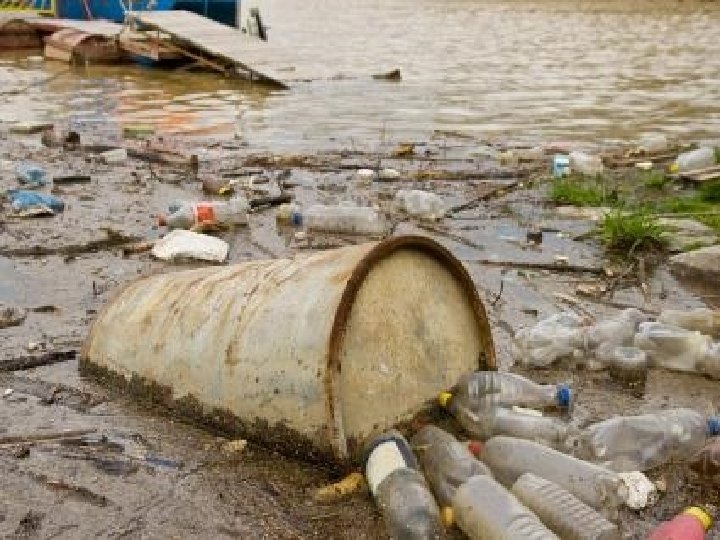
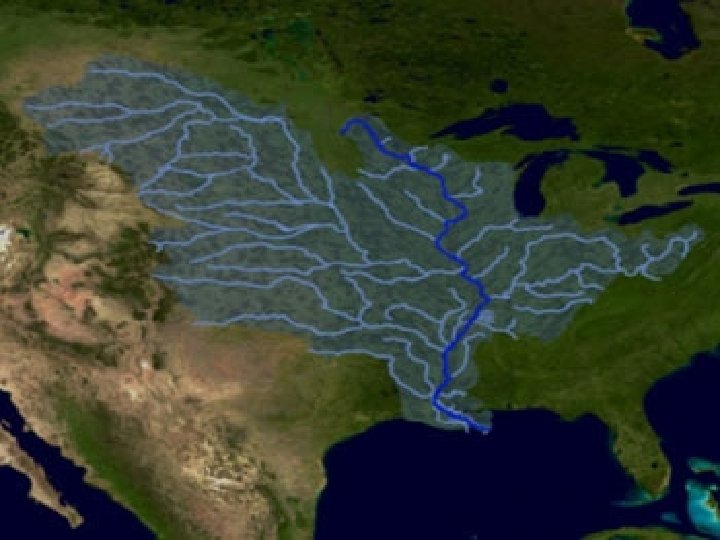
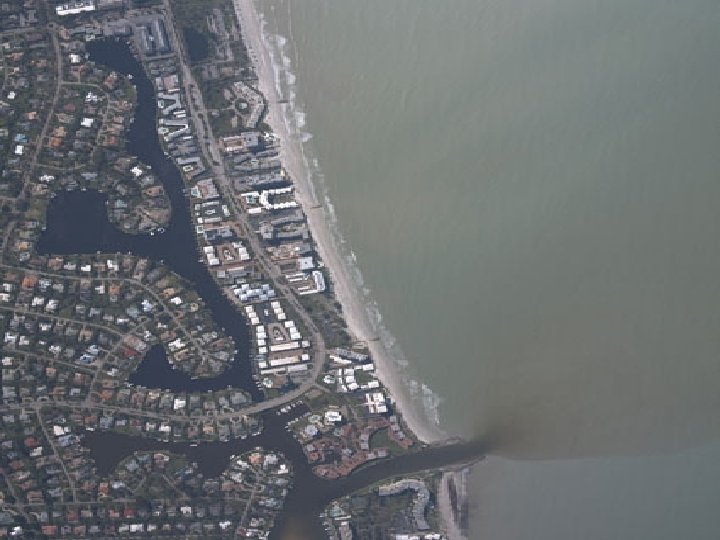
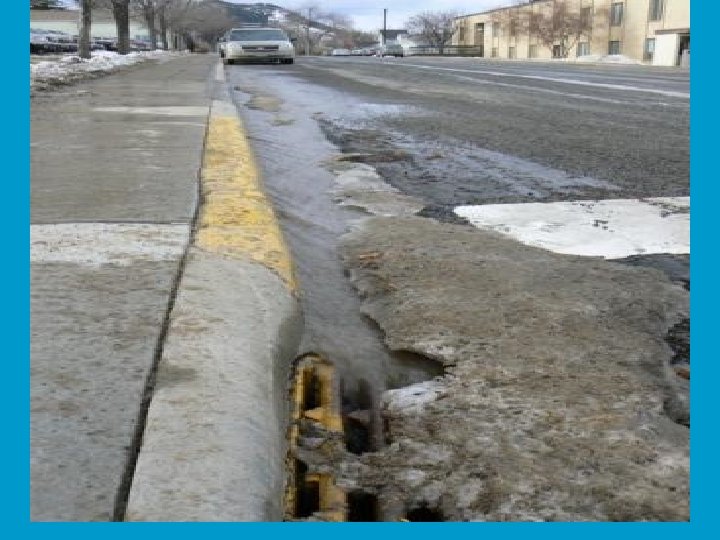
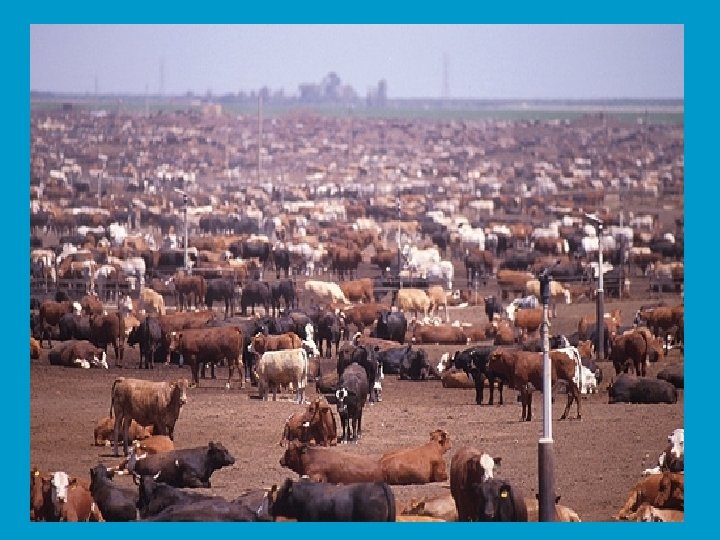
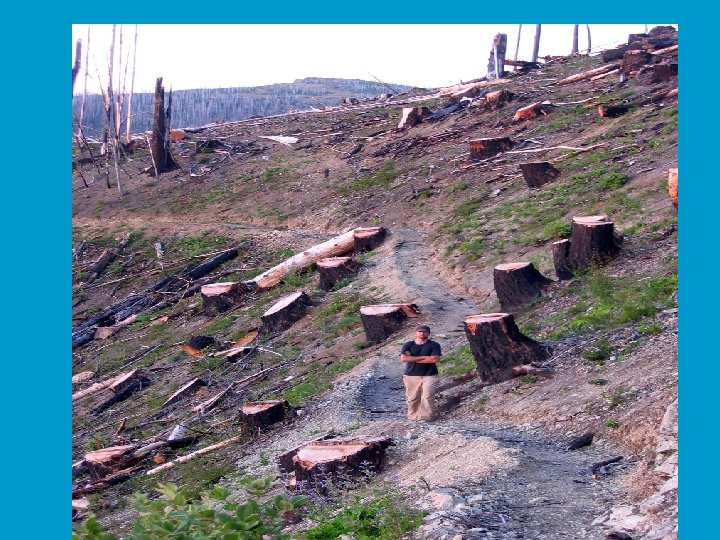
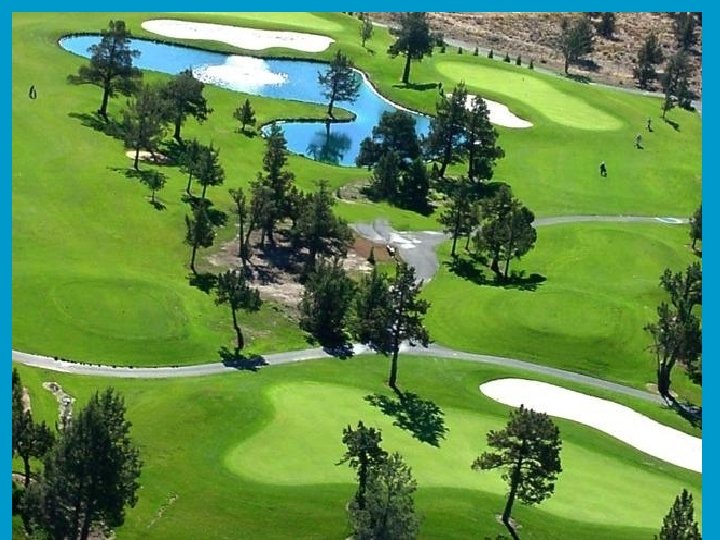
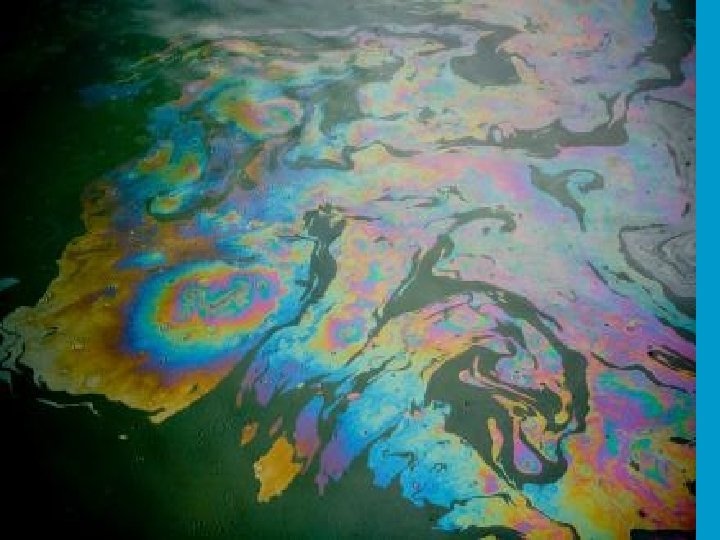
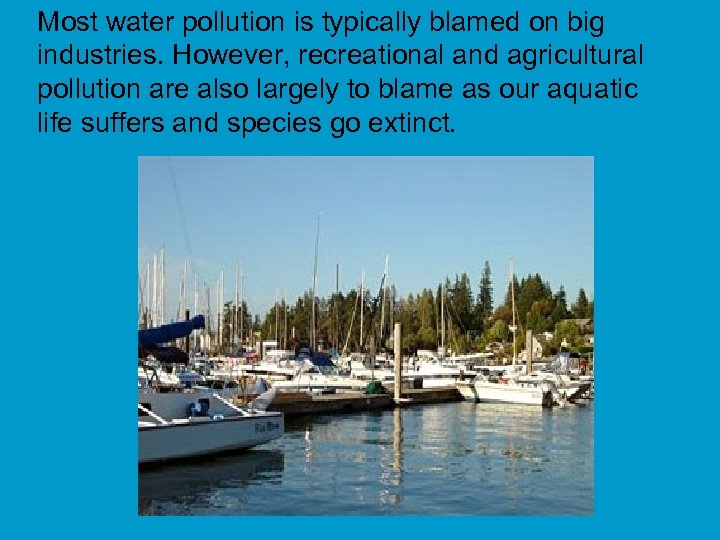 Most water pollution is typically blamed on big industries. However, recreational and agricultural pollution are also largely to blame as our aquatic life suffers and species go extinct.


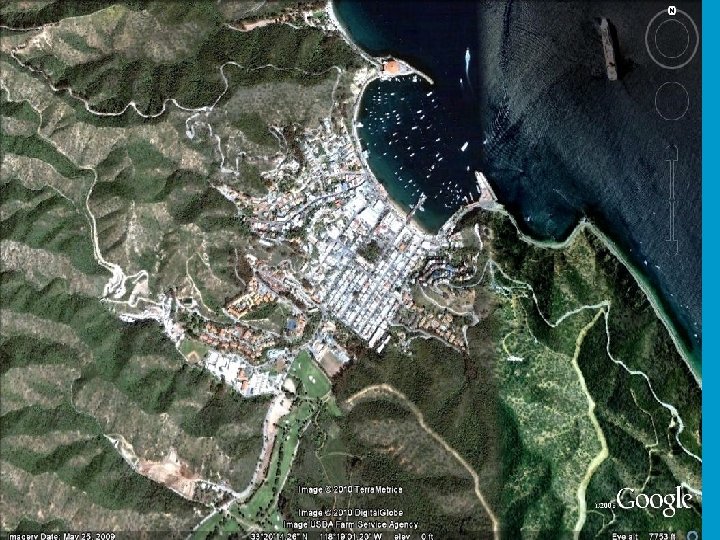
 Be a good steward of our waters Boat owners play an important role in protecting water quality while they enjoy the water and when they repair and maintain their investment. As little as a quart of oil, diesel, or gasoline can contaminate acres of water and shellfish beds, and can prove deadly to all forms of aquatic life. Most boat hulls used in marine waters are coated with soft toxic paints (ablative and sloughing) that contain toxic chemicals that poison aquatic life. Sewage holding tanks, when improperly released, threaten the health of people playing in the water or on beaches. Soaps and detergents that boaters might be tempted to use over water are also toxic to aquatic life, especially to our threatened and endangered salmon. If you own a boat, you have responsibilities. Be a Clean, Green boater. Learn more about your role here!
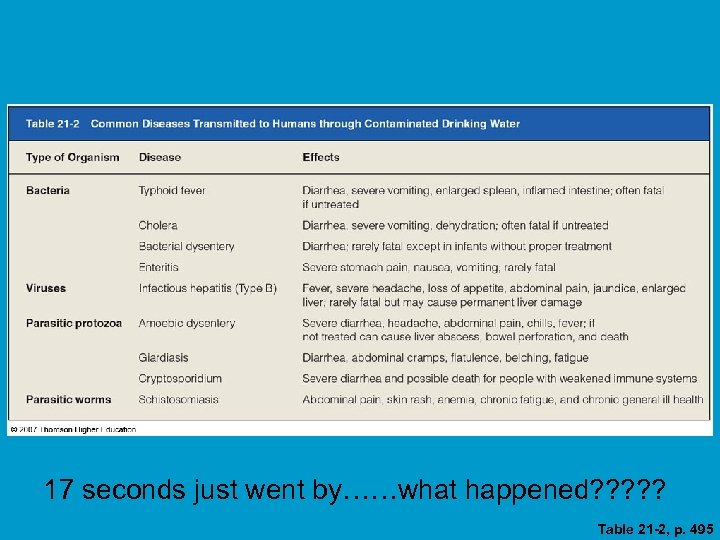 17 seconds just went by……what happened? ? ? Table 21 -2, p. 495
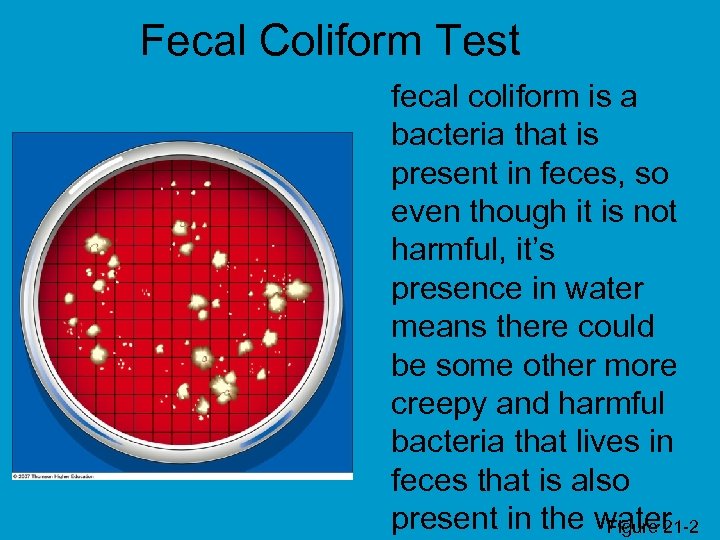 Fecal Coliform Test fecal coliform is a bacteria that is present in feces, so even though it is not harmful, it’s presence in water means there could be some other more creepy and harmful bacteria that lives in feces that is also present in the water Figure 21 -2
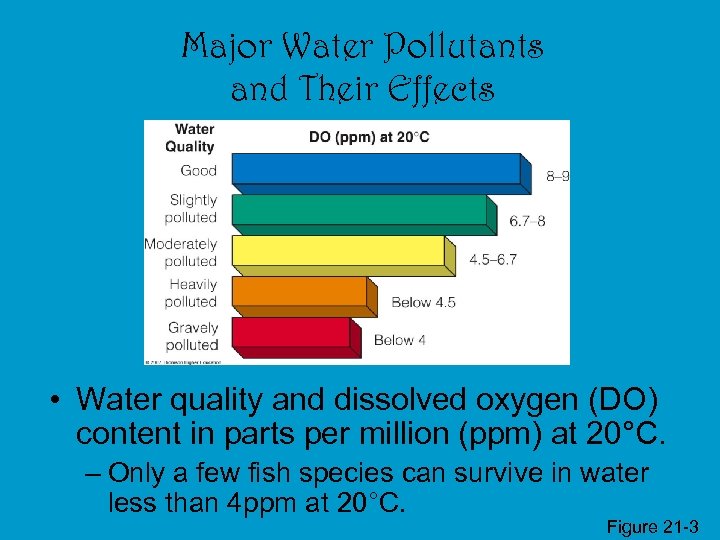 Major Water Pollutants and Their Effects • Water quality and dissolved oxygen (DO) content in parts per million (ppm) at 20°C. – Only a few fish species can survive in water less than 4 ppm at 20°C. Figure 21 -3
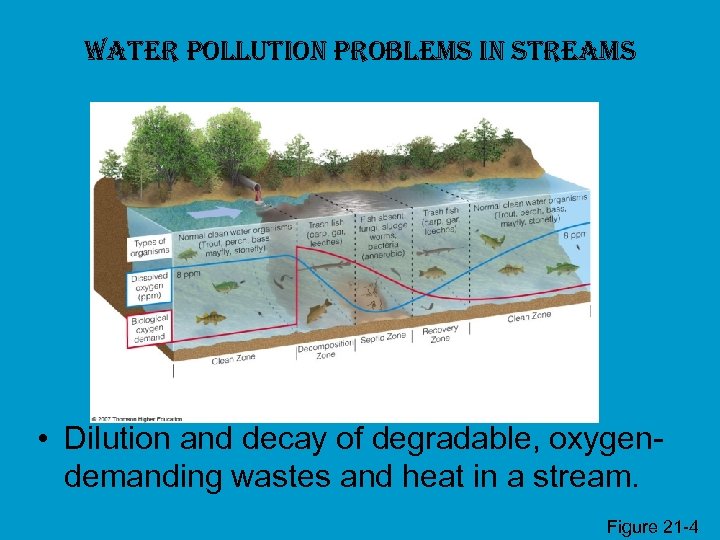 Water Pollution Problems in streams • Dilution and decay of degradable, oxygendemanding wastes and heat in a stream. Figure 21 -4
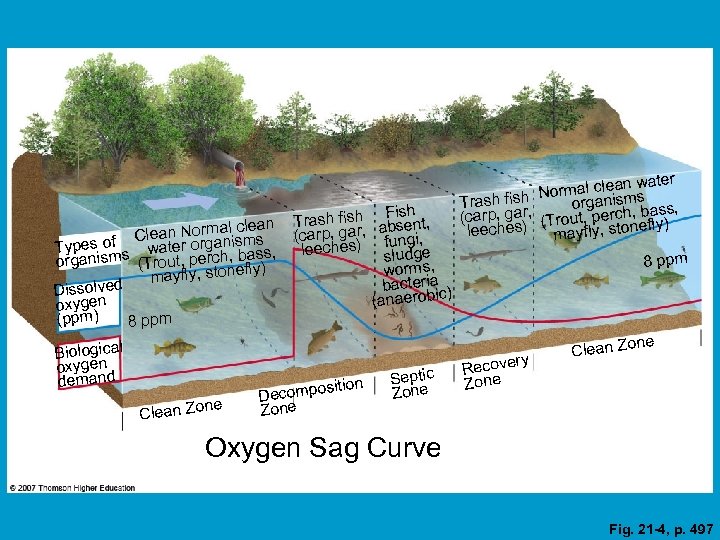 Fish Trash fish absent, l clean Clean Norma isms (carp, gar, fungi, f n Types o s water orga bass, leeches) sludge nism (Trout, perch, orga fly) worms, mayfly, stone bacteria ) Dissolved (anaerobic oxygen (ppm) 8 ppm Biological oxygen demand ne Clean Zo osition Decomp Zone Septic Zone ater mal clean w Nor Trash fish organisms ass, (carp, gar, (Trout, perch, bfly) e leeches) mayfly, ston 8 ppm r Recove Zone y ne Clean Zo Oxygen Sag Curve Fig. 21 -4, p. 497
 POLLUTION OF FRESHWATER STREAMS • Most developed countries have sharply reduced point-source pollution but toxic chemicals and pollution from nonpoint sources are still a problem. • Stream pollution from discharges of untreated sewage and industrial wastes is a major problem in developing countries. The World's Toilet Crisis: Vanguard Trailer // Current
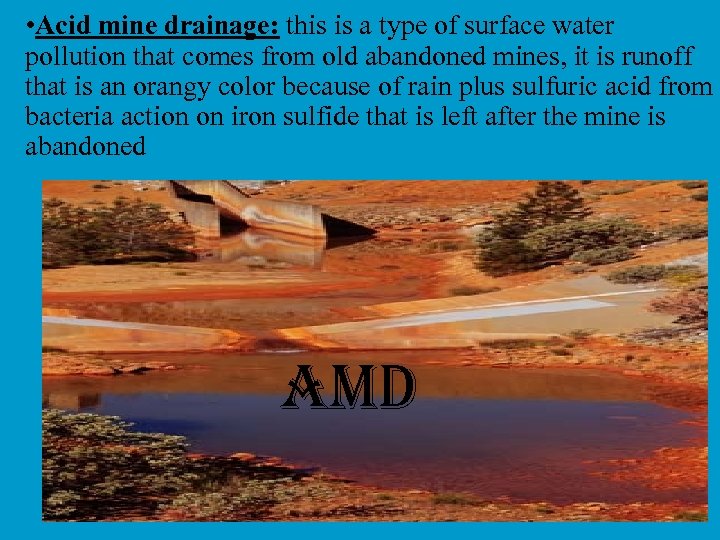 • Acid mine drainage: this is a type of surface water pollution that comes from old abandoned mines, it is runoff that is an orangy color because of rain plus sulfuric acid from bacteria action on iron sulfide that is left after the mine is abandoned am. D
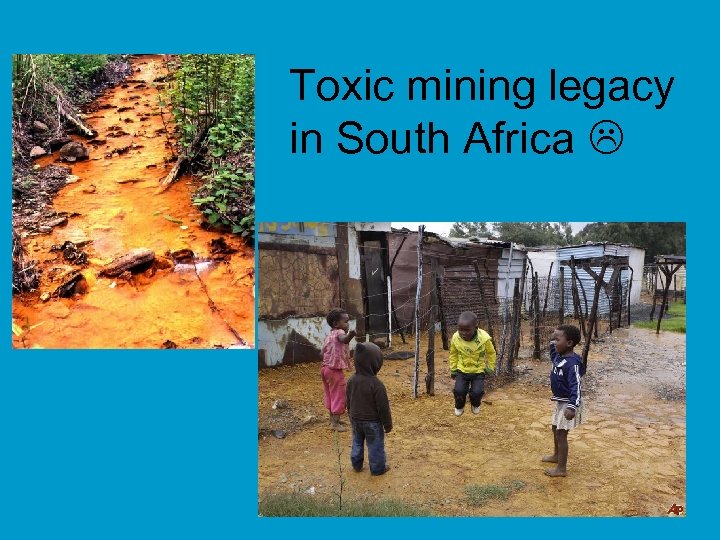 Toxic mining legacy in South Africa
 POLLUTION OF FRESHWATER LAKES • Dilution of pollutants in lakes is less effective than in most streams because most lake water is not mixed well and has little flow. – Lakes and reservoirs are often stratified and undergo little mixing. – Low flow makes them susceptible to runoff. • Various human activities can overload lakes with plant nutrients, which decrease DO and kill some aquatic species.
 Cultural Eutrophication • Eutrophication: the natural nutrient enrichment of a shallow lake, estuary or slow moving stream, mostly from runoff of plant nutrients from the surrounding land. • Cultural eutrophication: human activities accelerate the input of plant nutrients (mostly nitrate- and phosphate-containing effluents) to a lake. – 85% of large lakes near major population centers in the U. S. have some degree of cultural eutrophication.
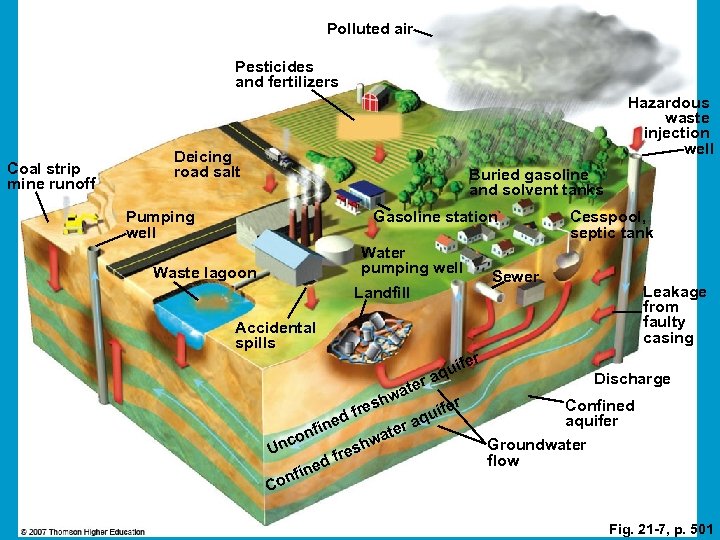 Polluted air Pesticides and fertilizers Coal strip mine runoff Hazardous waste injection well Deicing road salt Buried gasoline and solvent tanks Gasoline station Pumping well Water pumping well Waste lagoon Cesspool, septic tank Sewer Landfill Accidental spills Leakage from faulty casing r e d fr sh te wa r fe qui a e te nfin wa co sh Un fre d fine n Co fer qui ra Discharge Confined aquifer Groundwater flow Fig. 21 -7, p. 501
 Video: MTBE Pollution PLAY VIDEO • From ABC News, Environmental Science in the Headlines, 2005 DVD.
 ACID DEPOSITION also called “Acid Rain” • When Fossil fuels like oil and coal are burned, certain chemicals like Sulfur dioxides, nitrogen oxides, and particulates are released and can react in the atmosphere to produce acidic chemicals that can travel long distances before returning to the earth’s surface. – Tall smokestacks reduce local air pollution but can increase regional air pollution.
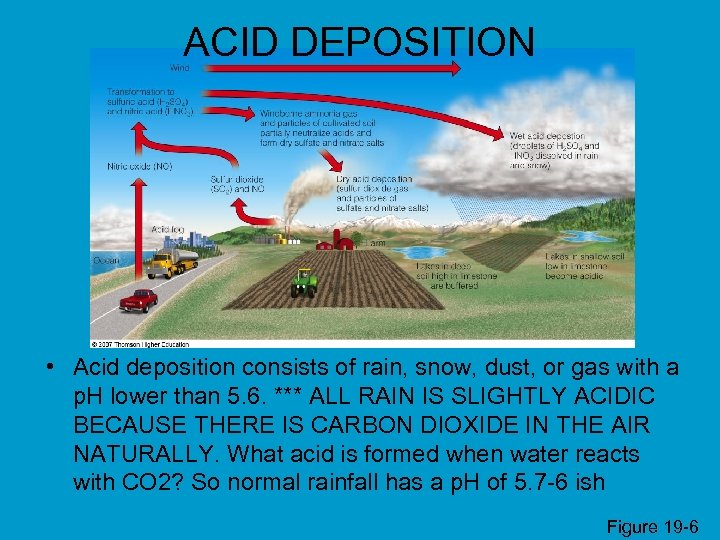 ACID DEPOSITION • Acid deposition consists of rain, snow, dust, or gas with a p. H lower than 5. 6. *** ALL RAIN IS SLIGHTLY ACIDIC BECAUSE THERE IS CARBON DIOXIDE IN THE AIR NATURALLY. What acid is formed when water reacts with CO 2? So normal rainfall has a p. H of 5. 7 -6 ish Figure 19 -6
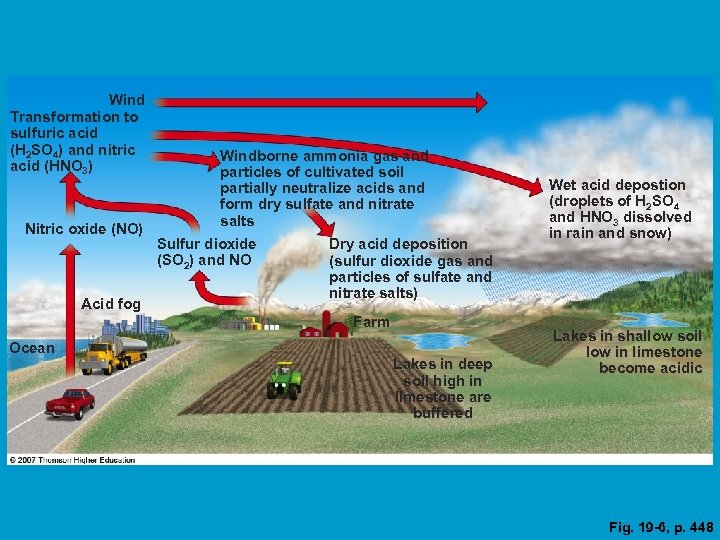 Wind Transformation to sulfuric acid (H 2 SO 4) and nitric acid (HNO 3) Nitric oxide (NO) Acid fog Windborne ammonia gas and particles of cultivated soil partially neutralize acids and form dry sulfate and nitrate salts Sulfur dioxide (SO 2) and NO Dry acid deposition (sulfur dioxide gas and particles of sulfate and nitrate salts) Farm Ocean Lakes in deep soil high in limestone are buffered Wet acid depostion (droplets of H 2 SO 4 and HNO 3 dissolved in rain and snow) Lakes in shallow soil low in limestone become acidic Fig. 19 -6, p. 448
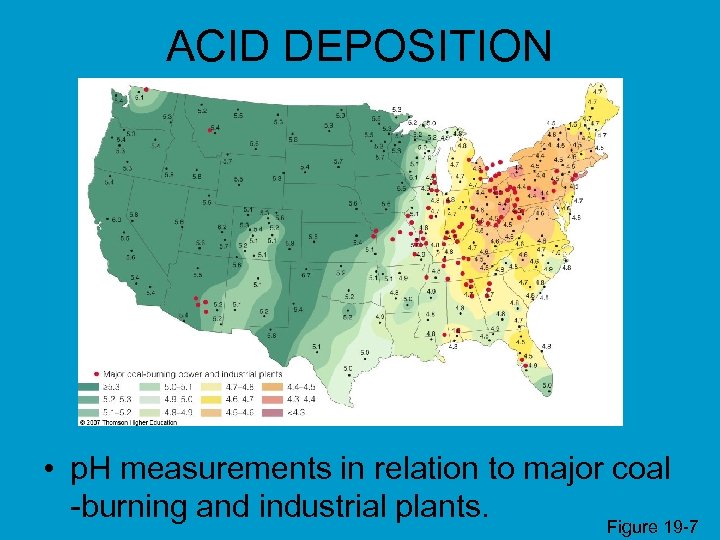 ACID DEPOSITION • p. H measurements in relation to major coal -burning and industrial plants. Figure 19 -7
 ACID DEPOSITION • Acid deposition contributes to chronic respiratory disease and can leach toxic metals (such as lead and mercury) from soils and rocks into acidic lakes used as sources for drinking water. • Remember when we learned about soil and we learned that acidic soils leach out aluminum, which plants and fish (in water) take in and it burns their roots/gills respectively?
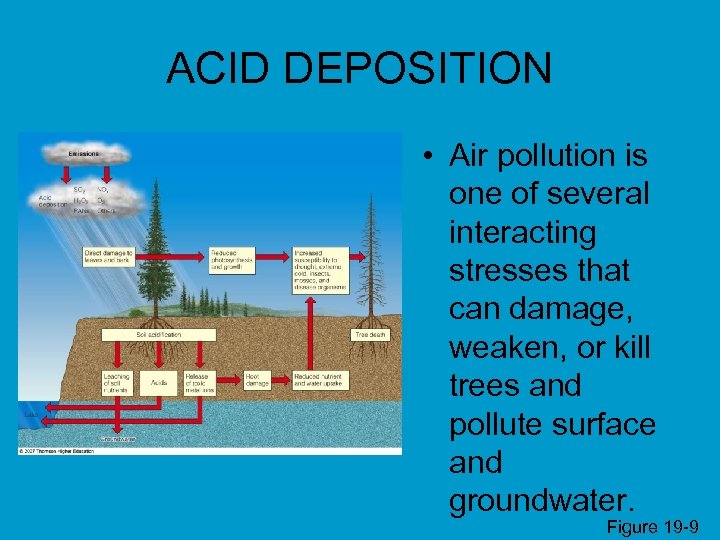 ACID DEPOSITION • Air pollution is one of several interacting stresses that can damage, weaken, or kill trees and pollute surface and groundwater. Figure 19 -9
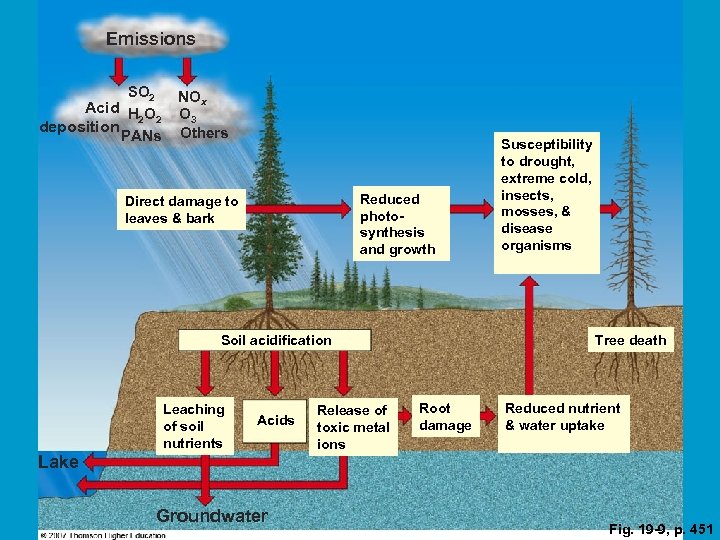 Emissions SO 2 Acid H O 2 2 deposition PANs NOx O 3 Others Reduced photosynthesis and growth Direct damage to leaves & bark Tree death Soil acidification Leaching of soil nutrients Acids Release of toxic metal ions Susceptibility to drought, extreme cold, insects, mosses, & disease organisms Root damage Reduced nutrient & water uptake Lake Groundwater Fig. 19 -9, p. 451
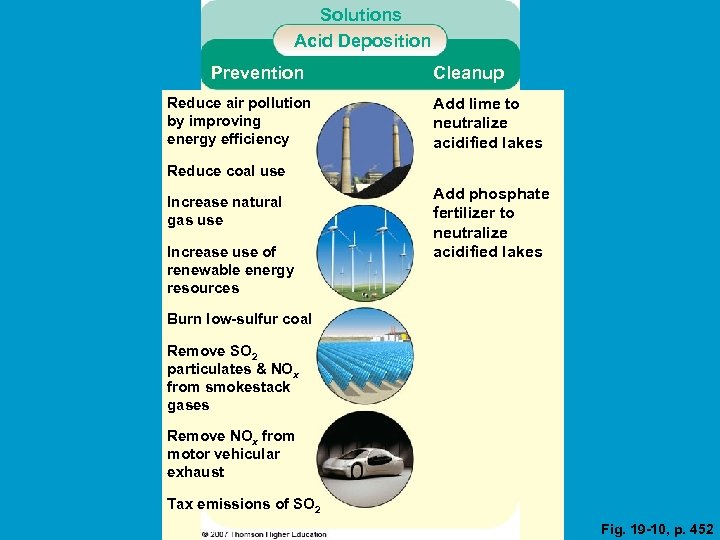 Solutions Acid Deposition Prevention Reduce air pollution by improving energy efficiency Cleanup Add lime to neutralize acidified lakes Reduce coal use Increase natural gas use Increase use of renewable energy resources Add phosphate fertilizer to neutralize acidified lakes Burn low-sulfur coal Remove SO 2 particulates & NOx from smokestack gases Remove NOx from motor vehicular exhaust Tax emissions of SO 2 Fig. 19 -10, p. 452
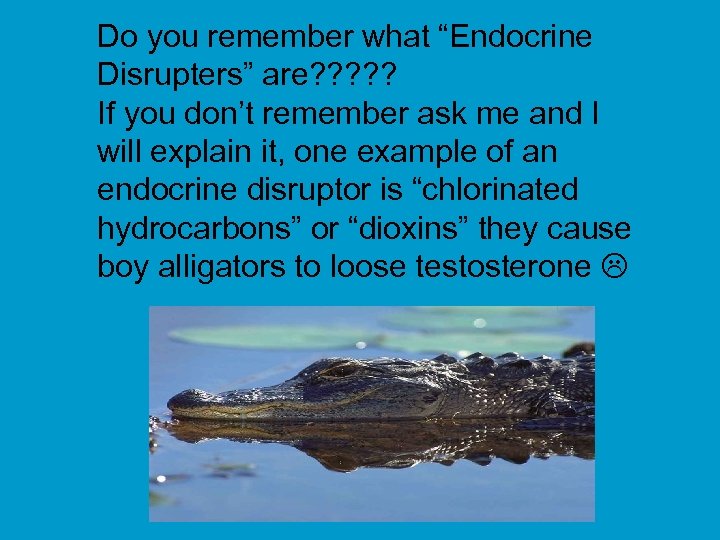 Do you remember what “Endocrine Disrupters” are? ? ? If you don’t remember ask me and I will explain it, one example of an endocrine disruptor is “chlorinated hydrocarbons” or “dioxins” they cause boy alligators to loose testosterone
 Pollution o. F Groun. DWater • It can take hundreds to thousand of years for contaminated groundwater to cleanse itself of degradable wastes. – Nondegradable wastes (toxic lead, arsenic, flouride) are there permanently. – Slowly degradable wastes (such as DDT) are there for decades.
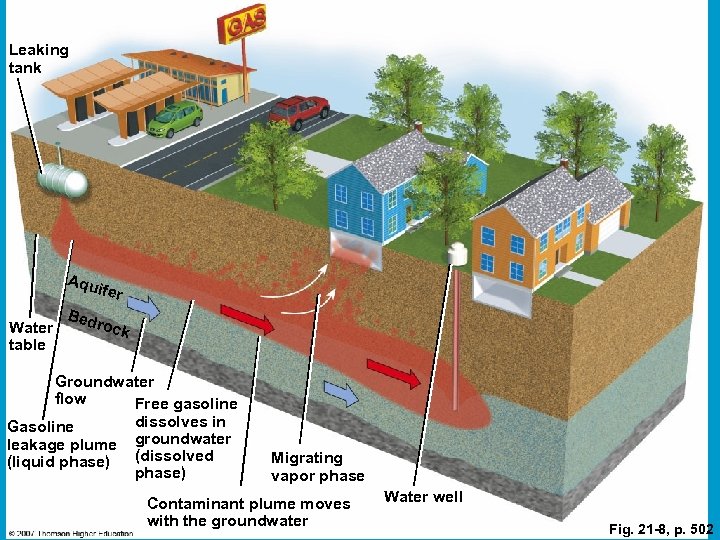 Leaking tank Aqu ifer Water table Bed rock Groundwater flow Free gasoline dissolves in Gasoline leakage plume groundwater (dissolved (liquid phase) Migrating vapor phase Contaminant plume moves with the groundwater Water well Fig. 21 -8, p. 502
 Case Study: Arsenic in Groundwater - a Natural Threat • Toxic Arsenic (As) can naturally occur at high levels in soil and rocks. • Drilling into aquifers can release As into drinking water supplies. • According to WHO, more than 112 million people are drinking water with As levels 5100 times the 10 ppb standard. – Mostly in Bangladesh, China, and West Bengal, India.
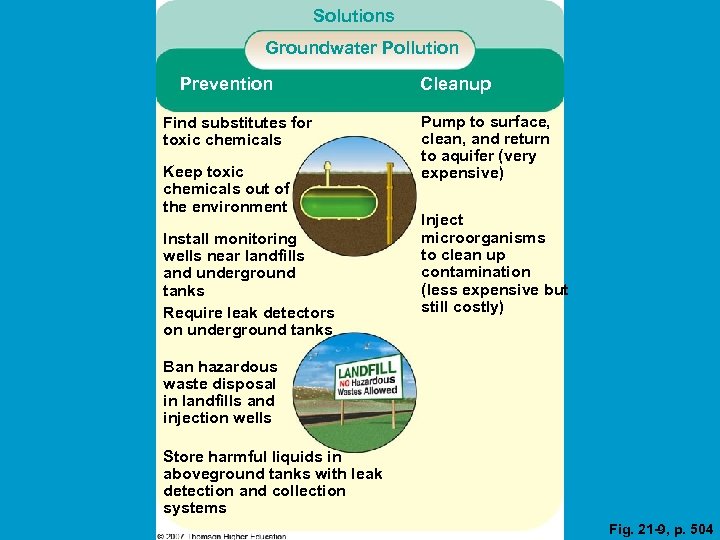 Solutions Groundwater Pollution Prevention Find substitutes for toxic chemicals Keep toxic chemicals out of the environment Install monitoring wells near landfills and underground tanks Require leak detectors on underground tanks Cleanup Pump to surface, clean, and return to aquifer (very expensive) Inject microorganisms to clean up contamination (less expensive but still costly) Ban hazardous waste disposal in landfills and injection wells Store harmful liquids in aboveground tanks with leak detection and collection systems Fig. 21 -9, p. 504
 OCEAN POLLUTION • Oceans, if they are not overloaded, can disperse and break down large quantities of degradable pollutants. • Pollution of coastal waters near heavily populated areas is a serious problem. – About 40% of the world’s population lives near on or near the coast. – The EPA has classified 4 of 5 estuaries as threatened or impaired.
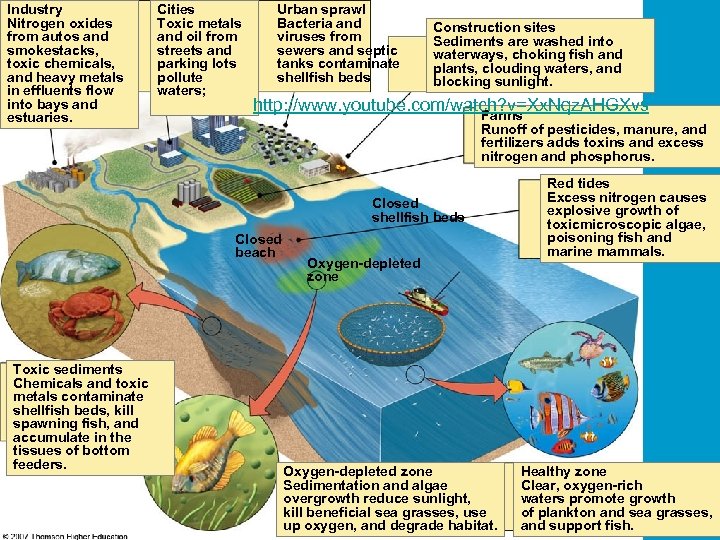 Industry Nitrogen oxides from autos and smokestacks, toxic chemicals, and heavy metals in effluents flow into bays and estuaries. Cities Toxic metals and oil from streets and parking lots pollute waters; Urban sprawl Bacteria and viruses from sewers and septic tanks contaminate shellfish beds Construction sites Sediments are washed into waterways, choking fish and plants, clouding waters, and blocking sunlight. http: //www. youtube. com/watch? v=Xx. Nqz. AHGXvs Farms Runoff of pesticides, manure, and fertilizers adds toxins and excess nitrogen and phosphorus. Closed shellfish beds Closed beach Toxic sediments Chemicals and toxic metals contaminate shellfish beds, kill spawning fish, and accumulate in the tissues of bottom feeders. Oxygen-depleted zone Sedimentation and algae overgrowth reduce sunlight, kill beneficial sea grasses, use up oxygen, and degrade habitat. Red tides Excess nitrogen causes explosive growth of toxicmicroscopic algae, poisoning fish and marine mammals. Healthy zone Clear, oxygen-rich waters promote growth of plankton and sea grasses, and support. Fig. 21 -10, p. 505 fish.
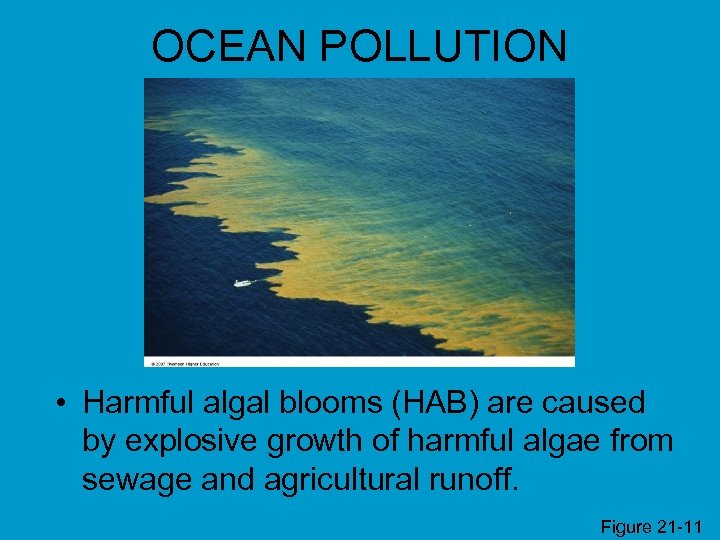 OCEAN POLLUTION • Harmful algal blooms (HAB) are caused by explosive growth of harmful algae from sewage and agricultural runoff. Figure 21 -11
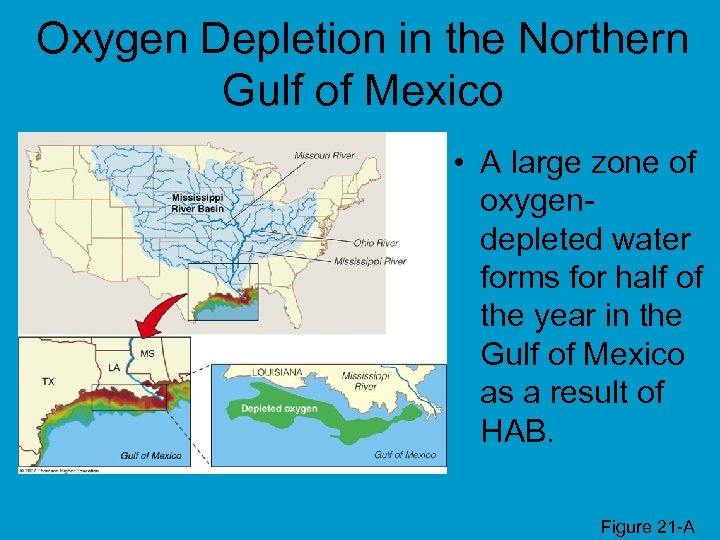 Oxygen Depletion in the Northern Gulf of Mexico • A large zone of oxygendepleted water forms for half of the year in the Gulf of Mexico as a result of HAB. Figure 21 -A
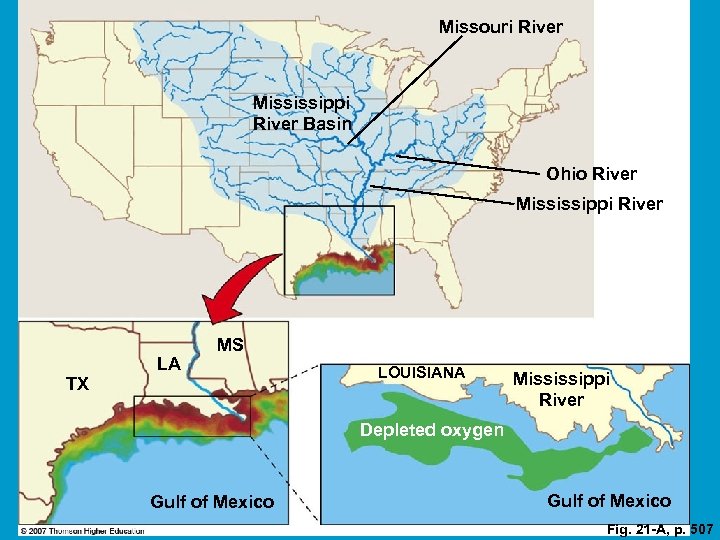 Missouri River Mississippi River Basin Ohio River Mississippi River LA MS TX LOUISIANA Mississippi River Depleted oxygen Gulf of Mexico Fig. 21 -A, p. 507
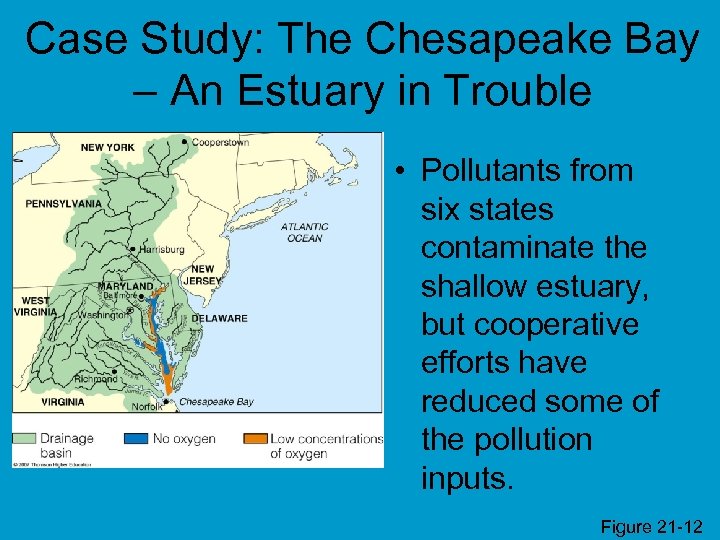 Case Study: The Chesapeake Bay – An Estuary in Trouble • Pollutants from six states contaminate the shallow estuary, but cooperative efforts have reduced some of the pollution inputs. Figure 21 -12
 OCEAN OIL POLLUTION • Most ocean oil pollution comes from human activities on land. – Studies have shown it takes about 3 years for many forms of marine life to recover from large amounts of crude oil (oil directly from ground). – Recovery from exposure to refined oil (fuel oil, gasoline, etc…) can take 10 -20 years for marine life to recover. http: //www. youtube. com/watch? v=AAi. Tyw. Pmg. D 4 http: //www. youtube. com/watch? v=_YXA 2 hp 3 D 8 k&feature=related
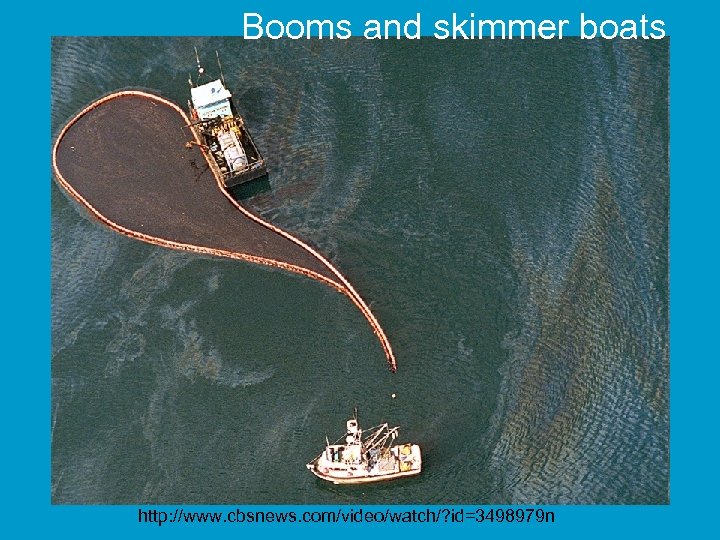 Booms and skimmer boats http: //www. cbsnews. com/video/watch/? id=3498979 n
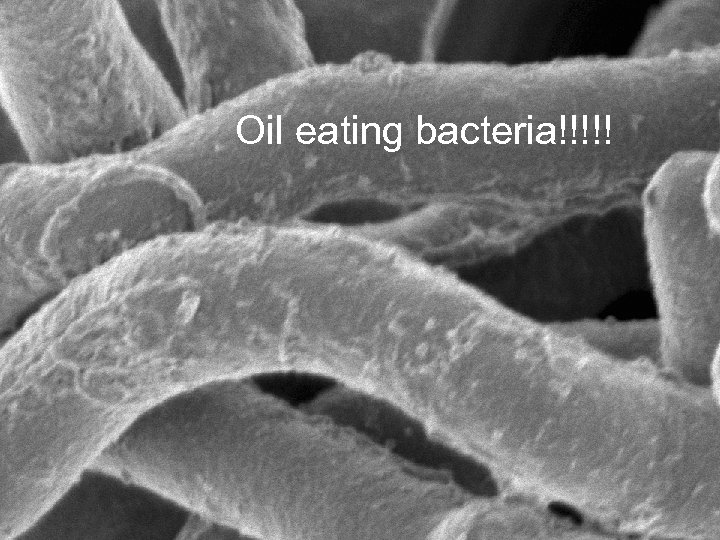 Oil eating bacteria!!!!!
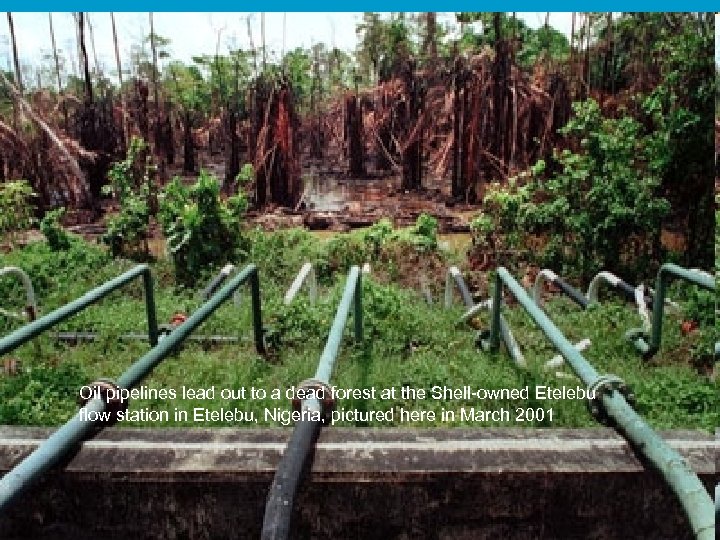 Oil pipelines lead out to a dead forest at the Shell-owned Etelebu flow station in Etelebu, Nigeria, pictured here in March 2001
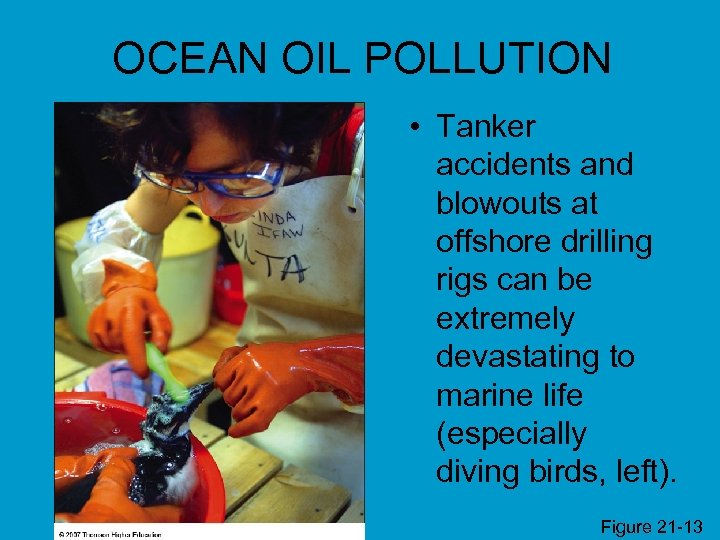 OCEAN OIL POLLUTION • Tanker accidents and blowouts at offshore drilling rigs can be extremely devastating to marine life (especially diving birds, left). Figure 21 -13
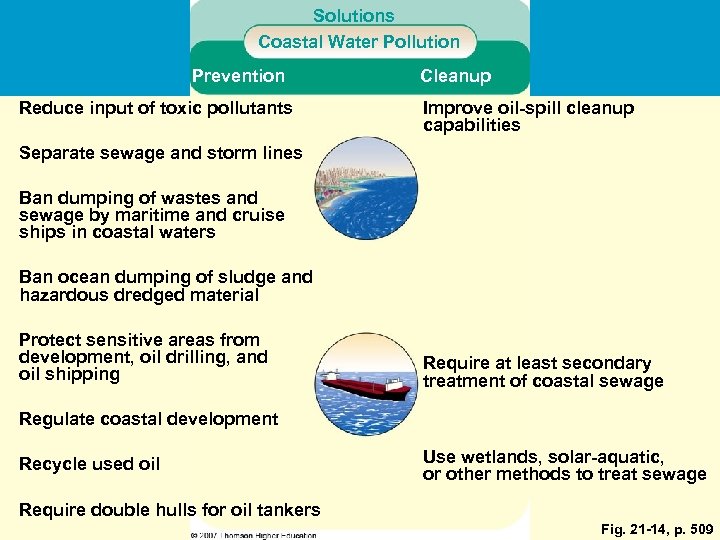 Solutions Coastal Water Pollution Prevention Reduce input of toxic pollutants Cleanup Improve oil-spill cleanup capabilities Separate sewage and storm lines Ban dumping of wastes and sewage by maritime and cruise ships in coastal waters Ban ocean dumping of sludge and hazardous dredged material Protect sensitive areas from development, oil drilling, and oil shipping Require at least secondary treatment of coastal sewage Regulate coastal development Recycle used oil Use wetlands, solar-aquatic, or other methods to treat sewage Require double hulls for oil tankers Fig. 21 -14, p. 509
 PREVENTING AND REDUCING SURFACE WATER POLLUTION • The key to reducing nonpoint pollution – most of it from agriculture – is to prevent it from reaching bodies of water. – Farmers can reduce runoff by planting buffers and locating feedlots away from steeply sloped land, flood zones, and surface water.
 PREVENTING AND REDUCING SURFACE WATER POLLUTION • Most developed countries use laws to set water pollution standards, but such laws rarely exist in developing countries. – The U. S. Clean Water Act sets standards for allowed levels of key water pollutants and requires polluters to get permits.
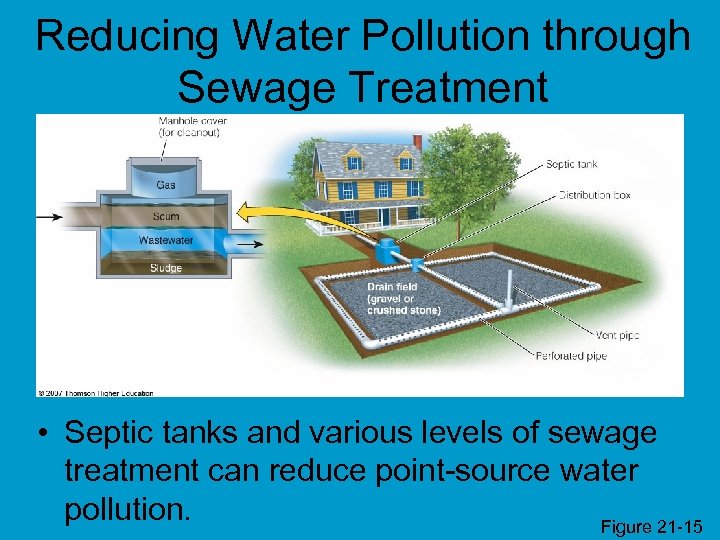 Reducing Water Pollution through Sewage Treatment • Septic tanks and various levels of sewage treatment can reduce point-source water pollution. Figure 21 -15
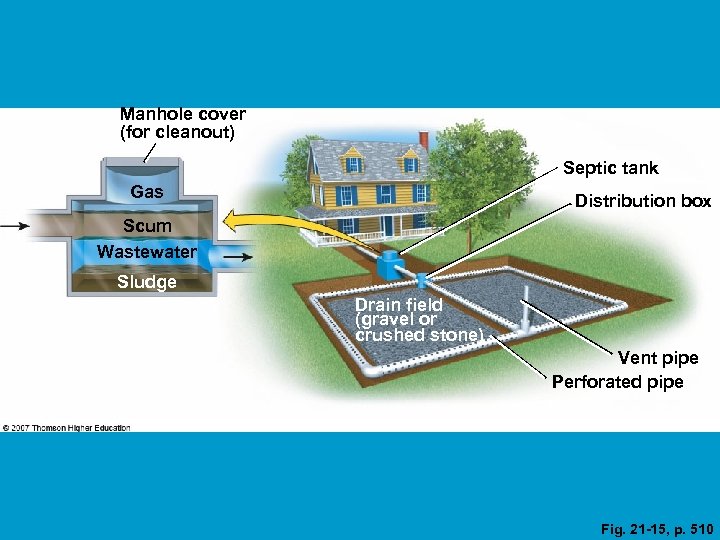 Manhole cover (for cleanout) Septic tank Gas Distribution box Scum Wastewater Sludge Drain field (gravel or crushed stone) Vent pipe Perforated pipe Fig. 21 -15, p. 510
 Reducing Water Pollution through Sewage Treatment • Raw sewage reaching a municipal sewage treatment plant typically undergoes: – Primary sewage treatment: a physical process that uses screens and a grit tank to remove large floating objects and allows settling. – Secondary sewage treatment: a biological process in which aerobic bacteria remove as much as 90% of dissolved and biodegradable, oxygen demanding organic wastes.
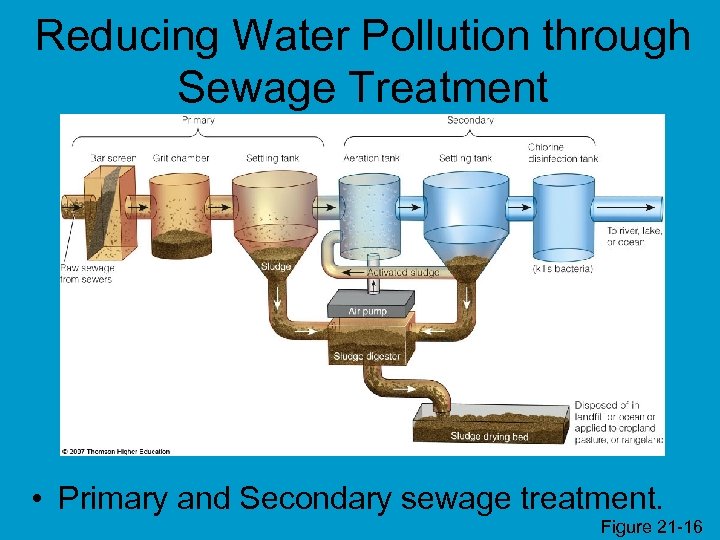 Reducing Water Pollution through Sewage Treatment • Primary and Secondary sewage treatment. Figure 21 -16
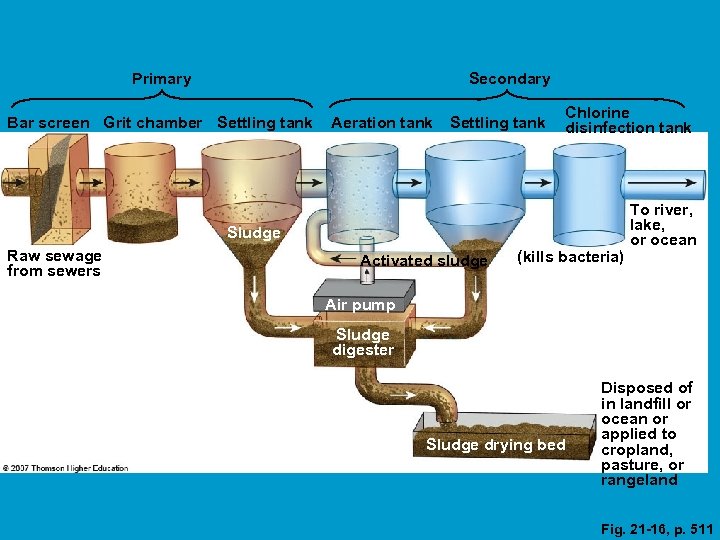 Primary Secondary Bar screen Grit chamber Settling tank Aeration tank Settling tank Chlorine disinfection tank Sludge Raw sewage from sewers Activated sludge (kills bacteria) To river, lake, or ocean Air pump Sludge digester Sludge drying bed Disposed of in landfill or ocean or applied to cropland, pasture, or rangeland Fig. 21 -16, p. 511
 Reducing Water Pollution through Sewage Treatment • Advanced or tertiary sewage treatment: – Uses series of chemical and physical processes to remove specific pollutants left (especially nitrates and phosphates). • Water is chlorinated to remove coloration and to kill disease-carrying bacteria and some viruses (disinfect).
 Reducing Water Pollution through Sewage Treatment • Sewage sludge can be used as a soil conditioner but this can cause health problems if it contains infectious bacteria and toxic chemicals. • Preventing toxic chemicals from reaching sewage treatment plants would eliminate such chemicals from the sludge and water discharged from such plants.
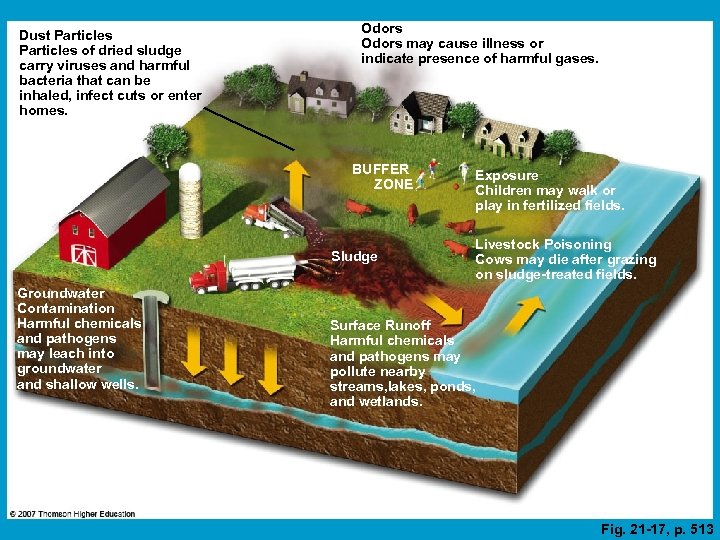 Dust Particles of dried sludge carry viruses and harmful bacteria that can be inhaled, infect cuts or enter homes. Odors may cause illness or indicate presence of harmful gases. BUFFER ZONE Sludge Groundwater Contamination Harmful chemicals and pathogens may leach into groundwater and shallow wells. Exposure Children may walk or play in fertilized fields. Livestock Poisoning Cows may die after grazing on sludge-treated fields. Surface Runoff Harmful chemicals and pathogens may pollute nearby streams, lakes, ponds, and wetlands. Fig. 21 -17, p. 513
 Reducing Water Pollution through Sewage Treatment • Natural and artificial wetlands and other ecological systems can be used to treat sewage. – California created a 65 hectare wetland near Humboldt Bay that acts as a natural wastewater treatment plant for the town of 16, 000 people. • The project cost less than half of the estimated price of a conventional treatment plant.
 DRINKING WATER QUALITY • Centralized water treatment plants and watershed protection can provide safe drinking water for city dwellers in developed countries. • Simpler and cheaper ways can be used to purify drinking water for developing countries. – Exposing water to heat and the sun’s UV rays for 3 hours can kill infectious microbes.
 Using Laws to Protect Drinking Water • The U. S Safe Drinking Water Act requires the EPA to establish national drinking water standards (maximum contaminant levels) for any pollutant that may have adverse effects on human health.
 Is Bottled Water the Answer? • Some bottled water is not as pure as tap water and costs much more. – 1. 4 million metric tons of plastic bottles are thrown away. – Fossil fuels are used to make plastic bottles. • The oil used to produce plastic bottles in the U. S. each year would fuel 100, 000 cars.
 Solutions Water Pollution • Prevent groundwater contamination • Reduce nonpoint runoff • Reuse treated wastewater for irrigation • Find substitutes for toxic pollutants • Work with nature to treat sewage • Practice four R's of resource use (refuse, reduce, recycle, reuse) • Reduce air pollution • Reduce poverty • Reduce birth rates Fig. 21 -18, p. 517
 What Can You Do? Water Pollution • Fertilize garden and yard plants with manure or compost instead of commercial inorganic fertilizer. • Minimize your use of pesticides. • Do not apply fertilizer or pesticides near a body of water. • Grow or buy organic foods. • Do not drink bottled water unless tests show that your tap water is contaminated. Merely refill and reuse plastic bottles with tap water. • Compost your food wastes. • Do not use water fresheners in toilets. • Do not flush unwanted medicines down the toilet. • Do not pour pesticides, paints, solvents, oil, antifreeze, or other products containing harmful chemicals down the drain or onto the ground. Fig. 21 -19, p. 517