 Скачать презентацию Content Self-Disclosure A bridge from communicators to
Content_-_Self-Disclosure.pptx
- Количество слайдов: 16



Content Self-Disclosure
A bridge from communicators to content Last semester: • Communication • Self-concept • Perception and listening This semester: • Self-disclosure • Verbal language • Nonverbal language
Important! Who we are, how we see ourselves and how we perceive the world around us will always significantly impact the CONTENT of communication.
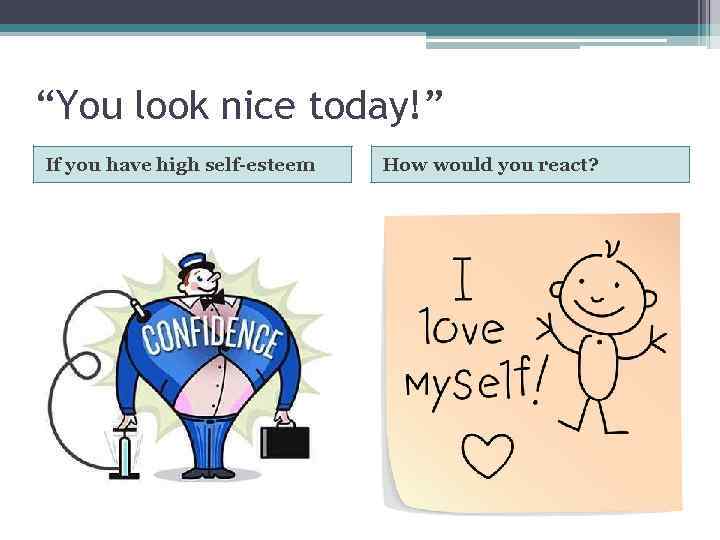
“You look nice today!” If you have high self-esteem How would you react?
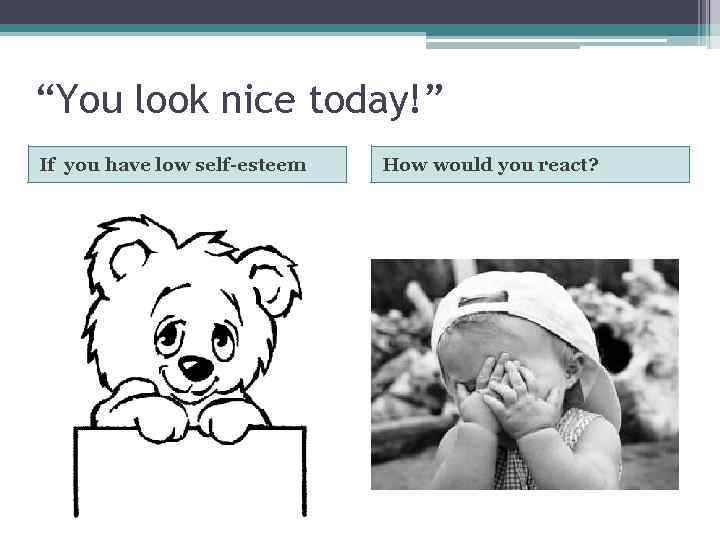
“You look nice today!” If you have low self-esteem How would you react?
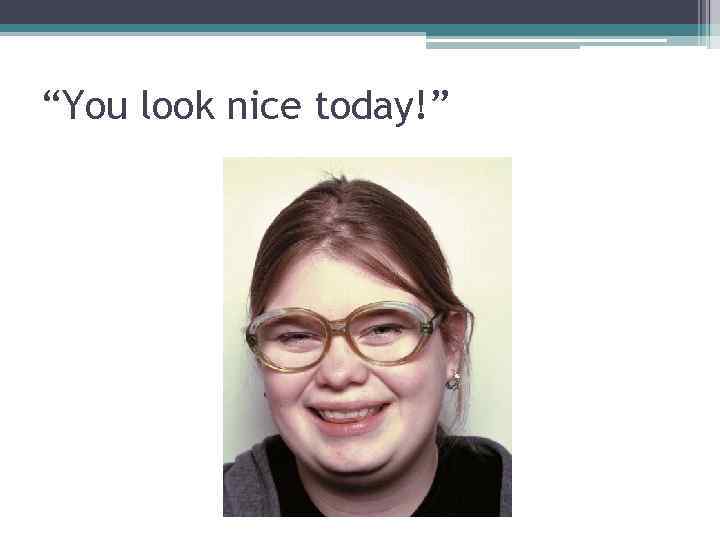
“You look nice today!”
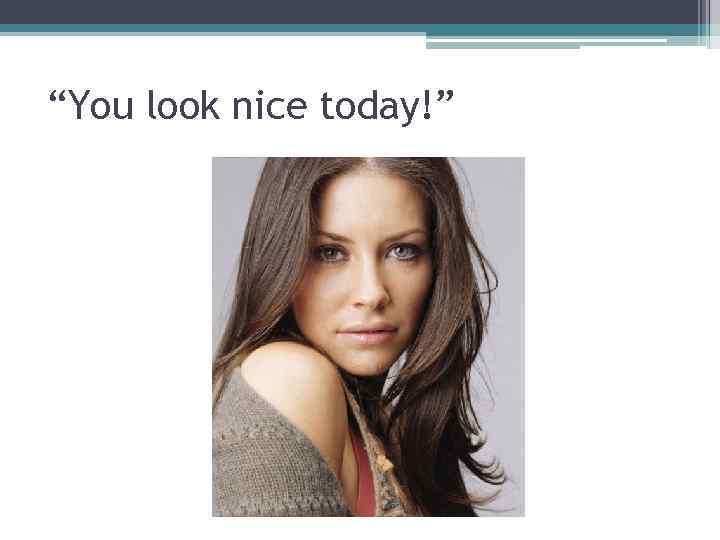
“You look nice today!”
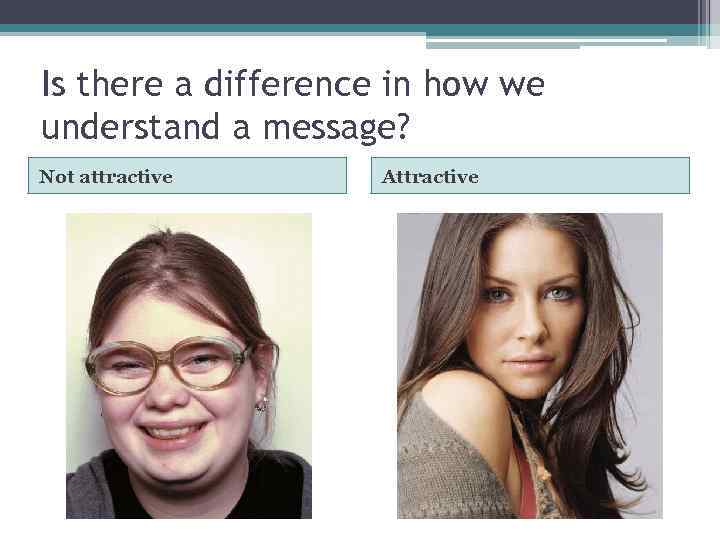
Is there a difference in how we understand a message? Not attractive Attractive

“You look nice today!”

“You look nice today!”
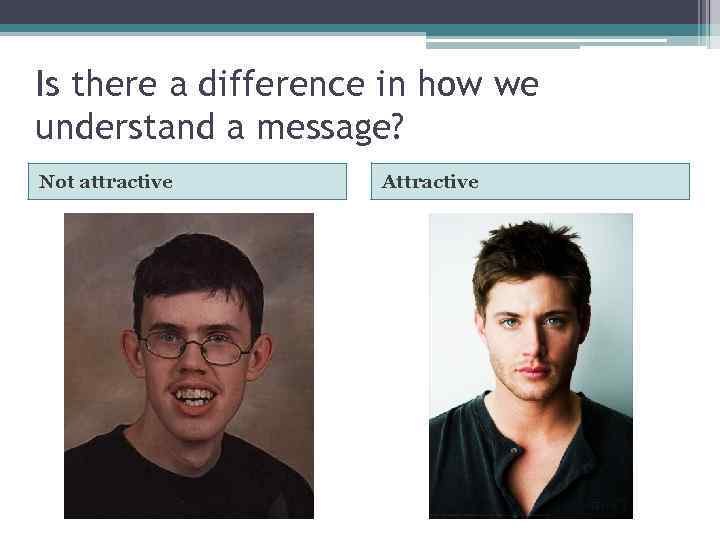
Is there a difference in how we understand a message? Not attractive Attractive

Self-Disclosure Information we reveal about the self
The Nature of Self-Disclosure • Direct • Intentional • Unobservable by others
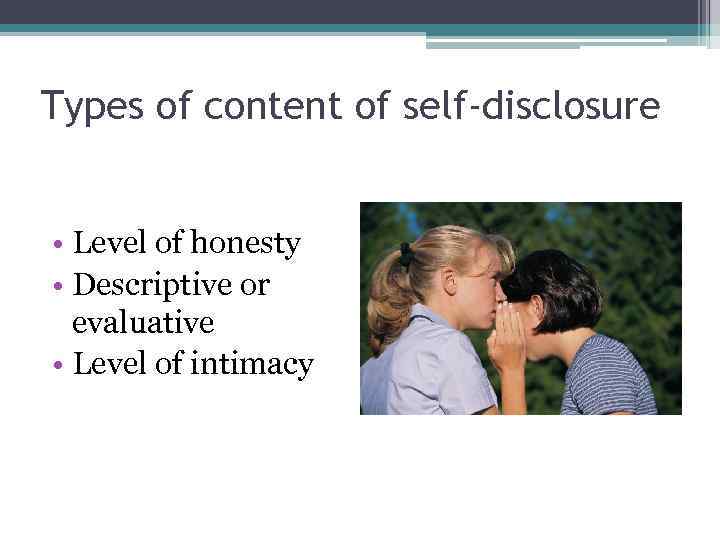
Types of content of self-disclosure • Level of honesty • Descriptive or evaluative • Level of intimacy
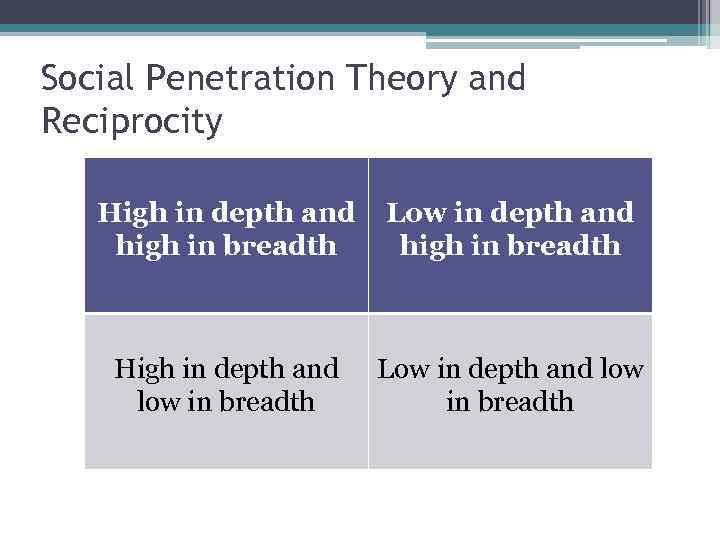
Social Penetration Theory and Reciprocity High in depth and high in breadth Low in depth and high in breadth High in depth and low in breadth Low in depth and low in breadth
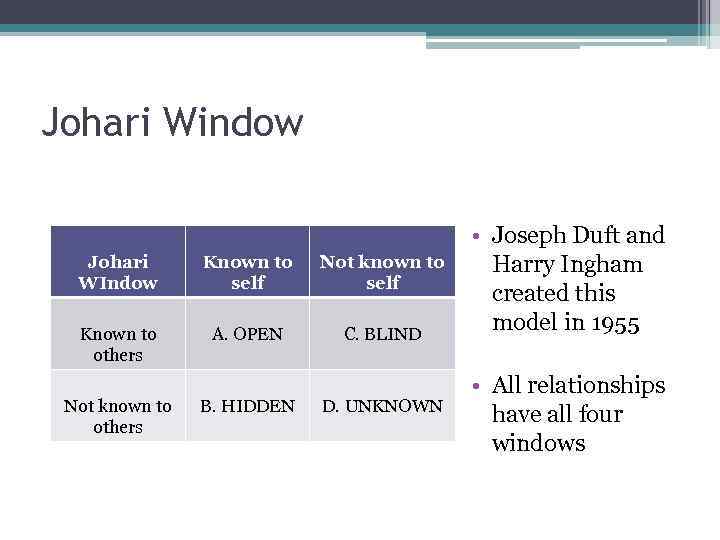
Johari Window Johari WIndow Known to self Not known to self Known to others A. OPEN C. BLIND Not known to others B. HIDDEN D. UNKNOWN • Joseph Duft and Harry Ingham created this model in 1955 • All relationships have all four windows
Скачать презентацию Content Self-Disclosure A bridge from communicators to
Content_-_Self-Disclosure.pptx