


 Скачать презентацию Constructive Conditions Contracts Prof Merges April 19
f10e1a7a064db9fb2a870b042d83aad8.ppt
- Количество слайдов: 39
 Constructive Conditions Contracts – Prof Merges April 19, 2011
 Conditions • Express • Constructive
 Express conditions • Clear conditional language – “It shall be a condition of buyer’s performance under this contract that buyer obtain suitable financing for the purchase of Owner’s house”
 Express conditions (cont’d) • Other language that creates a condition • E. g. , Internatio-Rotterdam: “delivery in December with 2 weeks call”
 Express conditions • Language creating a condition – Must be seen in light of all facts and circumstances: CONTEXT matters • Presumption against construing language as a condition: Peacock as an example of why
 Mitigating Doctrines 1. Prevention: Luttinger calls bank, says “do not approve our loan” 2. Waiver: Luttinger says “Don’t worry about the loan rate, we will buy” 3. Interpretation to avoid a forfeiture: Peacock; Jacobs & Young
 Constructive Conditions • Explicit condition: (Luttinger): “subject to and conditional upon” • Constructive condition: When a court believes the same effect as an explicit condition – discharge – is warranted by the facts, even though there is no express condition in the K
 Kingston v. Preston
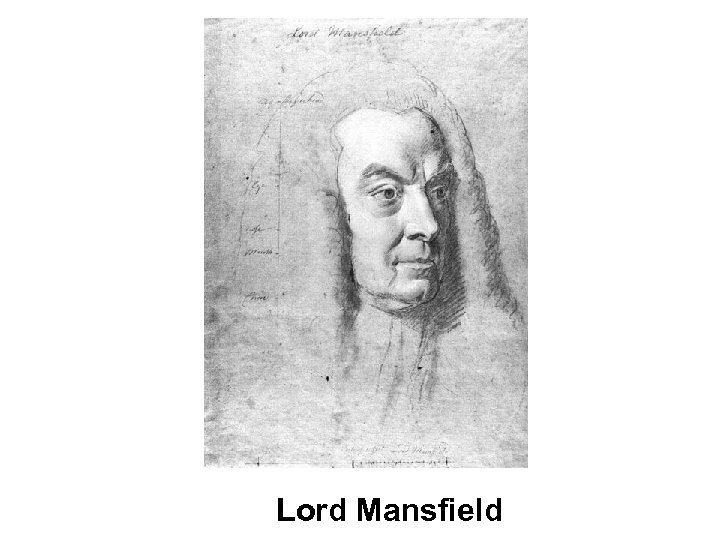 Lord Mansfield
 Kingston v. Preston • Facts • Procedural History
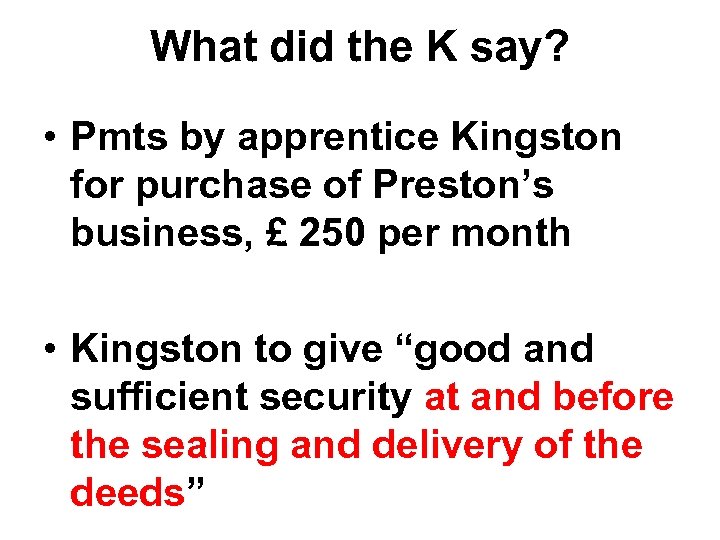 What did the K say? • Pmts by apprentice Kingston for purchase of Preston’s business, £ 250 per month • Kingston to give “good and sufficient security at and before the sealing and delivery of the deeds”
 What is π’s argument here?
 What is π’s argument here? • Why doesn’t Kingston argue that the security he offered was “good and sufficient”?
 What is π’s argument here? • State the π’s (apprentice’s) argument in terms of conditions
 What is Δ’s argument here?
 What is Δ’s argument here? • State the Δ’s argument in terms of a condition
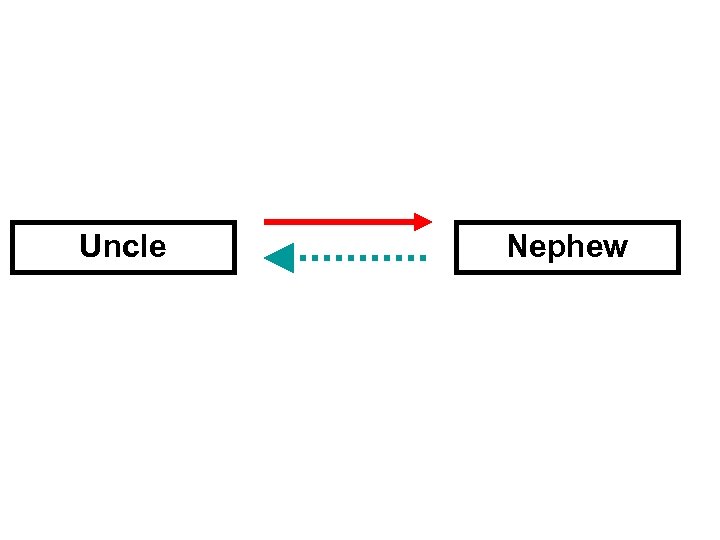
 Terminology • “Independent Covenants” – old Yearbook discussion from 1500 Two interlocking promises; each must be treated as independent
 Uncle Nephew
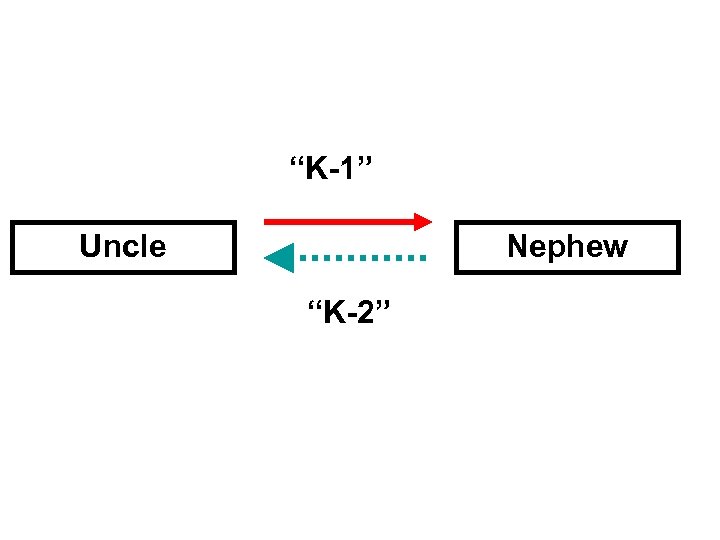 “K-1” Uncle Nephew “K-2”
 “Dependent promises” • My duty to perform depends upon your prior performance • If you do not perform, my remedy is nonperformance, as opposed to suit for breach
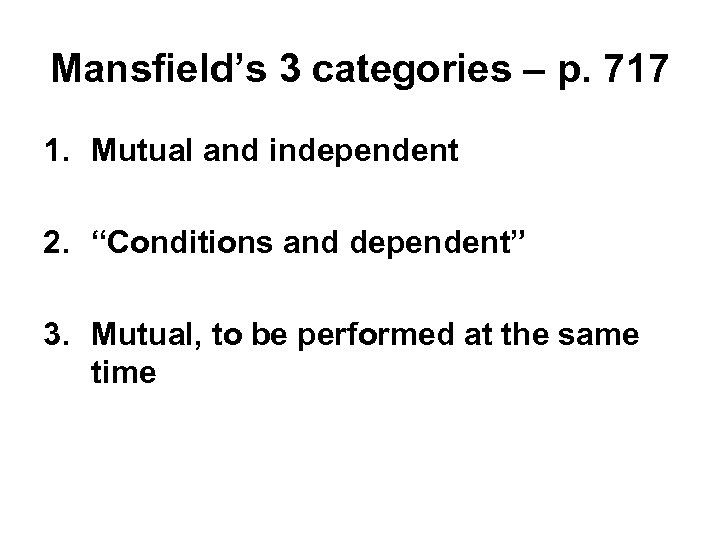 Mansfield’s 3 categories – p. 717 1. Mutual and independent 2. “Conditions and dependent” 3. Mutual, to be performed at the same time
 Example Independent: see why? PEACOCK CONSTRUCTION: Owner pmt is independent of GC’s duty to pay
 Dependent promises • Kingston: Preston’s duty to convey business dependent upon apprentice’s supplying good security
 Category 3: Mutual, performed at same time • Sometimes called “simultaneous” • Only difference: Party asserting nonoccurrence must show (1) Nonoccurrence, PLUS (2) that he/she was “ready, willing and able to perform”
 Category 3: typical at closing • If seller has bad title at closing, buyer must show (1) good title was a condition, and (2) buyer was “ready, willing and able” to perform at closing • No one will lend to buyer? No excuse, no remedy in breach
 Ready, Willing and Able doctrine • Hellrung v. Hoechst, 384 SW 2 d 561 (Mo. 1964) • Buyer who says “I will give you the money if you will give me title, ” did not have money in possession: no discharge for buyer, no breach by seller
 Stewart v. Newbury • Plaintiff built 1 floor of defendant’s building, sought payment of $896 for 1 st installment of work • Defendant said work defective, refused to pay; Plaintiff brought suit to recover $896
 Defendant’s argument: constructive conditions • Full and satisfactory performance by plaintiff was a constructive condition of defendant’s obligation to pay • Faulty and incomplete performance by plaintiff excused defendant of obligation to perform
 Plaintiff’s argument • 85% customary payment rule should apply here • Defendant breached when it did not pay 1 st bill; this excused defendant from obligation to perform
 Holding • Defendant wins • No obligation to pay until work is complete • UNLESS the K provides otherwise
 Default rule • Good default rule? • Burden on builder to specify progress pmts • Otherwise, must wait until the end
 Substantial performance • Described as a “mitigating doctrine” • What does it “mitigate”? – The harsh impact of a constructive condition
 Constructive condition not met. . . • Results in excused performance on the part of the contracting party in whose favor the constructive condition runs • His may be harsh; may work a “forfeiture” in the words of the older cases
 What is forfeited? • The right to compensation for your performance • The money due to you from having almost precisely performed (and hence complied with the constructive condition)
 What is “substantial performance”? • Step 1: There is a constructive condition – A excused from performance when B’s performance not perfectly rendered • Step 2: B almost completely complied with the condition; failed in a small or minor respect
 Jacob & Youngs v. Kent • Stated in terms of constructive conditions: – The completion of the house with all specifications complied with, including Reading pipe, is a constructive condition of the owner’s obligation to perform • Condition not met; owner need not perform (make final pmt)
 Kirkland v. Archbold • Restitution: another mitigating doctrine • Why needed here? • Failure to comply with a constructive condition; K performance excused
 Restitution • A “mitigating” remedy – mitigates the harshness of the constructive condition doctrine • Otherwise, party in whose favor a condition runs can keep all benefits if condition not met in some minor respect
 Kirkland • Plaintiff/builder wanted to be excused from continued performance, and collect the 1 st $1000 payment • Not permitted; K not “severable” (1 st pmt not a constructive condition) • But: restitution for part performance