


 Скачать презентацию Computer Gaming as a Social Movement Walt Scacchi
a8fc22e15150db97db81a90ec8a418cb.ppt
- Количество слайдов: 27
 Computer Gaming as a Social Movement Walt Scacchi Institute for Software Research and Game Culture and Technology Laboratory University of California, Irvine, CA 92697 -3425 USA http: //www. ics. uci. edu/~wscacchi
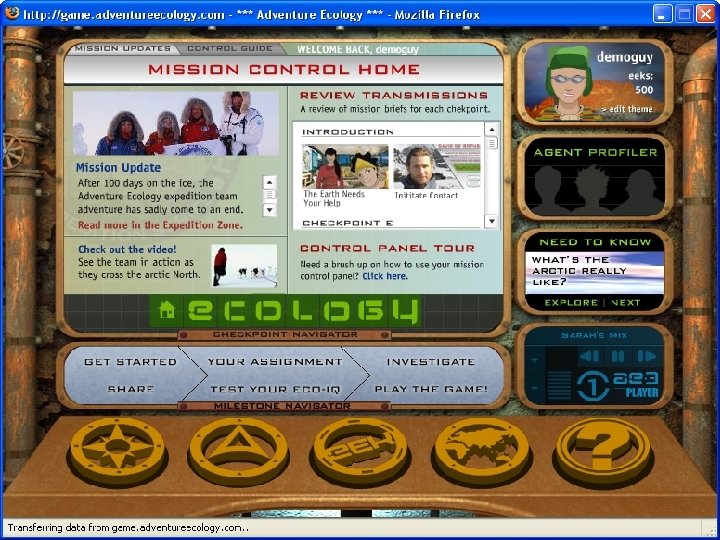
 Social Movements • Social movements as social worlds – Environmental/Green movement – Anti-War movement – Palestine liberation movement – Computerization movements • Computer gaming, Open source software, Cyberinfrastructure, Ubiquitous computing, etc. • Social worlds can segment and intersect with one another – This animates a social movement
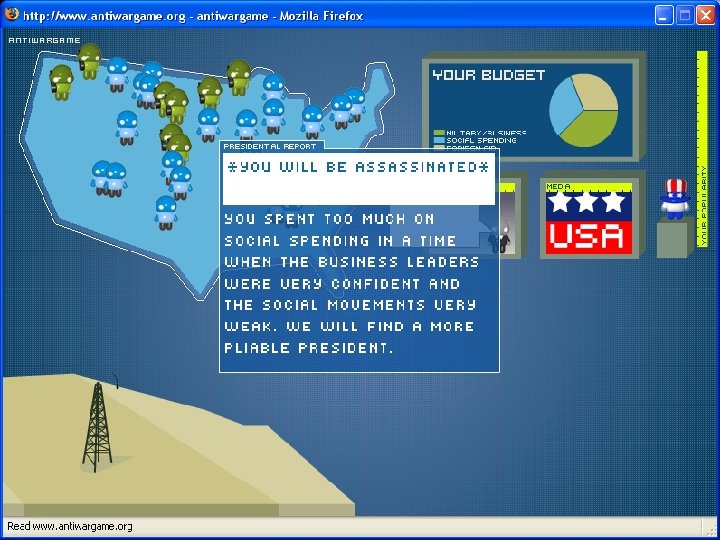 Antiwargame. org
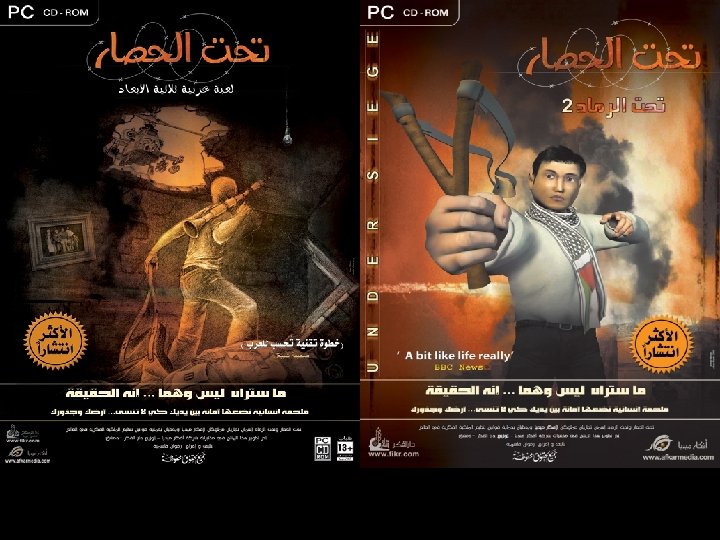 Under. Siege--Palestine liberation “history game”
 Computerization movements (CM) • Social movement theory: Blumer, Gerlach, Snow, Zald, et al. • CM studies: Kling and Iacono, Elliott and Scacchi, Davenport, Dutton, Lamb, et al. • Computing world dynamics: Kling and Gerson, Scacchi • Socio-technical interaction networks: Kling, Lamb, Mc. Kim, Sawyer, Scacchi, et al.
 CM drivers • • Structural patterns Participants beliefs in action Organizational centers Collaborative work practices that intersect or segment one another
 Computer Gaming
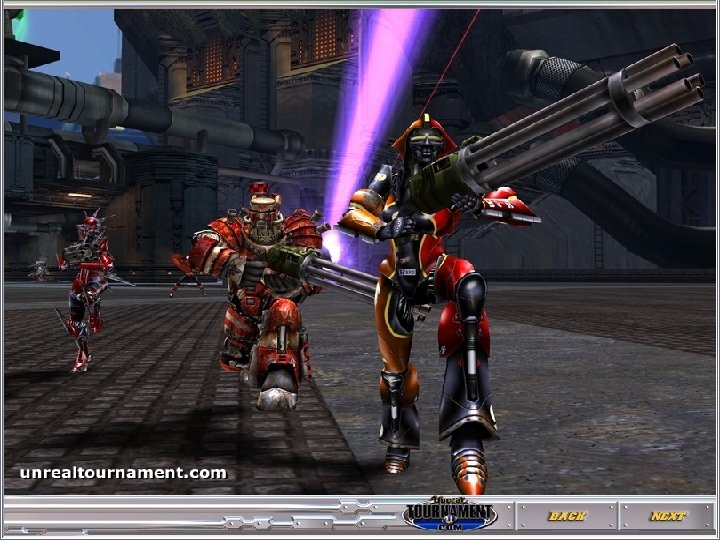
 Structural patterns in Gaming • Popular new media culture on global basis – Millions of people playing networked computer games over the Internet and Web – Global entertainment technology and industry • Games, game technology and culture has comparatively little presence in Academia
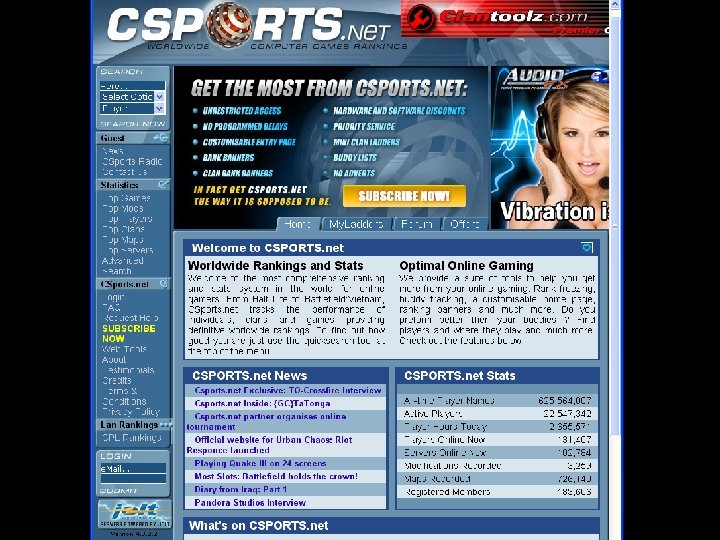 Csports. net Game Players, May 2006
 Structural patterns in Gaming • Do game players or developers identify themselves as part of a reform or revolutionary movement? – From instrumental to hedonistic computing? – Focusing on cultural change rather than organizational or institutional change?
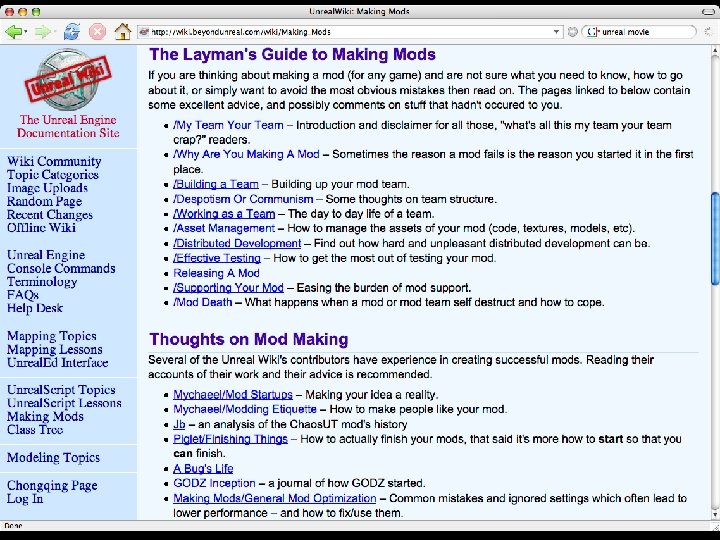
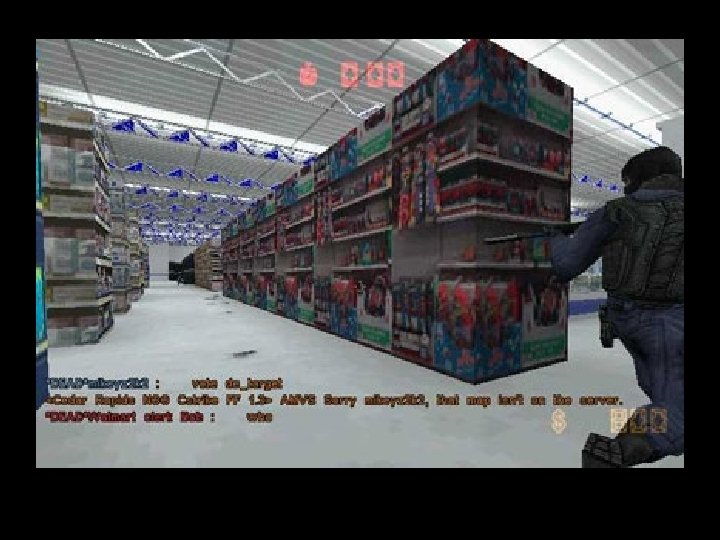
 Institutionalizing beliefs in Gaming • Potential Gaming-led transformations – Business—gaming will revolutionize? – Education—gaming can reform? – But few/none (yet? ) in Computer Science • Gaming values and alliances – Working to play games is fun – Vendor product and system configuration alliances (fetishized computing) – Modding as meta-game play
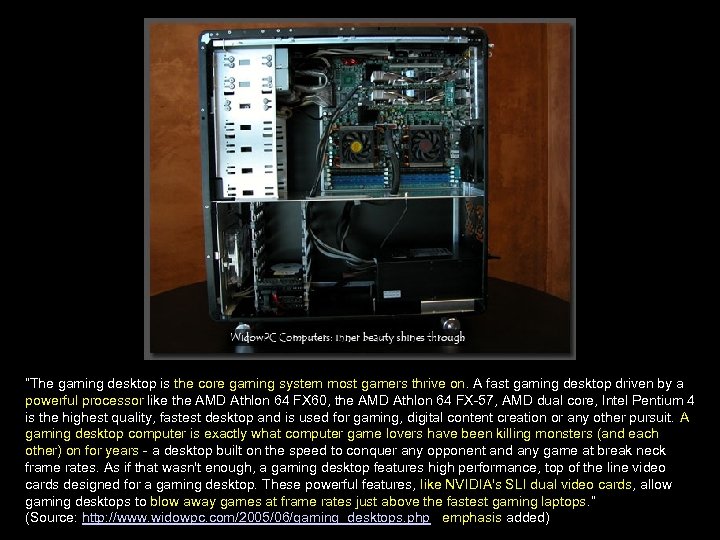 “The gaming desktop is the core gaming system most gamers thrive on. A fast gaming desktop driven by a powerful processor like the AMD Athlon 64 FX 60, the AMD Athlon 64 FX-57, AMD dual core, Intel Pentium 4 is the highest quality, fastest desktop and is used for gaming, digital content creation or any other pursuit. A gaming desktop computer is exactly what computer game lovers have been killing monsters (and each other) on for years - a desktop built on the speed to conquer any opponent and any game at break neck frame rates. As if that wasn't enough, a gaming desktop features high performance, top of the line video cards designed for a gaming desktop. These powerful features, like NVIDIA's SLI dual video cards, allow gaming desktops to blow away games at frame rates just above the fastest gaming laptops. ” (Source: http: //www. widowpc. com/2005/06/gaming_desktops. php emphasis added)
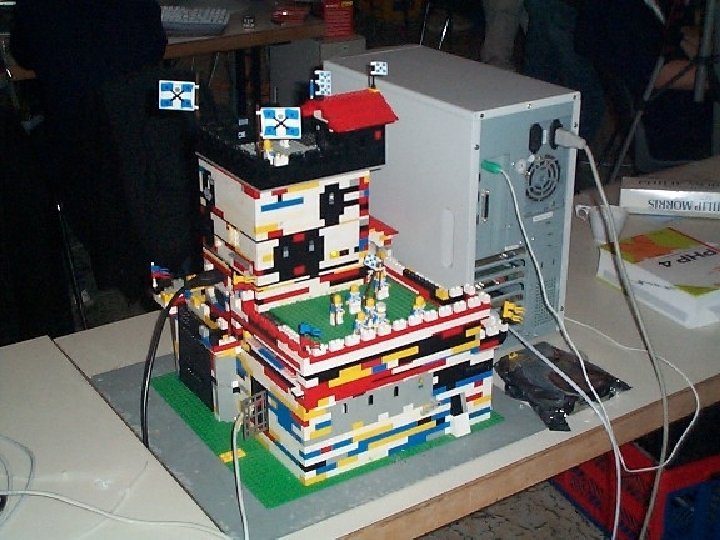
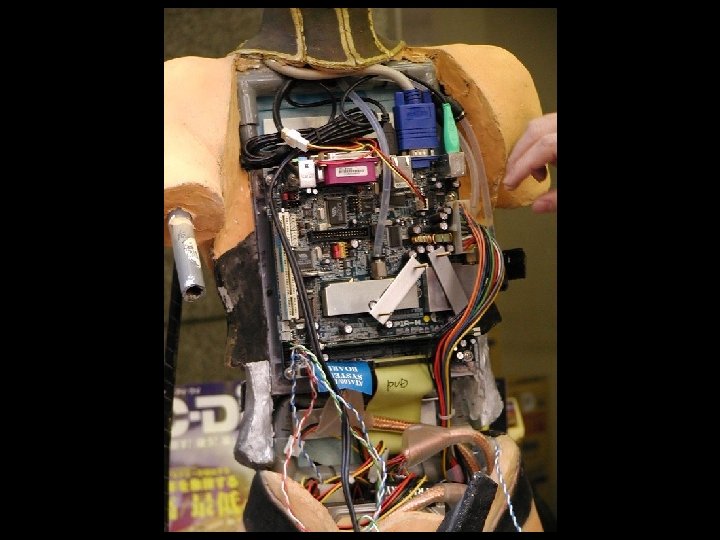
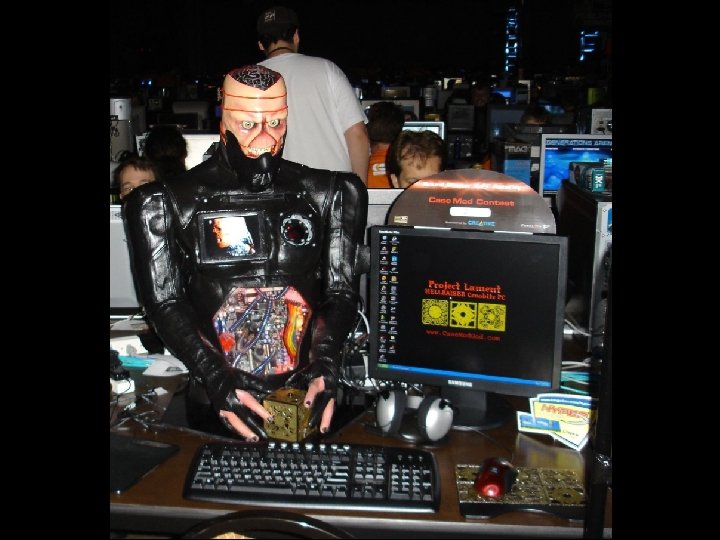 Game case mod (1): Quake. Con 2005
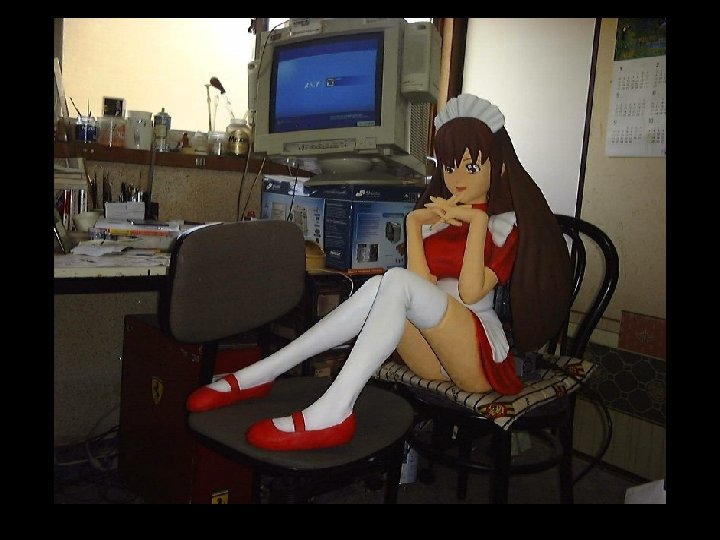 Game case mod (2): Quake. Con 2005
 Organizational centers in Gaming • Large corporations – IBM, Sony, Microsoft, Electronic Arts, Nintendo, Dell, Sun, Yahoo (but not Google? ), Wal. Mart, Best. Buy, Circuit. City • Medium corporations – ATI, Nvidia, CMP Media, Future Publishing, IGN Entertainment • Small enterprises – H/W: Alienware (Dell), Falcon, Northwest, Widow. PC – S/W: Id Software, Epic Games, Emergent Game Technologies • Virtual enterprises – Clan sites, Tournament sites, Fan sites • Game server sites – LAN parties (see Flickr. com, LANparty. com, Quake. Con. org)
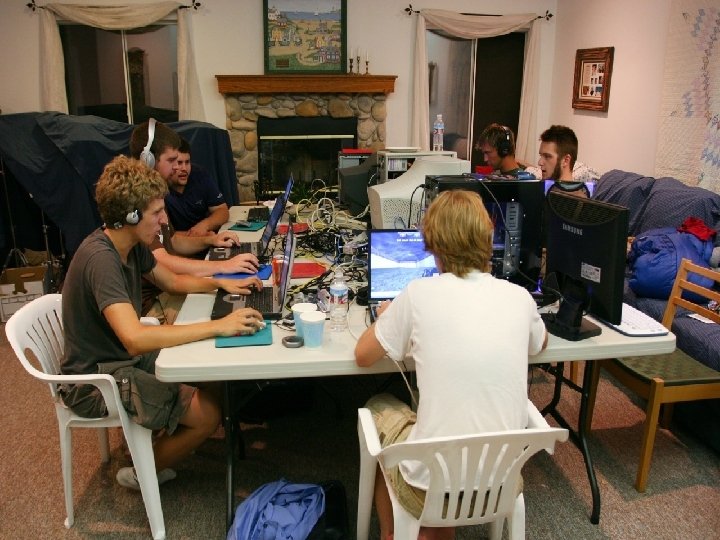 House-based LAN Party: a virtual enterprise?
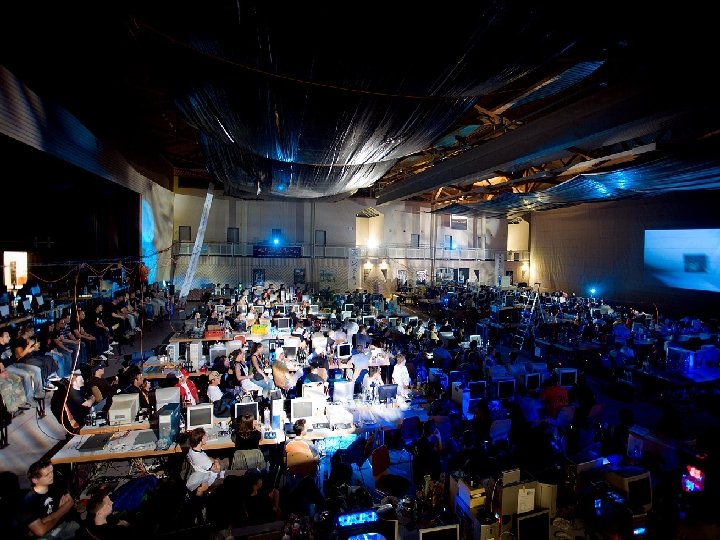 Mid-sized LAN Party (Germany)
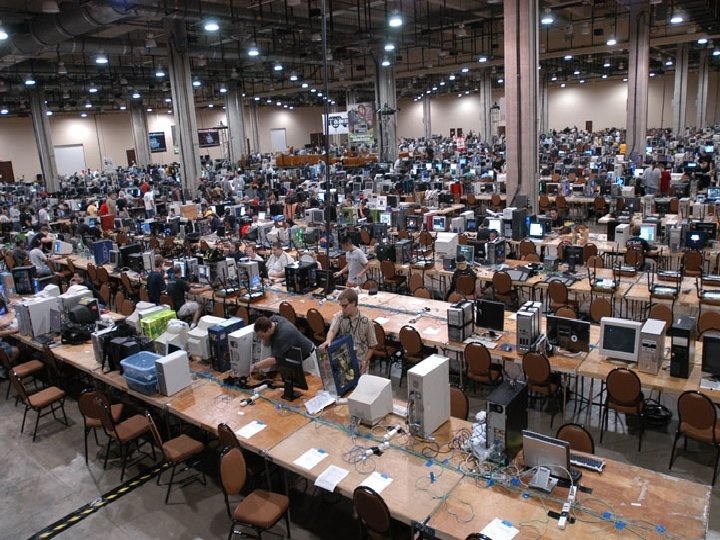 Quake. Con 2005 LAN Party: a virtual enterprise
 Discussion/Conclusions • Computer gaming as a social or computerization movement – Not a revolution, nor traditional reform movement – Provides a new analytical lens • Computer gaming is global – Gaming in the West vs. Far East vs. Middle East • Gaming movement is heterogeneous, segmented, polycentric, and networked – Further studies need to reflect such diversity – What animates such a movement
 Acknowledgments • Mark Ackerman (UMichigan), Margaret Elliott (ISR), Les Gasser (UIUC), Chris Jensen (ISR), Robert Nideffer (UCI Game Lab), John Noll (Santa Clara U), also others at ISR and UCI Game Lab. • Research grants from the National Science Foundation (no endorsement implied) #0083075, #0205679, #0205724, #0350754, and #0534771. • Discovery Science Center, Santa Ana, CA • UC Humanities Research Institute • Digital Industry Promotion, Daegu, Korea • California Institute of Telecommunications and Information Technology (Calit 2)