Скачать презентацию Compounds for Pest Control and Methods for Their
3655cee3b03d393608bd6ad246d7be1e.ppt
- Количество слайдов: 12
 Compounds for Pest Control and Methods for Their Use – Patents based on joint CDC OSU research on natural biocides from forest resources to control arthropods Compounds considered food grade due to citrus connection Considered safer for environment and people by CDC Kills mosquitoes, ticks, fleas Repellent longer lasting than Deet Field trials – Earle Naval Weapons Station, N. J. Formulations – Legacy Bio. Design, Loveland, CO Source Agricultural / Forestry Byproducts Possible synthesis from Douglas-fir needle compound
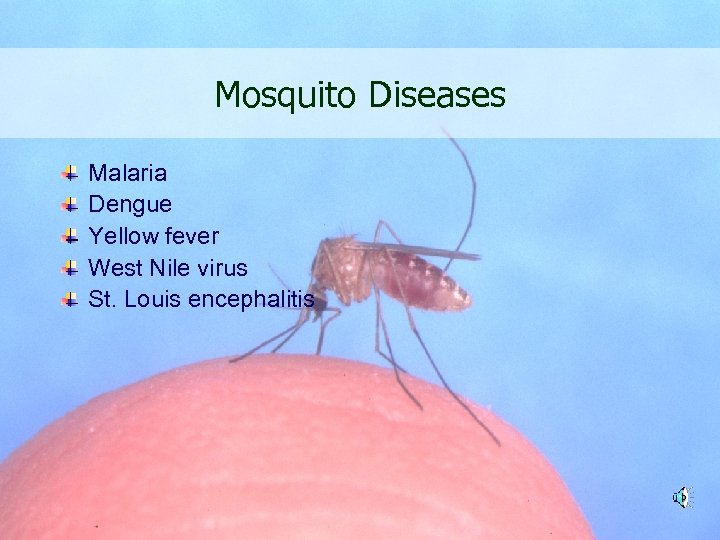 Mosquito Diseases Malaria Dengue Yellow fever West Nile virus St. Louis encephalitis
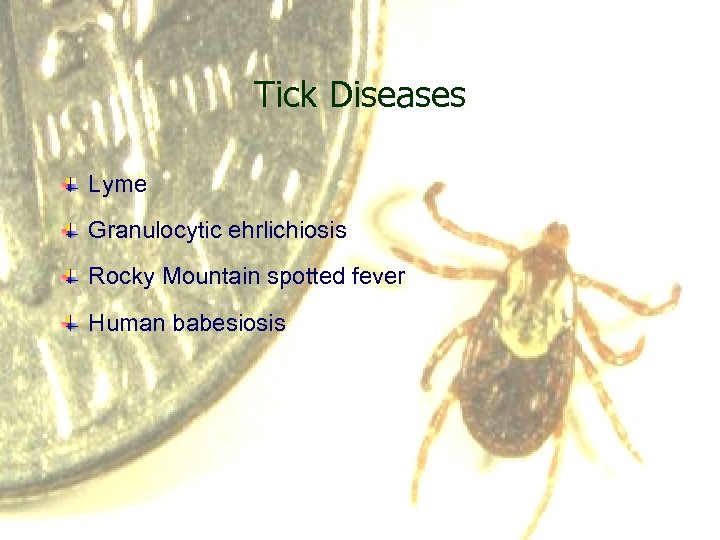 Tick Diseases Lyme Granulocytic ehrlichiosis Rocky Mountain spotted fever Human babesiosis
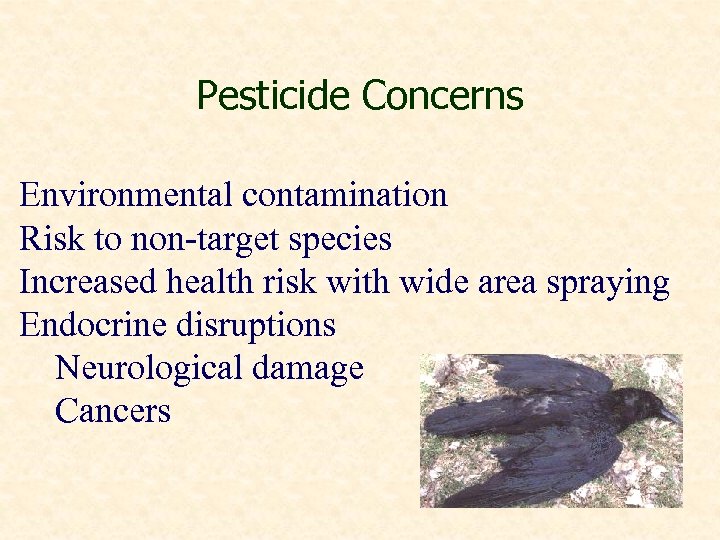 Pesticide Concerns Environmental contamination Risk to non-target species Increased health risk with wide area spraying Endocrine disruptions Neurological damage Cancers
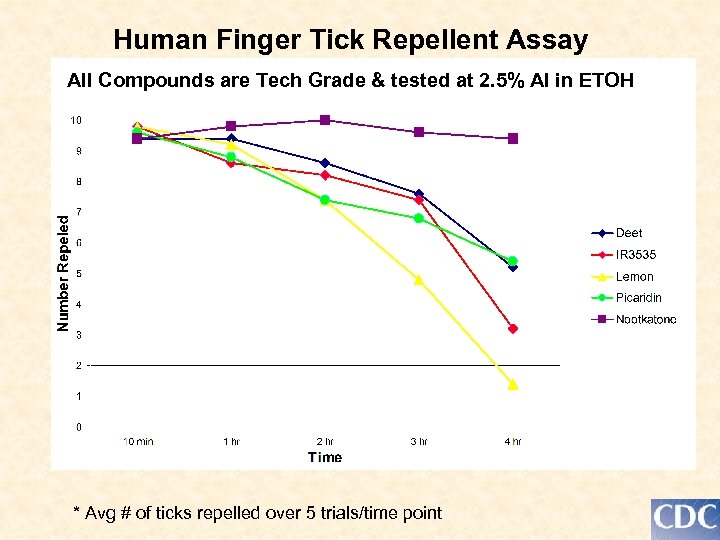 Human Finger Tick Repellent Assay All Compounds are Tech Grade & tested at 2. 5% AI in ETOH * Avg # of ticks repelled over 5 trials/time point
 Targeted Products Insecticides – Area sprays mosquitoes, ticks, fleas Personal repellents mosquitoes, ticks, fleas Shampoos treatments head lice Travel sprays airport sales bed bugs Salmon safe agricultural pesticides -- organic? wine grape pests
 Key Compounds Nootkatone High value $4, 000/Kg used in foods , cosmetics from grapefruit, syn. Valencene Nootkatol food grade can be produced from valencene Valencene from orange/citrus oils byproduct of orange juice production used to make nootkatone
 Companies of Interest Firmenich - Switzerland essential oil/ cosmetics nootkatone/nootkatol production patent MCI Miritz Citrus Ingredients Gmb. H - Germany Miritz is a pioneer in citrus specialties Armour - Israel Current producer of nootkatone Indena - Italy ( Seattle office ) Natural products, nutraceuticals, Taxol
 Patent coverage Resource countries Patent US, Canada, Australia, Germany, France, Italy, Greece Resource US, Brazil, China, Israel (? ), North Africa