


 Скачать презентацию Community Score Card experience in Ntcheu Malawi Maternal
80ff8745f770872a6bf1cfd1cb1108ee.ppt
- Количество слайдов: 17
 Community Score Card experience in Ntcheu, Malawi Maternal Health Alliance Project Team (CARE Malawi & CARE US)
 Presentation Outline 1. Project Background 2. Intervention & Evaluation 3. Evidence of impact
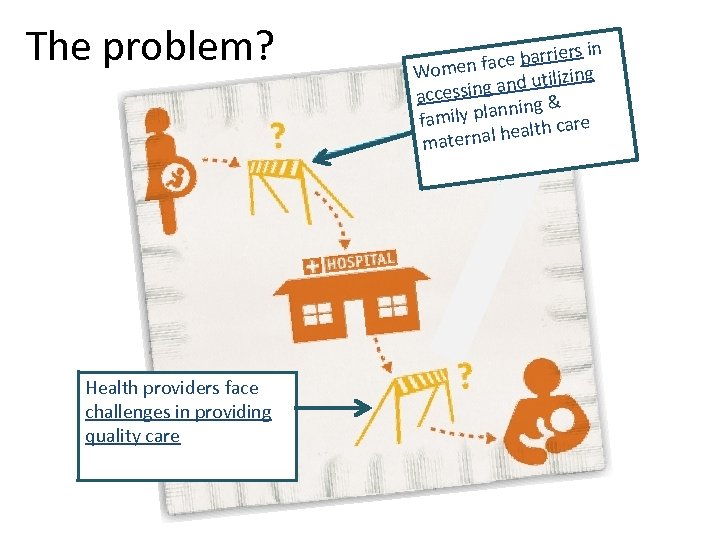 The problem? Health providers face challenges in providing quality care s in ce barrier a Women f ng and utilizi accessing & planning family care nal health mater
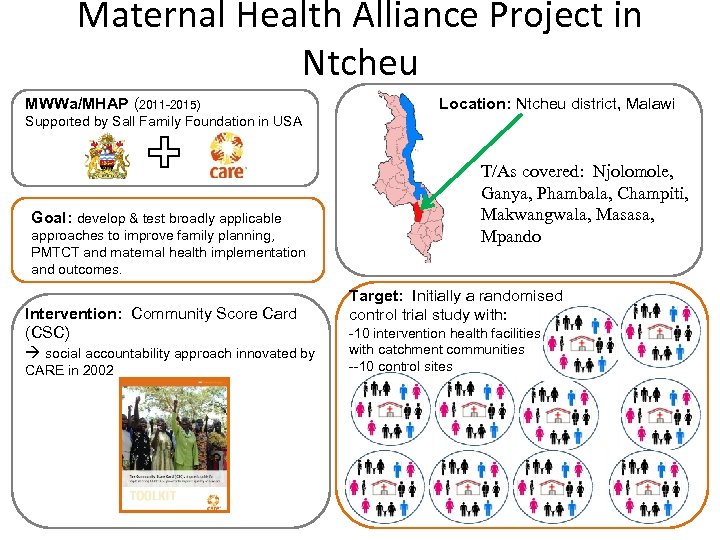 Maternal Health Alliance Project in Ntcheu MWWa/MHAP (2011 -2015) Location: Ntcheu district, Malawi Supported by Sall Family Foundation in USA Goal: develop & test broadly applicable approaches to improve family planning, PMTCT and maternal health implementation and outcomes. Intervention: Community Score Card (CSC) social accountability approach innovated by CARE in 2002 T/As covered: Njolomole, Ganya, Phambala, Champiti, Makwangwala, Masasa, Mpando Target: Initially a randomised control trial study with: -10 intervention health facilities with catchment communities --10 control sites
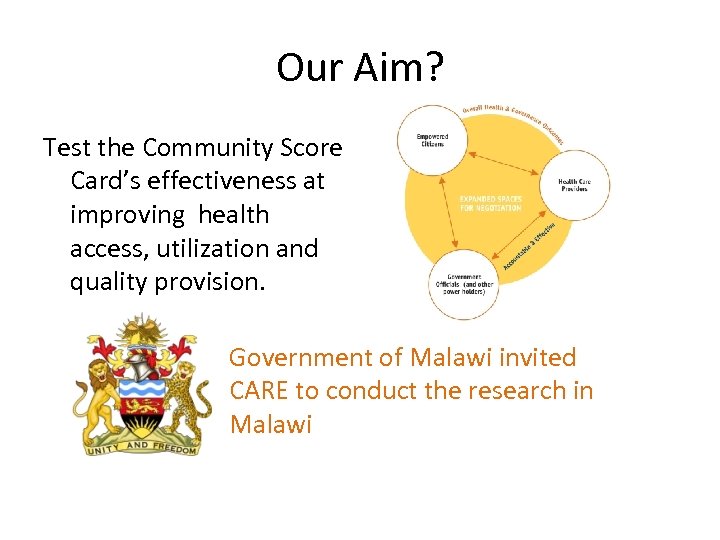 Our Aim? Test the Community Score Card’s effectiveness at improving health access, utilization and quality provision. Government of Malawi invited CARE to conduct the research in Malawi
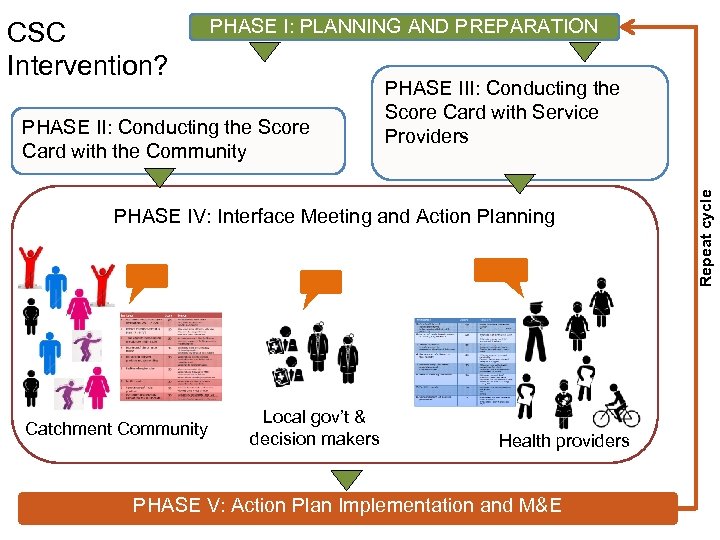 PHASE I: PLANNING AND PREPARATION PHASE II: Conducting the Score Card with the Community PHASE III: Conducting the Score Card with Service Providers PHASE IV: Interface Meeting and Action Planning Catchment Community Local gov’t & decision makers Health providers PHASE V: Action Plan Implementation and M&E Repeat cycle CSC Intervention?
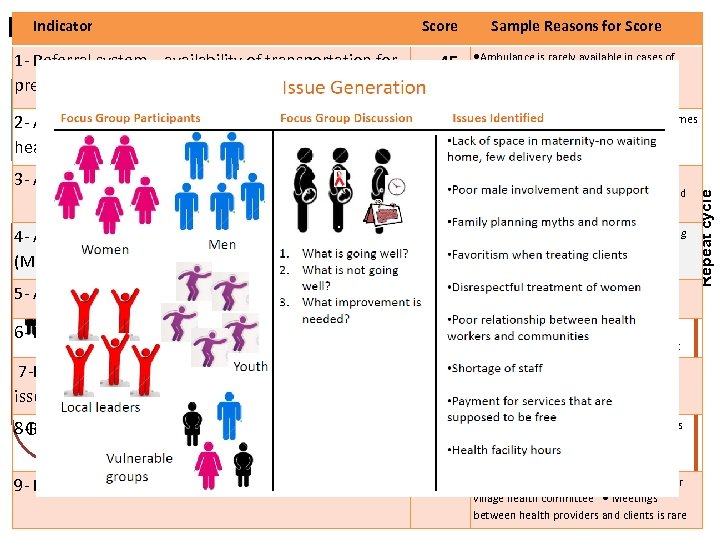 Indicator Methodology Score Sample Reasons PHASE I: PLANNING AND PREPARATION for Score 1 - Referral system – availability of transportation for 45 Ambulance is rarely available in cases of emergency Providers make clients use pregnant women from health center to hospital PHASE III: Conducting the public transport PHASE II: Conducting the Score Card with the Community Score Card with Service 3 - Availability of resources (i. e. drugs, supplies, space) 50 HIV test kits stock outs occur regularly Clients told to buy medication which should be free PHASE IV: Interface Meeting and Action Planning 4 - Availability and accessibility of health services (MNH, FP, PMTCT) 80 Most service are available FP long acting term methods provided rarely No MNH services provided in community 5 - Availability and accessibility to information 80 The messages are only available at the health facility not in the community 6 - Level of male involvement in MNH, FP, PMTCT 50 Few men accompany their wives to antenatal care Most men refuse HIV test 7 -Level of youth involvement in reproductive health issues Local gov’t & 8 -Reception of clients at the facility Catchment Community decision makers 10 There are no youth clubs so most youth have little information on family planning, MNH or youth friendly services 40 Some health workers have good attitudes and respect clients Some women are Health providers shouted at during delivery 9 - Relationship between providers and communities 40 There is no health advisory committee or village health committee Meetings between health providers and clients is rare PHASE V: Action Plan Implementation and M&E Repeat cycle 2 - Availability of transport from the community to the 20 Long distance to health facility Sometimes Providers women delay doing to the facility during health facility delivery
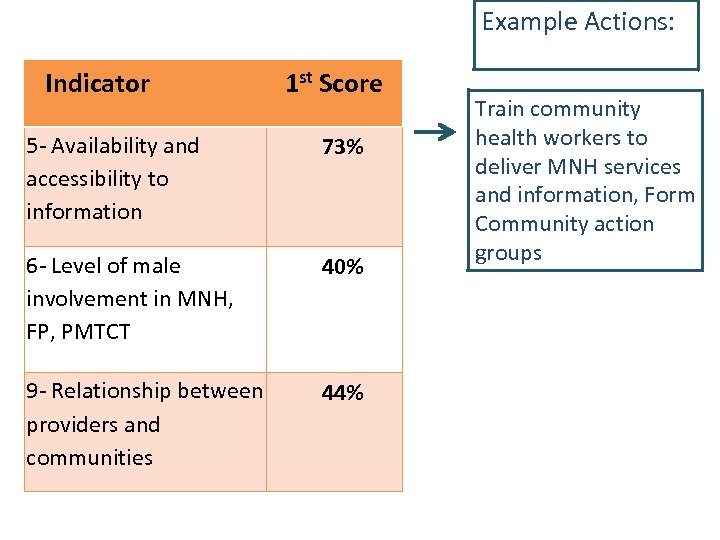 Example Actions: Indicator 1 st Score 5 - Availability and accessibility to information 73% 6 - Level of male involvement in MNH, FP, PMTCT 40% 9 - Relationship between providers and communities 44% Train community health workers to deliver MNH services and information, Form Community action groups
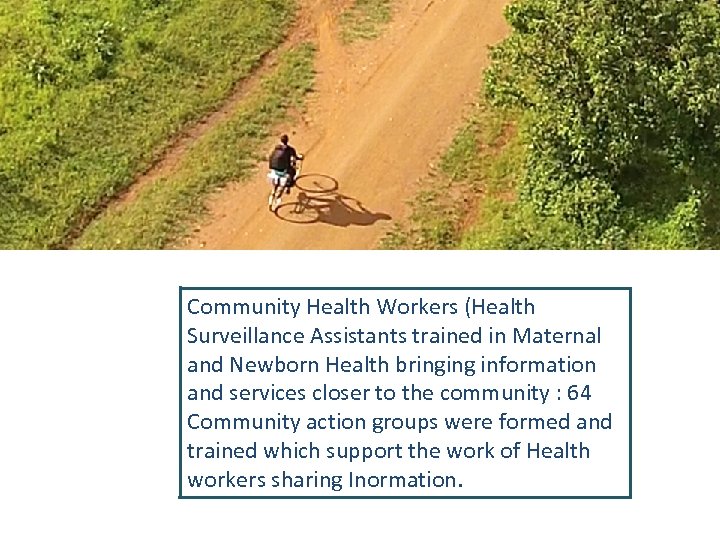 Community Health Workers (Health Surveillance Assistants trained in Maternal and Newborn Health bringing information and services closer to the community : 64 Community action groups were formed and trained which support the work of Health workers sharing Inormation.
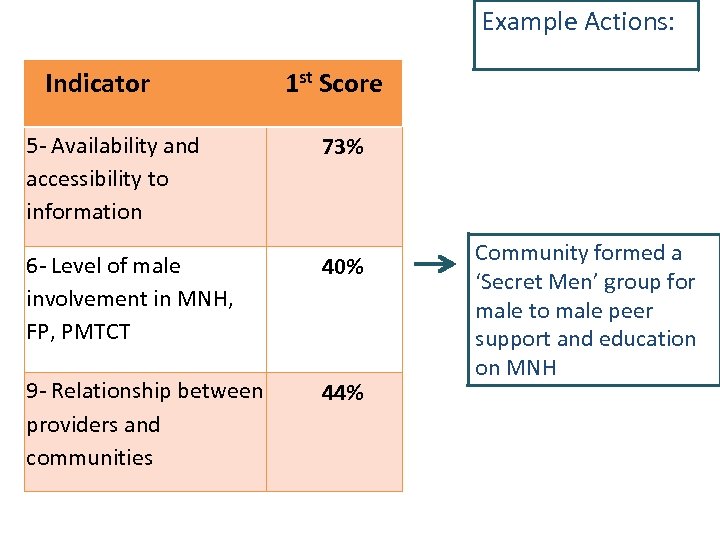 Example Actions: Indicator 1 st Score 5 - Availability and accessibility to information 73% 6 - Level of male involvement in MNH, FP, PMTCT 40% 9 - Relationship between providers and communities 44% Community formed a ‘Secret Men’ group for male to male peer support and education on MNH
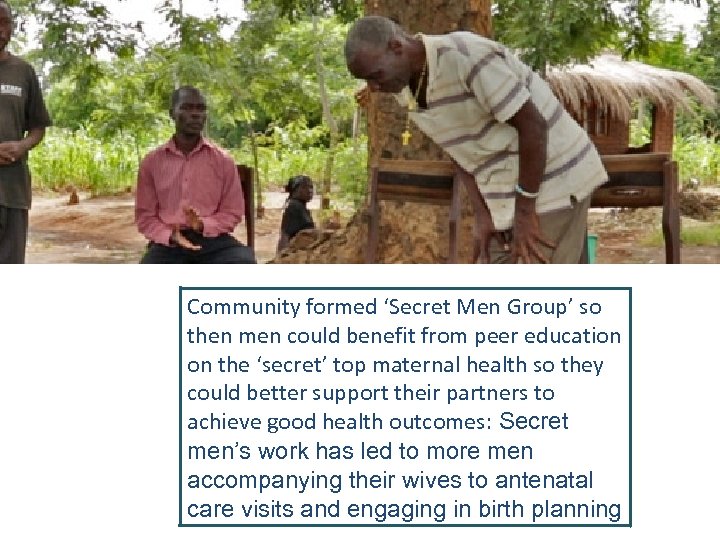 Community formed ‘Secret Men Group’ so then men could benefit from peer education on the ‘secret’ top maternal health so they could better support their partners to achieve good health outcomes: Secret men’s work has led to more men accompanying their wives to antenatal care visits and engaging in birth planning
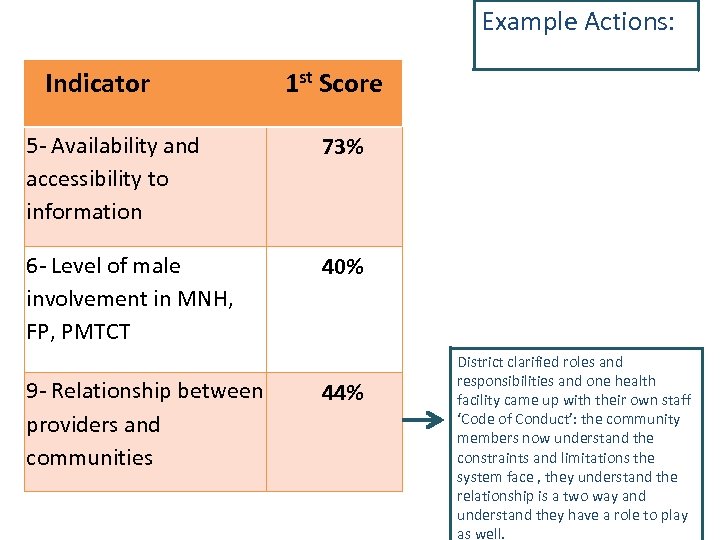 Example Actions: Indicator 1 st Score 5 - Availability and accessibility to information 73% 6 - Level of male involvement in MNH, FP, PMTCT 40% 9 - Relationship between providers and communities 44% District clarified roles and responsibilities and one health facility came up with their own staff ‘Code of Conduct’: the community members now understand the constraints and limitations the system face , they understand the relationship is a two way and understand they have a role to play as well.
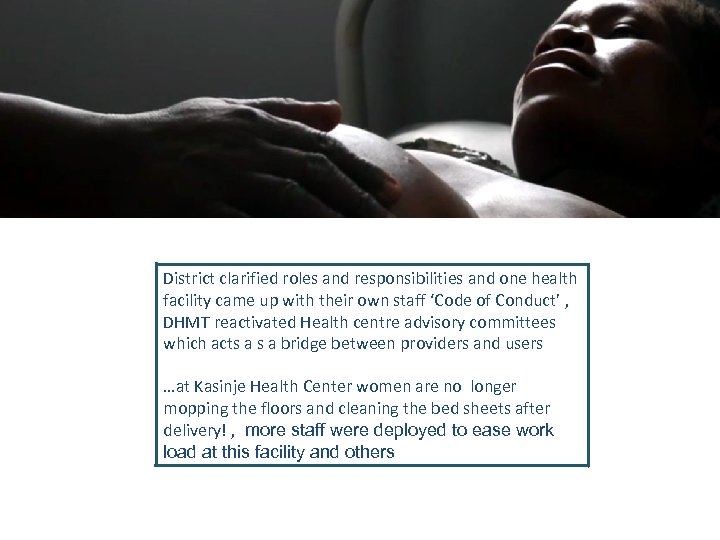 District clarified roles and responsibilities and one health facility came up with their own staff ‘Code of Conduct’ , DHMT reactivated Health centre advisory committees which acts a bridge between providers and users …at Kasinje Health Center women are no longer mopping the floors and cleaning the bed sheets after delivery! , more staff were deployed to ease work load at this facility and others
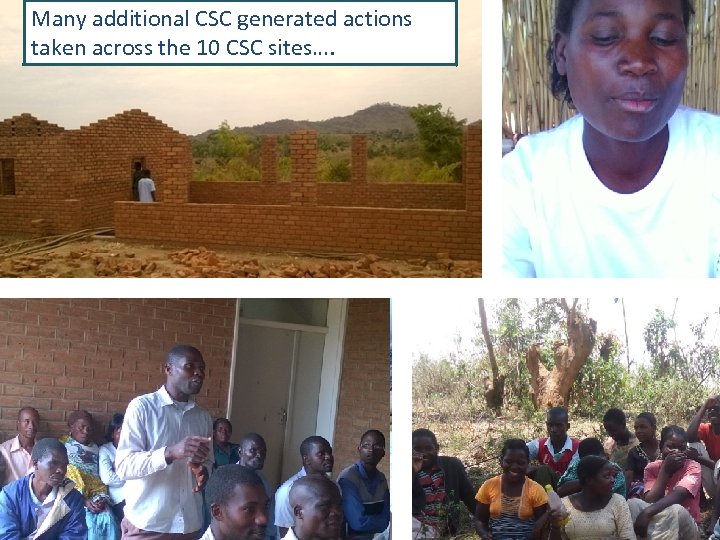 Many additional CSC generated actions taken across the 10 CSC sites….
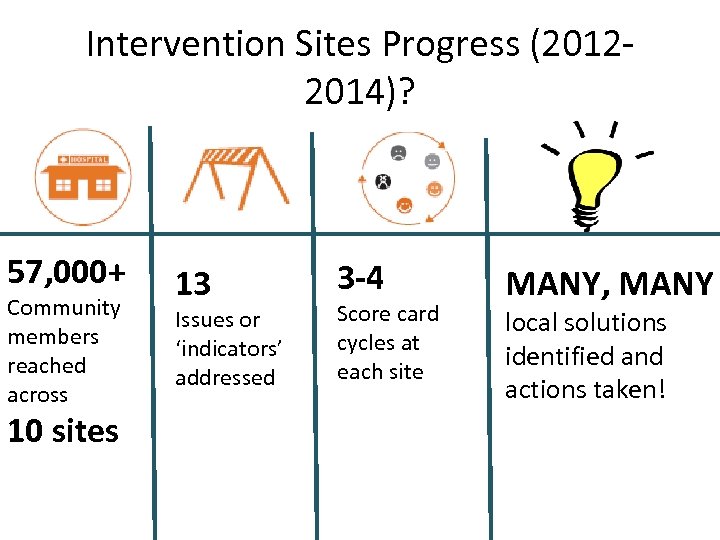 Intervention Sites Progress (20122014)? 57, 000+ Community members reached across 10 sites 13 Issues or ‘indicators’ addressed 3 -4 Score card cycles at each site MANY, MANY local solutions identified and actions taken!
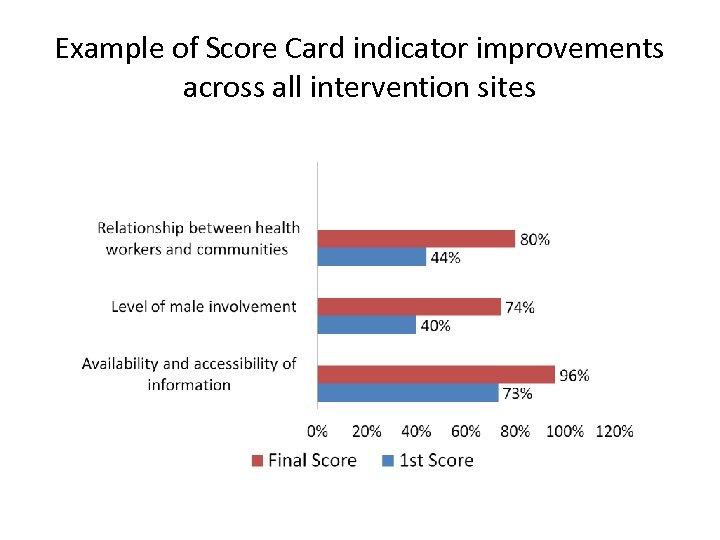 Example of Score Card indicator improvements across all intervention sites
 For more information contact: Thumbiko Msiska MHAP Project Manager thumbiko. msiska@care. org & Sara Gullo Senior Technical Advisor Sexual, Reproductive & Maternal Health sgullo@care. org