Скачать презентацию Common Anomaly Detection Platform Tony Xing Senior Product
9f2a3f45ca4050070c8752d35125399b.ppt
- Количество слайдов: 31
 Common Anomaly Detection Platform Tony Xing Senior Product Manager @ Microsoft
 Bio § Senior Product Manager of Shared Data team @ Microsoft - Data quality and anomaly detection - NRT datasets - Data Ingestion § Senior Product Manager of Skype Data team @ Microsoft - Real time analytics - Anomaly detection - Cross platform SDKs
 Agenda § Context § Anomaly detection 101 § Problem statement § Design principles § How it works § Algorithms § Challenges and future work
 Shared Data
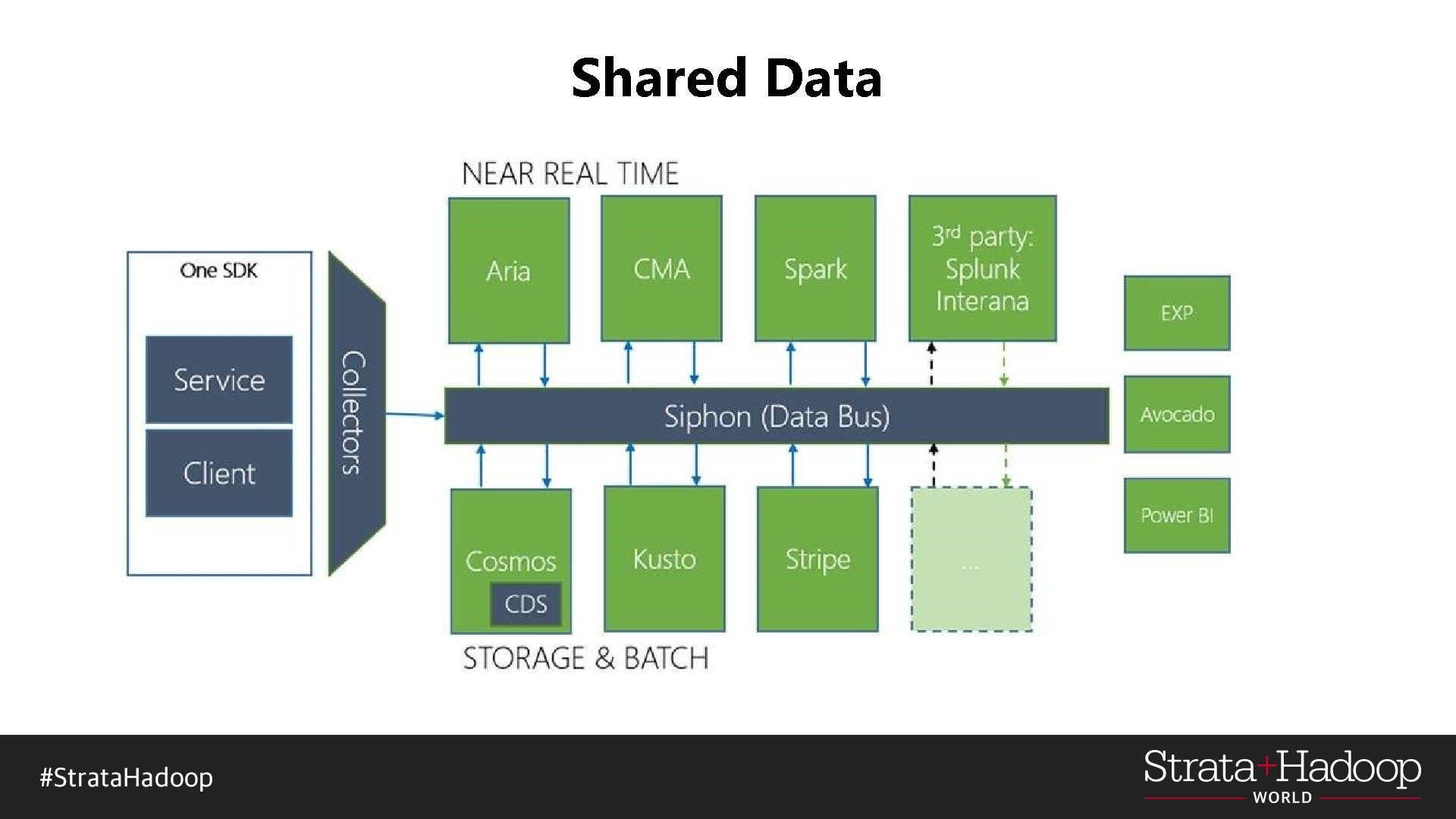 Shared Data
 What is Anomaly Detection § Anomaly detection is the identification of items, events or observations which do not conform to an expected pattern or other items in a dataset § Widely used in - System health monitoring - Business metric monitoring - Application performance monitoring § “My current value is not what it should be as of right now”
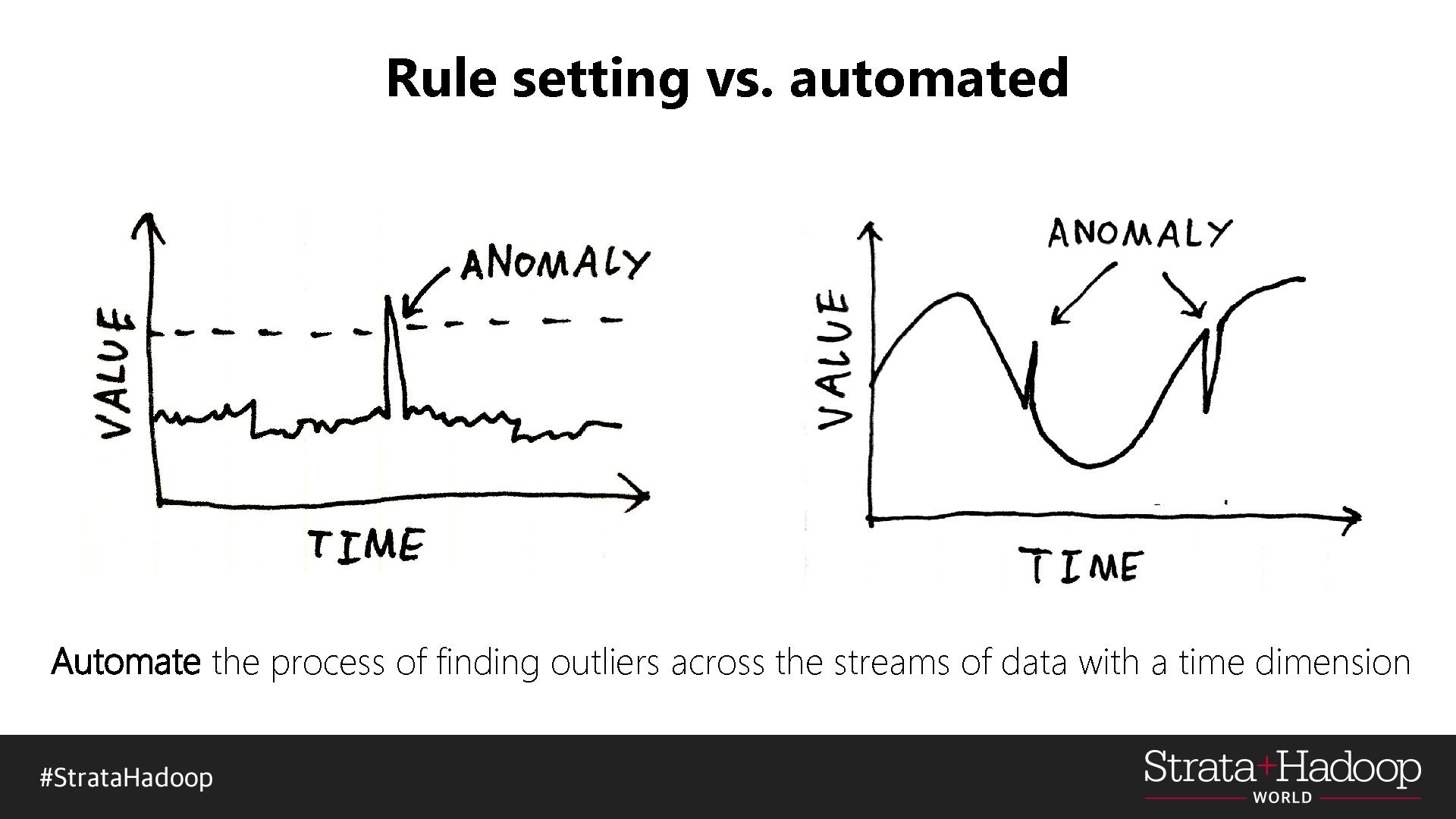 Rule setting vs. automated Automate the process of finding outliers across the streams of data with a time dimension
 Problem Statement § Manual rule setting is impossible for large number of time series § Single AD algorithm can not fit all signal types § Precision vs. recall § Analysis and diagnostics when issues happen § Near real time detection § Scalable § Customers needs flexibility in plugging in different sources
 What is CAP § One stop shop for metric monitoring, analysis and diagnostics § Key capabilities Automation: Full automation from creating rules to detection without human intervention Extensibility: Can plug in new data sources and anomaly detection algorithms. Scalability & real time: linear scale out Azure service Finer Granularity: support time series AD in hour/minute level REST APIs: REST APIs available for all operations. Allow easy integration into other product experience Algorithm tuning: allow easier tuning of algorithm
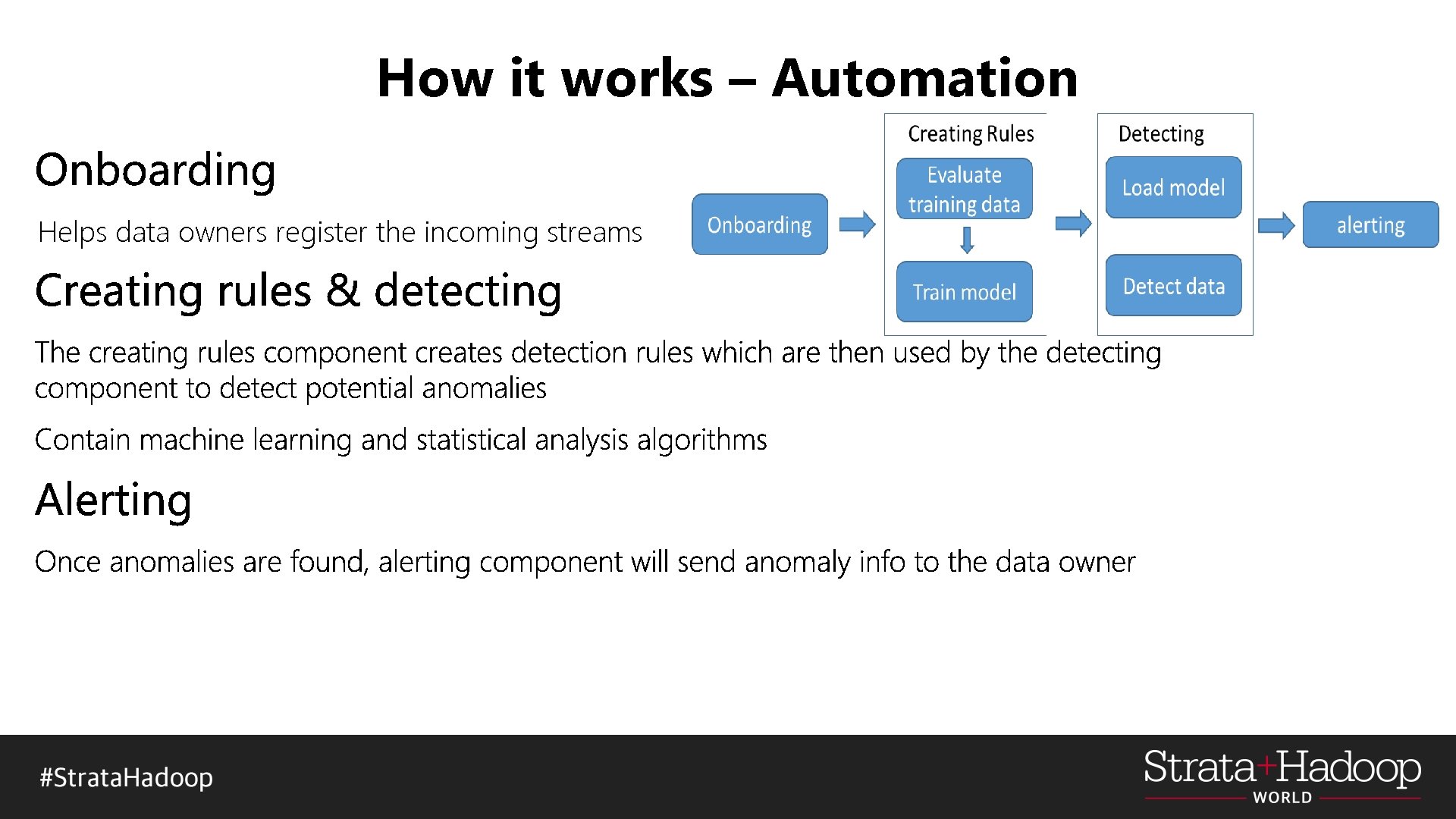 How it works – Automation Helps data owners register the incoming streams
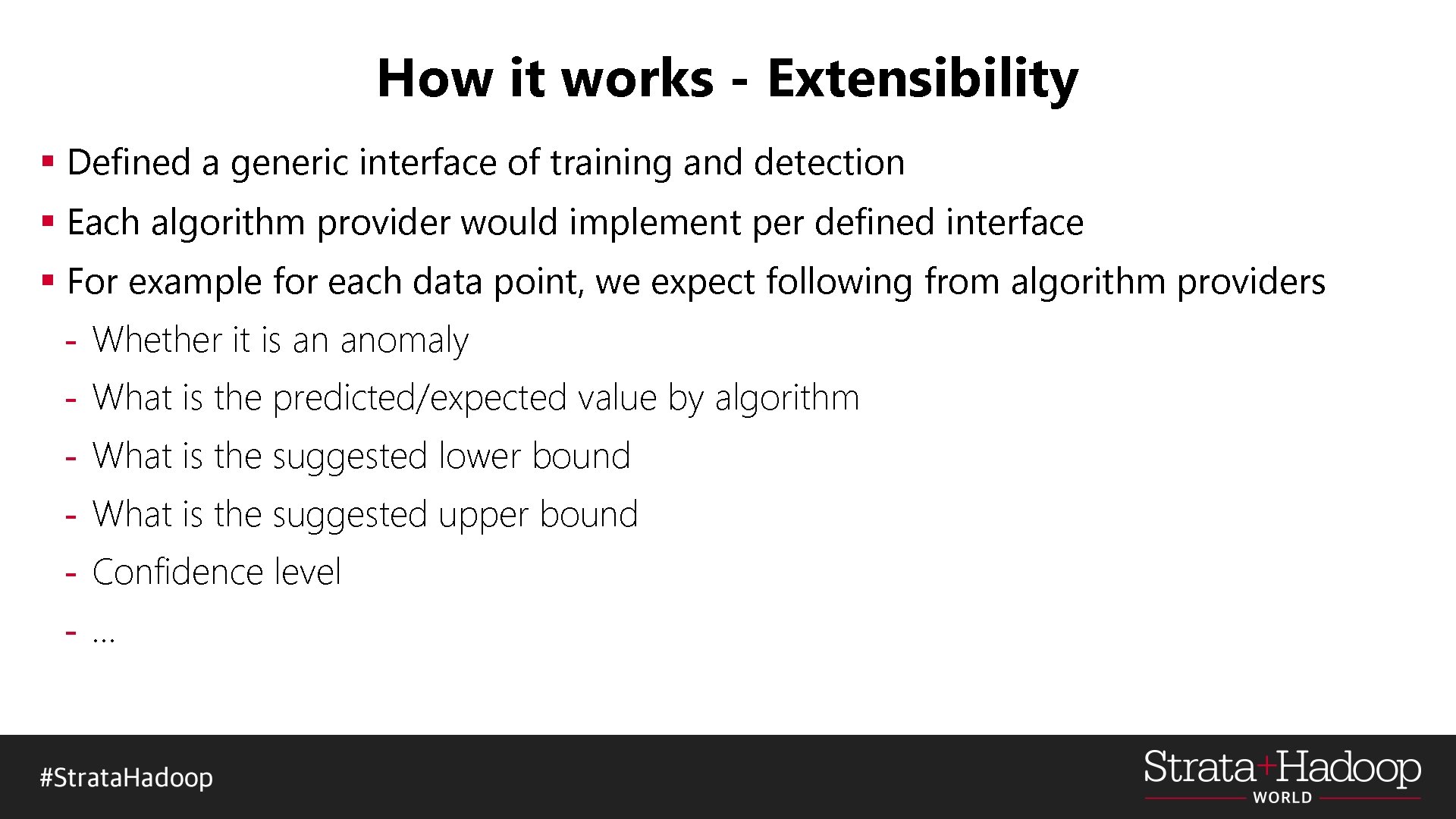 How it works - Extensibility § Defined a generic interface of training and detection § Each algorithm provider would implement per defined interface § For example for each data point, we expect following from algorithm providers - Whether it is an anomaly - What is the predicted/expected value by algorithm - What is the suggested lower bound - What is the suggested upper bound - Confidence level - …
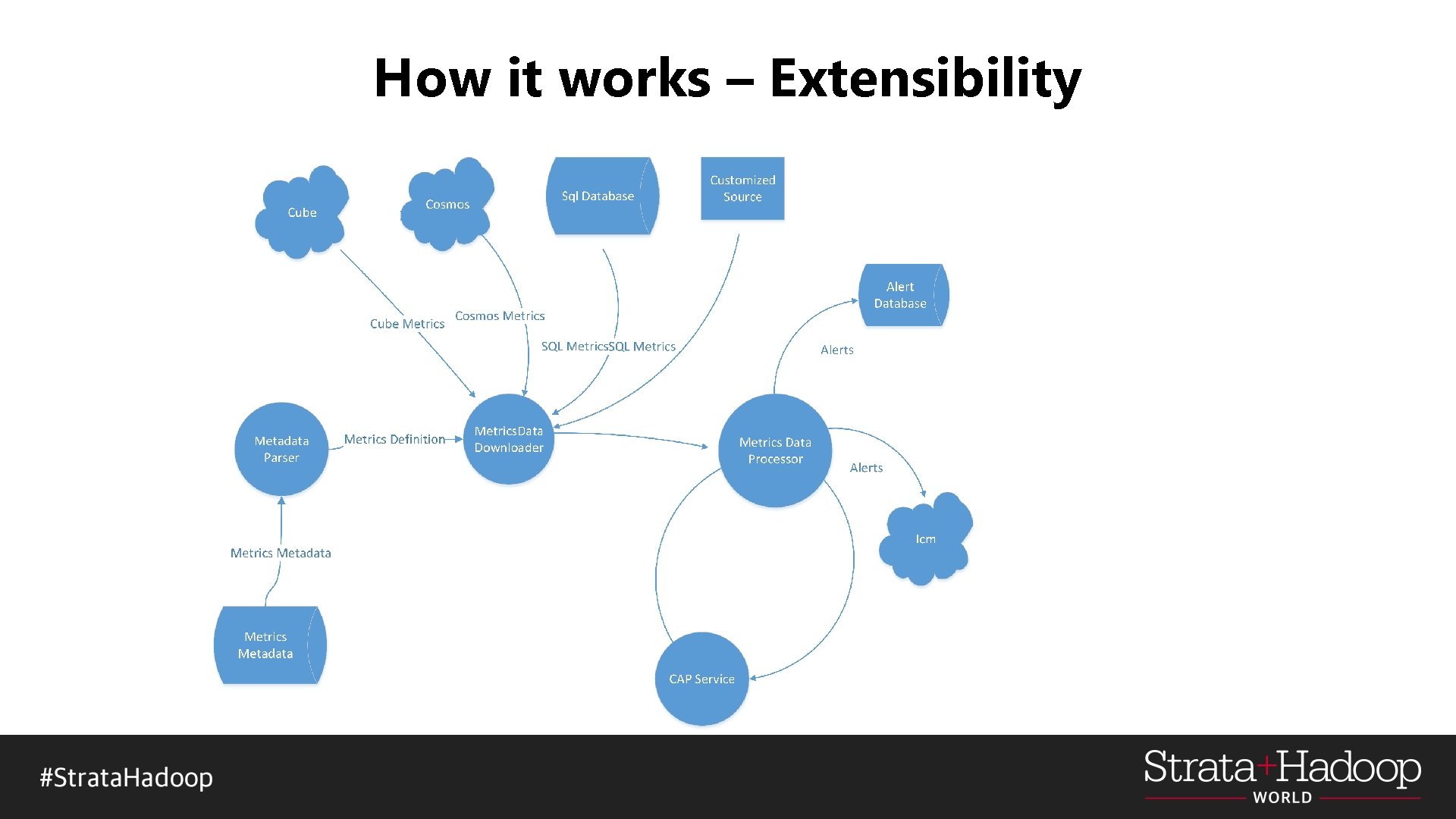 How it works – Extensibility
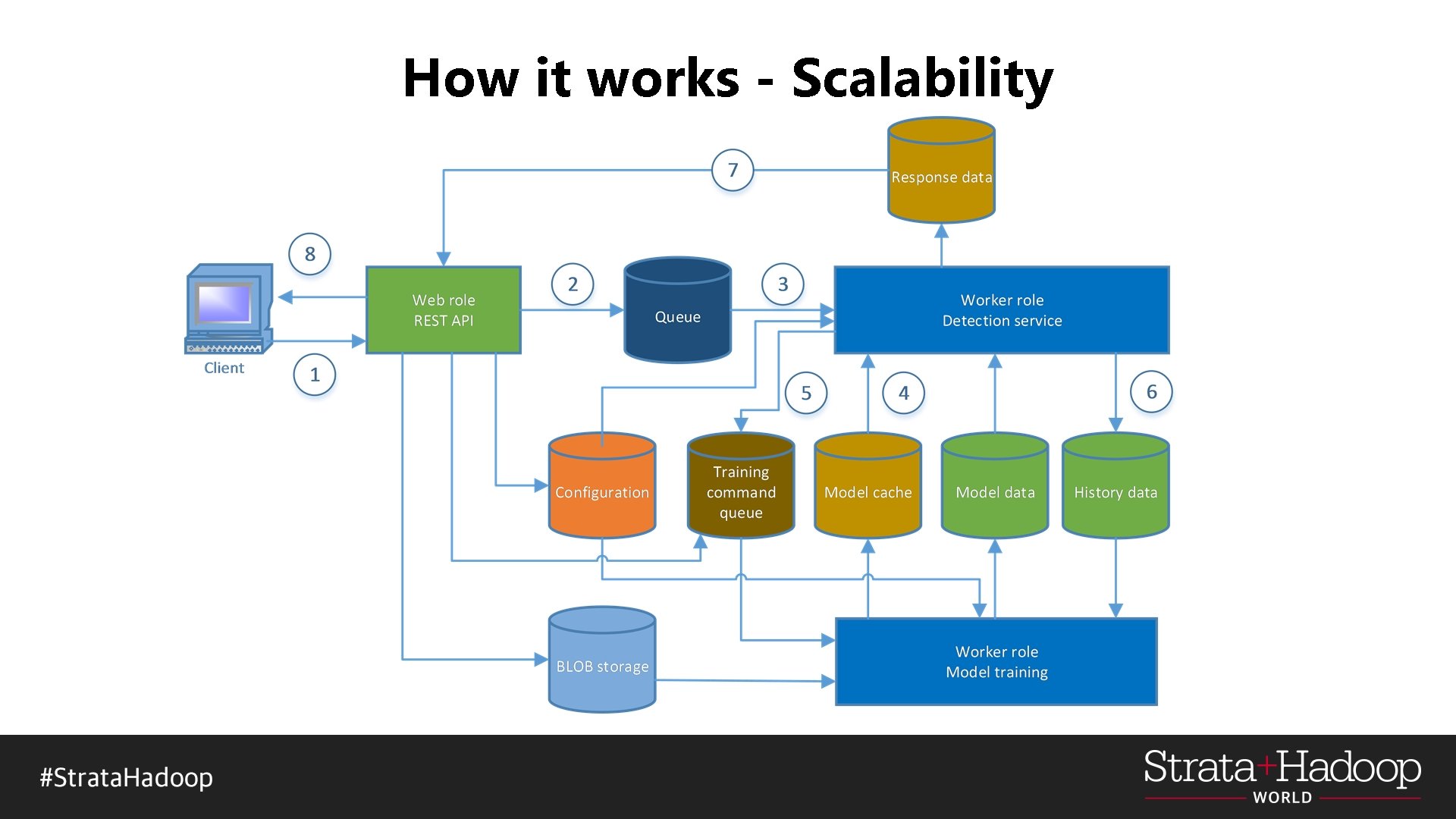 How it works - Scalability
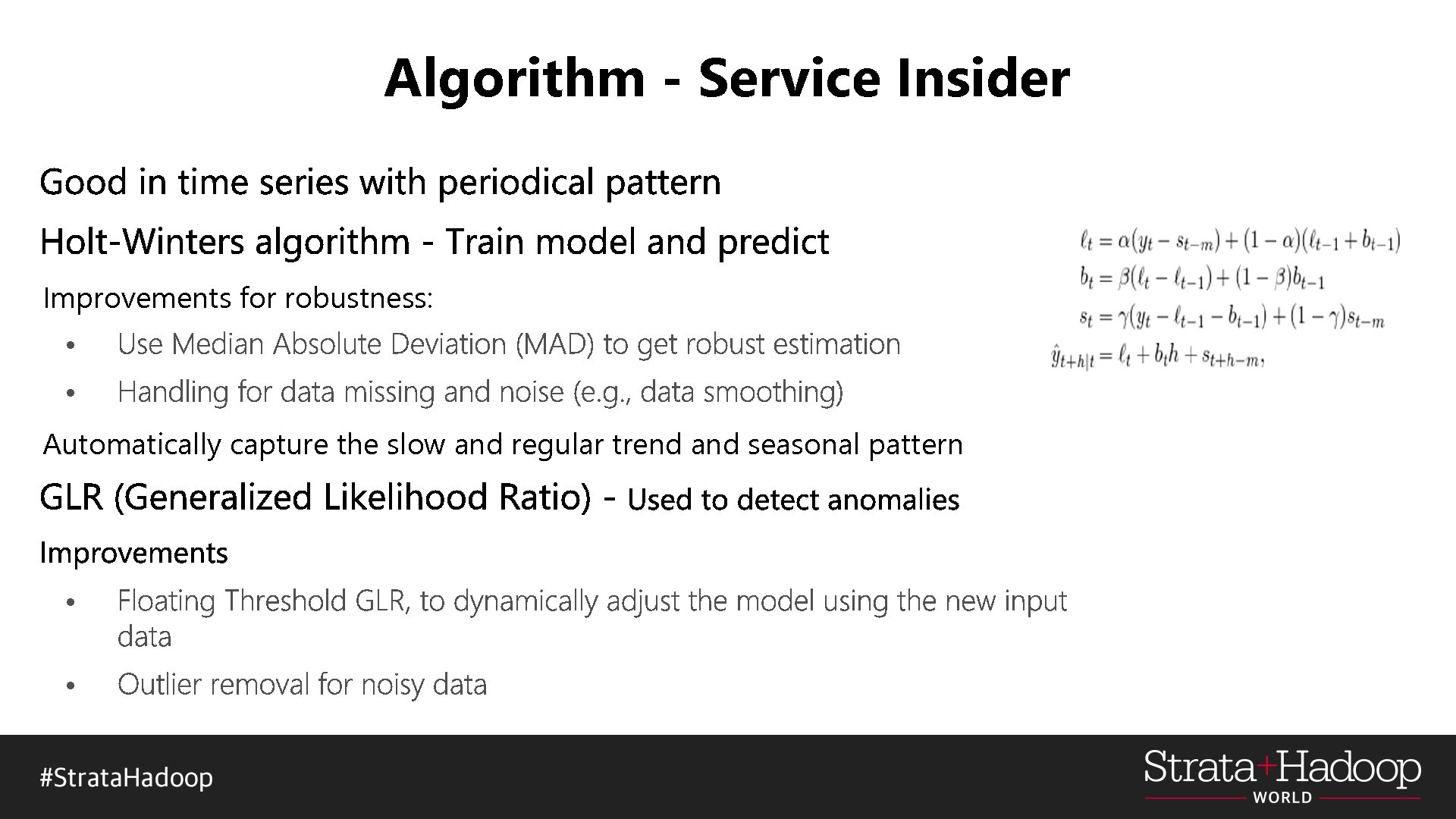 Algorithm - Service Insider Improvements for robustness: • • Automatically capture the slow and regular trend and seasonal pattern • •
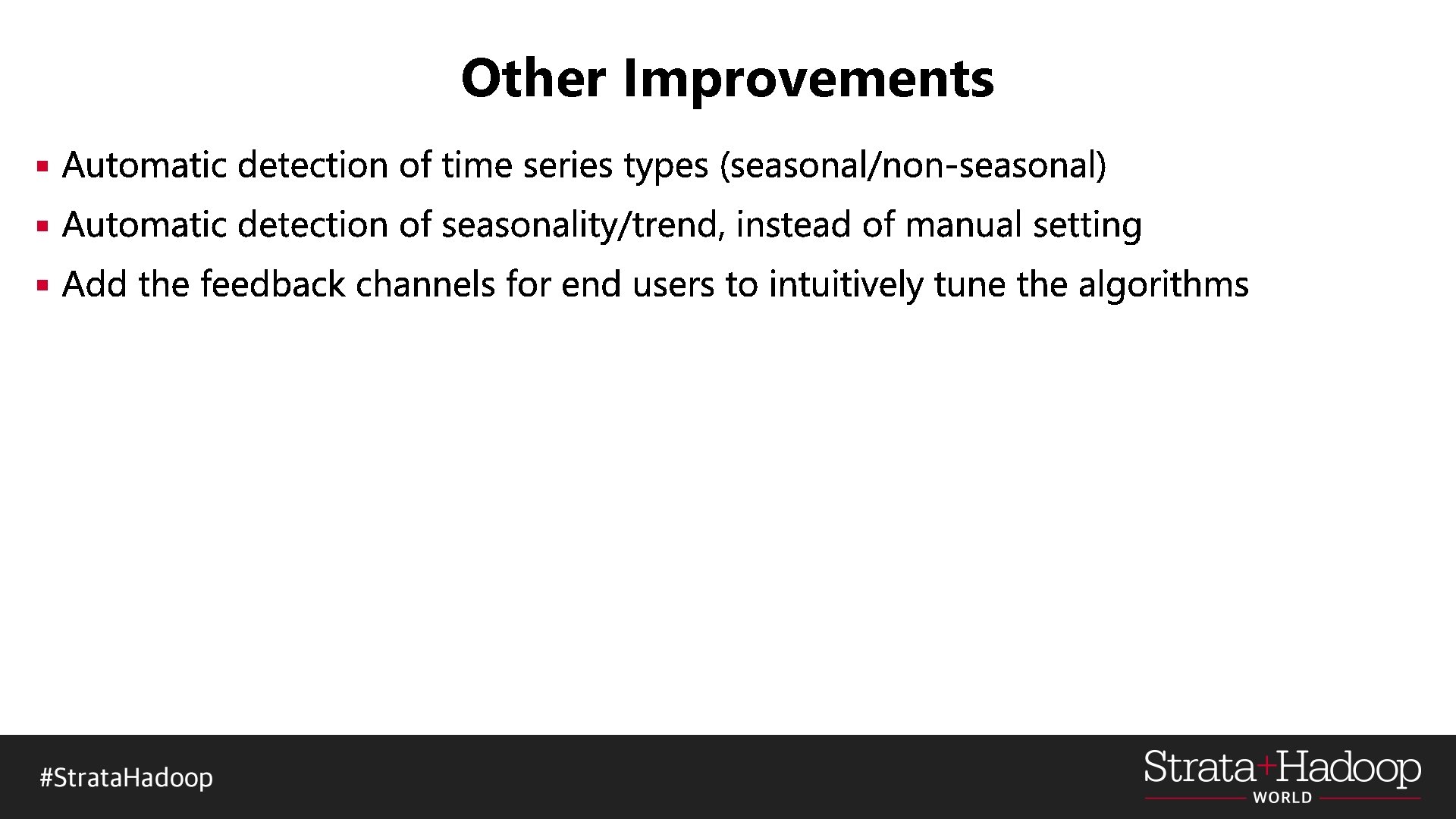 Other Improvements § § §
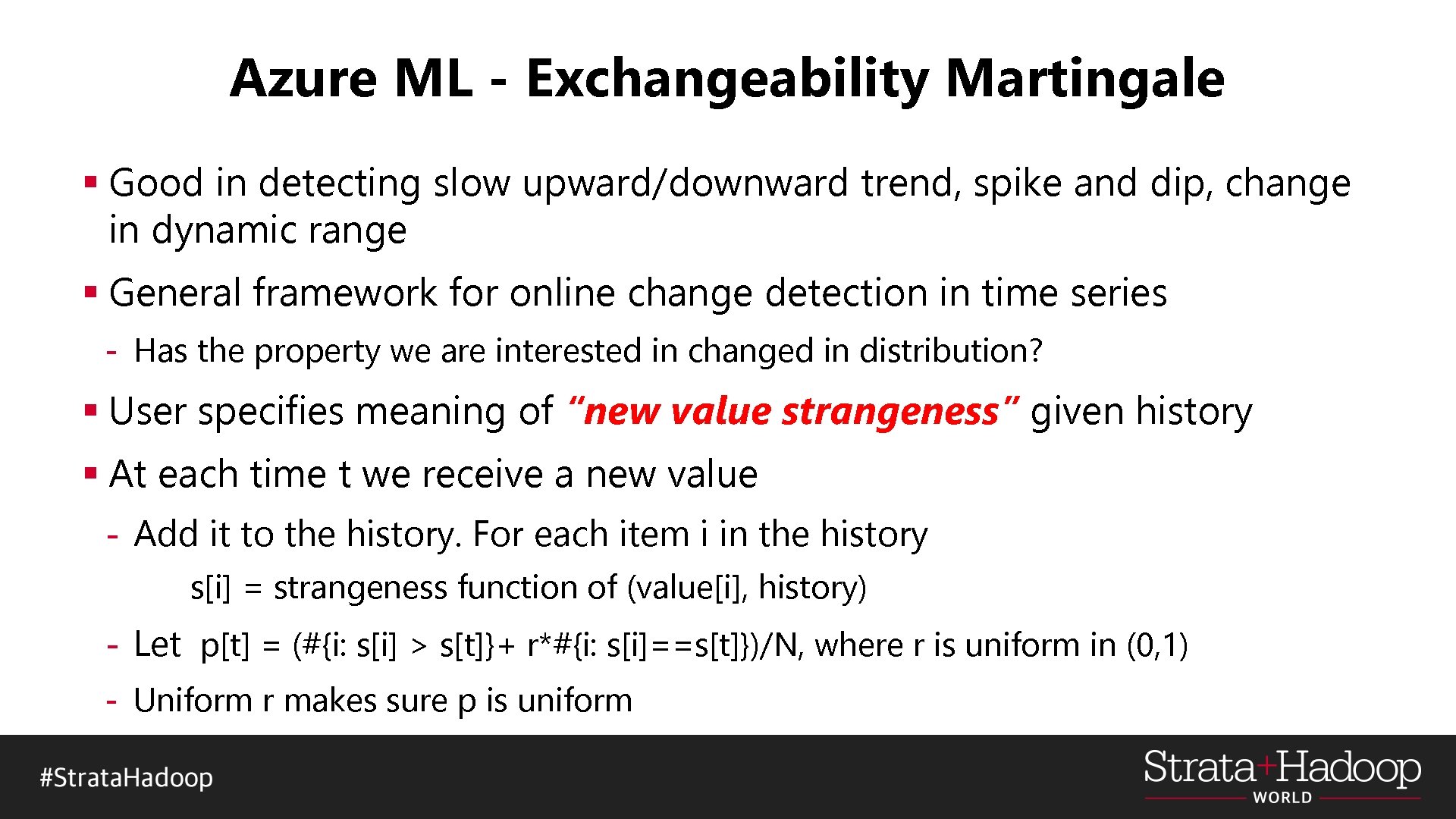 Azure ML - Exchangeability Martingale § Good in detecting slow upward/downward trend, spike and dip, change in dynamic range § General framework for online change detection in time series - Has the property we are interested in changed in distribution? § User specifies meaning of “new value strangeness” given history § At each time t we receive a new value - Add it to the history. For each item i in the history s[i] = strangeness function of (value[i], history) - Let p[t] = (#{i: s[i] > s[t]}+ r*#{i: s[i]==s[t]})/N, where r is uniform in (0, 1) - Uniform r makes sure p is uniform
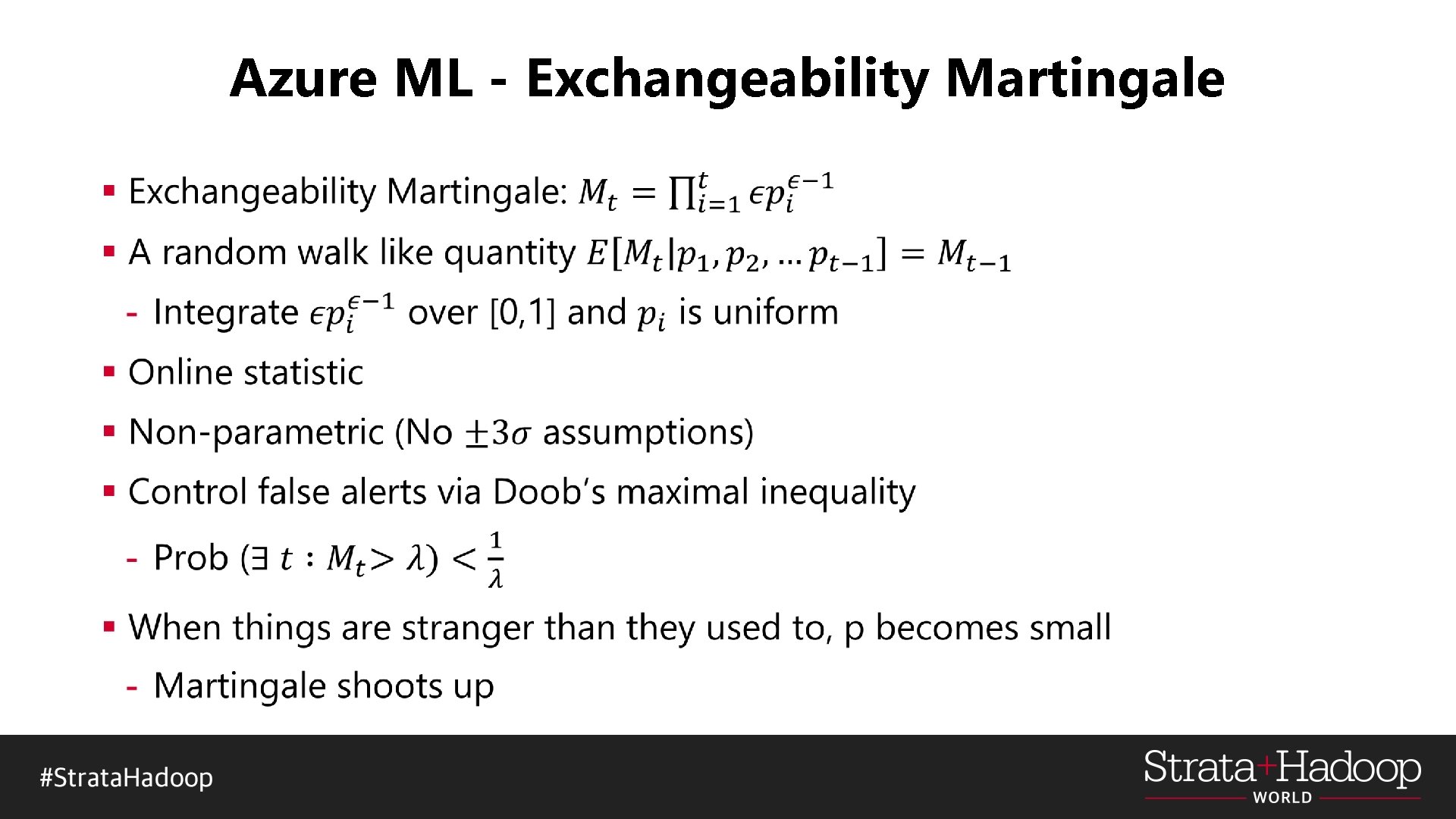 Azure ML - Exchangeability Martingale
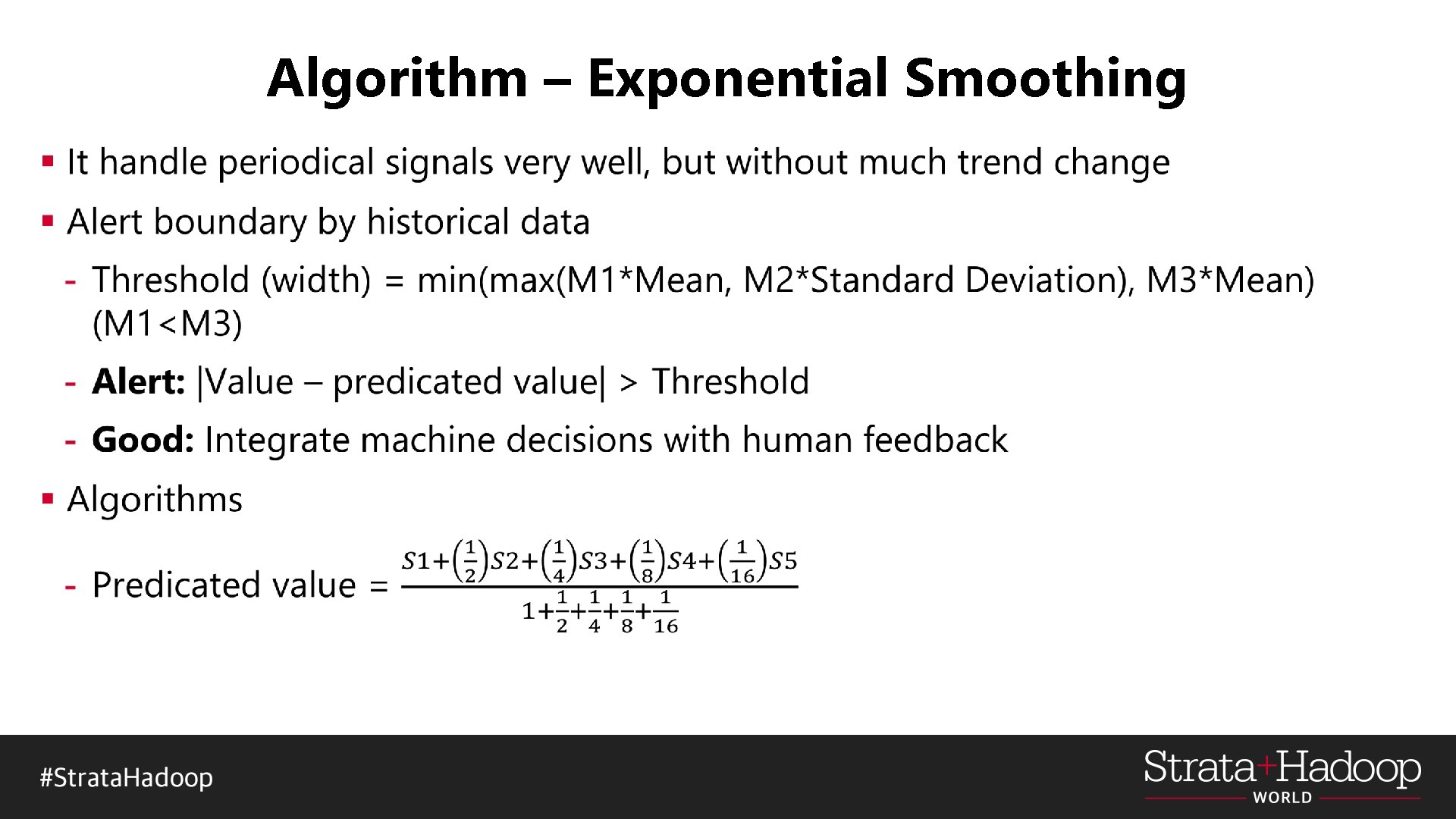 Algorithm – Exponential Smoothing §
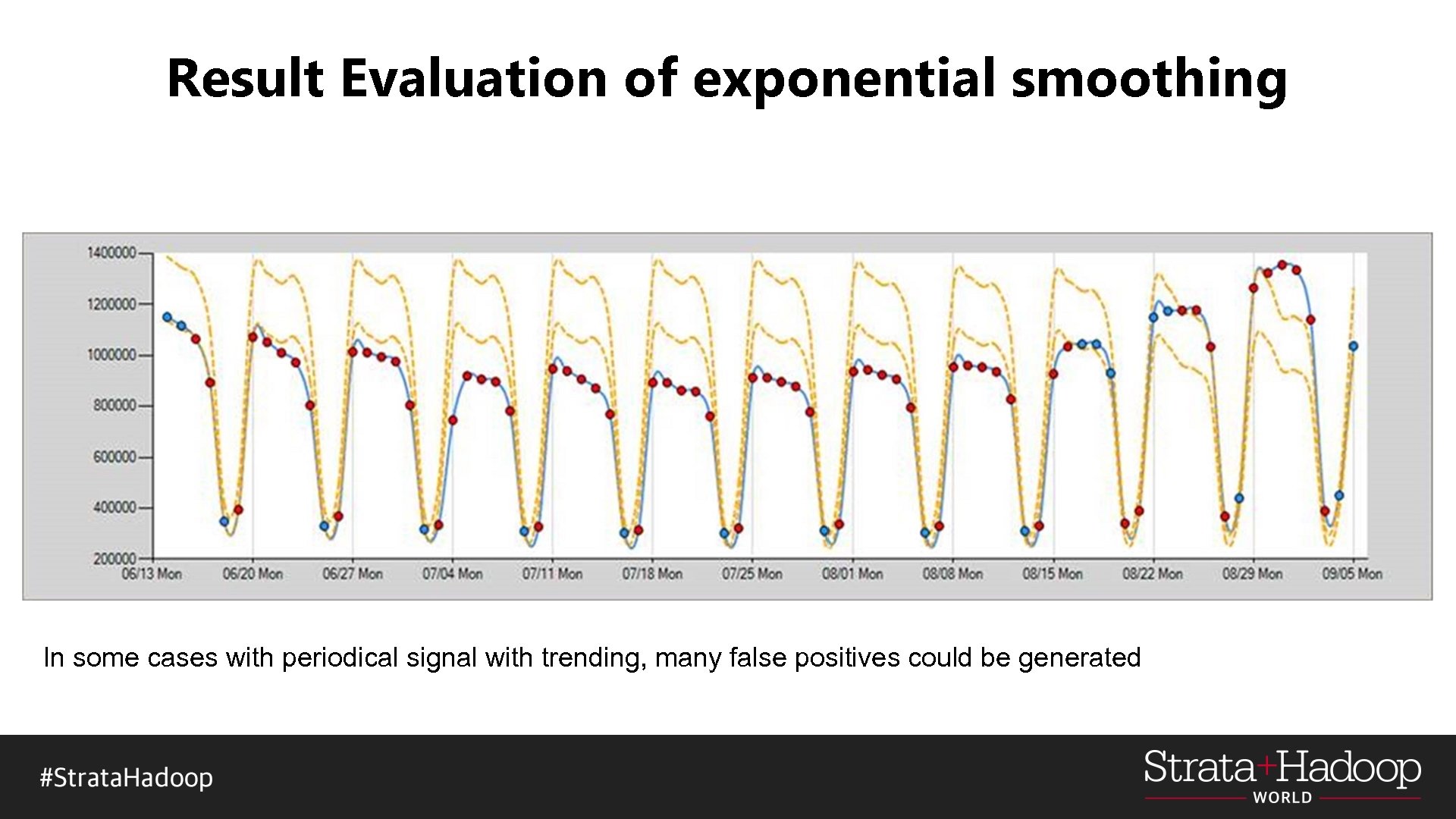 Result Evaluation of exponential smoothing In some cases with periodical signal with trending, many false positives could be generated
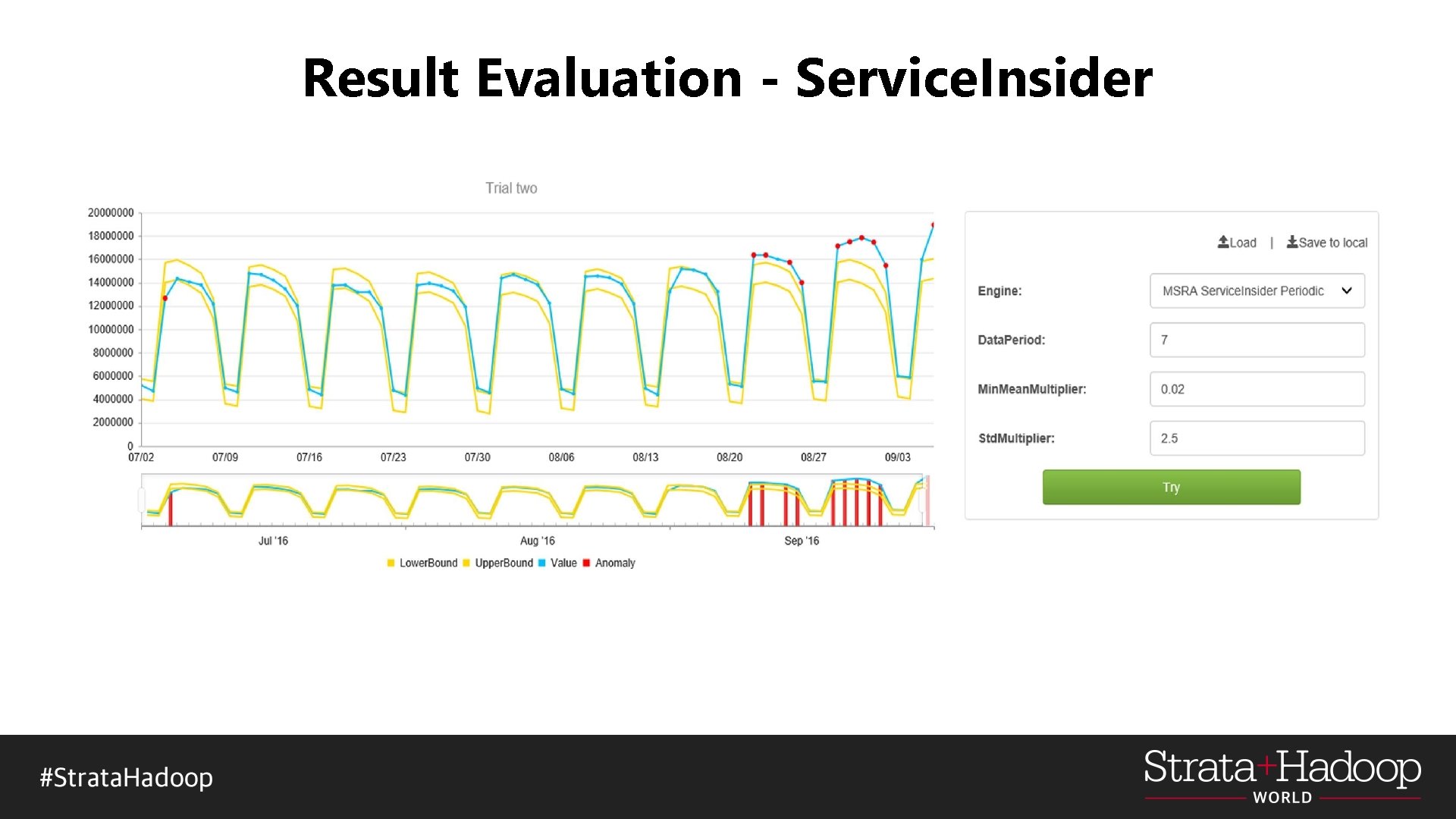 Result Evaluation - Service. Insider
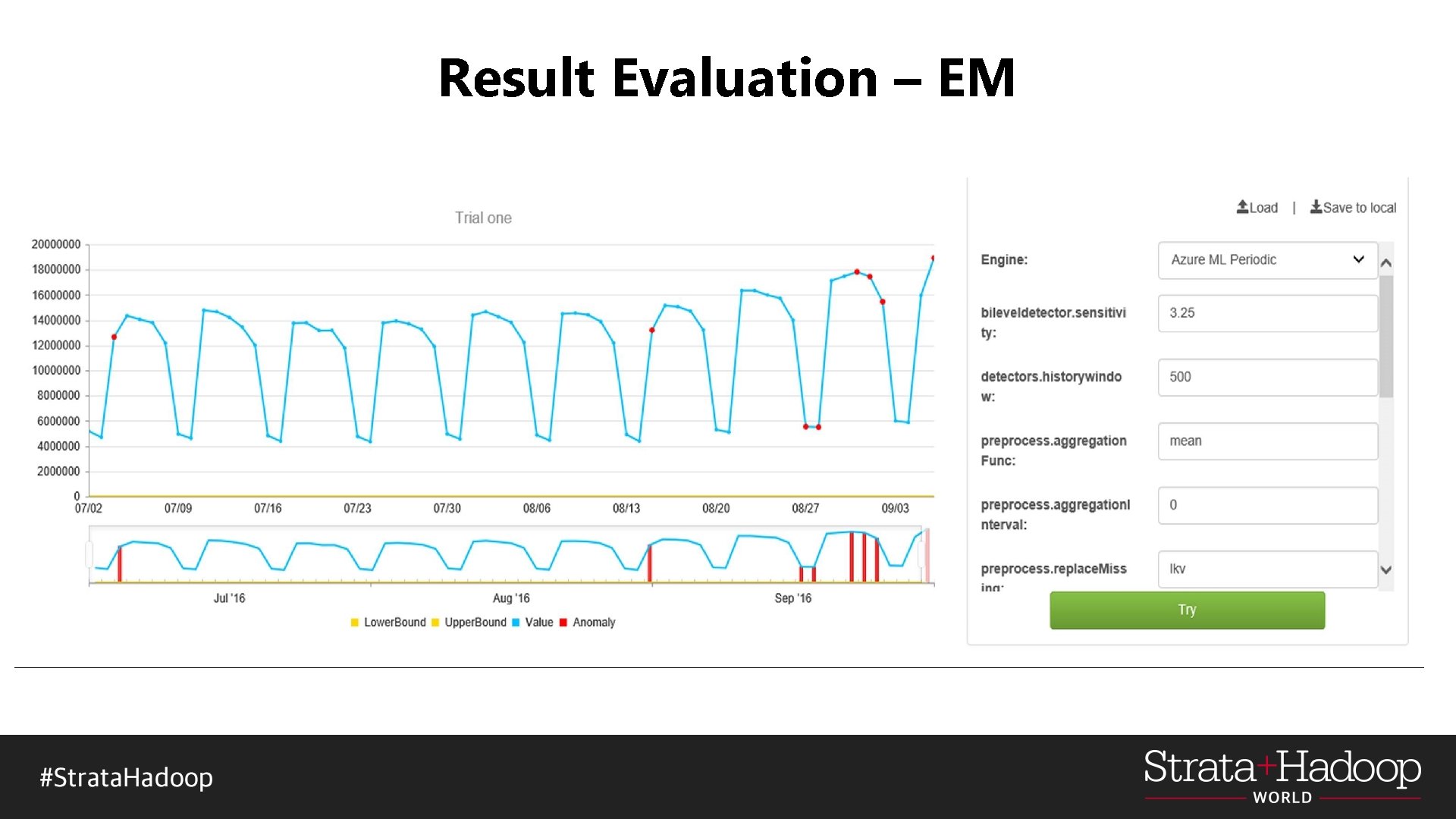 Result Evaluation – EM
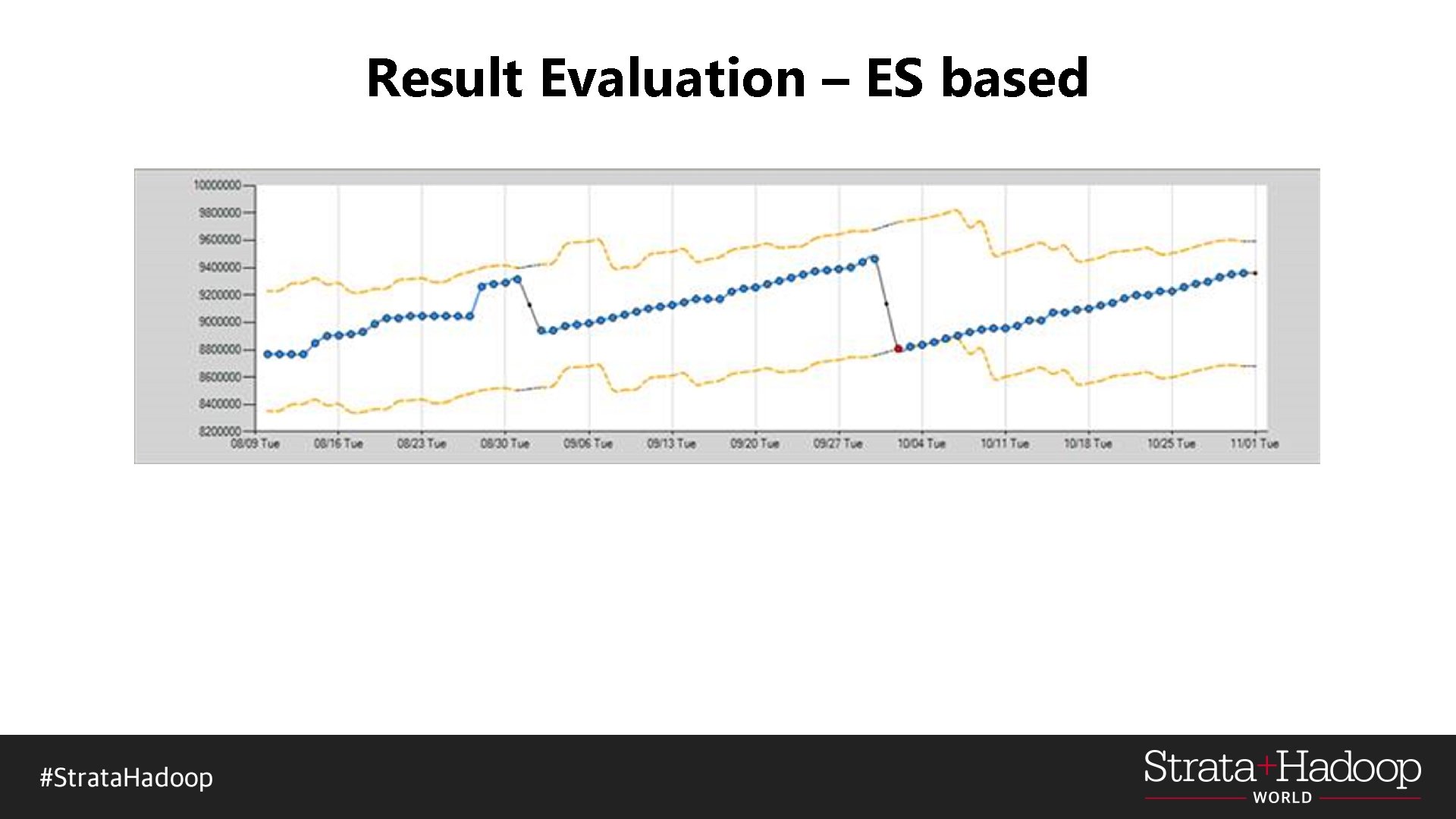 Result Evaluation – ES based
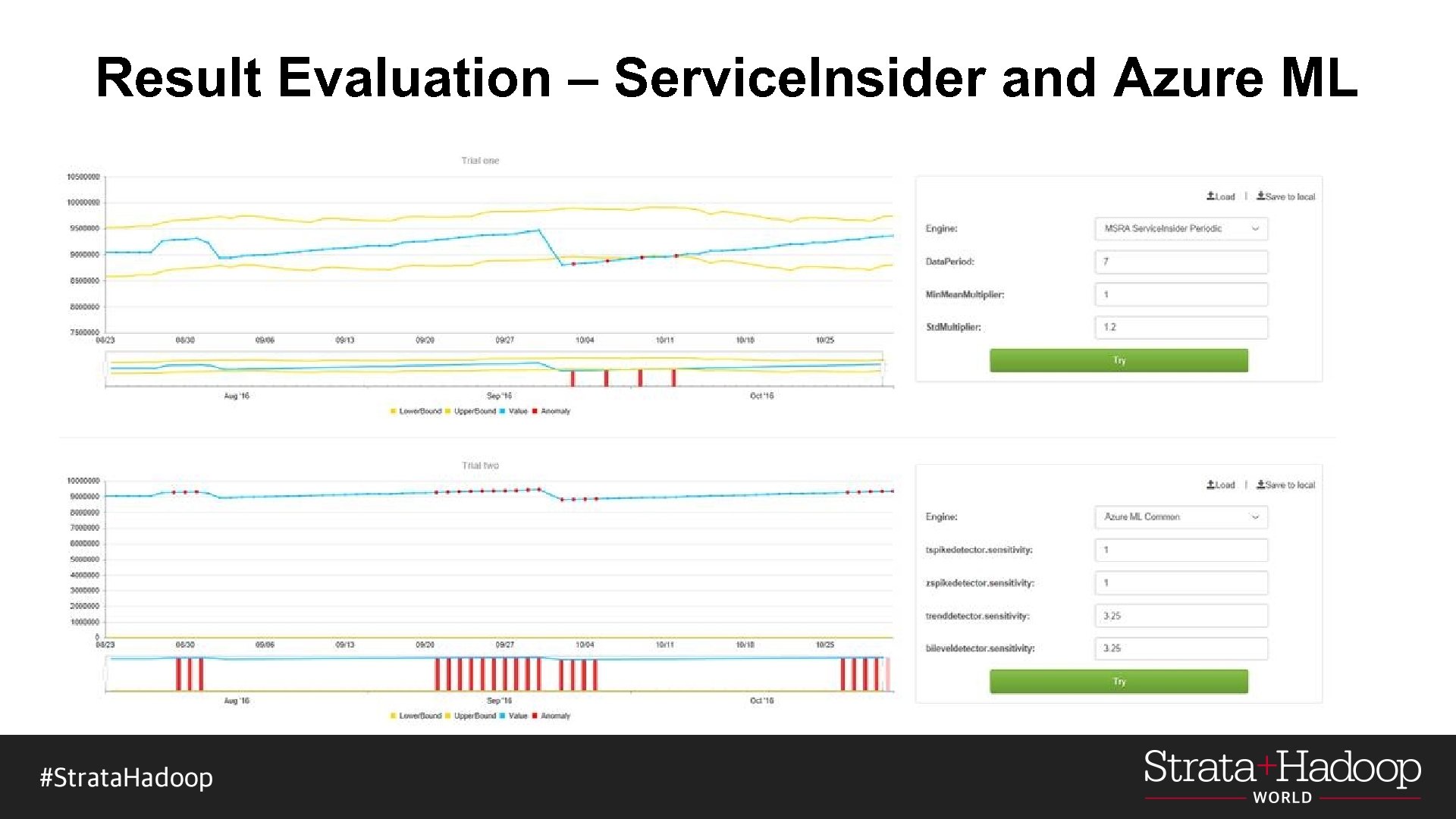 Result Evaluation – Service. Insider and Azure ML
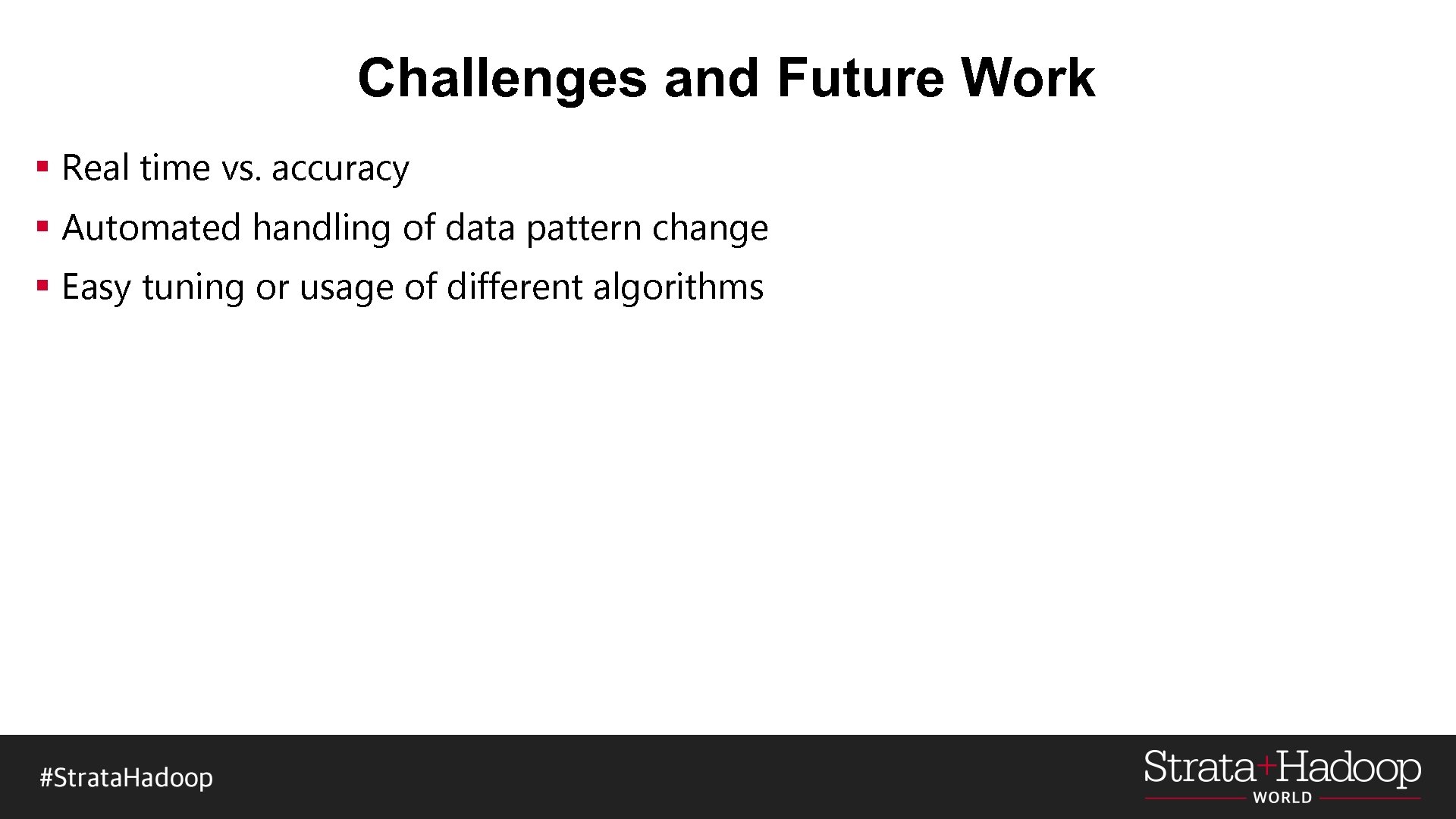 Challenges and Future Work § Real time vs. accuracy § Automated handling of data pattern change § Easy tuning or usage of different algorithms
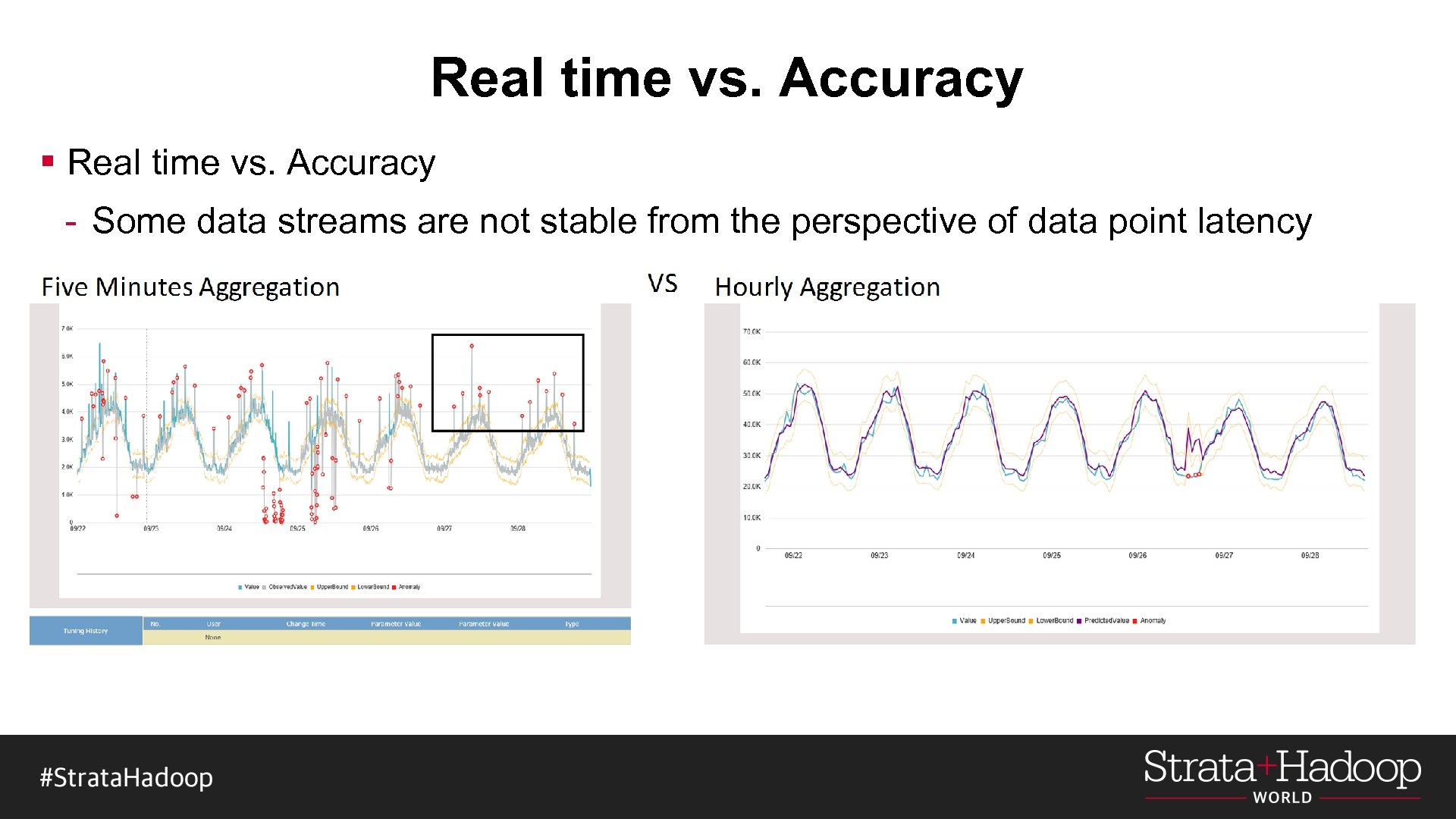 Real time vs. Accuracy § Real time vs. Accuracy - Some data streams are not stable from the perspective of data point latency
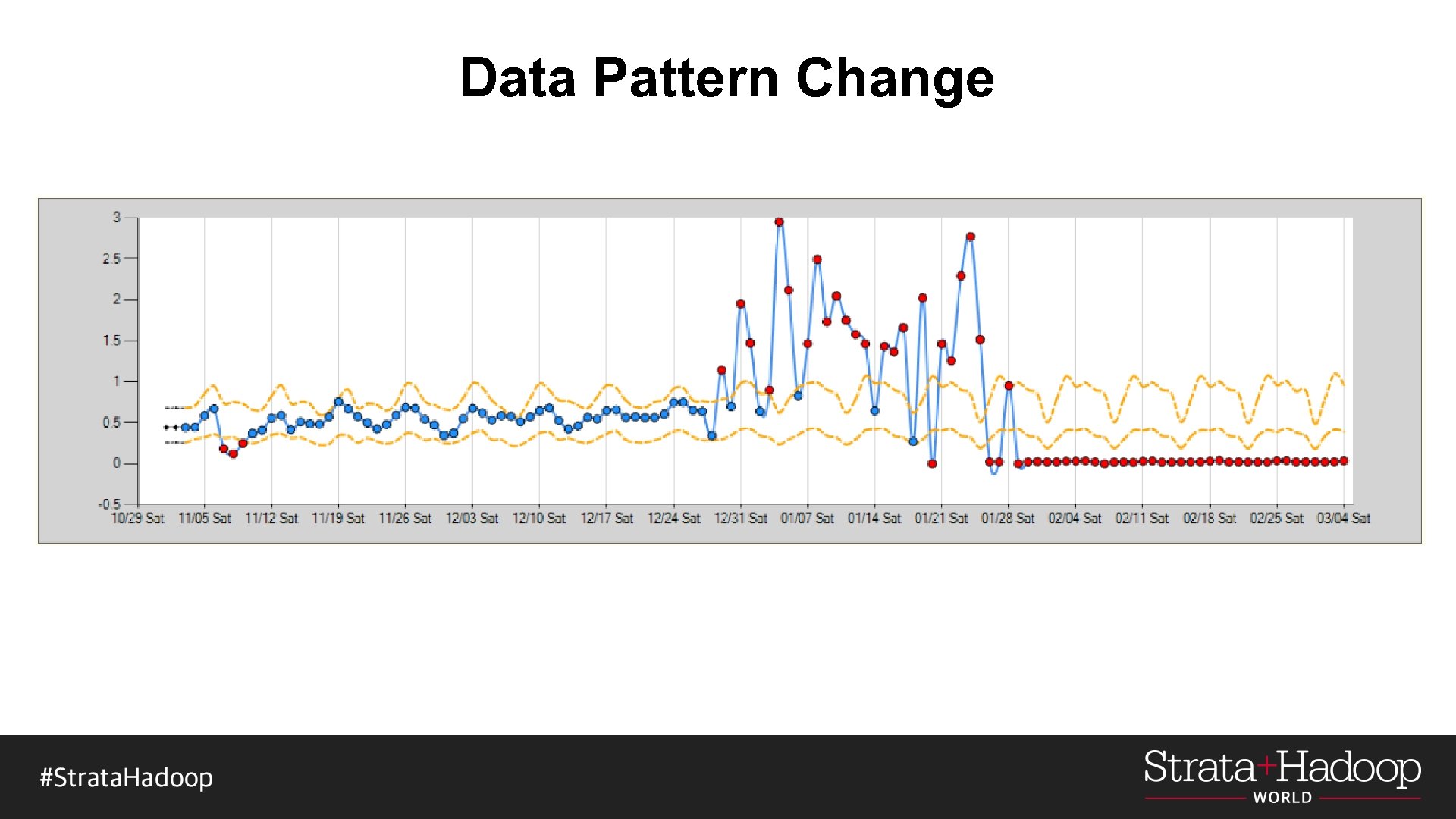 Data Pattern Change
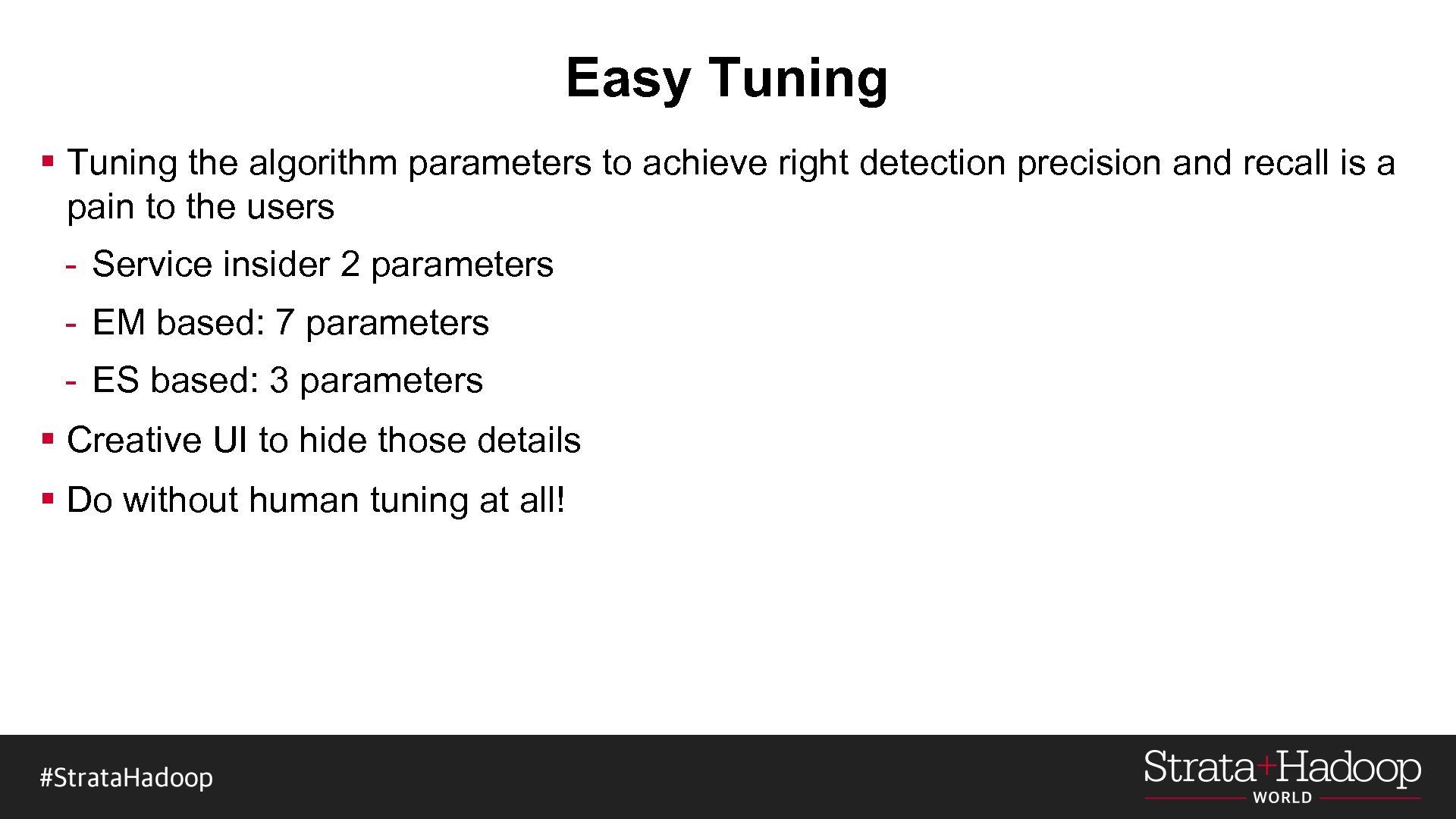 Easy Tuning § Tuning the algorithm parameters to achieve right detection precision and recall is a pain to the users - Service insider 2 parameters - EM based: 7 parameters - ES based: 3 parameters § Creative UI to hide those details § Do without human tuning at all!