


 Скачать презентацию Cold War Across The Decades 35 More Years
7afa30f16d1b5fed02be42dc70537c18.ppt
- Количество слайдов: 38
 Cold War Across The Decades 35 More Years of Ideological Conflict
 The Cold War 50’s • Race for the H-Bomb -US vs. Soviets in nuclear weapons (arms) race “Brinkmanship” – Threat of mutual destruction to keep the peace. • Covert Actions Begin - US’s CIA conduct secret spy missions to change foreign governments to make them friendly. Middle East – Iran Central America – Guatemala
 The Cold War 50’s • World Crises Egypt – US faces off vs. Soviets over Suez Canal. Eisenhower Doctrine – US will defend Middle East Hungary – Soviets back less repressive leader so the country remains friendly with them • Space Race Soviets reach space first - Sputnik – 1958 Threat to US was nukes launched in space
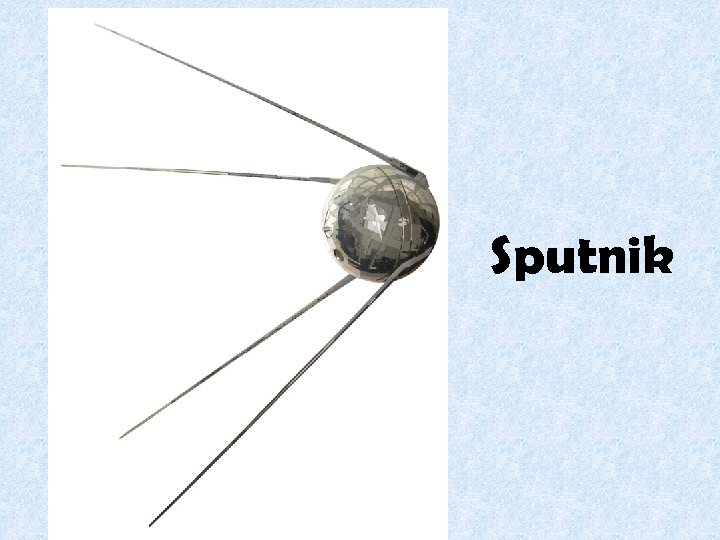 Sputnik
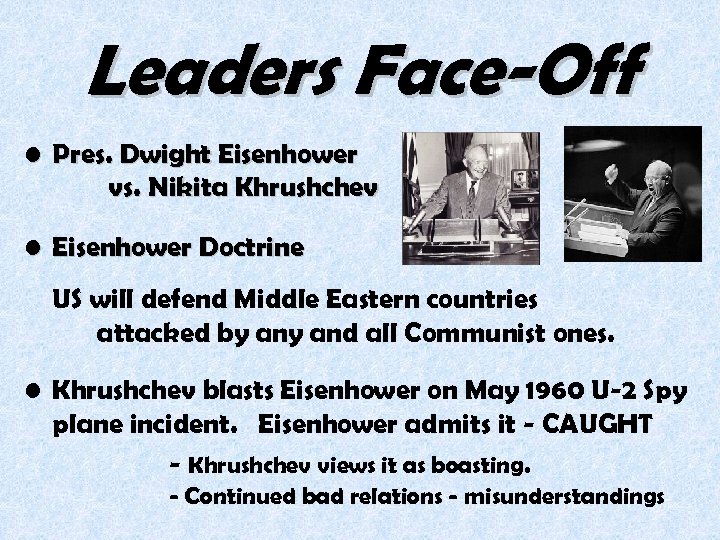 Leaders Face-Off • Pres. Dwight Eisenhower vs. Nikita Khrushchev • Eisenhower Doctrine US will defend Middle Eastern countries attacked by and all Communist ones. • Khrushchev blasts Eisenhower on May 1960 U-2 Spy plane incident. Eisenhower admits it - CAUGHT - Khrushchev views it as boasting. - Continued bad relations - misunderstandings
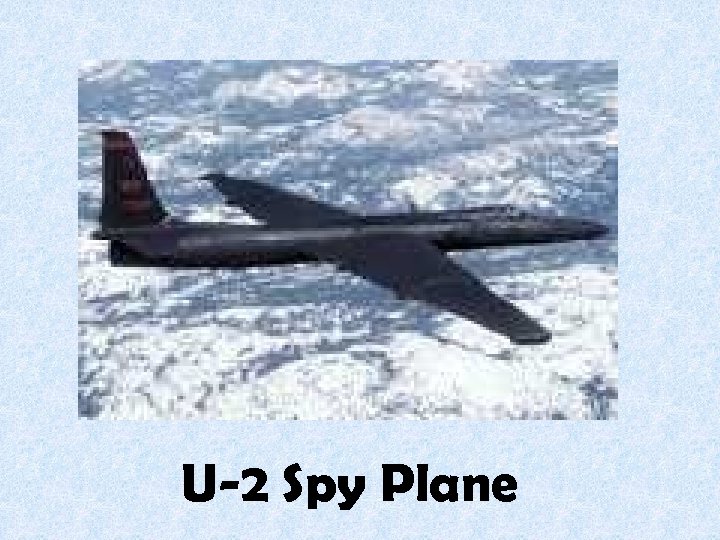 U-2 Spy Plane
 World Leaders’ Status • Basically a tie – US & Soviets were both growing more powerful every year. • Dominant influence in the world could have gone either way in the ‘ 60 s. • Eastern Europe was Communist. Western Europe was Democratic. The Middle East was “up for grabs”. Both sides protected their “backyards” vigorously.
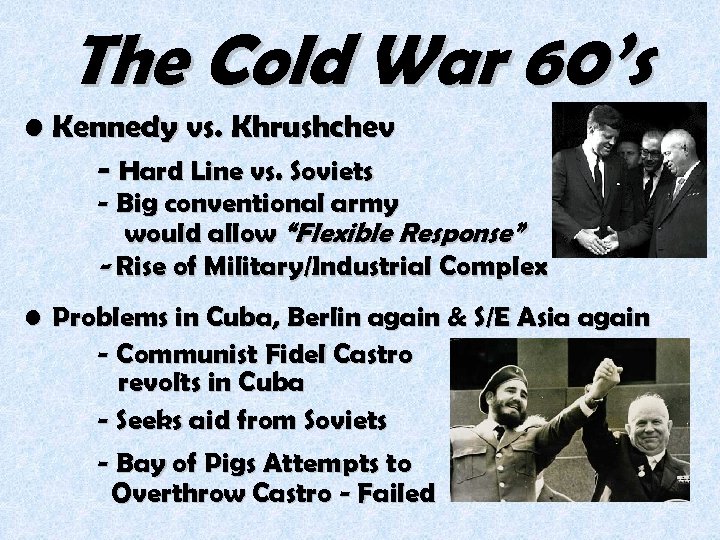 The Cold War 60’s • Kennedy vs. Khrushchev - Hard Line vs. Soviets - Big conventional army would allow “Flexible Response” - Rise of Military/Industrial Complex • Problems in Cuba, Berlin again & S/E Asia again - Communist Fidel Castro revolts in Cuba - Seeks aid from Soviets - Bay of Pigs Attempts to Overthrow Castro - Failed
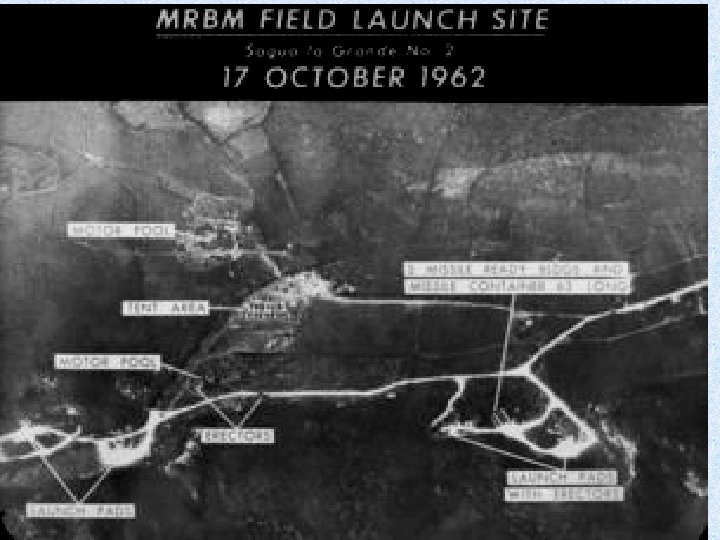
 Cuban Missile Crisis • 1962 - Soviet Aid to Cuba expands nuclear missiles & advisors arrive and build launch pads. - U-2 Spy planes take photos - US blockades Cuba w/ships & subs - Prepares 200, 000 man invasion force in Florida. - Khrushchev orders Soviet ships on the way, stopped. -Agrees to bring missiles home if US doesn’t invade.
 Progress From Crisis • “Hot Line” between Kremlin and White House – a direct phone line - so leaders can talk before crises escalate. • Limited Test Ban Treaty – Forbids nuclear testing in the atmosphere. • But as our “backyard crises” eased, a new threat arose in Southeast Asia…Vietnam.
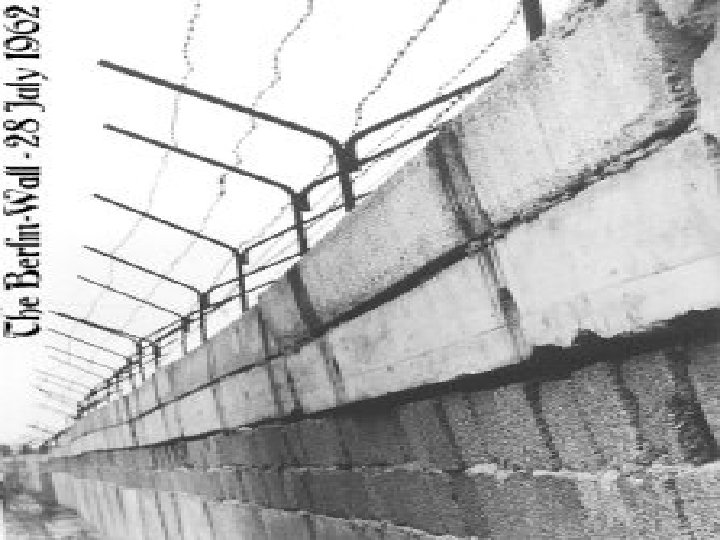
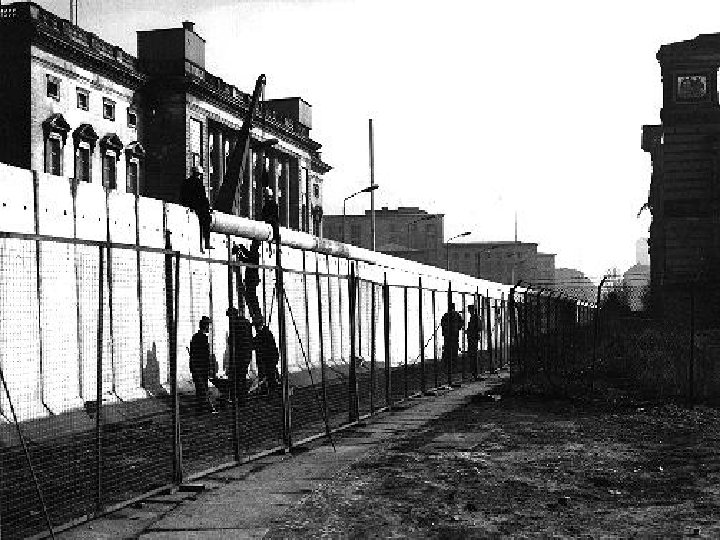
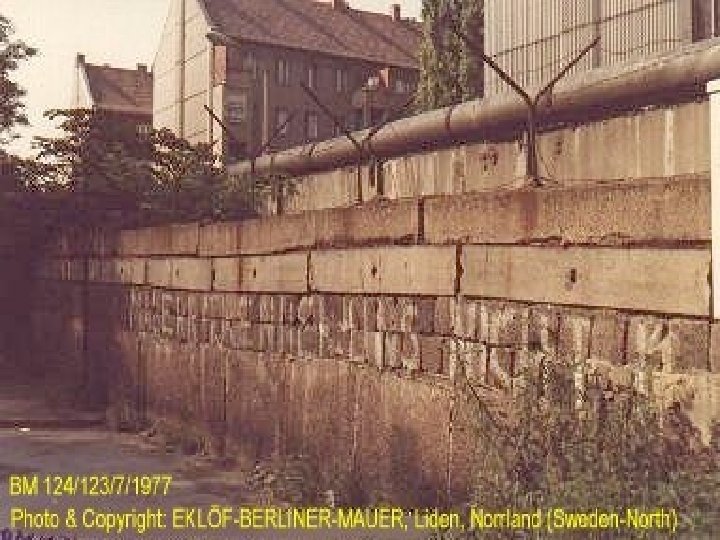
 Berlin Crisis • Since Marshall Plan & Berlin Airlift, West Germany prospered & East Germany failed • 3 Million East Germans fled to the West. - Lost educated people who could help - Bad PR for the Communists - Khrushchev tries to get Germans to agree to seal out the Western nations. Kennedy resists - 1961 – Berlin Wall built to keep E. Germans in
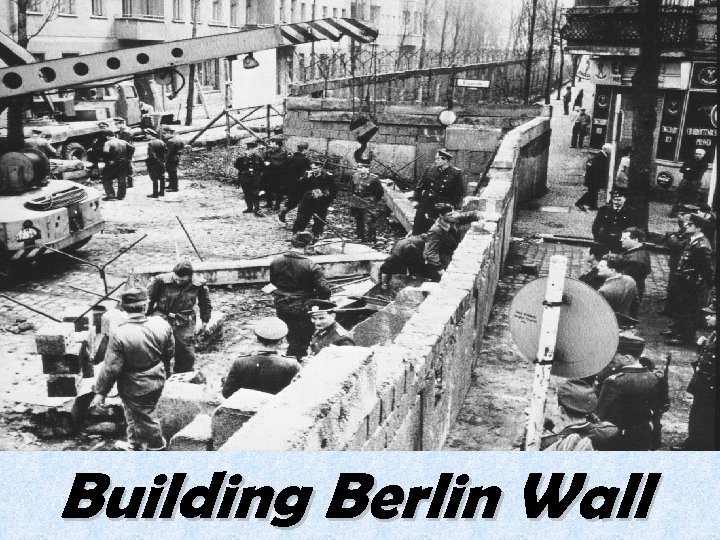 Building Berlin Wall
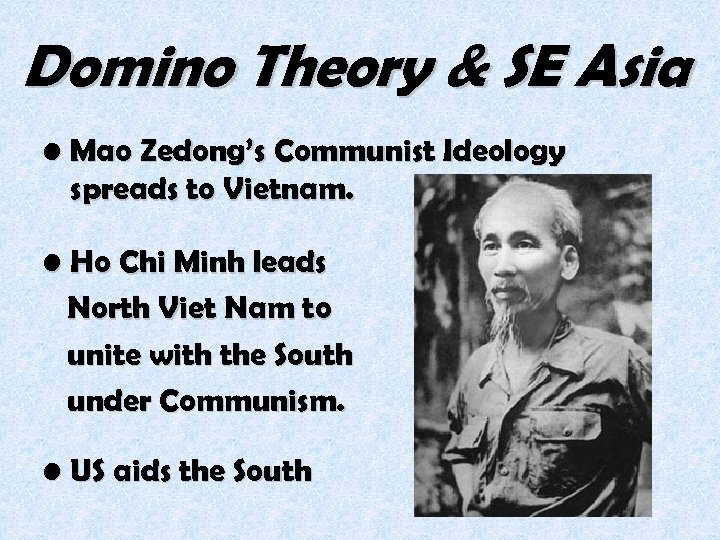 Domino Theory & SE Asia • Mao Zedong’s Communist Ideology spreads to Vietnam. • Ho Chi Minh leads North Viet Nam to unite with the South under Communism. • US aids the South
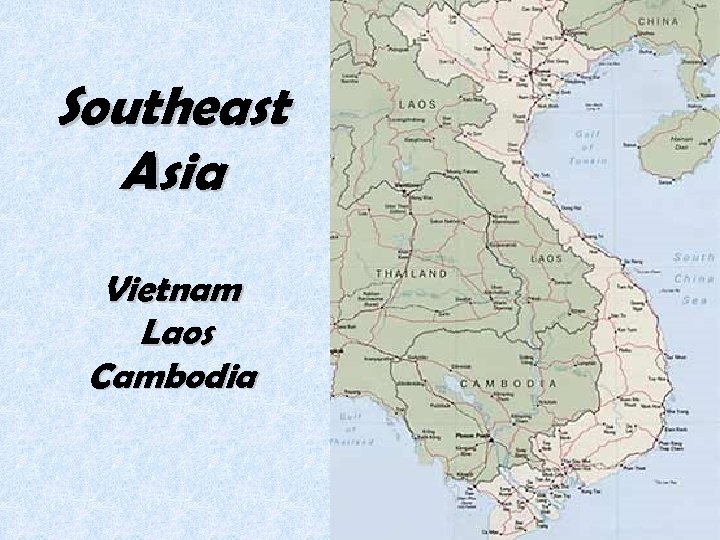 Southeast Asia Vietnam Laos Cambodia
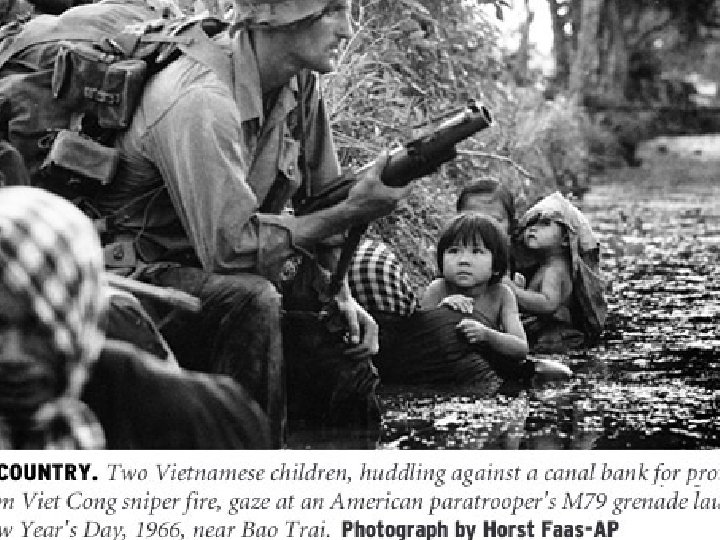
 Containing Communism in Southeast Asia • French occupied the area until 1954, when the Viet Minh drove them out. Eisenhower aided the non-communist south after French. • In 1961 Kennedy continued military aid to South amidst a civil war vs. North Vietnam • 1965 President Johnson, Kennedy’s successor vows contain Communism & not to “…lose Southeast Asia. ”
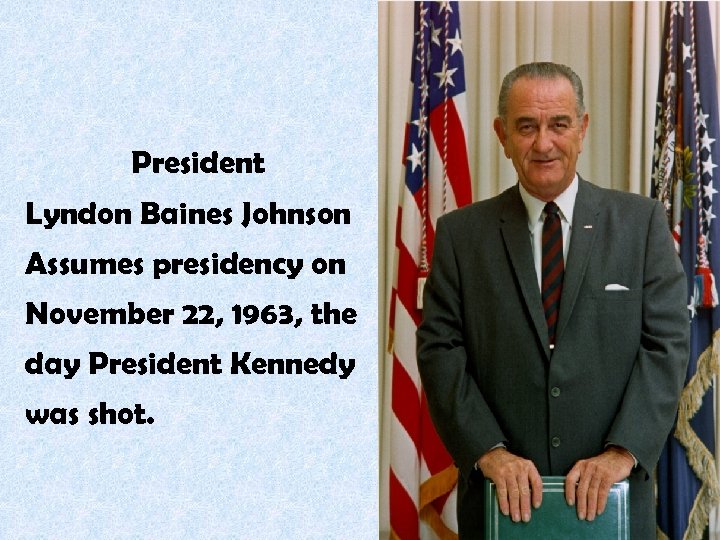 President Lyndon Baines Johnson Assumes presidency on November 22, 1963, the day President Kennedy was shot.
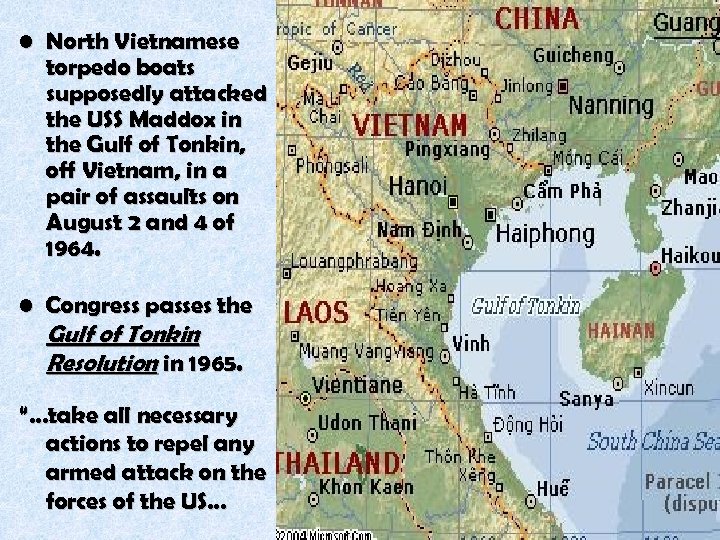 • North Vietnamese torpedo boats supposedly attacked the USS Maddox in the Gulf of Tonkin, off Vietnam, in a pair of assaults on August 2 and 4 of 1964. • Congress passes the Gulf of Tonkin Resolution in 1965. “…take all necessary actions to repel any armed attack on the forces of the US…
 Pres. Richard Nixon • NVA’s “Tet” offensive changes the war – 1968 - North Vietnam takes command. • Ends the war in Vietnam through policy of “Vietnamization” – turning over the war to the people of South Vietnam. • 1969 – First troops come home • 1972 – South cannot fight off the North &…
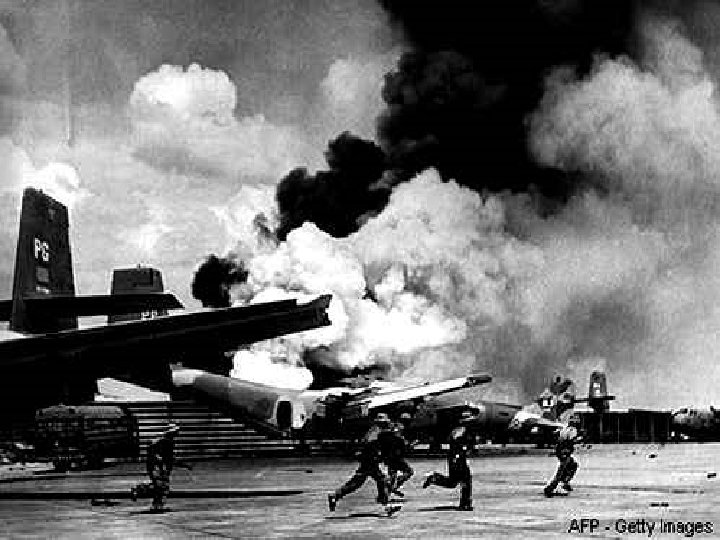 Saigon Falls to Viet Cong • On the last day of the Vietnam War… • When Saigon fell to the North Vietnamese Army…
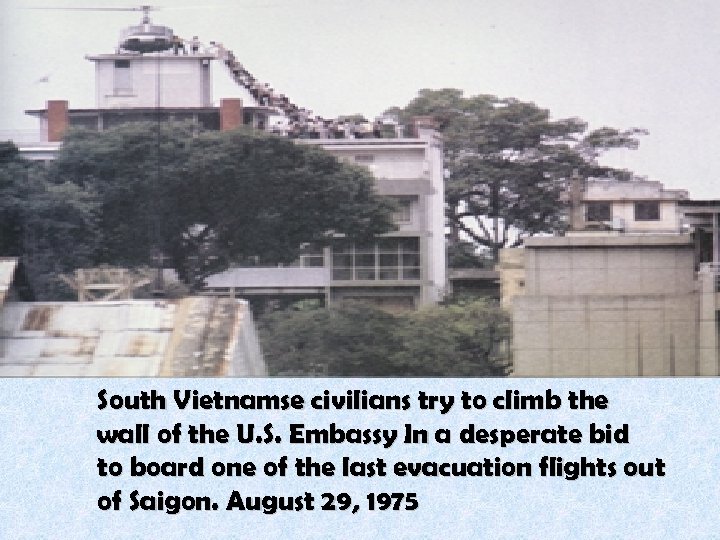 The Fall of Saigon South Vietnamse civilians try to climb the wall of the U. S. Embassy In a desperate bid to board one of the last evacuation flights out of Saigon. August 29, 1975
 Ideological Changes After Vietnam • Nixon sees the problems of intervention. • Changes the “approach” toward the Soviets and the Chinese Communists. • Seeks to ‘engage’ enemies • “Keep friends close & enemies closer. ”
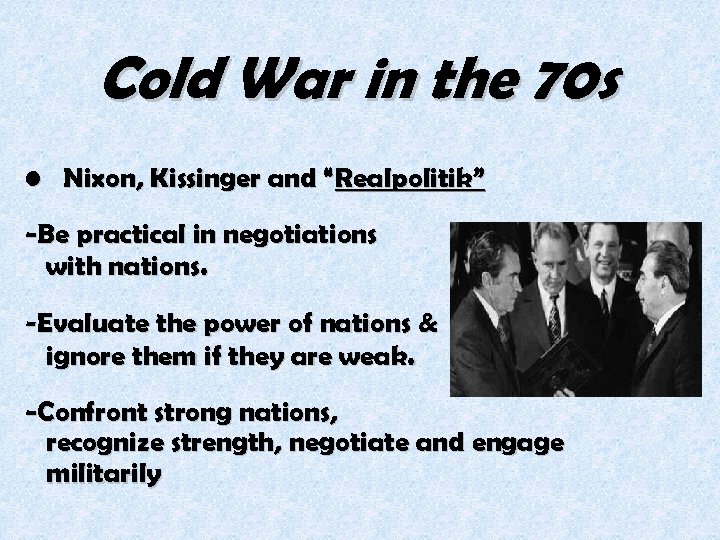 Cold War in the 70 s • Nixon, Kissinger and “Realpolitik” -Be practical in negotiations with nations. -Evaluate the power of nations & ignore them if they are weak. -Confront strong nations, recognize strength, negotiate and engage militarily
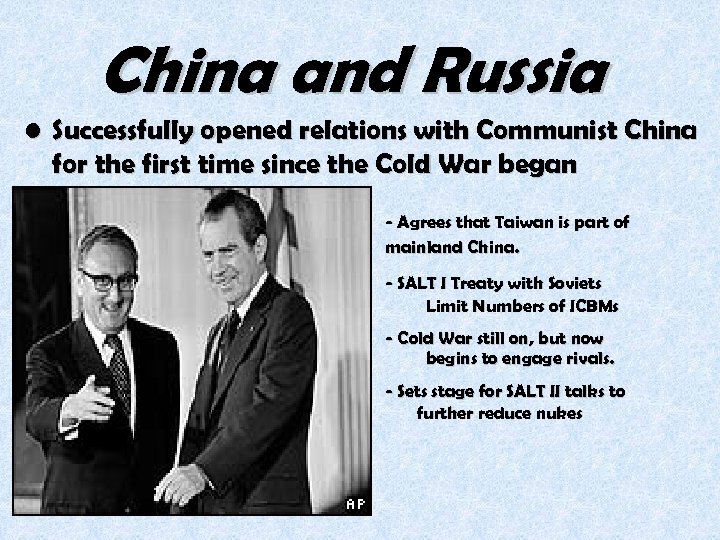 China and Russia • Successfully opened relations with Communist China for the first time since the Cold War began - Agrees that Taiwan is part of mainland China. - SALT I Treaty with Soviets Limit Numbers of ICBMs - Cold War still on, but now begins to engage rivals. - Sets stage for SALT II talks to further reduce nukes
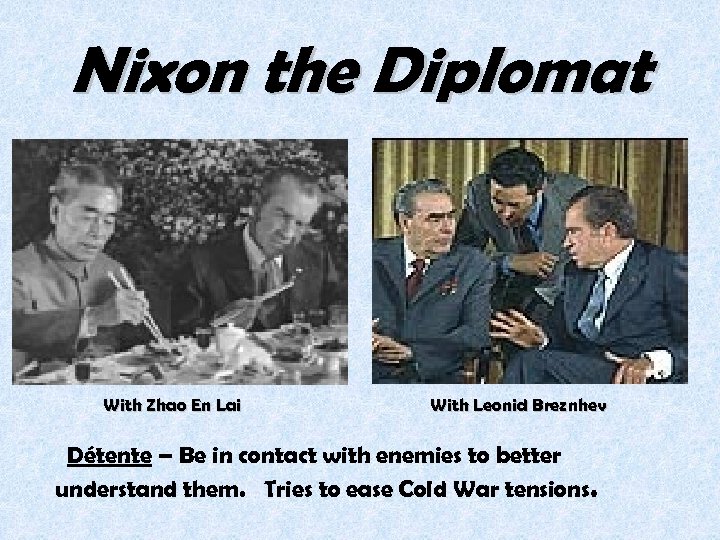 Nixon the Diplomat With Zhao En Lai With Leonid Breznhev Détente – Be in contact with enemies to better understand them. Tries to ease Cold War tensions.
 To Whose Advantage was Détente? • Soviet View of Détente is contact to delay agreements until they achieve their goal of expanding Communism worldwide. • American View of Détente is contact to look for Soviet weaknesses so as to gain agreements that allow democratically elected governments to exist.
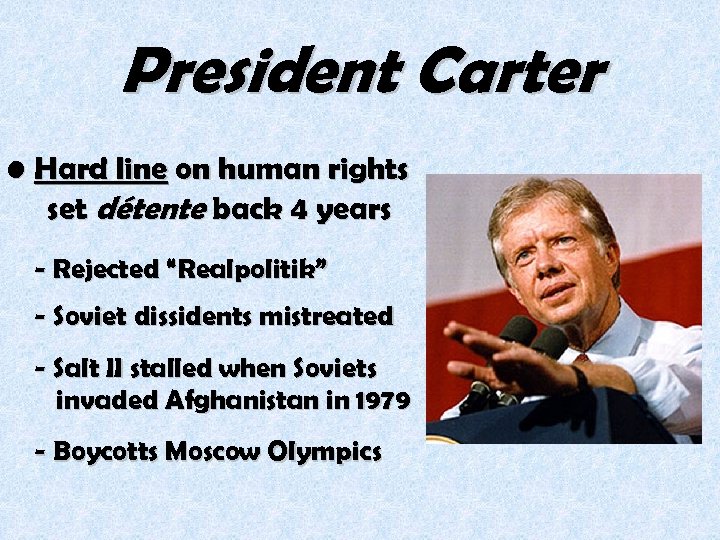 President Carter • Hard line on human rights set détente back 4 years - Rejected “Realpolitik” - Soviet dissidents mistreated - Salt II stalled when Soviets invaded Afghanistan in 1979 - Boycotts Moscow Olympics
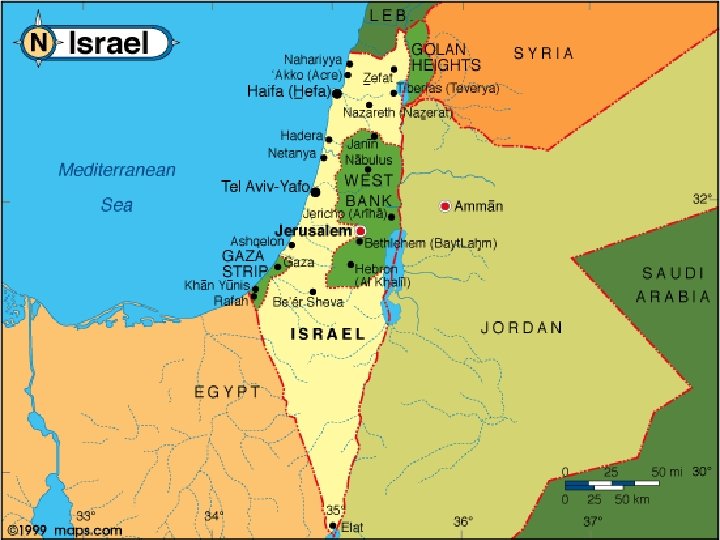
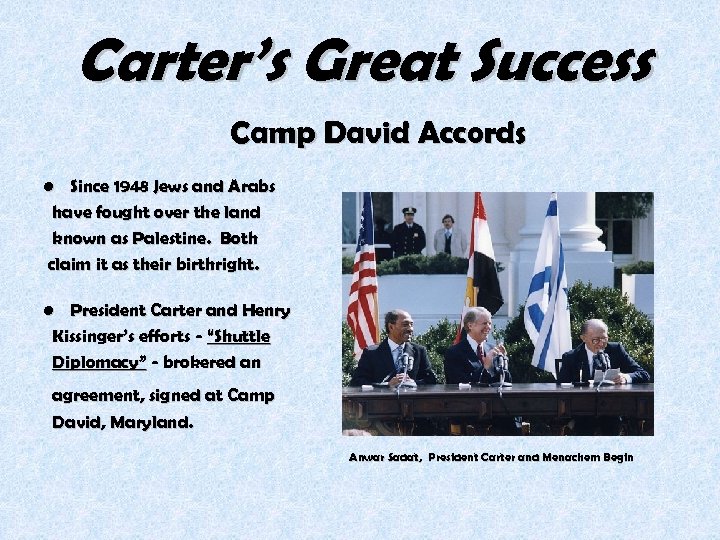 Carter’s Great Success Camp David Accords • Since 1948 Jews and Arabs have fought over the land known as Palestine. Both claim it as their birthright. • President Carter and Henry Kissinger’s efforts - “Shuttle Diplomacy” - brokered an agreement, signed at Camp David, Maryland. Anwar Sadat, President Carter and Menachem Begin
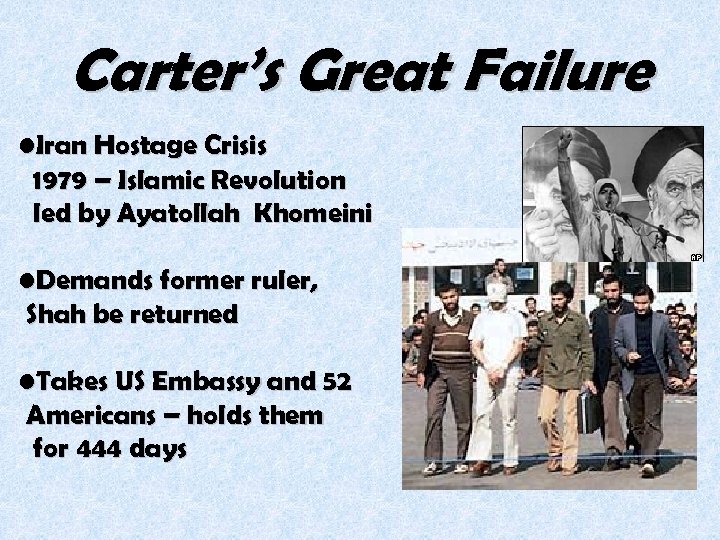 Carter’s Great Failure • Iran Hostage Crisis 1979 – Islamic Revolution led by Ayatollah Khomeini • Demands former ruler, Shah be returned • Takes US Embassy and 52 Americans – holds them for 444 days
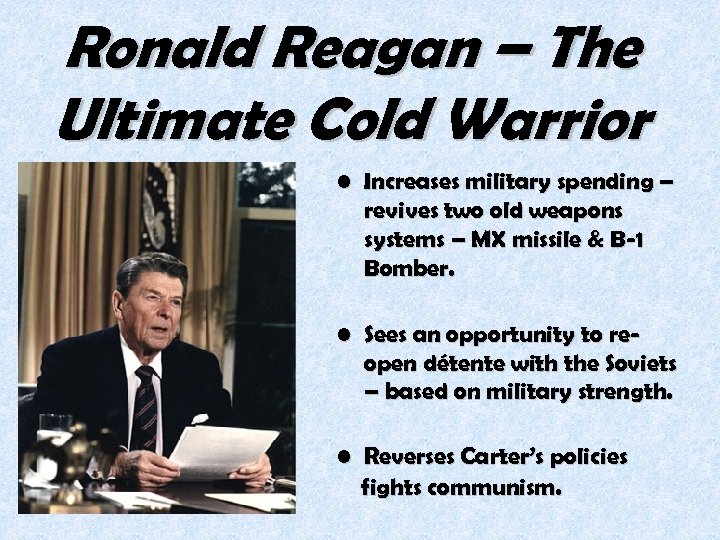 Ronald Reagan – The Ultimate Cold Warrior • Increases military spending – revives two old weapons systems – MX missile & B-1 Bomber. • Sees an opportunity to reopen détente with the Soviets – based on military strength. • Reverses Carter’s policies fights communism.
 Cold War in Central America • Nicaraguan Sandinistas - Communists according to Reagan, overthrow US backed government. - Contras – based in Honduras, resist Sandinistas with US aid • Granada – Reagan sends troops to stop a Cuba friendly gov’t. from taking over & protect US Medical students there.
 Reagan’s Detente • Convinces Europe not to help build Soviet pipeline – would have enabled Soviets to fund their expansion. • “Outspends” the Soviets – Their economy collapses • Strategic Defense Initiative – (Star Wars) A missile System to destroy incoming ICBM’s • INF (Intermediate Range Nuclear Forces) Treaty – Drops 2 types of nuclear weapons from the arsenals of US & Soviet Union – Allows inspections!
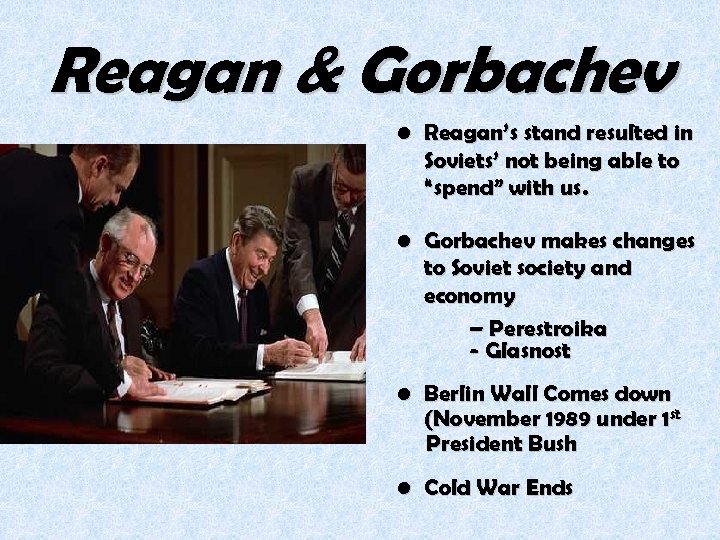 Reagan & Gorbachev • Reagan’s stand resulted in Soviets’ not being able to “spend” with us. • Gorbachev makes changes to Soviet society and economy – Perestroika - Glasnost • Berlin Wall Comes down (November 1989 under 1 st President Bush • Cold War Ends