 Скачать презентацию Cognition and its applicability to Artificial Intelligence Robotics
d874344e619c1652a6d25e61e6d18d85.ppt
- Количество слайдов: 25



Cognition and its applicability to Artificial Intelligence, Robotics and Automation Team 2 S S S Maria Azua Dwight Bygrave Jonathan Leet Rick Rodin Evgeni Sadovski February 16, 2010
What is the Problem? S Economic pressures are demanding more automation and efficient systems S Massive amount of data and escalating regulatory compliance laws are requiring more intelligent systems that can – S Understand highly contextual information S Adjust behavior to context S Can handle ambiguous situations S Handle imprecise or implicit information S Cloud computing is commoditizing compute power. New low cost compute power is enabling “electronic reasoning” unaffordable a couple of years ago.
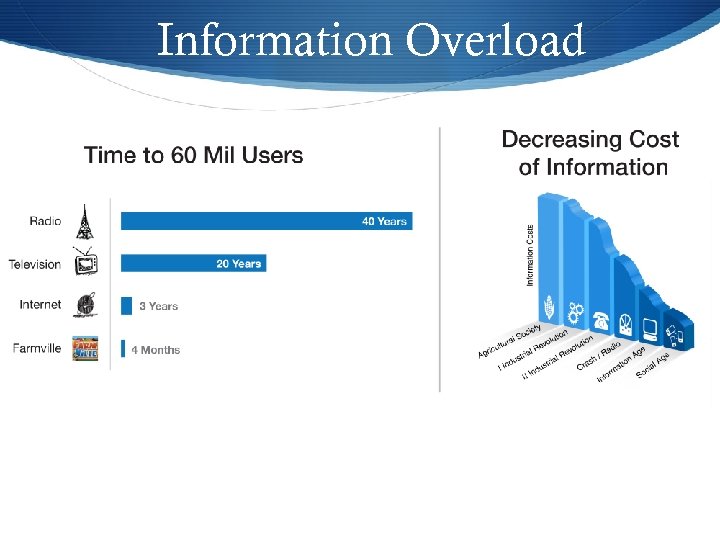
Information Overload
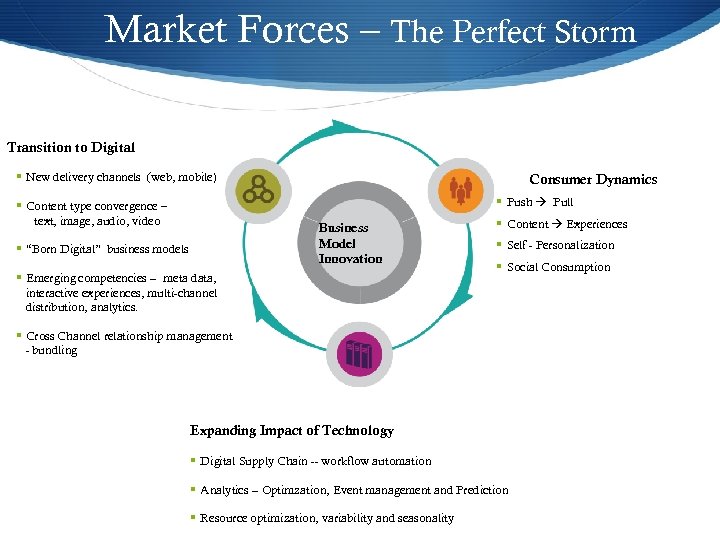
Market Forces – The Perfect Storm Transition to Digital § New delivery channels (web, mobile) Consumer Dynamics § Push Pull § Content type convergence – text, image, audio, video Business Model Innovation § “Born Digital” business models § Emerging competencies -- meta data, interactive experiences, multi-channel distribution, analytics. § Content Experiences § Self - Personalization § Social Consumption § Cross Channel relationship management - bundling Expanding Impact of Technology § Digital Supply Chain -- workflow automation § Analytics -- Optimzation, Event management and Prediction § Resource optimization, variability and seasonality
What is Cognition? S The Oxford dictionary defines cognition as knowing or perceiving S Cognition in Artificial intelligence – Extends the concept as an interdisciplinary study of the general principles of intelligence through a synthetic methodology termed learning by understanding[1]. 1. Rolf Pheiger, C. S. , Understanding Intelligence. 1999, Cambridge, MA: MIT Press. 720.
What is a Cognitive Agent? Cognitive Agents – They not just learn by trial and error…but they understand set goals by inferring relationships using many data sources with minimum human intervention. They utilize: S Uses cases S Taxonomy and relationship rules that enable sensitivity of highly contextual context and situations S Artificial Neural Networks to evaluate outcomes S Electronic reasoning simulation which consist of three key components: [2] 1. 2. 3. problem solving (planning); Comprehension (story associated with the understanding) Learning (remembering the outcome of use case) 2. Cox, M. T. , Perpetual Self-Aware Cognitive Agents, in Intelligent Distributed Computing. 2007, American
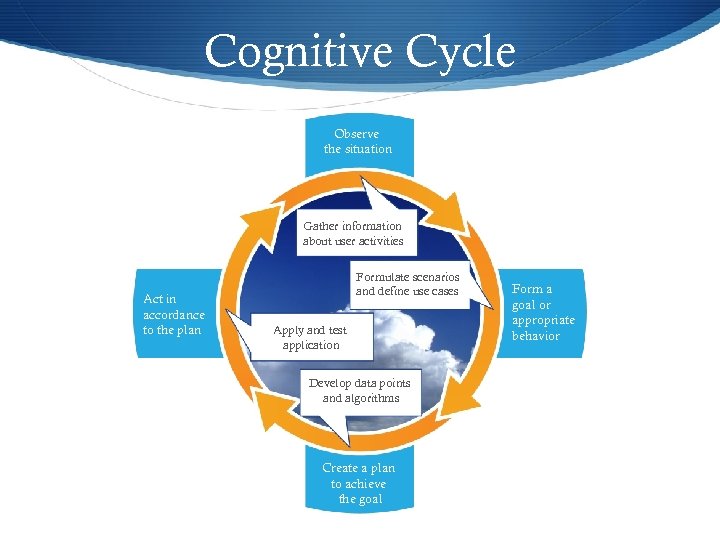
Cognitive Cycle Observe the situation Gather information about user activities Act in accordance to the plan Formulate scenarios and define use cases Apply and test application Develop data points and algorithms Create a plan to achieve the goal Form a goal or appropriate behavior
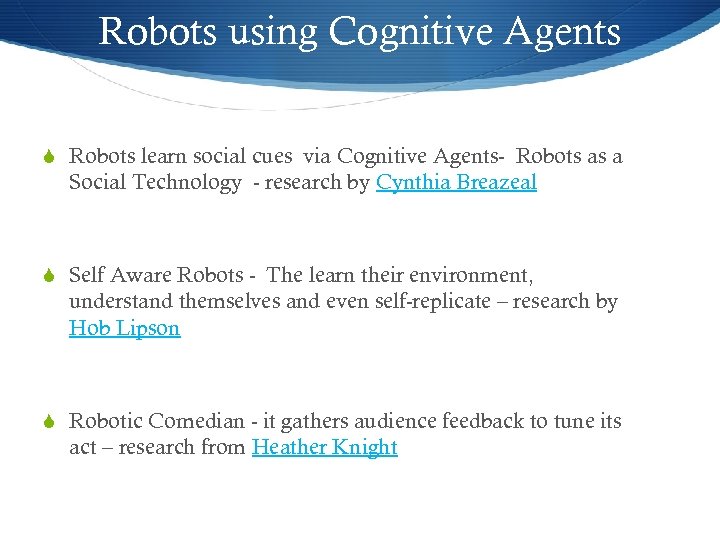
Robots using Cognitive Agents S Robots learn social cues via Cognitive Agents- Robots as a Social Technology - research by Cynthia Breazeal S Self Aware Robots - The learn their environment, understand themselves and even self-replicate – research by Hob Lipson S Robotic Comedian - it gathers audience feedback to tune its act – research from Heather Knight
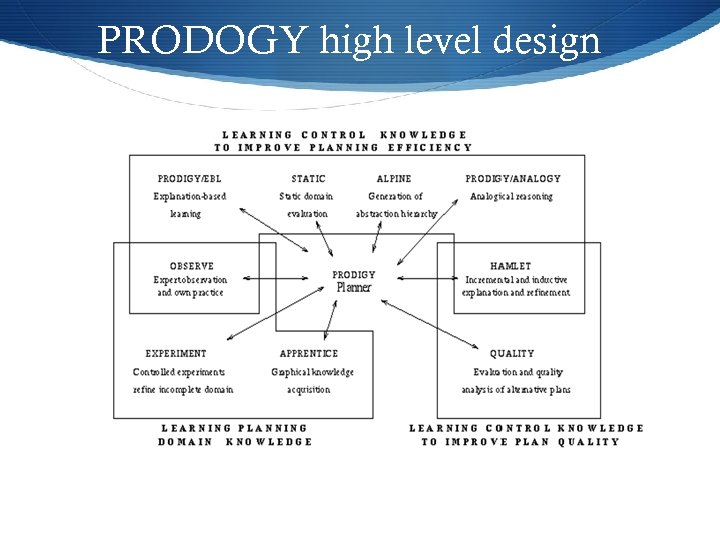
PRODOGY high level design
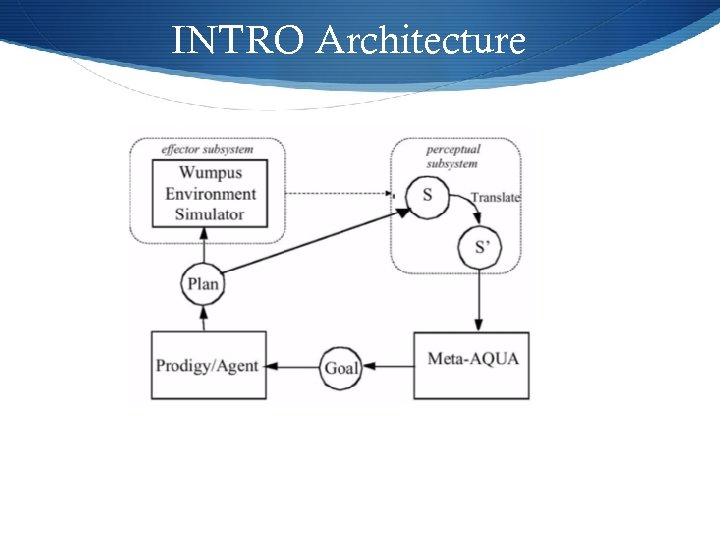
INTRO Architecture
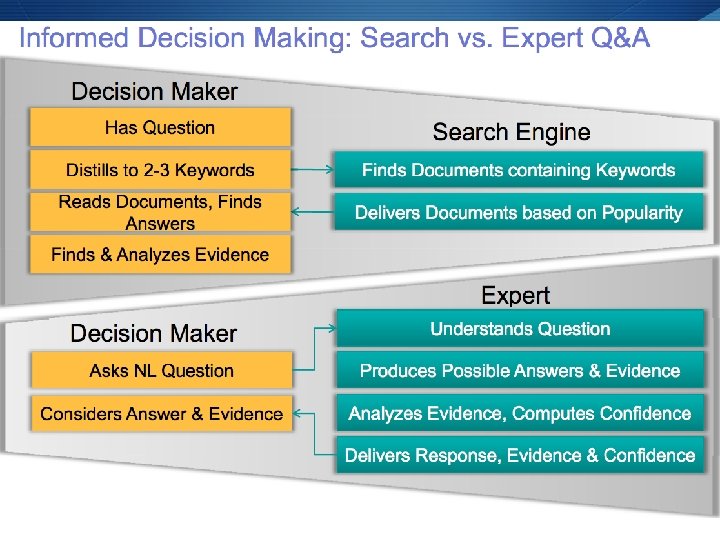
Context Awareness
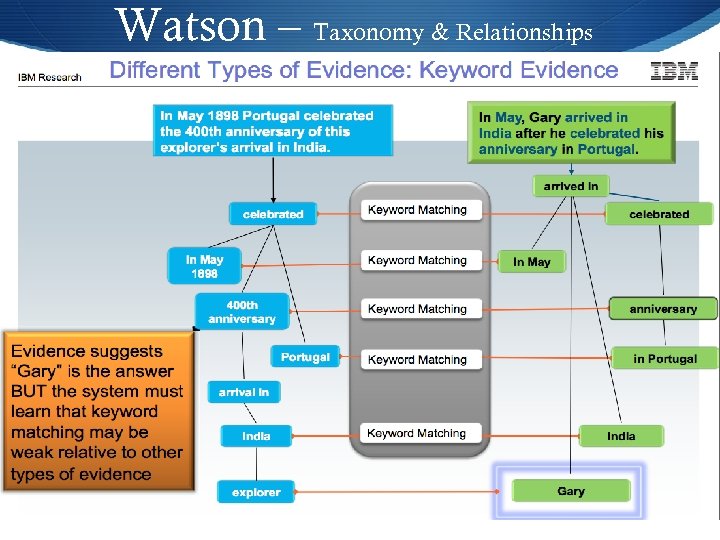
Watson – Taxonomy & Relationships
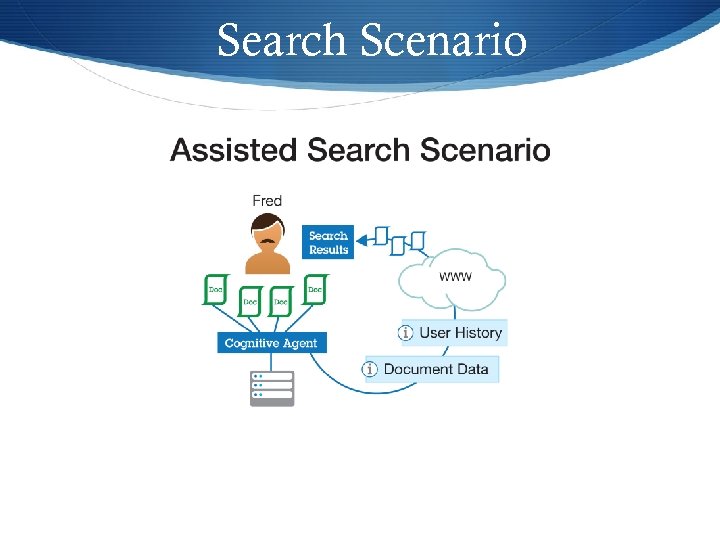
Search Scenario
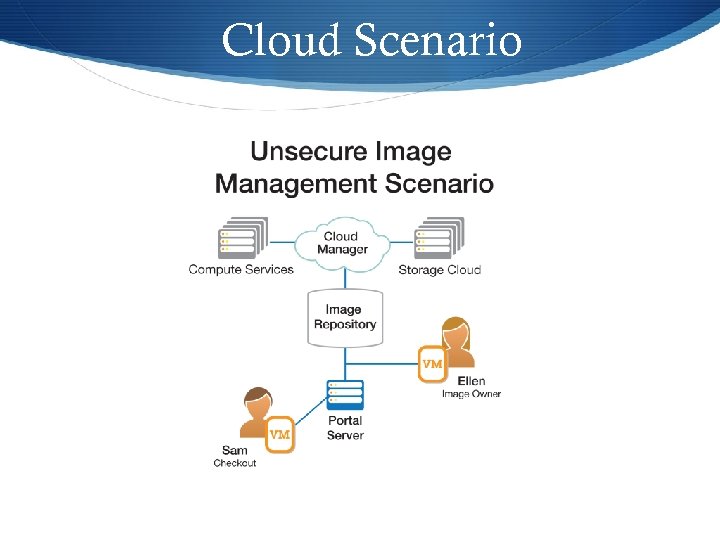
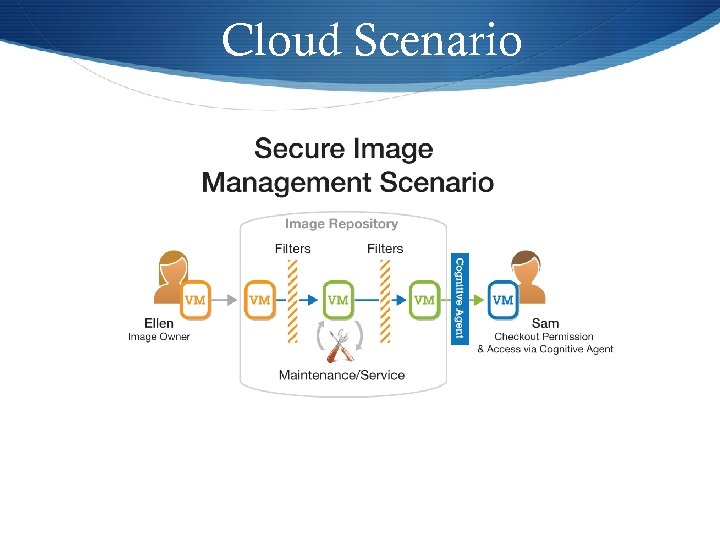
Cloud Scenario
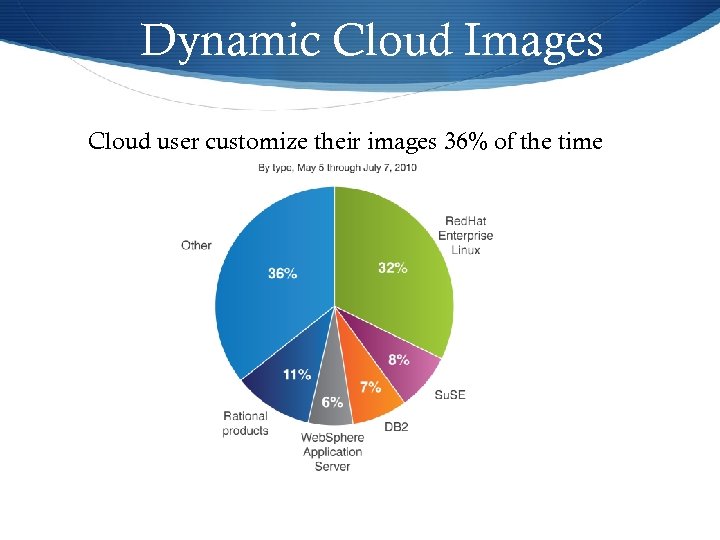
Dynamic Cloud Images Cloud user customize their images 36% of the time
Cloud Scenario
Cloud Adoption is Limited by Trust
Social Networks Could be used to Augment Cognition
Compliance Scenario
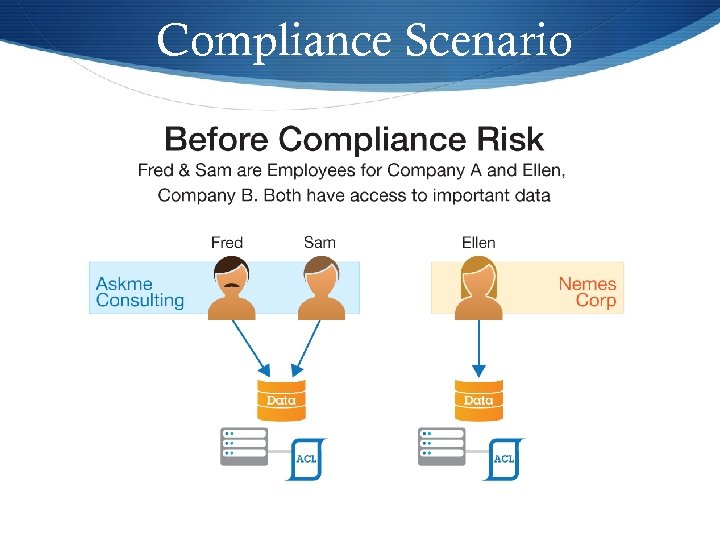
Compliance Scenario
Compliance Scenario
Mobile Scenario
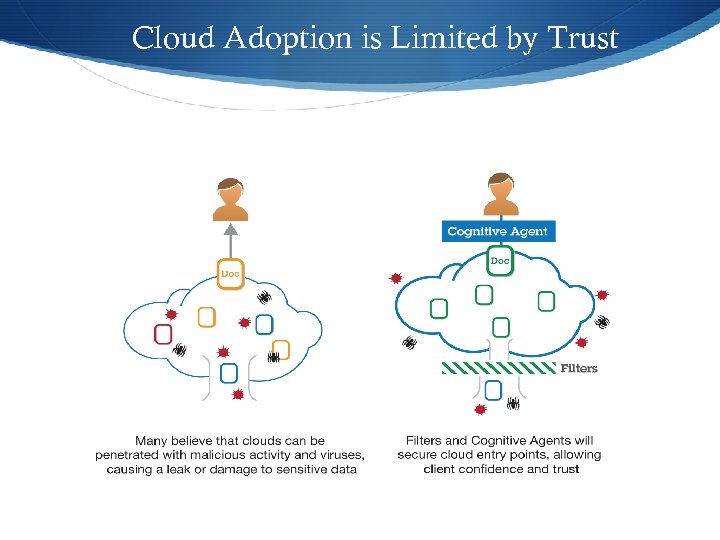
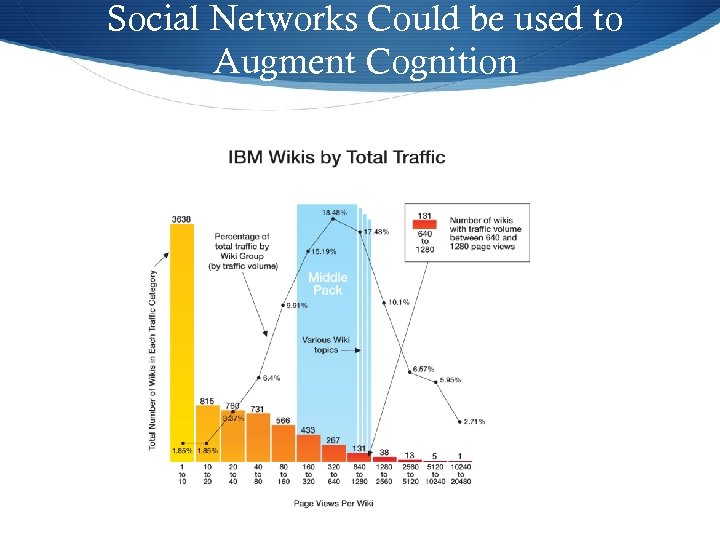
Conclusion S Enterprises embrace cloud computing design patterns for solving problems that they otherwise would shy away from due to infrastructure constraints. S Applying cognitive agent research and principles to existing distributed businesses, real-world automation can be enabled. S Social software should be embraces not only as an enabler of collaboration but as the source of implicit and explicit connections. Being able to mine and understand these connections will result in smarter systems. S Finally, one area of concern is employee privacy. If taken too far cognitive agents could potentially appear “big brother” in nature.
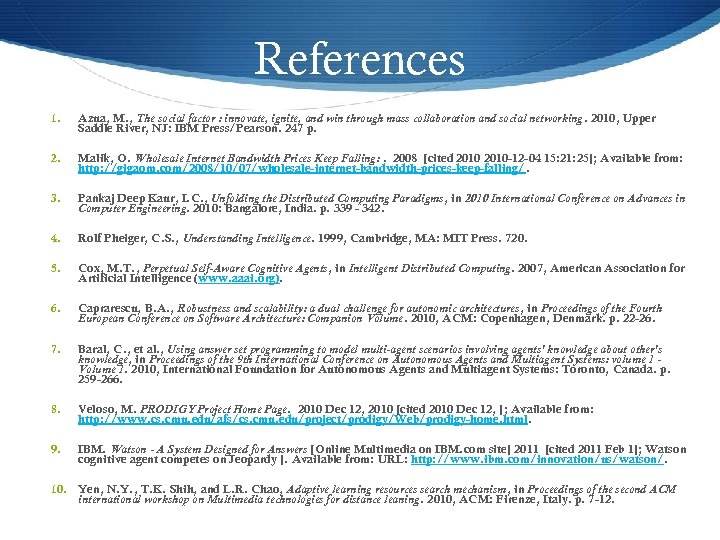
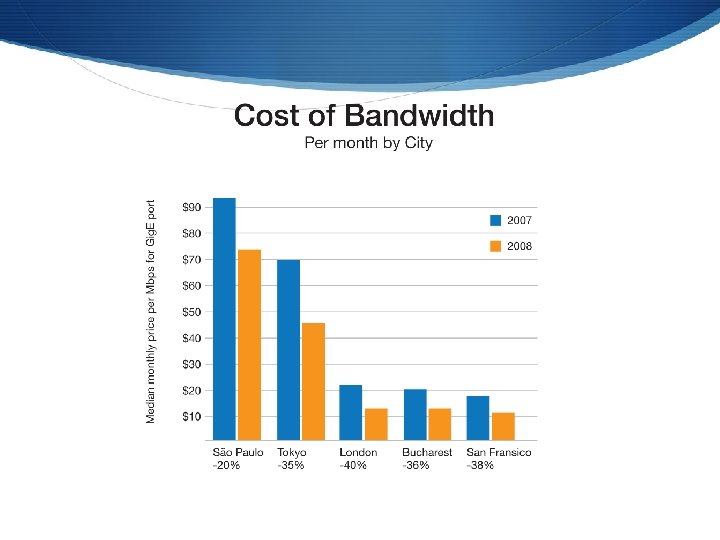
References 1. Azua, M. , The social factor : innovate, ignite, and win through mass collaboration and social networking. 2010, Upper Saddle River, NJ: IBM Press/Pearson. 247 p. 2. Malik, O. Wholesale Internet Bandwidth Prices Keep Falling: . 2008 [cited 2010 -12 -04 15: 21: 25]; Available from: http: //gigaom. com/2008/10/07/wholesale-internet-bandwidth-prices-keep-falling/. 3. Pankaj Deep Kaur, I. C. , Unfolding the Distributed Computing Paradigms, in 2010 International Conference on Advances in Computer Engineering. 2010: Bangalore, India. p. 339 - 342. 4. Rolf Pheiger, C. S. , Understanding Intelligence. 1999, Cambridge, MA: MIT Press. 720. 5. Cox, M. T. , Perpetual Self-Aware Cognitive Agents, in Intelligent Distributed Computing. 2007, American Association for Artificial Intelligence (www. aaai. org). 6. Caprarescu, B. A. , Robustness and scalability: a dual challenge for autonomic architectures, in Proceedings of the Fourth European Conference on Software Architecture: Companion Volume. 2010, ACM: Copenhagen, Denmark. p. 22 -26. 7. Baral, C. , et al. , Using answer set programming to model multi-agent scenarios involving agents' knowledge about other's knowledge, in Proceedings of the 9 th International Conference on Autonomous Agents and Multiagent Systems: volume 1 Volume 1. 2010, International Foundation for Autonomous Agents and Multiagent Systems: Toronto, Canada. p. 259 -266. 8. Veloso, M. PRODIGY Project Home Page. 2010 Dec 12, 2010 [cited 2010 Dec 12, ]; Available from: http: //www. cs. cmu. edu/afs/cs. cmu. edu/project/prodigy/Web/prodigy-home. html. 9. IBM. Watson - A System Designed for Answers [Online Multimedia on IBM. com site] 2011 [cited 2011 Feb 1]; Watson cognitive agent competes on Jeopardy ]. Available from: URL: http: //www. ibm. com/innovation/us/watson/. 10. Yen, N. Y. , T. K. Shih, and L. R. Chao, Adaptive learning resources search mechanism, in Proceedings of the second ACM international workshop on Multimedia technologies for distance leaning. 2010, ACM: Firenze, Italy. p. 7 -12.
Скачать презентацию Cognition and its applicability to Artificial Intelligence Robotics
d874344e619c1652a6d25e61e6d18d85.ppt