

Clinical Case Conference HPI 17 year old female



 Скачать презентацию Clinical Case Conference HPI 17 year old female
26476-wilsons_disease.ppt
- Количество слайдов: 45
Clinical Case Conference
HPI 17 year old female presents with a 6 day history of increasing fatigue and diffuse abdominal pain Dark colored urine, icteric sclera and recent onsent of pruritis Denies fever, emesis, diarrhea and chills.
PMHx Epilepsy (GTC) since 8 years old Medications: Zonisamide, Trileptal Allergies: Tegretol (rash) Family Hx Non-contributory Social Hx Increasingly poor school performance Denies sexual activity, alcohol and drugs
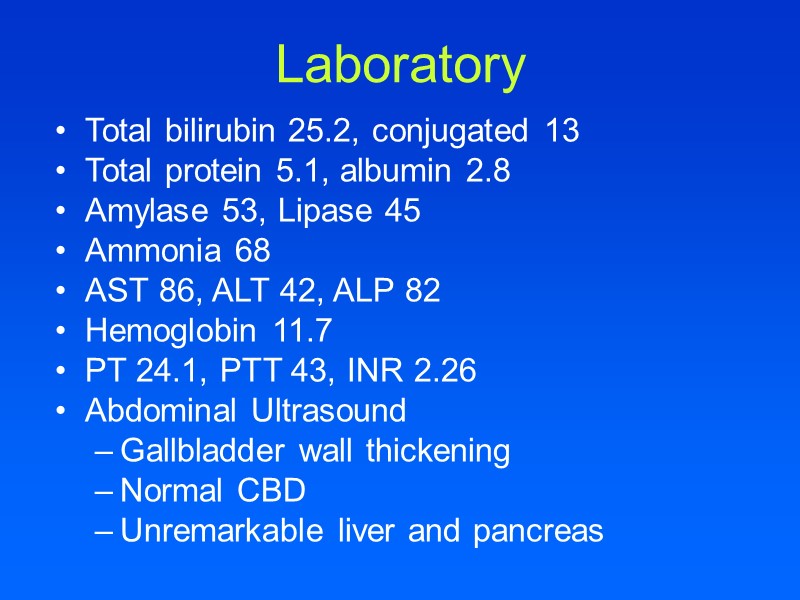
Laboratory Total bilirubin 25.2, conjugated 13 Total protein 5.1, albumin 2.8 Amylase 53, Lipase 45 Ammonia 68 AST 86, ALT 42, ALP 82 Hemoglobin 11.7 PT 24.1, PTT 43, INR 2.26 Abdominal Ultrasound Gallbladder wall thickening Normal CBD Unremarkable liver and pancreas
Physical Exam General: tired, easily aroused HEENT: PERRLA, NCAT, icteric sclera CV: I/VI SEM at LSB, no radiation Resp: CTA bilaterally Abdomen: soft, hepatomegaly 4 cm below rcm, no palpable spleen, NABS, no mass Derm: jaundice Neuro: answering questions appropriately
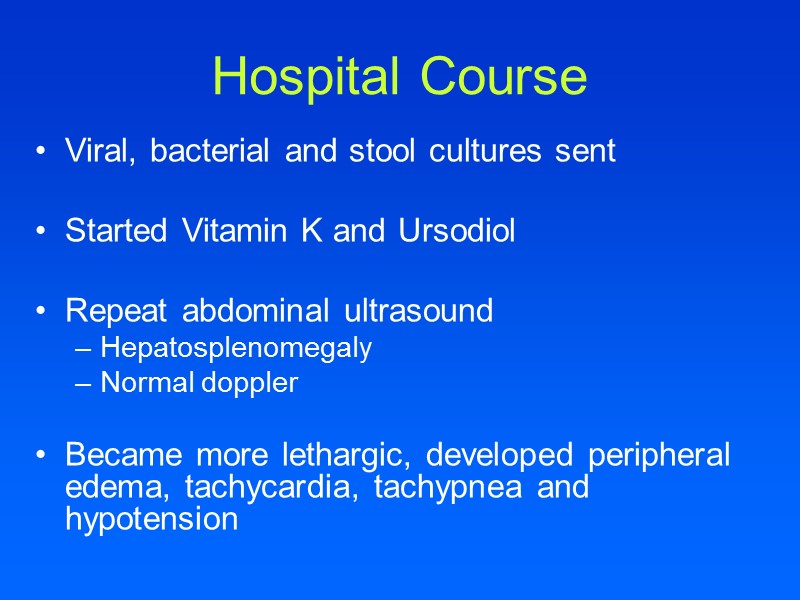
Viral, bacterial and stool cultures sent Started Vitamin K and Ursodiol Repeat abdominal ultrasound Hepatosplenomegaly Normal doppler Became more lethargic, developed peripheral edema, tachycardia, tachypnea and hypotension Hospital Course
DIFFERENTIAL DIAGNOSIS
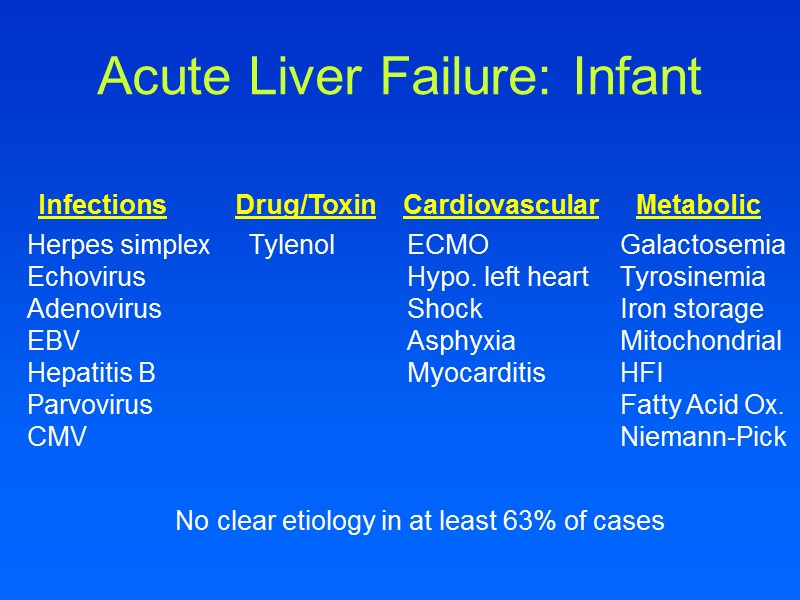
Acute Liver Failure: Infant Infections Drug/Toxin Cardiovascular Metabolic Herpes simplex Echovirus Adenovirus EBV Hepatitis B Parvovirus CMV ECMO Hypo. left heart Shock Asphyxia Myocarditis Galactosemia Tyrosinemia Iron storage Mitochondrial HFI Fatty Acid Ox. Niemann-Pick No clear etiology in at least 63% of cases Tylenol
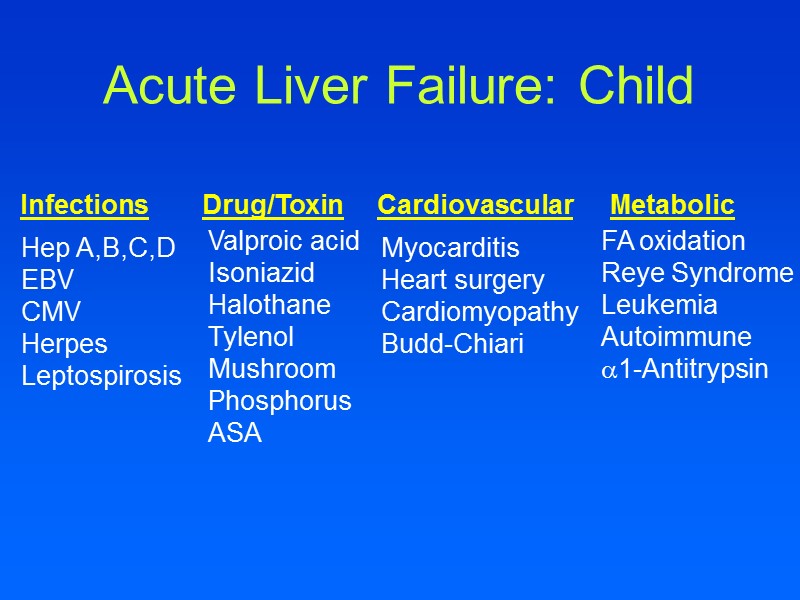
Acute Liver Failure: Child Infections Drug/Toxin Cardiovascular Metabolic Hep A,B,C,D EBV CMV Herpes Leptospirosis Valproic acid Isoniazid Halothane Tylenol Mushroom Phosphorus ASA Myocarditis Heart surgery Cardiomyopathy Budd-Chiari FA oxidation Reye Syndrome Leukemia Autoimmune a1-Antitrypsin
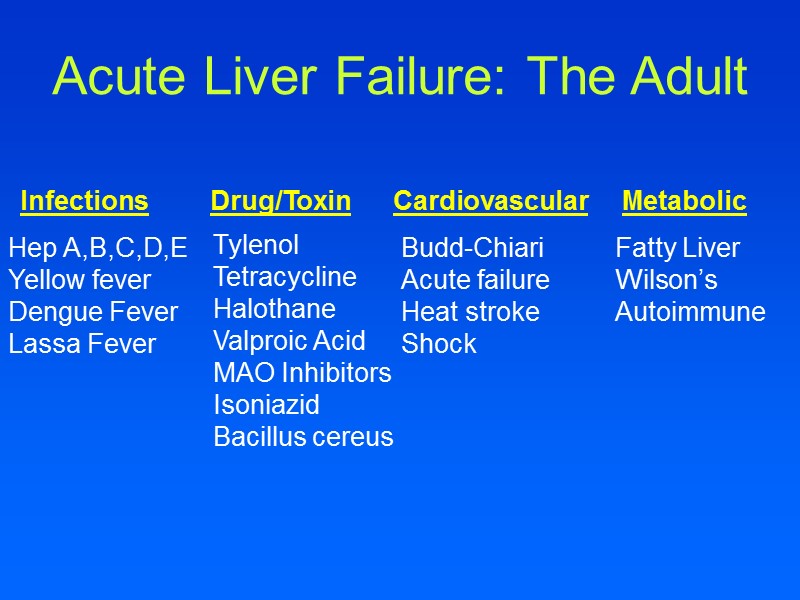
Acute Liver Failure: The Adult Infections Drug/Toxin Cardiovascular Metabolic Hep A,B,C,D,E Yellow fever Dengue Fever Lassa Fever Tylenol Tetracycline Halothane Valproic Acid MAO Inhibitors Isoniazid Bacillus cereus Budd-Chiari Acute failure Heat stroke Shock Fatty Liver Wilson’s Autoimmune
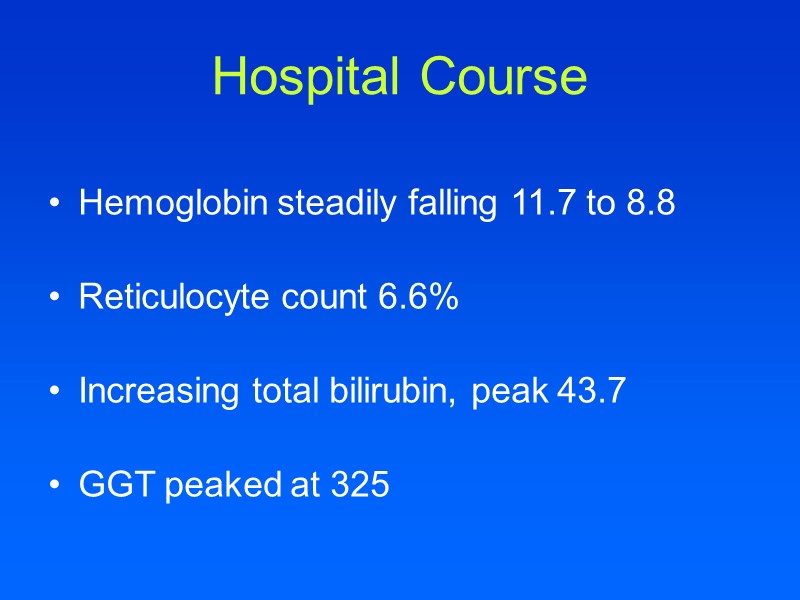
Hospital Course Hemoglobin steadily falling 11.7 to 8.8 Reticulocyte count 6.6% Increasing total bilirubin, peak 43.7 GGT peaked at 325
What would you do?
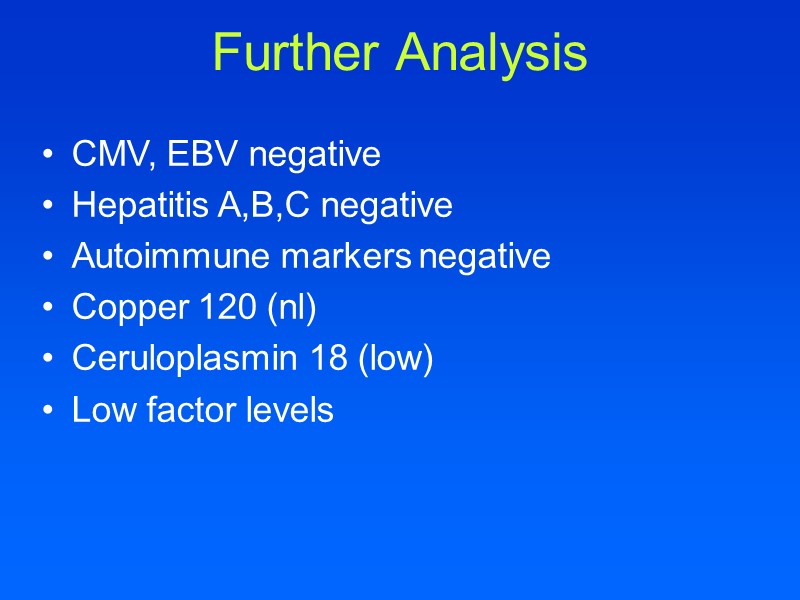
CMV, EBV negative Hepatitis A,B,C negative Autoimmune markers negative Copper 120 (nl) Ceruloplasmin 18 (low) Low factor levels Further Analysis
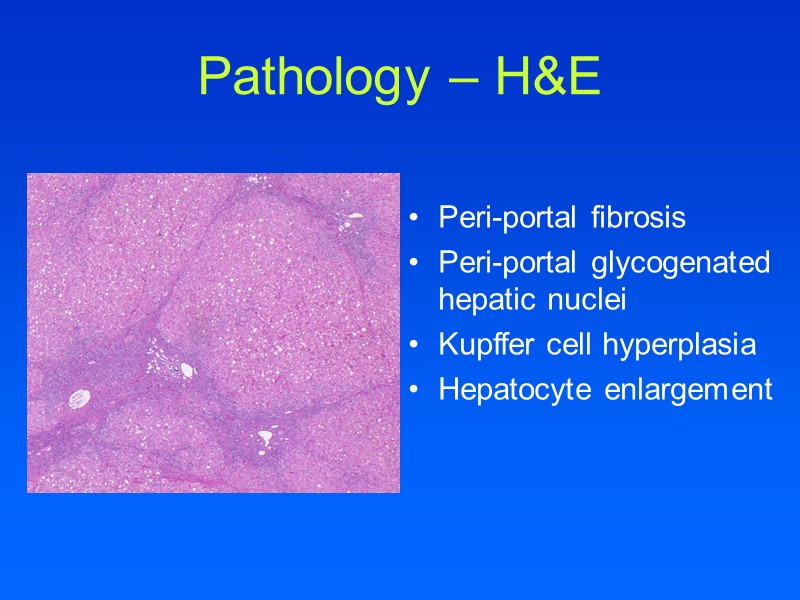
Pathology – H&E Peri-portal fibrosis Peri-portal glycogenated hepatic nuclei Kupffer cell hyperplasia Hepatocyte enlargement
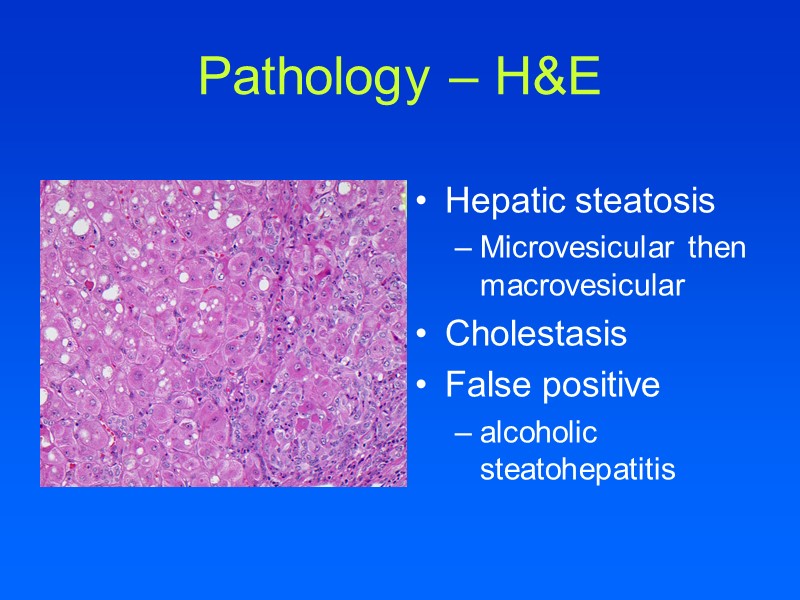
Pathology – H&E Hepatic steatosis Microvesicular then macrovesicular Cholestasis False positive alcoholic steatohepatitis
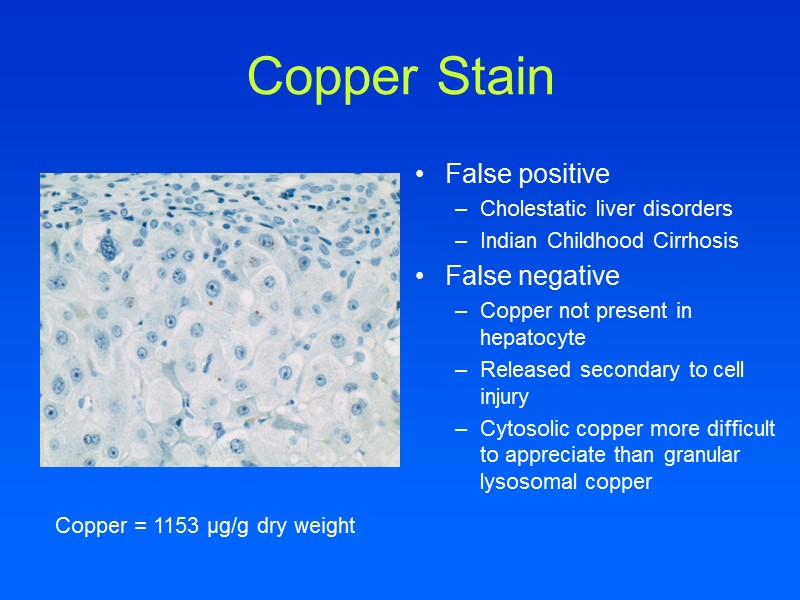
Copper Stain False positive Cholestatic liver disorders Indian Childhood Cirrhosis False negative Copper not present in hepatocyte Released secondary to cell injury Cytosolic copper more difficult to appreciate than granular lysosomal copper Copper = 1153 μg/g dry weight
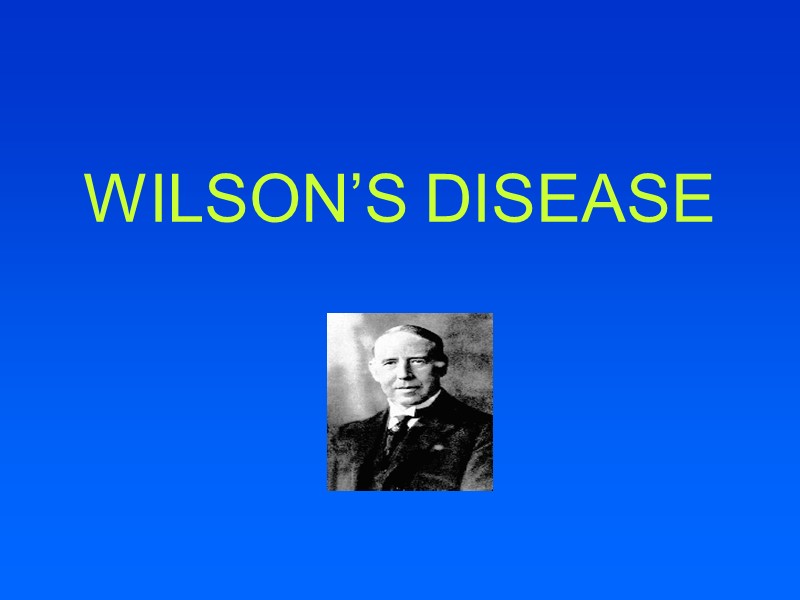
WILSON’S DISEASE
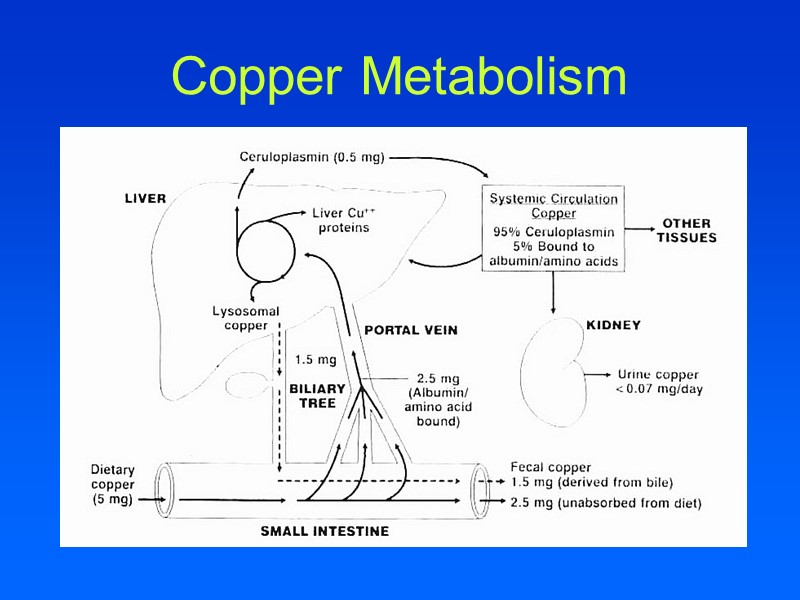
Copper Physiology Most abundant in unprocessed wheat, dried beans, peas, shellfish, chocolate, liver, kidney Impair copper absorption Zinc, cadmium, ascorbic acid Vegetarian diet Aid copper absorption Gastrointestinal secretions Absorbed copper is bound to the protein metallothionein or complexed to amino acids and transported into portal system
Copper Metabolism
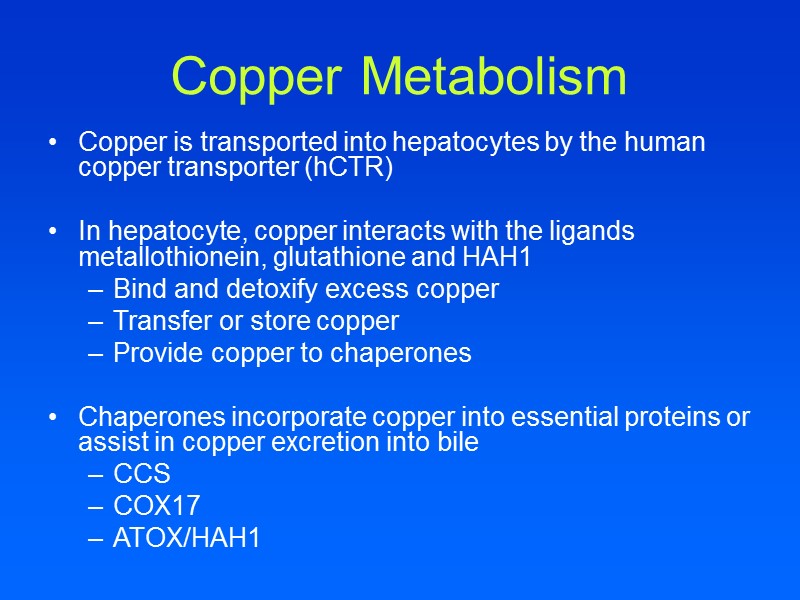
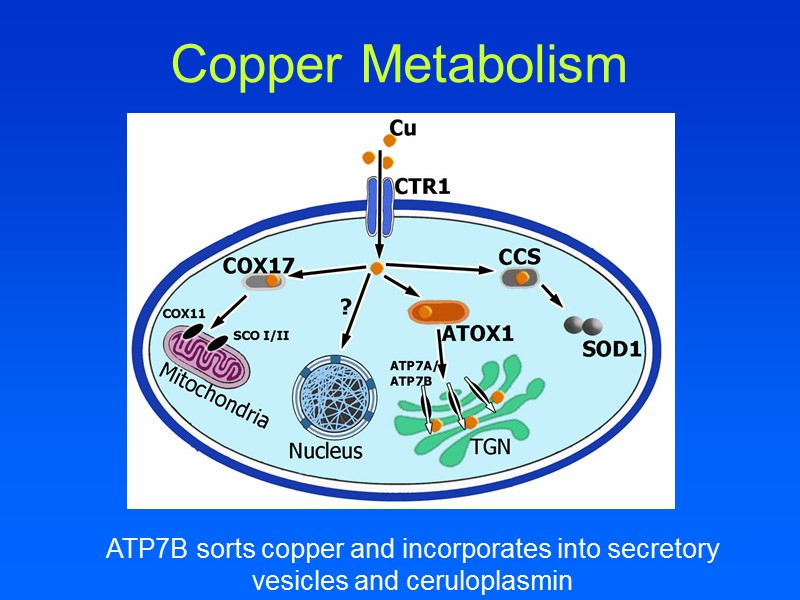
Copper Metabolism Copper is transported into hepatocytes by the human copper transporter (hCTR) In hepatocyte, copper interacts with the ligands metallothionein, glutathione and HAH1 Bind and detoxify excess copper Transfer or store copper Provide copper to chaperones Chaperones incorporate copper into essential proteins or assist in copper excretion into bile CCS COX17 ATOX/HAH1
Copper Metabolism ATP7B sorts copper and incorporates into secretory vesicles and ceruloplasmin
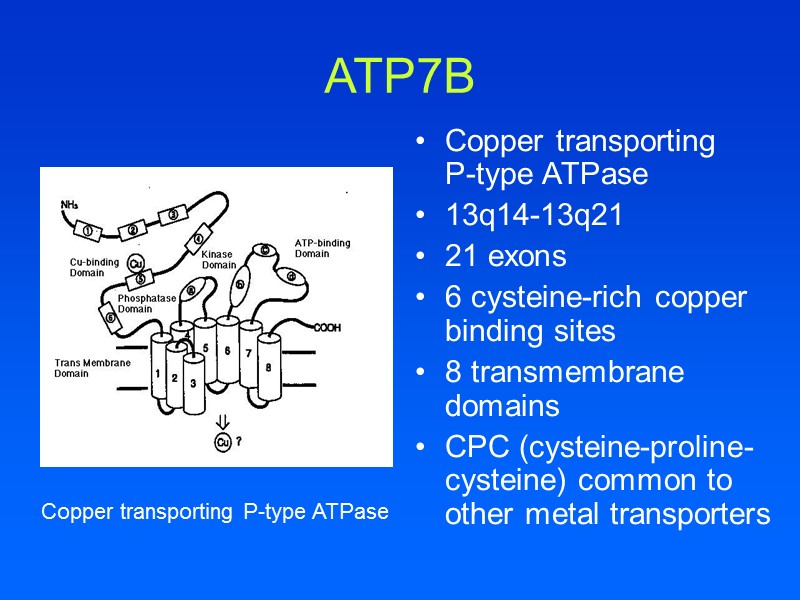
ATP7B Copper transporting P-type ATPase 13q14-13q21 21 exons 6 cysteine-rich copper binding sites 8 transmembrane domains CPC (cysteine-proline-cysteine) common to other metal transporters Copper transporting P-type ATPase
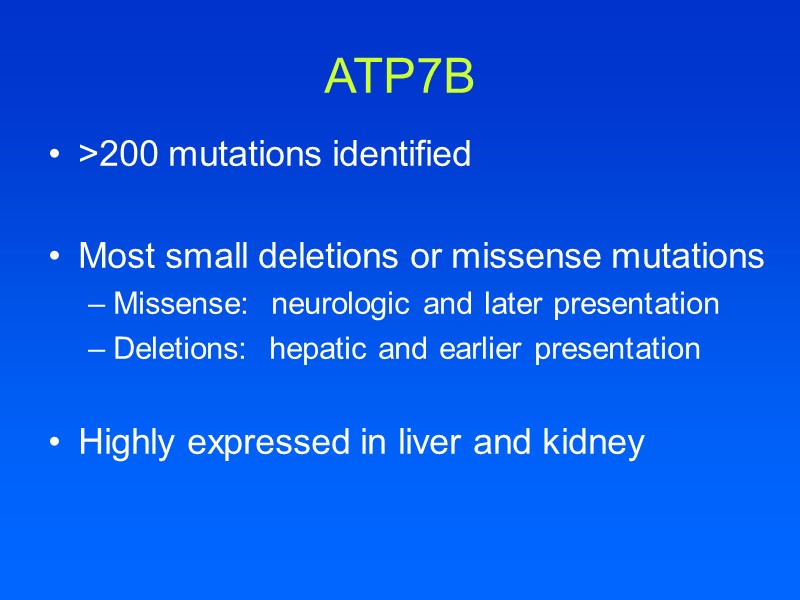
ATP7B >200 mutations identified Most small deletions or missense mutations Missense: neurologic and later presentation Deletions: hepatic and earlier presentation Highly expressed in liver and kidney
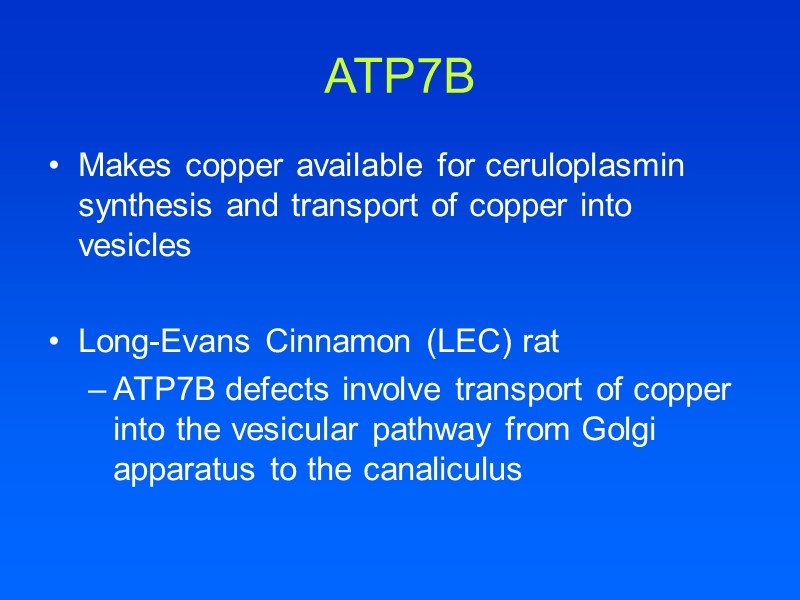
ATP7B Makes copper available for ceruloplasmin synthesis and transport of copper into vesicles Long-Evans Cinnamon (LEC) rat ATP7B defects involve transport of copper into the vesicular pathway from Golgi apparatus to the canaliculus
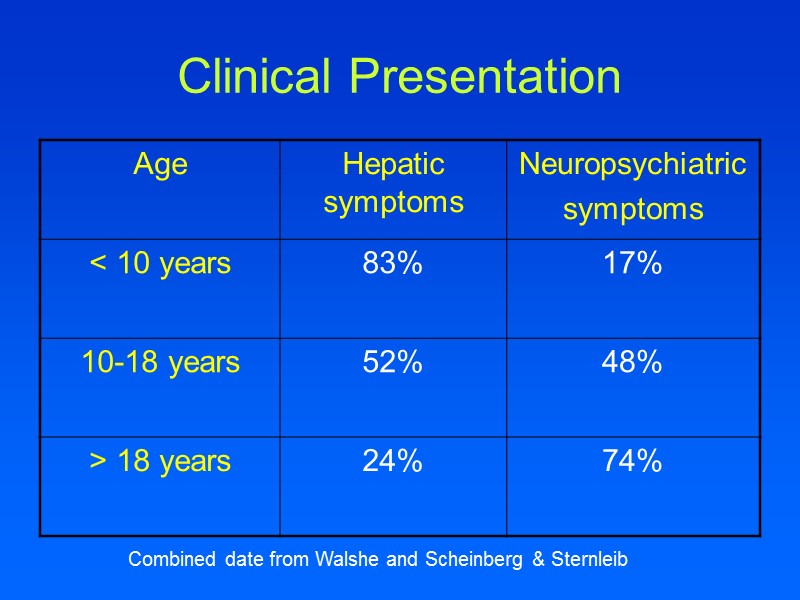
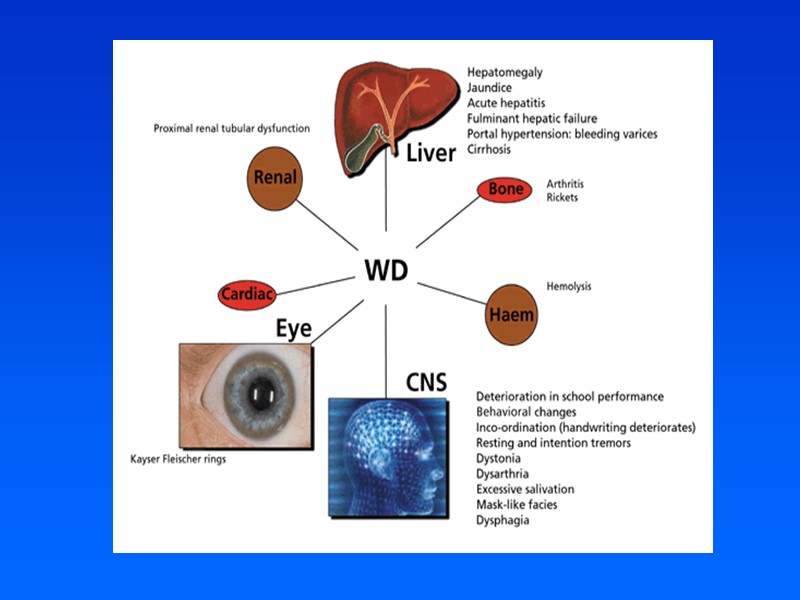
Clinical Presentation Combined date from Walshe and Scheinberg & Sternleib
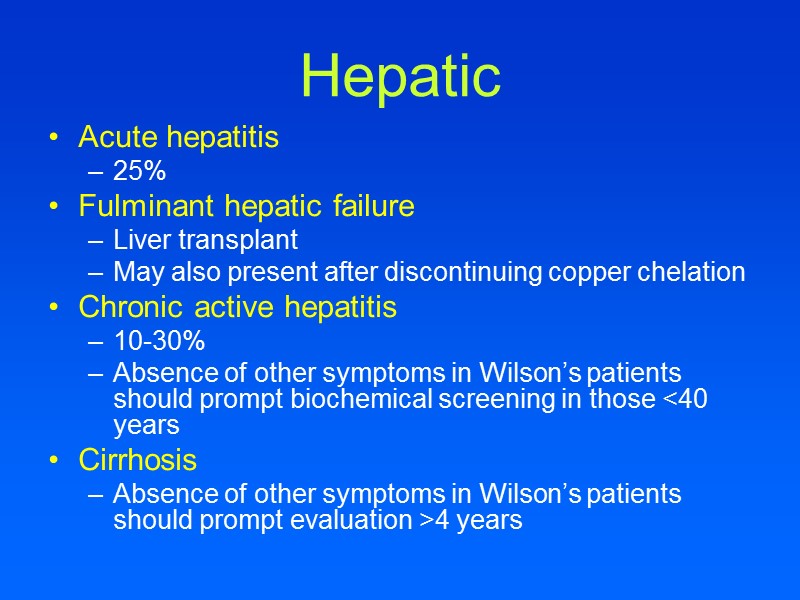
Hepatic Acute hepatitis 25% Fulminant hepatic failure Liver transplant May also present after discontinuing copper chelation Chronic active hepatitis 10-30% Absence of other symptoms in Wilson’s patients should prompt biochemical screening in those <40 years Cirrhosis Absence of other symptoms in Wilson’s patients should prompt evaluation >4 years
Laboratory Mildly elevated serum aminotransferase levels Low alkaline phosphatase Serum alkaline phosphatase to total bilirubin ratio ratio < 2
Neuropsychiatric 40-45% as presentation Most common 2nd to 3rd decades of life Extrapyramidal and cerebrellar dysfunction Migraine headaches Seizures Denning et al found 13 of 200 patients with Wilson’s disease had seizures Prevalence rate 6.2%, exceeding epilepsy frequency by tenfold Gait disturbances secondary to tremor and dystonia
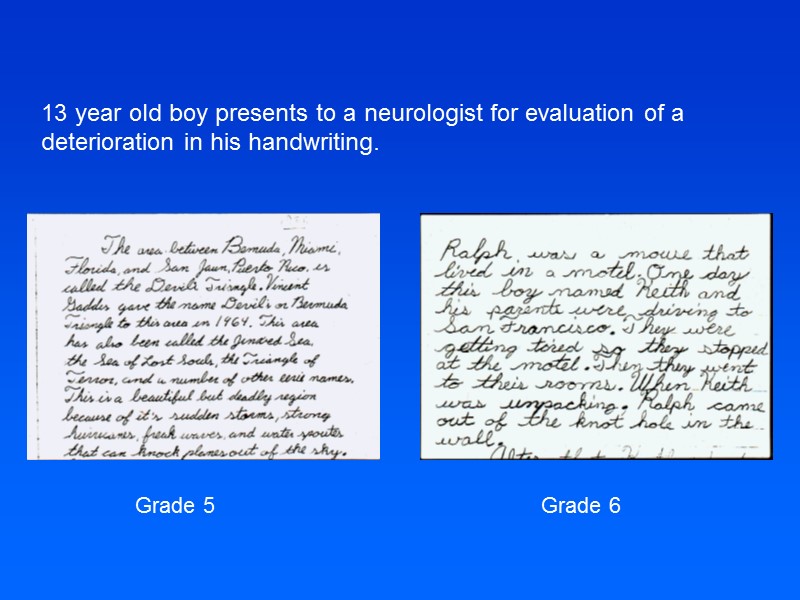
13 year old boy presents to a neurologist for evaluation of a deterioration in his handwriting. Grade 5 Grade 6
Imaging CT abnormalities 73% ventricular dilation 63% cortical atrophy 55% brainstem atrophy 45% hypodensity in basal ganglia 10% posterior fossa atrophy Williams and Walshe
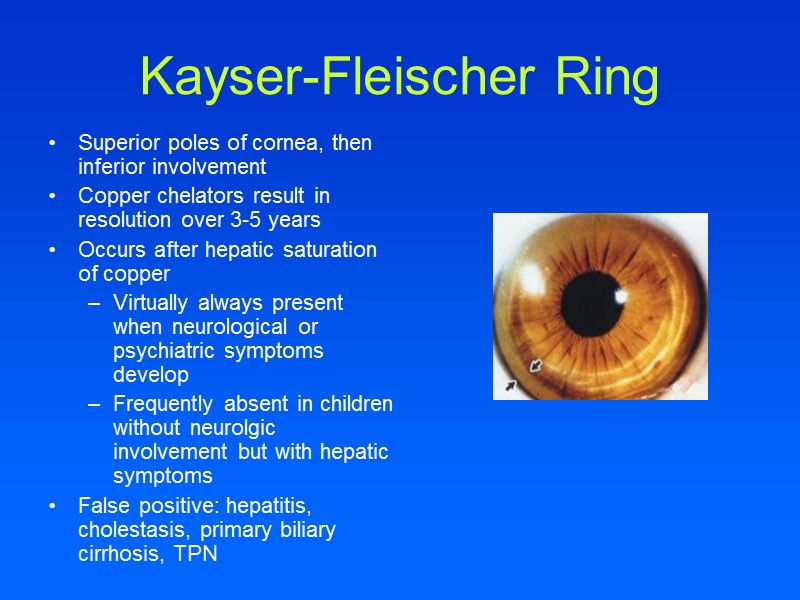
Kayser-Fleischer Ring Superior poles of cornea, then inferior involvement Copper chelators result in resolution over 3-5 years Occurs after hepatic saturation of copper Virtually always present when neurological or psychiatric symptoms develop Frequently absent in children without neurolgic involvement but with hepatic symptoms False positive: hepatitis, cholestasis, primary biliary cirrhosis, TPN
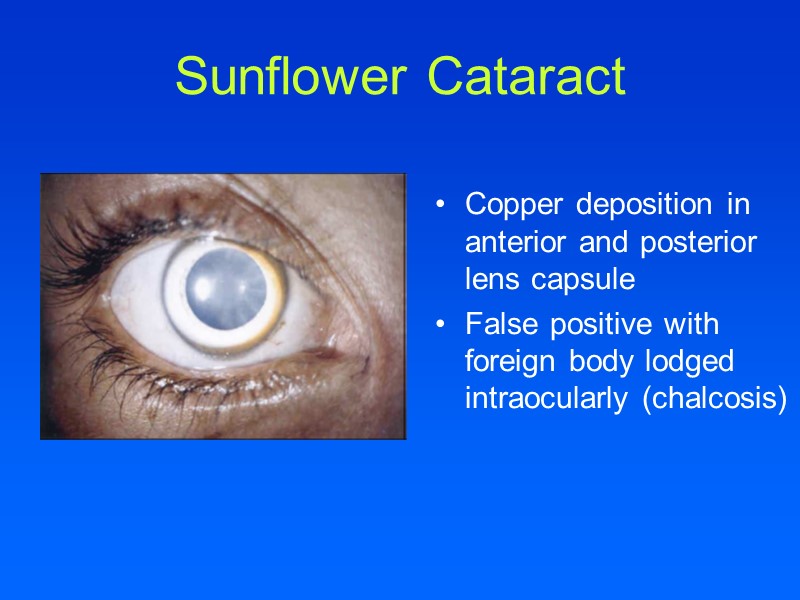
Sunflower Cataract Copper deposition in anterior and posterior lens capsule False positive with foreign body lodged intraocularly (chalcosis)
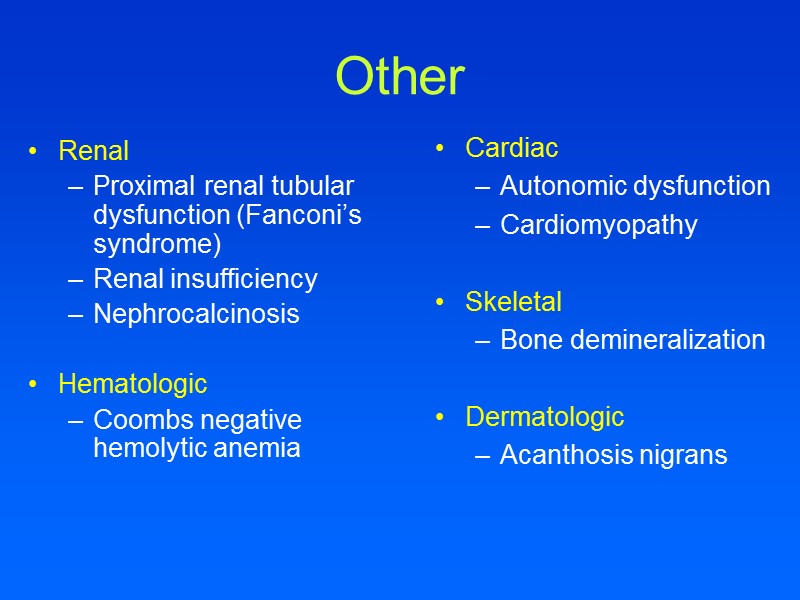
Other Renal Proximal renal tubular dysfunction (Fanconi’s syndrome) Renal insufficiency Nephrocalcinosis Hematologic Coombs negative hemolytic anemia Cardiac Autonomic dysfunction Cardiomyopathy Skeletal Bone demineralization Dermatologic Acanthosis nigrans
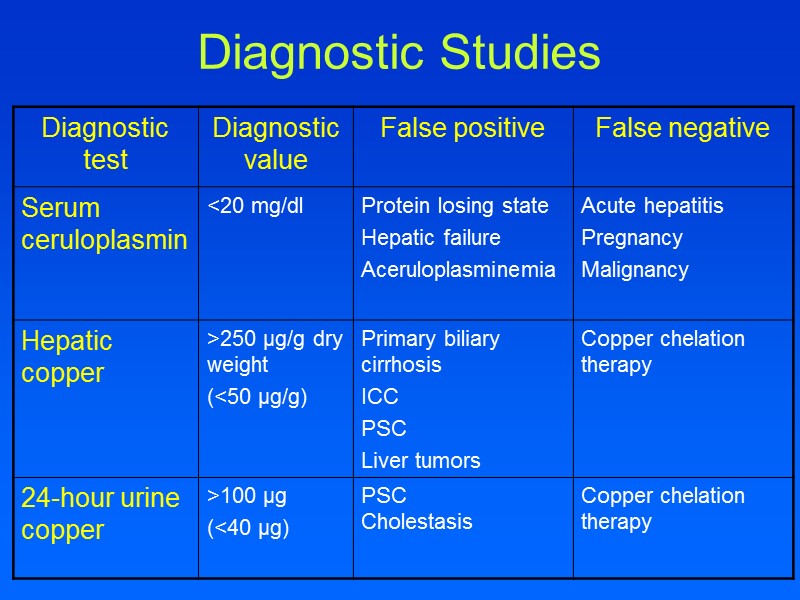
Diagnostic Studies
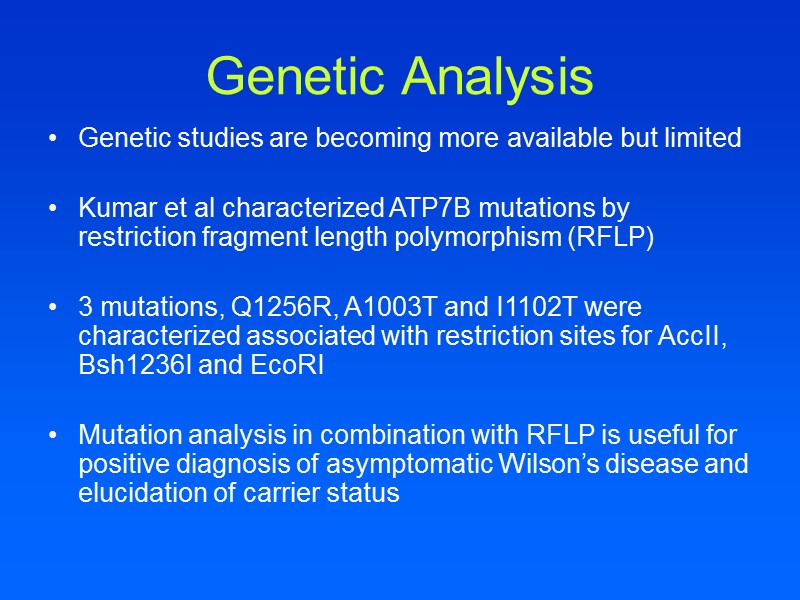
Genetic Analysis Genetic studies are becoming more available but limited Kumar et al characterized ATP7B mutations by restriction fragment length polymorphism (RFLP) 3 mutations, Q1256R, A1003T and I1102T were characterized associated with restriction sites for AccII, Bsh1236I and EcoRI Mutation analysis in combination with RFLP is useful for positive diagnosis of asymptomatic Wilson’s disease and elucidation of carrier status
Treatment Goals Reduce copper accumulation by Enhancing urinary excretion Decreasing intestinal absorption
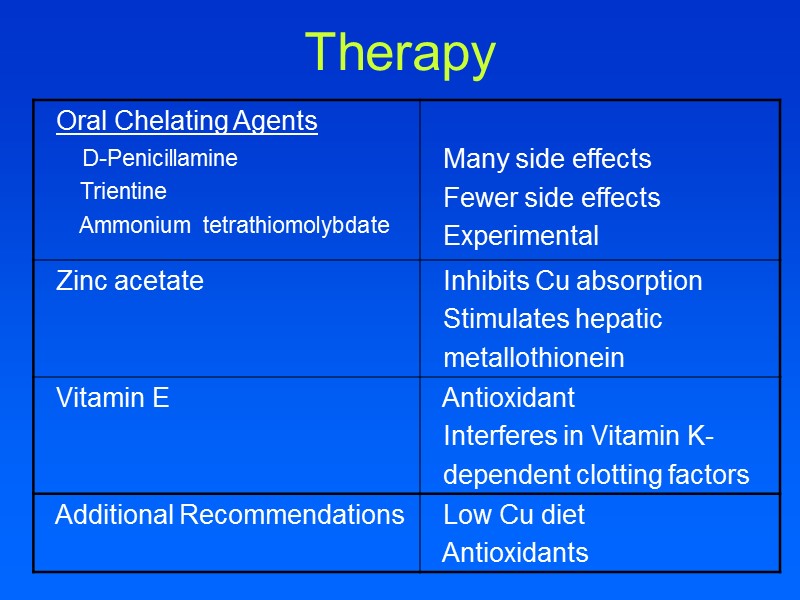
Therapy
Liver Transplant Life-saving Acute fulminant hepatic failure Decompensated cirrhosis with progressive end stage liver disease
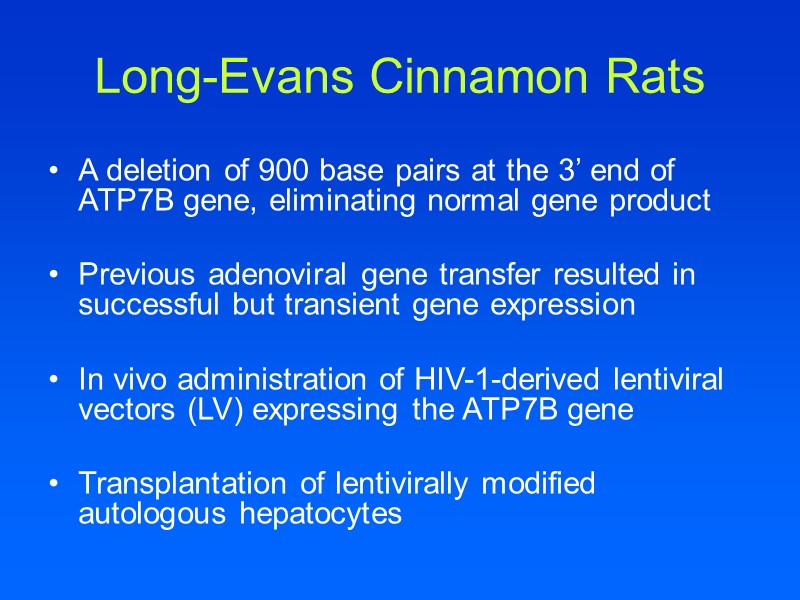
Long-Evans Cinnamon Rats A deletion of 900 base pairs at the 3’ end of ATP7B gene, eliminating normal gene product Previous adenoviral gene transfer resulted in successful but transient gene expression In vivo administration of HIV-1-derived lentiviral vectors (LV) expressing the ATP7B gene Transplantation of lentivirally modified autologous hepatocytes
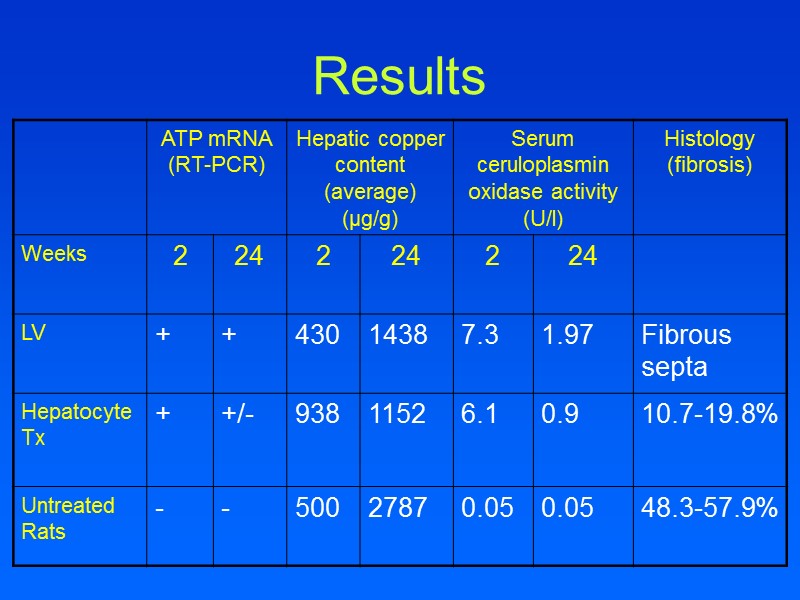
Results
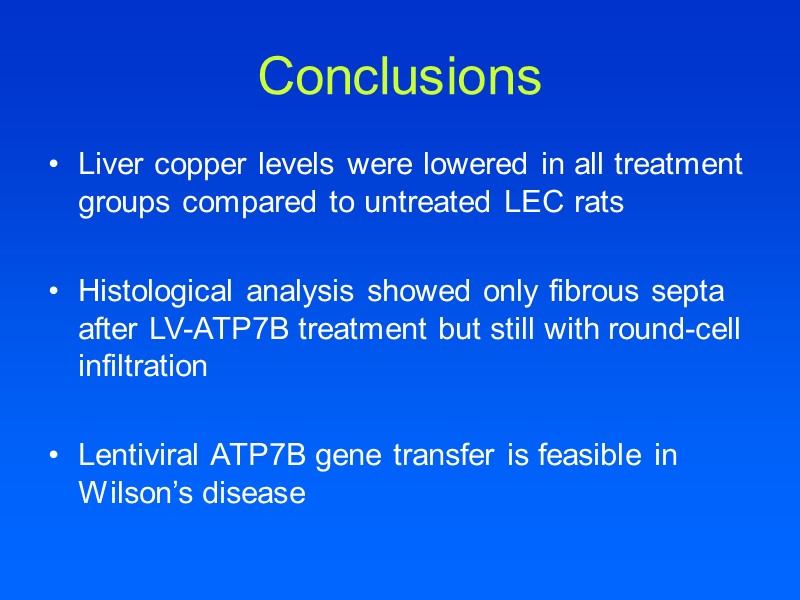
Conclusions Liver copper levels were lowered in all treatment groups compared to untreated LEC rats Histological analysis showed only fibrous septa after LV-ATP7B treatment but still with round-cell infiltration Lentiviral ATP7B gene transfer is feasible in Wilson’s disease
Wilson’s Disease Wilson disease is a disorder of copper transport resulting in copper deposition in multiple organs Clinical manifestations may be severe, but the disease is treatable if diagnosed early
Bibliography Kumar et al. Familial gene analysis for Wilson disease from north-west Indian patients. Annals of Human Biology, March-April 2006; 33(2): 177-186. Goyal and Tripathi. Sunflower Cataract in Wilson’s disease. J Neurol Neurosurg Psychiatry, July 2000; 69:133. Merle et al. Lentiviral gene transfer ameliorates disease progression in Long-Evans cinnamon rats: An animal model for Wilson disease. Scandinavian Journal of Gastroenterology, 2006; 41: 974-982. Suchy et al. Liver Disease in Children, 2nd Ed. Copper and Iron Storage Disorders. Jan 2001; 595-691. Walker et al. Pediatric Gastrointestinal Disease, 4th Ed. Acute Liver Failure. 2006. 1491-1507. http://www.ohsu.edu/biochem/lutsenko/chaperones.cfm