 Скачать презентацию CHRISTOPHER DYE Birth control death control and the
8ed2addf675a14ed6024a7446b809a7b.ppt
- Количество слайдов: 70



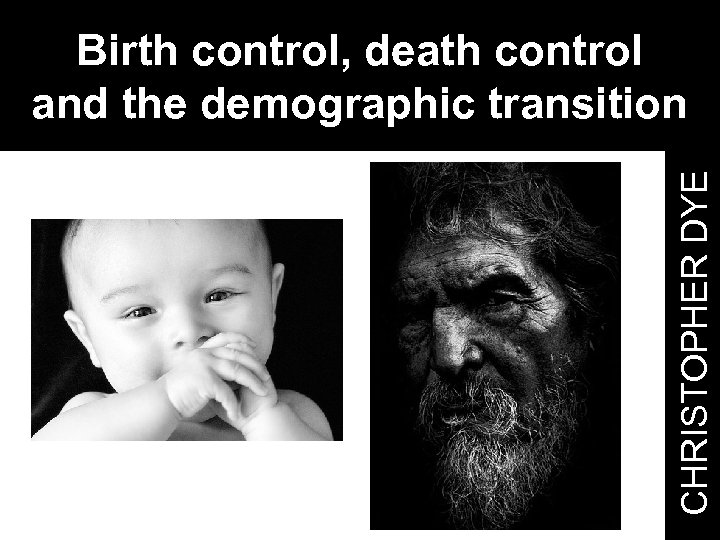
CHRISTOPHER DYE Birth control, death control and the demographic transition
We're getting older How did it happen? What are the consequences? What should we do? CHRISTOPHER DYE Birth control, death control and the demographic transition
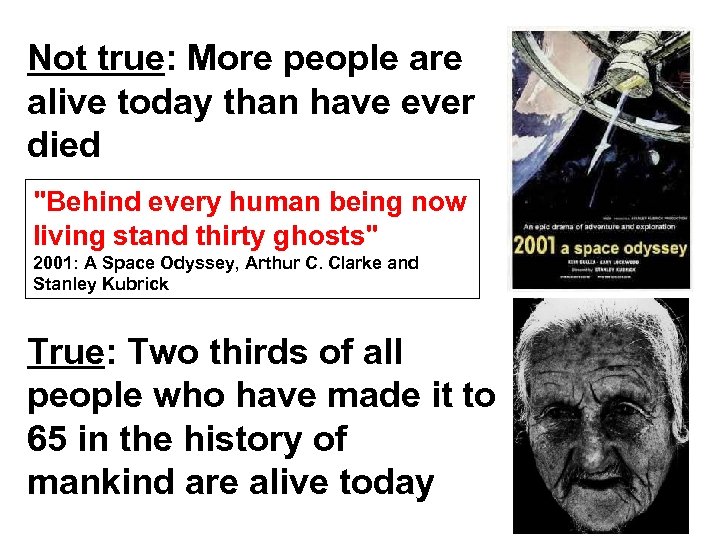
Not true: More people are alive today than have ever died "Behind every human being now living stand thirty ghosts" 2001: A Space Odyssey, Arthur C. Clarke and Stanley Kubrick True: Two thirds of all people who have made it to 65 in the history of mankind are alive today
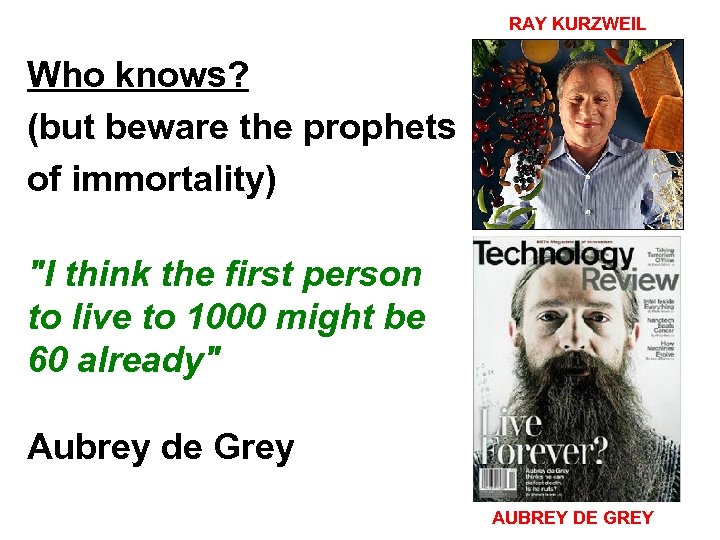
RAY KURZWEIL Who knows? (but beware the prophets of immortality) "I think the first person to live to 1000 might be 60 already" Aubrey de Grey AUBREY DE GREY
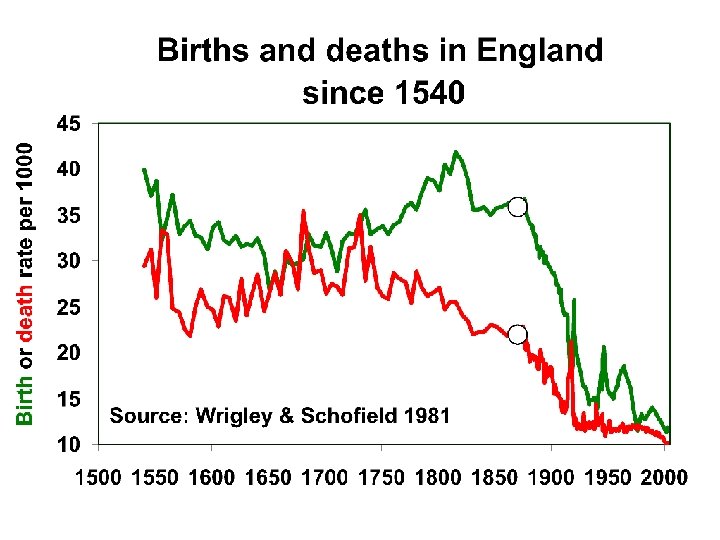
The demographic transition Europe since 1500
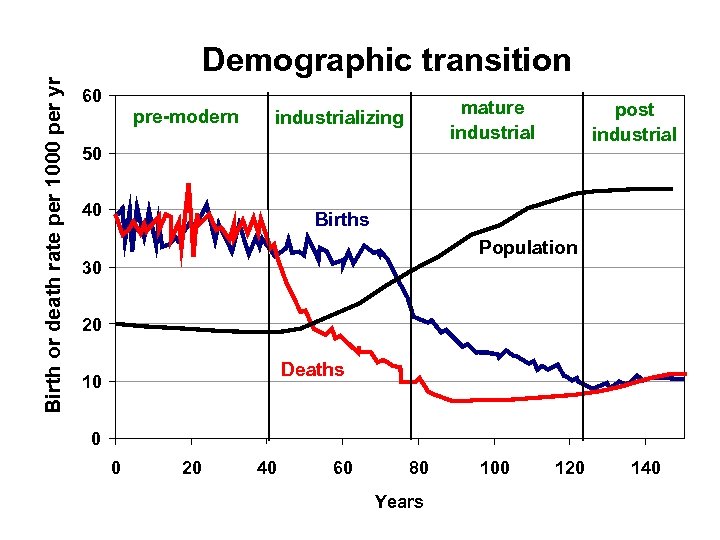
Birth or death rate per 1000 per yr Demographic transition 60 pre-modern mature industrializing post industrial 50 40 Births Population 30 20 Deaths 10 0 0 20 40 60 80 Years 100 120 140
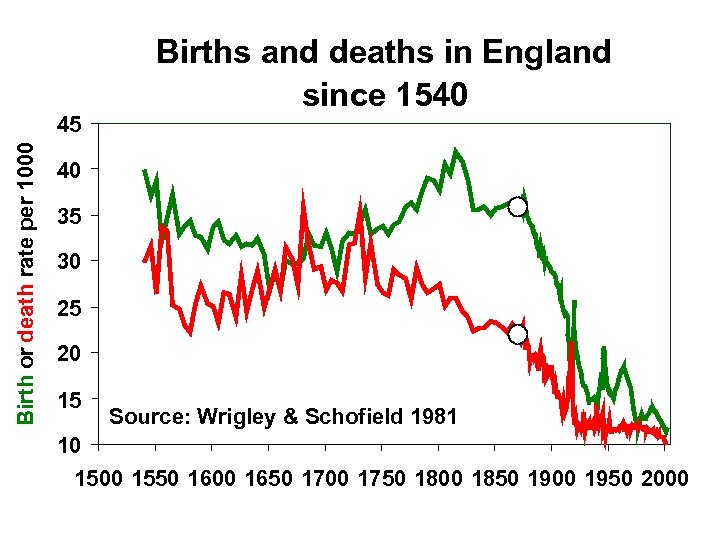
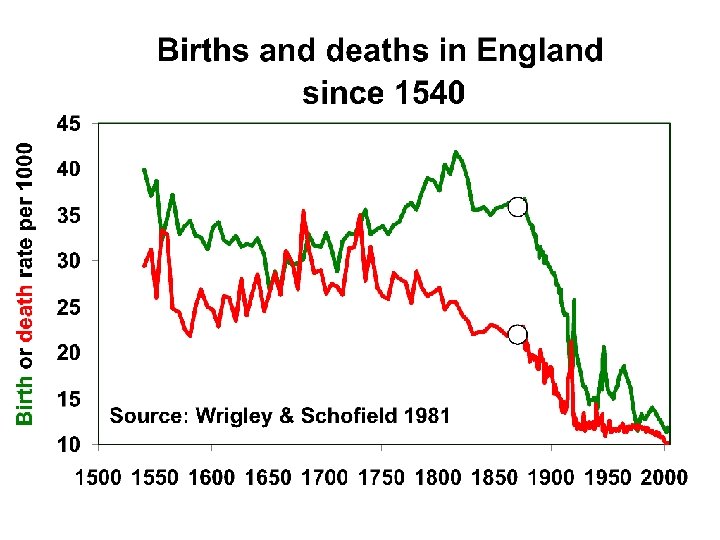
Birth or death rate per 1000 45 Births and deaths in England since 1540 40 35 30 25 20 15 Source: Wrigley & Schofield 1981 10 1500 1550 1600 1650 1700 1750 1800 1850 1900 1950 2000
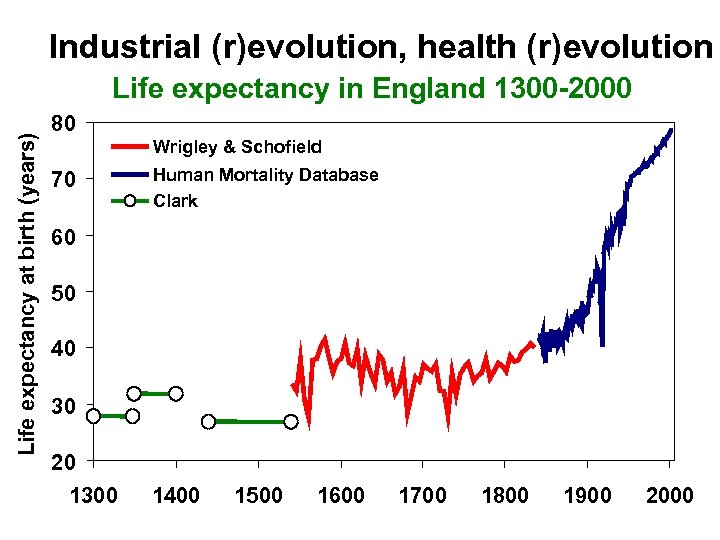
Industrial (r)evolution, health (r)evolution Life expectancy at birth (years) Life expectancy in England 1300 -2000 80 Wrigley & Schofield 70 Human Mortality Database Clark 60 50 40 30 20 1300 1400 1500 1600 1700 1800 1900 2000
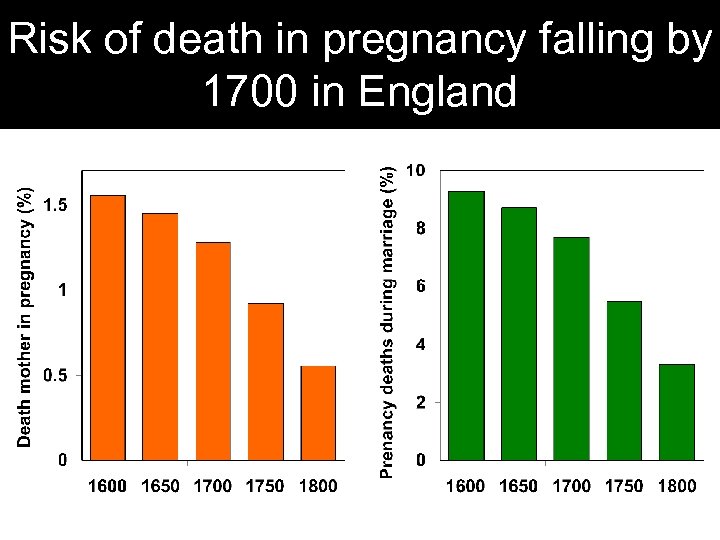
Risk of death in pregnancy falling by 1700 in England
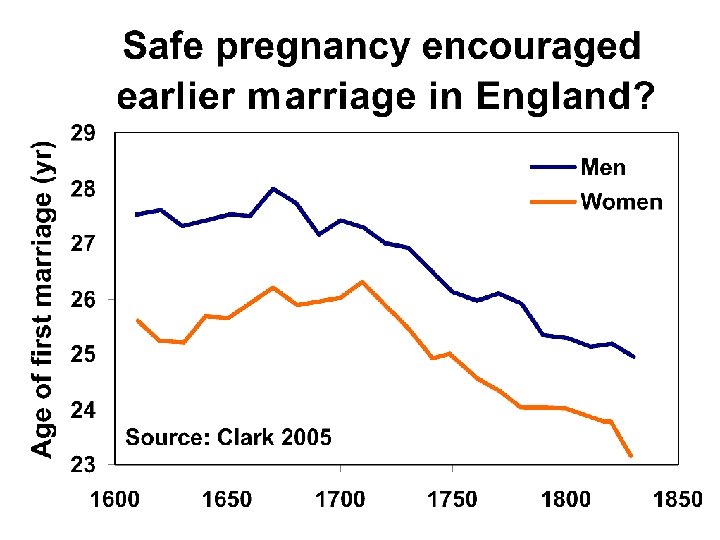
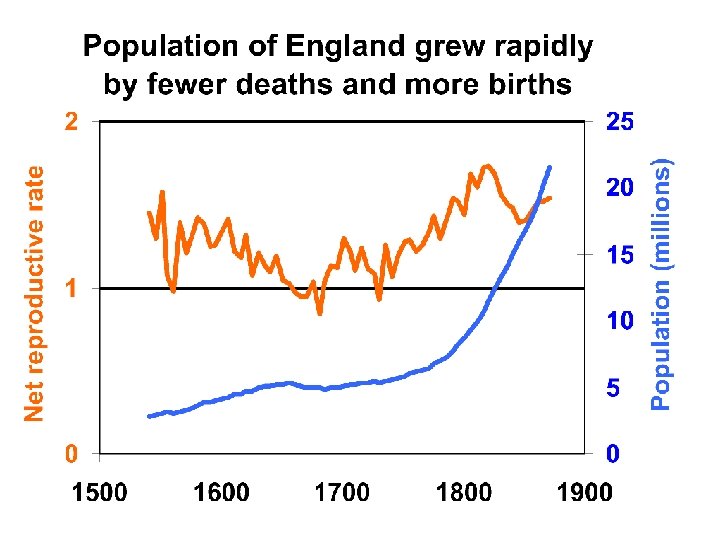
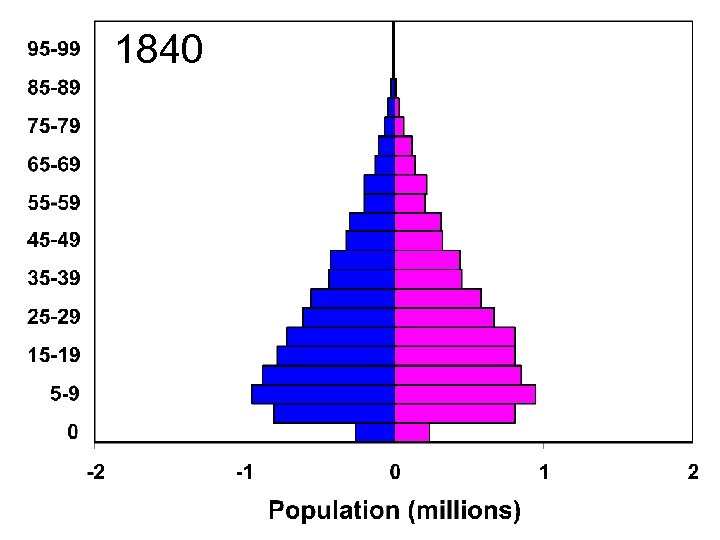
1840
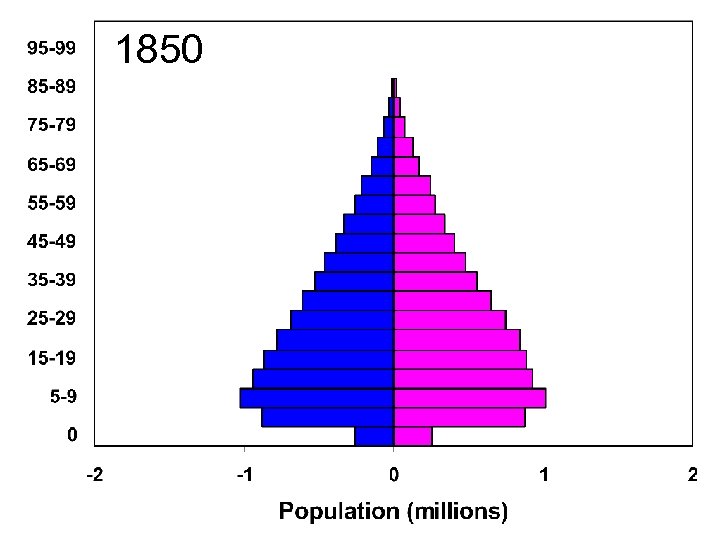
1850
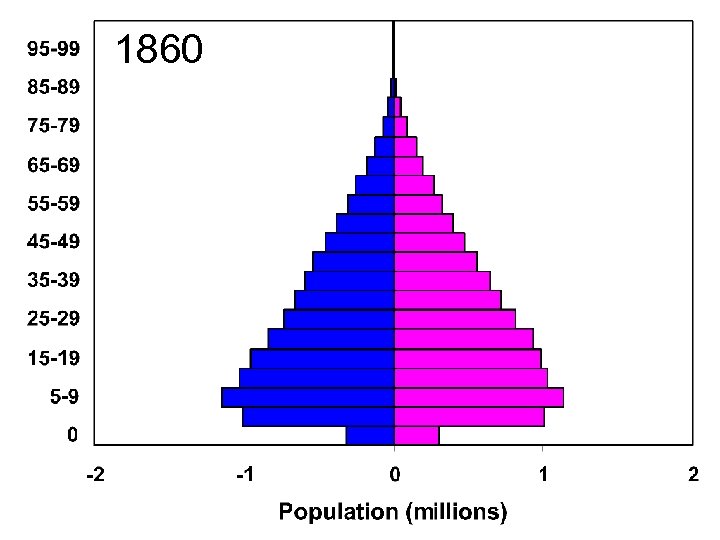
1860
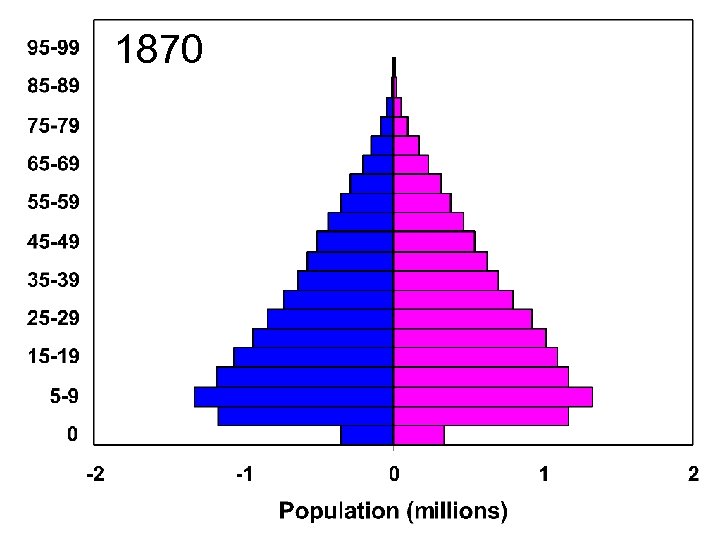
1870
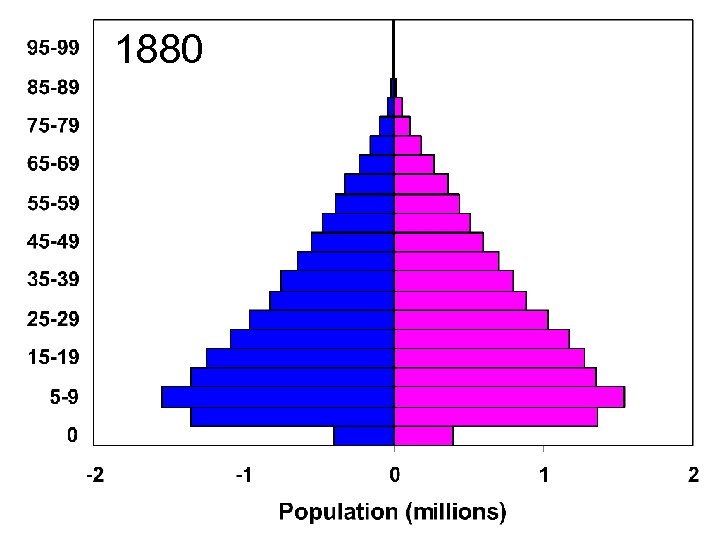
1880
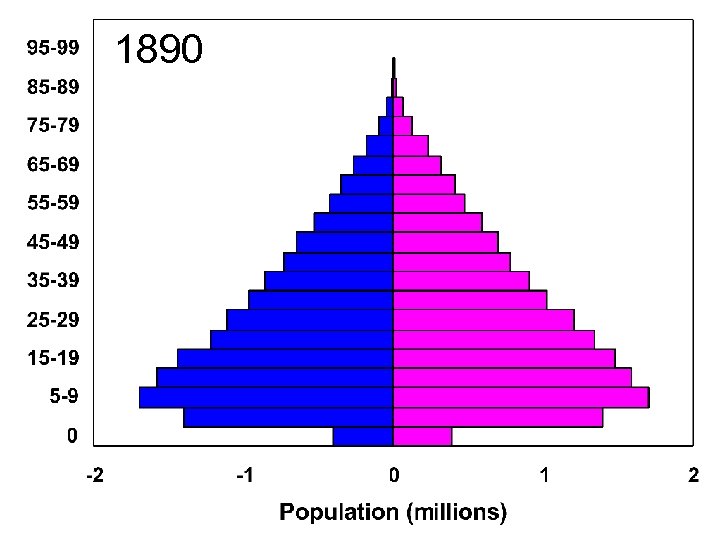
1890
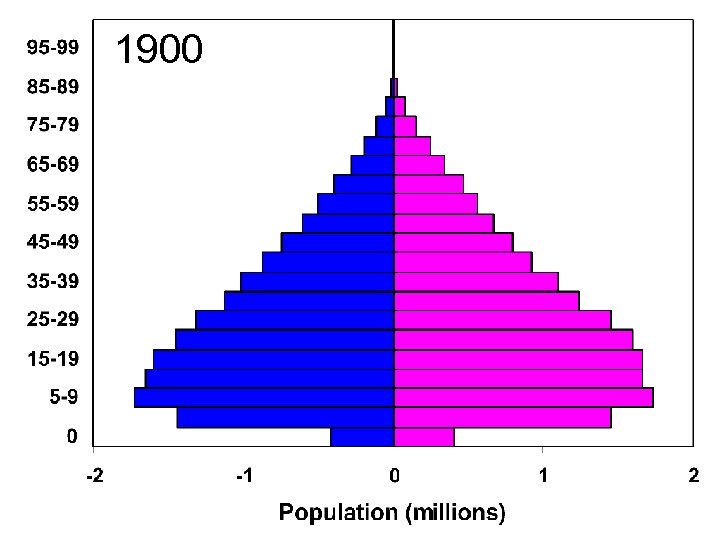
1900
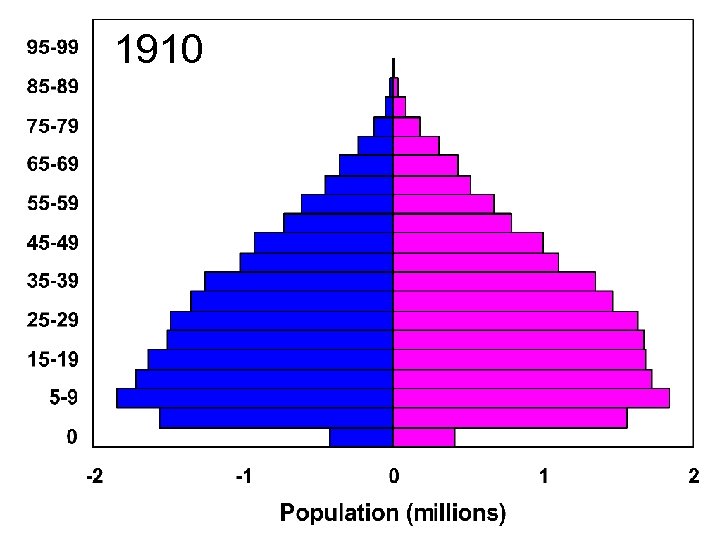
1910
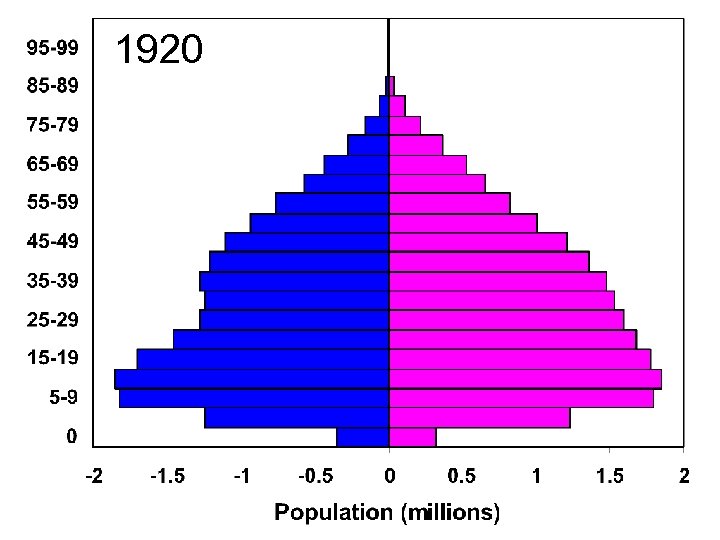
1920
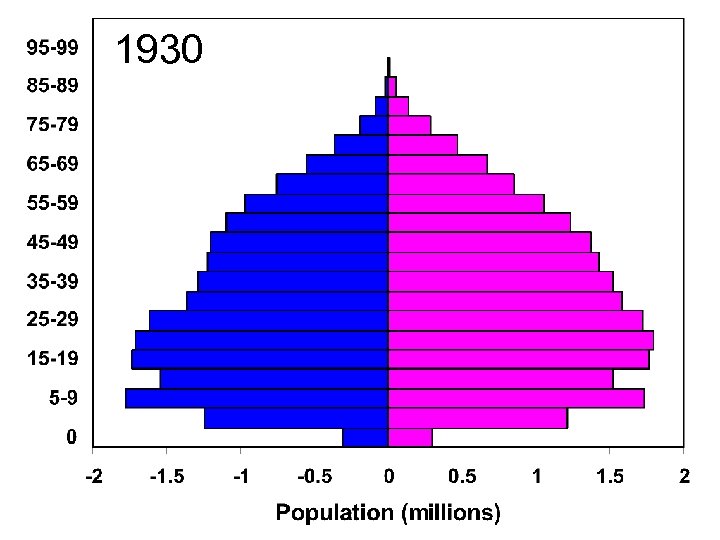
1930
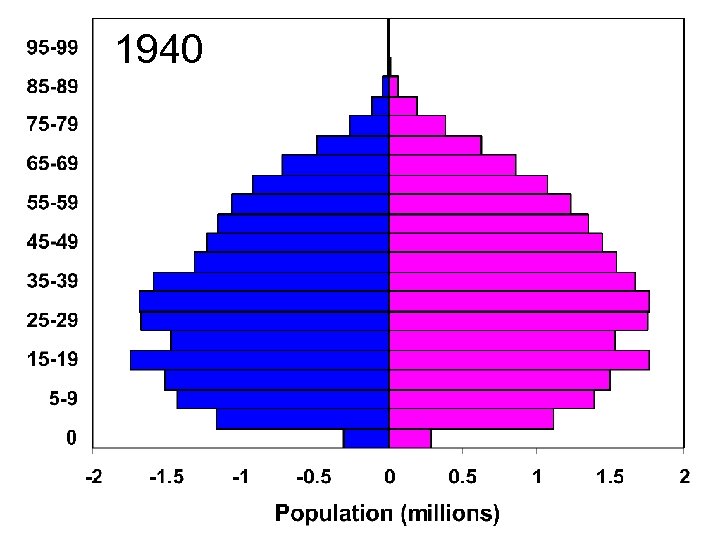
1940
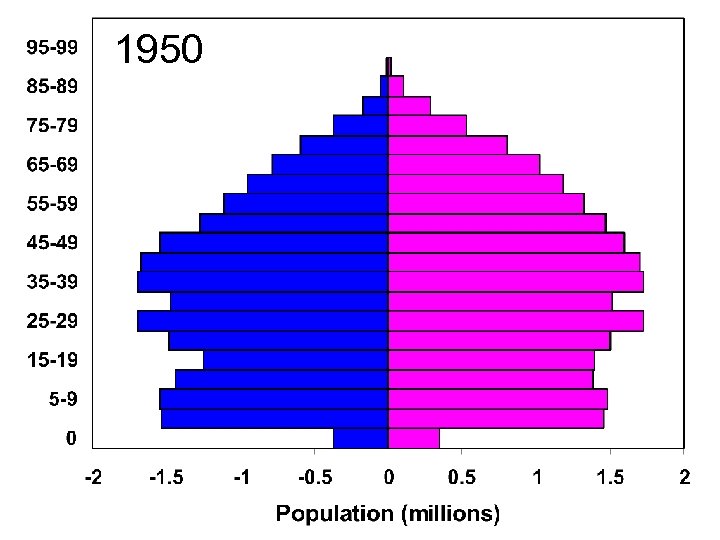
1950
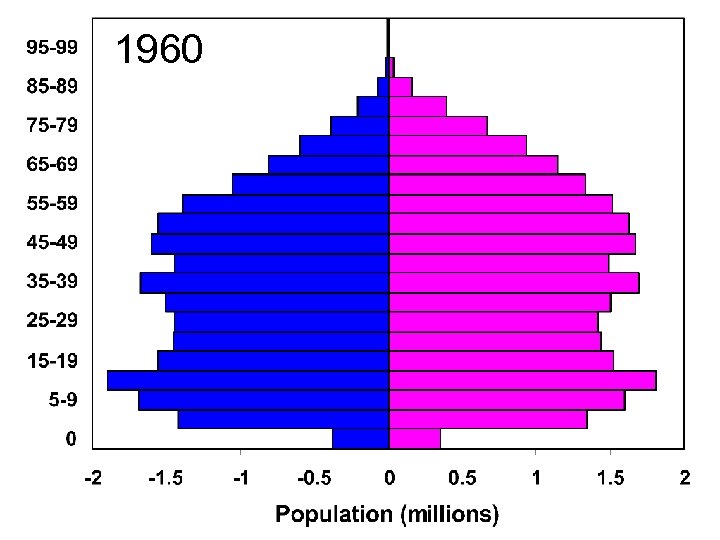
1960
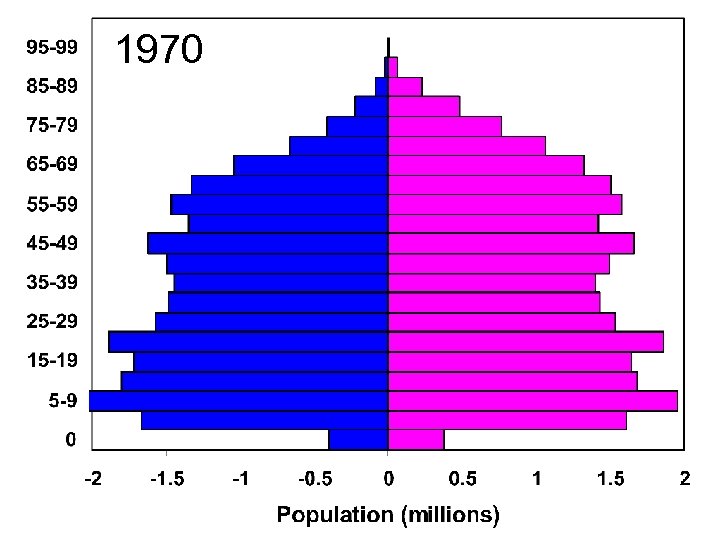
1970
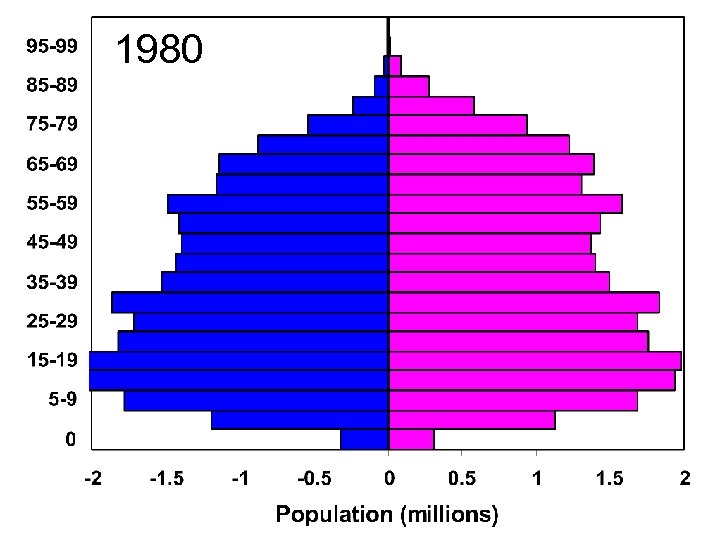
1980
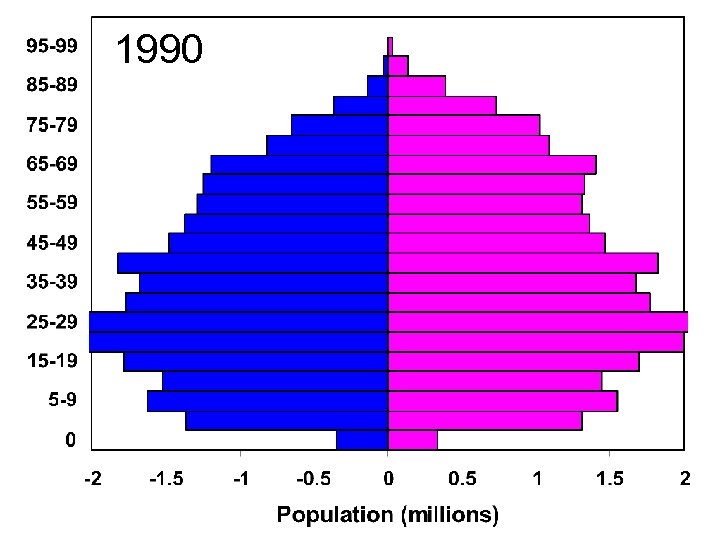
1990
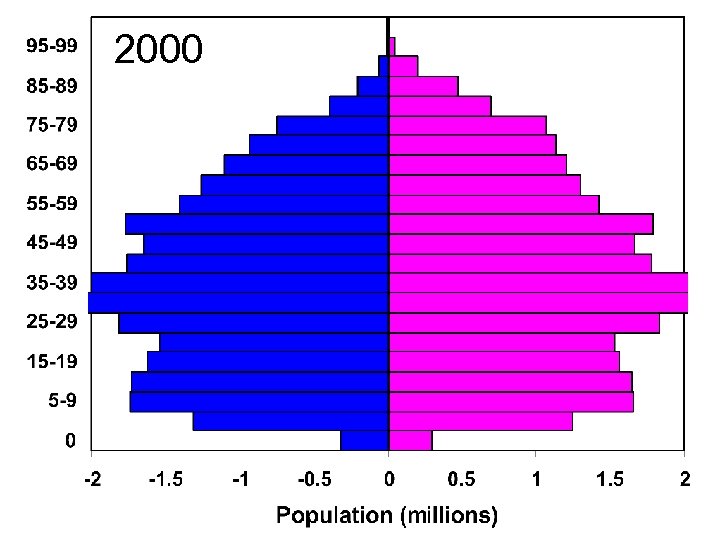
2000
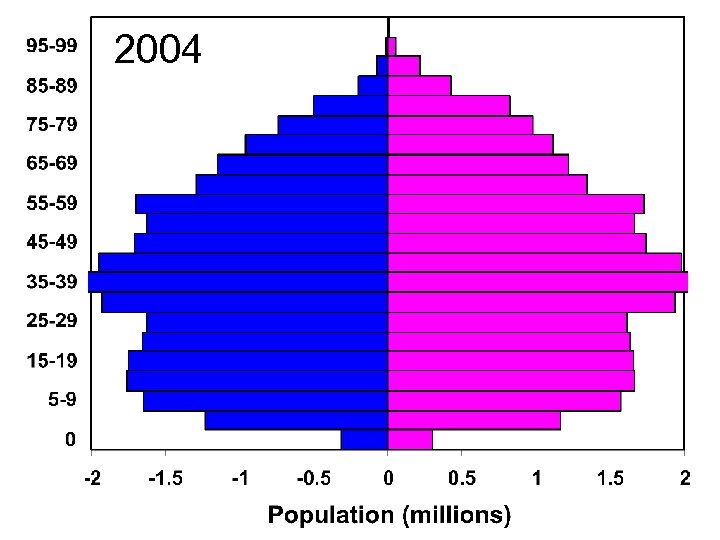
2004
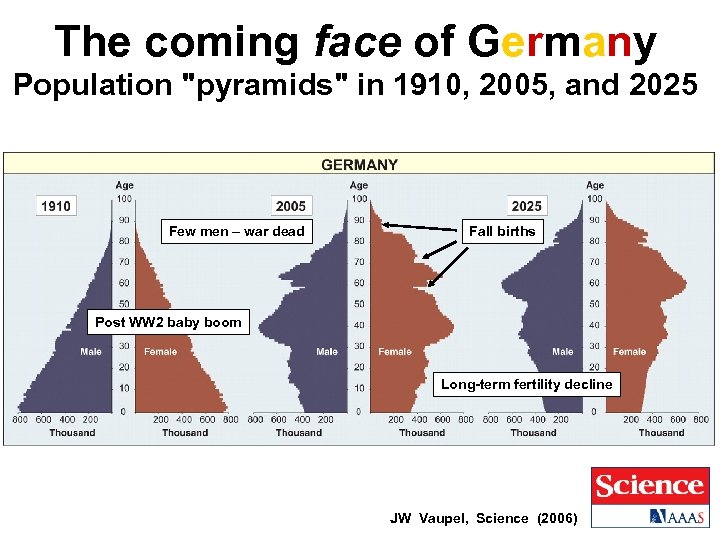
The coming face of Germany Population "pyramids" in 1910, 2005, and 2025 Few men – war dead Fall births Post WW 2 baby boom Long-term fertility decline JW Vaupel, Science (2006)
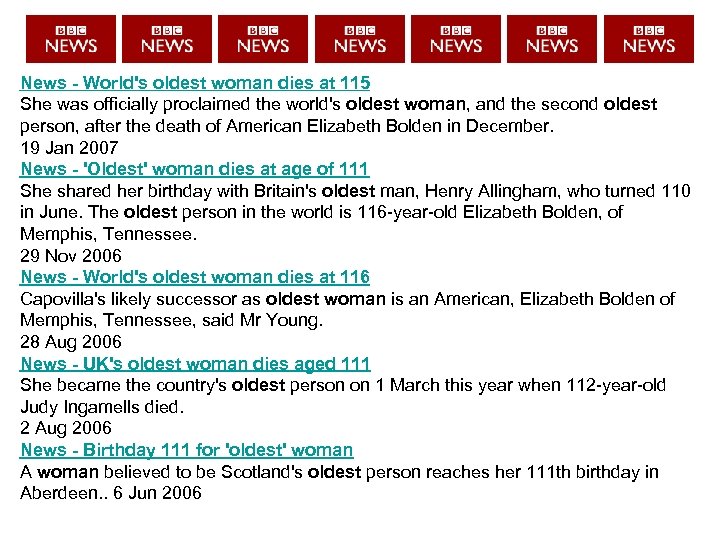
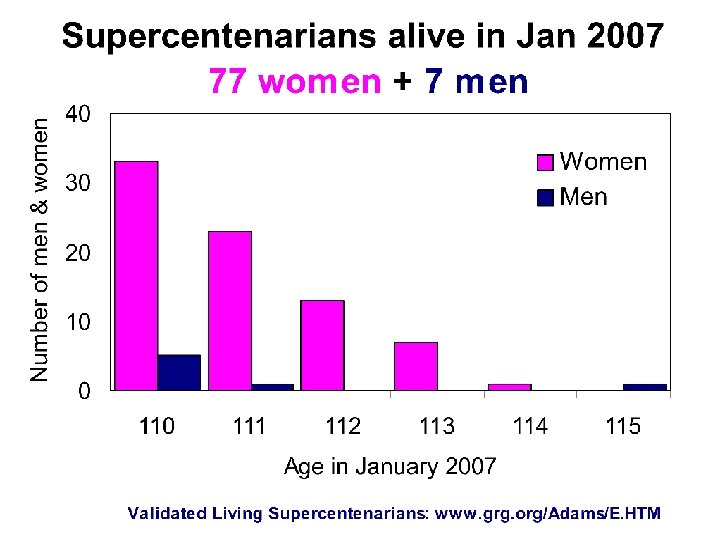
News - World's oldest woman dies at 115 She was officially proclaimed the world's oldest woman, and the second oldest person, after the death of American Elizabeth Bolden in December. 19 Jan 2007 News - 'Oldest' woman dies at age of 111 She shared her birthday with Britain's oldest man, Henry Allingham, who turned 110 in June. The oldest person in the world is 116 -year-old Elizabeth Bolden, of Memphis, Tennessee. 29 Nov 2006 News - World's oldest woman dies at 116 Capovilla's likely successor as oldest woman is an American, Elizabeth Bolden of Memphis, Tennessee, said Mr Young. 28 Aug 2006 News - UK's oldest woman dies aged 111 She became the country's oldest person on 1 March this year when 112 -year-old Judy Ingamells died. 2 Aug 2006 News - Birthday 111 for 'oldest' woman A woman believed to be Scotland's oldest person reaches her 111 th birthday in Aberdeen. . 6 Jun 2006
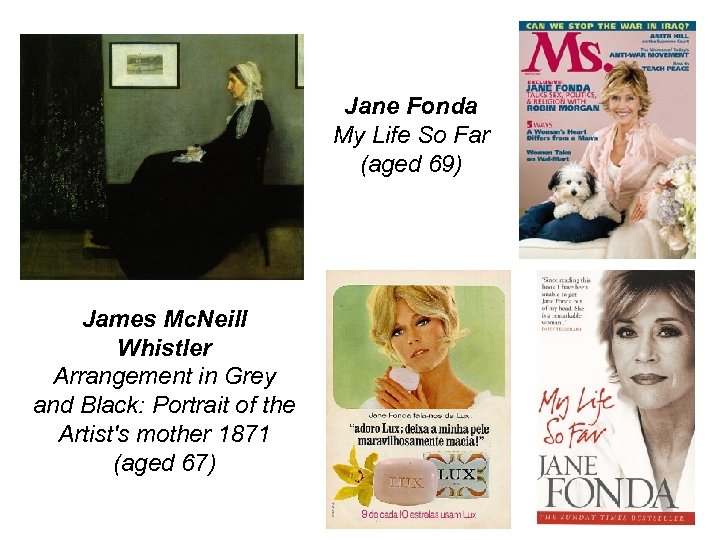
Jane Fonda My Life So Far (aged 69) James Mc. Neill Whistler Arrangement in Grey and Black: Portrait of the Artist's mother 1871 (aged 67)

Pyramids and totem poles Developing countries emerging from the premodern era
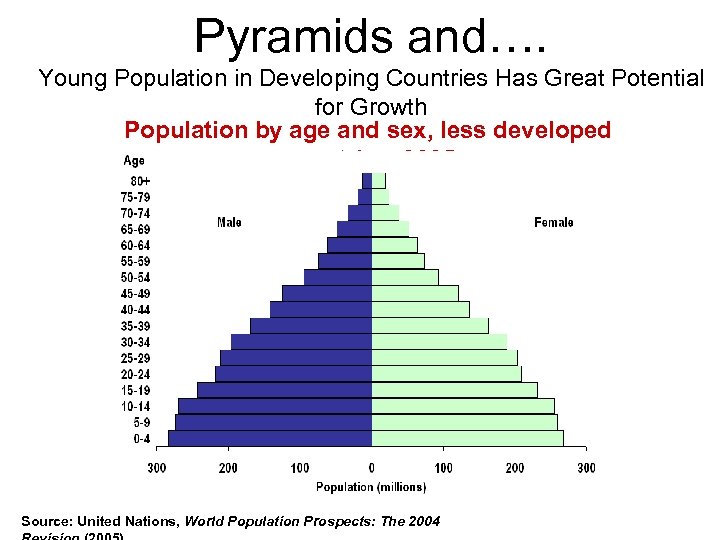
Pyramids and…. Young Population in Developing Countries Has Great Potential for Growth Population by age and sex, less developed countries, 2005 Source: United Nations, World Population Prospects: The 2004
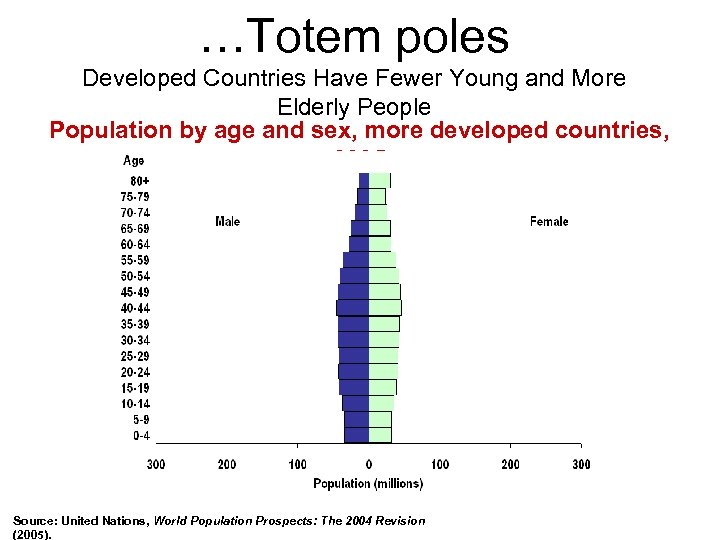
…Totem poles Developed Countries Have Fewer Young and More Elderly People Population by age and sex, more developed countries, 2005 Source: United Nations, World Population Prospects: The 2004 Revision (2005).
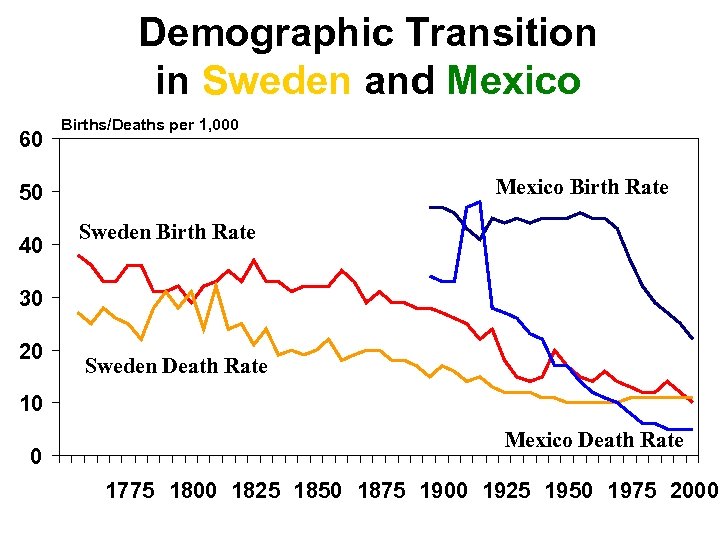
Demographic Transition in Sweden and Mexico 60 Births/Deaths per 1, 000 Mexico Birth Rate 50 40 Sweden Birth Rate 30 20 Sweden Death Rate 10 0 Mexico Death Rate 1775 1800 1825 1850 1875 1900 1925 1950 1975 2000
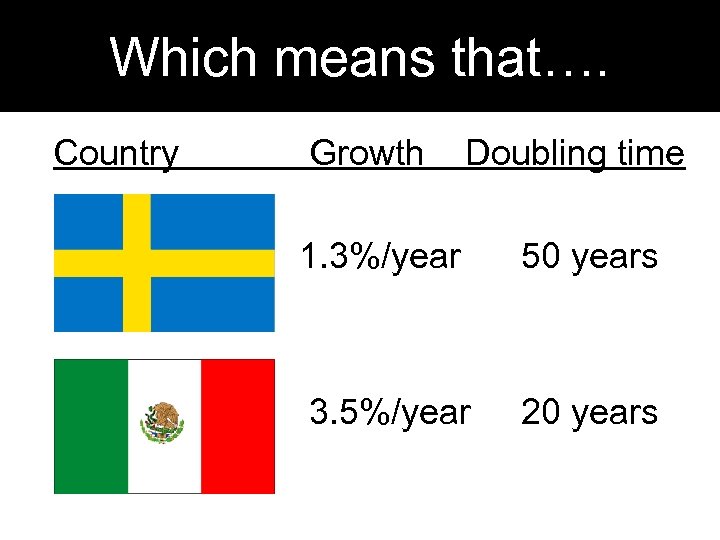
Which means that…. Country Growth Doubling time 1. 3%/year 50 years 3. 5%/year 20 years
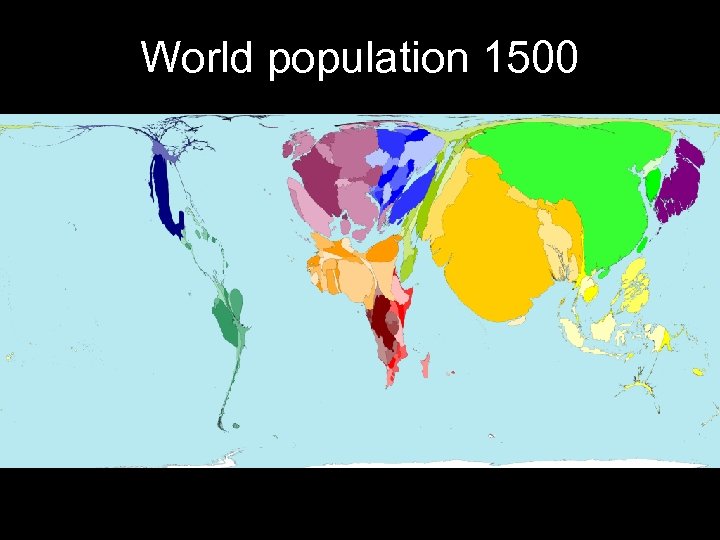
World population 1500
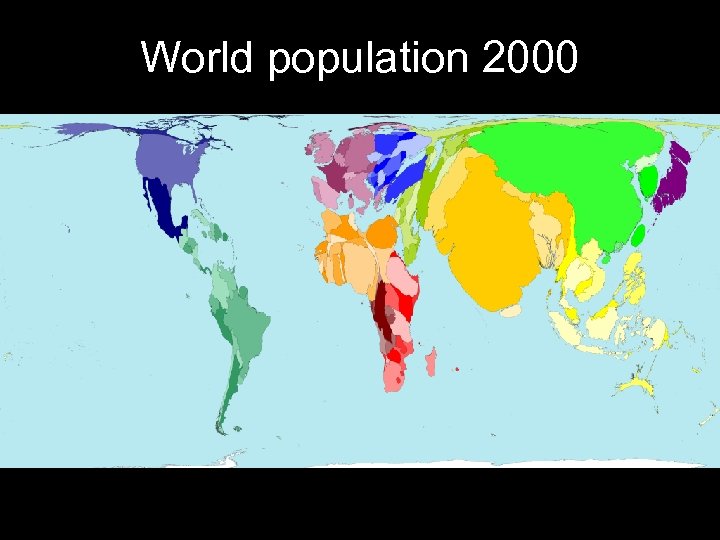
World population 2000
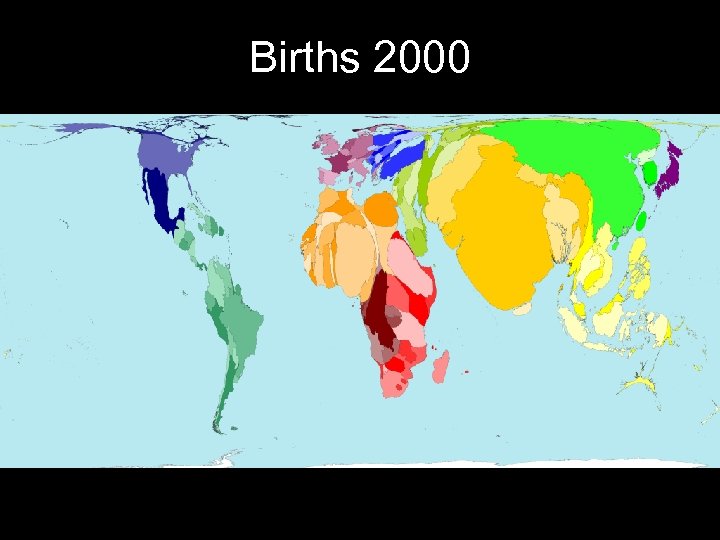
Births 2000
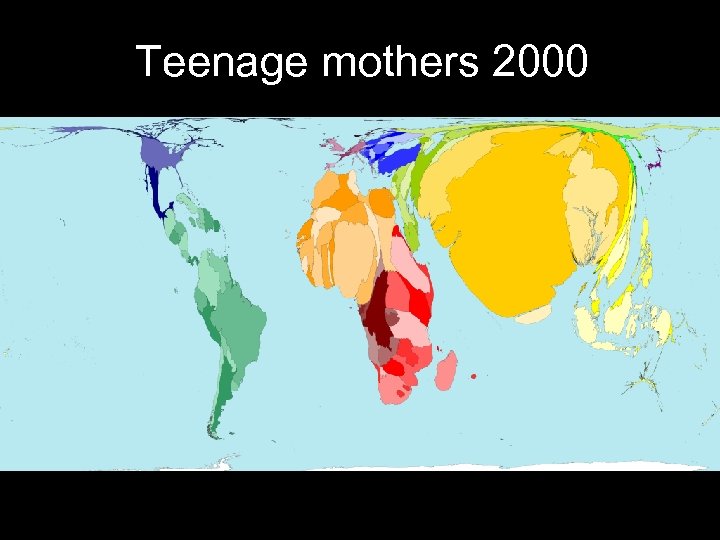
Teenage mothers 2000
The demographic division and the future of world population
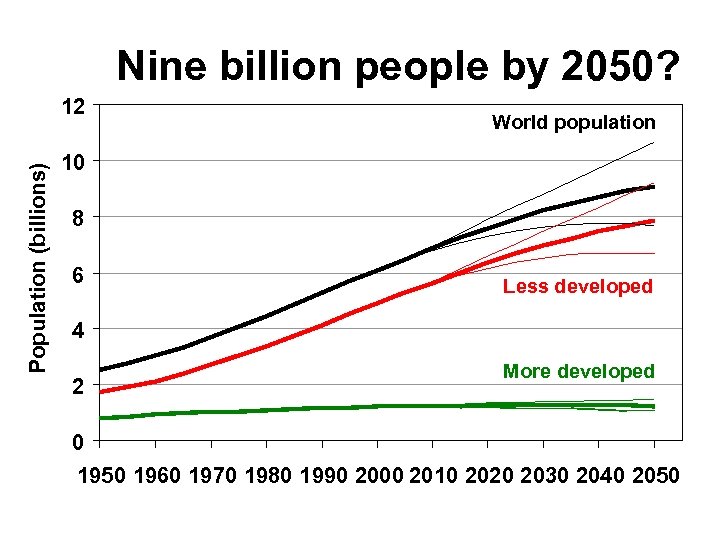
Nine billion people by 2050? Population (billions) 12 10 World population 6 billion by 2000 8 6 Less developed less developed countries 4 2 More developed more developed countries 0 1950 1960 1970 1980 1990 2000 2010 2020 2030 2040 2050
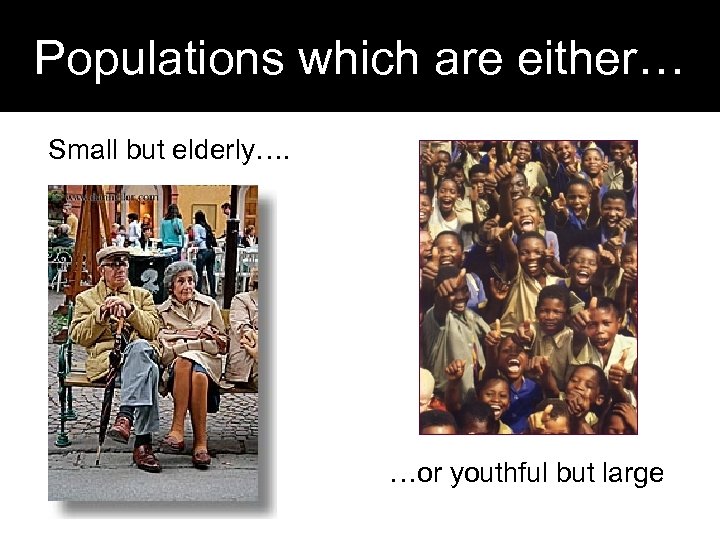
Populations which are either… Small but elderly…. …or youthful but large
Developing countries: the argument for "family planning" = reducing fertility • Better health and release from poverty • Rights for women (control of fertility) • Protected environment
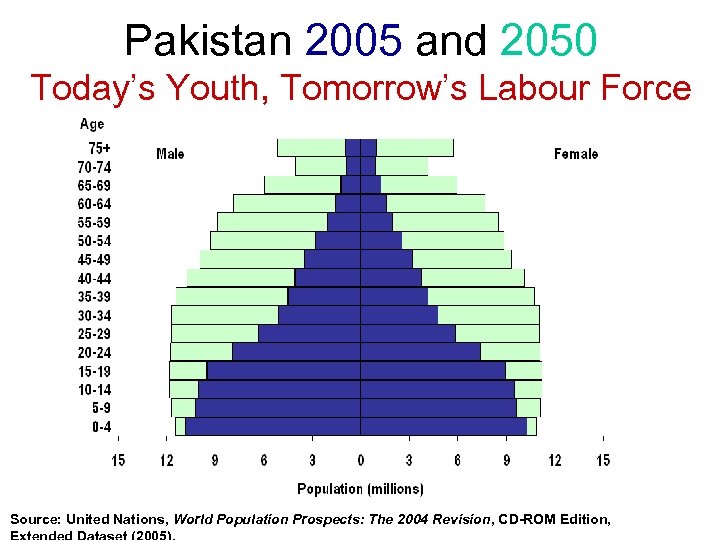
Pakistan 2005 and 2050 Today’s Youth, Tomorrow’s Labour Force Source: United Nations, World Population Prospects: The 2004 Revision, CD-ROM Edition,
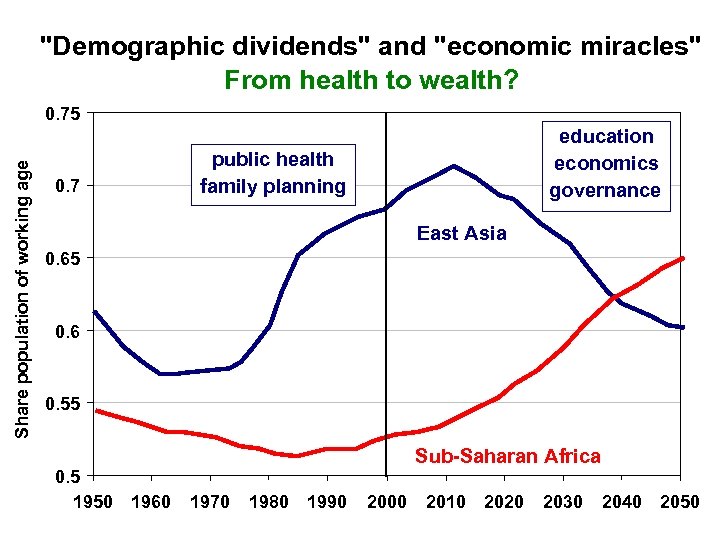
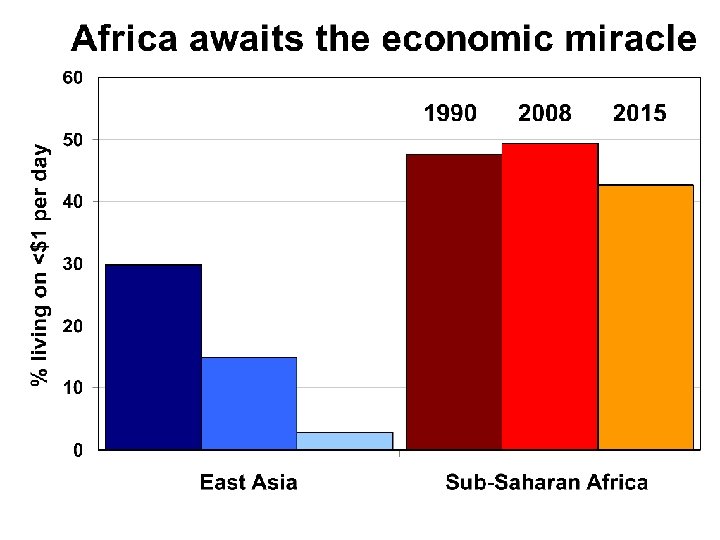
"Demographic dividends" and "economic miracles" From health to wealth? Share population of working age 0. 75 education economics governance public health family planning 0. 7 East Asia 0. 65 One third economic growth from "demographic gift" 0. 6 0. 55 0. 5 1950 Sub-Saharan Africa 1960 1970 1980 1990 2000 2010 2020 2030 2040 2050
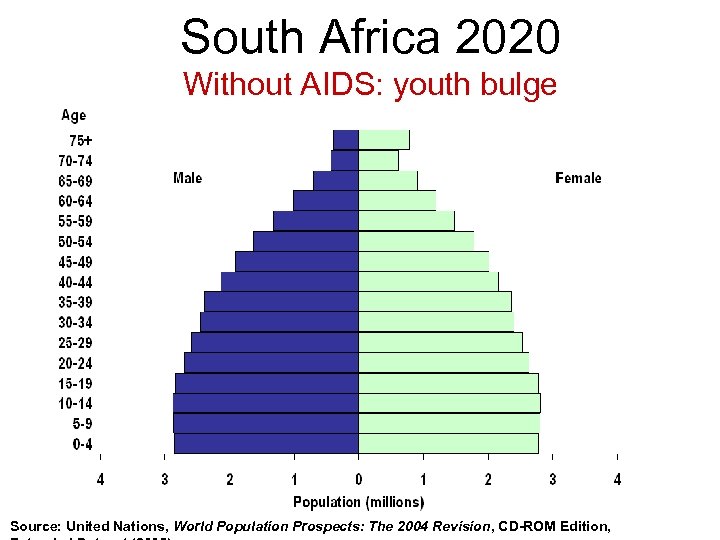
South Africa 2020 Without AIDS: youth bulge Source: United Nations, World Population Prospects: The 2004 Revision, CD-ROM Edition,
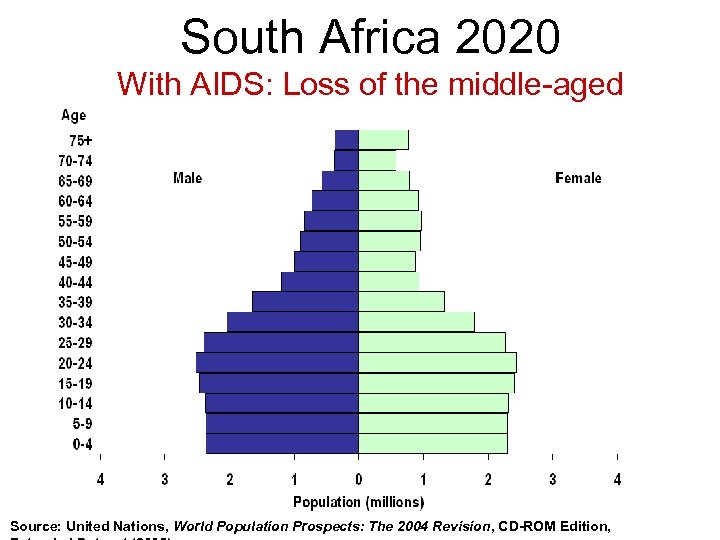
South Africa 2020 With AIDS: Loss of the middle-aged Source: United Nations, World Population Prospects: The 2004 Revision, CD-ROM Edition,
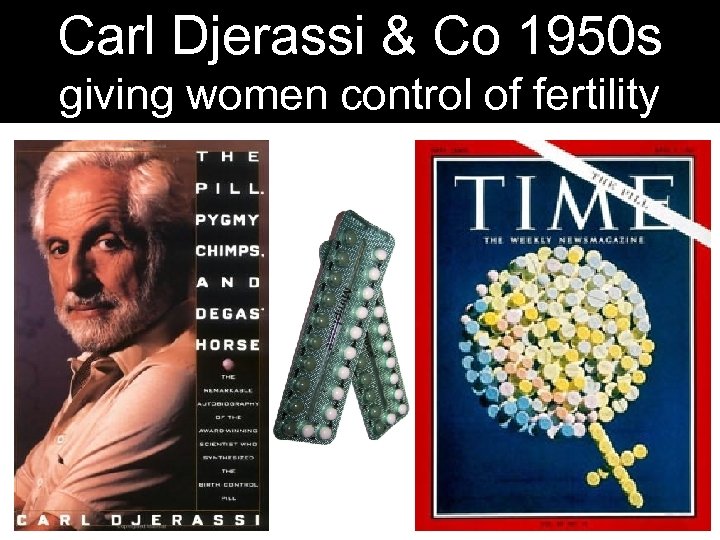
Carl Djerassi & Co 1950 s giving women control of fertility
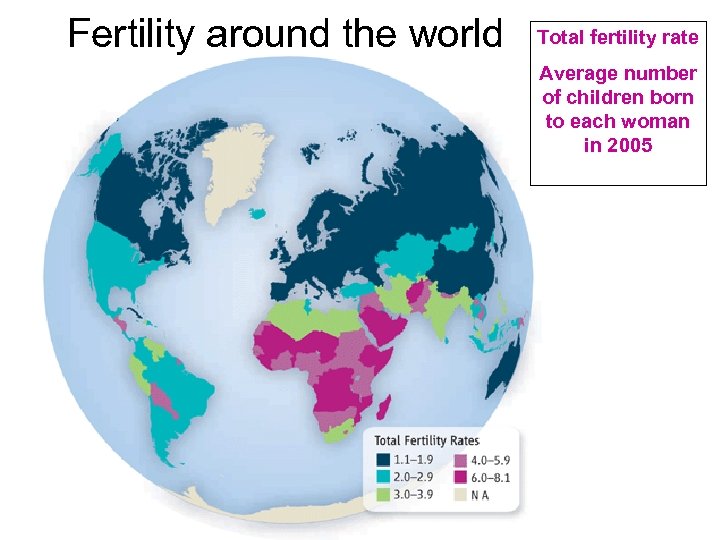
Fertility around the world Total fertility rate Average number of children born to each woman in 2005
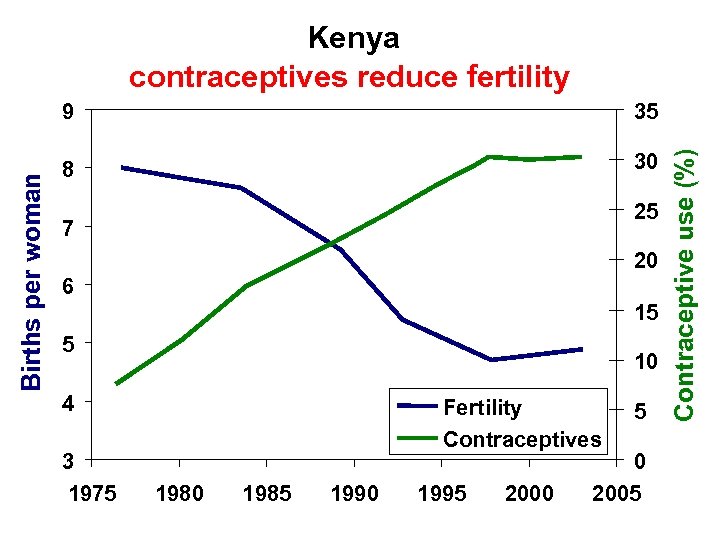
Kenya contraceptives reduce fertility 35 8 30 25 7 20 6 15 5 10 4 3 1975 Fertility Contraceptives 1980 1985 1990 1995 2000 5 0 2005 Contraceptive use (%) Births per woman 9
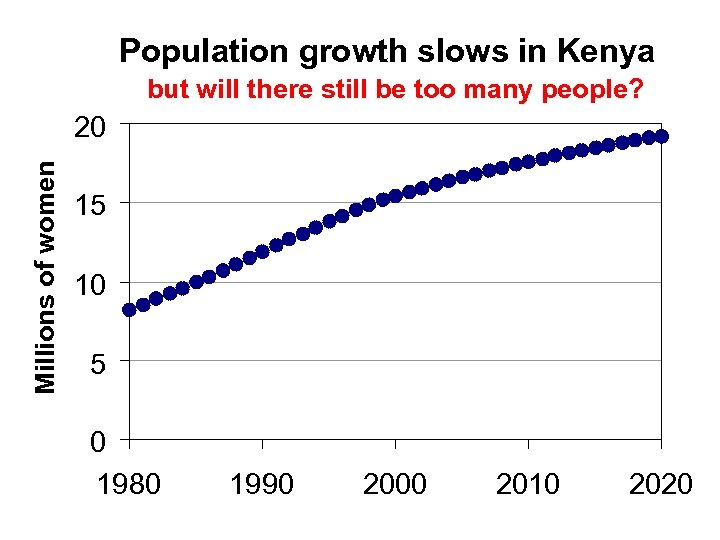
Population growth slows in Kenya but will there still be too many people? Millions of women 20 15 10 5 0 1980 1990 2000 2010 2020
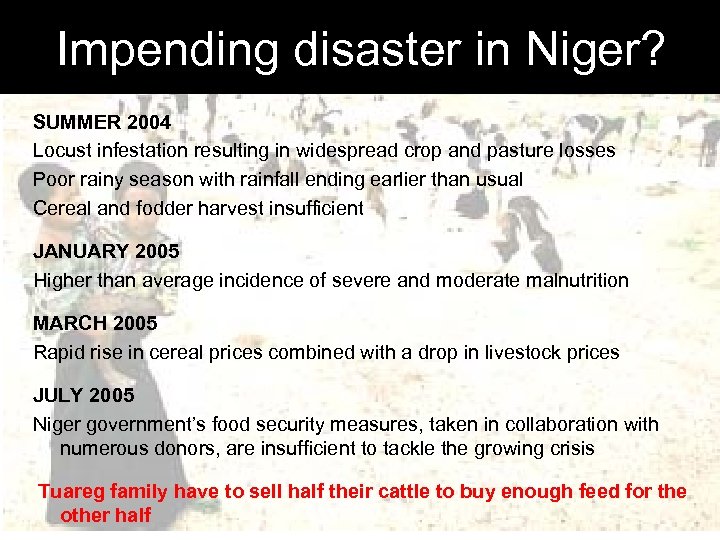
Impending disaster in Niger? SUMMER 2004 Locust infestation resulting in widespread crop and pasture losses Poor rainy season with rainfall ending earlier than usual Cereal and fodder harvest insufficient JANUARY 2005 Higher than average incidence of severe and moderate malnutrition MARCH 2005 Rapid rise in cereal prices combined with a drop in livestock prices JULY 2005 Niger government’s food security measures, taken in collaboration with numerous donors, are insufficient to tackle the growing crisis Tuareg family have to sell half their cattle to buy enough feed for the other half
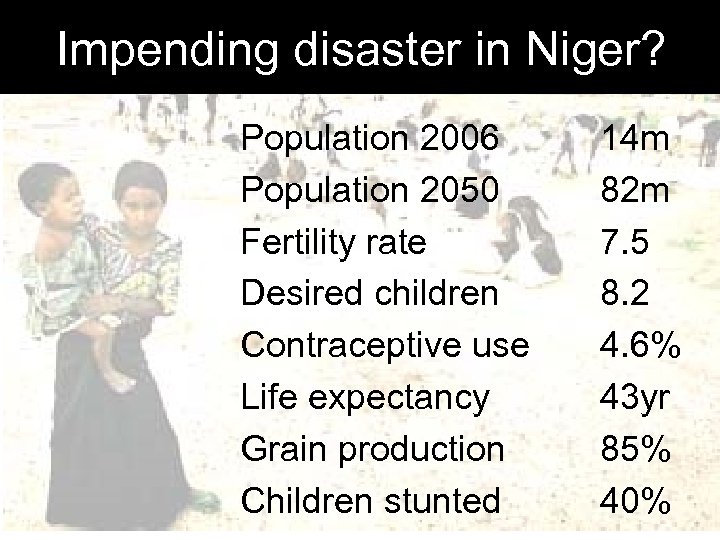
Impending disaster in Niger? Population 2006 Population 2050 Fertility rate Desired children Contraceptive use Life expectancy Grain production Children stunted 14 m 82 m 7. 5 8. 2 4. 6% 43 yr 85% 40%
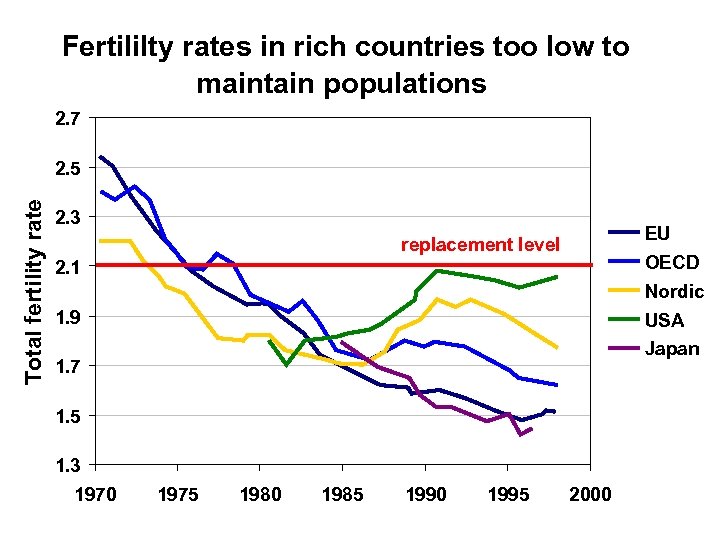
Fertililty rates in rich countries too low to maintain populations 2. 7 Total fertility rate 2. 5 2. 3 EU replacement level OECD 2. 1 Nordic 1. 9 USA Japan 1. 7 1. 5 1. 3 1970 1975 1980 1985 1990 1995 2000
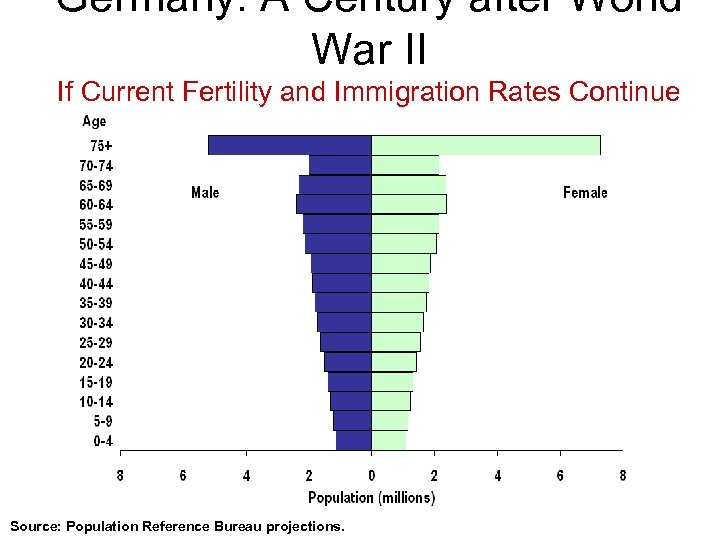
Germany: A Century after World War II If Current Fertility and Immigration Rates Continue to 2050… Source: Population Reference Bureau projections.
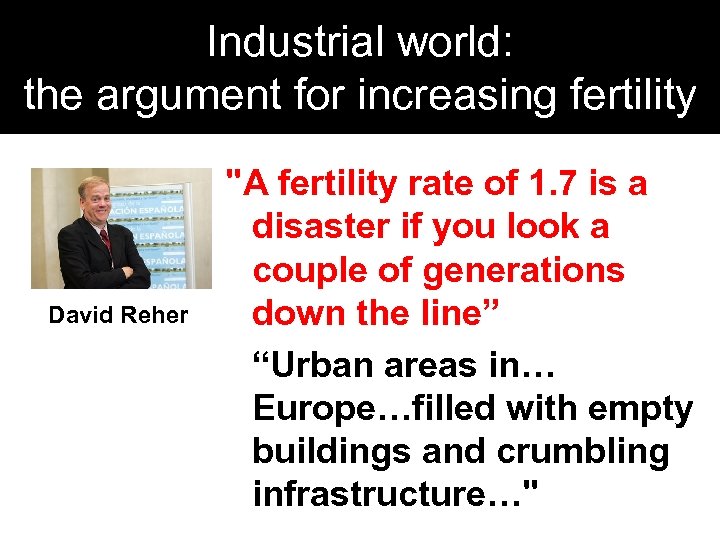
Industrial world: the argument for increasing fertility David Reher "A fertility rate of 1. 7 is a disaster if you look a couple of generations down the line” “Urban areas in… Europe…filled with empty buildings and crumbling infrastructure…"
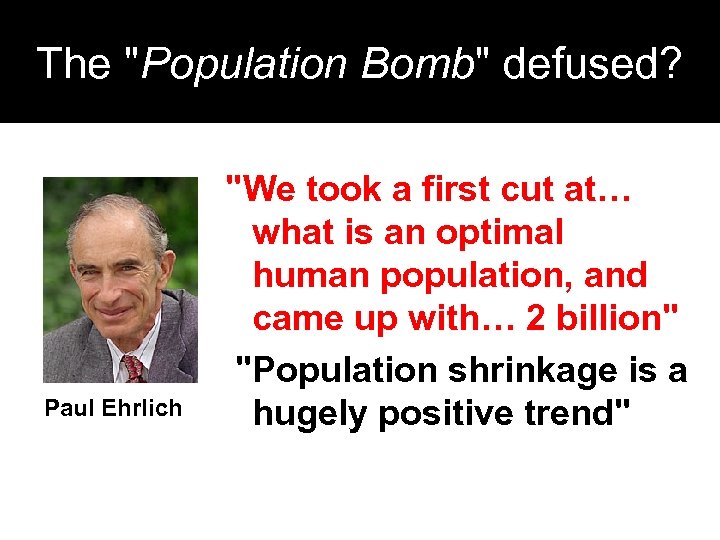
The "Population Bomb" defused? Paul Ehrlich "We took a first cut at… what is an optimal human population, and came up with… 2 billion" "Population shrinkage is a hugely positive trend"
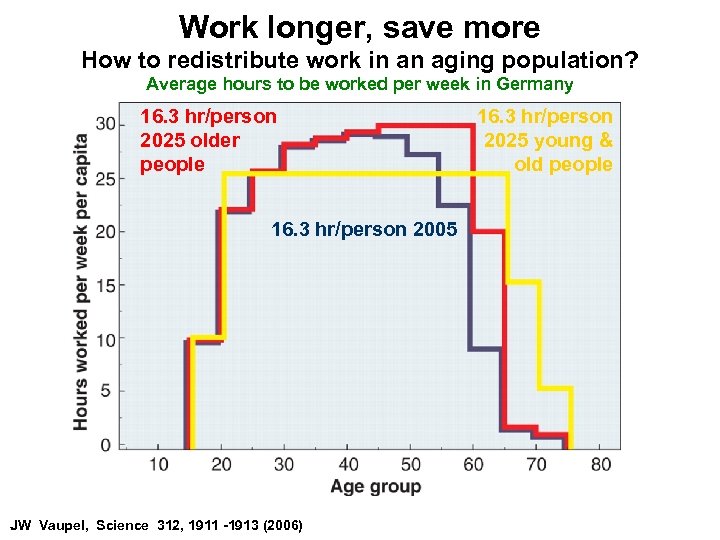
Work longer, save more How to redistribute work in an aging population? Average hours to be worked per week in Germany 16. 3 hr/person 2025 older people 16. 3 hr/person 2005 JW Vaupel, Science 312, 1911 -1913 (2006) 16. 3 hr/person 2025 young & old people
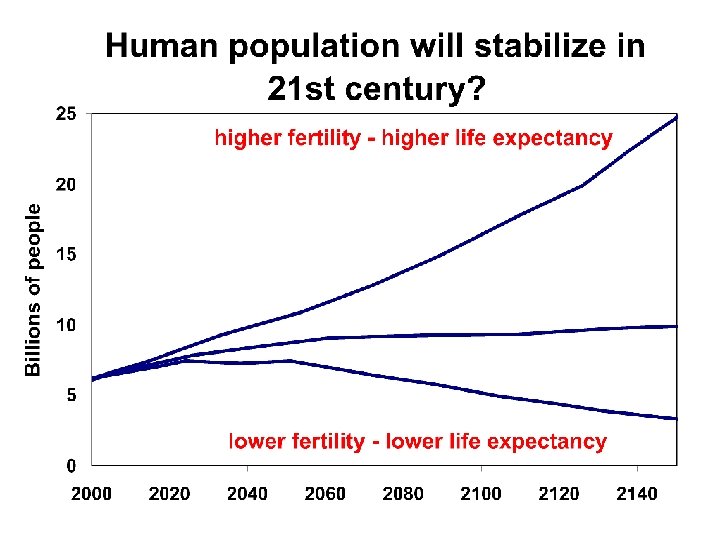
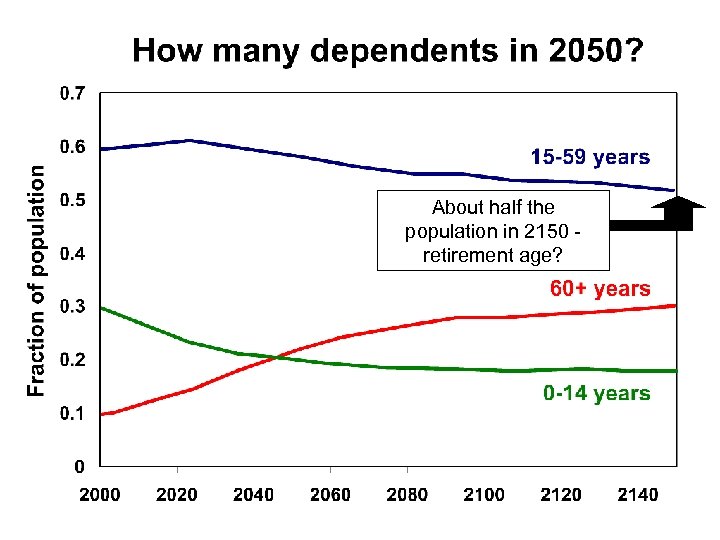
About half the population in 2150 retirement age?
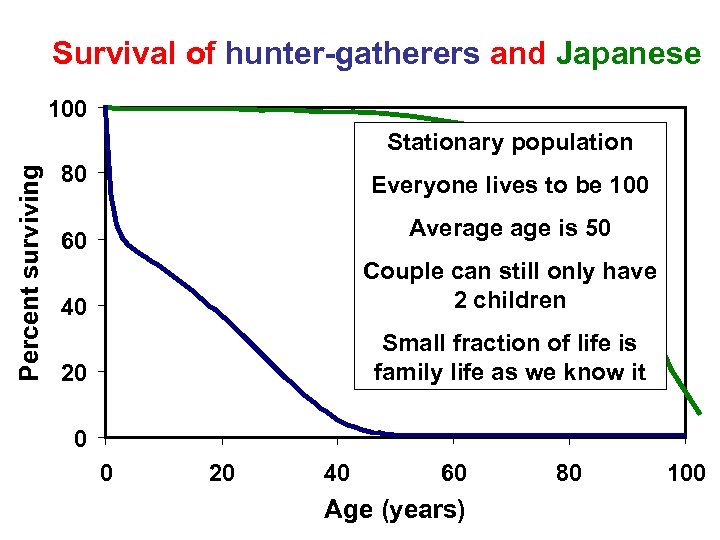
Survival of hunter-gatherers and Japanese 100 Percent surviving Stationary population 80 Everyone lives to be 100 Average is 50 60 40 Couple can still only have 2 children 20 Small fraction of life is family life as we know it 0 0 20 40 60 Age (years) 80 100
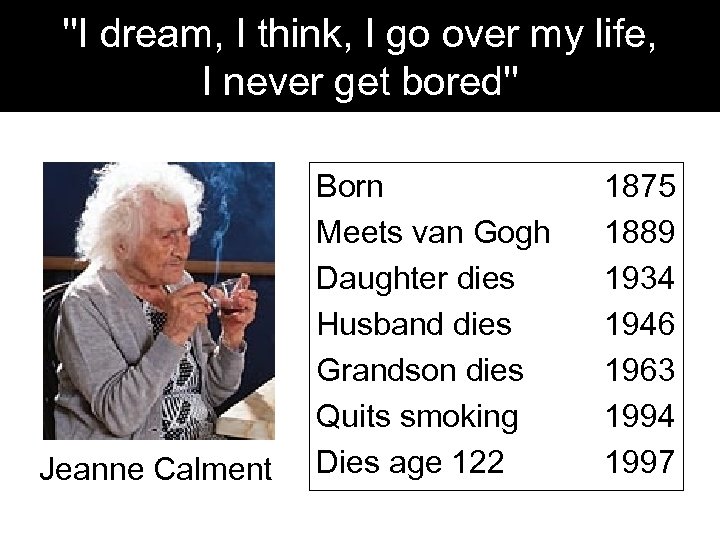
''I dream, I think, I go over my life, I never get bored'' Jeanne Calment Born Meets van Gogh Daughter dies Husband dies Grandson dies Quits smoking Dies age 122 1875 1889 1934 1946 1963 1994 1997
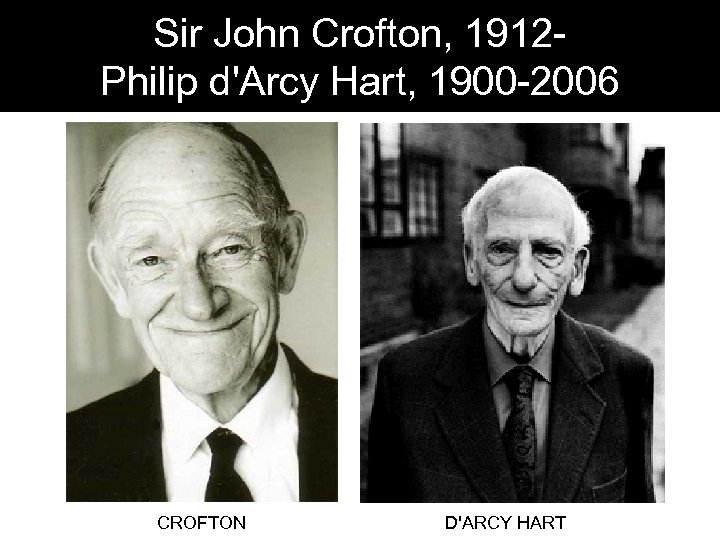
Sir John Crofton, 1912 Philip d'Arcy Hart, 1900 -2006 CROFTON D'ARCY HART
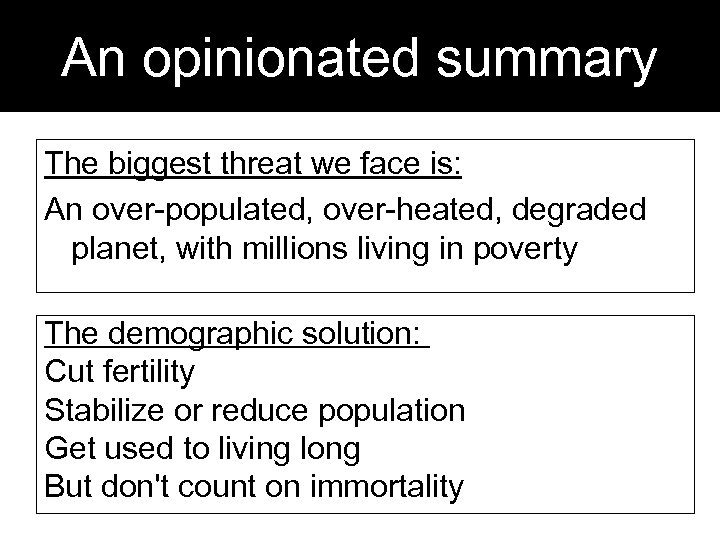
An opinionated summary The biggest threat we face is: An over-populated, over-heated, degraded planet, with millions living in poverty The demographic solution: Cut fertility Stabilize or reduce population Get used to living long But don't count on immortality
Скачать презентацию CHRISTOPHER DYE Birth control death control and the
8ed2addf675a14ed6024a7446b809a7b.ppt