 Скачать презентацию CHOOSING THE TEXAS BUSINESS ENTITY Advanced Oil and
a6409961e92208a87ea5226de2322fc8.ppt
- Количество слайдов: 26



CHOOSING THE TEXAS BUSINESS ENTITY Advanced Oil and Gas Short Course 2006 University of Houston Law Foundation John R. Williford jwilliford @jw. com Jackson Walker L. L. P. 1401 Mc. Kinney, Suite 1900 Houston, Texas 77010
CHOOSING THE TEXAS BUSINESS ENTITY www. jw. com more publications In the search window, type “Williford”
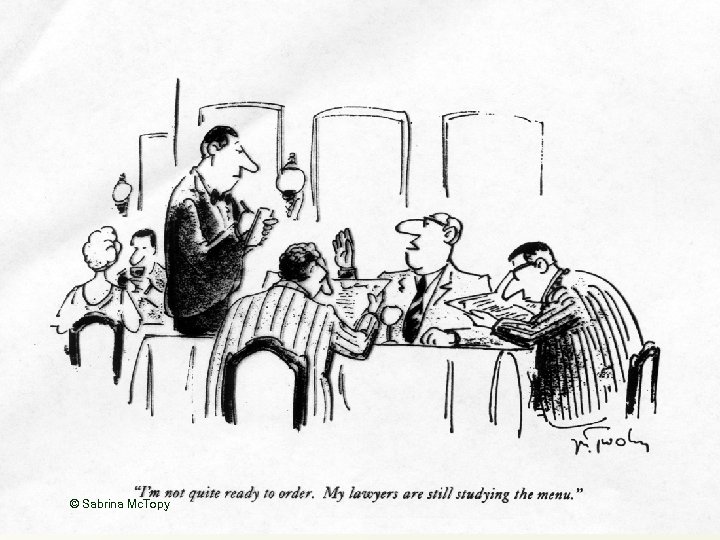
© Sabrina Mc. Topy
ETHICAL CONSIDERATIONS BEFORE the Entity is formed: Ø WHO do YOU represent ? Ø WHO THINKS you are representing them ?
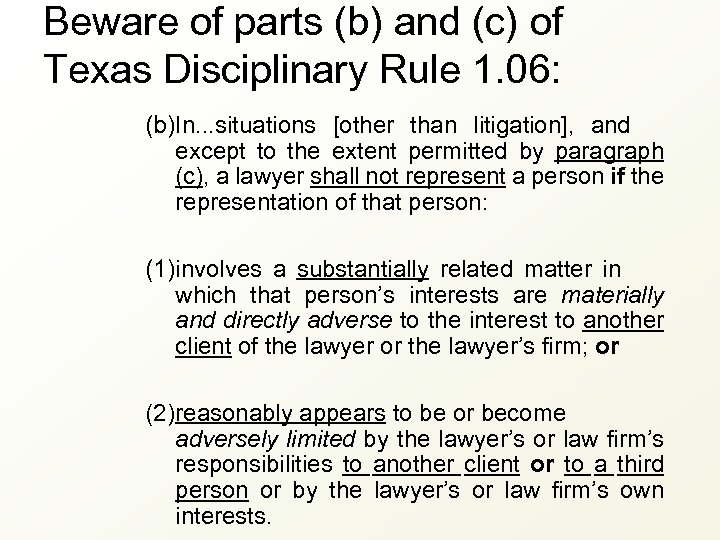
Beware of parts (b) and (c) of Texas Disciplinary Rule 1. 06: (b)In. . . situations [other than litigation], and except to the extent permitted by paragraph (c), a lawyer shall not represent a person if the representation of that person: (1)involves a substantially related matter in which that person’s interests are materially and directly adverse to the interest to another client of the lawyer or the lawyer’s firm; or (2)reasonably appears to be or become adversely limited by the lawyer’s or law firm’s responsibilities to another client or to a third person or by the lawyer’s or law firm’s own interests.
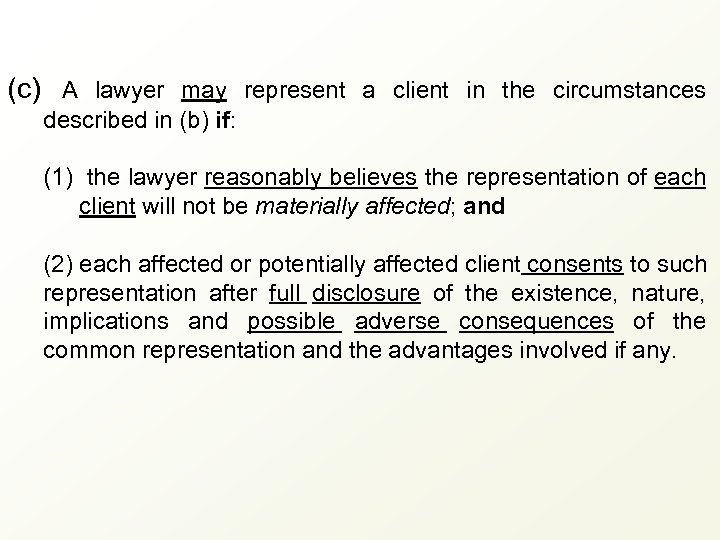
(c) A lawyer may represent a client in the circumstances described in (b) if: (1) the lawyer reasonably believes the representation of each client will not be materially affected; and (2) each affected or potentially affected client consents to such representation after full disclosure of the existence, nature, implications and possible adverse consequences of the common representation and the advantages involved if any.
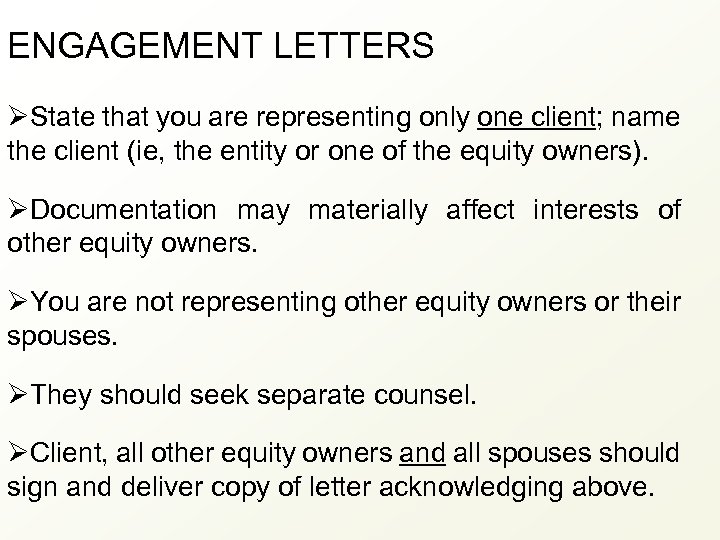
ENGAGEMENT LETTERS ØState that you are representing only one client; name the client (ie, the entity or one of the equity owners). ØDocumentation may materially affect interests of other equity owners. ØYou are not representing other equity owners or their spouses. ØThey should seek separate counsel. ØClient, all other equity owners and all spouses should sign and deliver copy of letter acknowledging above.
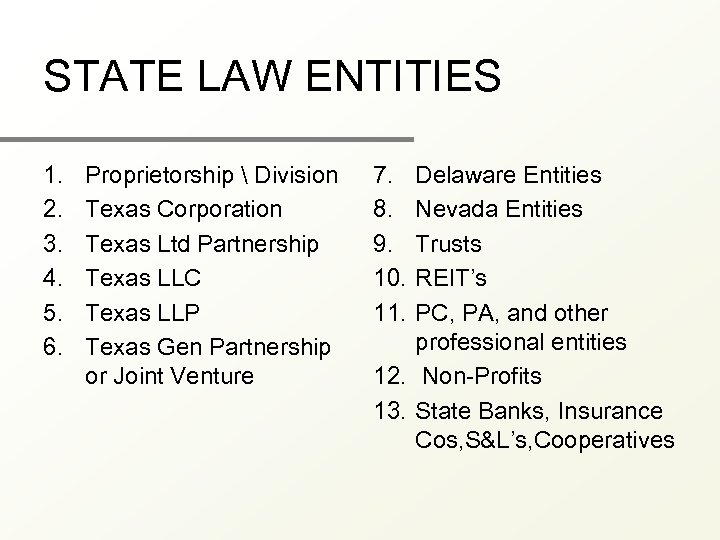
STATE LAW ENTITIES 1. 2. 3. 4. 5. 6. Proprietorship Division Texas Corporation Texas Ltd Partnership Texas LLC Texas LLP Texas Gen Partnership or Joint Venture 7. 8. 9. 10. 11. Delaware Entities Nevada Entities Trusts REIT’s PC, PA, and other professional entities 12. Non-Profits 13. State Banks, Insurance Cos, S&L’s, Cooperatives
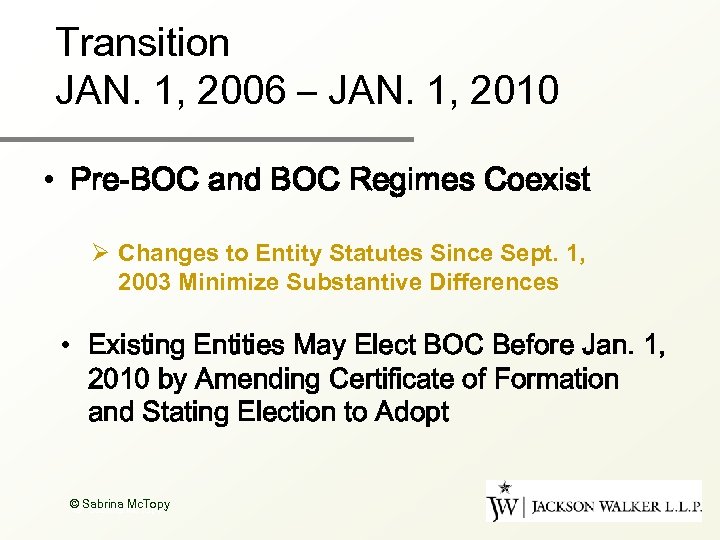
Transition JAN. 1, 2006 – JAN. 1, 2010 • Pre-BOC and BOC Regimes Coexist Ø Changes to Entity Statutes Since Sept. 1, 2003 Minimize Substantive Differences • Existing Entities May Elect BOC Before Jan. 1, 2010 by Amending Certificate of Formation and Stating Election to Adopt © Sabrina Mc. Topy
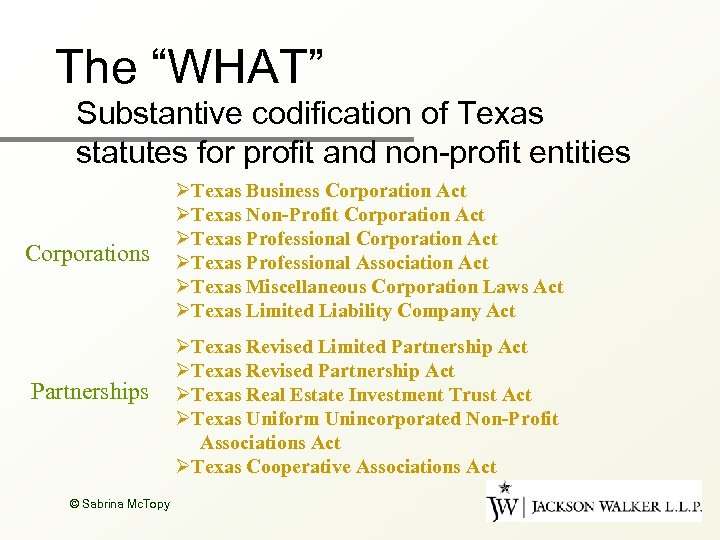
The “WHAT” Substantive codification of Texas statutes for profit and non-profit entities Corporations Partnerships © Sabrina Mc. Topy ØTexas Business Corporation Act ØTexas Non-Profit Corporation Act ØTexas Professional Association Act ØTexas Miscellaneous Corporation Laws Act ØTexas Limited Liability Company Act ØTexas Revised Limited Partnership Act ØTexas Revised Partnership Act ØTexas Real Estate Investment Trust Act ØTexas Uniform Unincorporated Non-Profit Associations Act ØTexas Cooperative Associations Act
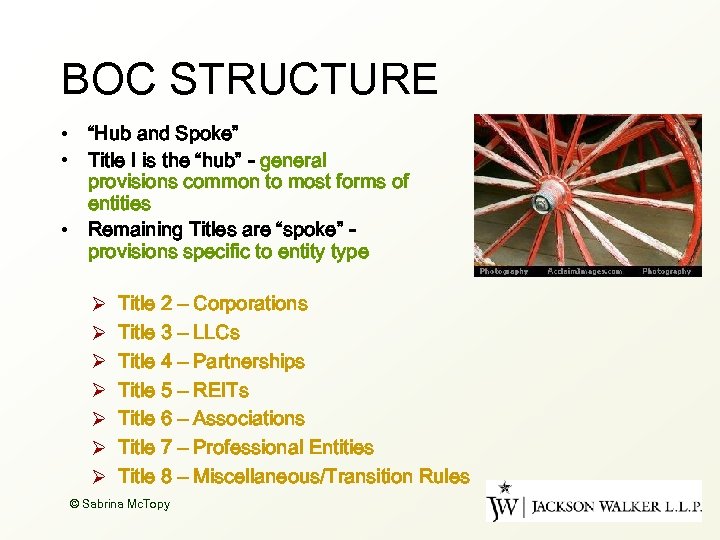
BOC STRUCTURE • “Hub and Spoke” • Title I is the “hub” - general provisions common to most forms of entities • Remaining Titles are “spoke” provisions specific to entity type Ø Ø Ø Ø Title 2 – Corporations Title 3 – LLCs Title 4 – Partnerships Title 5 – REITs Title 6 – Associations Title 7 – Professional Entities Title 8 – Miscellaneous/Transition Rules © Sabrina Mc. Topy
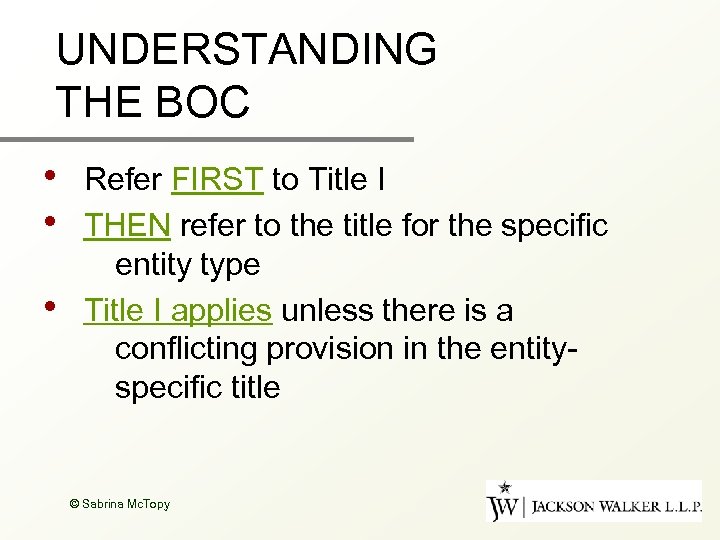
UNDERSTANDING THE BOC • • • Refer FIRST to Title I THEN refer to the title for the specific entity type Title I applies unless there is a conflicting provision in the entityspecific title © Sabrina Mc. Topy
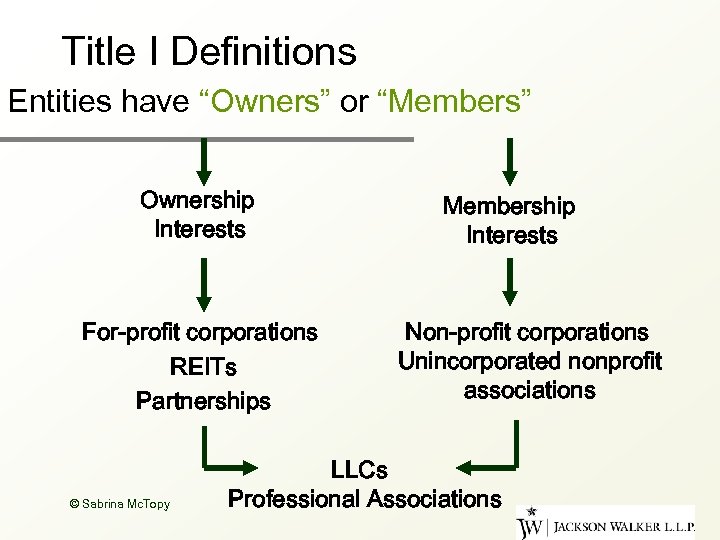
Title I Definitions Entities have “Owners” or “Members” Ownership Interests For-profit corporations REITs Partnerships © Sabrina Mc. Topy Membership Interests Non-profit corporations Unincorporated nonprofit associations LLCs Professional Associations
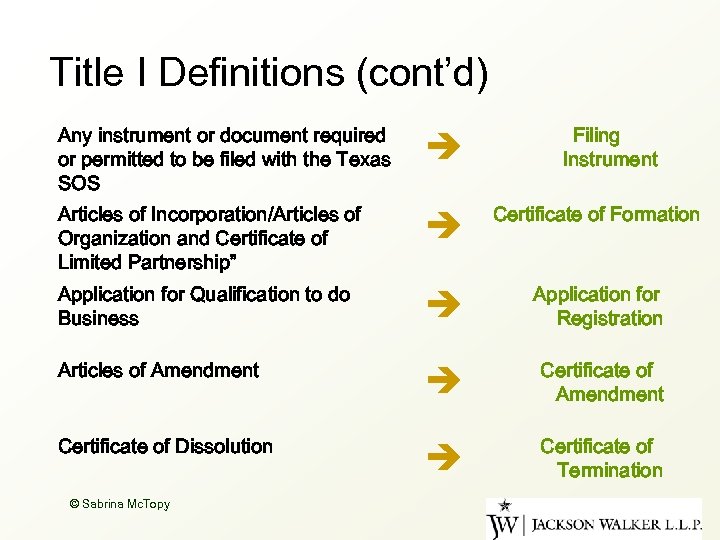
Title I Definitions (cont’d) Any instrument or document required or permitted to be filed with the Texas SOS Articles of Incorporation/Articles of Organization and Certificate of Limited Partnership” Application for Qualification to do Business Articles of Amendment Certificate of Dissolution © Sabrina Mc. Topy Filing Instrument Certificate of Formation Application for Registration Certificate of Amendment Certificate of Termination
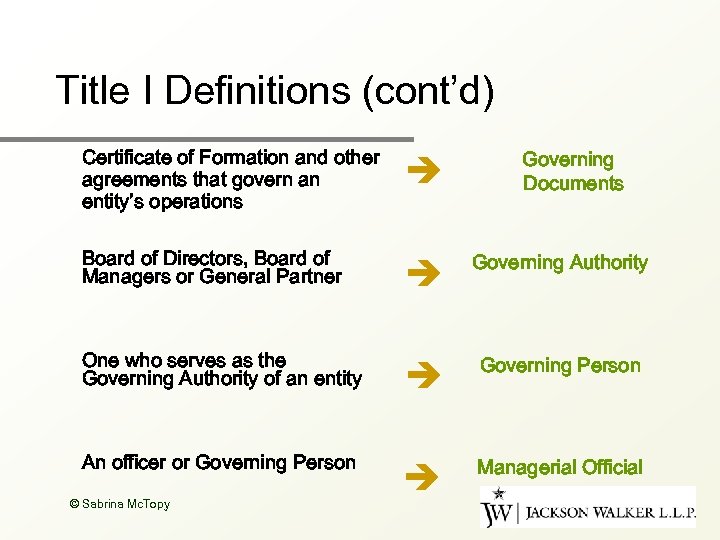
Title I Definitions (cont’d) Certificate of Formation and other agreements that govern an entity’s operations Board of Directors, Board of Managers or General Partner One who serves as the Governing Authority of an entity An officer or Governing Person © Sabrina Mc. Topy Governing Documents Governing Authority Governing Person Managerial Official
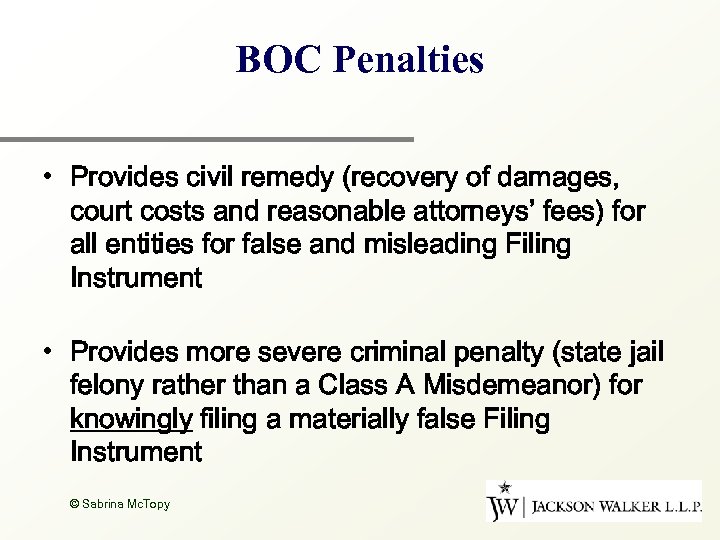
BOC Penalties • Provides civil remedy (recovery of damages, court costs and reasonable attorneys’ fees) for all entities for false and misleading Filing Instrument • Provides more severe criminal penalty (state jail felony rather than a Class A Misdemeanor) for knowingly filing a materially false Filing Instrument © Sabrina Mc. Topy
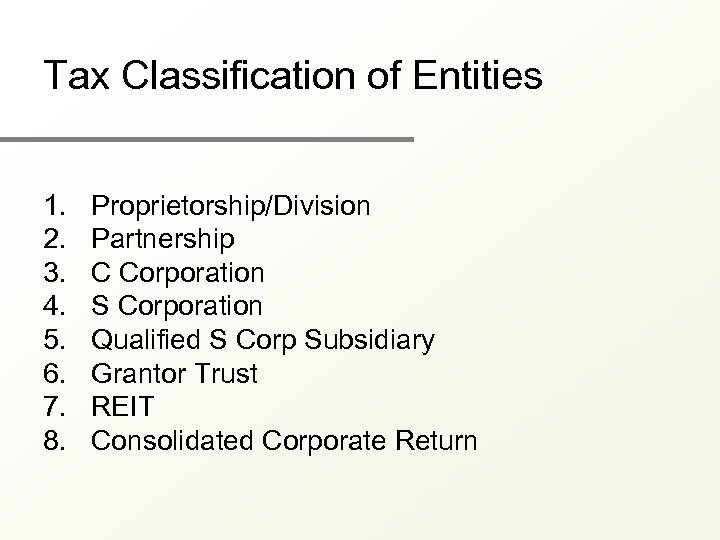
Tax Classification of Entities 1. 2. 3. 4. 5. 6. 7. 8. Proprietorship/Division Partnership C Corporation S Corporation Qualified S Corp Subsidiary Grantor Trust REIT Consolidated Corporate Return
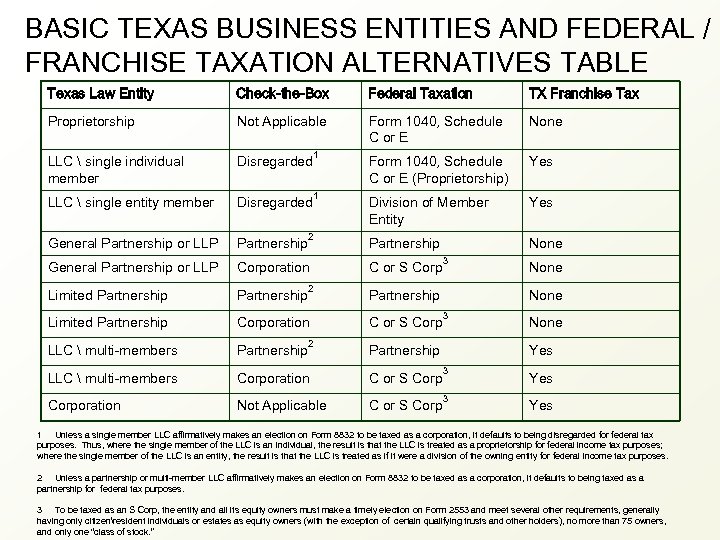
BASIC TEXAS BUSINESS ENTITIES AND FEDERAL / FRANCHISE TAXATION ALTERNATIVES TABLE Texas Law Entity Check-the-Box Federal Taxation TX Franchise Tax Proprietorship Not Applicable Form 1040, Schedule C or E None LLC single individual member Disregarded 1 Form 1040, Schedule C or E (Proprietorship) Yes LLC single entity member Disregarded 1 Division of Member Entity Yes General Partnership or LLP Partnership None 2 General Partnership or LLP Corporation Limited Partnership Corporation LLC multi-members Partnership LLC multi-members Corporation C or S Corp 3 Yes Corporation Not Applicable C or S Corp 3 Yes 2 2 C or S Corp 3 Partnership C or S Corp None 3 Partnership None Yes 1 Unless a single member LLC affirmatively makes an election on Form 8832 to be taxed as a corporation, it defaults to being disregarded for federal tax purposes. Thus, where the single member of the LLC is an individual, the result is that the LLC is treated as a proprietorship for federal income tax purposes; where the single member of the LLC is an entity, the result is that the LLC is treated as if it were a division of the owning entity for federal income tax purposes. 2 Unless a partnership or multi-member LLC affirmatively makes an election on Form 8832 to be taxed as a corporation, it defaults to being taxed as a partnership for federal tax purposes. 3 To be taxed as an S Corp, the entity and all its equity owners must make a timely election on Form 2553 and meet several other requirements, generally having only citizenresident individuals or estates as equity owners (with the exception of certain qualifying trusts and other holders), no more than 75 owners, and only one “class of stock. ”
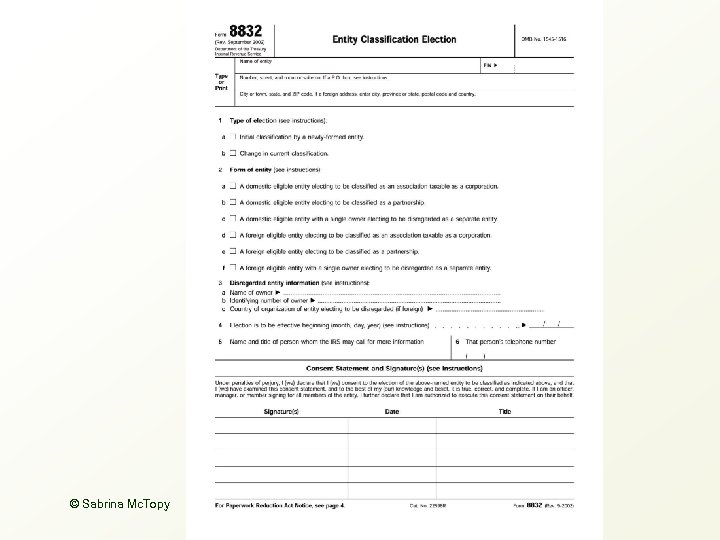
© Sabrina Mc. Topy
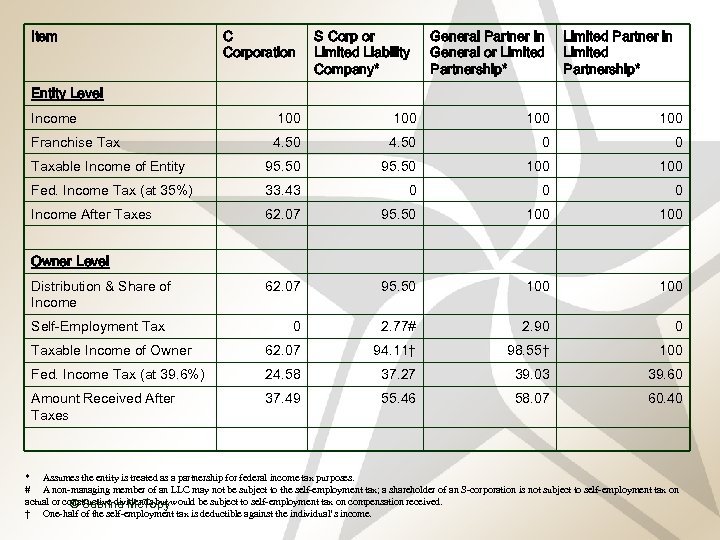
Item C Corporation S Corp or Limited Liability Company* General Partner in General or Limited Partnership* Limited Partner in Limited Partnership* Entity Level Income 100 100 Franchise Tax 4. 50 0 0 Taxable Income of Entity 95. 50 100 Fed. Income Tax (at 35%) 33. 43 0 0 0 Income After Taxes 62. 07 95. 50 100 100 0 2. 77# 2. 90 0 Taxable Income of Owner 62. 07 94. 11† 98. 55† 100 Fed. Income Tax (at 39. 6%) 24. 58 37. 27 39. 03 39. 60 Amount Received After Taxes 37. 49 55. 46 58. 07 60. 40 Owner Level Distribution & Share of Income Self-Employment Tax * Assumes the entity is treated as a partnership for federal income tax purposes. # A non-managing member of an LLC may not be subject to the self-employment tax; a shareholder of an S-corporation is not subject to self-employment tax on actual or constructive dividends but would be subject to self-employment tax on compensation received. © Sabrina Mc. Topy † One-half of the self-employment tax is deductible against the individual’s income.
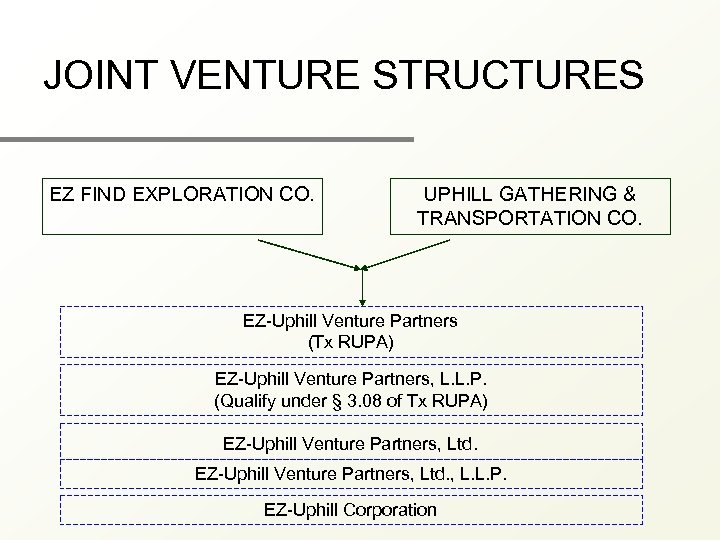
JOINT VENTURE STRUCTURES EZ FIND EXPLORATION CO. UPHILL GATHERING & TRANSPORTATION CO. EZ-Uphill Venture Partners (Tx RUPA) EZ-Uphill Venture Partners, L. L. P. (Qualify under § 3. 08 of Tx RUPA) EZ-Uphill Venture Partners, Ltd. , L. L. P. EZ-Uphill Corporation
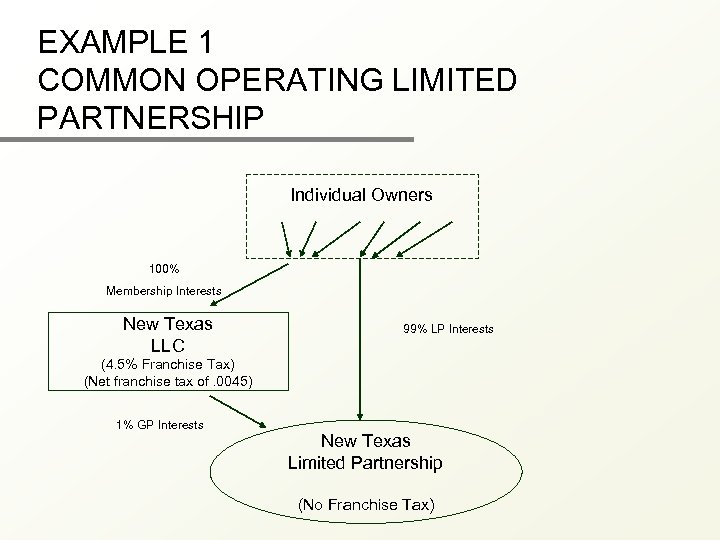
EXAMPLE 1 COMMON OPERATING LIMITED PARTNERSHIP Individual Owners 100% Membership Interests New Texas LLC 99% LP Interests (4. 5% Franchise Tax) (Net franchise tax of. 0045) 1% GP Interests New Texas Limited Partnership (No Franchise Tax)
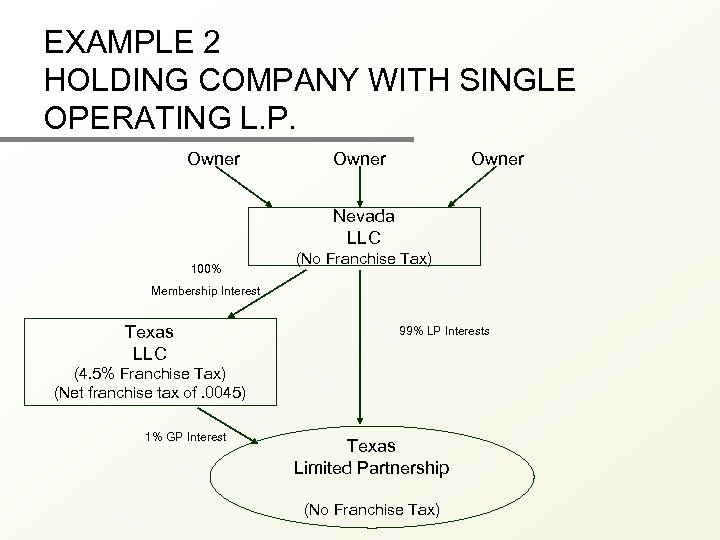
EXAMPLE 2 HOLDING COMPANY WITH SINGLE OPERATING L. P. Owner Nevada LLC 100% (No Franchise Tax) Membership Interest Texas LLC 99% LP Interests (4. 5% Franchise Tax) (Net franchise tax of. 0045) 1% GP Interest Texas Limited Partnership (No Franchise Tax)
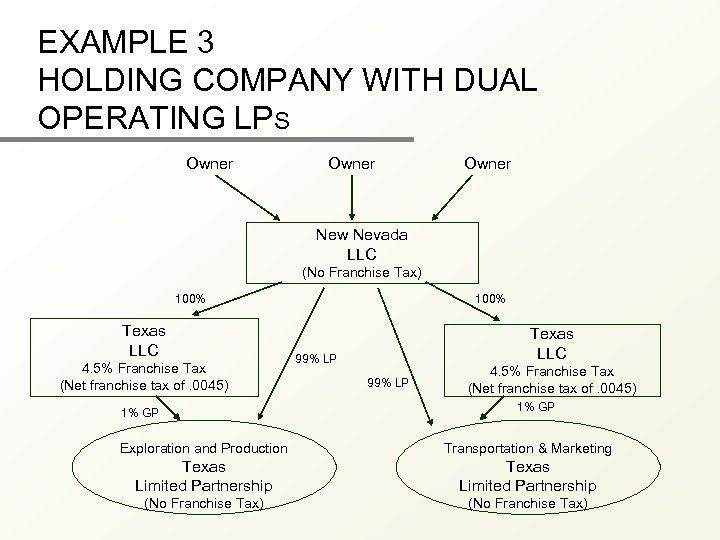
EXAMPLE 3 HOLDING COMPANY WITH DUAL OPERATING LPS Owner New Nevada LLC (No Franchise Tax) 100% Texas LLC 4. 5% Franchise Tax (Net franchise tax of. 0045) 1% GP 100% Texas LLC 99% LP 4. 5% Franchise Tax (Net franchise tax of. 0045) 1% GP Exploration and Production Transportation & Marketing (No Franchise Tax) Texas Limited Partnership
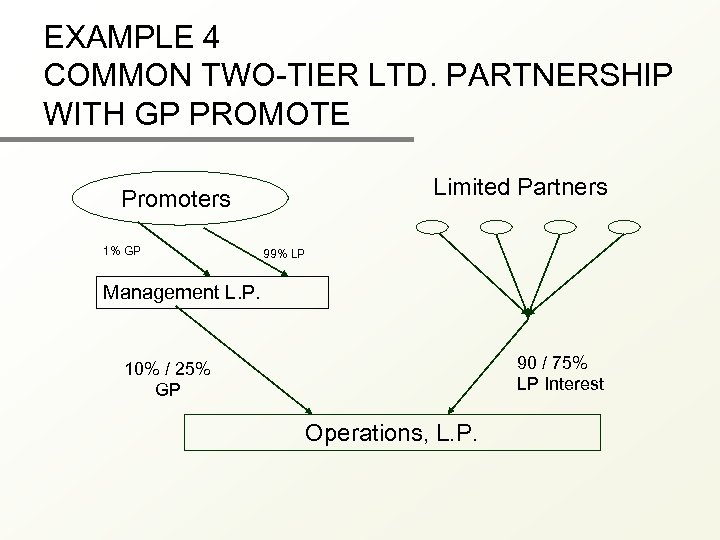
EXAMPLE 4 COMMON TWO-TIER LTD. PARTNERSHIP WITH GP PROMOTE Limited Partners Promoters 1% GP 99% LP Management L. P. 90 / 75% LP Interest 10% / 25% GP Operations, L. P.
Call the Help Desk • Are you using Entities 2006 or an earlier verson? • Have you visited the Secretary of State website? www. sos. state. tx. us • Appendix A to the Paper—Entity Matrix • Appendix B to the Paper—Tax Matrix © Sabrina Mc. Topy
Скачать презентацию CHOOSING THE TEXAS BUSINESS ENTITY Advanced Oil and
a6409961e92208a87ea5226de2322fc8.ppt