 Скачать презентацию Chemistry The sub-atomic particles protons neutrons electrons
Lesson 3 -Fundamental Particles - English.ppt
- Количество слайдов: 24



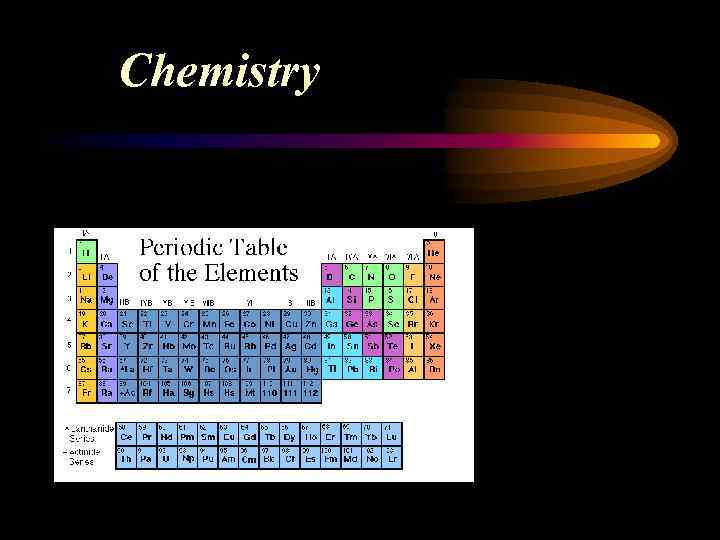
Chemistry
The sub-atomic particles: protons, neutrons, electrons Элементарные частицы: протоны, нейтроны, электроны
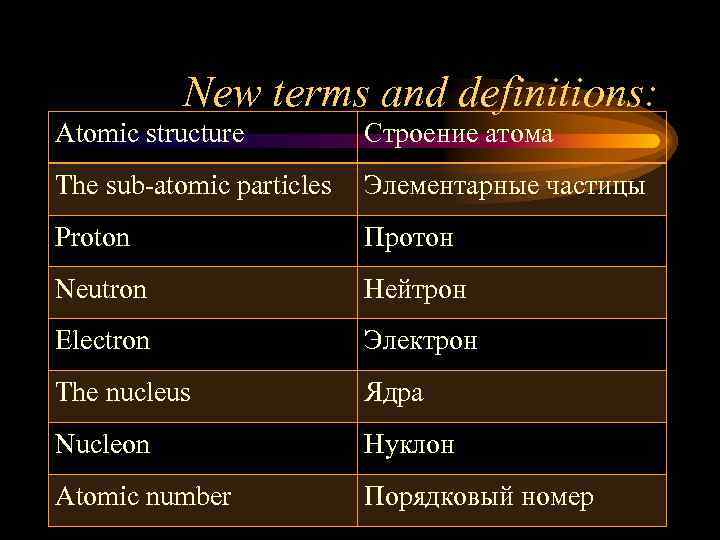
New terms and definitions: Atomic structure Строение атома The sub-atomic particles Элементарные частицы Proton Протон Neutron Нейтрон Electron Электрон The nucleus Ядра Nucleon Нуклон Atomic number Порядковый номер
Atomic Structure Learning Objectives: Do I know. . • The structure of an atom? • About the relative size of the nucleus? • That atoms of a given element have the same number of protons in the nucleus? • The meaning of the terms ‘atomic number’ and ‘mass number’?
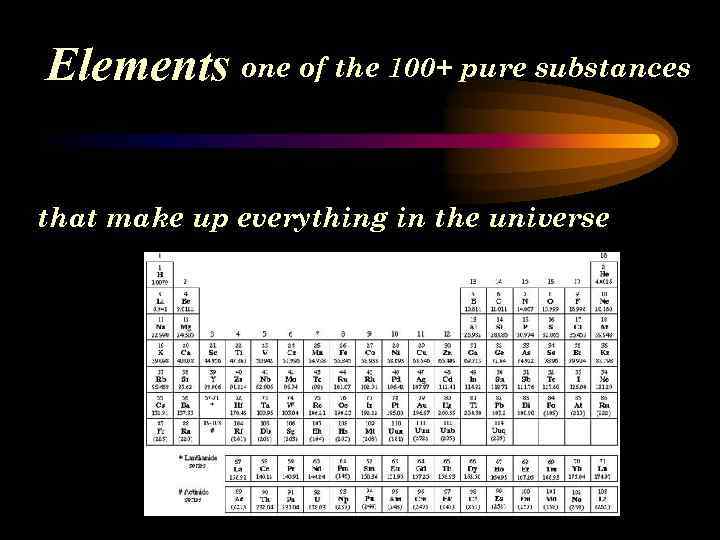
Elements one of the 100+ pure substances that make up everything in the universe
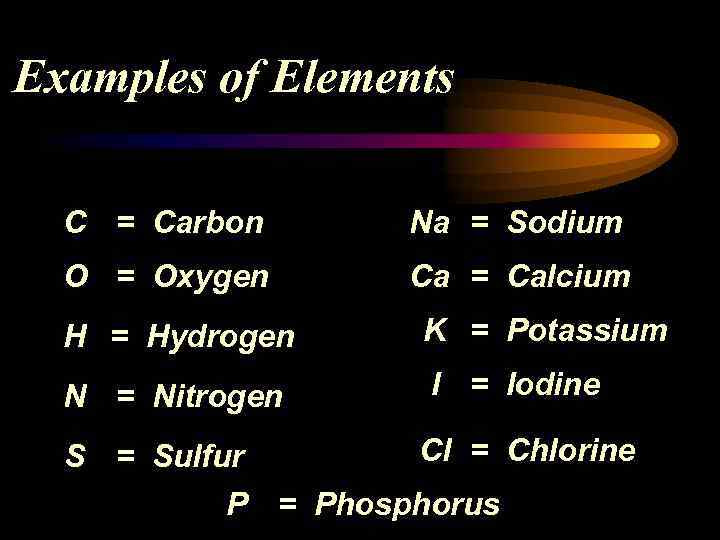
Examples of Elements C = Carbon Na = Sodium O = Oxygen Ca = Calcium H = Hydrogen K = Potassium N = Nitrogen I = Iodine Cl = Chlorine S = Sulfur P = Phosphorus
Working in pairs complete the following: • Draw an atom – It must include all the subatomic particles, their charges and locations. – Try to answer the following questions • The structure of an atom? • About the relative size of the nucleus? • That atoms of a given element have the same number of protons in the nucleus? • The meaning of the terms ‘atomic number’ and ‘mass number’?
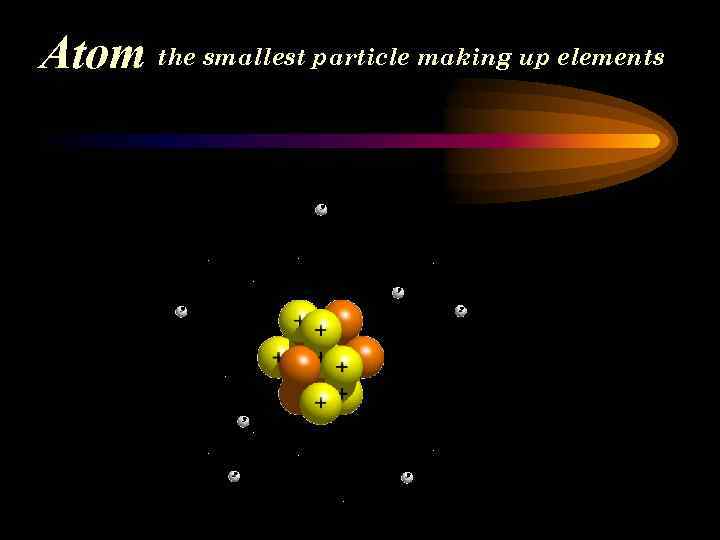
Atom the smallest particle making up elements
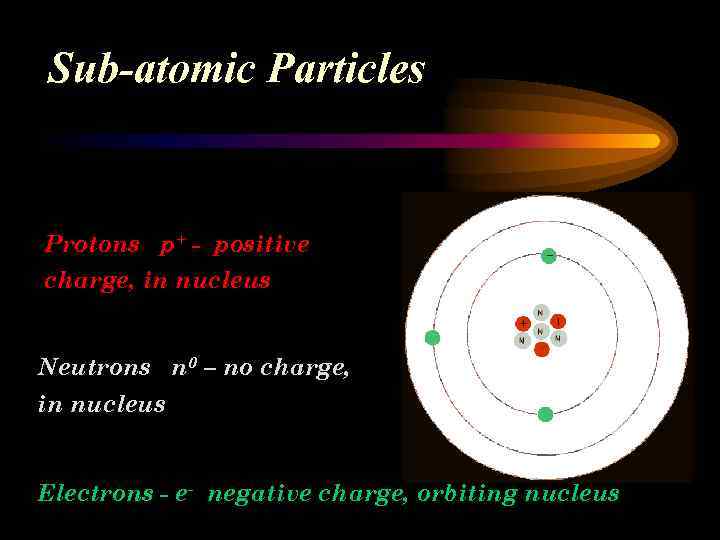
Sub-atomic Particles Protons p+ - positive charge, in nucleus Neutrons n 0 – no charge, in nucleus Electrons - e- negative charge, orbiting nucleus

http: //www. pil-network. com/resources/tools
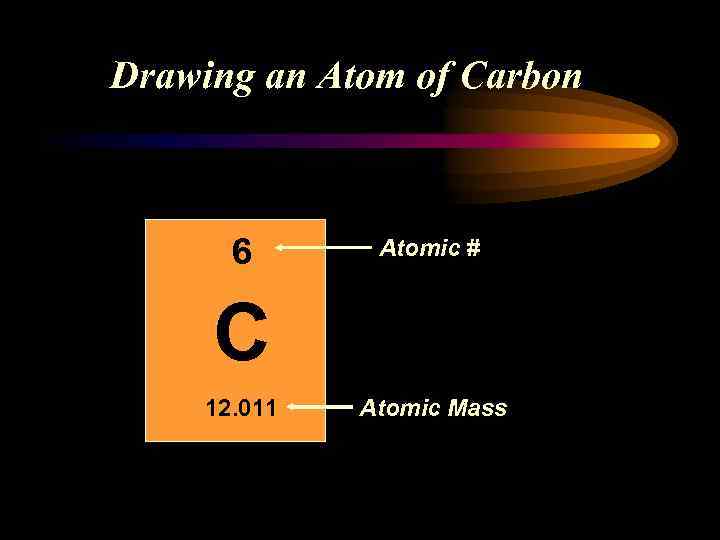
Drawing an Atom of Carbon 6 Atomic # C 12. 011 Atomic Mass
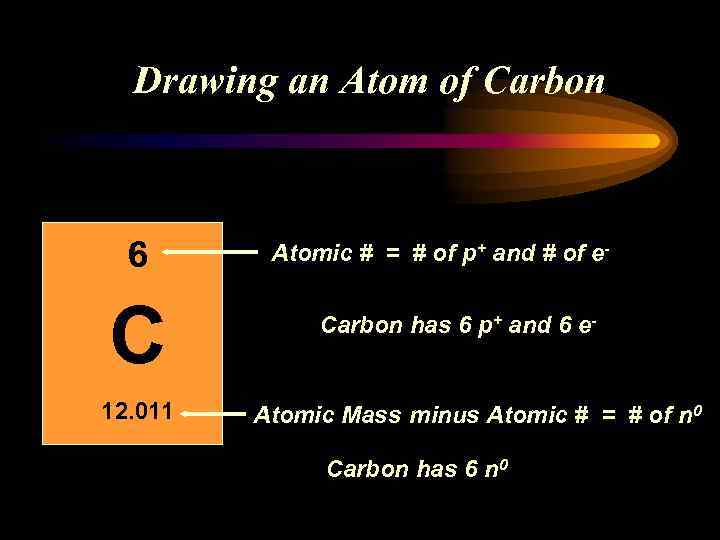
Drawing an Atom of Carbon 6 C 12. 011 Atomic # = # of p+ and # of e. Carbon has 6 p+ and 6 e- Atomic Mass minus Atomic # = # of n 0 Carbon has 6 n 0
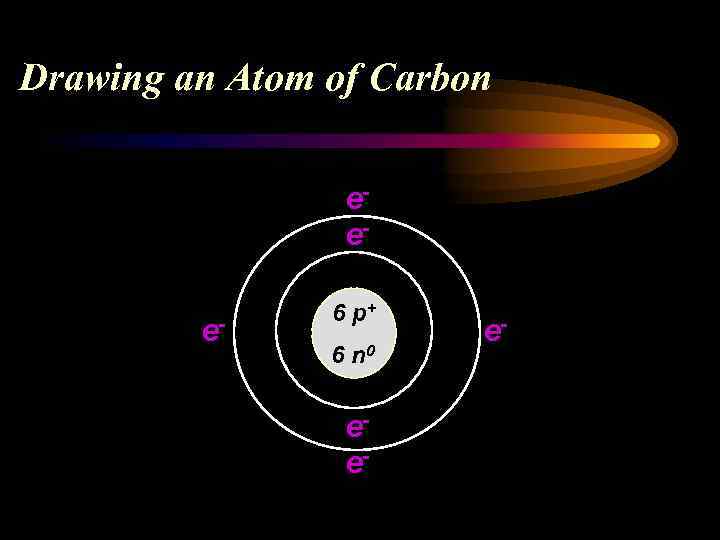
Drawing an Atom of Carbon eee- 6 p+ 6 n 0 ee- e-
exercises • Task 1. Determine the number of protons and electrons in the atoms of iron and mercury
exercises • Task 2. An atom of an element has 10 neutrons in the nucleus of an atom and the atomic weight of 19. Determine what is an element?
Complete the handout in pairs
Assessment for learning…. • Using the mini white board answer the following questions individually
How many protons does Silicon have?
What makes up the atomic weight of an atom?
How many electrons does a neutral Calcium atom have?
What element has one less proton than Boron?
What is the atomic number and Atomic mass of Argon?
Chemistry Diga, diga, that’s all folks!
This powerpoint was kindly donated to www. worldofteaching. com http: //www. worldofteaching. com is home to over a thousand powerpoints submitted by teachers. This is a completely free site and requires no registration. Please visit and I hope it will help in your teaching.
Скачать презентацию Chemistry The sub-atomic particles protons neutrons electrons
Lesson 3 -Fundamental Particles - English.ppt