 Скачать презентацию Checked by Zhairbaeva Zh K Prepared by Nogaibayeva
срс англ ногайбаева.ppt
- Количество слайдов: 16




Checked by: Zhairbaeva Zh. K. Prepared by: Nogaibayeva M. K. 102 - MPD
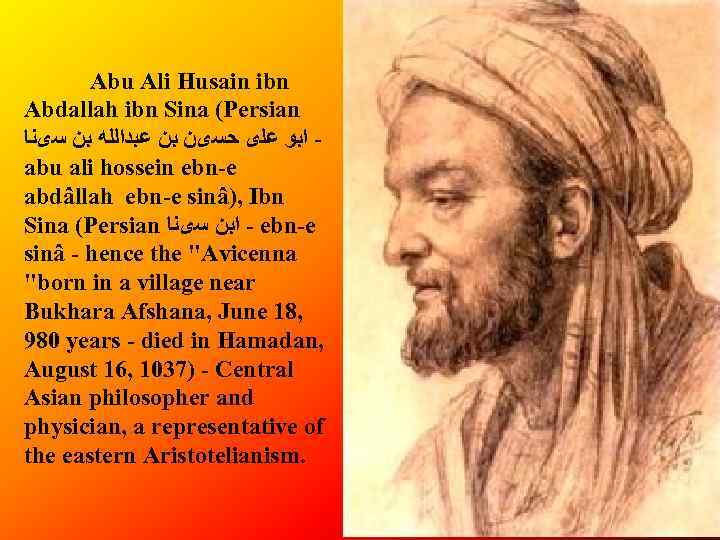
Abu Ali Husain ibn Abdallah ibn Sina (Persian ﺍﺑﻮ ﻋﻠی ﺣﺴیﻦ ﺑﻦ ﻋﺒﺪﺍﻟﻠﻪ ﺑﻦ ﺳیﻨﺎ abu ali hossein ebn-e abdâllah ebn-e sinâ), Ibn Sina (Persian - ﺍﺑﻦ ﺳیﻨﺎ ebn-e sinâ - hence the "Avicenna "born in a village near Bukhara Afshana, June 18, 980 years - died in Hamadan, August 16, 1037) - Central Asian philosopher and physician, a representative of the eastern Aristotelianism.
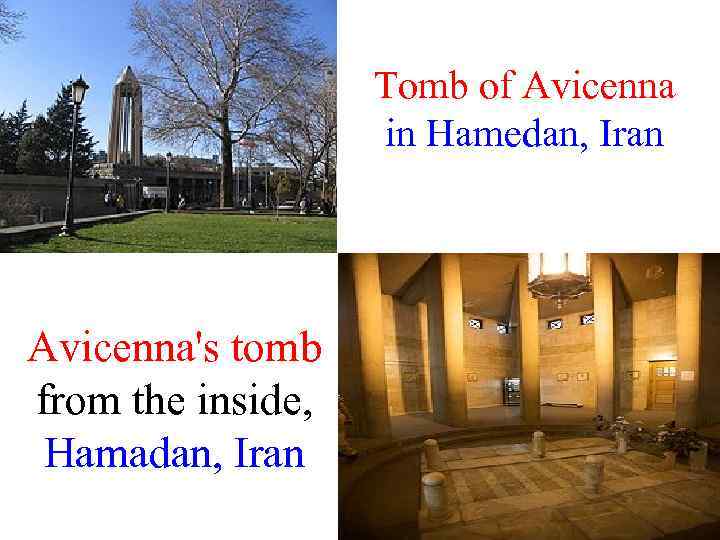
Tomb of Avicenna in Hamedan, Iran Avicenna's tomb from the inside, Hamadan, Iran
He was court physician Samanid emirs and sultans daylemitskih, some time was vizier in Hamadan. Total written over 450 papers in 29 fields of science, of which have reached us only 274. In Europe, known by the Latinized name Avicenna.
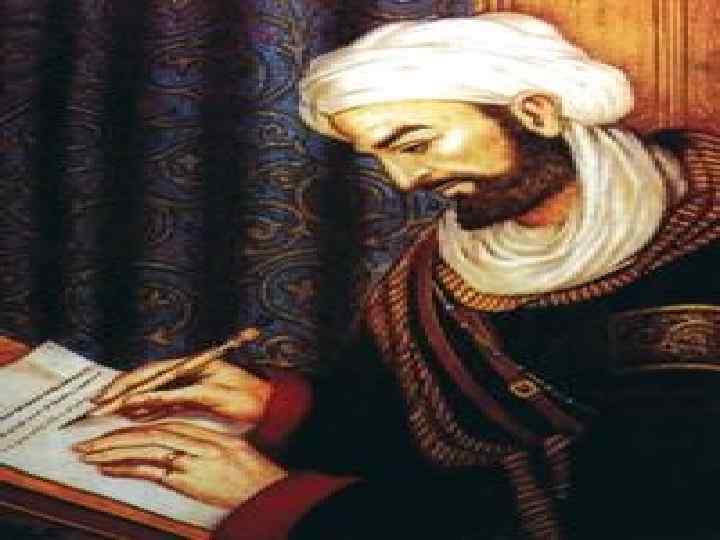
Avicenna (Abu Ali Ibn Sina) is one of the greatest scientists of Central Asia. The philosopher and physician, naturalist and mathematician, poet and literary critic, his name stands next to the immortal names of great thinkers of mankind.
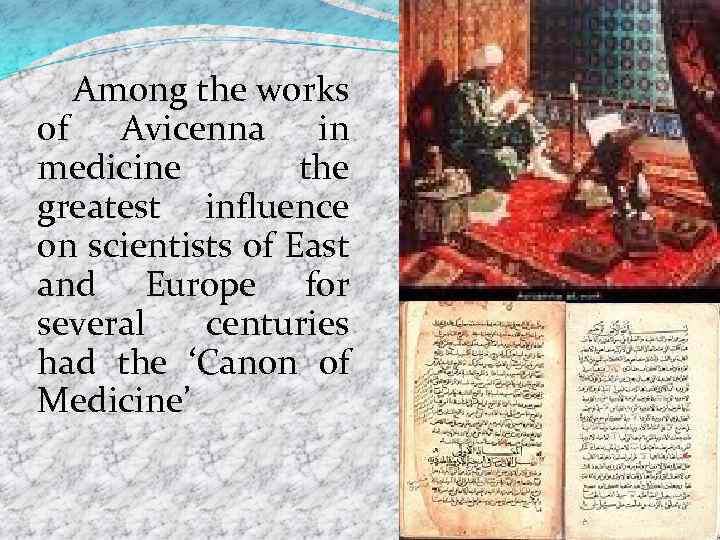
Among the works of Avicenna in medicine the greatest influence on scientists of East and Europe for several centuries had the ‘Canon of Medicine’
Avicenna described the first plague, cholera, jaundice, analyzed the causes, symptoms and treatments of serious diseases such as meningitis, gastric ulcer, and many others. He explained in detail the structure of the eye muscles. Until it was believed that the eye, like a flashlight emits a special rays, the rays reflected from objects, go back and give the image.
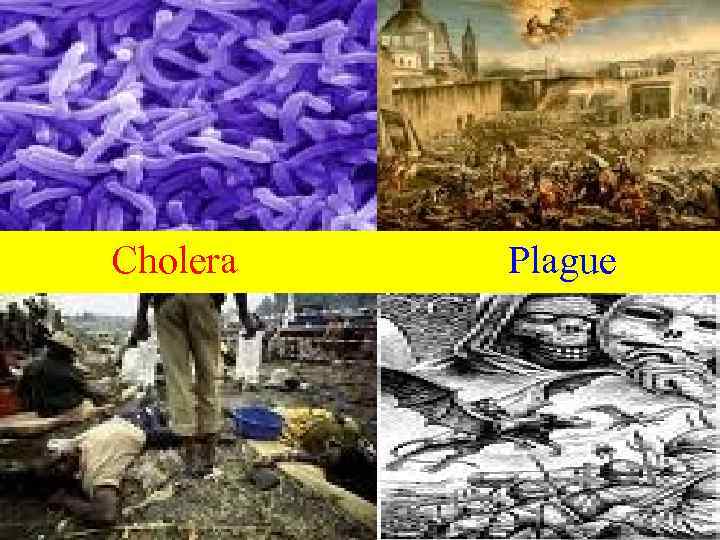
Cholera Plague
Among the books written by Avicenna, not only basic medical treatises, and books on astronomy, mathematics, music theory, theory of geology, philosophical works, books on linguistics and art of the story. Avicenna introduced a new in many areas of human activity. Some serious scientific books he wrote as a poem, sounding shaped poems. Many books have disappeared without a trace of Avicenna died in fires. On them we know only by hearsay. Some are buried in treasures, are unsolved, and perhaps their humanity opens.
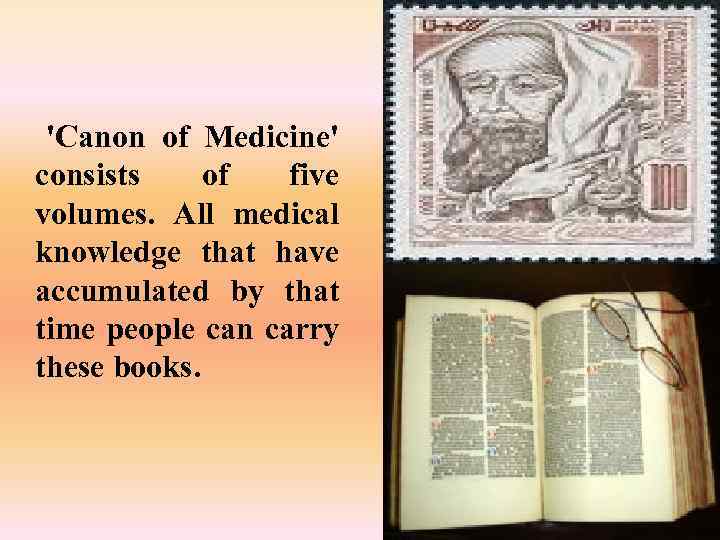
'Canon of Medicine' consists of five volumes. All medical knowledge that have accumulated by that time people can carry these books.
The first volume, theory of medical science, anatomy, diagnosis, physiology, surgery. This book describes the acute and chronic diseases and methods for their treatment. The second volume told of simple medicines. They almost 800. The roots and bark of many trees can help people fight the disease. The third and fourth volumes describe the disease of human organs, talk about treatment options. How to treat fractures of the skull, nose, jaw, collarbone, ribs - this, too, says Avicenna. In the fifth volume treats the complex drugs. The structure of some of them is up to 37 units. Many drugs are given with reference to the ancient physicians, Europe and Asia. Others - the first time prepared and tested Avicenna.
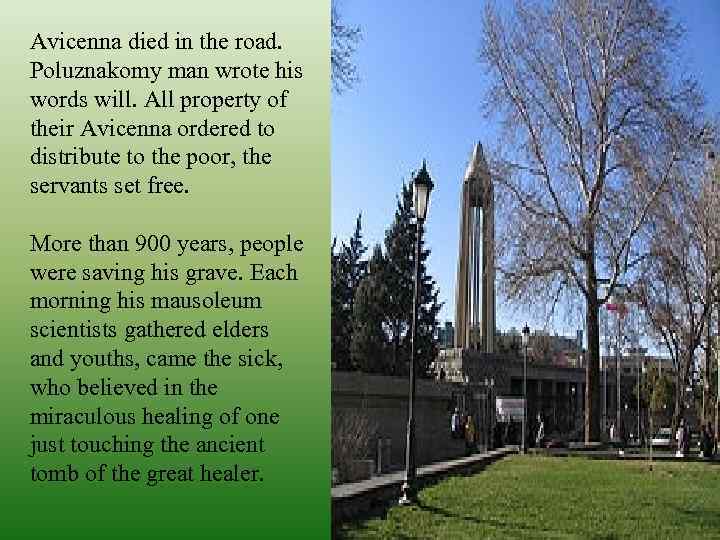
Avicenna died in the road. Poluznakomy man wrote his words will. All property of their Avicenna ordered to distribute to the poor, the servants set free. More than 900 years, people were saving his grave. Each morning his mausoleum scientists gathered elders and youths, came the sick, who believed in the miraculous healing of one just touching the ancient tomb of the great healer.
A list of references: • Ibn Sina's Metaphysics entry by Olga Lizzini in the Stanford Encyclopedia of Philosophy • Avicenna (Ibn Sina) Internet Encyclopedia of Philosophy • Avicenna (Ibn-Sina) on the Subject and the Object of Metaphysics with a list of translations of the logical and philosophical works and an annotated bibliography • Avicenna on In Our Time at the BBC. (listen now) • Digitized works by Avicena at Biblioteca Digital Hispánica, Biblioteca Nacional de España • International Conference on "Life & Contribution of Ibn Sina"

u ! o ! y k on! n ti a n h e T tt a r o F
Скачать презентацию Checked by Zhairbaeva Zh K Prepared by Nogaibayeva
срс англ ногайбаева.ppt