


 Скачать презентацию Chapter 8 Services Complexity in defining and
bbdbe1e977114c7c99516d075b206433.ppt
- Количество слайдов: 32
 Chapter 8 Services • Complexity in defining and measuring services • Diversity in industries and occupations • Why have services grown so rapidly? • The productivity issue in services • Work in the service sector • The position of finance and producer services • Globalization of services • Consumer services & tourism
 Services • The “tertiary” sector – diversity of occupations and industries • The so-called “post-industrial” era • The ongoing changing division of labor • Service industries vs. service occupations vs. service functions (consumer use of service industries)
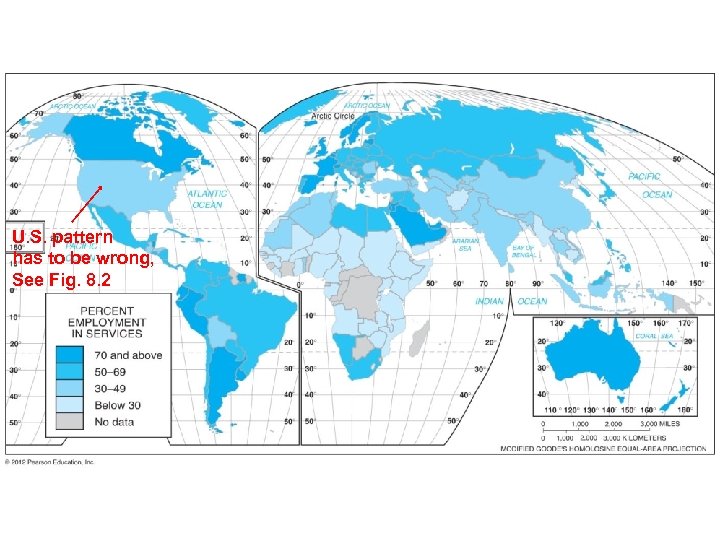 U. S. pattern has to be wrong, See Fig. 8. 2
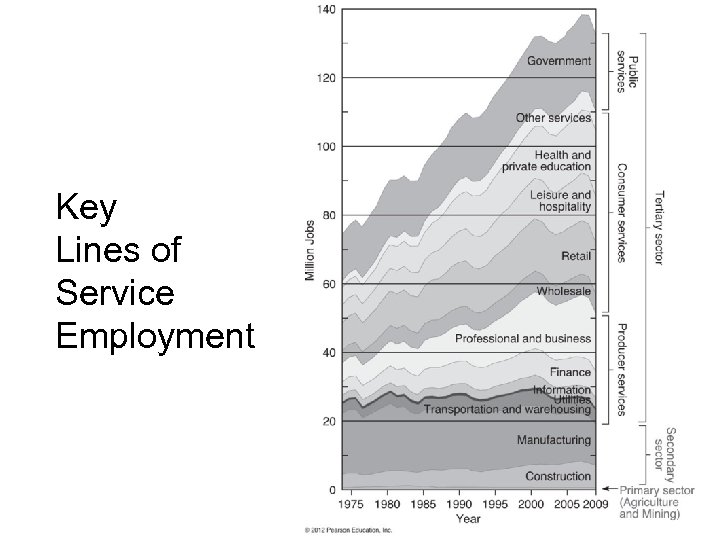 Key Lines of Service Employment
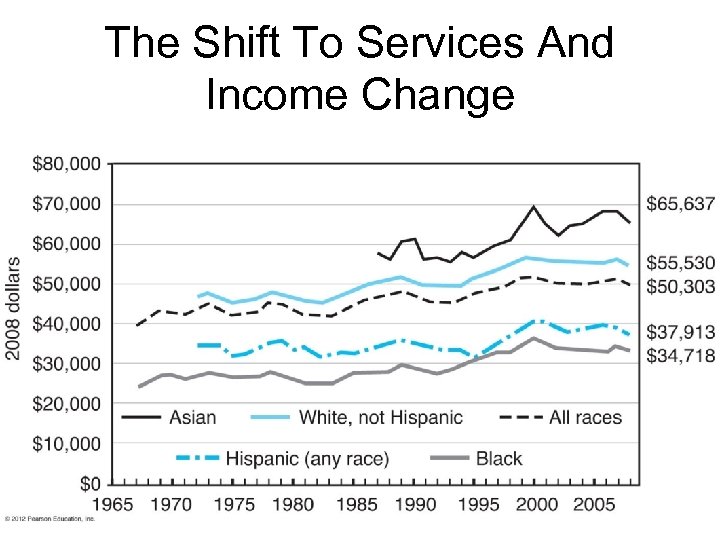 The Shift To Services And Income Change
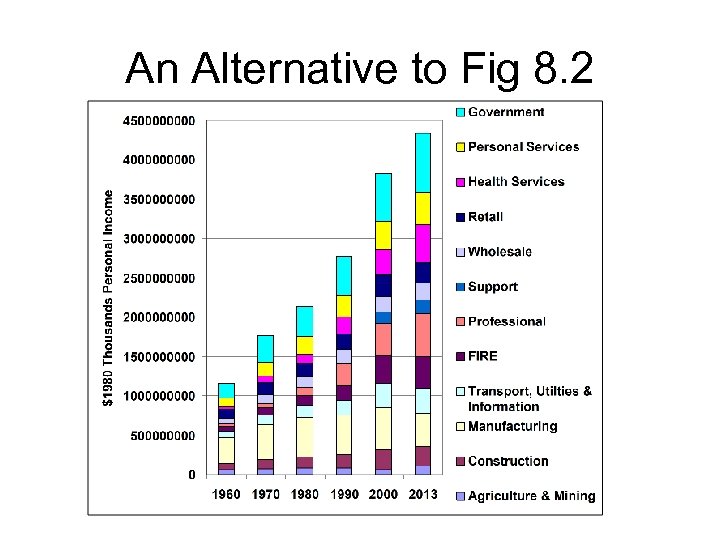 An Alternative to Fig 8. 2
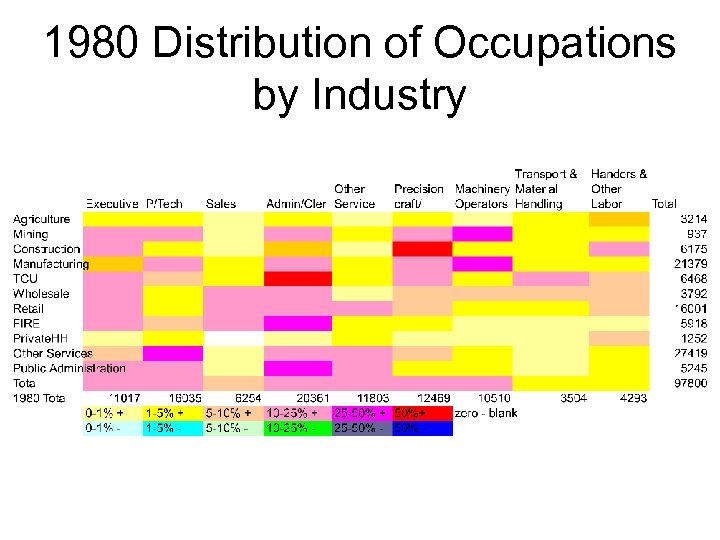 1980 Distribution of Occupations by Industry
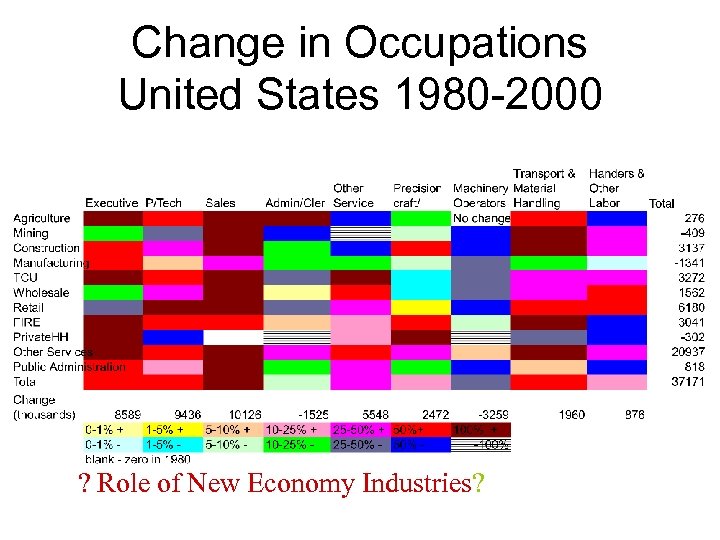 Change in Occupations United States 1980 -2000 ? Role of New Economy Industries?
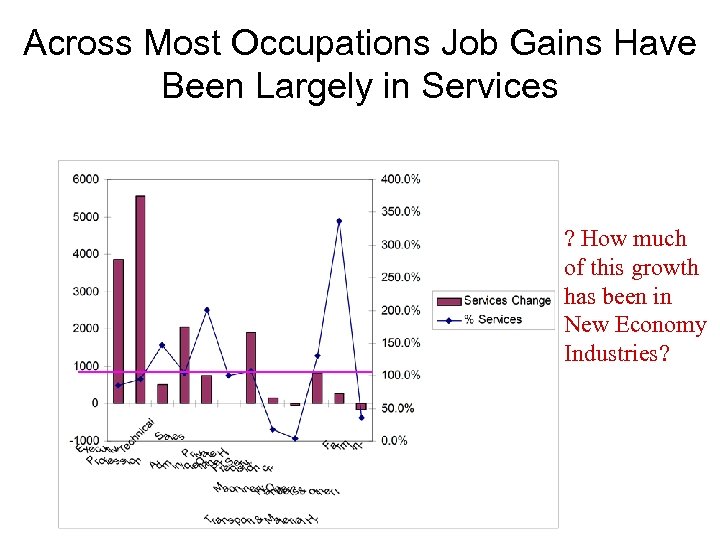 Across Most Occupations Job Gains Have Been Largely in Services ? How much of this growth has been in New Economy Industries?
 Forces Driving the Growth of Services • Rising Incomes (income elasticity of demand for particular services) Fig 8. 5 • Demand for health care (Figures 8. 7 & 8. 8) • Increasingly complex division of labor – innovations in services • Growth of the public sector – services & regulation • Service Exports – regional & international • Externalization Processes
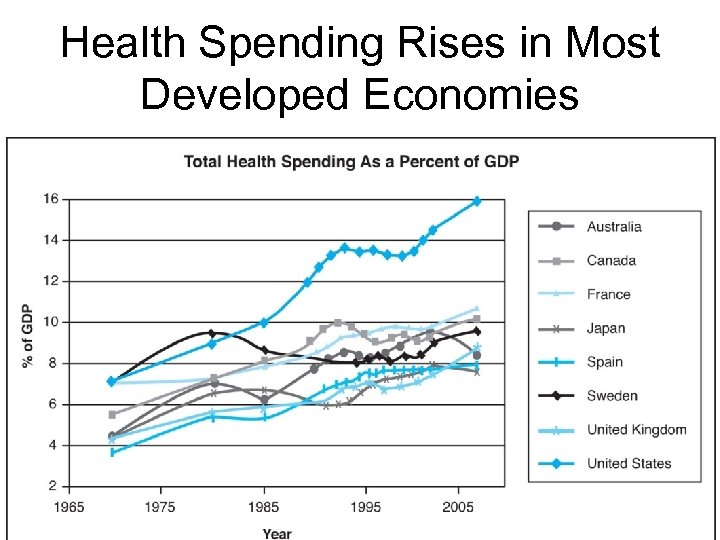 Health Spending Rises in Most Developed Economies
 Producer Services: Why Have They Grown so Rapidly • Some data from Beyers’ NSF funded research • The next few slides come from this project, conducted in the mid-1990’s • It is unlikely that the major contours of these results have changed • New lines of intermediate services have emerged since this study
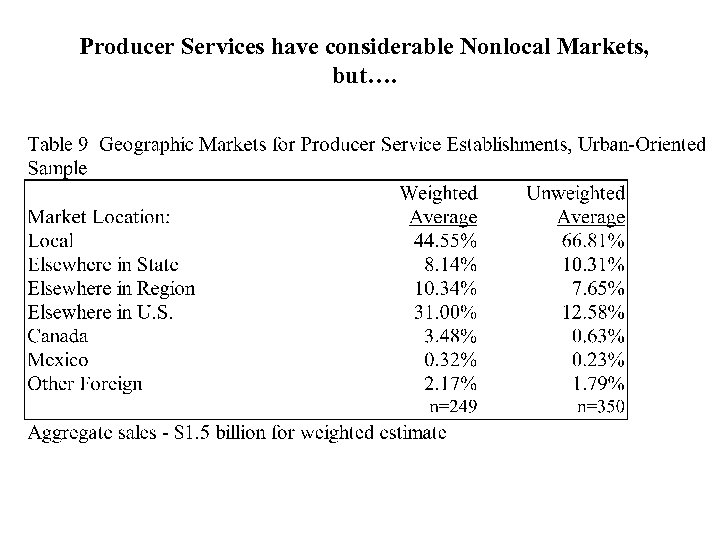 Producer Services have considerable Nonlocal Markets, but….
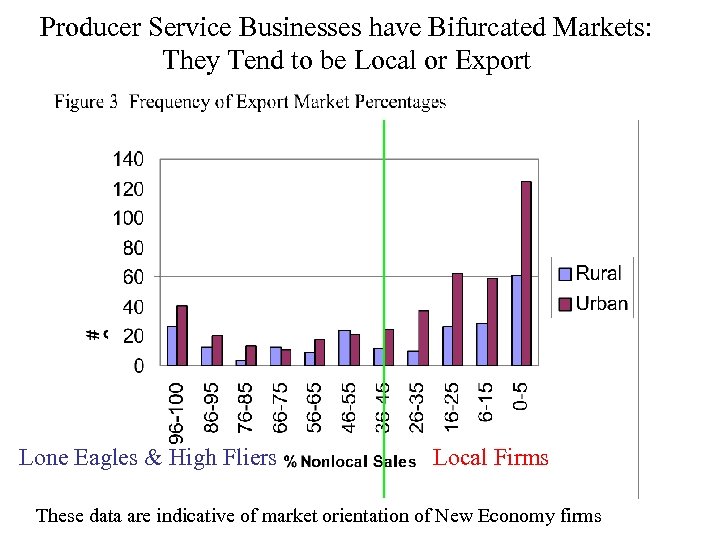 Producer Service Businesses have Bifurcated Markets: They Tend to be Local or Export Lone Eagles & High Fliers Local Firms These data are indicative of market orientation of New Economy firms
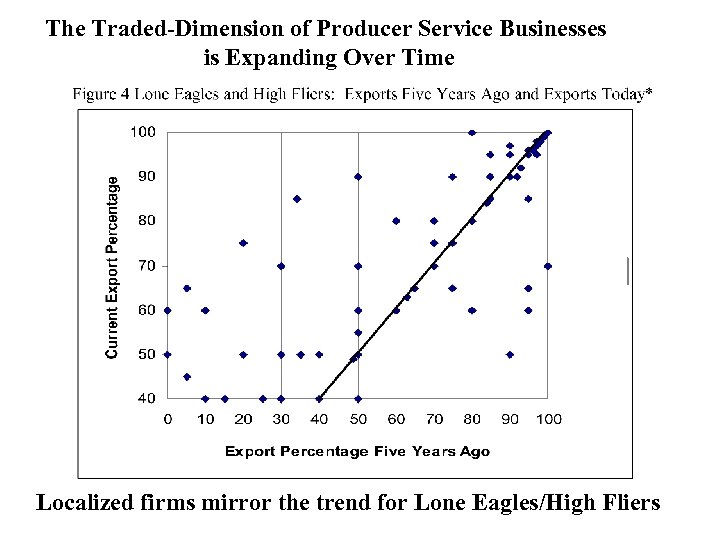 The Traded-Dimension of Producer Service Businesses is Expanding Over Time Localized firms mirror the trend for Lone Eagles/High Fliers
 Externalization Processes in the Producer Services • Transactions Cost Considerations: the “make or buy” decision • Flexibility • Risk Reduction • Concentration on core skills • New types of services • Third-party objectivity • New regulations
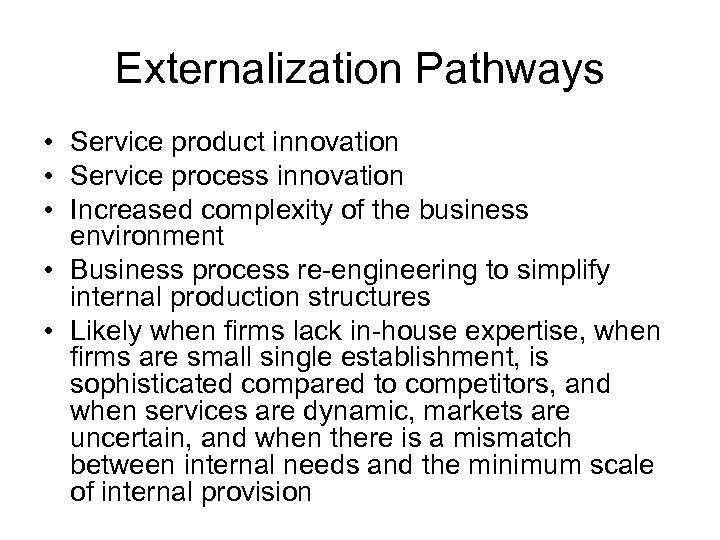 Externalization Pathways • Service product innovation • Service process innovation • Increased complexity of the business environment • Business process re-engineering to simplify internal production structures • Likely when firms lack in-house expertise, when firms are small single establishment, is sophisticated compared to competitors, and when services are dynamic, markets are uncertain, and when there is a mismatch between internal needs and the minimum scale of internal provision
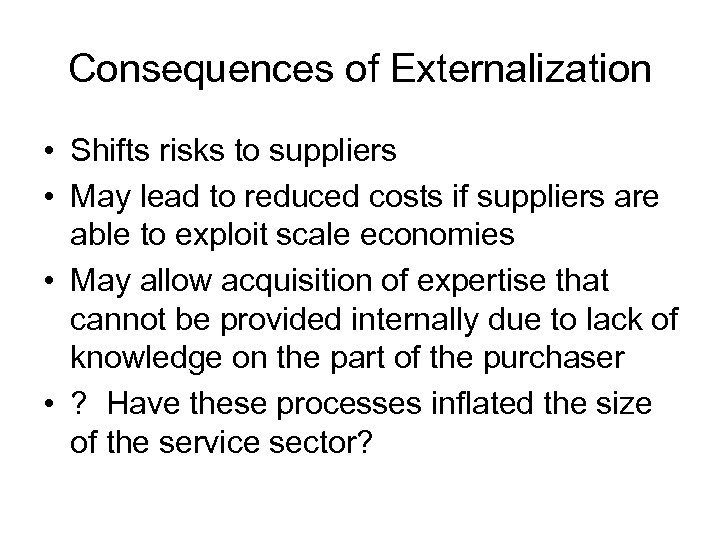 Consequences of Externalization • Shifts risks to suppliers • May lead to reduced costs if suppliers are able to exploit scale economies • May allow acquisition of expertise that cannot be provided internally due to lack of knowledge on the part of the purchaser • ? Have these processes inflated the size of the service sector?
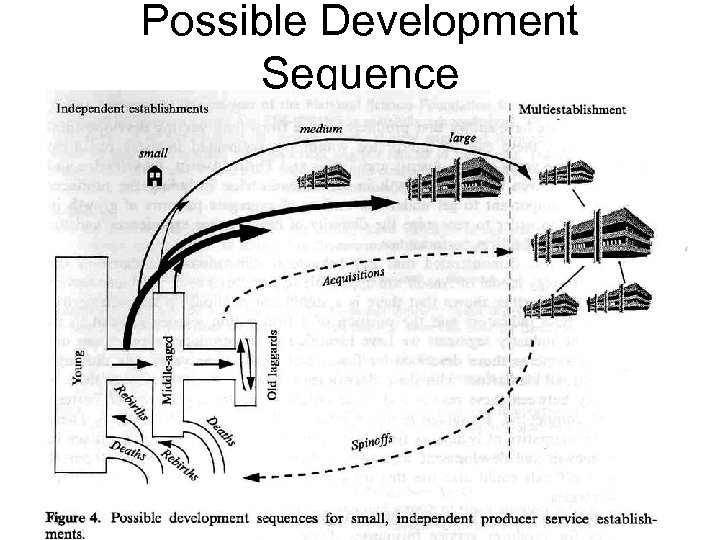 Possible Development Sequence
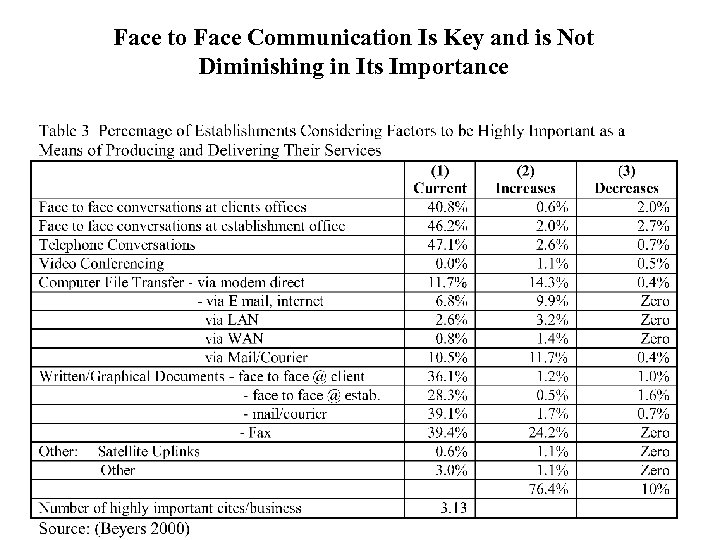 Face to Face Communication Is Key and is Not Diminishing in Its Importance
 Recognition of Producer Services as a Part of the Economic Base • Historic metro concentration • Recent rural deconcentration • Role in “Edge Cities” • The “New Economy. ” • --Producer Services as a progenitor to the New Economy: –now multimedia, online retail, . com, –. org, . edu; telemedicine, teleservices, tele? ; content providers; media conduits; delivery agents, etc.
 The Productivity Debate • The presumed slow growth of productivity in services compared to goods production • Difficulties in measuring services productivity – Output per unit of input. But what is the Output? Take a college professor as an example. What are the inputs in higher education? • Routine services vs. complex services
 Constraints on Productivity • Personal (human) labor is necessary • The co-presence need for seller and buyers for many services (haircuts) • Proximity requirements may grant monopolistic power to sellers, restraining productivity • Opacity in markets (buyer not knowledgeable about service) • Often a relational matter between buyer and seller (design services)
 Impact of IT on Services Productivity • Falling costs of IT equipment & software • Growing real power of machines and networks • Changing capabilities, that in many cases have allowed innovations in services • Integration of service providers in networks, including the rise of the Internet as a medium for services transactions
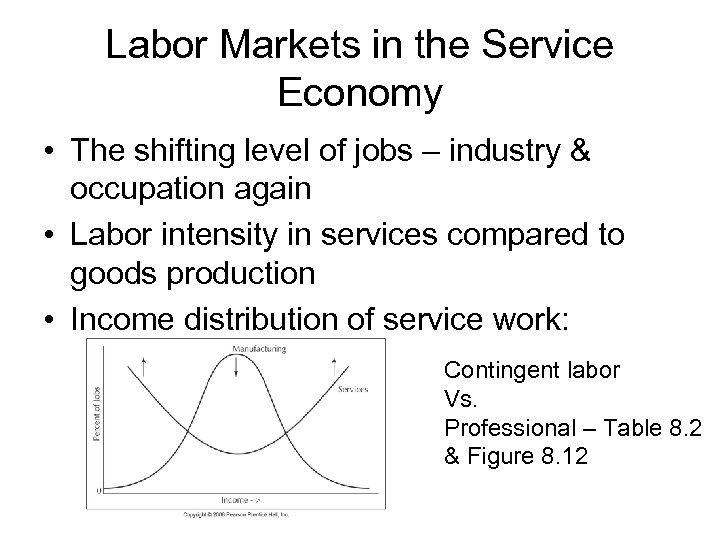 Labor Markets in the Service Economy • The shifting level of jobs – industry & occupation again • Labor intensity in services compared to goods production • Income distribution of service work: Contingent labor Vs. Professional – Table 8. 2 & Figure 8. 12
 Labor Markets in the Service Economy, continued • Gender composition of employment – Figure 8. 18, and the rising female labor force participation rate (Figure 8. 17) • Income distribution in services employment vs. goods production (Figure 8. 15) but the overall rising income inequality in the U. S. (Figure 8. 16) • Low rates of unionization in services, contributing to low incomes in some sectors
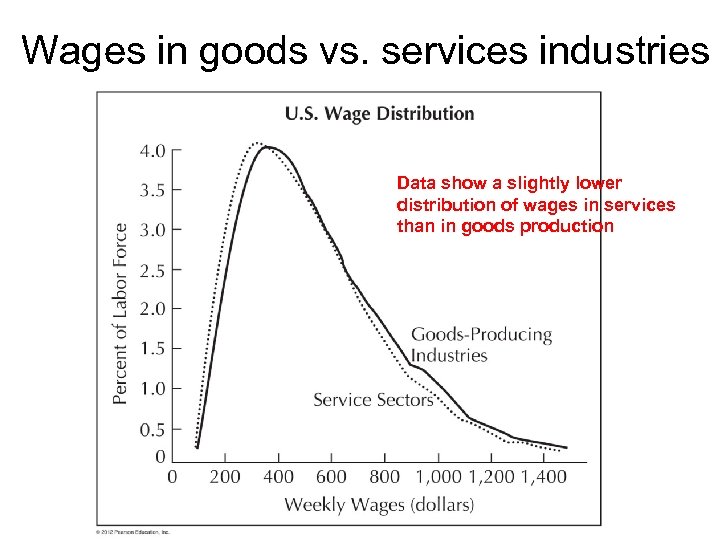 Wages in goods vs. services industries Data show a slightly lower distribution of wages in services than in goods production
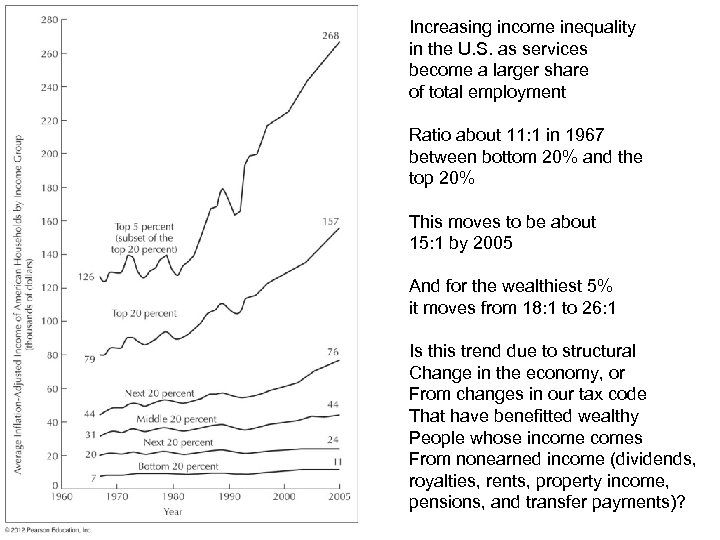 Increasing income inequality in the U. S. as services become a larger share of total employment Ratio about 11: 1 in 1967 between bottom 20% and the top 20% This moves to be about 15: 1 by 2005 And for the wealthiest 5% it moves from 18: 1 to 26: 1 Is this trend due to structural Change in the economy, or From changes in our tax code That have benefitted wealthy People whose incomes From nonearned income (dividends, royalties, rents, property income, pensions, and transfer payments)?
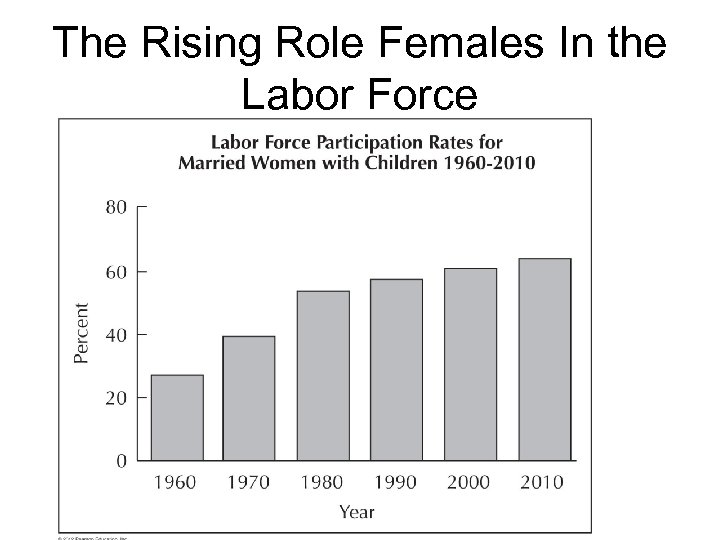 The Rising Role Females In the Labor Force
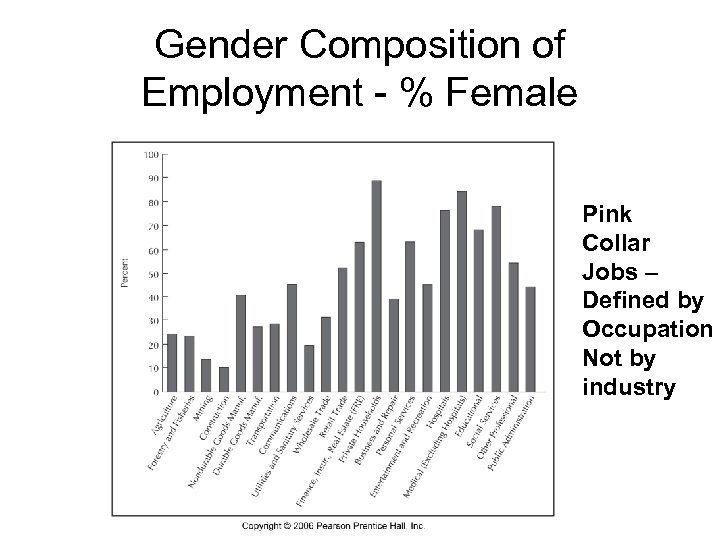 Gender Composition of Employment - % Female Pink Collar Jobs – Defined by Occupation Not by industry
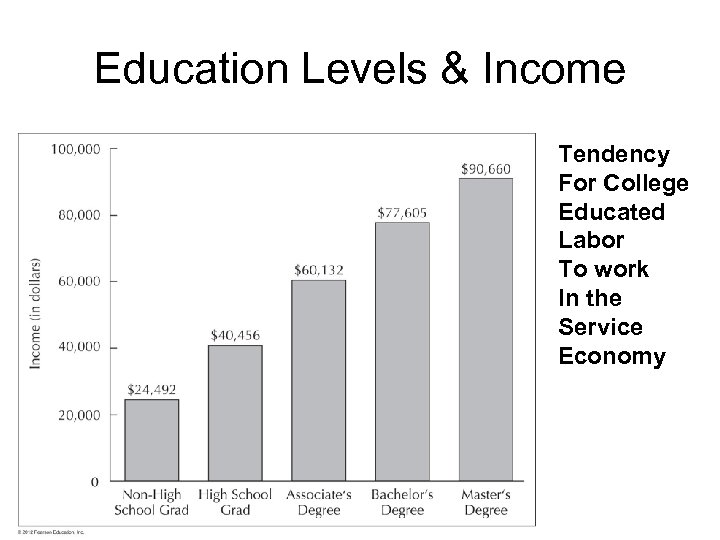 Education Levels & Income Tendency For College Educated Labor To work In the Service Economy
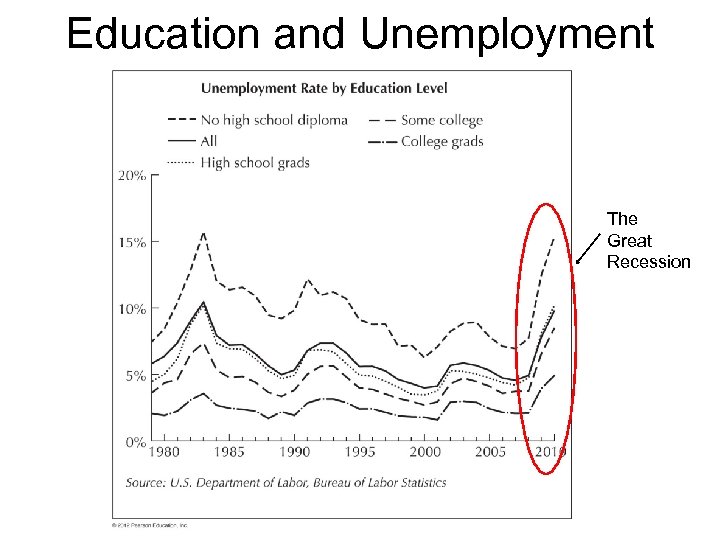 Education and Unemployment The Great Recession