


 Скачать презентацию CHAPTER 8 POLITICAL GEOGRAPHY The Cultural Landscape An
7cc9ec771e75547df256c453e4e3dd26.ppt
- Количество слайдов: 67
 CHAPTER 8: POLITICAL GEOGRAPHY The Cultural Landscape: An Introduction to Human Geography © 2011 Pearson Education, Inc.
 THE OPPOSITE OF MISS TEEN SOUTH CAROLINA © 2011 Pearson Education, Inc.
 STATE = COUNTRY © 2011 Pearson Education, Inc.
 DISTRIBUTED? • A state is an area organized into a political unit and ruled by an established government that has control over its internal and foreign affairs. • Occupies defined territory • Permanent population • A state has sovereignty, which means independence from control of its internal affairs by other states. © 2011 Pearson Education, Inc.
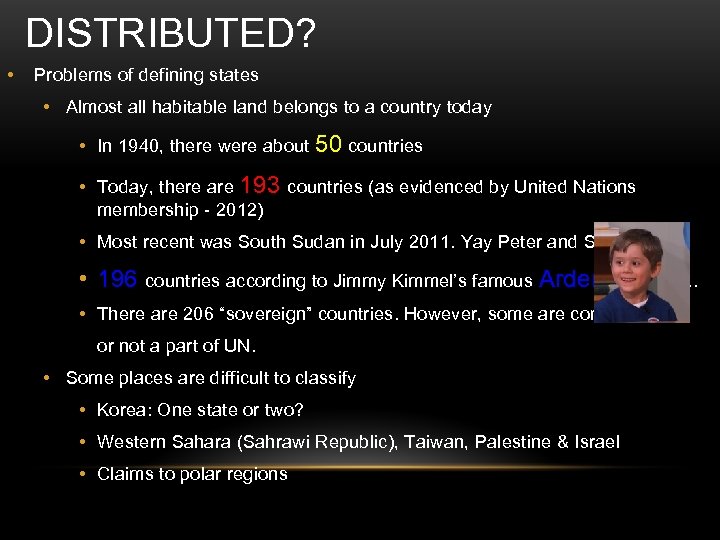 DISTRIBUTED? • Problems of defining states • Almost all habitable land belongs to a country today • In 1940, there were about 50 countries • Today, there are 193 countries (as evidenced by United Nations membership - 2012) • Most recent was South Sudan in July 2011. Yay Peter and Santino!!! • 196 countries according to Jimmy Kimmel’s famous Arden Hayes… • There are 206 “sovereign” countries. However, some are contested or not a part of UN. • Some places are difficult to classify • Korea: One state or two? • Western Sahara (Sahrawi Republic), Taiwan, Palestine & Israel • Claims to polar regions © 2011 Pearson Education, Inc.
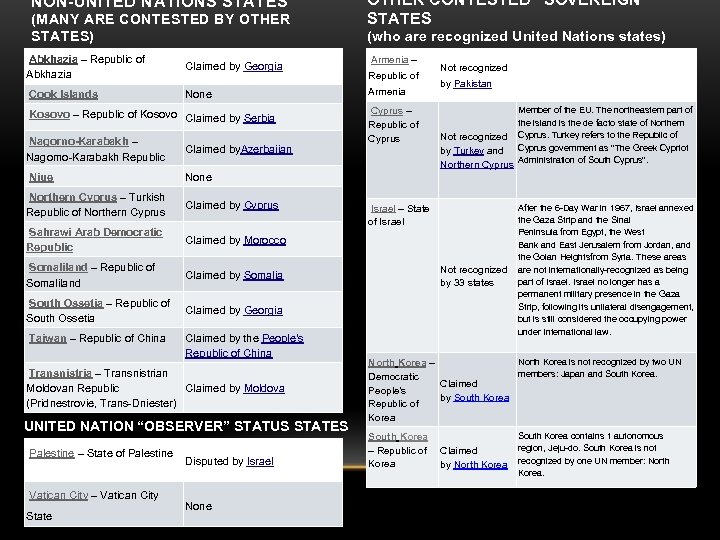 NON-UNITED NATIONS STATES (MANY ARE CONTESTED BY OTHER STATES) Abkhazia – Republic of Abkhazia Claimed by Georgia Cook Islands None OTHER CONTESTED “SOVEREIGN” STATES (who are recognized United Nations states) Armenia – Republic of Armenia Kosovo – Republic of Kosovo Claimed by Serbia Nagorno-Karabakh – Nagorno-Karabakh Republic Claimed by. Azerbaijan Niue Claimed by Cyprus Sahrawi Arab Democratic Republic Claimed by Morocco Somaliland – Republic of Somaliland Claimed by Somalia South Ossetia – Republic of South Ossetia Claimed by Georgia by Pakistan Member of the EU. The northeastern part of the island is the de facto state of Northern Not recognized Cyprus. Turkey refers to the Republic of Cyprus government as "The Greek Cypriot by Turkey and Administration of South Cyprus". None Northern Cyprus – Turkish Republic of Northern Cyprus – Republic of Cyprus Not recognized Taiwan – Republic of China Northern Cyprus Claimed by the People's Republic of China Transnistria – Transnistrian Moldovan Republic Claimed by Moldova (Pridnestrovie, Trans-Dniester) UNITED NATION “OBSERVER” STATUS STATES Palestine – State of Palestine Vatican City – Vatican City State Disputed by Israel – State of Israel After the 6 -Day War in 1967, Israel annexed the Gaza Strip and the Sinai Peninsula from Egypt, the West Bank and East Jerusalem from Jordan, and the Golan Heightsfrom Syria. These areas Not recognized are not internationally-recognized as being part of Israel no longer has a by 33 states permanent military presence in the Gaza Strip, following its unilateral disengagement, but is still considered the occupying power under international law. North Korea is not recognized by two UN North Korea – members: Japan and South Korea. Democratic Claimed People's by South Korea Republic of Korea South Korea – Republic of Claimed Korea by North Korea None © 2011 Pearson Education, Inc. South Korea contains 1 autonomous region, Jeju-do. South Korea is not recognized by one UN member: North Korea.
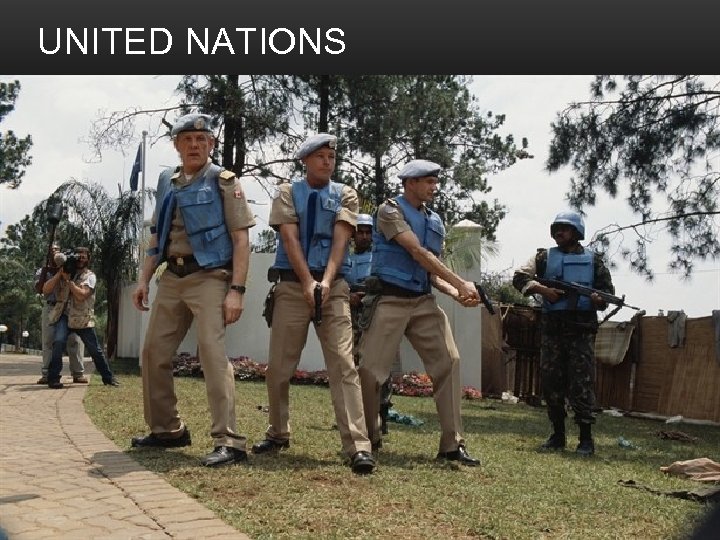 UNITED NATIONS Figure 8 -2 © 2011 Pearson Education, Inc.
 Wake Up: • What do you think are the purposes of the United Nations? © 2011 Pearson Education, Inc.
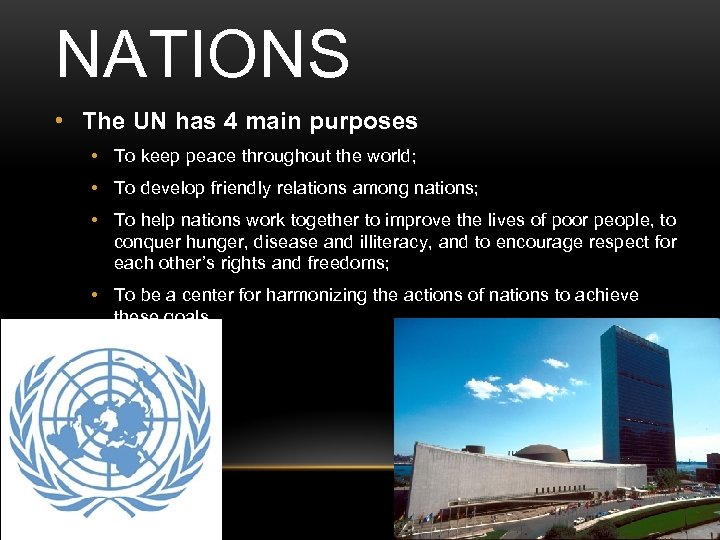 NATIONS • The UN has 4 main purposes • To keep peace throughout the world; • To develop friendly relations among nations; • To help nations work together to improve the lives of poor people, to conquer hunger, disease and illiteracy, and to encourage respect for each other’s rights and freedoms; • To be a center for harmonizing the actions of nations to achieve these goals. © 2011 Pearson Education, Inc.
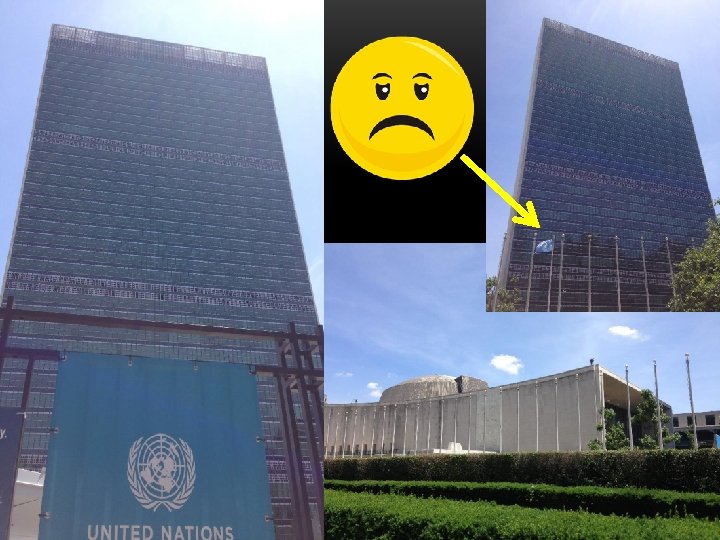 © 2011 Pearson Education, Inc.
 UNITED NATIONS BIO • The United Nations is an international organization founded in 1945 after the Second World War by 51 countries committed to maintaining international peace and security, developing friendly relations among nations and promoting social progress, better living standards and human rights. • Due to its unique international character, and the powers vested in its founding Charter, the Organization can take action on a wide range of issues, and provide a forum for its 193 Member States to express their views, through the General Assembly, the Security Council, the Economic and Social Council and other bodies and committees. • The Organization works on a broad range of fundamental issues, from sustainable development, environment and refugees protection, disaster relief, counter terrorism, disarmament and non-proliferation, to promoting democracy, human rights, gender equality and the advancement of women, governance, economic and social development and international health, clearing landmines, expanding food production, and more, in order to achieve its goals and coordinate efforts for a safer world for this and future generations. © 2011 Pearson Education, Inc.
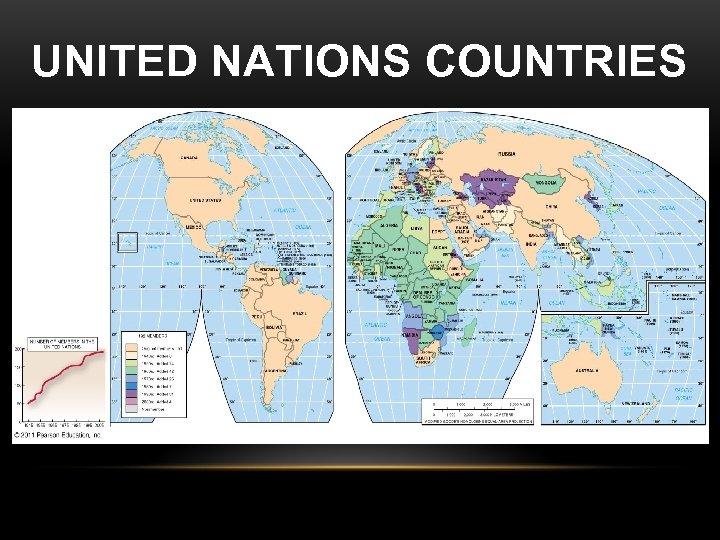 UNITED NATIONS COUNTRIES © 2011 Pearson Education, Inc.
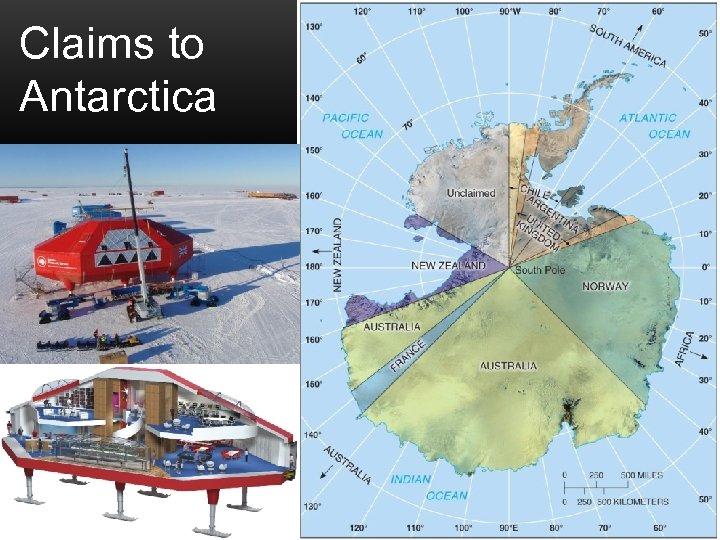 Claims to Antarctica © 2011 Pearson Education, Inc.
 DISTRIBUTED? • Varying sizes of states • State size varies considerably • Largest state = Russia (6, 592, 800 sq. mi. , Pop: 144 million) • 11 percent of the world’s land area • “Smallest state” = Monaco (0. 78 sq. mi. Pop. 38, 000) – in the UN, Vatican City (0. 17 sq. mi. Pop. 798) – not in UN • Microstate = states with very small land areas (usually less than 1000 sq. km) • About two dozen microstates • EX: Vatican City, Monaco, San Marino, Liechtenstein, Maldives, Grenada, Barbados, Singapore, etc. © 2011 Pearson Education, Inc.
 DISTRIBUTED? • Development of the state concept • Ancient states • The Fertile Crescent • City-state: sovereign states that are comprised of towns and their surrounding countryside. • Walls delineated boundaries. • Area immediately outside walls controlled by city to produce food for urban residents. • Medieval States • Gained military dominance of individual city-states led to the formation of empires. e. g. Roman Empire • Roman Empire collapse in 5 th century led to its land being parceled up and controlled by various monarchies. © 2011 Pearson Education, Inc.
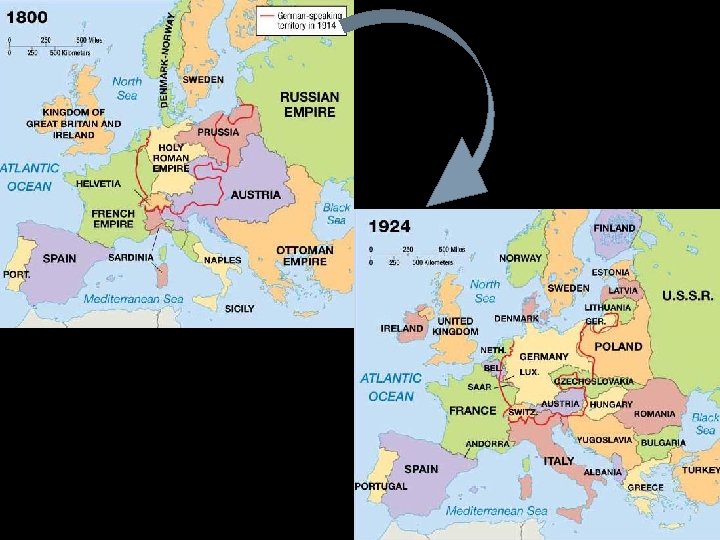
 DISTRIBUTED? • Development of the State Concept • Nation-States in Europe • A nation-state is a state this territory corresponds to that occupied by a particular ethnicity. • The concept that ethnicities have the right to govern themselves is known as self-determination. • After WWI, leaders of the victorious countries met at the Versailles Peace Conference to redraw the map of Europe • Language most important criterion to create new European states and to adjust existing boundaries. • Nation-states created by Versailles conference lasted through most of 20 th century with little adjustment. © 2011 Pearson Education, Inc.
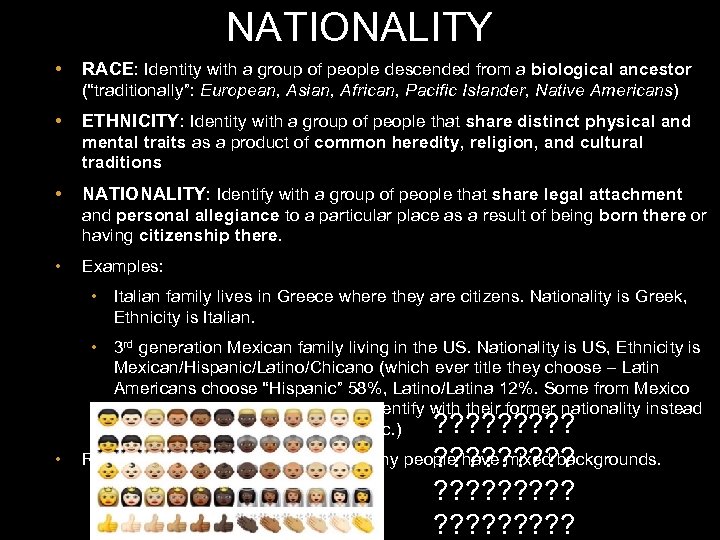 NATIONALITY • RACE: Identity with a group of people descended from a biological ancestor (“traditionally”: European, Asian, African, Pacific Islander, Native Americans) • ETHNICITY: Identity with a group of people that share distinct physical and mental traits as a product of common heredity, religion, and cultural traditions • NATIONALITY: Identify with a group of people that share legal attachment and personal allegiance to a particular place as a result of being born there or having citizenship there. • Examples: • Italian family lives in Greece where they are citizens. Nationality is Greek, Ethnicity is Italian. • 3 rd generation Mexican family living in the US. Nationality is US, Ethnicity is Mexican/Hispanic/Latino/Chicano (which ever title they choose – Latin Americans choose “Hispanic” 58%, Latino/Latina 12%. Some from Mexico prefer Chicano. Many choose to identify with their former nationality instead ie. Mexican, Cuban, Dominican, etc. ) • ? ? ? ? ? Race is harder to classify today as many people have mixed backgrounds. ? ? ? ? ? ? ?
 WHY ARE NATION-STATES DIFFICULT TO CREATE? • Nation-states and Multinational States • A state that contains more than one ethnicity is a multi-ethnic state. • Multitude of ethnicities in some cases all contribute cultural features to the formation of a single nationality. e. g. United States of America • A multinational state is a country that contains more than one ethnicity with traditions of self-determination. e. g. Russia © 2011 Pearson Education, Inc.
 WHY ARE NATION-STATES DIFFICULT TO CREATE? • Nation-states and Multinational States • Nation-States in Europe • Denmark • 90% of population are ethnic Danes • Nearly all Danes speak Danish • Nearly all world’s Danish speakers live in Denmark • Slovenia • 83% of population are ethnic Slovenes (1948: 97%) • Nearly all of the world’s Slovenes live in Slovenia © 2011 Pearson Education, Inc.
 WHY ARE NATION-STATES DIFFICULT TO CREATE? • Nation-states and Multinational States • Nation-States in Asia • Japan • 99% of population are ethnic Japanese • Korea • 98% of population are ethnic Korean • N. Korea (25 Million) S. Korea 50 Million © 2011 Pearson Education, Inc.
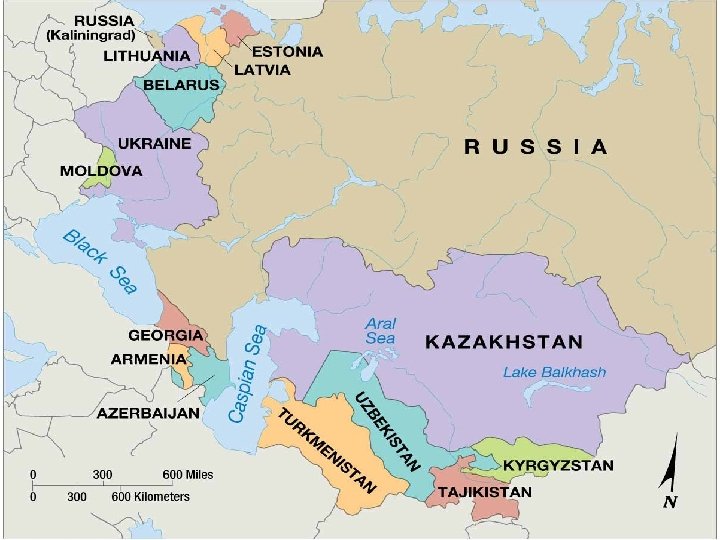
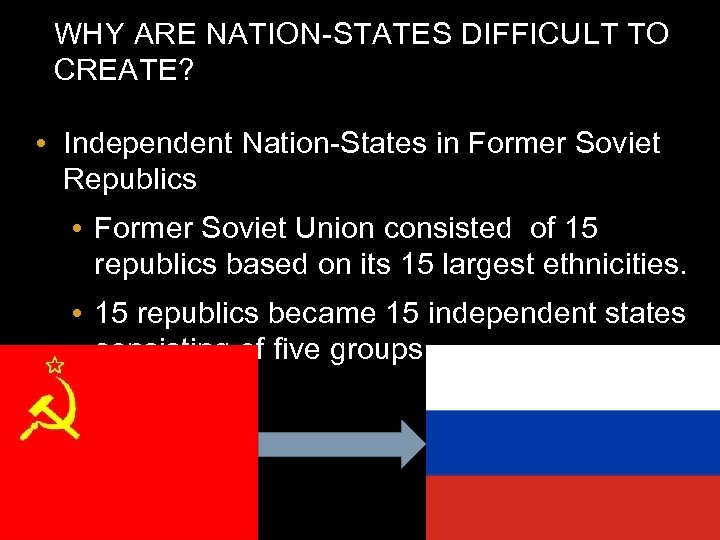 WHY ARE NATION-STATES DIFFICULT TO CREATE? • Independent Nation-States in Former Soviet Republics • Former Soviet Union consisted of 15 republics based on its 15 largest ethnicities. • 15 republics became 15 independent states consisting of five groups.
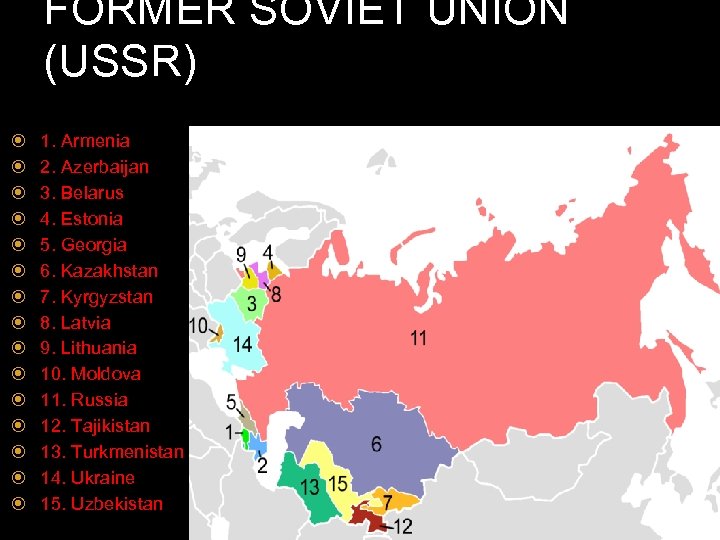 FORMER SOVIET UNION (USSR) 1. Armenia 2. Azerbaijan 3. Belarus 4. Estonia 5. Georgia 6. Kazakhstan 7. Kyrgyzstan 8. Latvia 9. Lithuania 10. Moldova 11. Russia 12. Tajikistan 13. Turkmenistan 14. Ukraine 15. Uzbekistan
 © 2011 Pearson Education, Inc.
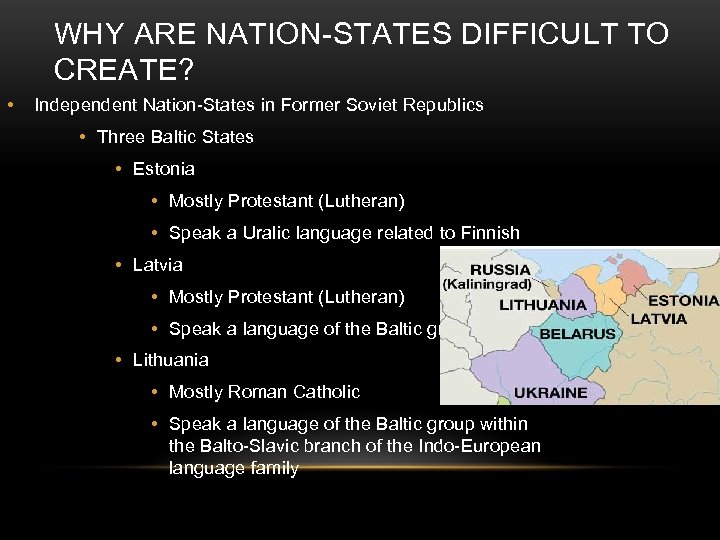 WHY ARE NATION-STATES DIFFICULT TO CREATE? • Independent Nation-States in Former Soviet Republics • Three Baltic States • Estonia • Mostly Protestant (Lutheran) • Speak a Uralic language related to Finnish • Latvia • Mostly Protestant (Lutheran) • Speak a language of the Baltic group • Lithuania • Mostly Roman Catholic • Speak a language of the Baltic group within the Balto-Slavic branch of the Indo-European language family © 2011 Pearson Education, Inc.
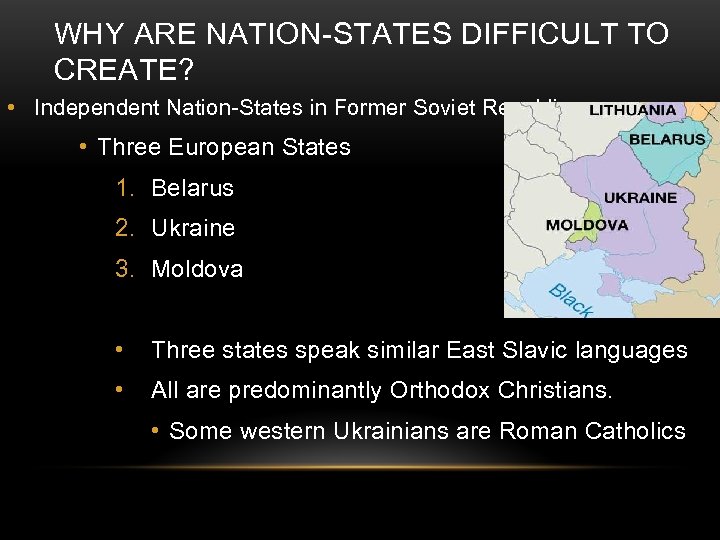 WHY ARE NATION-STATES DIFFICULT TO CREATE? • Independent Nation-States in Former Soviet Republics • Three European States 1. Belarus 2. Ukraine 3. Moldova • Three states speak similar East Slavic languages • All are predominantly Orthodox Christians. • Some western Ukrainians are Roman Catholics © 2011 Pearson Education, Inc.
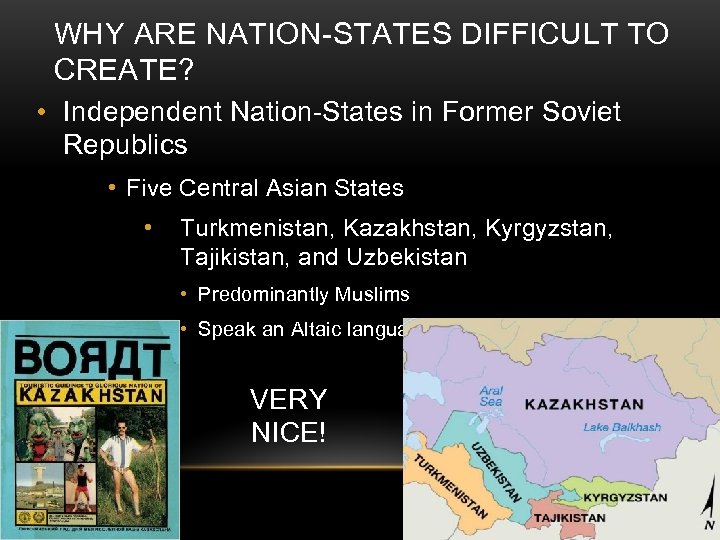 WHY ARE NATION-STATES DIFFICULT TO CREATE? • Independent Nation-States in Former Soviet Republics • Five Central Asian States • Turkmenistan, Kazakhstan, Kyrgyzstan, Tajikistan, and Uzbekistan • Predominantly Muslims • Speak an Altaic language VERY NICE! © 2011 Pearson Education, Inc.
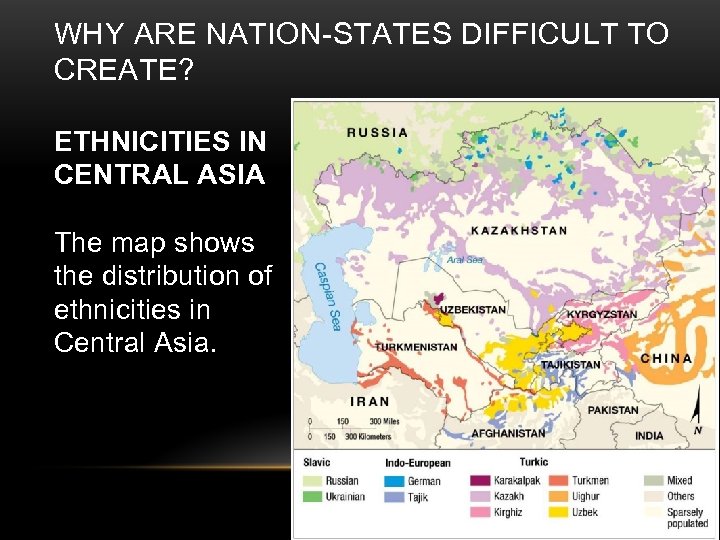 WHY ARE NATION-STATES DIFFICULT TO CREATE? ETHNICITIES IN CENTRAL ASIA The map shows the distribution of ethnicities in Central Asia. © 2011 Pearson Education, Inc.
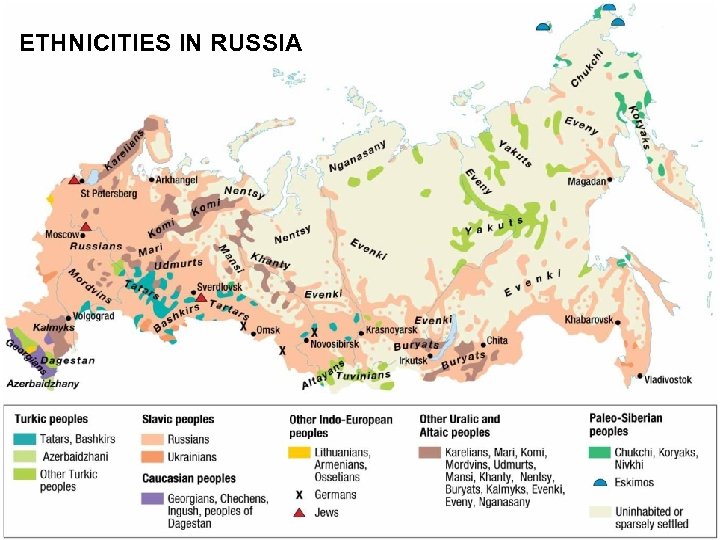 ETHNICITIES IN RUSSIA © 2011 Pearson Education, Inc.
 WHY ARE NATION-STATES DIFFICULT TO CREATE? • The Largest Multinational State: Russia • Turmoil in the Caucasus • Caucasus region is situated between the Black and Caspian seas. • Home to several ethnicities including Azeris, Armenians, and Georgians. • With the breakup of the region into independent countries, long-simmering conflicts among ethnicities have erupted into armed conflicts. © 2011 Pearson Education, Inc.
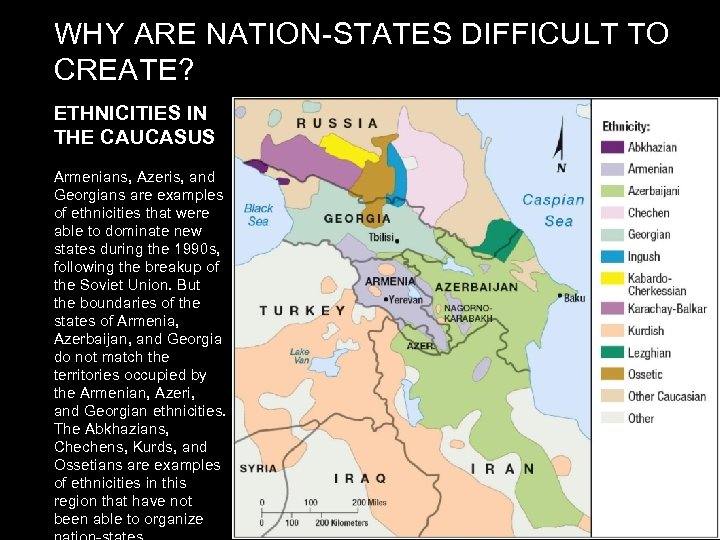 WHY ARE NATION-STATES DIFFICULT TO CREATE? ETHNICITIES IN THE CAUCASUS Armenians, Azeris, and Georgians are examples of ethnicities that were able to dominate new states during the 1990 s, following the breakup of the Soviet Union. But the boundaries of the states of Armenia, Azerbaijan, and Georgia do not match the territories occupied by the Armenian, Azeri, and Georgian ethnicities. The Abkhazians, Chechens, Kurds, and Ossetians are examples of ethnicities in this region that have not been able to organize
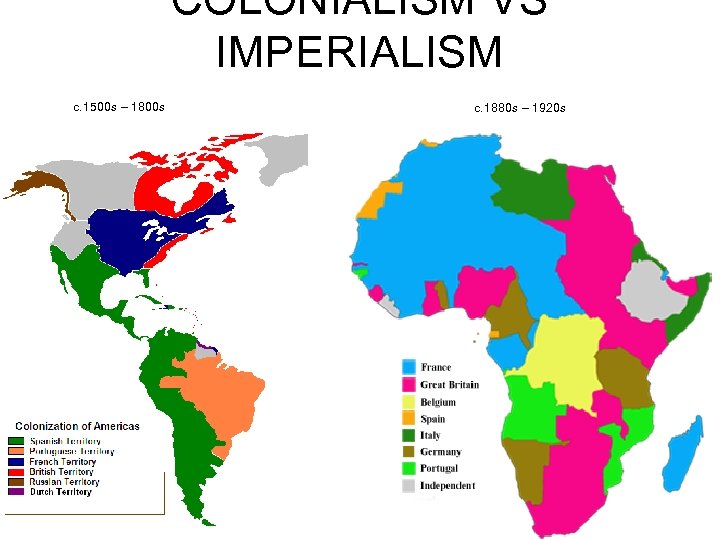
 WHY ARE NATION-STATES DIFFICULT TO CREATE? • Colonies • Colonialism • A colony is a territory that is legally tied to a sovereign state rather than being completely independent. • Sovereign state may run only its military and foreign policy. • Sovereign state may also control its internal affairs. • European states came to control much of the world through colonialism, an effort by one country to establish settlement in a territory and to impose its political, economic, ad cultural principles on that territory. © 2011 Pearson Education, Inc.
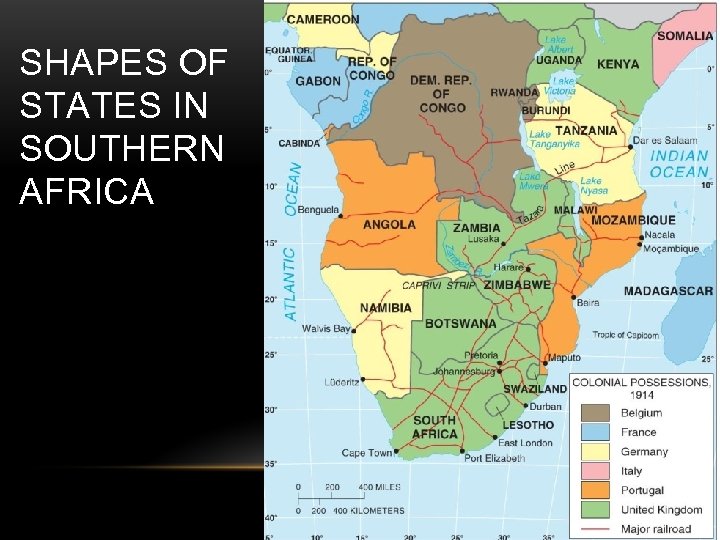
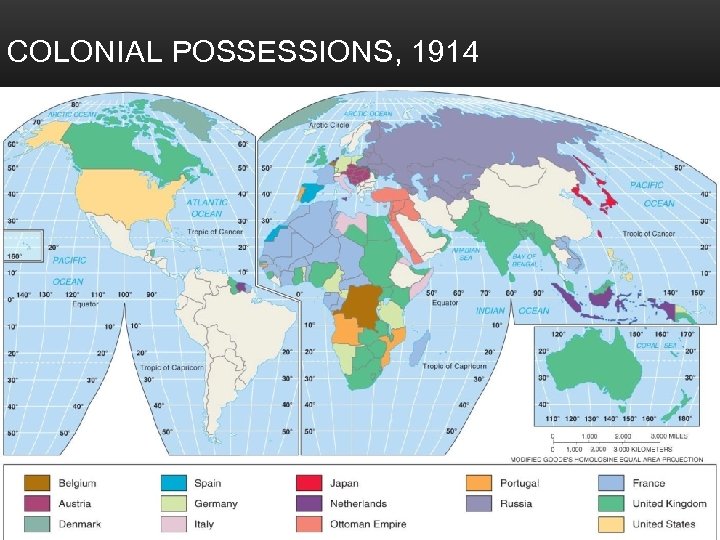 COLONIAL POSSESSIONS, 1914 © 2011 Pearson Education, Inc.
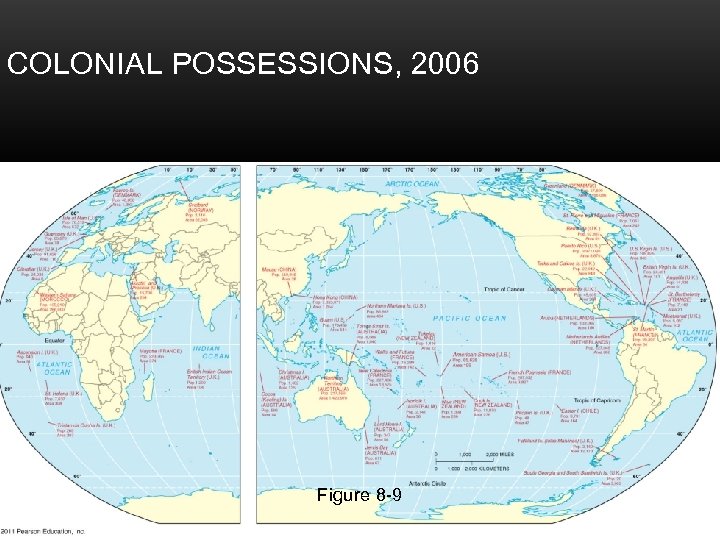 COLONIAL POSSESSIONS, 2006 Figure 8 -9 © 2011 Pearson Education, Inc.
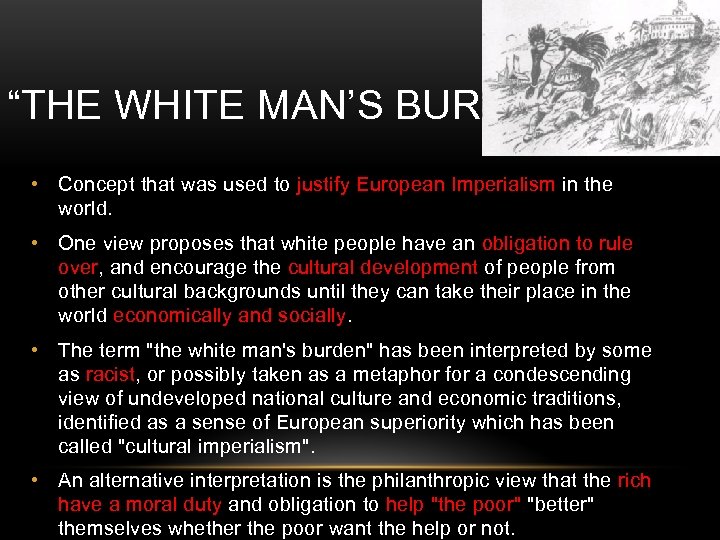 “THE WHITE MAN’S BURDEN” • Concept that was used to justify European Imperialism in the world. • One view proposes that white people have an obligation to rule over, and encourage the cultural development of people from other cultural backgrounds until they can take their place in the world economically and socially. • The term "the white man's burden" has been interpreted by some as racist, or possibly taken as a metaphor for a condescending view of undeveloped national culture and economic traditions, identified as a sense of European superiority which has been called "cultural imperialism". • An alternative interpretation is the philanthropic view that the rich have a moral duty and obligation to help "the poor" "better" © 2011 Pearson Education, Inc. themselves whether the poor want the help or not.
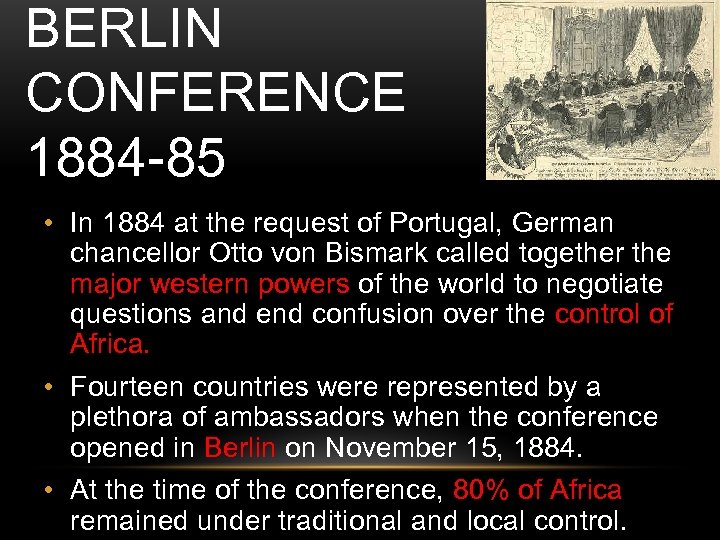 BERLIN CONFERENCE 1884 -85 • In 1884 at the request of Portugal, German chancellor Otto von Bismark called together the major western powers of the world to negotiate questions and end confusion over the control of Africa. • Fourteen countries were represented by a plethora of ambassadors when the conference opened in Berlin on November 15, 1884. • At the time of the conference, 80% of Africa © 2011 Pearson Education, Inc. remained under traditional and local control.
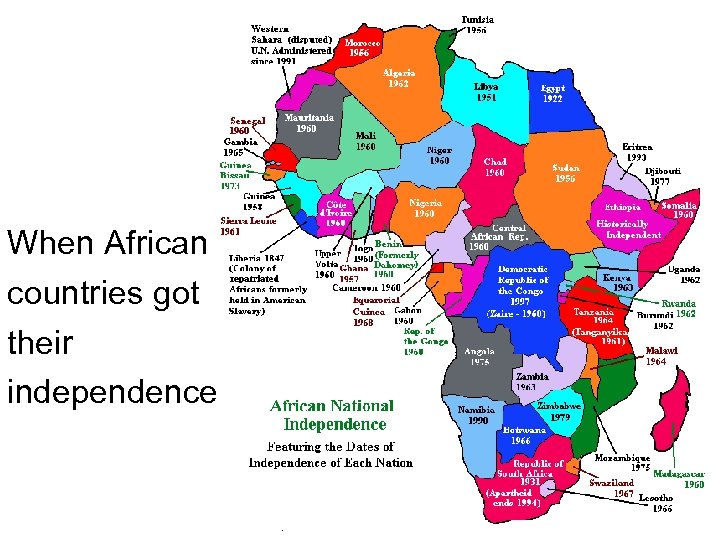
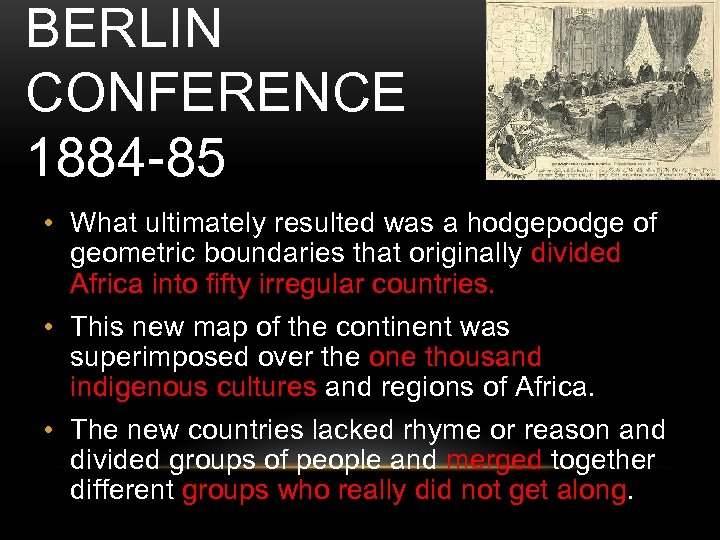 BERLIN CONFERENCE 1884 -85 • What ultimately resulted was a hodgepodge of geometric boundaries that originally divided Africa into fifty irregular countries. • This new map of the continent was superimposed over the one thousand indigenous cultures and regions of Africa. • The new countries lacked rhyme or reason and divided groups of people and merged together different groups who really did not get along. © 2011 Pearson Education, Inc.
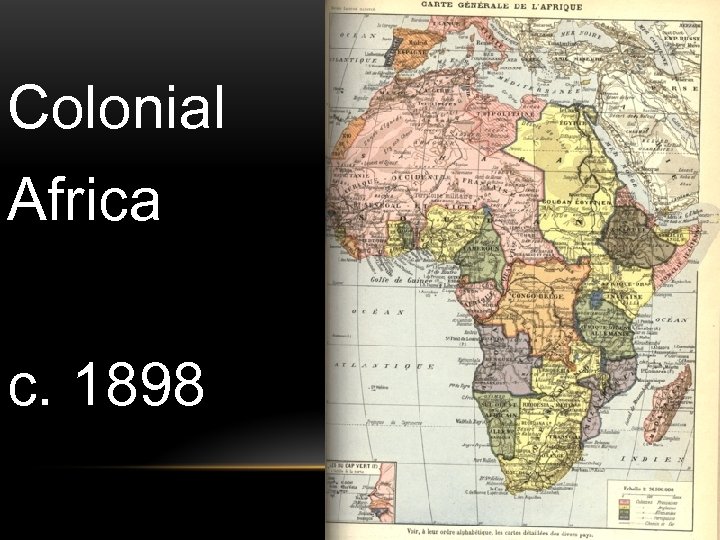 Colonial Africa c. 1898 © 2011 Pearson Education, Inc.
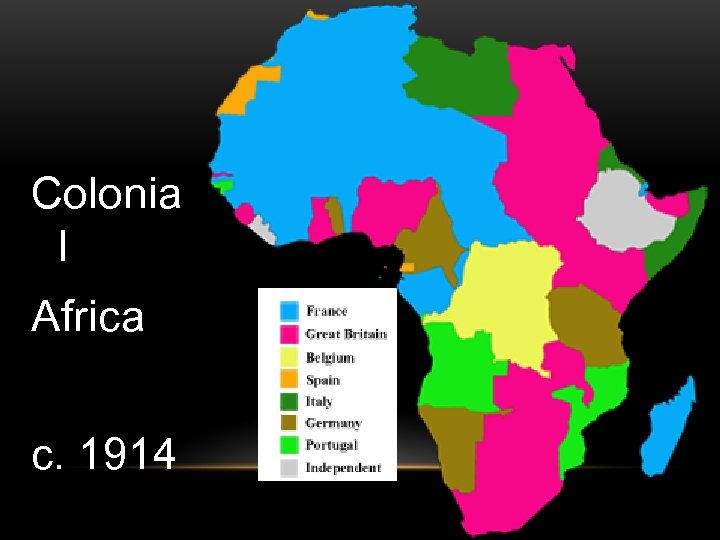 Colonia l Africa c. 1914 © 2011 Pearson Education, Inc.
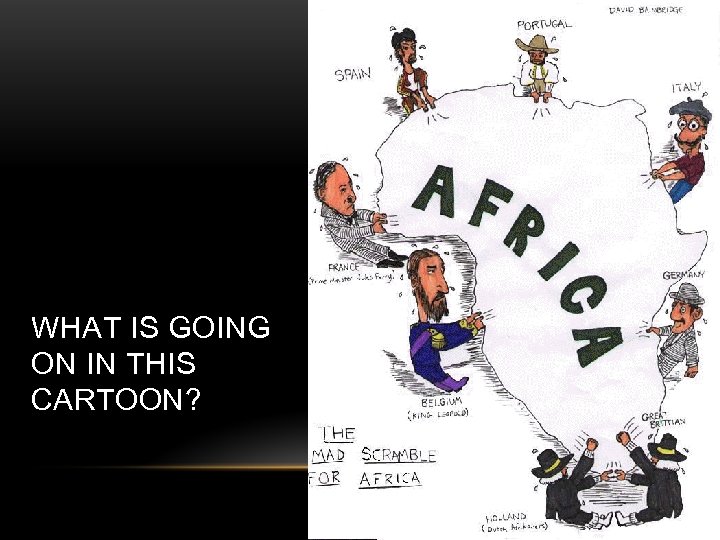 WHAT IS GOING ON IN THIS CARTOON? © 2011 Pearson Education, Inc.
 When African countries got their independence
 COLONIALISM VS IMPERIALISM c. 1500 s – 1800 s c. 1880 s – 1920 s
 HOW MANY COUNTRIES ARE THERE? – CGP GREY
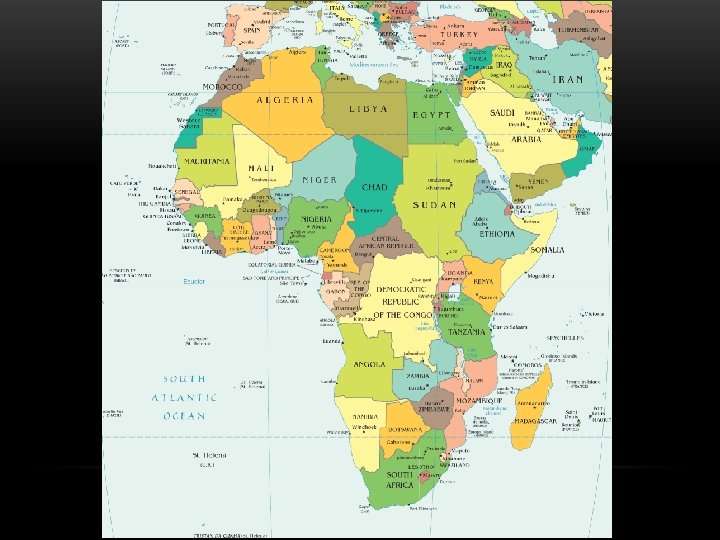
 WHY DO BOUNDARIES BETWEEN STATES CAUSE PROBLEMS? • Shapes of states • Five basic shapes • Compact = efficient • Elongated = potential isolation • Prorupted = access or disruption • Perforated = completely surround • Fragmented = problematic • Landlocked states THAILAND CHILE FRANCE INDONESIA S. AFRICA © 2011 Pearson Education, Inc.
 © 2011 Pearson Education, Inc.
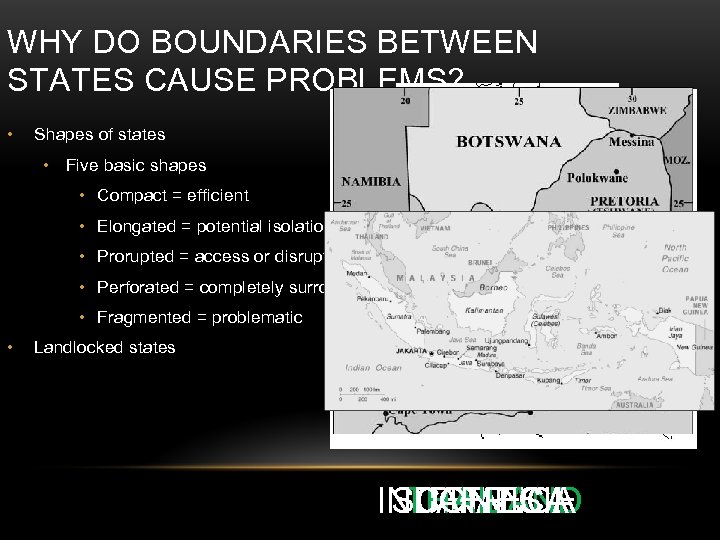
 SHAPES OF STATES IN SOUTHERN AFRICA © 2011 Pearson Education, Inc.
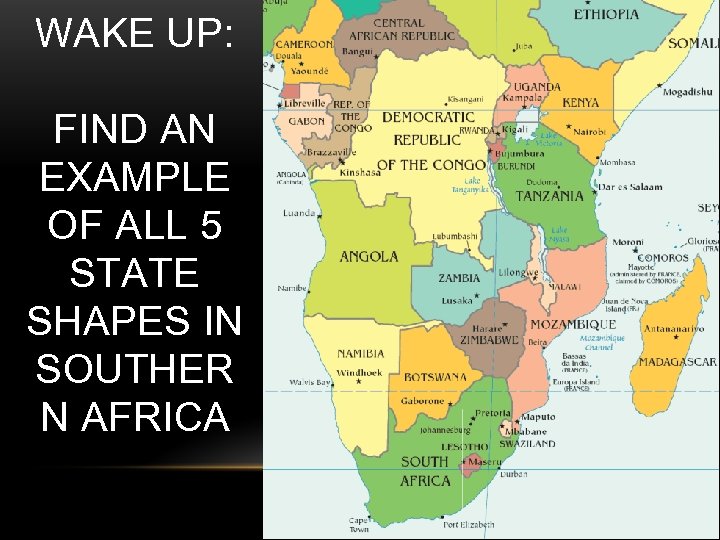 WAKE UP: FIND AN EXAMPLE OF ALL 5 STATE SHAPES IN SOUTHER N AFRICA © 2011 Pearson Education, Inc.
 WHY DO BOUNDARIES BETWEEN STATES CAUSE PROBLEMS? • Types of boundaries • Physical • Desert boundaries • Mountain boundaries • Water boundaries • Cultural • Geometric boundaries • Human features (language, religion, ethnicity) • Frontiers: A zone separating two states in which neither state exercises political control. • Few “frontiers” remain – up until the 1990 s many of Saudi Arabia’s boundaries were frontiers. (with Yemen and Oman, etc. ) © 2011 Pearson Education, Inc.
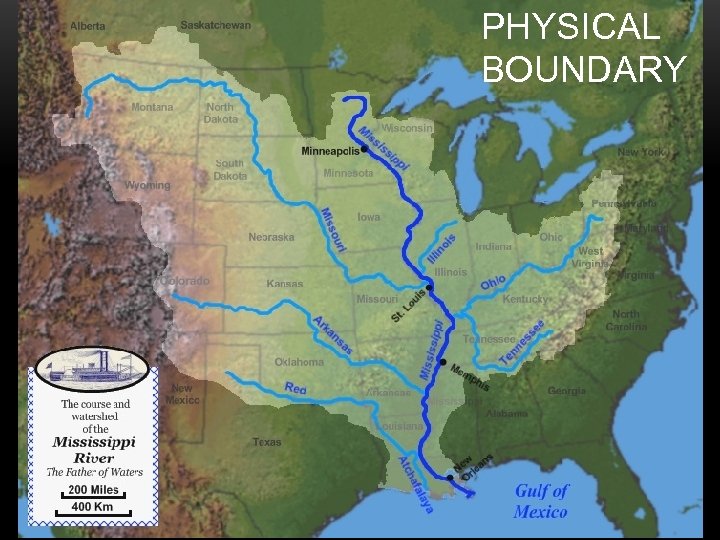 PHYSICAL BOUNDARY © 2011 Pearson Education, Inc.
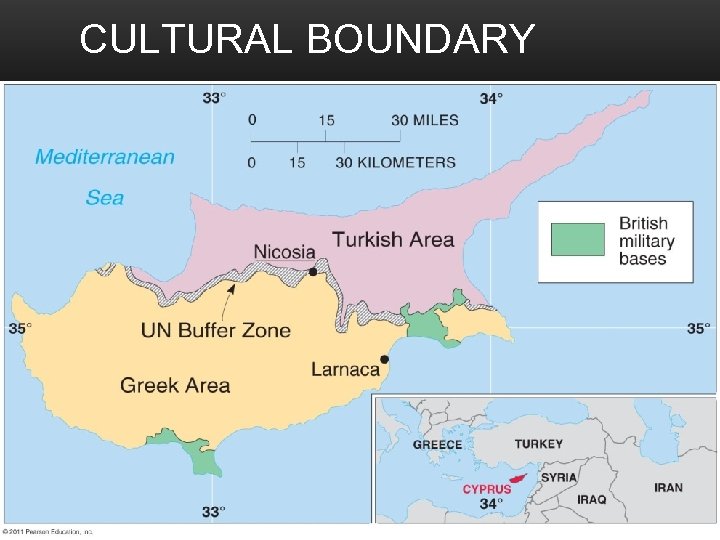 CULTURAL BOUNDARY © 2011 Pearson Education, Inc.
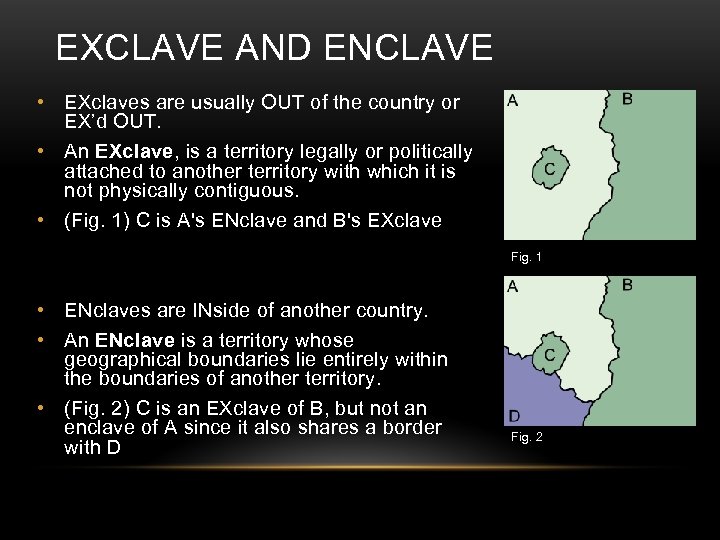 EXCLAVE AND ENCLAVE • EXclaves are usually OUT of the country or EX’d OUT. • An EXclave, is a territory legally or politically attached to another territory with which it is not physically contiguous. • (Fig. 1) C is A's ENclave and B's EXclave Fig. 1 • ENclaves are INside of another country. • An ENclave is a territory whose geographical boundaries lie entirely within the boundaries of another territory. • (Fig. 2) C is an EXclave of B, but not an enclave of A since it also shares a border with D © 2011 Pearson Education, Inc. Fig. 2
 BOUNDARIES • Subsequent Boundaries: are drawn AFTER a population has and respect established itself existing spatial patterns of certain social, cultural, and ethnic groups. EX: some of the European boundaries after WW I. • Antecedent Boundaries: is given to a region before it is populated, and carries little significance until the area becomes more populated. EX: Western Boundary between U. S. and Canada was loosely designated by a treaty in 1846, but few people inhabited it. • Superimposed Boundaries: drawn AFTER a population is settled in an area and DOESN’T RESPECT social, cultural, and ethnic compositions of the populations divided. EX: European Colonialism in Africa • Relic Boundaries: is a national border that no longer exists, but has left some imprint on the local cultural or environmental geography. EX: after thousands of years of human “boundary creation” there a lot of these… © 2011 Pearson Education, Inc.
 BOUNDARIES • Definition: the phase in which the exact location of a boundary is legally described and negotiated. • Delimitation: the step when the boundary’s definition is drawn onto a map. • Demarcation: the visible marking of a boundary on the landscape with a fence, line, sign, wall, or other means. Not all boundaries are demarcated, because it can be a very expensive process. One of the longest, most impressively demarcated boundaries is the Great Wall of China, though now it is a relic boundary. • Administration: the enforcement by a government or people of the boundary that has been created. © 2011 Pearson Education, Inc.
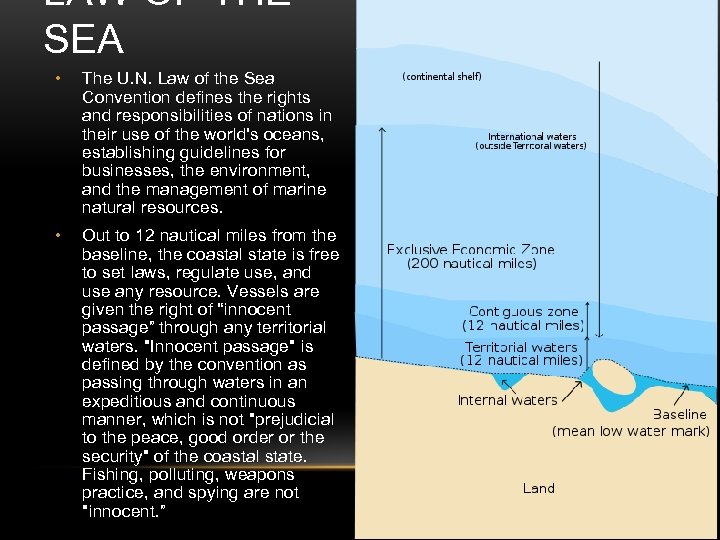 LAW OF THE SEA • The U. N. Law of the Sea Convention defines the rights and responsibilities of nations in their use of the world's oceans, establishing guidelines for businesses, the environment, and the management of marine natural resources. • Out to 12 nautical miles from the baseline, the coastal state is free to set laws, regulate use, and use any resource. Vessels are given the right of “innocent passage” through any territorial waters. "Innocent passage" is defined by the convention as passing through waters in an expeditious and continuous manner, which is not "prejudicial to the peace, good order or the security" of the coastal state. Fishing, polluting, weapons practice, and spying are not "innocent. ” © 2011 Pearson Education, Inc.
 WHY DO BOUNDARIES BETWEEN STATES CAUSE PROBLEMS? • Boundaries inside states • Unitary states: A state that retains strong central government control of the country. • Most states today are unitary states. • Example: France, China, Bhutan, Cambodia, Denmark, Japan, United Kingdom • Sometimes imposed on the other ethnicities/nationalities in the countries. • Federal states: Allocates strong power to units of local government within the country. • Example: Poland, U. S. , India, Canada, Australia, Brazil, Germany, Mexico, Iraq • Often many different cultures. Multinational. Multiethnic. • Globally, there is a trend toward federations © 2011 Pearson Education, Inc.
 WHY DO BOUNDARIES BETWEEN STATES CAUSE PROBLEMS? • Electoral geography • Boundaries within the United States are used to create legislative districts • Gerrymandering • Three types: wasted, excess, and stacked vote • Illegal (1985 U. S. Supreme Court decision) © 2011 Pearson Education, Inc.
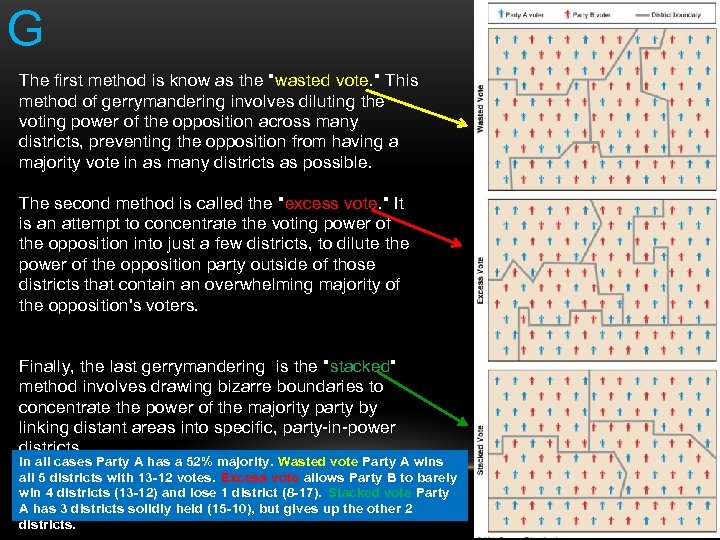 G The first method is know as the "wasted vote. " This method of gerrymandering involves diluting the voting power of the opposition across many districts, preventing the opposition from having a majority vote in as many districts as possible. The second method is called the "excess vote. " It is an attempt to concentrate the voting power of the opposition into just a few districts, to dilute the power of the opposition party outside of those districts that contain an overwhelming majority of the opposition's voters. Finally, the last gerrymandering is the "stacked" method involves drawing bizarre boundaries to concentrate the power of the majority party by linking distant areas into specific, party-in-power districts. In all cases Party A has a 52% majority. Wasted vote Party A wins all 5 districts with 13 -12 votes. Excess vote allows Party B to barely win 4 districts (13 -12) and lose 1 district (8 -17). Stacked vote Party Figure 8 -18 A has 3 districts solidly held (15 -10), but gives up the other 2 © 2011 Pearson Education, Inc. districts.
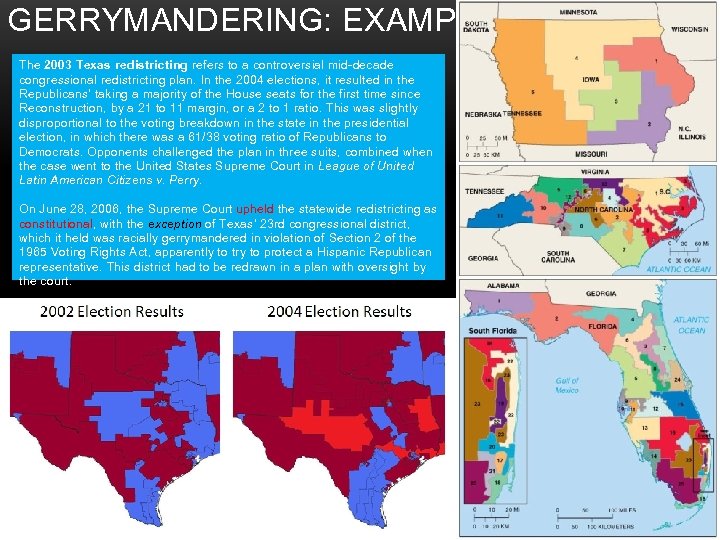 GERRYMANDERING: EXAMPLES The 2003 Texas redistricting refers to a controversial mid-decade congressional redistricting plan. In the 2004 elections, it resulted in the Republicans' taking a majority of the House seats for the first time since Reconstruction, by a 21 to 11 margin, or a 2 to 1 ratio. This was slightly disproportional to the voting breakdown in the state in the presidential election, in which there was a 61/38 voting ratio of Republicans to Democrats. Opponents challenged the plan in three suits, combined when the case went to the United States Supreme Court in League of United Latin American Citizens v. Perry. On June 28, 2006, the Supreme Court upheld the statewide redistricting as constitutional, with the exception of Texas' 23 rd congressional district, which it held was racially gerrymandered in violation of Section 2 of the 1965 Voting Rights Act, apparently to try to protect a Hispanic Republican representative. This district had to be redrawn in a plan with oversight by the court. Figure 8 -19 © 2011 Pearson Education, Inc.
 WARM UP/WAKE UP • Why do states/countries cooperate? • How do states/countries cooperate? © 2011 Pearson Education, Inc.
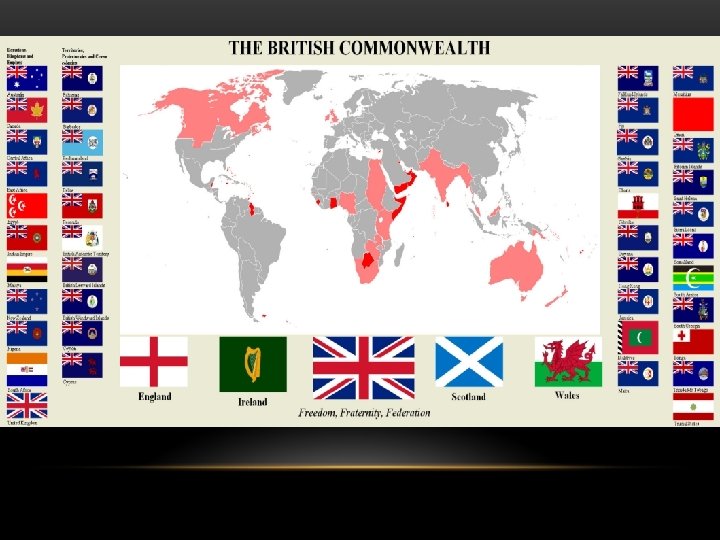
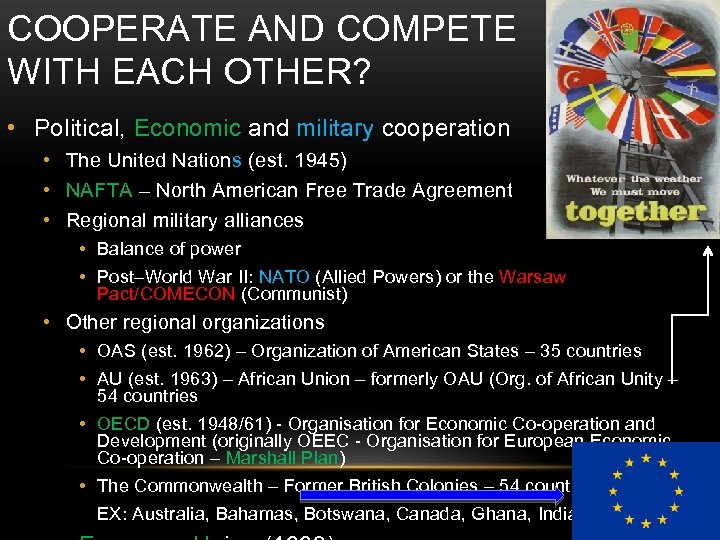 COOPERATE AND COMPETE WITH EACH OTHER? • Political, Economic and military cooperation • The United Nations (est. 1945) • NAFTA – North American Free Trade Agreement • Regional military alliances • Balance of power • Post–World War II: NATO (Allied Powers) or the Warsaw Pact/COMECON (Communist) • Other regional organizations • OAS (est. 1962) – Organization of American States – 35 countries • AU (est. 1963) – African Union – formerly OAU (Org. of African Unity – 54 countries • OECD (est. 1948/61) - Organisation for Economic Co-operation and Development (originally OEEC - Organisation for European Economic Co-operation – Marshall Plan) • The Commonwealth – Former British Colonies – 54 countries EX: Australia, Bahamas, Botswana, Canada, Ghana, India, S. Africa © 2011 Pearson Education, Inc.
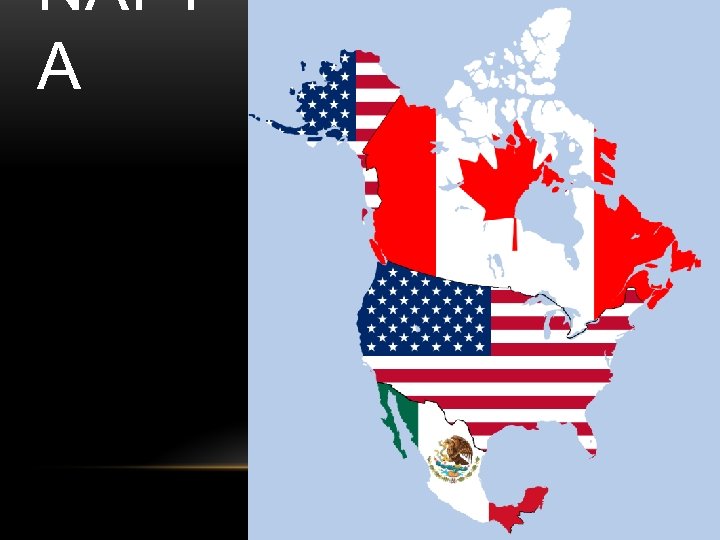 NAFT A © 2011 Pearson Education, Inc.
 NAFTA • The North American Free Trade Agreement or NAFTA is an agreement signed by the governments of Canada, Mexico, and the United States, creating a trilateral trade bloc in North America. • NAFTA lowers trade barriers between the 3 countries to promote economic unity. • The agreement came into force on January 1, 1994. • In terms of combined GDP of its members, as of 2010 the trade bloc is the largest in the world. NAFTA created the world's largest free trade area, which now links 450 million people producing $17 trillion worth of goods and services. Trade between the United States and its NAFTA partners has soared since the agreement entered into force. • CRITICISMS: • Decreased U. S. industry and jobs that move to Mexico for lower cost. • Mexican farmers losing to U. S. agribusiness. • Increased foreign control of Canadian companies and commodities (lakes, rivers, etc. ) • NAFTA Chapter 11 – allows companies to sue a country if their laws © 2011 Pearson Education, Inc. obstruct profit
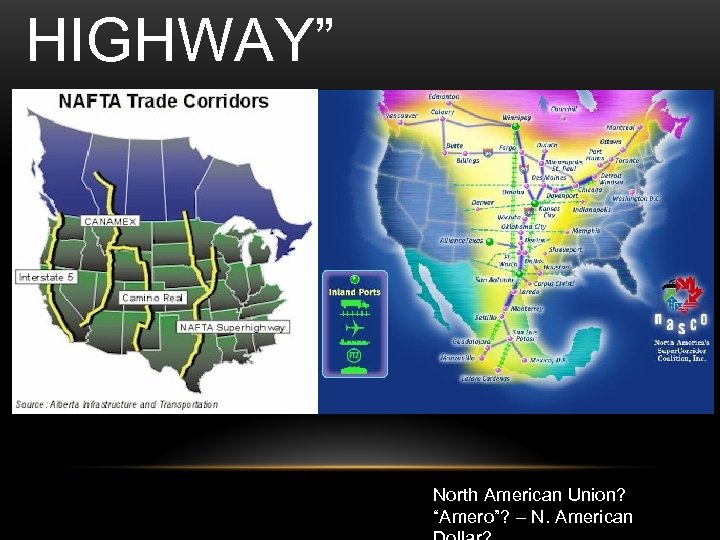 HIGHWAY” North American Union? “Amero”? – N. American © 2011 Pearson Education, Inc.
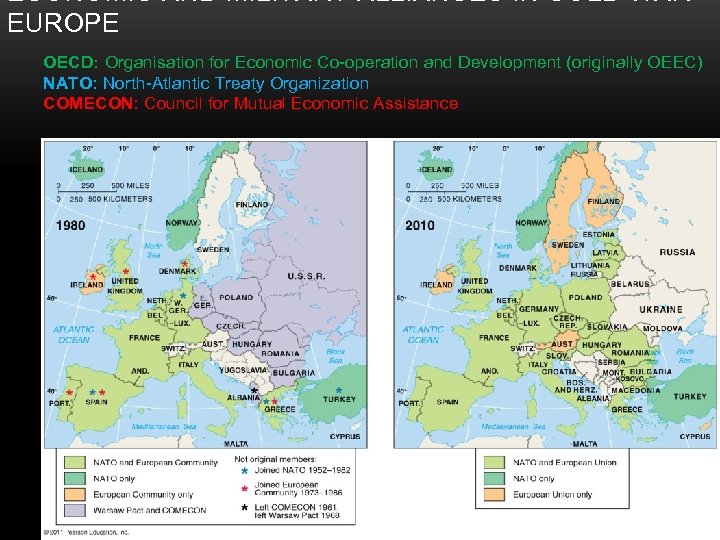 ECONOMIC AND MILITARY ALLIANCES IN COLD WAR EUROPE OECD: Organisation for Economic Co-operation and Development (originally OEEC) NATO: North-Atlantic Treaty Organization COMECON: Council for Mutual Economic Assistance © 2011 Pearson Education, Inc.
 © 2011 Pearson Education, Inc.
 THE END. Up next: Agriculture © 2011 Pearson Education, Inc.
 THIS IS SOUTH AMERICA … © 2011 Pearson Education, Inc.