


 Скачать презентацию Chapter 8 Pathophysiology National EMS Education Standard
07af5db6efa6a6f9a0e47b375909d749.ppt
- Количество слайдов: 185
 Chapter 8 Pathophysiology
 National EMS Education Standard Competencies Pathophysiology Integrates comprehensive knowledge of pathophysiology of major human systems
 Introduction • The human body is made up of cells, tissues, and organs. − Biology: study of living organisms − Pathophysiology: study of organism in the presence of disease • To understand how disease may alter cellular function, you must understand normal cellular function.
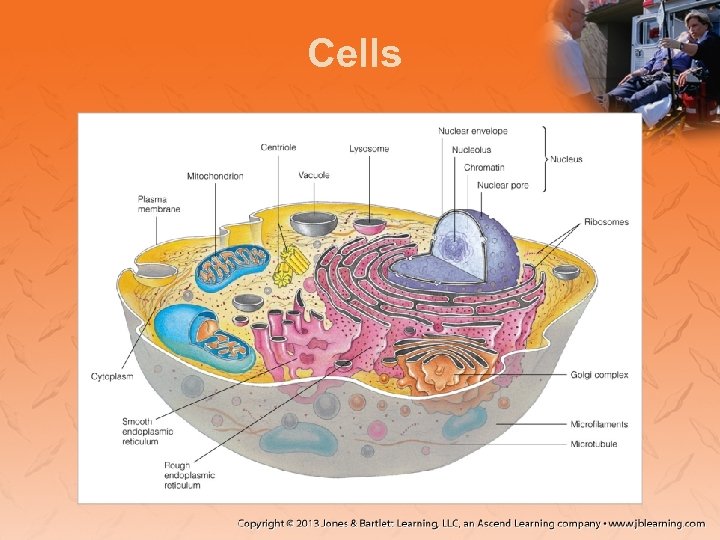
 Cells • Basic self-sustaining unit • Specialized through differentiation • Three main components: − Cell membrane − Cytoplasm − Nucleus
 Cells • Cell membrane: − Made up fat and protein − Surrounds the cell − Protects the nucleus and organelles
 Cells • Organelles are structures within cytoplasm. − Operate in cooperative and organized manner − Contain: • • • Ribosomes (contain ribonucleic acid [RNA]) Endoplasmic reticulum Golgi complex Lysosomes and peroxisomes Mitochondria Nucleus
 Cells
Cells
 Tissues • Groups of similar cells working together • Types: − Epithelial tissue: covers external surfaces and lines hollow organs − Connective tissue: binds other tissues to one another
 Tissues • Types: − Muscle tissue: characterized by its ability to contract • Skeletal muscle (striated voluntary) • Cardiac muscle (striated involuntary) • Smooth muscle (nonstriated involuntary)
 Tissues • Types: − Nerve tissue: transmits nerve impulses • • • Peripheral nerves extend from brain and spinal cord Neurons: main conducting cells of nerve tissue Dendrites: conduct impulses to cell body Axons: conduct impulse away from cell body Neurotransmitters: carry impulse from axon to dendrite
 Homeostasis • Adaptive response to stressful environment • Helps maintains equilibrium • Apoptosis: genetically programmed cell death • Regulatory systems are counterbalanced by counterregulatory systems.
 Homeostasis • Systems communicate at cellular level. − Cells communicate through cell signaling. − Feedback inhibition or negative feedback: when action is completed, opposing system is alerted to discontinue action.
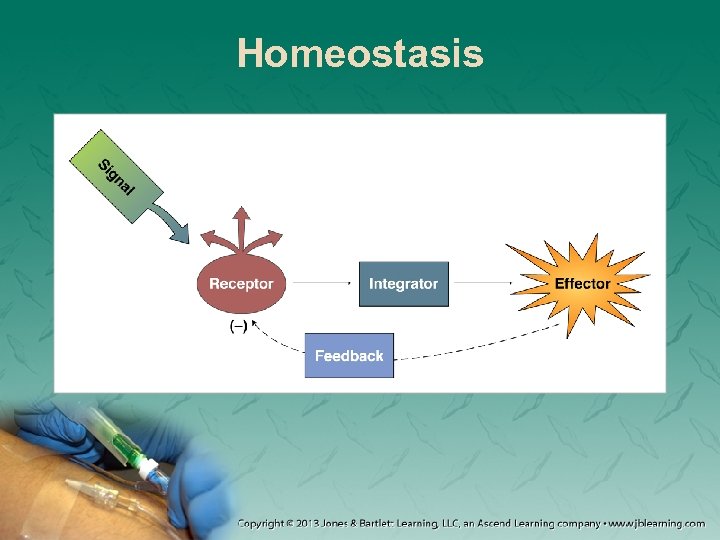 Homeostasis
 Homeostasis • Receptors are specialized. − Adrenergic receptors cause a sympathetic response (vasoconstriction or vasodilatation). − Baroreceptors and chemoreceptors are involved in regulation of heart function.
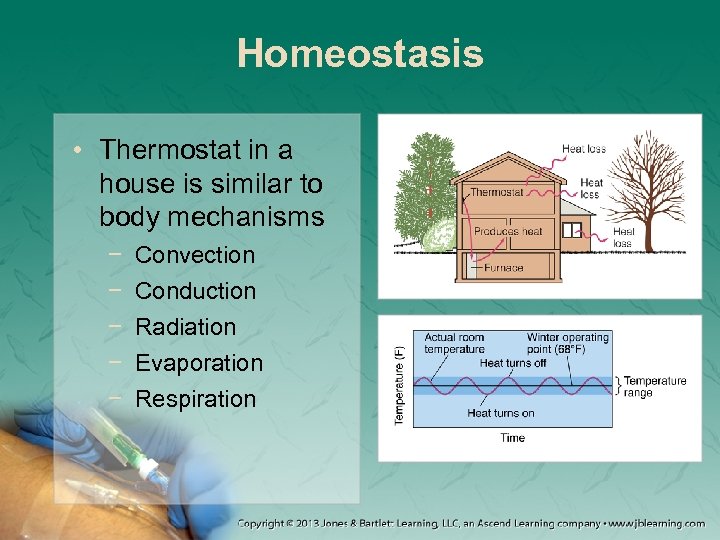 Homeostasis • Thermostat in a house is similar to body mechanisms − − − Convection Conduction Radiation Evaporation Respiration
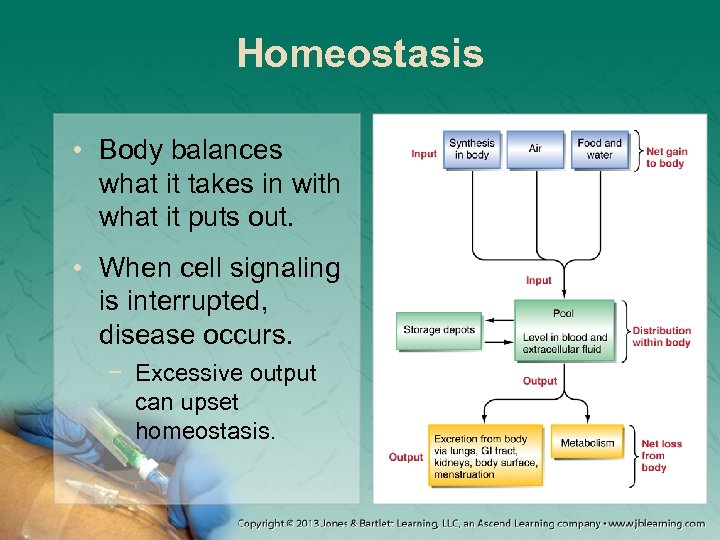 Homeostasis • Body balances what it takes in with what it puts out. • When cell signaling is interrupted, disease occurs. − Excessive output can upset homeostasis.
 Ligands • Molecules that bind to receptors to form more complex structures − Endogenous ligands: produced by body − Exogenous ligands: administered as a drug
 Ligands • Common ligands include: − Hormones: substances formed in specialized organs or groups of cells • Endocrine: carried to target by the blood • Exocrine: reach target via duct that opens into an organ • Paracrine: diffuse through intracellular spaces • Autocrine: act on the cell from which it was secreted
 Ligands • Common ligands include: − Neurotransmitters: proteins that affect signals of the nervous system − Electrolytes: dissolved mineral salts that dissociate in solution, yielding ions • Cations: positively charged • Anions: negatively charged
 Adaptations in Cells and Tissues • When exposed to adverse conditions, cells undergo a process to protect themselves. − − Atrophy: decrease in cell size Hypertrophy: increase in cell size Hyperplasia: increase in cell number Dysplasia: alteration in cell size, shape, and organization − Metaplasia: cell type is replaced with another
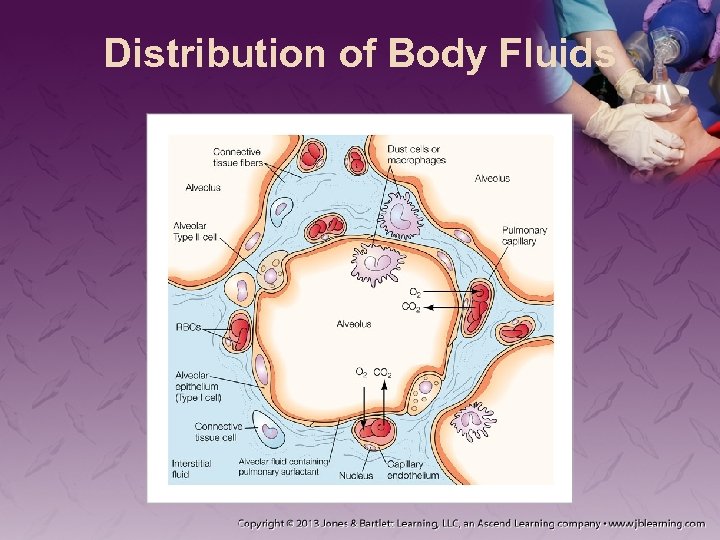
 Distribution of Body Fluids • Intracellular fluid: 45% body weight • Extracellular fluid: 15% body weight − Interstitial fluid: surrounds tissues − Intravascular fluid: within blood vessels
 Distribution of Body Fluids
 Fluid and Water Balance • Average adult takes in 2, 500 m. L per day − − 60% lost through urination 28% lost through skin and lungs 6% lost in feces 6% lost in sweat • Fluid moves through passive transport and active transport.
 Fluid and Water Balance • Osmosis − Movement from region of high water concentration to lower concentration • Hypertonic solution: high solute concentration • Hypotonic solution: low solute concentration • Isotonic solution: equal solute concentration
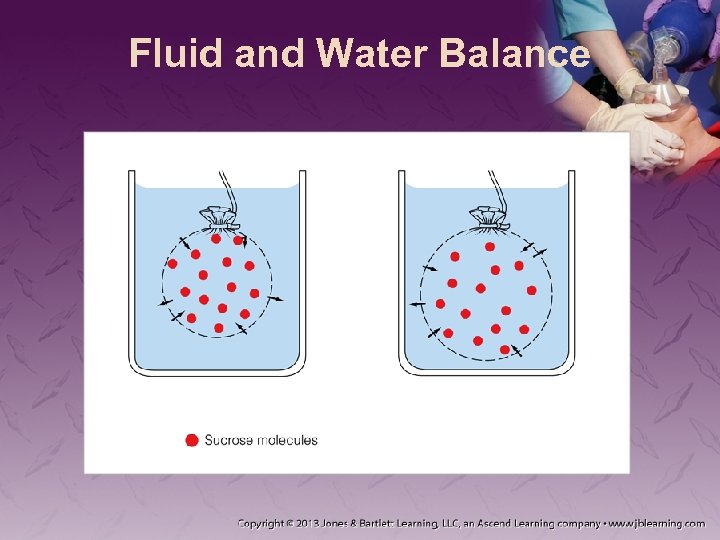 Fluid and Water Balance
 Fluid and Water Balance • Intracellular fluid volume controlled by: − Proteins and organic compounds that cannot escape through the cell membrane − Sodium-potassium membrane pump • Pump failure causes sodium to accumulate and cells to swell.
 Fluid and Water Balance • Plasma − Approximately 55% of blood − Composed of 91% water and 9% proteins − Starling hypothesis explains movement of water between plasma and interstitial fluid • Amount of fluid filtering through capillaries is equal to amount of fluid returned by reabsorption.
 Fluid and Water Balance • Plasma (cont’d) − Equilibrium between capillary and interstitial space is controlled by four forces • • Capillary hydrostatic pressure Capillary colloidal osmotic pressure Tissue hydrostatic pressure Tissue colloidal osmotic pressure
 Fluid and Water Balance • Edema − Occurs when excessive fluid builds up in the interstitial space − Causes include: • Increased capillary pressure • Decreased colloidal osmotic pressure • Lymphatic vessel obstruction
 Fluid and Water Balance • Edema (cont’d) − Assessment should include: • Auscultation of lung sounds • Evaluation for pedal/sacral edema and jugular venous distention • ECG and vital sounds − Treatment may include diuretics, nitrates, CPAP, high-flow oxygen, or advanced airway placement
 Fluid and Electrolyte Balance • Maintained through a variety of factors − Most important: thirst mechanism and release of antidiuretic hormone (ADH) − Hydration is monitored by: • Osmoreceptors • Volume-sensitive receptors • Baroreceptors
 Fluid and Electrolyte Balance • Sodium − Most common cation − Regulates body’s acid-base balance − Primary regulator: RAAS • Excess sodium is excreted into urine.
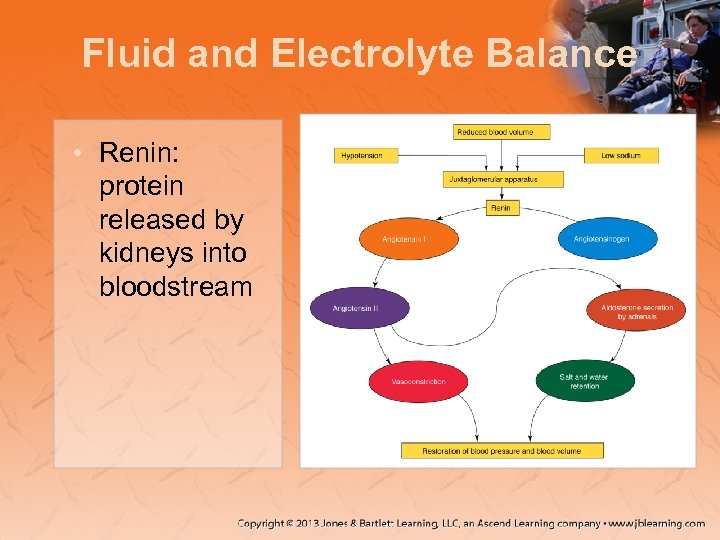 Fluid and Electrolyte Balance • Renin: protein released by kidneys into bloodstream
 Fluid and Electrolyte Balance • Chloride − Important anion − Assists in regulating acid-base balance − Involved in osmotic pressure of extracellular fluid − Often follows sodium
 Fluid and Electrolyte Balance • Change in water causes cell change − Tonicity: tension exerted on a cell during water movement − In isotonic solution: cells neither shrink or swell − In hypertonic solution: cells shrinks − In hypotonic solution: cells swell
 Electrolyte Imbalance • Sodium − Hypertonic fluid deficit: caused by excess water loss without proportionate loss of sodium • Results in hypernatremia − Hypotonic fluid deficit: caused by excess sodium loss with less water loss • Results in hyponatremia
 Electrolyte Imbalance • Potassium − Normal level: 3. 5 to 5 m. Eq/L − Hypokalemia: decreased serum potassium level − Hyperkalemia: elevated serum potassium level • Calcium − Normal level: 8. 5 to 10. 5 mg/d. L − Hypocalcemia: decreased serum calcium level − Hypercalcemia: increased serum calcium level
 Electrolyte Imbalance • Phosphate − Hypophosphatemia: decreased phosphate level − Hyperphosphatemia: increased phosphate level • Magnesium: − Hypomagnesemia: decreased magnesium level − Hypermagnesemia: increased magnesium level
 Acid-Base Balance • Acid: any molecule that can give up a hydrogen ion • Base (alkali): any molecule that can accept a hydrogen ion − Acidity or basicity (alkalinity) is determined by the amount of free hydrogen in solution.
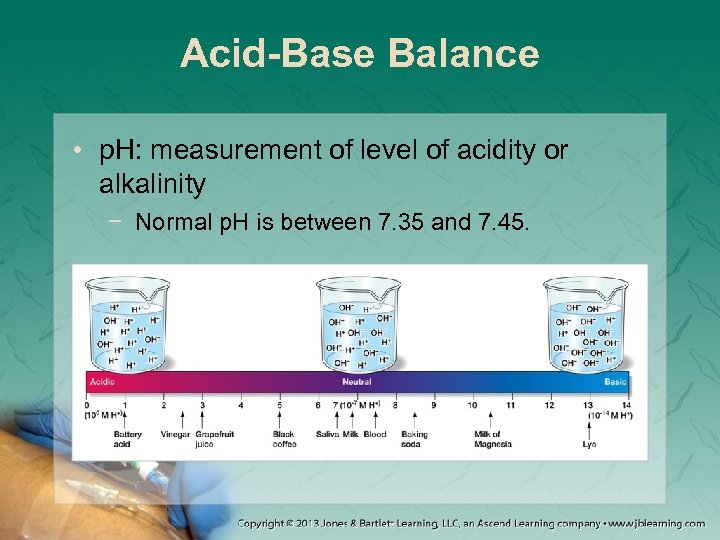 Acid-Base Balance • p. H: measurement of level of acidity or alkalinity − Normal p. H is between 7. 35 and 7. 45.
 Disturbances of Acid-Base Balance • Acids and bases neutralize each other and must remain balanced. − Acidosis: increase in extracellular H+ ions − Alkalosis: decrease in extracellular H+ ions • Disturbances are associated with potassium balance
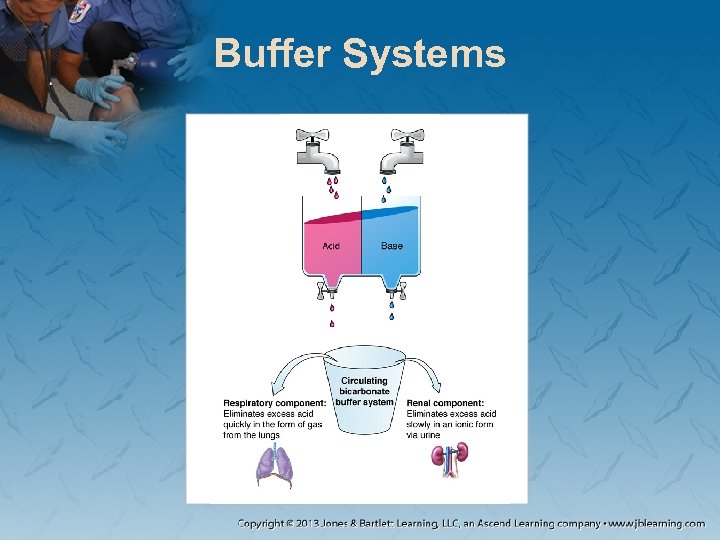
 Buffer Systems • Buffers: molecules that modulate p. H − Absence causes abrupt changes in p. H − Includes proteins, phosphate ions, and bicarbonate − Balances p. H by absorbing or releasing necessary amount of acid
 Buffer Systems
 Buffer Systems • Primary buffer systems: − Circulating bicarbonate: fastest means of restoring balance − Respiratory system: excessive acid is eliminated through lungs − Renal system: filters out hydrogen and retains bicarbonate or reverse
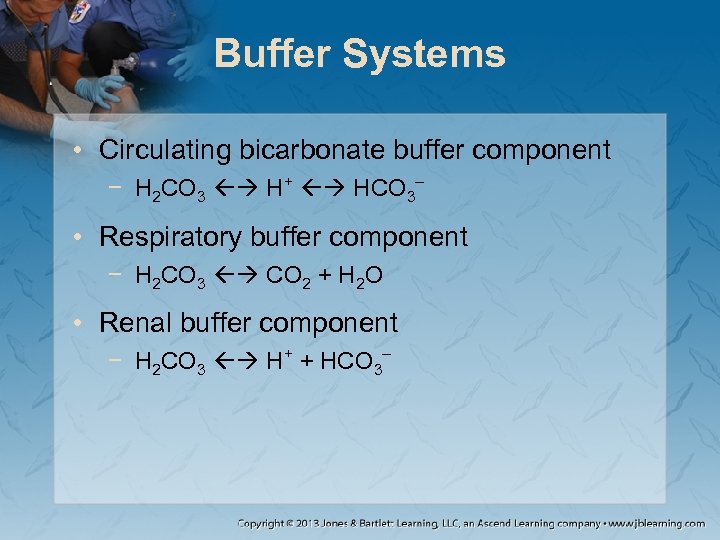 Buffer Systems • Circulating bicarbonate buffer component − H 2 CO 3 H+ HCO 3– • Respiratory buffer component − H 2 CO 3 CO 2 + H 2 O • Renal buffer component − H 2 CO 3 H+ + HCO 3–
 Types of Acid-Base Disorders • Fluctuations in p. H due to bicarbonate level: metabolic acidosis or alkalosis • Fluctuations in p. H due to respiratory disorders: respiratory acidosis or alkalosis • A disorder not correctable by buffers initiates compensatory mechanisms.
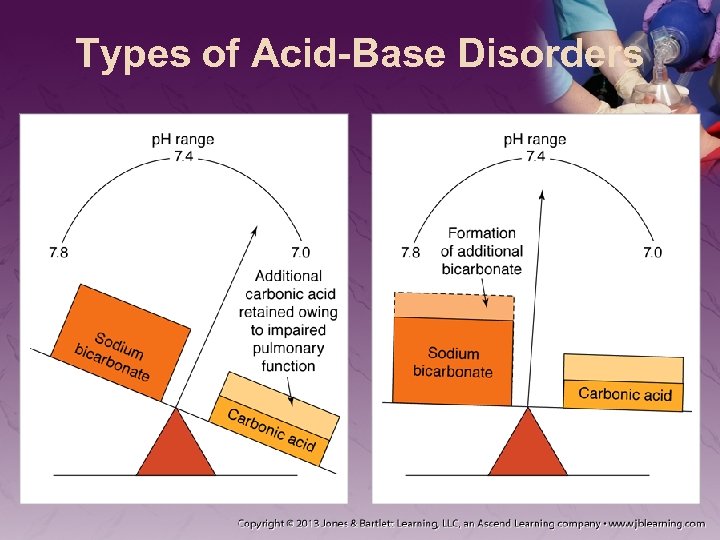
 Types of Acid-Base Disorders • Respiratory acidosis − Related to hypoventilation • Can quickly develop a potentially fatal acidosis − Chronic COPD creates acidosis over time.
 Types of Acid-Base Disorders
 Types of Acid-Base Disorders • Respiratory alkalosis − Always caused by hyperventilation • Life-threatening events may be responsible. − Carbon dioxide levels drop. − Renal system retains H+ ions. • Results in Hypocalcemia
 Types of Acid-Base Disorders • Metabolic acidosis: any acidosis not related to the respiratory system − Causes include: • • • Lactic acid Ketoacidosis Aspirin overdose Alcohol ingestion Gastrointestinal loses
 Types of Acid-Base Disorders • Metabolic alkalosis: occurs with excessive acid loss − Causes include: • Upper gastrointestinal losses of acid • Drinking large amounts of water during exercise • Excessive intake of alkaline substances − Compensatory mechanism: respiratory system
 Types of Acid-Base Disorders • Mixed acidosis: involves low p. H, elevated PCo 2 level, and low HCO 3 level. − Both respiratory and metabolic acidosis are present. • Mixed alkalosis: involves elevated p. H, low PCo 2, and elevated HCO 3. − Occurs when two unrelated medical issues manifest at the same time
 Cellular Injury • Manifestations occur at microscopic and functional levels. − Microscopic abnormalities include: • Cell swelling, rupture, breakdown of nuclear material
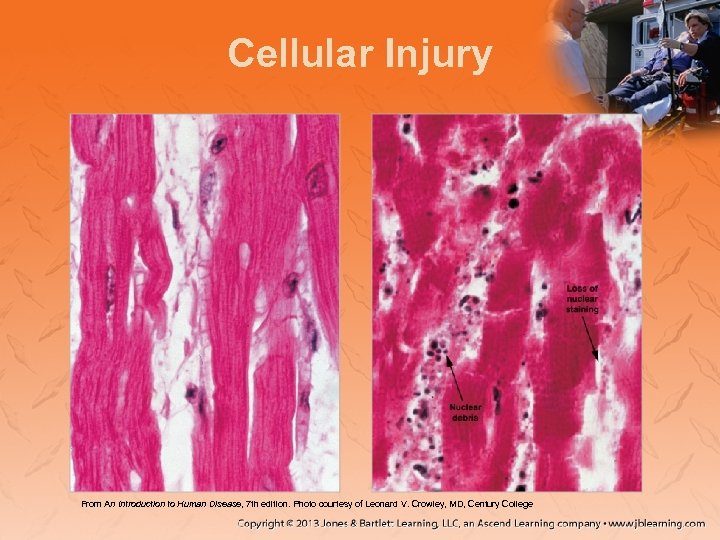 Cellular Injury From An Introduction to Human Disease, 7 th edition. Photo courtesy of Leonard V. Crowley, MD, Century College
 Cellular Injury • Damage and functional changes in cells often impact the entire organism. − Entire organ system may fail. − Repair may occur with proper treatment. • Irreversible injury will lead to cell death. • Cell death is followed by necrosis.
 Hypoxic Injury • May result from: − − − Decreased O 2 in air Loss of hemoglobin function Decreased number of red blood cells Disease of respiratory or cardiovascular system Loss of cytochromes
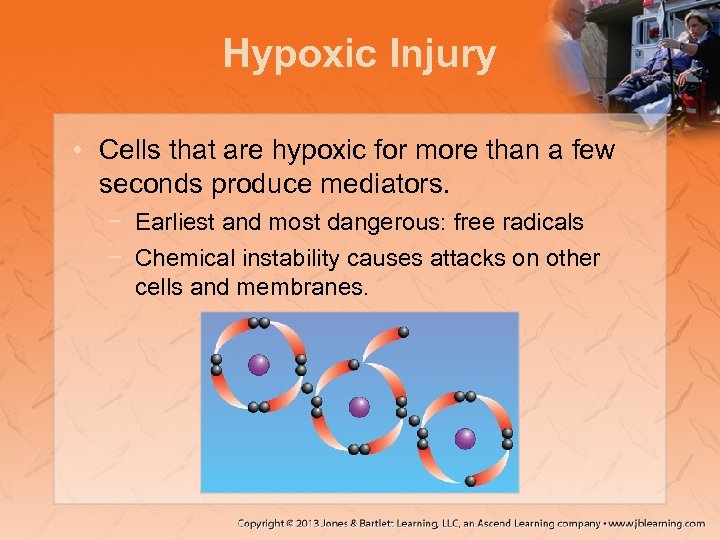 Hypoxic Injury • Cells that are hypoxic for more than a few seconds produce mediators. − Earliest and most dangerous: free radicals − Chemical instability causes attacks on other cells and membranes.
 Chemical Injury • Common poisons: cyanide and pesticides • Lead: chronic ingestion leads to brain injury and neurologic dysfunction • Carbon monoxide: prevents adequate oxygenation of tissues
 Chemical Injury • Ethanol: may result in CNS depression, hypoventilation, and cardiovascular collapse • Pharmacologic agents: produce toxic products when metabolized in the body
 Infectious Injury • Occurs as a result of an invasion of bacteria, fungi, or viruses • Virulence: measures disease-causing ability − Pathogenicity: function of microorganism’s ability to reproduce and cause disease
 Infectious Injury • Bacteria − Possess a capsule that protects them from phagocytes − Categorized depending on Gram staining • Gram-positive • Gram-negative
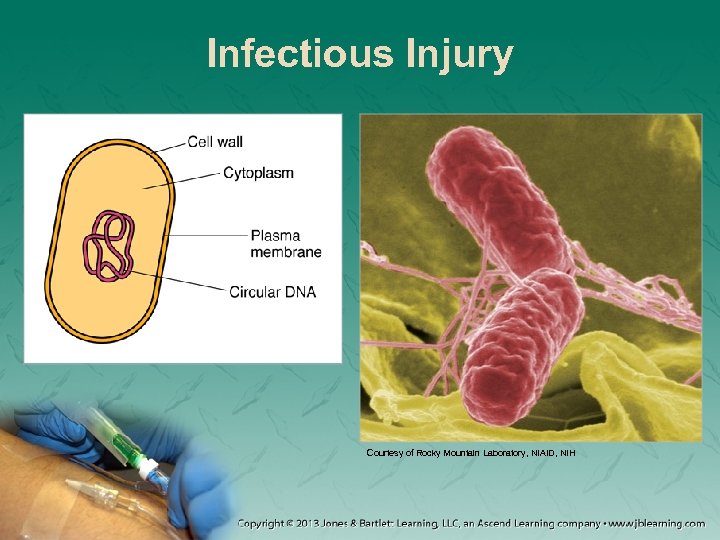 Infectious Injury Courtesy of Rocky Mountain Laboratory, NIAID, NIH
 Infectious Injury • Bacteria (cont’d) − Produce exotoxins or endotoxins − White blood cells release endogenous pyrogens (cause a fever). − Body’s most common reaction is inflammation
 Infectious Injury • Viruses − − − Intracellular parasites Consists of nucleic acid core of RNA or DNA Capsid: protects from phagocytosis Replication occurs inside host cell Symbiotic relationship may be cause of unapparent infection
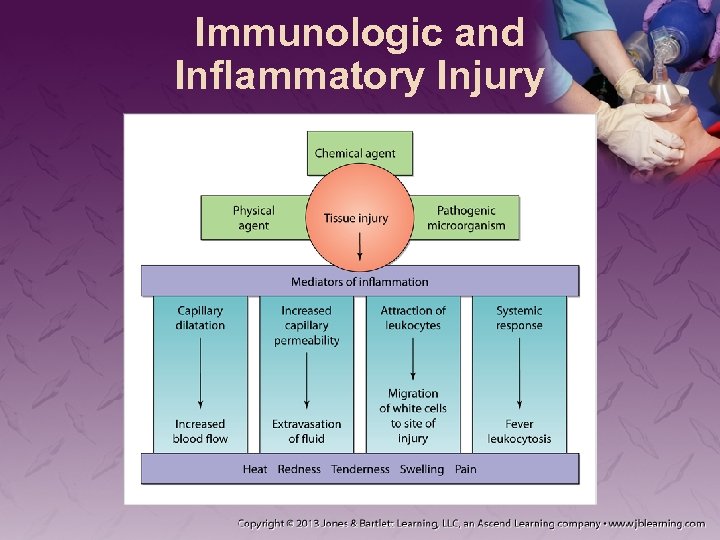
 Immunologic and Inflammatory Injury • Inflammation: protective response − Can be triggered by physical, chemical, or microbiologic agent
 Immunologic and Inflammatory Injury
 Immunologic and Inflammatory Injury • Local effects: dilation of blood vessels and increased vascular permeability • Systemic effects: temperature elevation and increased leukocytes − Outcome depends on amount of tissue damage • Cellular membranes may be injured in process.
 Injurious Genetic Factors • Factors include: − Chromosomal disorders − Premature development of atherosclerosis − Obesity • Abnormal gene may develop: − If gene mutates during meiosis − By heredity − Due to other causes later in life
 Injurious Nutritional Imbalances • Injurious nutritional imbalances include: − Obesity − Malnutrition − Vitamin or mineral excess or deficit • Can lead to: − Alterations in growth − Mental and intellectual retardation − Death
 Injurious Physical Agents or Conditions • Physical agents include: − Heat − Cold − Radiation • Degree of cell injury is determined by: − Strength of agent − Length of exposure
 Apoptosis • Normal cell death • During apoptosis: − Cells exhibit characteristic nuclear changes and die in clusters. − Controlled degradation allows their remnants to be taken up and reused.
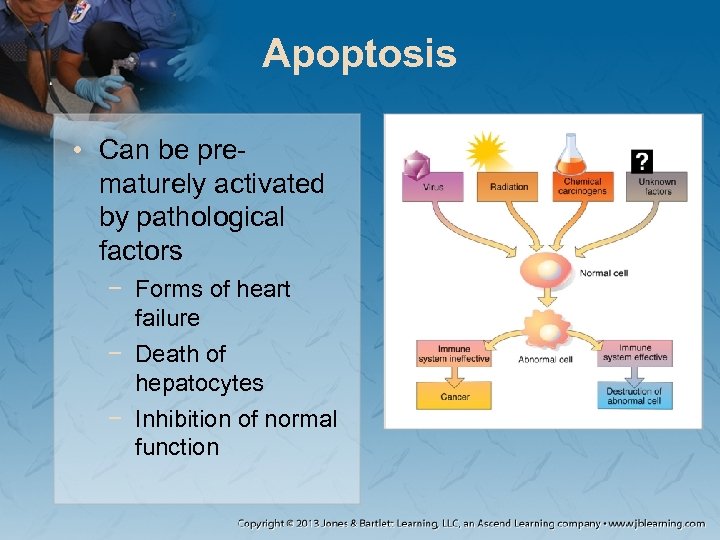 Apoptosis • Can be prematurely activated by pathological factors − Forms of heart failure − Death of hepatocytes − Inhibition of normal function
 Abnormal Cell Death • Necrosis: result of morphologic changes following cell death − Simple: gross and microscopic tissue and cells are recognizable. − Derived: caseation necrosis, dry gangrene, fat necrosis, liquefaction necrosis
 Factors That Cause Disease • Genetic: present at birth, passed from one generation to another • Environmental: microorganisms, toxic exposure, habits and lifestyle, physical environment, etc. • Anatomic: malrotation of the colon, degenerative diseases, aortic stenosis
 Factors That Cause Disease • Uncontrollable: − Genetics − Race • Controllable: − − − Smoking Drinking alcohol Nutrition Physical activity Stress
 Factors That Cause Disease • Age-related risk − Newborns: immune system not fully developed − Teenagers: trauma, use of drugs and alcohol − Older adults: cancer, heart disease, stroke • Sex-associated factors − Prevalence more in one sex than the other − Presentation can differ from men to women − Most sex-linked disorders are X linked
 Analysis of Disease Risk • Causal risk factors: causes disease • No causal risk factors: associated with risk • Consideration should include: − − Incidence: number of new cases in population Prevalence: number of cases in a period Morbidity: presence of disease Mortality: number of deaths
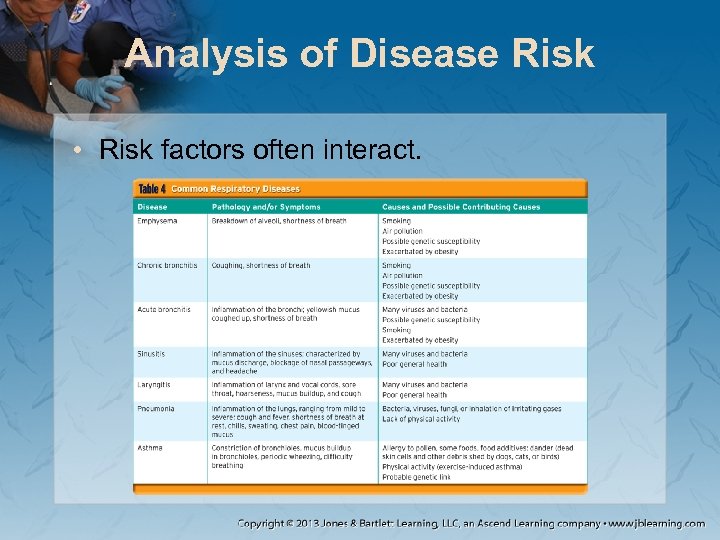 Analysis of Disease Risk • Risk factors often interact.
 Common Familial Diseases • Genetic risk: passes through generations • Familial tendency: cluster of diseases in family groups despite lack of gene evidence • Autosomal recessive: must inherit two copies of a particular gene • Autosomal dominant: needs to only inherit one copy of a particular gene
 Common Familial Diseases • Immunologic disorders − Hyper- or hypoactivity of immune system − Most that exhibit familial tendencies involve an overactive immune system − Allergies: acquired following initial exposure − Asthma: chronic inflammatory condition
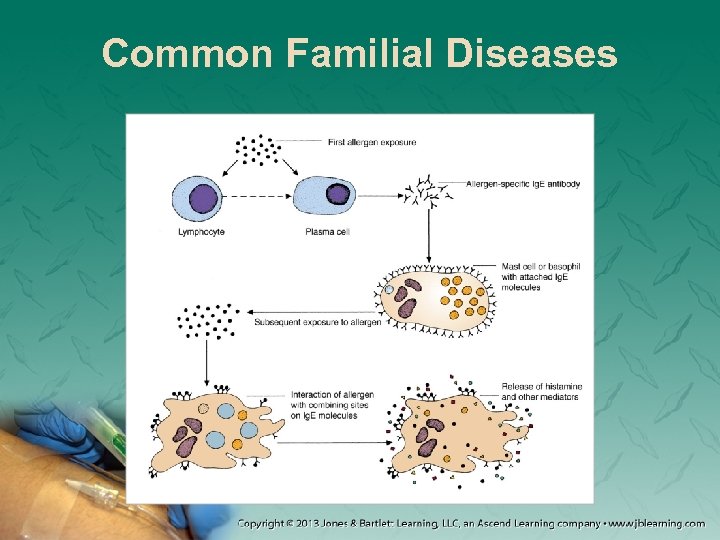 Common Familial Diseases
 Common Familial Diseases • Cancer − Large number of malignant growths − Prognosis depends on extent of spread and effectiveness of treatment − Lung: • Leading cause of death due to cancer
 Common Familial Diseases • Cancer (cont’d) − Breast: • Most common type of cancer in women • Symptoms: small painless lump, change in nipple, discharge, pain, and swollen lymph glands − Colorectal: • Third most common type of cancer • Symptoms : minimal amount of blood in stools
 Common Familial Diseases • Endocrine disorders − Diabetes mellitus: chronic disorder of metabolism • Ketoacidosis (type 1): insulin dependent • No ketoacidosis (type 2): non-insulin dependent
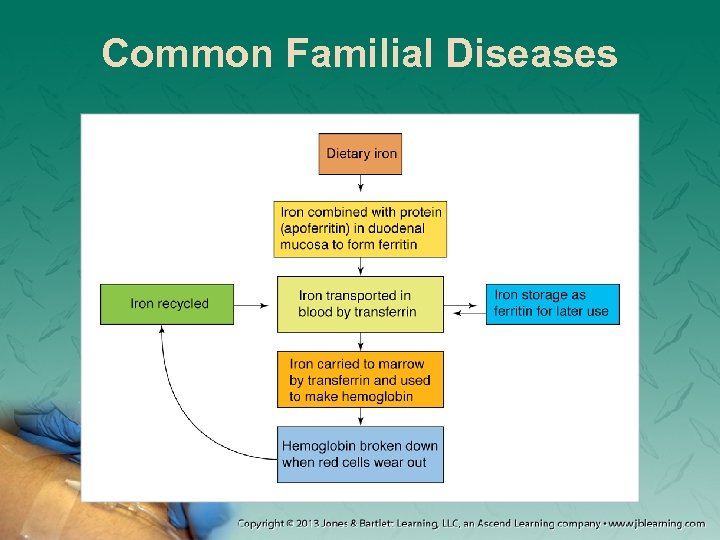
 Common Familial Diseases • Hematologic disorder − Hemolytic anemia: destruction of red blood cells − Hemophilia: excessive bleeding − Hemochromatosis: body absorbs more iron than needed
 Common Familial Diseases
 Common Familial Diseases • Cardiovascular disorders − Long QT syndrome: cardiac conduction system abnormality − Consider syncope a life threat if: • • Exercise-induced syncope Syncope associated with chest pain History of syncope Syncope associated with startle
 Common Familial Diseases • Cardiovascular disorders (cont’d) − Cardiomyopathy: diseases of the myocardium • Leads to heart failure, acute myocardial infarction, or death
 Common Familial Diseases • Cardiovascular disorders (cont’d) − Mitral valve prolapse: mitral valve leaflets balloon into the left atrium during systole − Coronary heart disease: caused by impaired circulation to the heart − Hypertension: elevated blood pressure
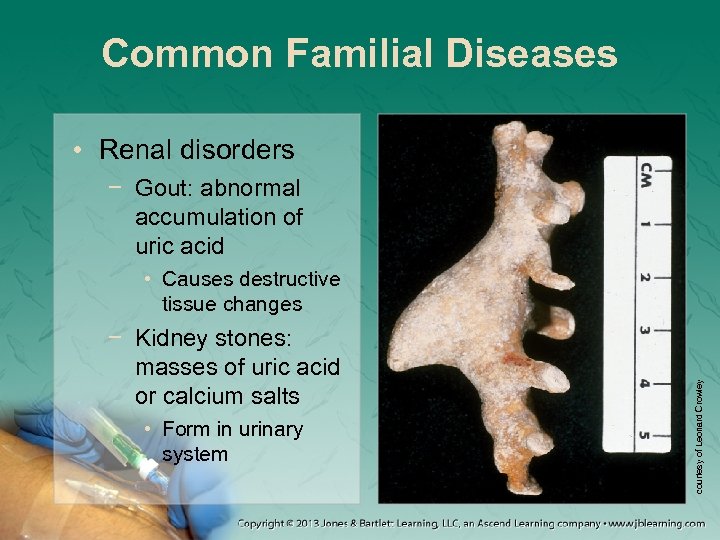 Common Familial Diseases • Renal disorders − Gout: abnormal accumulation of uric acid − Kidney stones: masses of uric acid or calcium salts • Form in urinary system courtesy of Leonard Crowley • Causes destructive tissue changes
 Common Familial Diseases • Gastrointestinal disorders − Malabsorption disorders: defect in bowel wall prevents normal absorption of nutrients • Lactose intolerance: defect in enzyme lactase • Ulcerative colitis: chronic inflammatory disease of the large intestine and rectum • Crohn’s disease: chronic inflammatory disease affecting the colon and small intestine
 Common Familial Diseases • Gastrointestinal disorders (cont’d) − Peptic ulcer disease: circumscribed erosions in the lining of the GI tract − Gallstones: stone-like masses in the gallbladder − Obesity: unhealthy accumulation of body fat • Morbid obesity: BMI greater than 40 kg/m 2 • Overweight: BMI of 25 to 29. 9 kg/m 2
 Common Familial Diseases • Neuromuscular disorders − Huntington’s disease: characterized by progressive chorea and mental deterioration − Muscular dystrophy: group of hereditary diseases of muscular system • Duchene muscular dystrophy − Multiple sclerosis: nerve fibers of the brain and spinal cord lose myelin cover
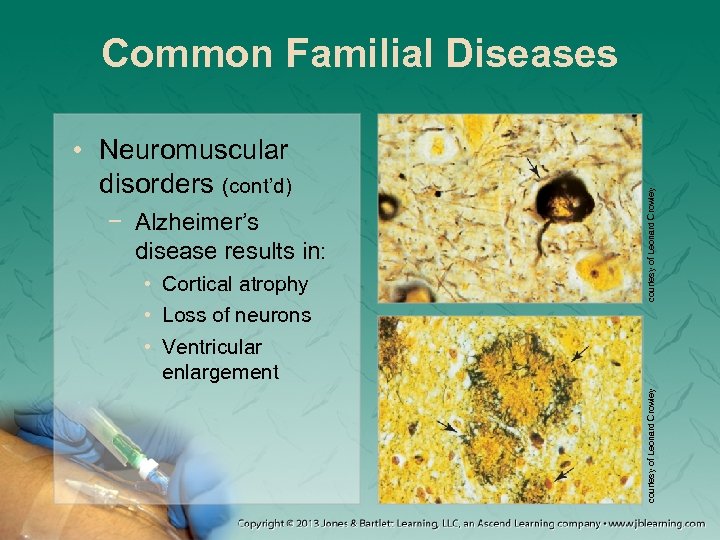 − Alzheimer’s disease results in: • Cortical atrophy • Loss of neurons • Ventricular enlargement courtesy of Leonard Crowley • Neuromuscular disorders (cont’d) courtesy of Leonard Crowley Common Familial Diseases
 Common Familial Diseases • Psychiatric disorders − Schizophrenia: group of mental disorders • Distortions of reality, withdrawal, and disturbances of thought, language, perception, and emotional response − Bipolar disorder: characterized by episodes of mania and depression
 Hypoperfusion • Perfusion: delivery of oxygen and nutrients and removal of wastes • Hypoperfusion: level of perfusion drops below normal − Compensatory mechanisms set into motion • Can be enough to stabilize the patient • Can overwhelm compensatory mechanisms
 Hypoperfusion • Response to hypoperfusion: − − Release of catecholamines Activation of RAAS Release of antidiuretic hormone Fluid shifts from interstitial tissues to vascular compartment • Overall response: increase preload, stroke volume, and heart rate
 Hypoperfusion • Persistence results in: − Continued increase in myocardial demand • • Compensatory mechanisms no longer keep up Myocardial function worsens Tissue perfusion decreases Fluid leaks from vessels, causing systemic and pulmonary edema
 Types of Shock • Shock: associated with inadequate oxygen and nutrient delivery to cell − Impairment of cell metabolism and inadequate perfusion of vital organs − Cells revert to anaerobic metabolism. − Glucose impairment leads to elevated blood glucose levels.
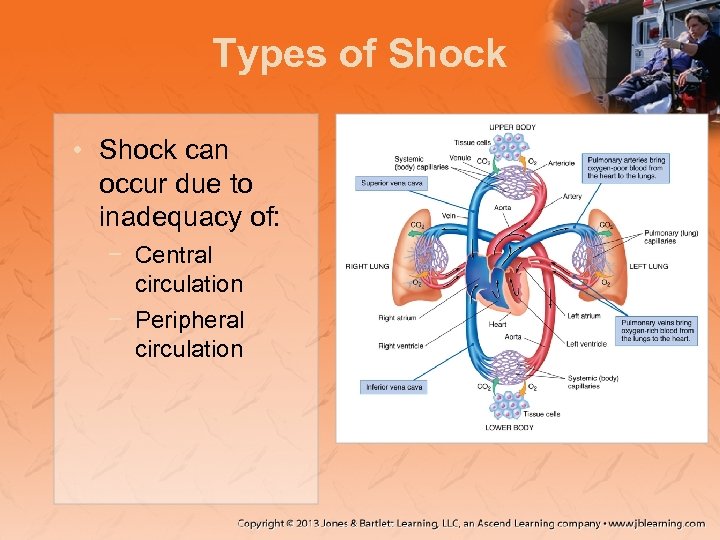 Types of Shock • Shock can occur due to inadequacy of: − Central circulation − Peripheral circulation
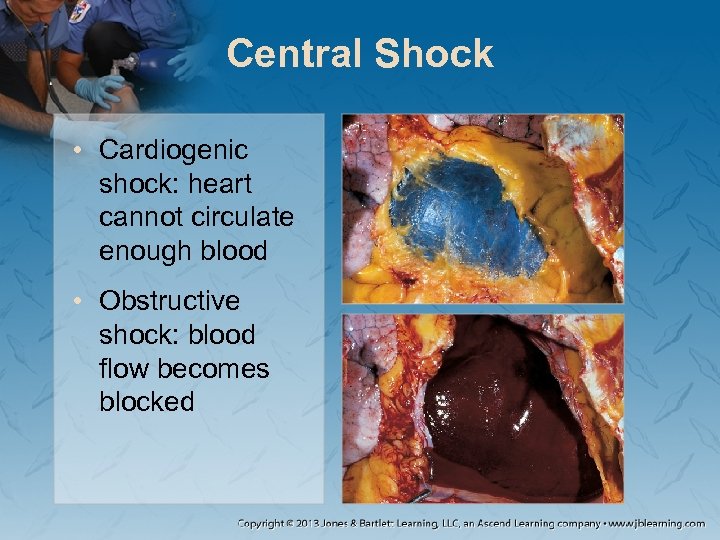 Central Shock • Cardiogenic shock: heart cannot circulate enough blood • Obstructive shock: blood flow becomes blocked
 Peripheral Shock • Hypovolemic shock: blood is unable to deliver adequate oxygen and nutrients − Exogenous: external bleeding − Endogenous: fluid loss contained within the body
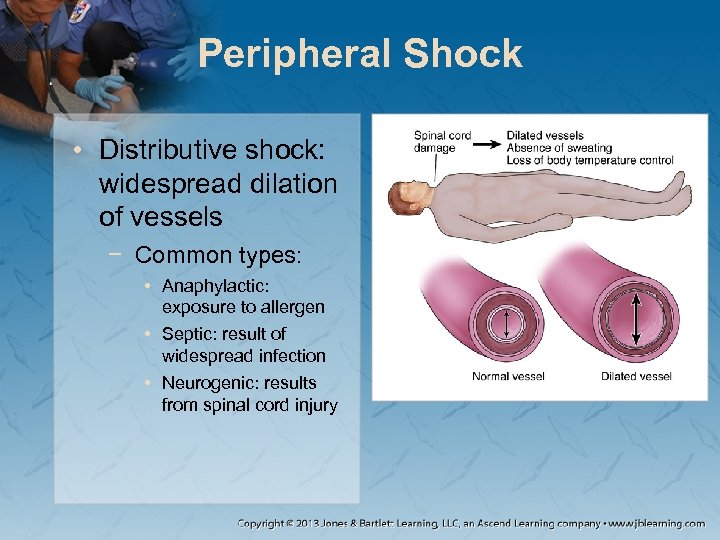 Peripheral Shock • Distributive shock: widespread dilation of vessels − Common types: • Anaphylactic: exposure to allergen • Septic: result of widespread infection • Neurogenic: results from spinal cord injury
 Management of Shock • Clinical determination requires: − Evaluation of presence and strength or absence of peripheral pulses − Assessment of end-organ perfusion and function • Signs of shock include: − Mottling, pallor, peripheral or central cyanosis, and delayed capillary refill
 Multiple Organ Dysfunction Syndrome (MODS) • Progressive condition that occurs in some critically ill patients − Characterized by concurrent failure of two or more organs or systems • Types: − Primary MODS: direct result of an insult − Secondary MODS: progressive organ dysfunction
 Multiple Organ Dysfunction System (MODS) • Occurs when injury or infection triggers massive systemic immune, inflammatory, and coagulation response − Outcome is maldistribution of systemic and organ blood flow − During 14 - to 21 -day period, renal and liver failure can develop
 Body’s Self-Defense Mechanisms • Immune system: all structures and processes associated with body’s defense − Three lines of defense: • Anatomic barriers • Immune response • Inflammatory response
 Anatomic Barriers • Decrease the chances of bodily invasion by foreign substances − Skin − Hairs in upper respiratory tract and lining of lower respiratory tract − Acid in stomach
 Immune Response • Body’s defense reaction to any substance that is recognized a foreign • Involves only one type of white blood cells (lymphocytes)
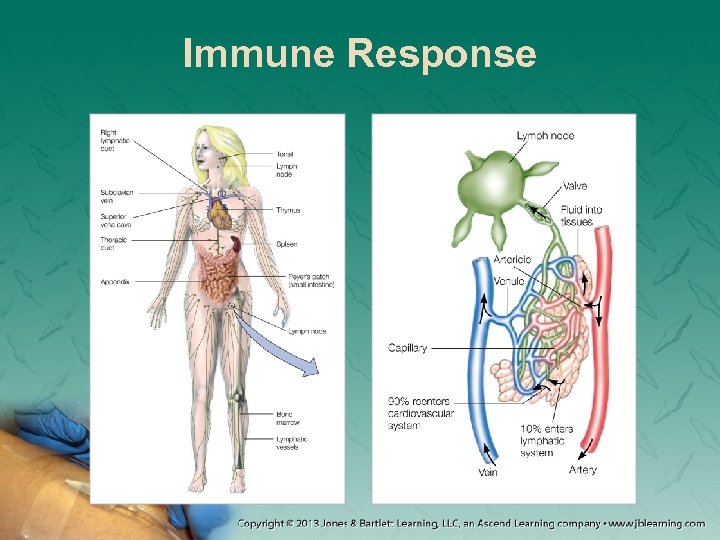
 Immune Response • Lymphatic system: network of capillaries, vessels, ducts and nodes, and organs
 Immune Response
 Immune Response • Lymphoid tissues: − Primary tissues: bone marrow and thymus gland − Secondary tissues: encapsulated (lymph nodes and spleen) and unencapsulated • Lymph: thin watery fluid that bathes tissues − Circulates through lymph vessels and filtered in lymph nodes
 Immune Response • Mucosal-associated lymphoid tissue: clusters of lymphoid tissue − Example: tonsils • Gut-associated lymphoid tissue: unencapsulated lymphoid tissue in the GI tract
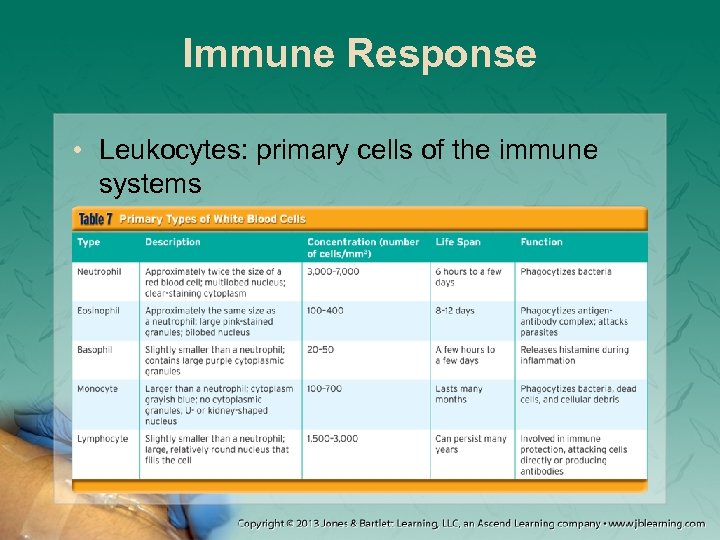 Immune Response • Leukocytes: primary cells of the immune systems
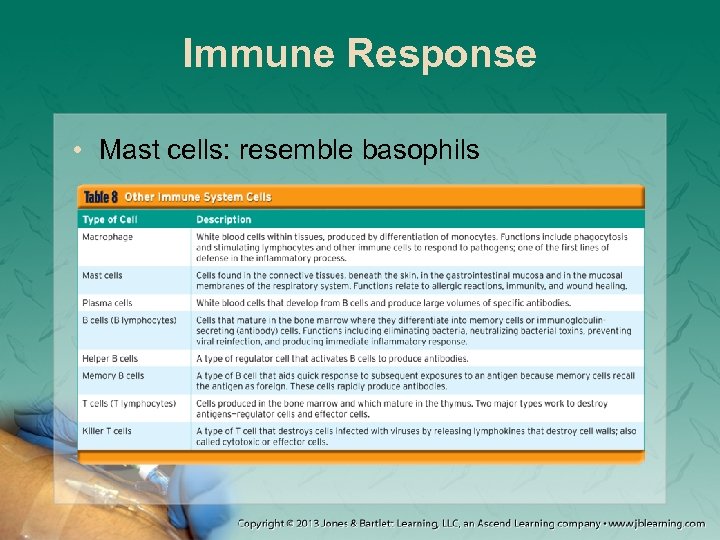 Immune Response • Mast cells: resemble basophils
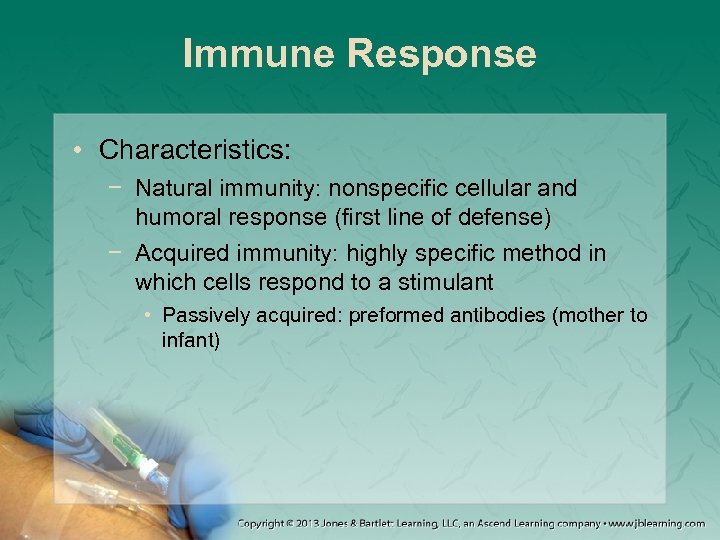 Immune Response • Characteristics: − Natural immunity: nonspecific cellular and humoral response (first line of defense) − Acquired immunity: highly specific method in which cells respond to a stimulant • Passively acquired: preformed antibodies (mother to infant)
 Immune Response • Primary response takes place during first exposure to an antigen. • Secondary response occurs with repeat exposure to an antigen.
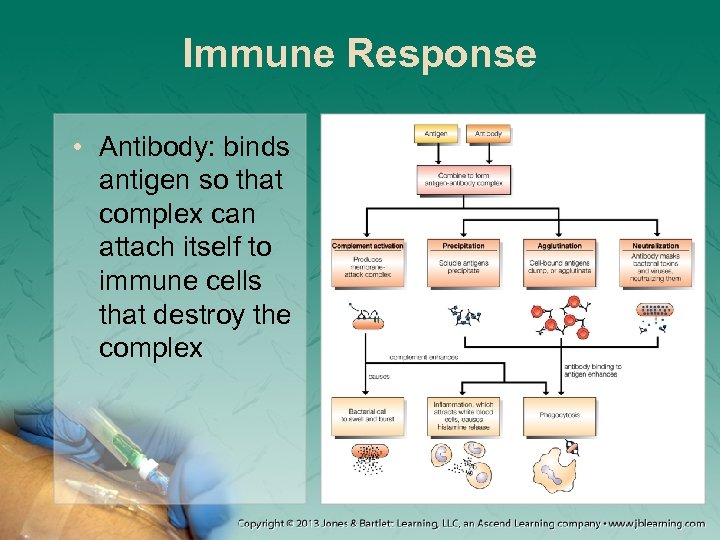 Immune Response • Antibody: binds antigen so that complex can attach itself to immune cells that destroy the complex
 Immune System • Immunogenic: antigen capable of generating an immune response against itself − Happen: substance that normally does not stimulate immune response but can be combined with an antigen and later initiate an antibody response
 Humoral Immune Response
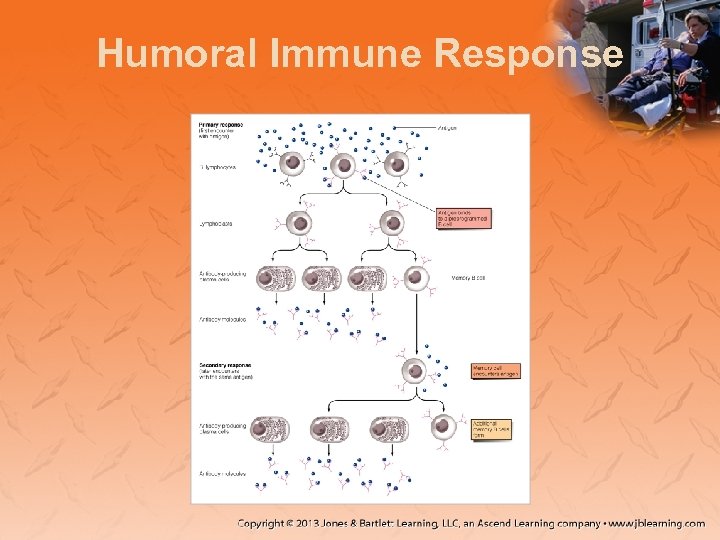
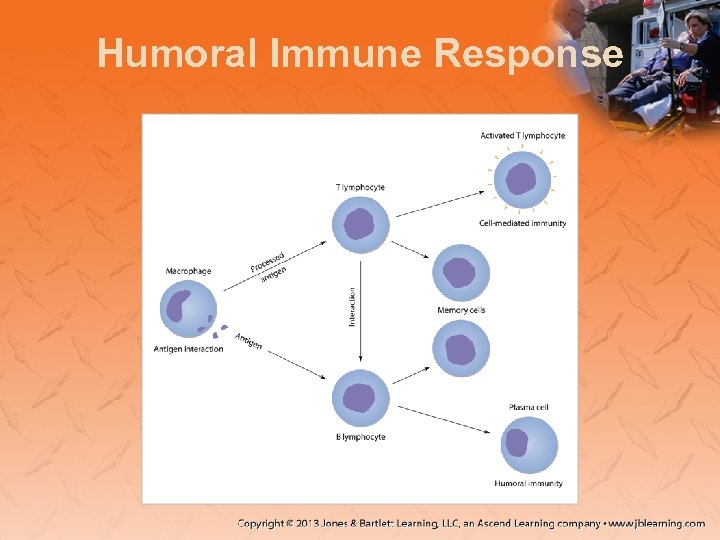
 Humoral Immune Response • B cell lymphocytes produce antibodies. − Clonal selection theory: each B cell makes antibodies that have only one type of antigen binding region − For B cells to produce antibodies, they must be activated.
 Humoral Immune Response
 Humoral Immune Response • Activation often occurs via helper T cells. − Macrophage engulfs antigen, and discarded particles interact with B cells and helper T cells. − Antigen binds to B cell and helper T cell − Helper T cell stimulates B cell to produce clone
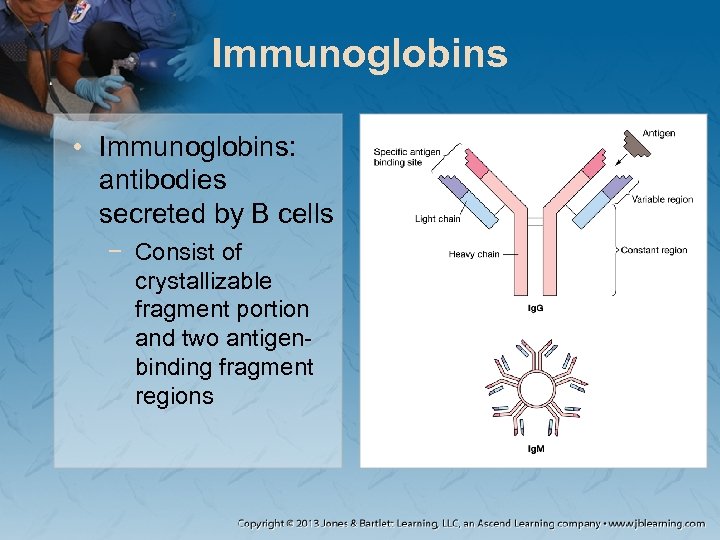 Immunoglobins • Immunoglobins: antibodies secreted by B cells − Consist of crystallizable fragment portion and two antigenbinding fragment regions
 Immunoglobins • Three main antigens on antibodies − Isotypic: occurs in all subclasses of immunoglobin class − Allotypic: found on some members of a subclass immunoglobin class − Idiotypic: unique structure created on an immunoglobulin molecule
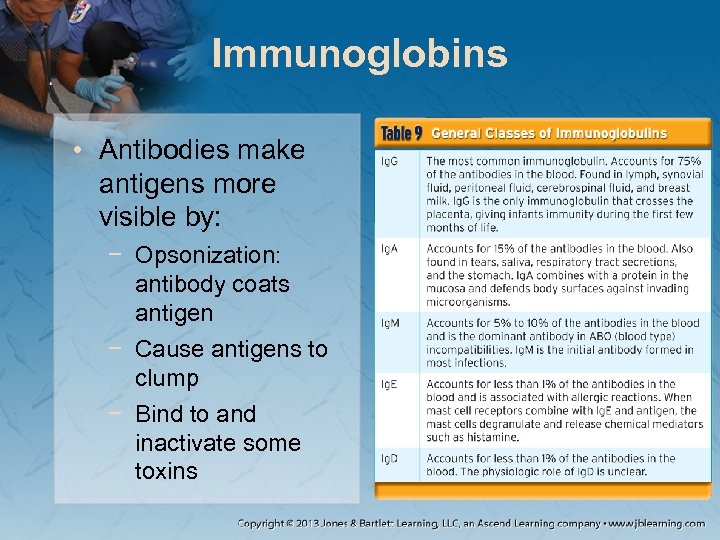 Immunoglobins • Antibodies make antigens more visible by: − Opsonization: antibody coats antigen − Cause antigens to clump − Bind to and inactivate some toxins
 Cell-Mediated Immune Response • Characterized by formation of lymphocytes • Main defense against virus, fungi, parasites, and some bacteria
 Cell-Mediated Immune Response • Mechanism by which body rejects transplanted organs and eliminates abnormal cells • T cells lymphocytes recognize antigens by: − Secreting cytokines − Becoming cytotoxic and killing abnormal cells
 Cell-Mediated Response • Five subcategories of T cells: − Killer T cells: destroy antigen − Helper T cells: activate immune cells − Suppressor T cells: suppress activity of other lymphocytes − Memory T cells: remember reaction − Lymphokine-producing cells: damage or destroy infected cells
 Cellular Interaction in Immune Response • Basic pattern: − Bacteria enters body. • Not encapsulated: macrophages ingest them • Encapsulated: antibodies coat capsule before ingestion − Cell wall activates complement system. − Membrane attack complex is formed. − Memory B cells or B cells will be activated.
 Inflammatory Response • Response of the body to irritation or injury − Characterized by pain, swelling, redness, and heat • Most common causes: injury and illness
 Inflammatory Response • Acute inflammation − Involves both vascular and cellular components − Active hyperemia causes blood vessels to expand. • Fluid leaks into interstitial spaces. − When pressure is released, vessel contacts and outflow slows. • Leads to stasis of blood in capillaries
 Inflammatory Response • Acute inflammation (cont’d) − Variety of cells participate: • • White blood cells Platelets Mast cells Plasma cells − Chemical mediators account for vascular and cellular events.
 Inflammatory Response • Mast cells: degranulate and release substances − Major stimuli for degranulation: • Physical injury • Chemical agents • Immunological substances − Release vasoactive amines. − Synthesize leukotrienes and prostaglandins.
 Plasma Protein Systems • Mediators that modulate the inflammatory response • Complement system: proteins attract white blood cells to sites of inflammation − Cells are activated, then destroyed − Classic or alternate pathway − Components: C 3 b, anaphylatoxins, membrane attack complex
 Plasma Protein Systems • Coagulation system: forms blood clots and repairs vascular tree − Inflammation triggers fibrin formation. • Fibrin: protein that bonds to form the fibrous component of a blood clot − Fibrinolysis cascade: dissolves fibrin and creates fibrin split products
 Plasma Protein Systems • Kinin system: leads to the formation of bradykinin from kallikrein − Kallikrein: enzyme found in blood plasma, urine, and tissues (normally inactive) − Bradykinin: increases vascular permeability, dilates blood vessels, contracts smooth muscle, and causes pain when injected
 Cellular Components of Inflammation • Goal: arrive at the sites within tissues where they are needed • Two major stages: − Intravascular stage: leukocytes move to sides of blood vessels and attach to endothelial cells − Extravascular stage: leukocytes travel to the site of inflammation and kill organisms
 Cellular Components of Inflammation • Cellular event sequence: − Margination: increase in blood viscosity − Activation: mediators trigger the appearance of selectins and integrins − Adhesion: PMNs attach to endothelial cells − Transmigration: PMNs permeate vessel walls − Chemotaxis: PMNs move to site of inflammation
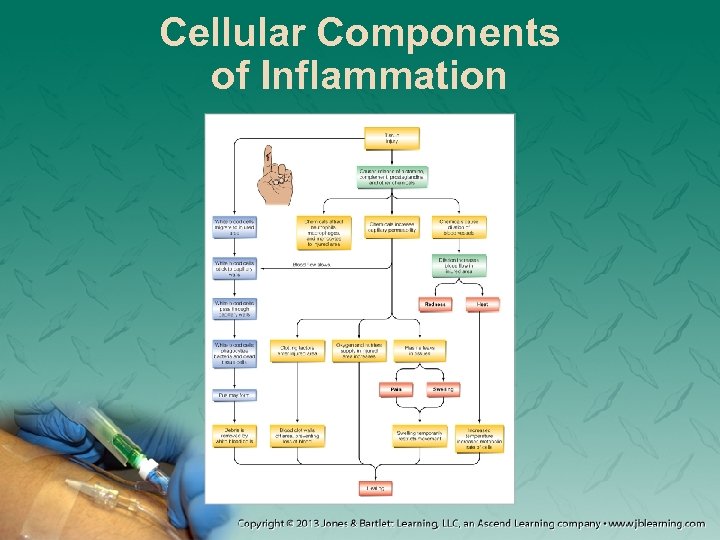 Cellular Components of Inflammation
 Cellular Products of Inflammation • Cytokines: products of cells that affect other cells − Interleukins: attract white blood cells to sites of injury − Interferon: protein produced by cells invaded by viruses
 Cellular Products of Inflammation • Lymphokines: stimulates leukocytes − Macrophage-activating factor stimulates macrophage to engulf and destroy − Migration inhibitory factor keeps white blood cells at site of infection or injury
 Injury Resolution and Repair • Normal wound healing involves four steps: − − Repair of damaged tissue Removal of inflammatory debris Restoration of tissues Regeneration of cells
 Injury Resolution and Repair • Healing depends on the type of cells: − Labile cells: divide continuously − Stable cells: replaced by regeneration − Permanent cells: cannot be replaced • Wounds can be healed by: − Primary intention: occurs in clean wounds − Secondary intention: occurs in gaping wounds
 Injury Resolution and Repair • Factors that lead to dysfunctional healing: − Local: infection, inadequate blood supply, foreign bodies − Systemic: poor nutritional intake and hematologic abnormalities • Diabetes and AIDS • Corticosteroids • Wound separation
 Chronic Inflammatory Response • Causes include: − Unsuccessful acute inflammatory response − Persistent infection − Presence of an antigen • Similar to acute inflammation process − Also include growth of new blood vessels
 Variances in Immunity and Inflammation • Hypersensitivity: response to any substance to which a patient has increased sensitivity − Allergy: reaction to an agent (allergen) − Autoimmunity: antibodies or T cells work against the tissues − Isoimmunity: T cells or antibodies are directed against antigens on other cells
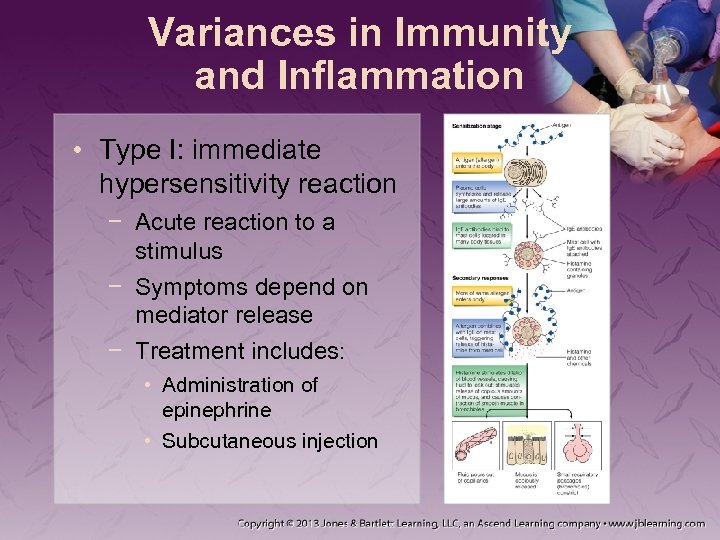 Variances in Immunity and Inflammation • Type I: immediate hypersensitivity reaction − Acute reaction to a stimulus − Symptoms depend on mediator release − Treatment includes: • Administration of epinephrine • Subcutaneous injection
 Variances in Immunity and Inflammation • Type II: cytotoxic hypersensitivity − Involves combination of Ig. G or Ig. M antibodies with antigens − Cells are destroyed by complement fixation or by other antibodies. − Example: blood transfusion
 Variances in Immunity and Inflammation • Type III: tissue injury caused by immune complexes − Involves Ig. G antibodies that form immune complexes with antigen − Reactions may be: • Systemic (serum sickness) • Localized (Arthus reaction)
 Variances in Immunity and Inflammation • Type IV: delayed (cell-mediated) hypersensitivity − Mediated by soluble molecules released by specifically activated T cells − Subtypes: • Delayed hypersensitivity • Cell-mediated cytotoxicity
 Variances in Immunity and Inflammation • Targets of hypersensitivity reactions: − Allergic reaction: antigen or allergen − Autoimmune: person’s own tissue • Graves’ disease: caused by thyroid-stimulating or thyroid-growth immunoglobulins • Type I diabetes: body produces autoantibodies • Rheumatoid arthritis: chronic systemic disease
 Variances in Immunity and Inflammation • Targets of hypersensitivity reactions: − Autoimmune: person’s own tissue • Myasthenia gravis: attack on nerve muscles • Neutropenia: decrease in circulating neutrophils • Immune thrombocytopenia purpura (ITP): patient forms antibodies to blood platelets • Systemic lupus erythematosus: immune system is directed against tissues
 Variances in Immunity and Inflammation • Targets of hypersensitivity reactions: − Blood group antigens • Rh factor: antigen present in erythrocytes • Blood type is determined by antigens. − − Type A Type B Type AB Type O
 Immune Deficiencies • Immunodeficiency: abnormal condition in which part of immune system is inadequate • Congenital immunodeficiencies: − Defects include lymphoid stem cells and T and B cells − Two types both inherited: • X-linked agammaglobulinemia • Isolated deficiency of Ig. A
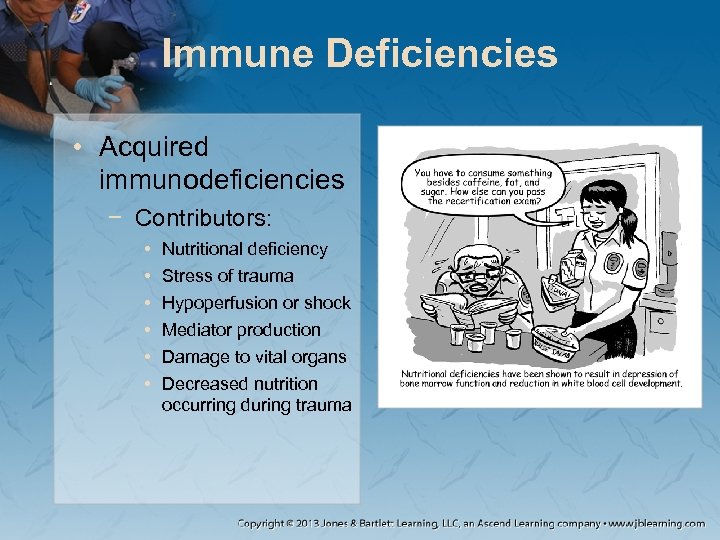 Immune Deficiencies • Acquired immunodeficiencies − Contributors: • • • Nutritional deficiency Stress of trauma Hypoperfusion or shock Mediator production Damage to vital organs Decreased nutrition occurring during trauma
 Immune Deficiencies • Acquired immunodeficiencies (cont’d) − Iatrogenic (treatment-induced) immunodeficiency − AIDS: caused by RNA retrovirus HIV
 Immune Deficiencies • Treatment of immunodeficiencies: − Replacement therapy for some types • Intravenous gamma globulin • Bone marrow transplant • Transfusions
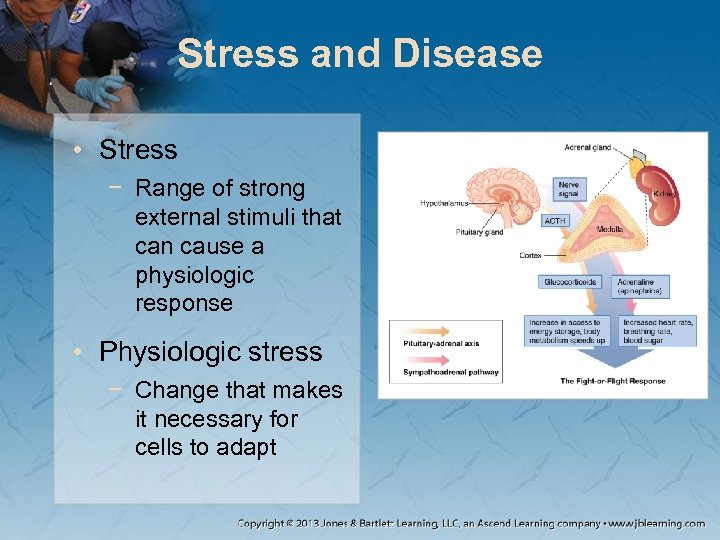 Stress and Disease • Stress − Range of strong external stimuli that can cause a physiologic response • Physiologic stress − Change that makes it necessary for cells to adapt
 Stress and Disease • Physiologic stress (cont’d) − Three concepts: • The stressor • Its effect • Body’s response • Usually the response is beneficial. − Unchecked stress can result in deleterious outcomes.
 General Adaptation Syndrome • Stage 1: Alarm − Body reacts by releasing catecholamines − Catecholamines activate the sympathetic nervous system. − Effects include: • • Increased respiratory rate Decreased blood flow to skin Smooth muscle constriction Effects on the liver
 General Adaptation Syndrome • Stage 2: Resistance − Adrenal gland releases two types of hormones that increase blood glucose level and maintain blood pressure • Glucocorticoids and mineralocorticoids
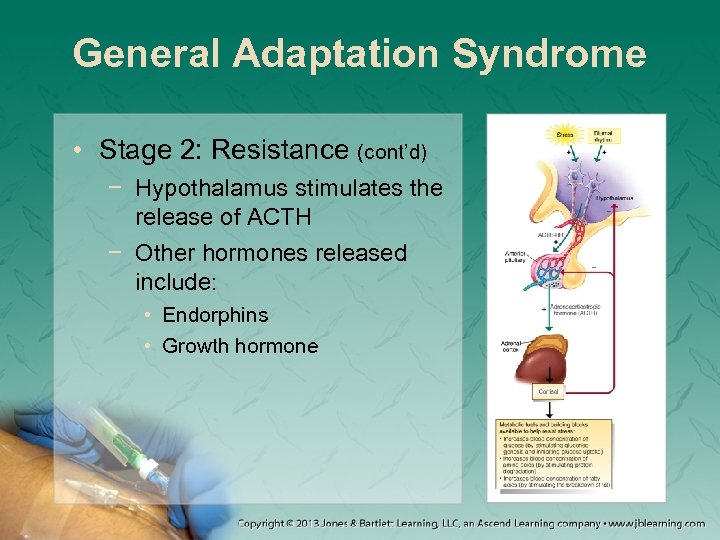 General Adaptation Syndrome • Stage 2: Resistance (cont’d) − Hypothalamus stimulates the release of ACTH − Other hormones released include: • Endorphins • Growth hormone
 General Adaptation Syndrome • Stage 3: Exhaustion − Adrenal glands depleted − Diminishing levels of glucose − Results in: • • Decreased stress tolerance Progressive mental and physical exhaustion Illness Collapse
 Effects of Chronic Stress • Hypothalamic-pituitary-adrenal axis: major part of the neuroendocrine system − Controls the reaction to stress − Triggers a set of interactions among gland, hormones, and parts of the midbrain − Continued stress exhausts the normal mechanisms.
 Effects of Chronic Stress • Stress and depression have a negative effect on the immune system. − Body loses ability to fight disease − Body releases fat and cholesterol into the blood
 Effects of Chronic Stress • Coping mechanisms − Healthy person: manages stress with very little impact on immune system − Ineffective coping mechanisms lead to deleterious effects on the immune system • Treatment includes psychotherapy, medication, or positive influences.
 Summary • Pathophysiology is the study of the functioning of an organism in the presence of disease. • All cells except red blood cells and platelets have three main components: a nucleus, cytoplasm, and a cell membrane. • There are four major tissue types: epithelial tissue, connective tissue, muscle tissue, and nervous tissue.
 Summary • When cells are exposed to adverse conditions, they undergo a process of temporary or permanent adaptation. • The cellular environment refers to the distribution of cells, molecules, and fluids throughout the body. • Electrolytes in body fluids include sodium, chloride, potassium, calcium, phosphorus, and magnesium.
 Summary • p. H is a measurement of the hydrogen ion concentration of a solution. • Cellular injury is caused by factors such as hypoxia, chemical exposure, infectious agents, inappropriate immunologic responses, inflammatory responses, genetic factors, nutritional imbalances, physical agents.
 Summary • Inflammatory response is characterized by both local and systemic effects. The outcome of an inflammation depends on how much tissue damage has resulted from the inflammation. • Age- and sex-associated factors interact with a combination of genetic and environmental factors, lifestyle, and anatomic or hormonal differences to cause disease.
 Summary • Analyzing disease risk involves consideration of disease rates (incidence, prevalence, morbidity, and mortality) and controllable and uncontrollable disease risk factors (causal and noncausal). • A true genetic risk is passed through generations on a gene. In contrast, a familial tendency may cluster in family groups despite lack of evidence for heritable geneassociated abnormalities.
 Summary • In autosomal dominant inheritance, a person needs to inherit only one copy of a particular form of a gene to show the trait. In autosomal recessive inheritance, the person must inherit two copies of a particular form of a gene to show the trait. • Immunologic diseases occur because of hyperactivity or hypoactivity of the immune system. Allergies are acquired following initial exposure to an allergen.
 Summary • Perfusion is the delivery of oxygen and nutrients to cells, organs, and tissues through the circulatory system. Hypoperfusion occurs when the level of tissue perfusion falls below normal. • Shock is an abnormal state associated with inadequate oxygen and nutrient delivery to the metabolic apparatus of the cell, resulting in an impairment of cellular metabolism.
 Summary • Central shock consists of cardiogenic shock and obstructive shock. • Peripheral shock includes hypovolemic shock and distributive shock. • Multiple organ dysfunction syndrome (MODS) occurs in acutely ill patients and is characterized by the dysfunction of two or more organs that were not affected by the physiologic insult for which the patient was initially being treated.
 Summary • The immune system includes all of the structures and processes that mount a defense against foreign substances and disease-causing agents. • The body has three lines of defense: anatomic barriers, the inflammatory response, and the immune response.
 Summary • The two anatomic components of the immune system are the lymphoid tissues and the cells responsible for an immune response. • The primary cells of the immune system are the white blood cells, or leukocytes. • There are two general types of immune response: native and acquired. • Immunity may be humoral or cell-mediated.
 Summary • Important white blood cells in the immune system include neutrophils, eosinophils, basophils, monocytes, and lymphocytes. Other important cells of the immune system include macrophages, mast cells, plasma cells, B cells, and T cells. • The antibodies secreted by B cells are called immunoglobulins. Antibodies make antigens more visible to the immune system.
 Summary • The inflammatory response is the reaction of the body’s tissues to cellular injury. • The two most common causes of inflammation are infection and injury. • The plasma protein systems that modulate the inflammatory process include the complement system, the coagulation (clotting) system, and the kinin system.
 Summary • Cytokines are products of cells that affect the functioning of other cells; they include interleukins, lymphokines, and interferon. • Chronic inflammatory responses are usually caused by an unsuccessful acute inflammatory response after the invasion of a foreign body, a persistent infection, or an antigen.
 Summary • Normal wound healing involves four steps: repair of damaged tissue, removal of inflammatory debris, restoration of tissues to a normal state, and regeneration of cells. • Wounds may heal by primary or secondary intention. Healing by primary intention occurs in clean wounds with opposed margins. Wounds that heal by secondary intention have a prolonged inflammatory phase.
 Summary • Hypersensitivity is an increased response of the body to any substance to which the person is abnormally sensitive. • Hypersensitivity reactions may be classified as autoimmune, idiopathic, or blood incompatibility reactions. • Immunodeficiency may be congenital or acquired.
 Summary • Stress does not cause death directly, but it can permit diseases to flourish, ultimately leading to death. • The general adaptation syndrome describes the body’s short-term and long-term reactions to stress.
 Summary • Stress causes the sympathetic nervous system to be stimulated. This occurs through release of catecholamines that activate the sympathetic nervous system. • Stress also causes secretion of cortisol, which has many useful effects. However, continuous secretion of cortisol has deleterious effects.
 Credits • Chapter opener: © Jupiterimages/Brand X/ Alamy Images • Backgrounds: Orange—© Keith Brofsky/ Photodisc/Getty Images; Blue—Jones & Bartlett Learning. Courtesy of MIEMSS; Purple—Jones & Bartlett Learning. Courtesy of MIEMSS; Blue—Courtesy of Rhonda Beck; Green—Courtesy of Rhonda Beck. • Unless otherwise indicated, all photographs and illustrations are under copyright of Jones & Bartlett Learning, courtesy of Maryland Institute for Emergency Medical Services Systems, or have been provided by the American Academy of Orthopaedic Surgeons.