Скачать презентацию Chapter 4 network layer Two key network-layer
4c7f8f30790db4911f43bcfc91a5036e.ppt
- Количество слайдов: 157
 Chapter 4: network layer
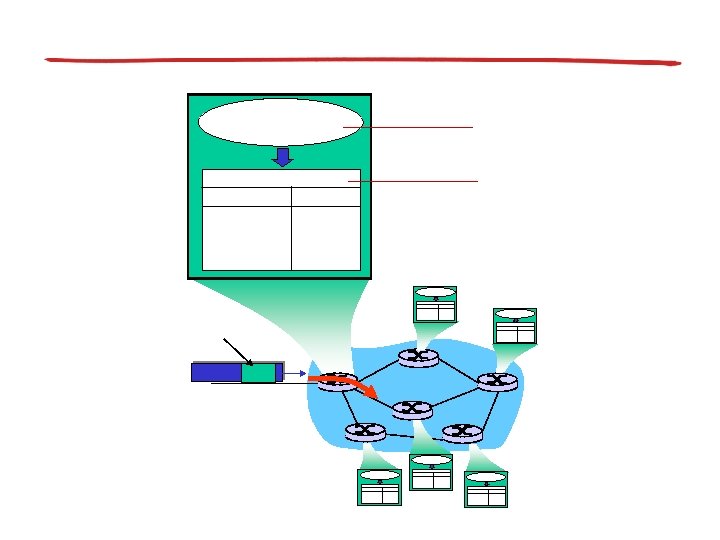
 Two key network-layer functions
 Connection setup
 Network service model
 Network layer service models:
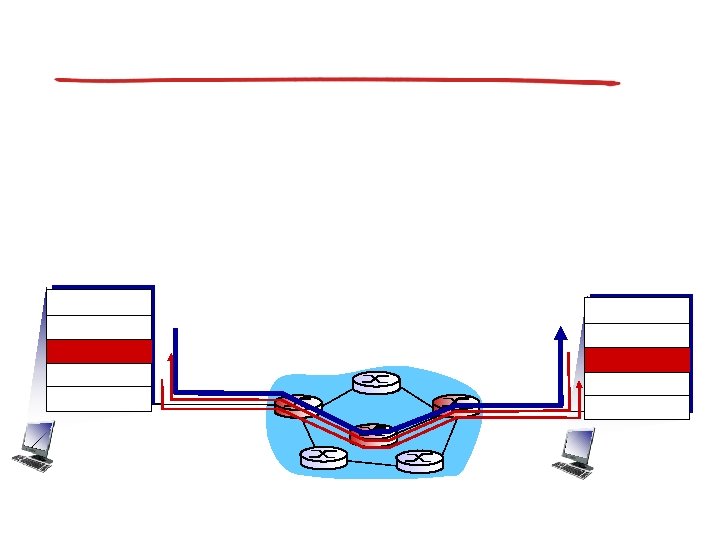
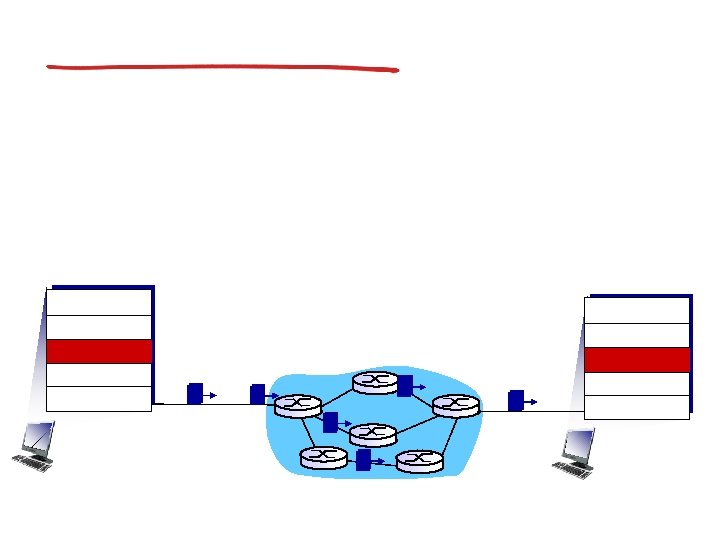
 Virtual circuits
 VC implementation
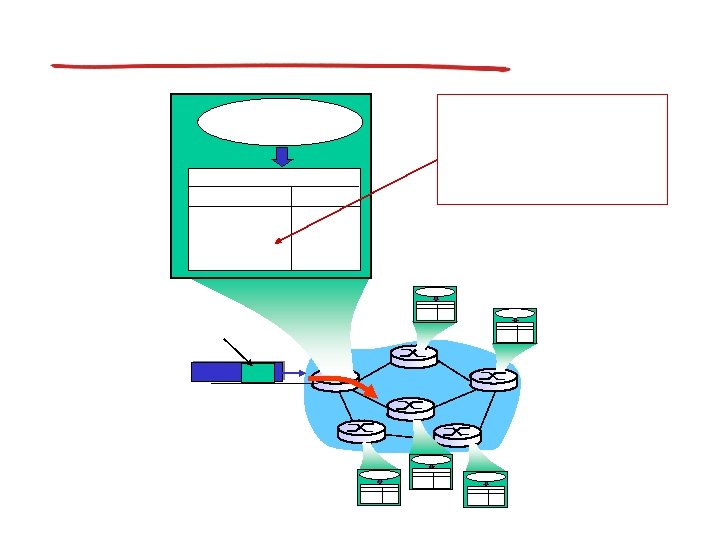
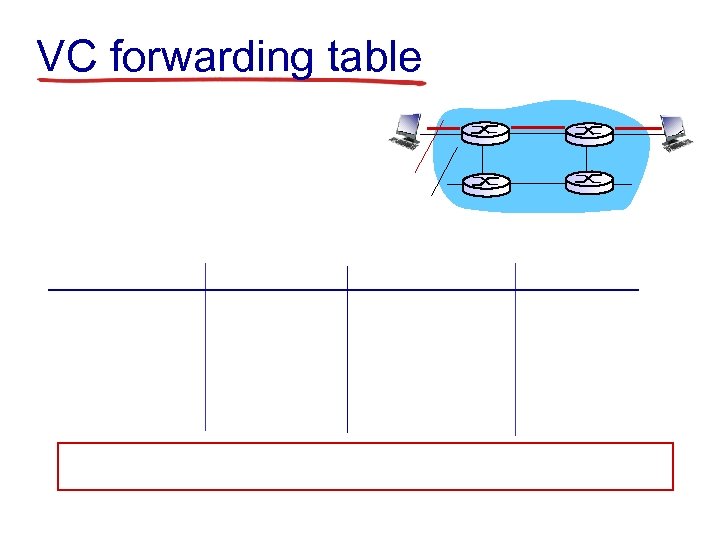 VC forwarding table
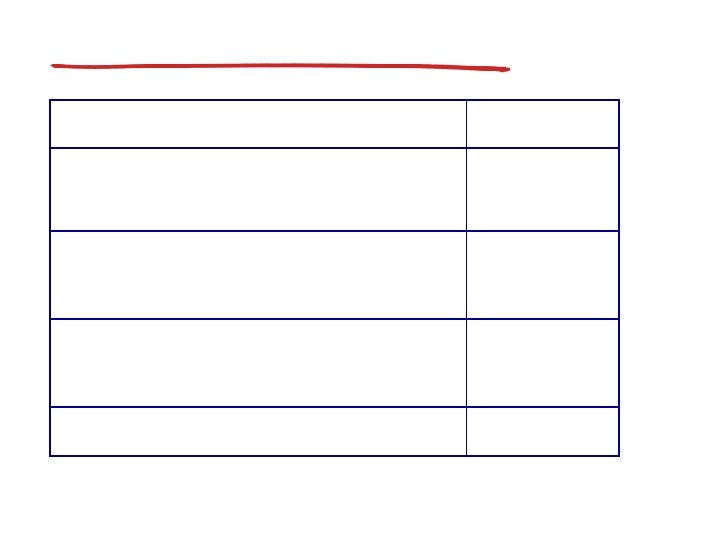
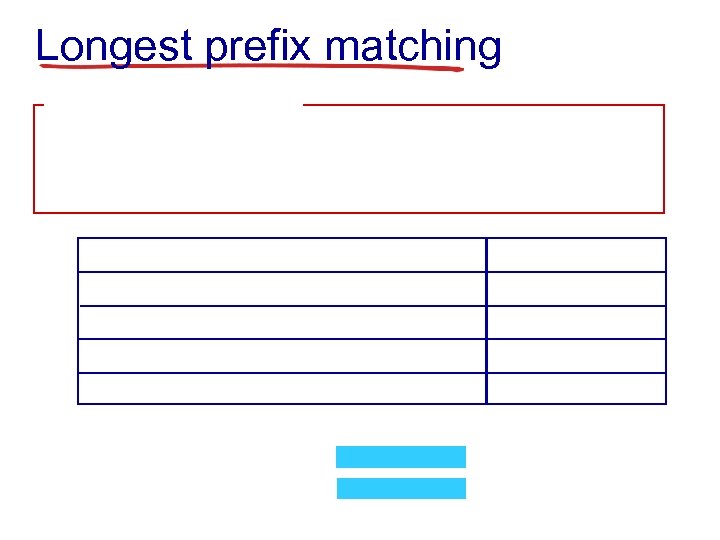 Longest prefix matching
 Datagram or VC network: why?
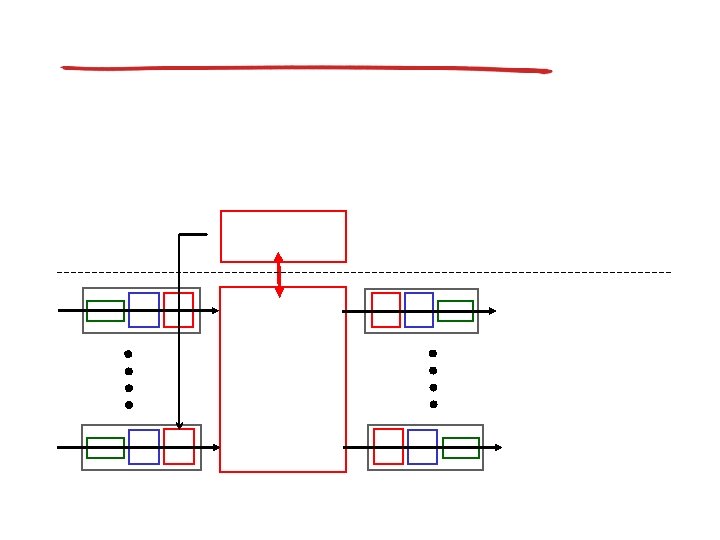
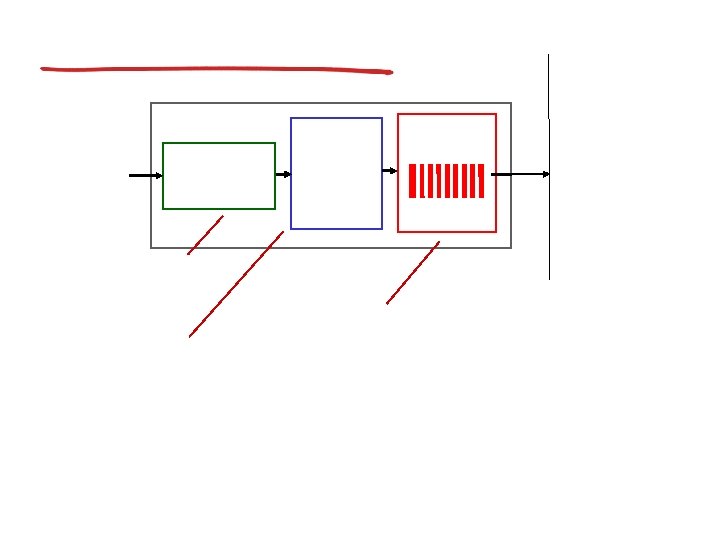
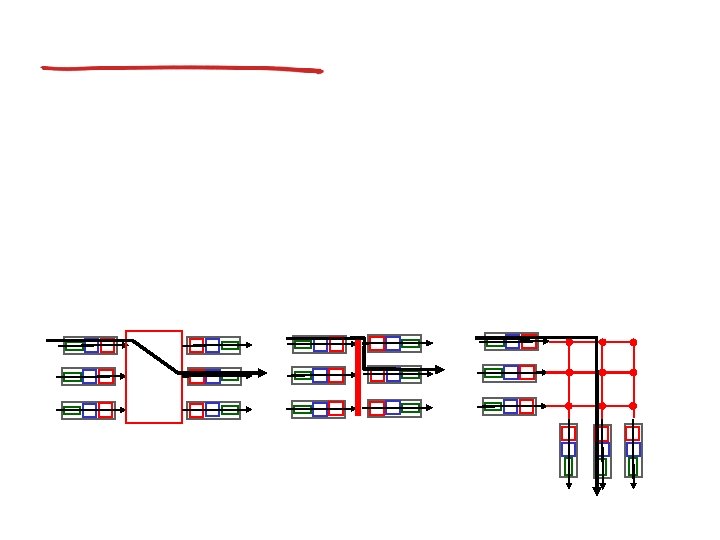
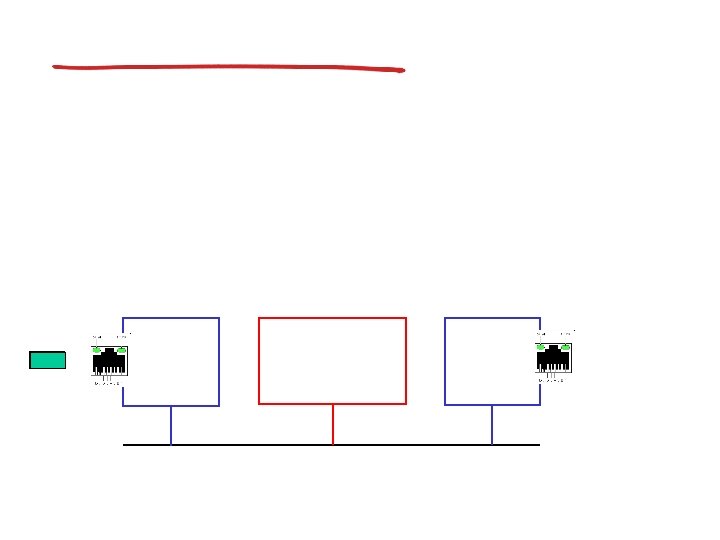
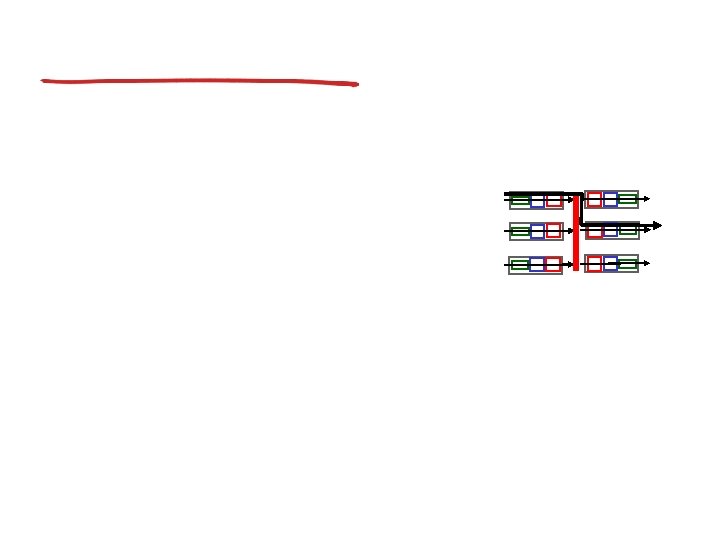
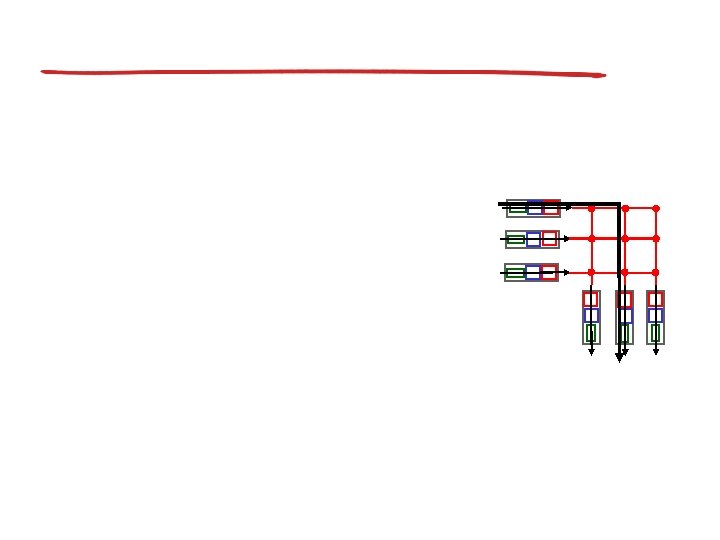
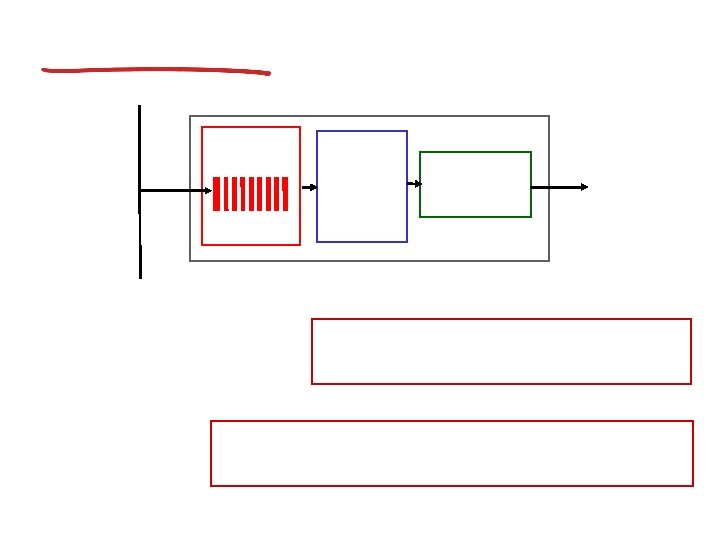
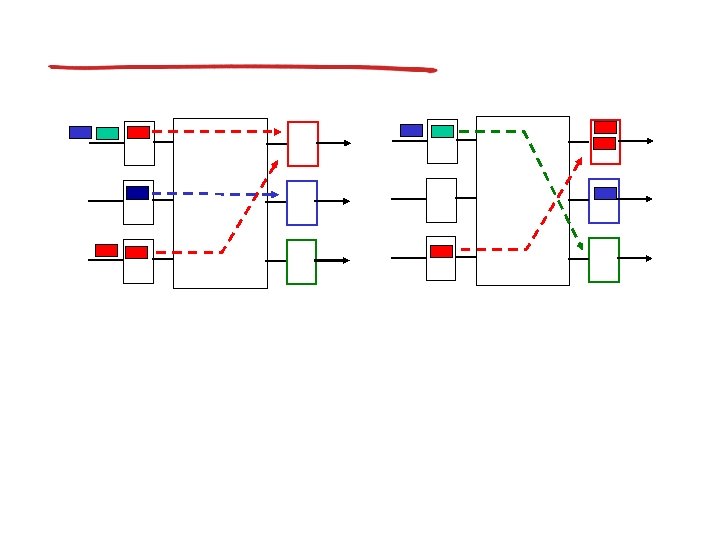
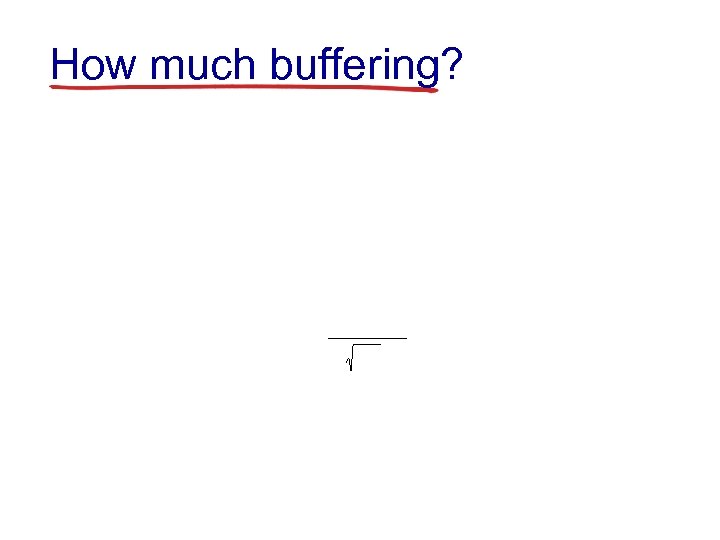 How much buffering?
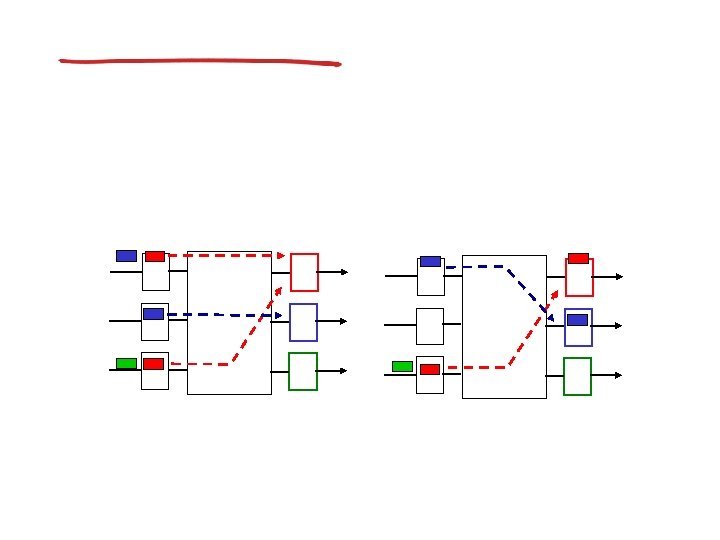
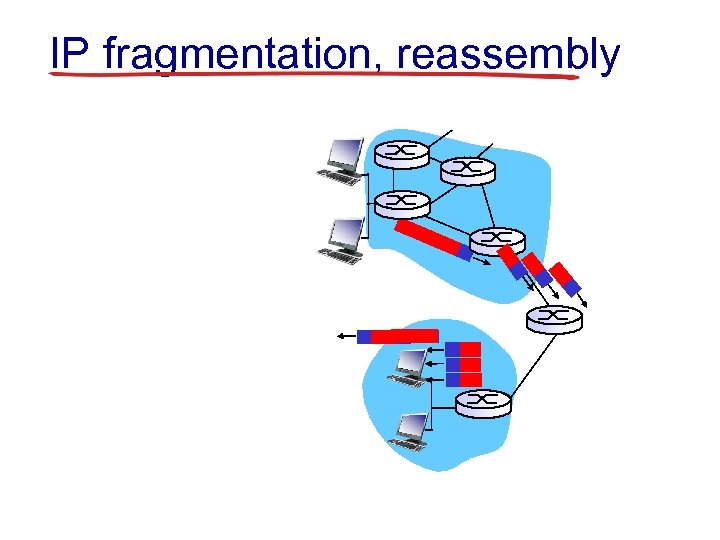 IP fragmentation, reassembly
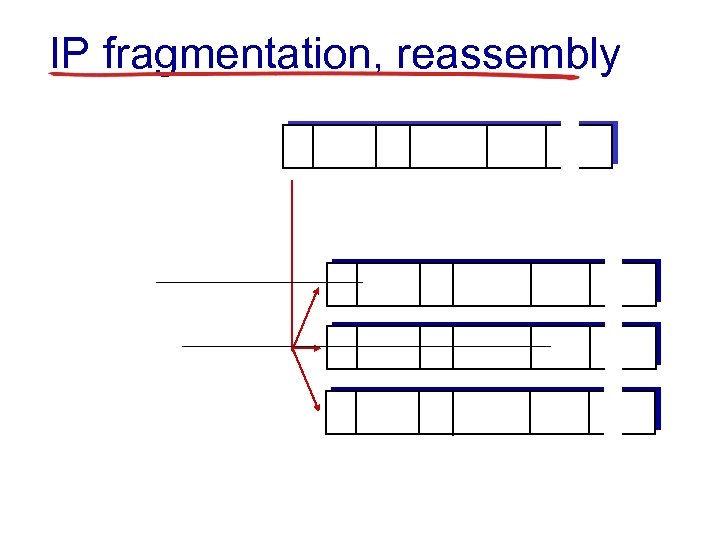 IP fragmentation, reassembly
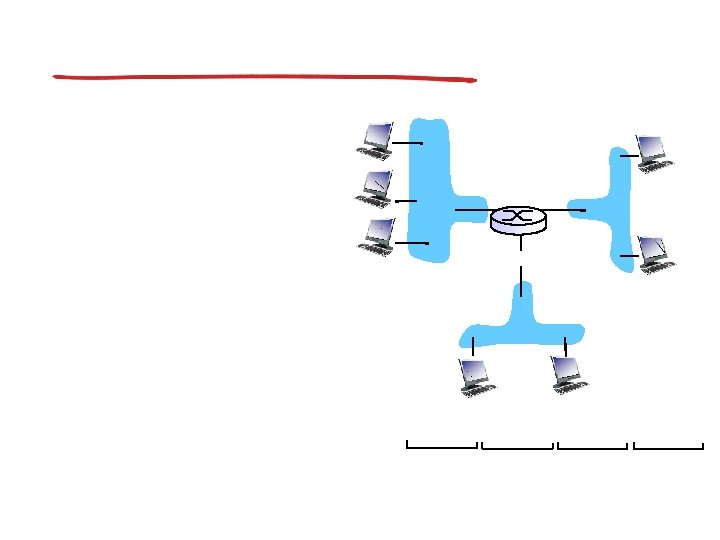
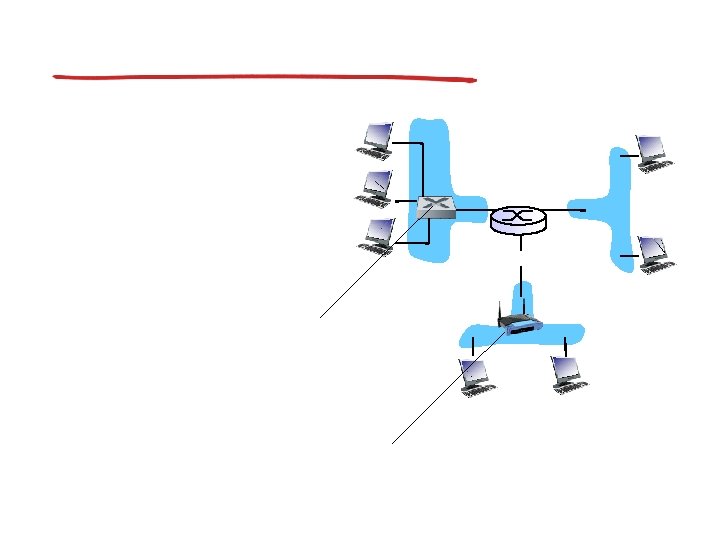
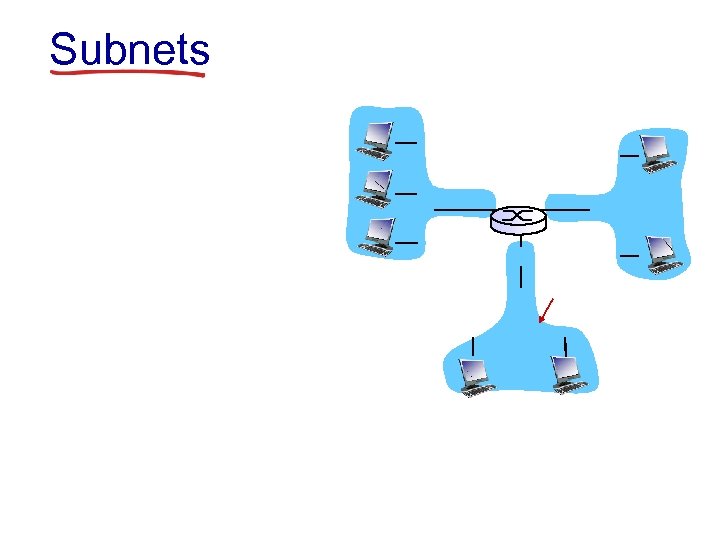 Subnets
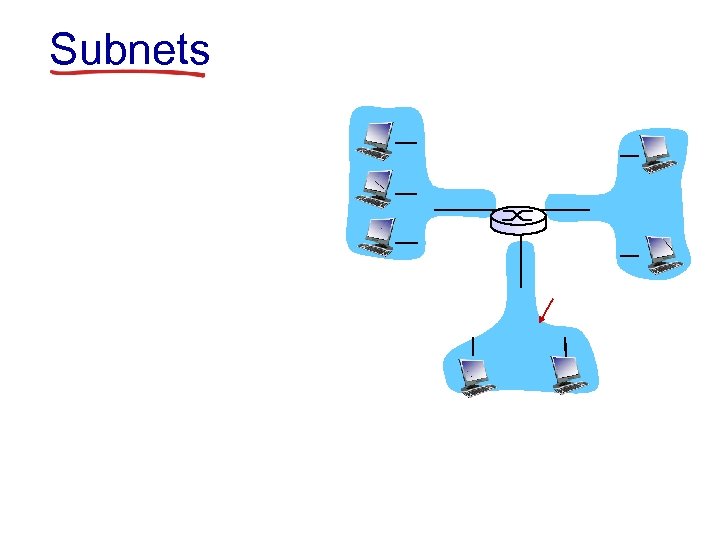 Subnets
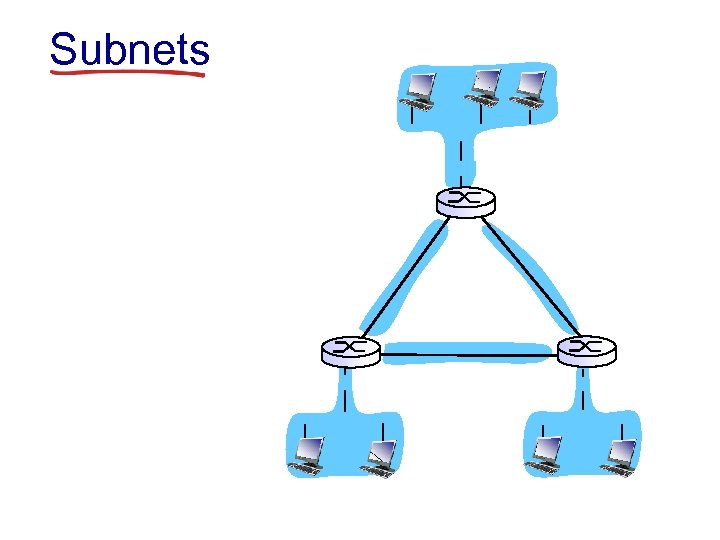 Subnets
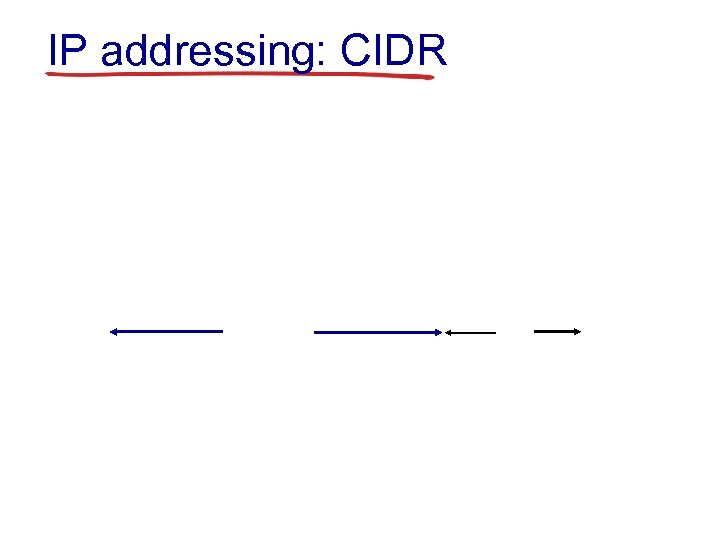 IP addressing: CIDR
 IP addresses: how to get one?
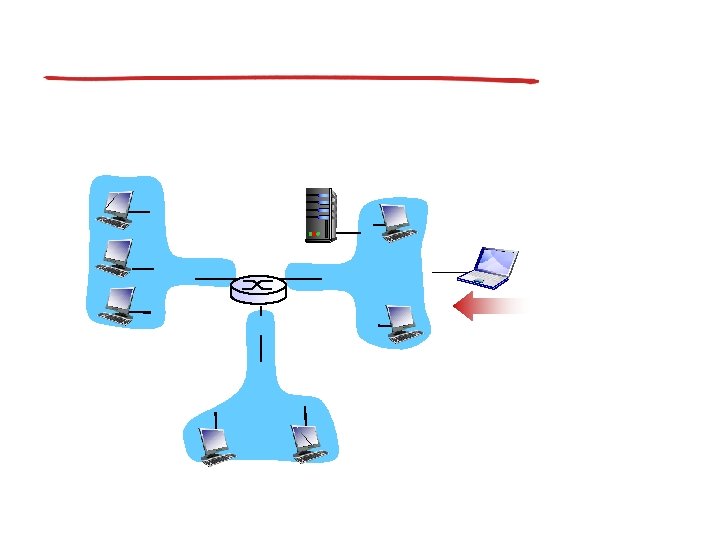
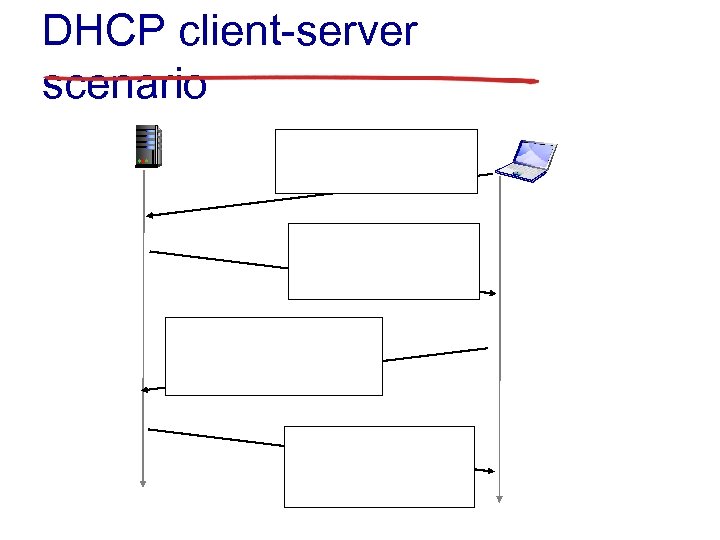 DHCP client-server scenario
 DHCP: more than IP addresses
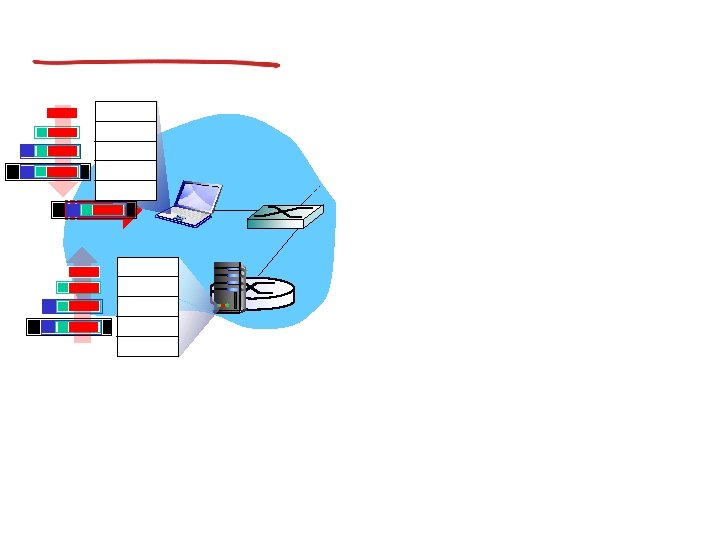
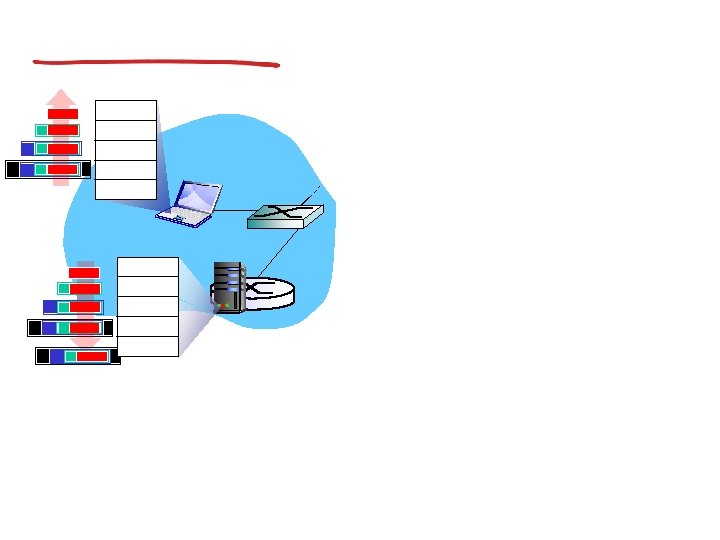
 IP addresses: how to get one?

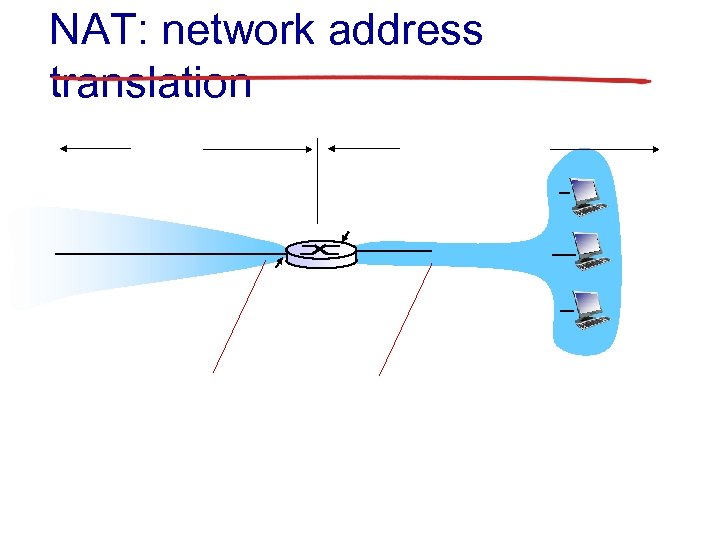 NAT: network address translation
 NAT: network address translation
 NAT: network address translation
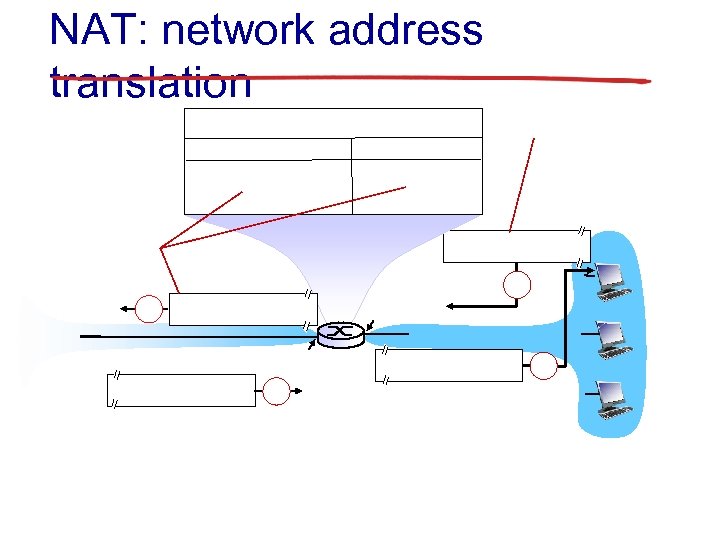 NAT: network address translation
 NAT: network address translation
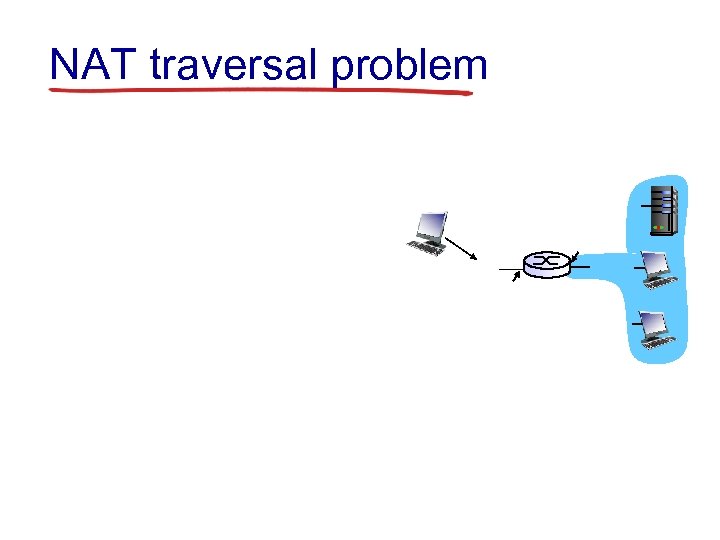 NAT traversal problem
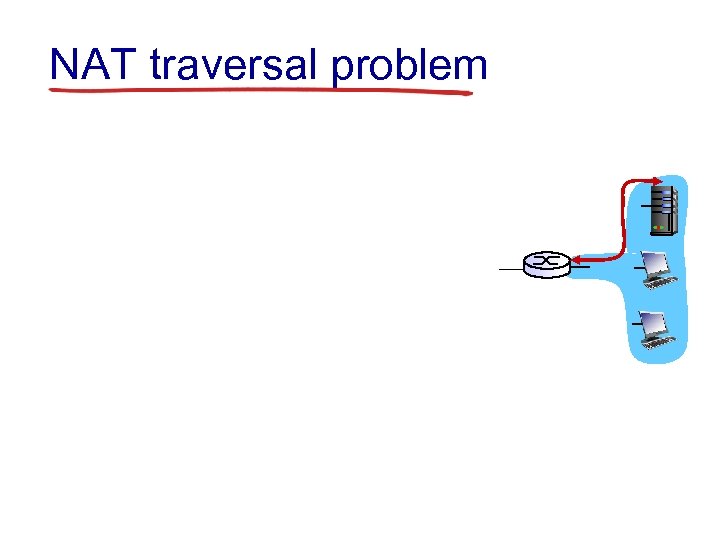 NAT traversal problem
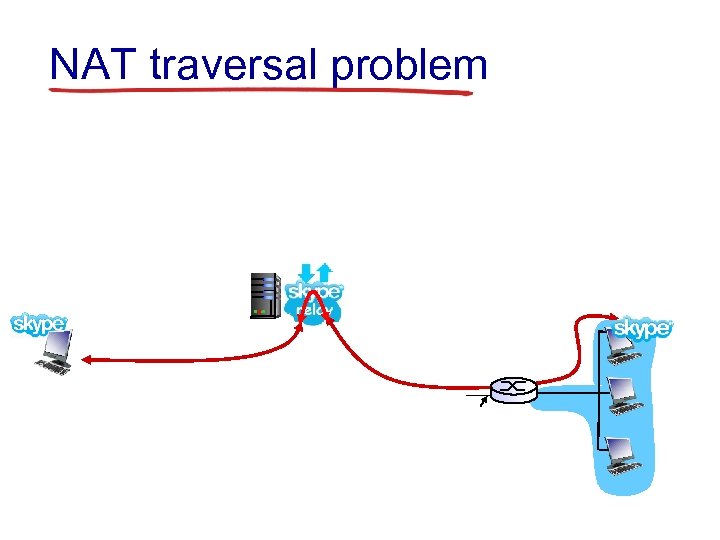 NAT traversal problem
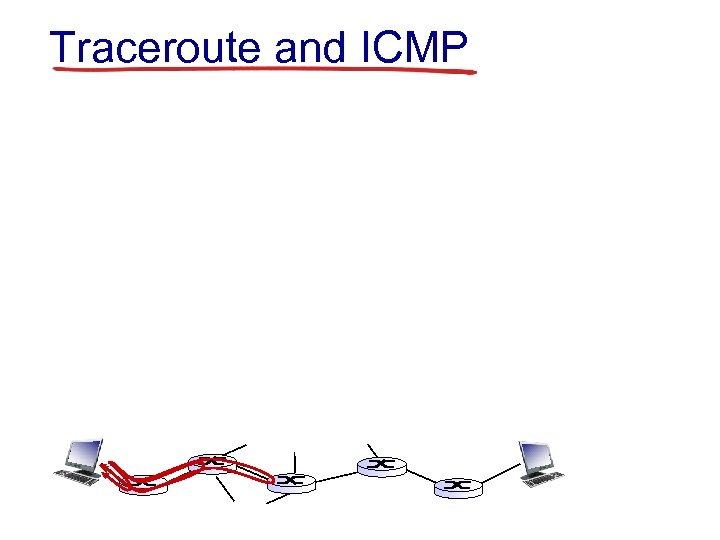 Traceroute and ICMP
 IPv 6: motivation
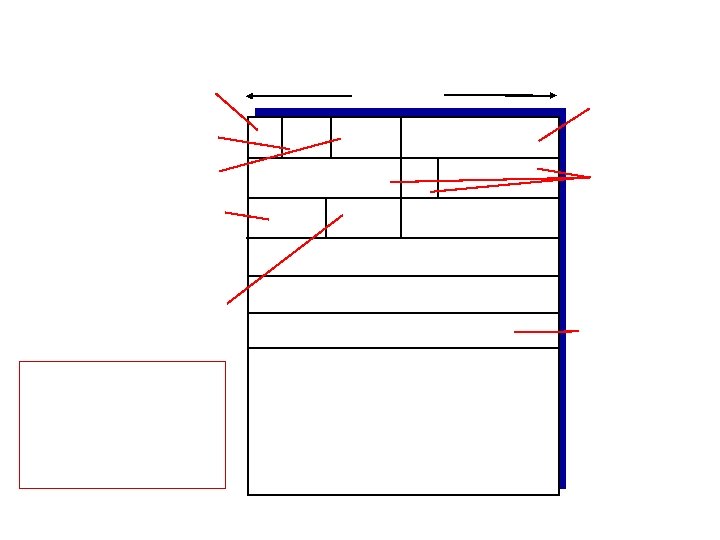
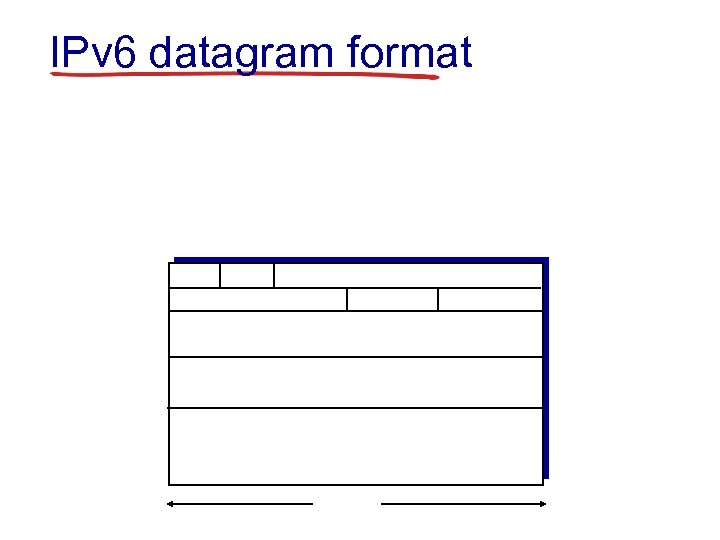 IPv 6 datagram format
 Other changes from IPv 4
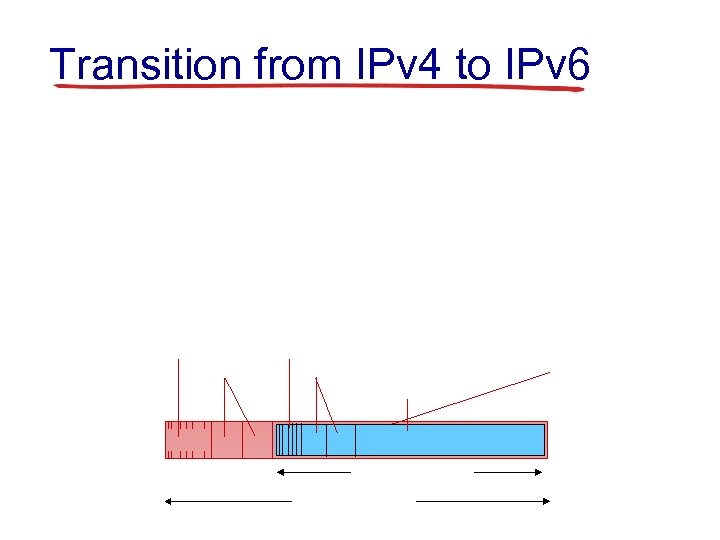 Transition from IPv 4 to IPv 6
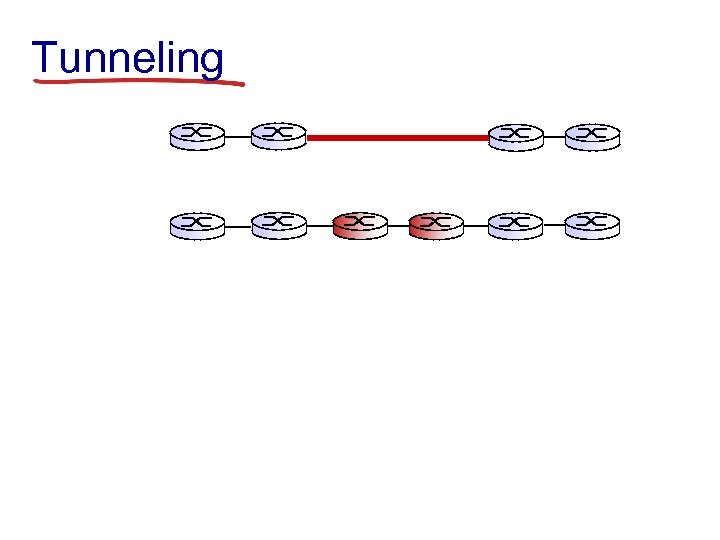 Tunneling
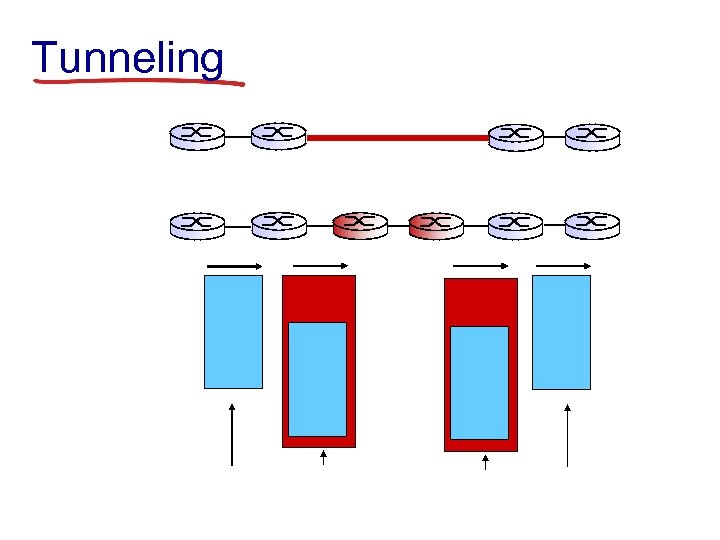 Tunneling
 IPv 6: adoption
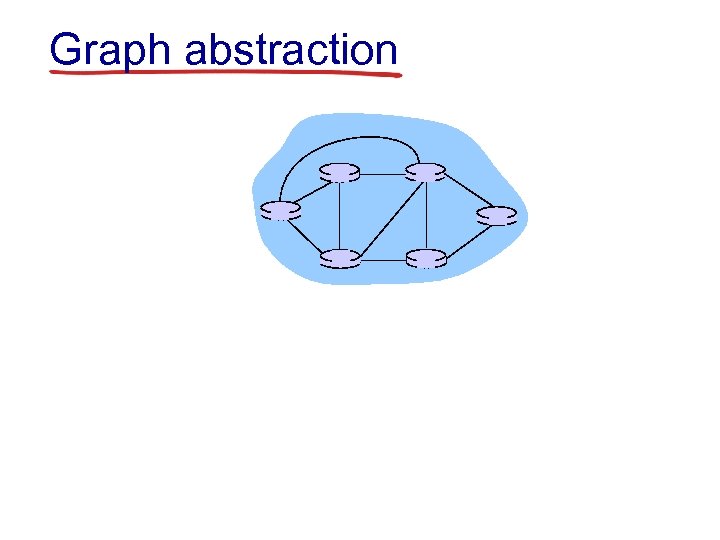 Graph abstraction
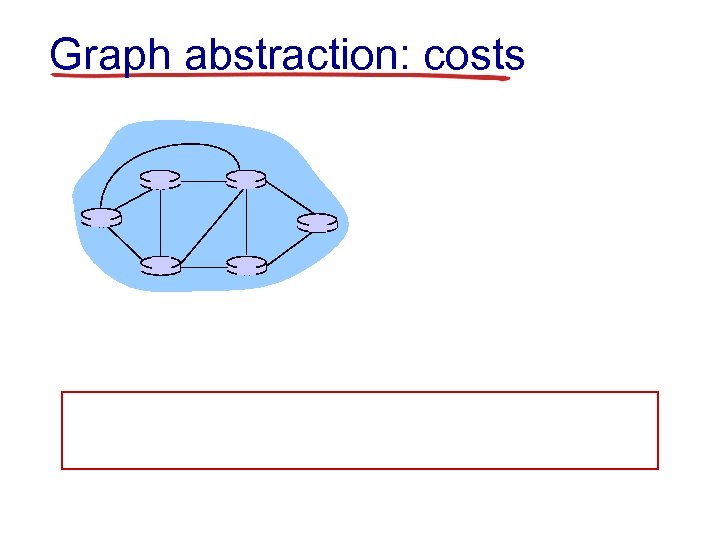 Graph abstraction: costs

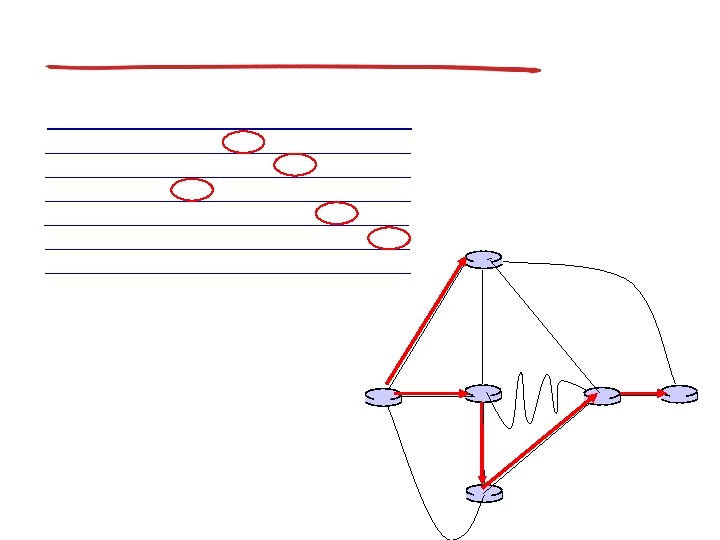
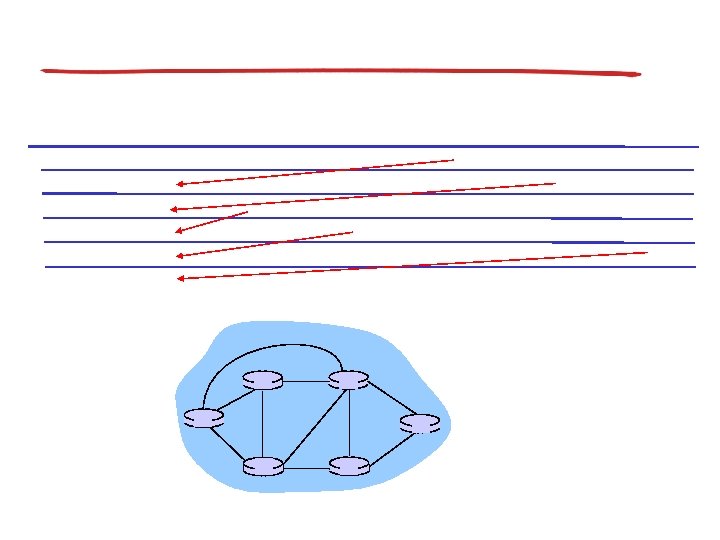
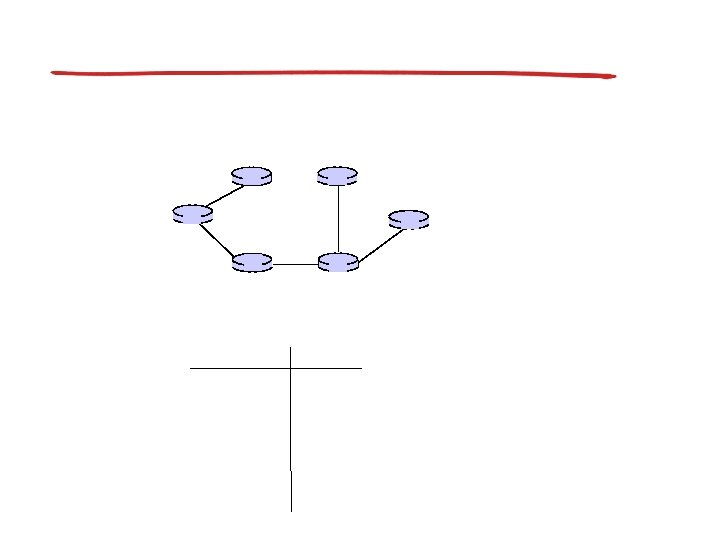
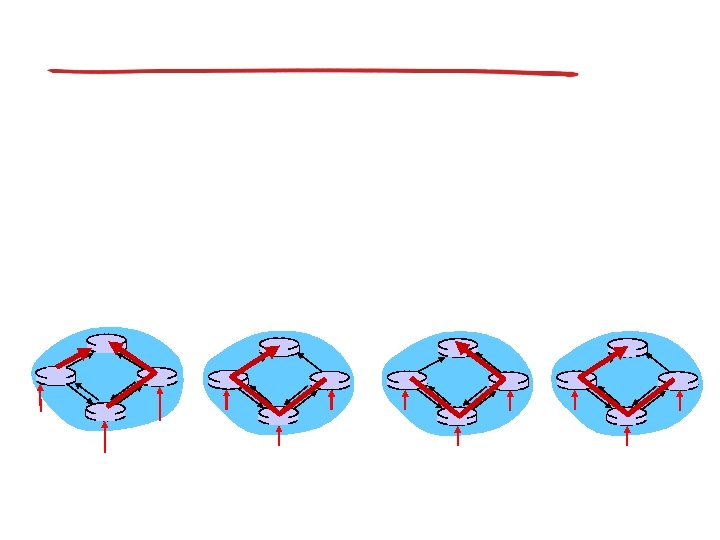
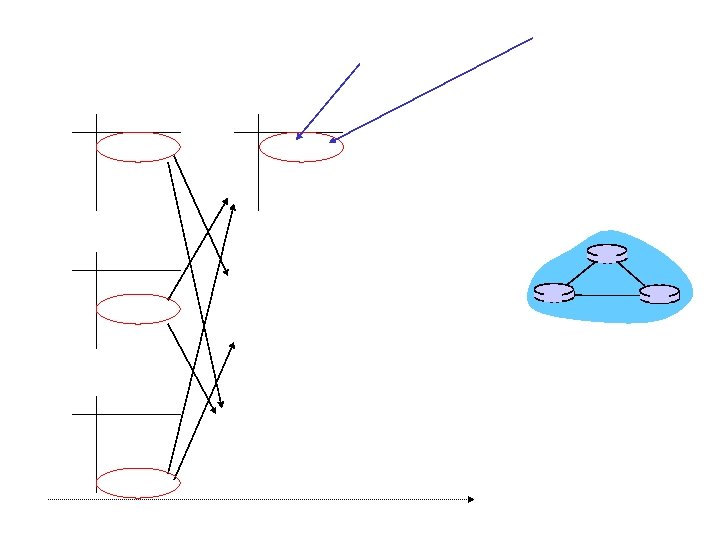
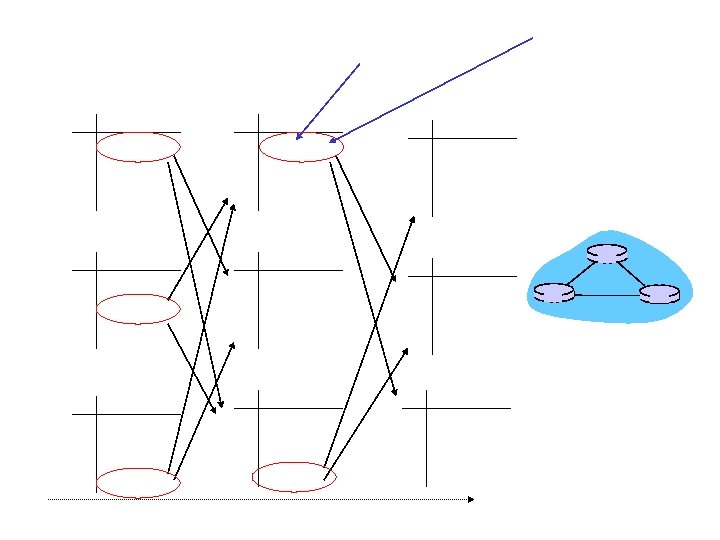
 Distance vector algorithm
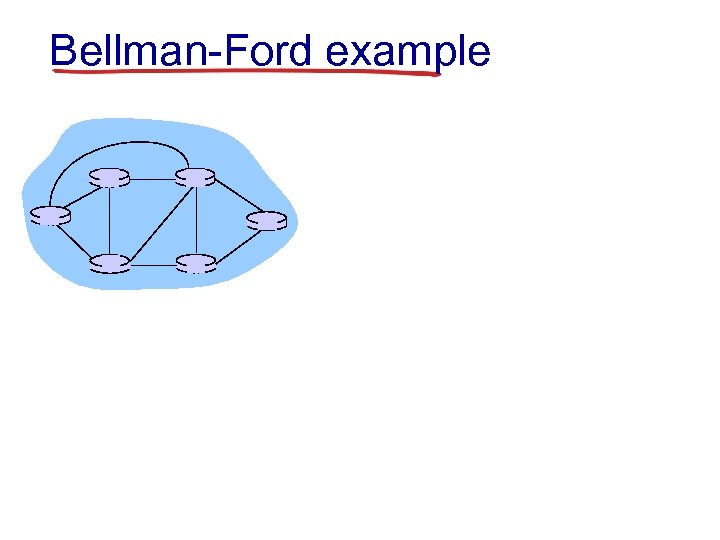 Bellman-Ford example
 Distance vector algorithm
 Distance vector algorithm
 Distance vector algorithm

 Hierarchical routing
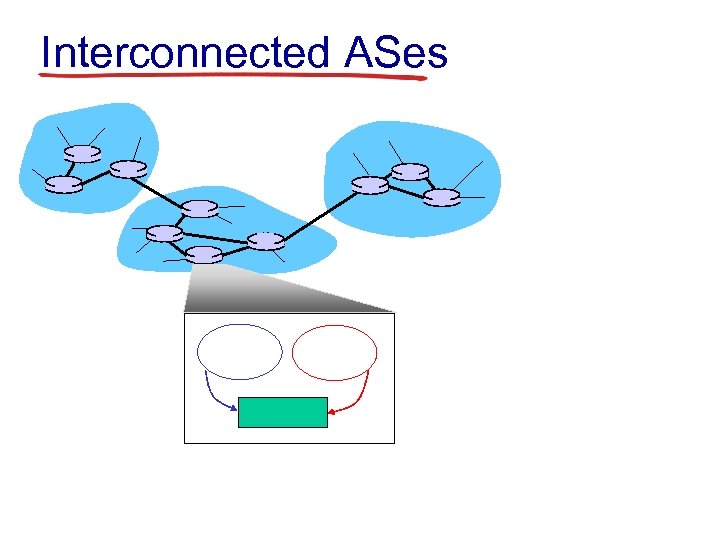 Interconnected ASes
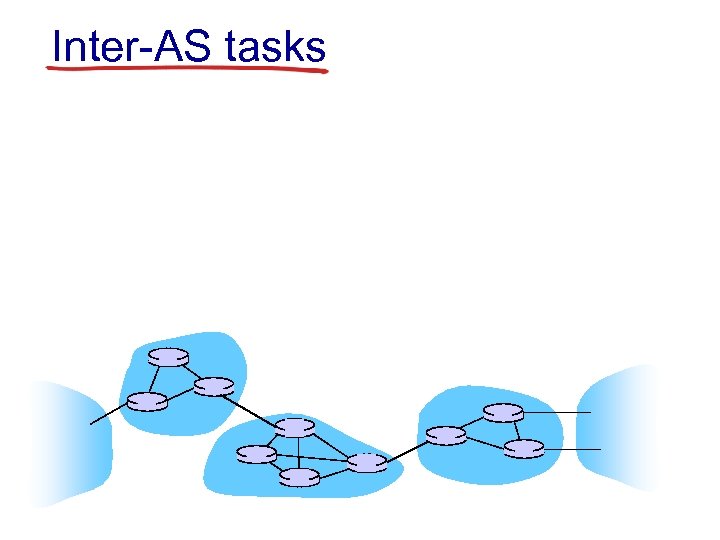 Inter-AS tasks
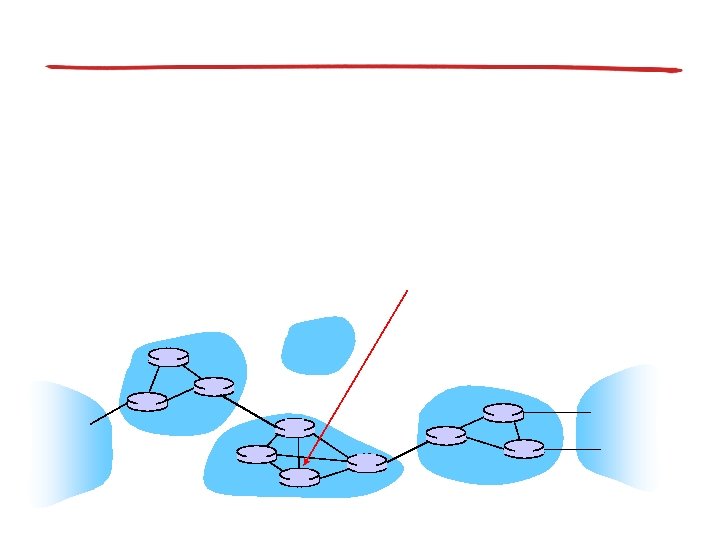
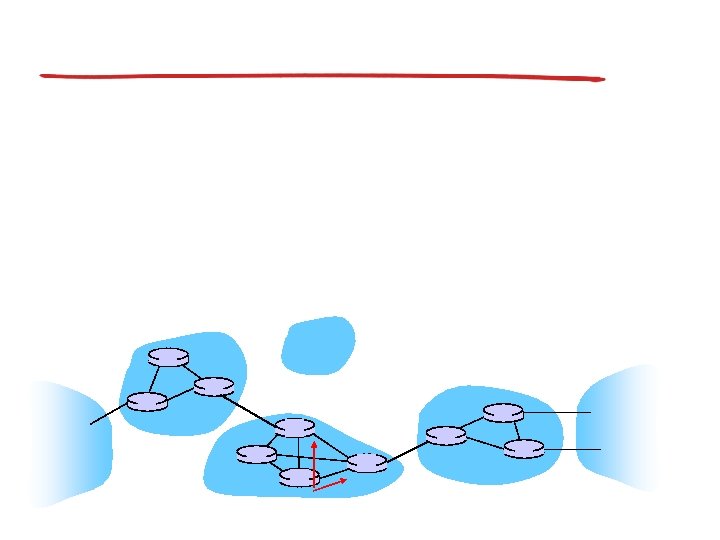
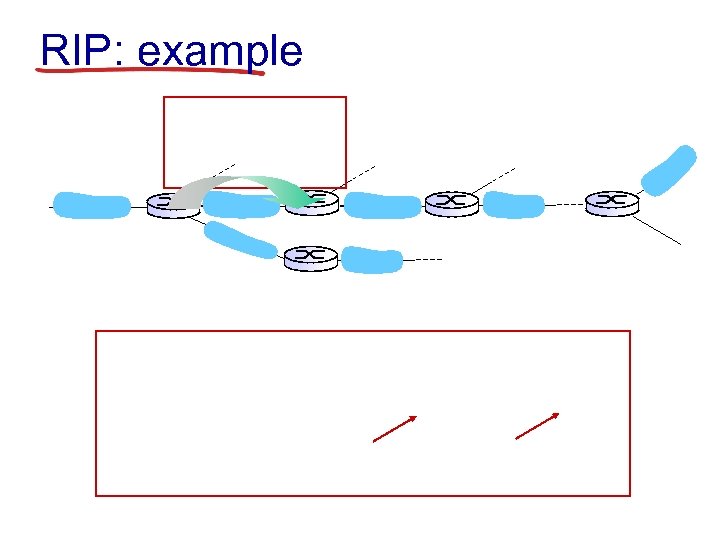 RIP: example
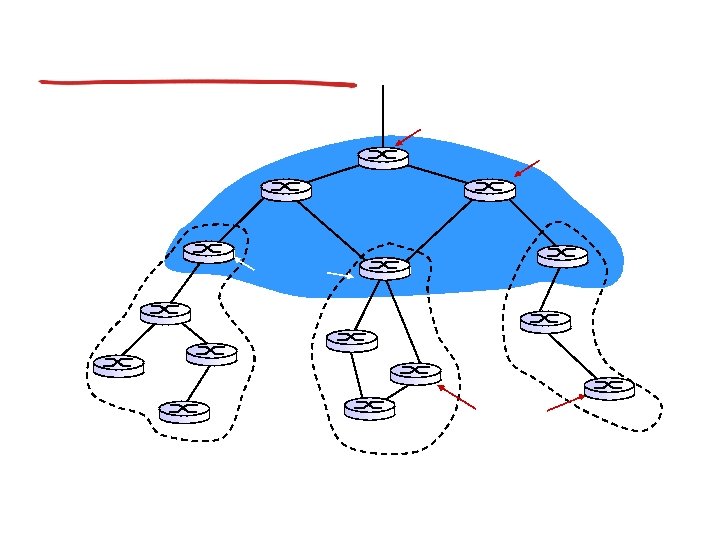
 Hierarchical OSPF
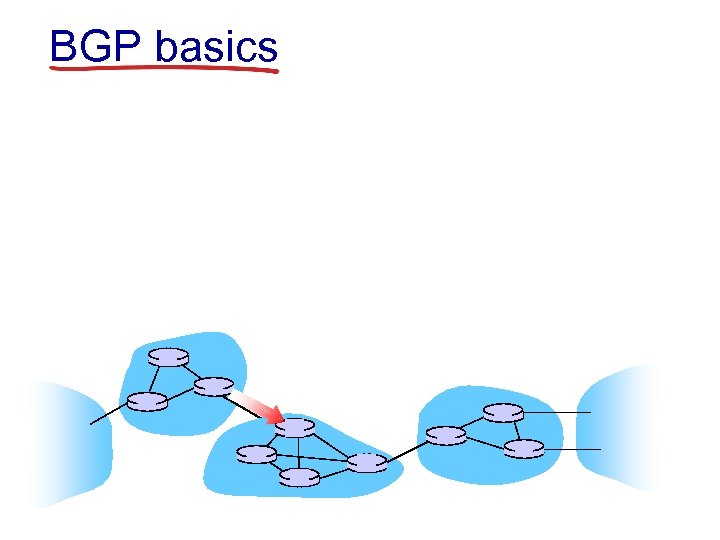 BGP basics
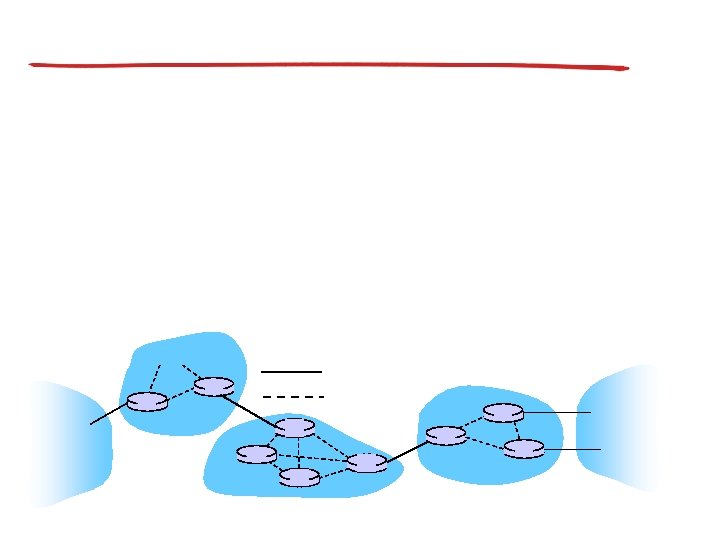
 Path attributes and BGP routes
 BGP route selection

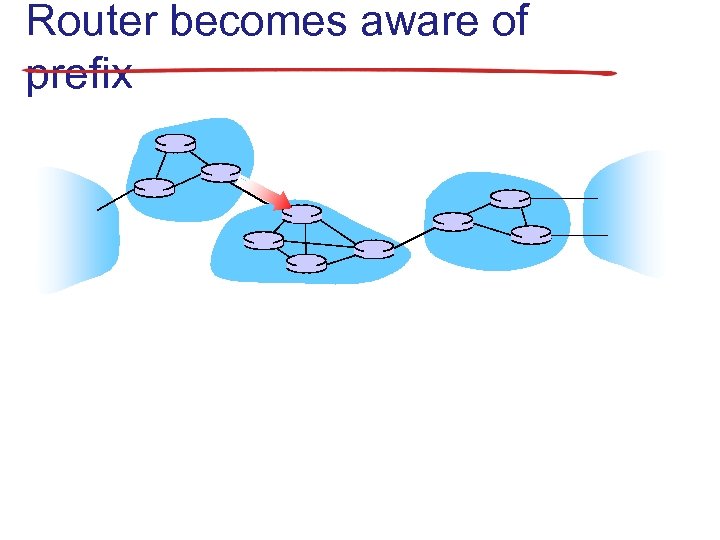 Router becomes aware of prefix
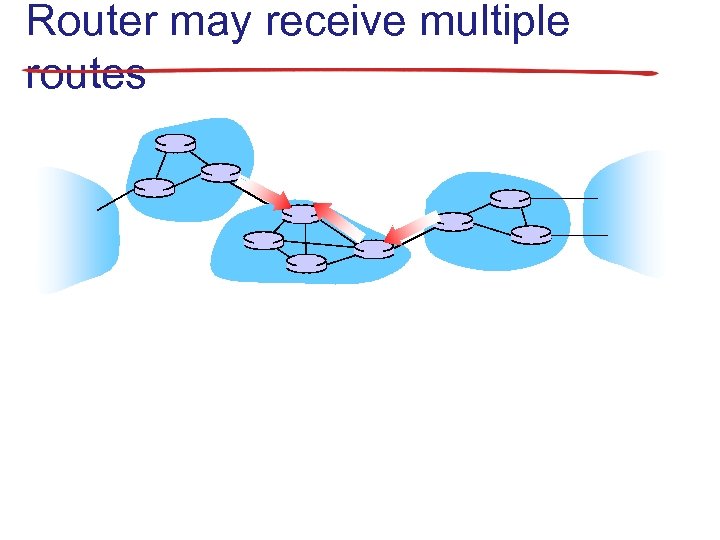 Router may receive multiple routes
 Select best BGP route to prefix
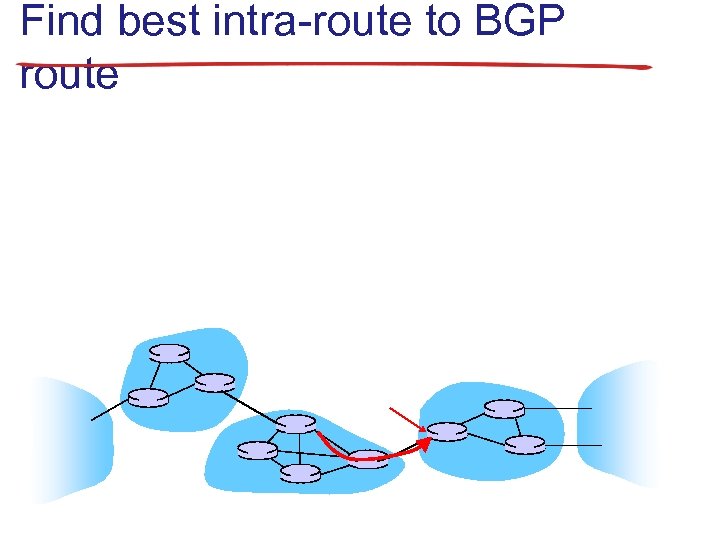 Find best intra-route to BGP route
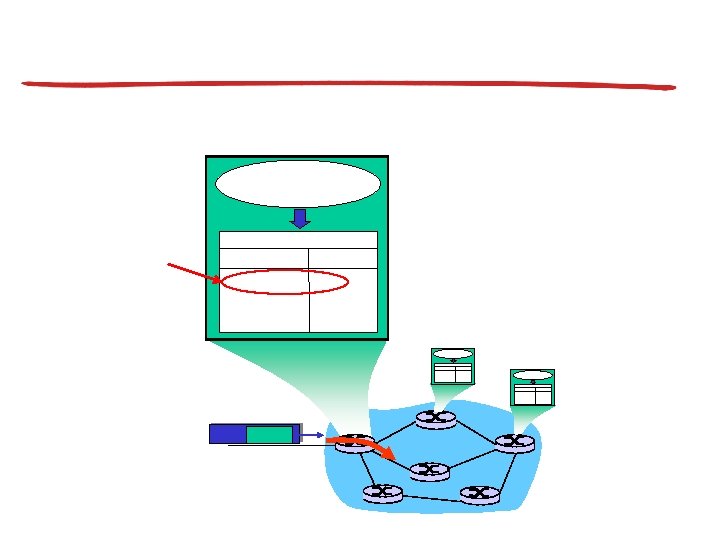
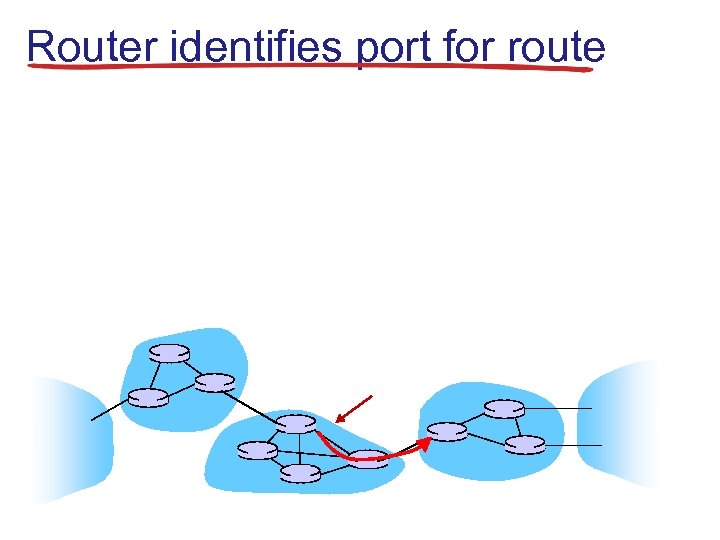 Router identifies port for route
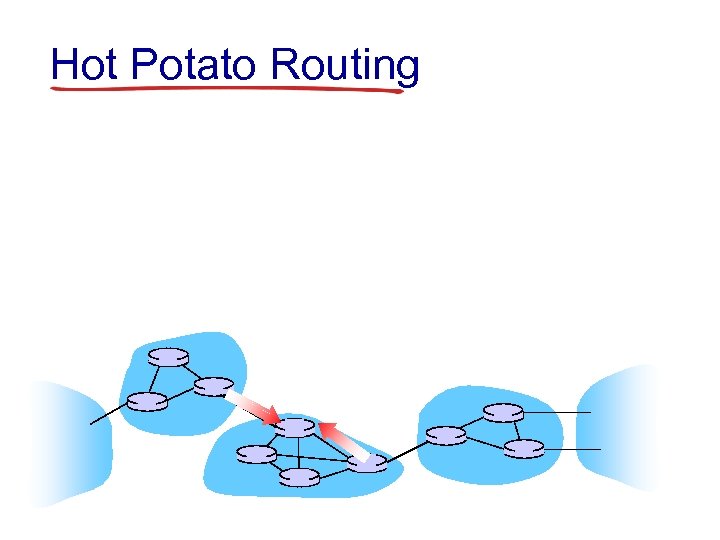 Hot Potato Routing
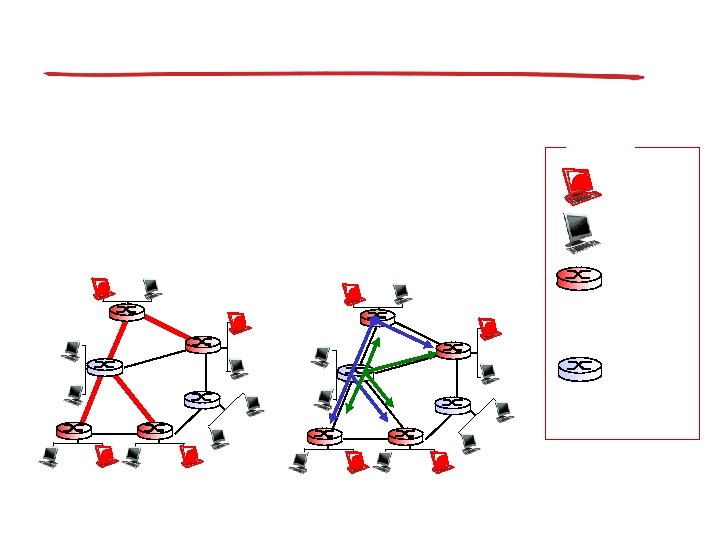
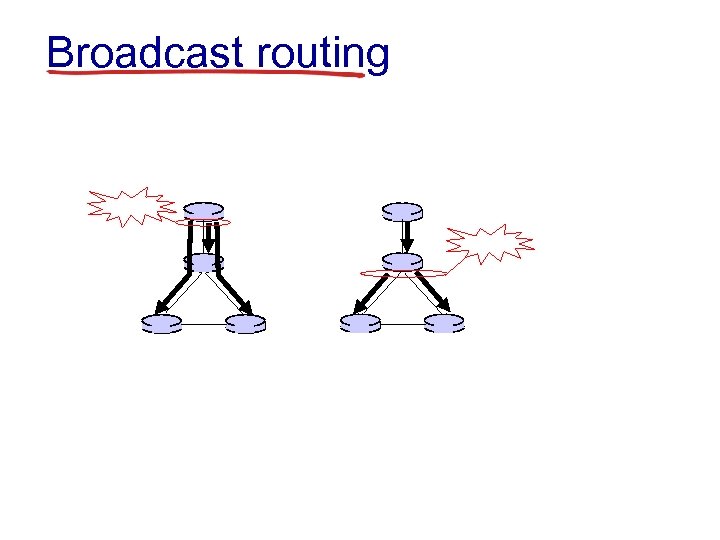 Broadcast routing
 In-network duplication
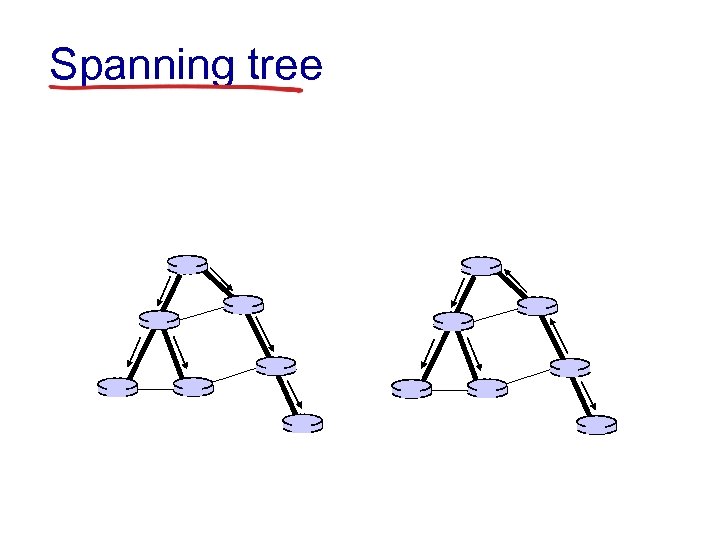 Spanning tree
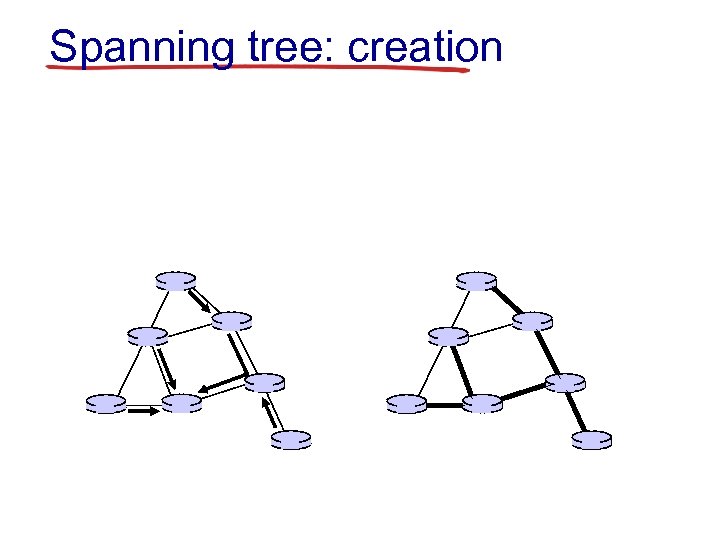 Spanning tree: creation
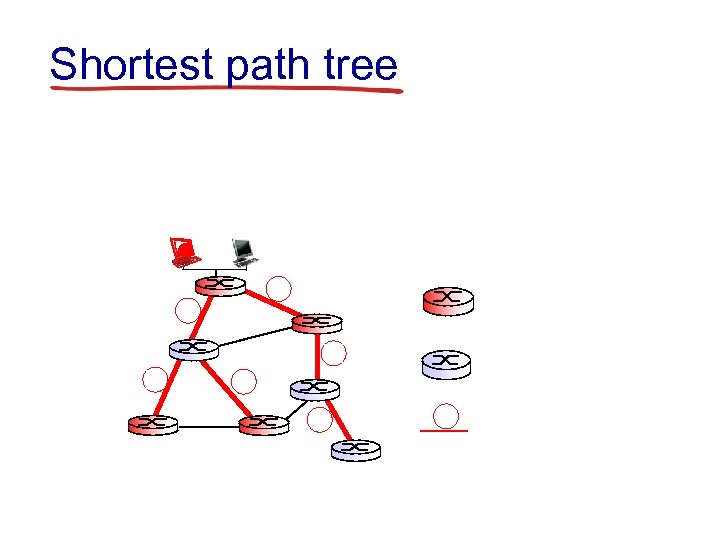 Shortest path tree
 Reverse path forwarding
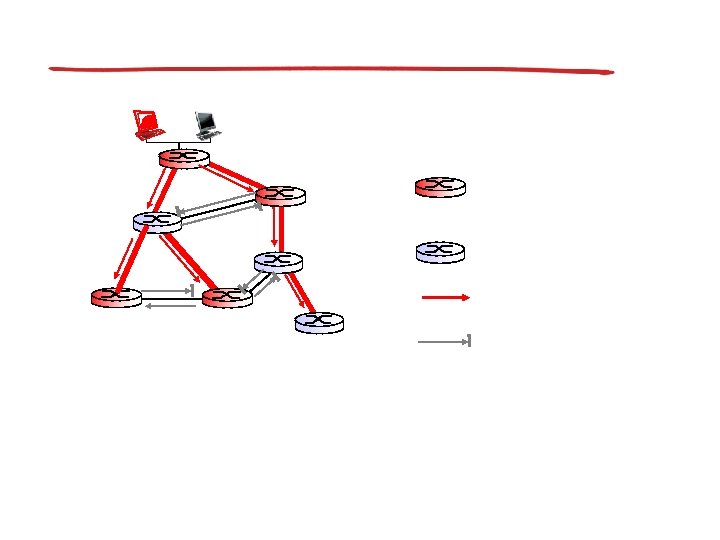
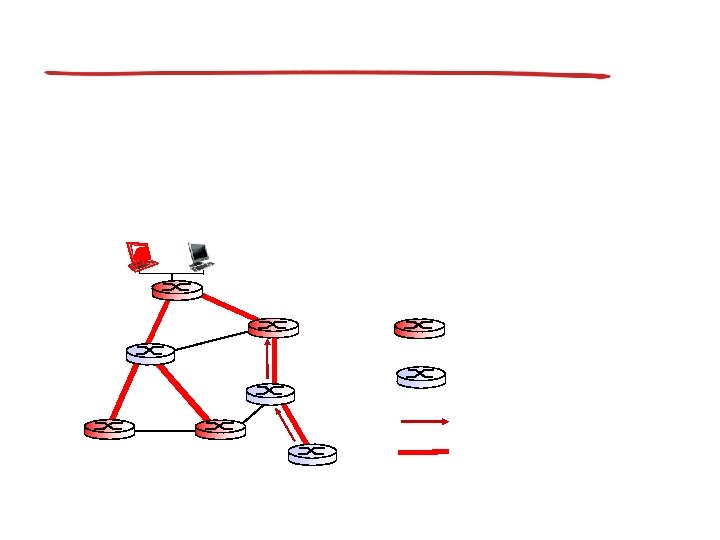

 Center-based trees
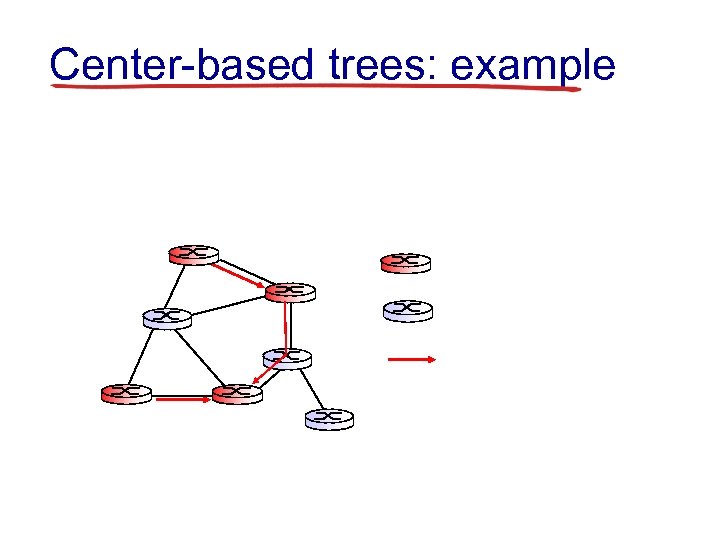 Center-based trees: example
 DVMRP: continued…
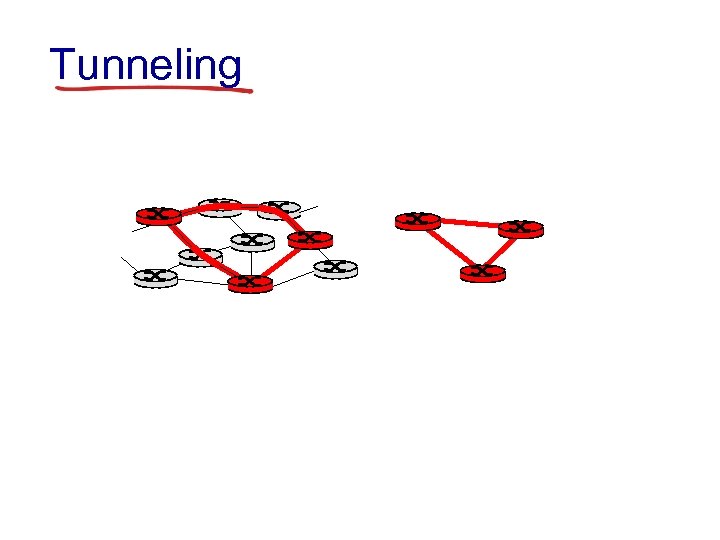 Tunneling

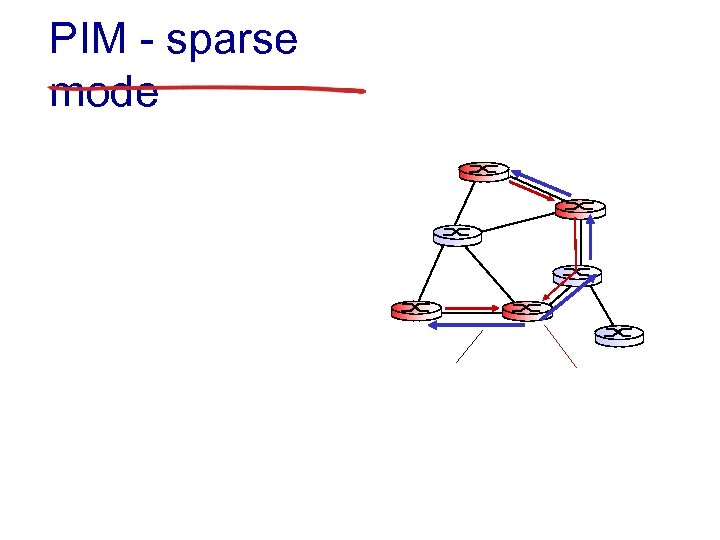 PIM - sparse mode
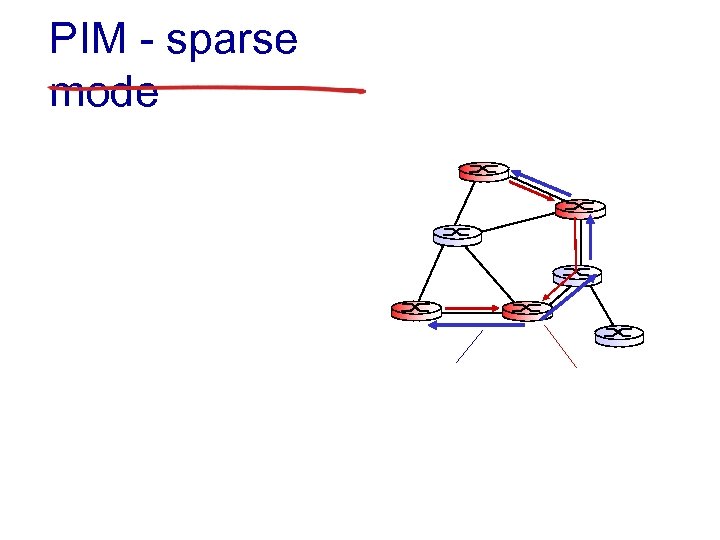 PIM - sparse mode