


 Скачать презентацию Chapter 4 More Demand Theory 4 1
2eee91d094da5afddd04fd556b536bb3.ppt
- Количество слайдов: 29
 Chapter 4 More Demand Theory 4. 1 © 2005 Pearson Education Canada Inc.
 The Law of Demand u The law of demand implies an inverse relationship between price and quantity demanded. u When the price and quantity of a good are positively related, the good is called a Giffen Good. 4. 2 © 2005 Pearson Education Canada Inc.
 Income and Substitution Effects u The substitution effect of a change in p 1 is associated with the relative change in the price of good 1. u The income effect of a change in p 1 is associated with the change in real income. 4. 3 © 2005 Pearson Education Canada Inc.
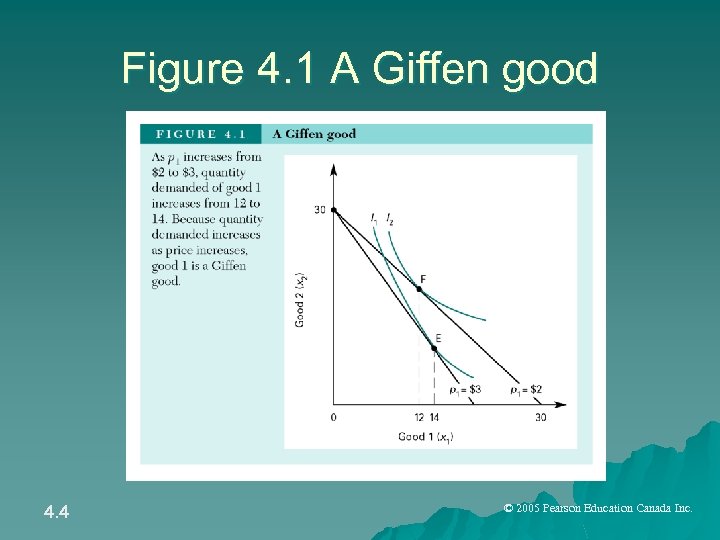 Figure 4. 1 A Giffen good 4. 4 © 2005 Pearson Education Canada Inc.
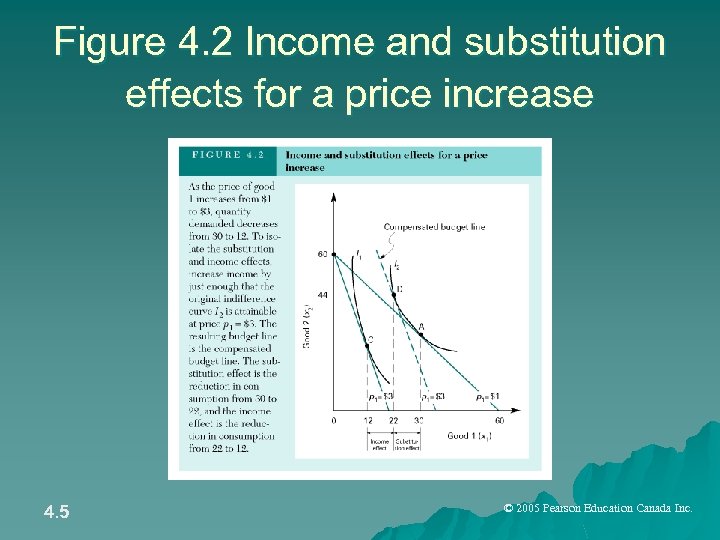 Figure 4. 2 Income and substitution effects for a price increase 4. 5 © 2005 Pearson Education Canada Inc.
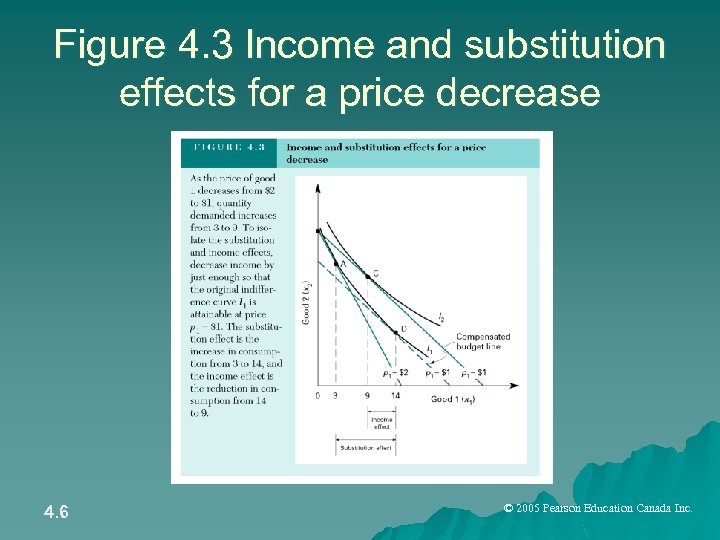 Figure 4. 3 Income and substitution effects for a price decrease 4. 6 © 2005 Pearson Education Canada Inc.
 Income and Substitution Effects If indifference curves are smooth and convex and if the consumer buys a positive quantity of both goods, then the substitution effect is always negatively related to the price change. u For a normal good, the income effect is negatively related to the price change. u For an inferior good, the income effect is positively related to the price change. u 4. 7 © 2005 Pearson Education Canada Inc.
 Compensatory Income u After a price change, the minimum income that allows the consumer to attain the original indifference curve is called the compensatory income. u The budget line associated with the compensatory income is the compensated budget line. 4. 8 © 2005 Pearson Education Canada Inc.
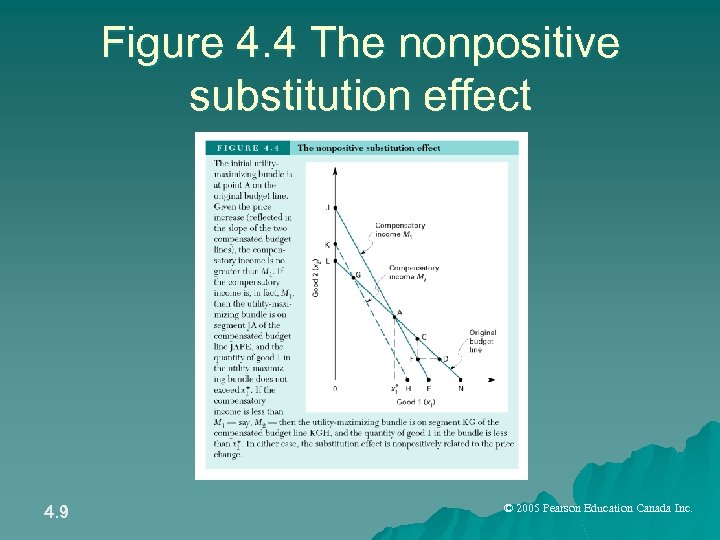 Figure 4. 4 The nonpositive substitution effect 4. 9 © 2005 Pearson Education Canada Inc.
 The Compensated Demand Curve u The compensated demand curve identifies the consumer’s utility maximizing bundle when, as a result of a price change, the consumer’s income is adjusted to keep him/her on the same indifference curve. u The compensated demand curve reflects the substitution effect and cannot be upward sloping. 4. 10 © 2005 Pearson Education Canada Inc.
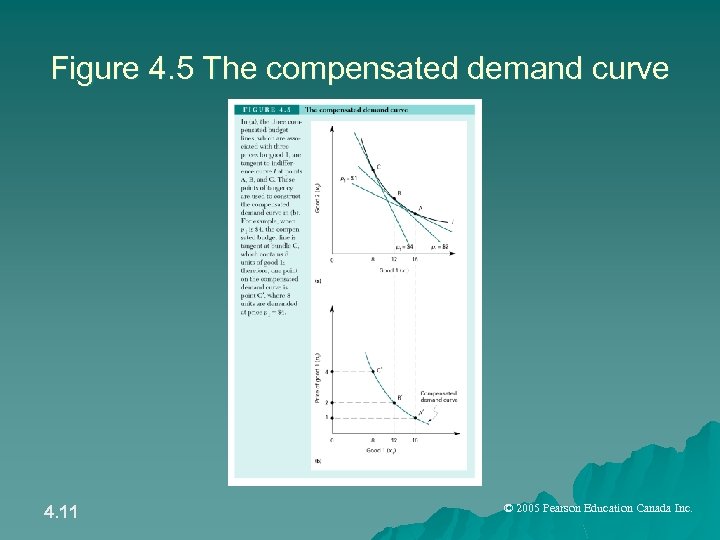 Figure 4. 5 The compensated demand curve 4. 11 © 2005 Pearson Education Canada Inc.
 Compensating and Equivalent Variation u Equivalent variation identifies the variation in income that is equivalent to being able to buy good x at a given price. u Compensating variation identifies the variation in income that compensates for the right to buy good x at a given price. 4. 12 © 2005 Pearson Education Canada Inc.
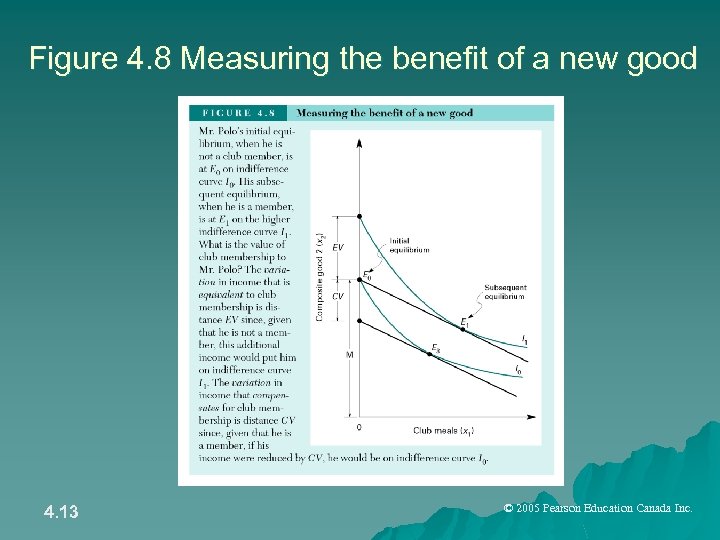 Figure 4. 8 Measuring the benefit of a new good 4. 13 © 2005 Pearson Education Canada Inc.
 From Figure 4. 8 u Mr. Polo’s non-member initial equilibrium is E 0 on I 0. u Equilibrium as a member is E 1 on I 1. u Equivalent variation is EV. With no membership, this additional income would yield indifference curve I 1. u Compensating variation is CV. Given that he is a member, this reduction in income yields indifference curve I 0. 4. 14 © 2005 Pearson Education Canada Inc.
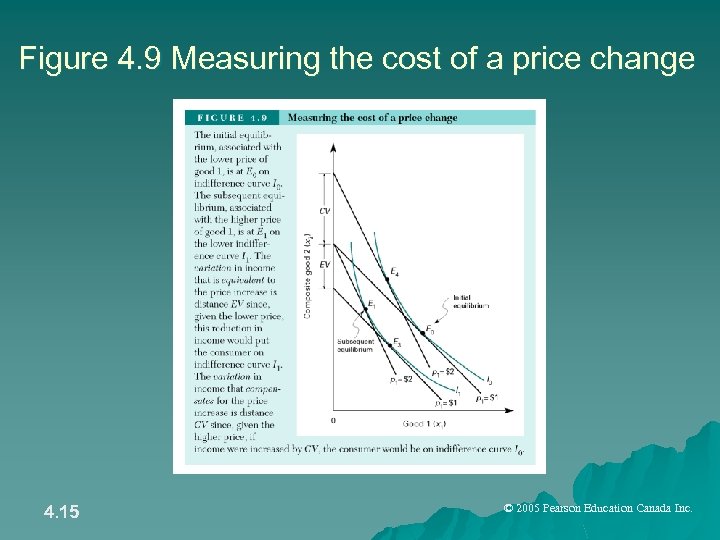 Figure 4. 9 Measuring the cost of a price change 4. 15 © 2005 Pearson Education Canada Inc.
 From Figure 4. 9 u Low price of P 1 gives equilibrium of E 0 on I 0. u Equilibrium with higher price of P 1 is at E 1 on I 1. u With a lower price, reducing income by EV yields I 1. u With a higher price, increasing income by CV would yield I 0. 4. 16 © 2005 Pearson Education Canada Inc.
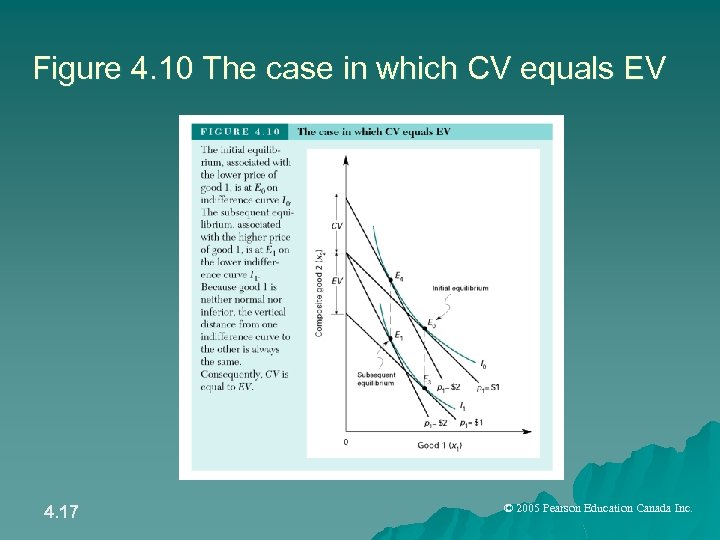 Figure 4. 10 The case in which CV equals EV 4. 17 © 2005 Pearson Education Canada Inc.
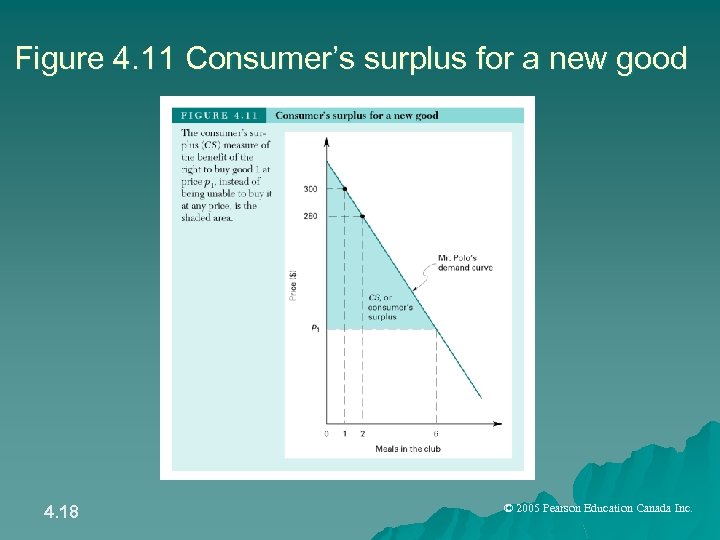 Figure 4. 11 Consumer’s surplus for a new good 4. 18 © 2005 Pearson Education Canada Inc.
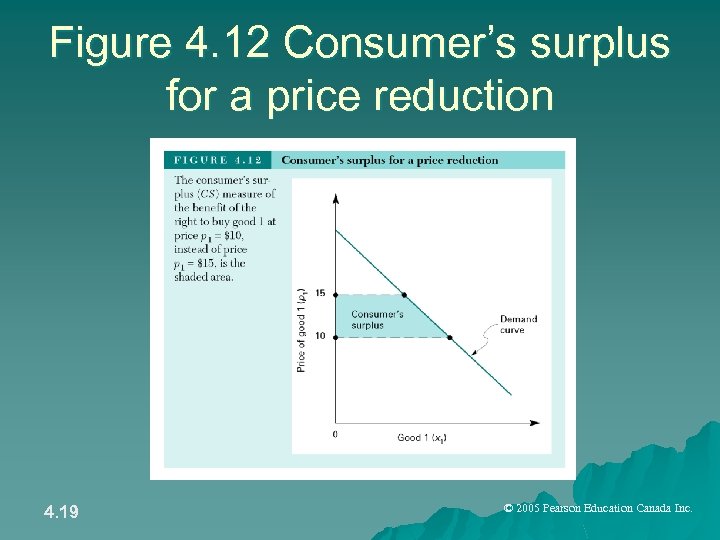 Figure 4. 12 Consumer’s surplus for a price reduction 4. 19 © 2005 Pearson Education Canada Inc.
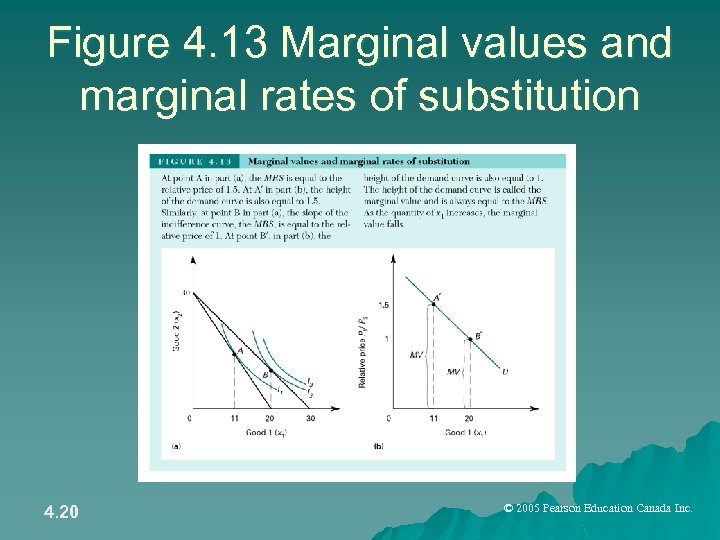 Figure 4. 13 Marginal values and marginal rates of substitution 4. 20 © 2005 Pearson Education Canada Inc.
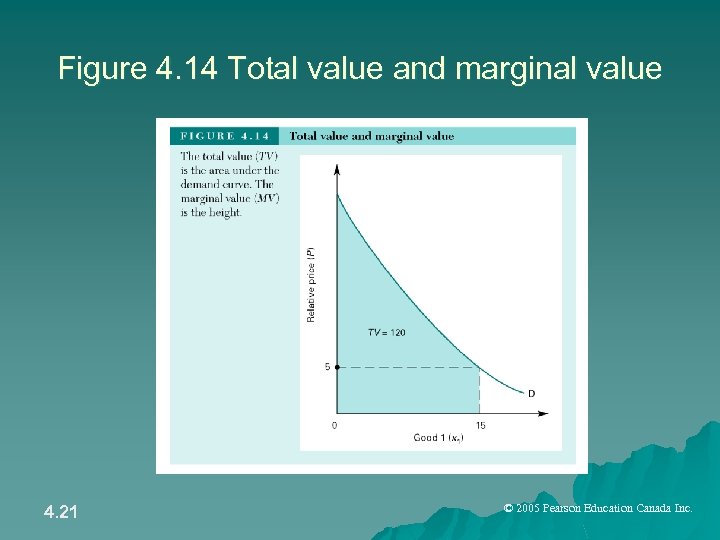 Figure 4. 14 Total value and marginal value 4. 21 © 2005 Pearson Education Canada Inc.
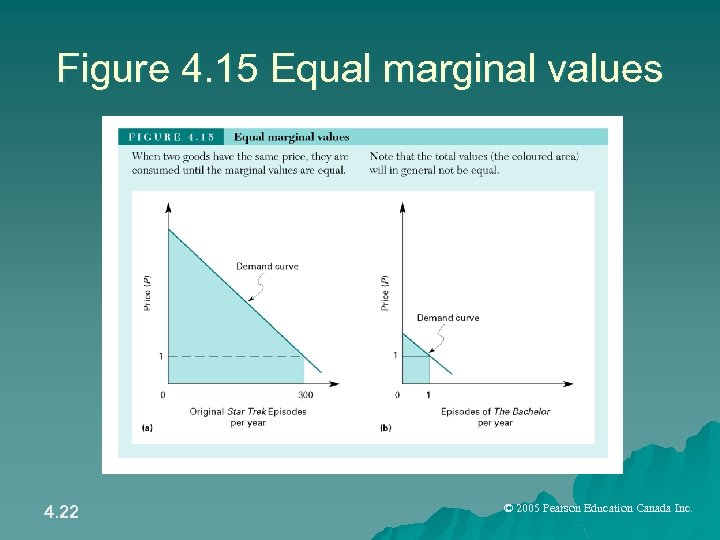 Figure 4. 15 Equal marginal values 4. 22 © 2005 Pearson Education Canada Inc.
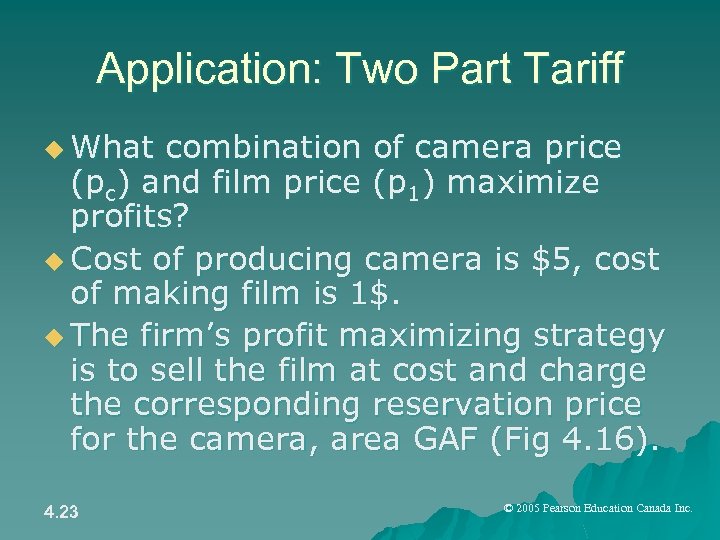 Application: Two Part Tariff u What combination of camera price (pc) and film price (p 1) maximize profits? u Cost of producing camera is $5, cost of making film is 1$. u The firm’s profit maximizing strategy is to sell the film at cost and charge the corresponding reservation price for the camera, area GAF (Fig 4. 16). 4. 23 © 2005 Pearson Education Canada Inc.
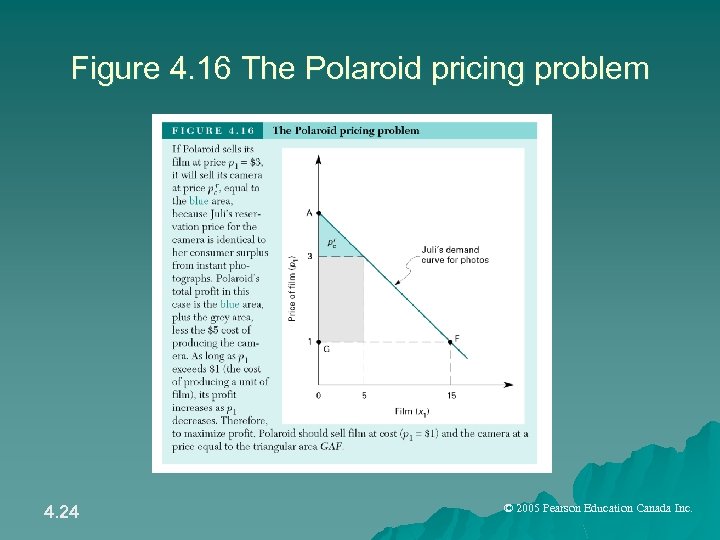 Figure 4. 16 The Polaroid pricing problem 4. 24 © 2005 Pearson Education Canada Inc.
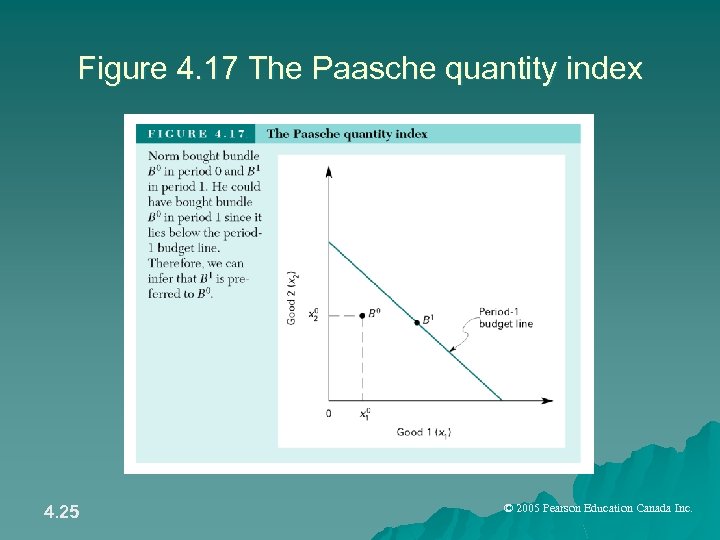 Figure 4. 17 The Paasche quantity index 4. 25 © 2005 Pearson Education Canada Inc.
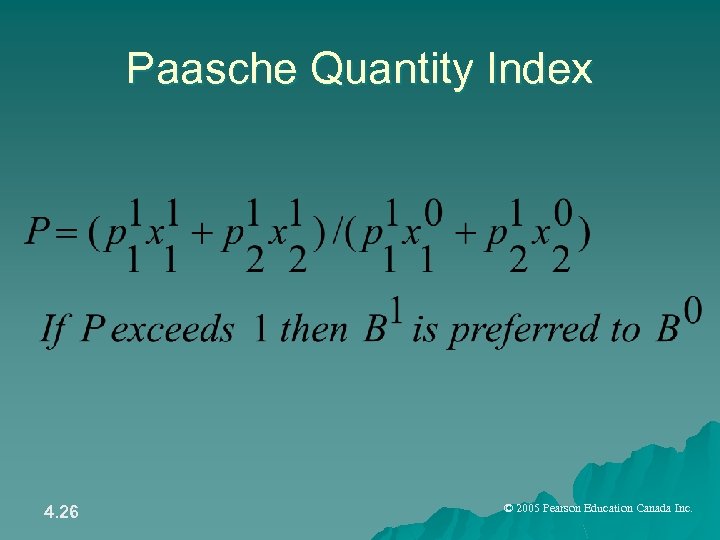 Paasche Quantity Index 4. 26 © 2005 Pearson Education Canada Inc.
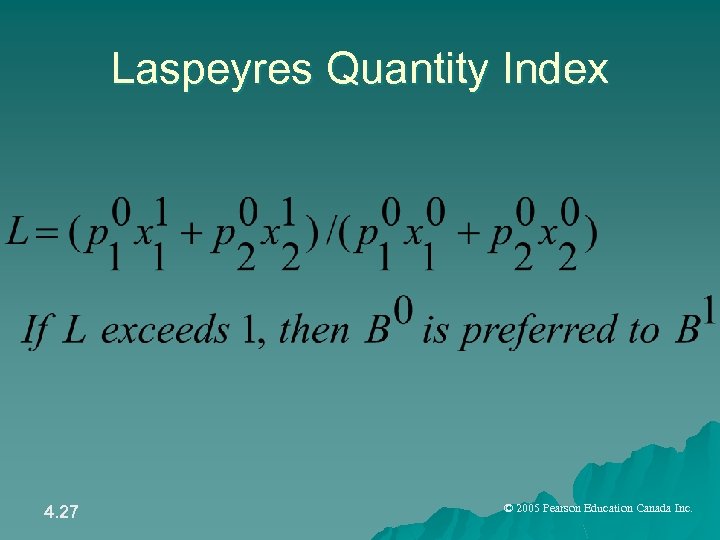 Laspeyres Quantity Index 4. 27 © 2005 Pearson Education Canada Inc.
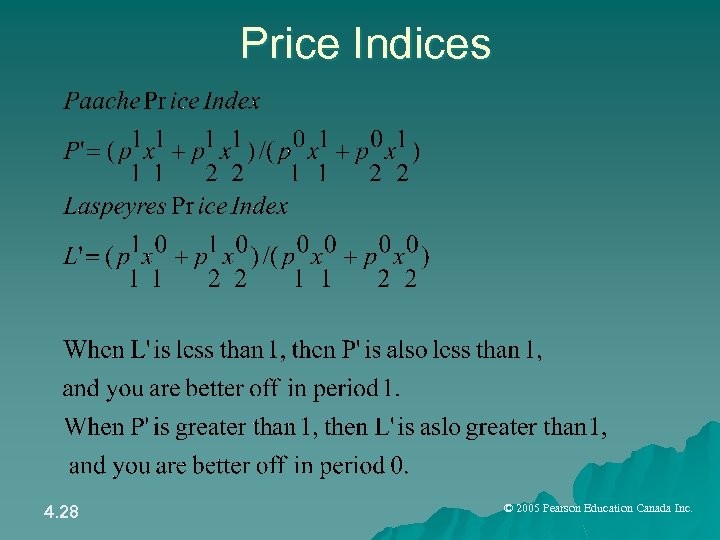 Price Indices 4. 28 © 2005 Pearson Education Canada Inc.
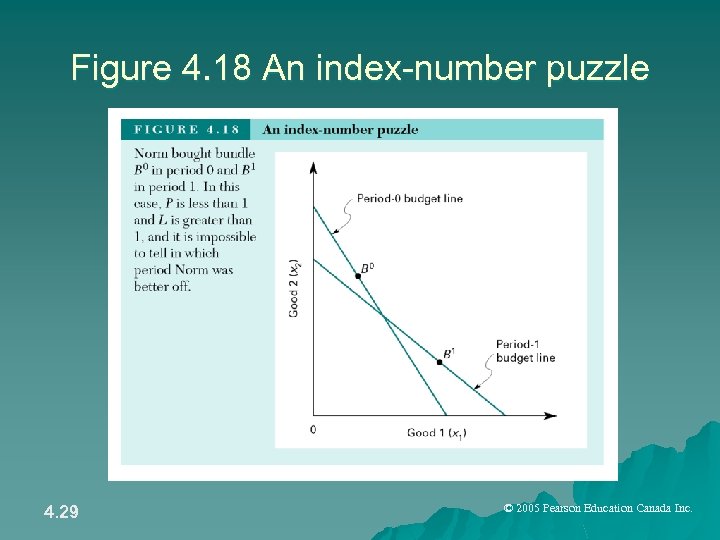 Figure 4. 18 An index-number puzzle 4. 29 © 2005 Pearson Education Canada Inc.