Скачать презентацию Chapter 22 The Ordeal of Reconstruction 1865 1877
f20f27a1d8676340a472302b90d65737.ppt
- Количество слайдов: 42
 Chapter 22 The Ordeal of Reconstruction, 1865– 1877
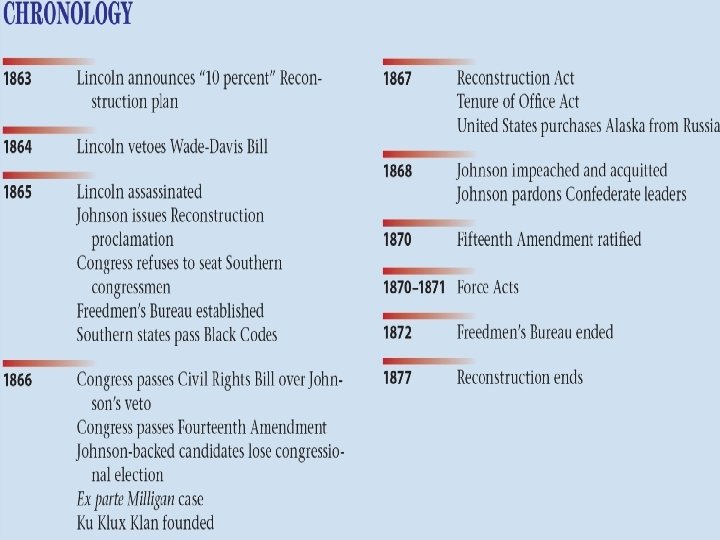
 I. The Problems of Peace • Jefferson Davis and fellow “conspirators” – Pardoned (1868) • Conditions of the South – Old South collapsed economically and socially • Beaten but unbent – Confederates believed “lost cause” was just
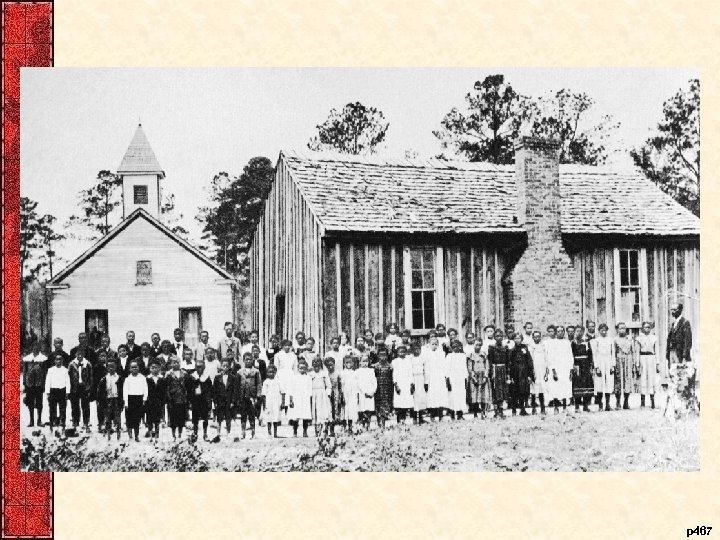
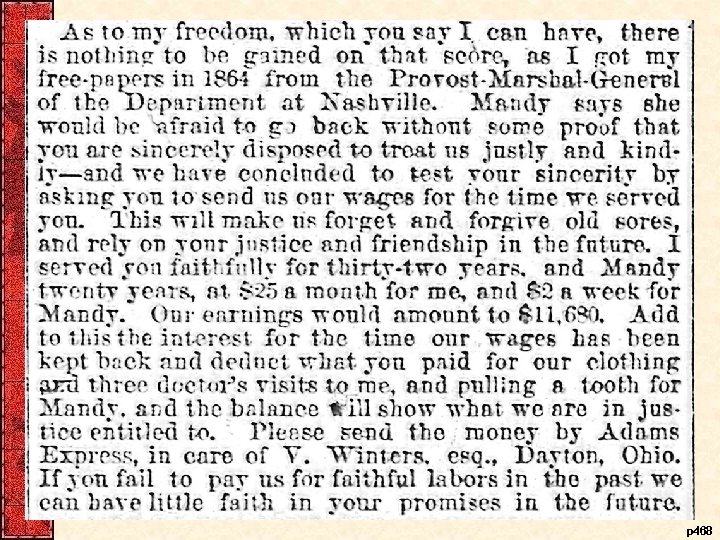
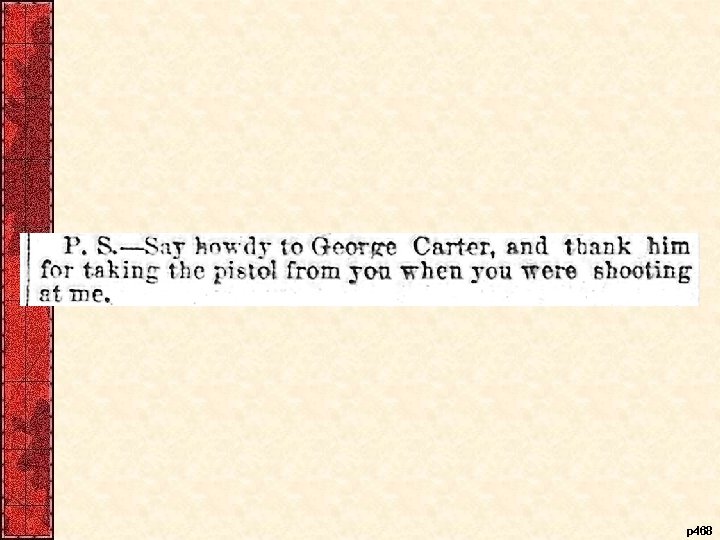
 II. Freedmen Define Freedom • Whites recognize emancipation realities • Blacks suspicious and uncertain – Blacks searched for family members, jobs, homes – The church became the focus of black communities
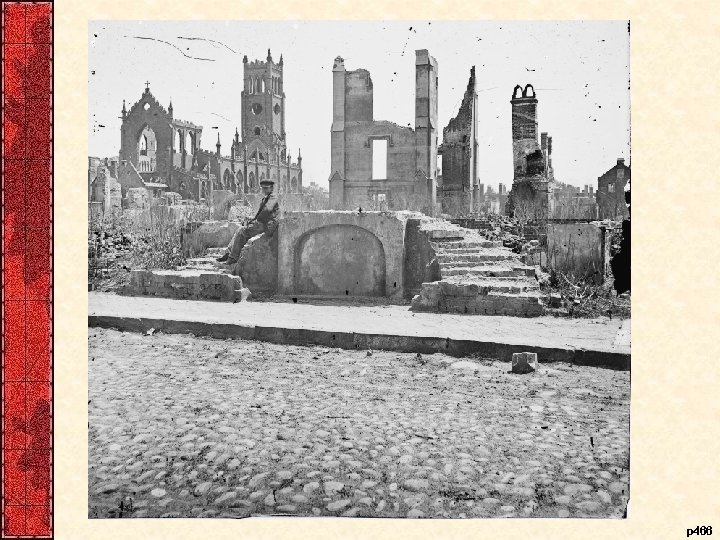 p 466
p 466
 p 467
p 467
 p 468
p 468
 p 468
p 468
 p 468
p 468
 III. The Freedmen’s Bureau (1865 -1872) • A part of “Reconstruction” • Provided food, clothing, medical care, education • “ 40 acres and a mule” – Failed attempt to redistribute land • The white South resented the bureau – Threatened to upset white racial dominance
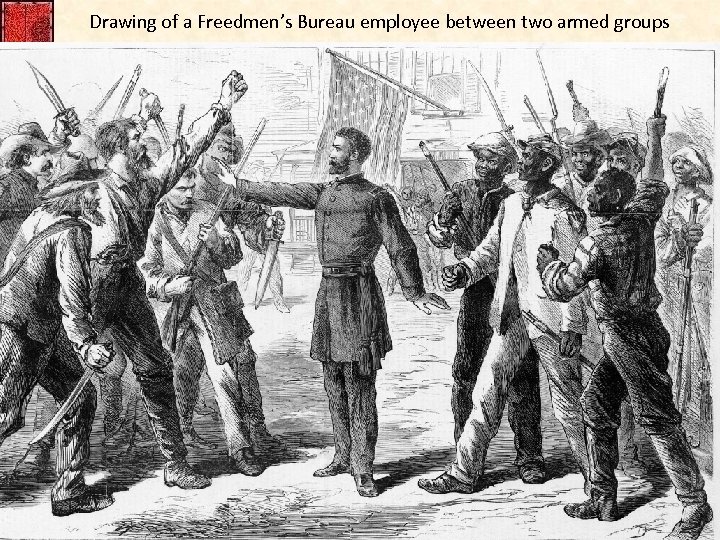 Drawing of a Freedmen’s Bureau employee between two armed groups
 IV. Johnson: The Tailor President • Union party Needed a ‘War Democrat’ – Champion of states’ rights and the Constitution • Johnson was a ‘misfit’ – A Southerner who didn’t understand the North – A Tennessean who was distrusted by the South – A Democratic President, not elected to the office
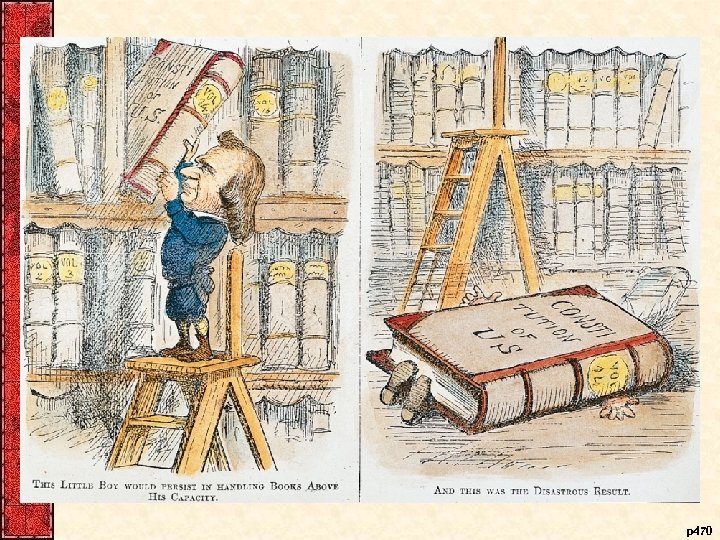 p 470
p 470
 V. Presidential Johnson’s Reconstruction • Majority moderate group (Lincoln) – States should be restored simply and swiftly • Minority radical group (The Wade-Davis Bill) – The South should atone more painfully for its sins • A. J. ’s Reconstruction proclamation (May 1865) – Johnson supported 10% governments
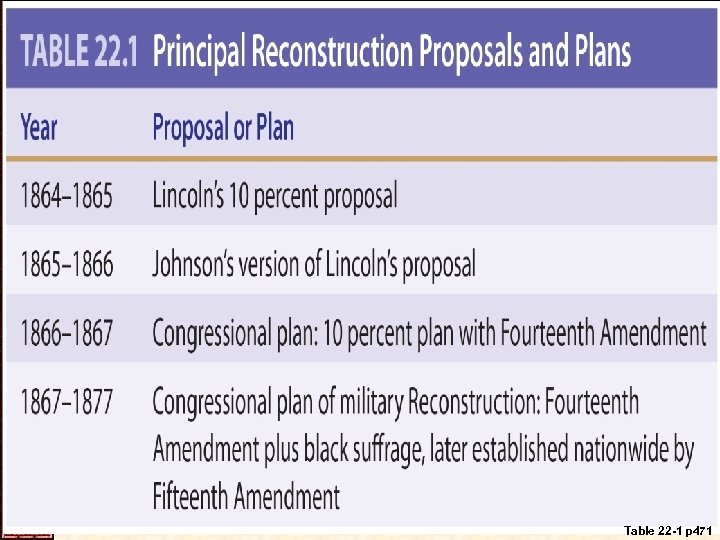 Table 22 -1 p 471
 VI. The Baleful Black Codes • Designed to control emancipated blacks – Had to work for the same employer for 1 year – Blacks not allowed to serve on a jury – Some barred blacks from renting or leasing land – Blacks punished for “idleness” – Nowhere were blacks allowed to vote
 VII. Congressional Reconstruction • Congress meets in December, 1865 – Republicans had a free hand during the war – ‘Rebel states’ high population, 12 more reps – Republicans had good reason to fear • Southern & Northern Democrats could control Congress
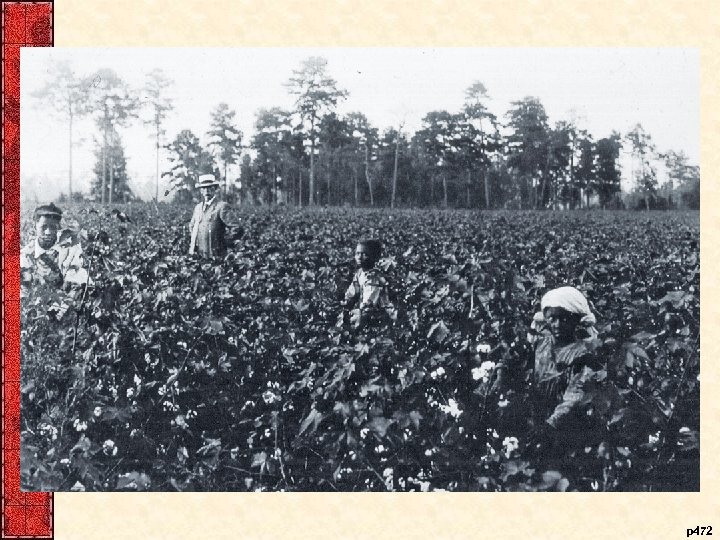 p 472
p 472
 VIII. Johnson Clashes with Congress • Congress ‘overrides Johnson’s veto – Freedmen’s Bureau extension vetoed (Feb 1866) – Civil Rights Bill vetoed • The Fourteenth Amendment – Contained principles of Civil Rights Bill – OK’d by Congress(1866), ratified by states(1868) – States had to approve 14 th to be admitted to Union
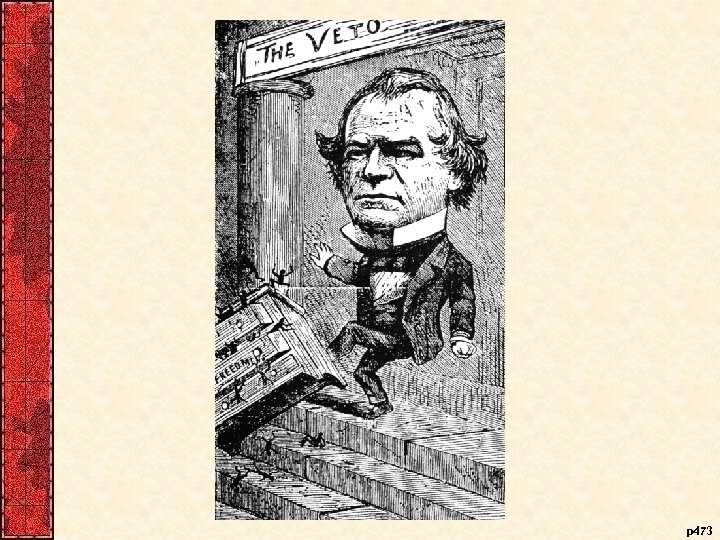 p 473
p 473
 IX. Swinging ‘Round the Circle with Johnson • The crucial congressional elections of 1866 – Johnson lost support in the North • 1866 congressional elections results – Republicans a 2/3 s majority in both houses • “Veto proof Congress”
 X. Republican Principles and Programs – The Radicals (led by Sumner & Stevens) – Strongly desired racial equality – Opposed rapid restoration of Southern states • The Moderate Republicans – More states’ rights and self-government oriented – Wanted to avoid federal government involvement • Both groups supported black franchise (1867)
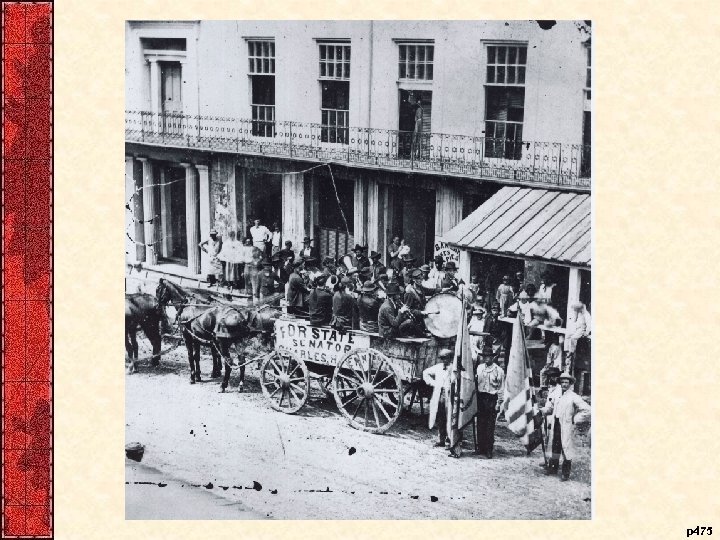 p 475
p 475
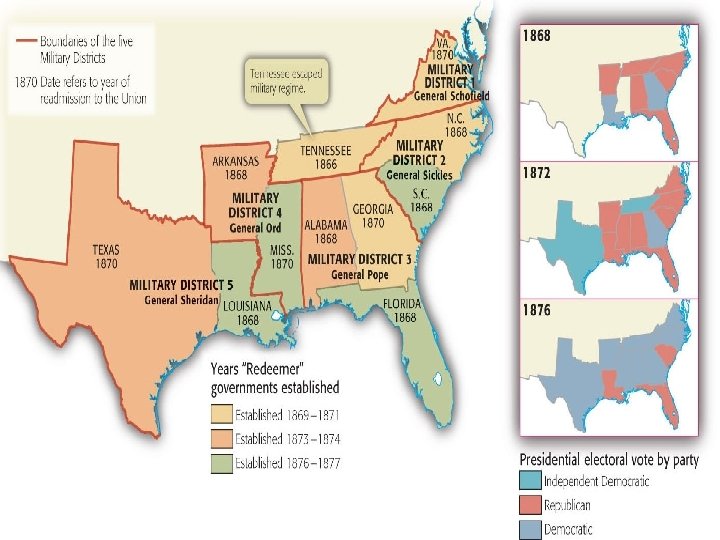
 XI. Reconstruction by the Sword • The Reconstruction Act (March 2, 1867) – Divided the South into five military districts – Laid stringent condition for readmission • Ratify 14 th Amendment, full suffrage for men • Goal of the moderates – Get Southern states back into the Union • Goals Radical Republicans – Fifteenth Amendment (1870) – Military Reconstruction of the South
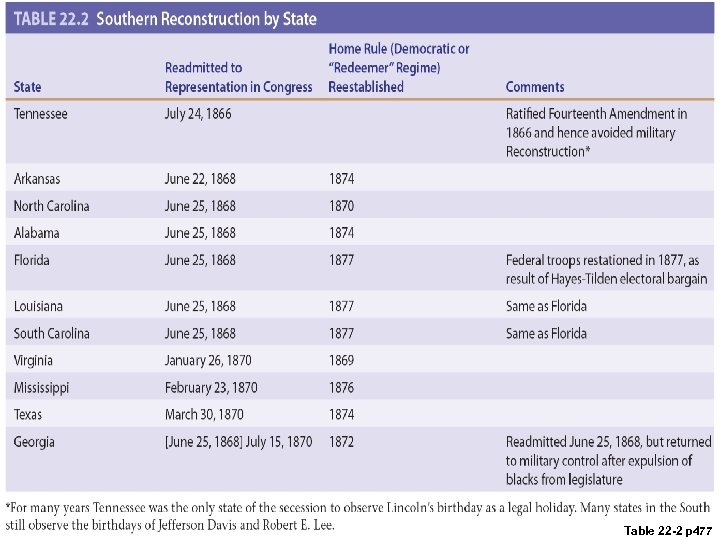 Table 22 -2 p 477
 XII. No Women Voters • One struggle = black freedom/women’s rights • 13 th Amendment – Feminist leaders supported • 14 th Amendment – Feminist leaders opposed • Used the word male while defining citizenship • 15 th Amendment – Feminists wanted the word sex added to the list • Fifty years would pass before the 19 th Amendment
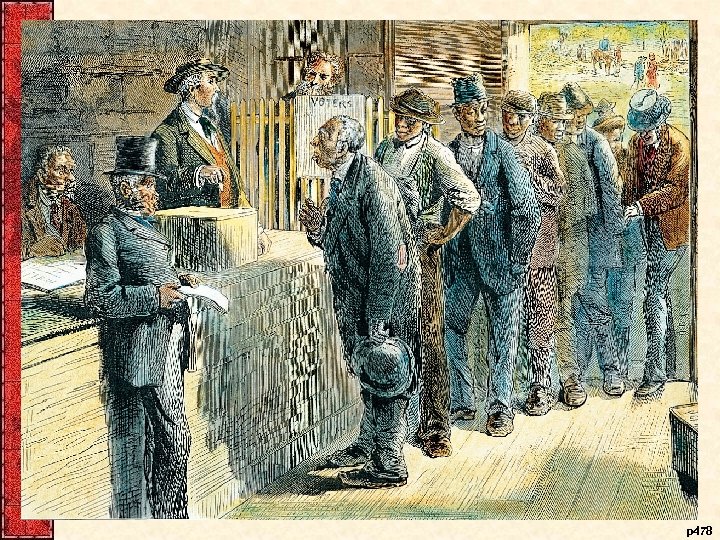
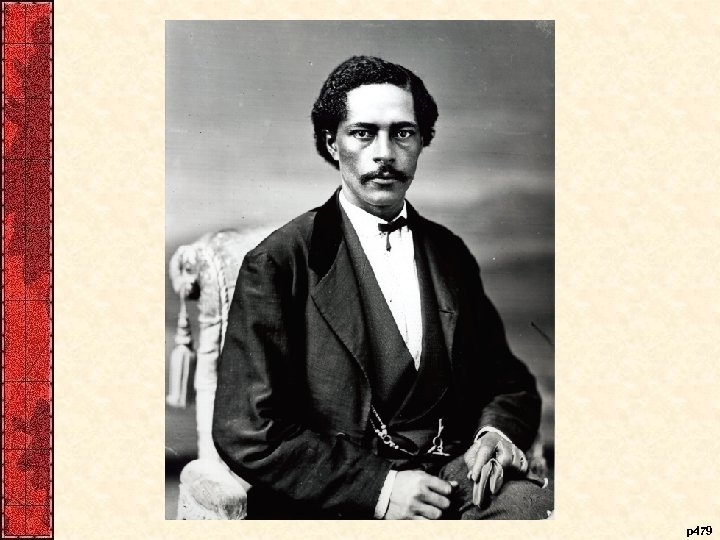
 XIII. The Realities of Radical Reconstruction in the South • Blacks now had freedom, of a sort – Union League • Network of black political clubs for men • Recruited militias to protect black communities • Increased political power – African American women’s roles • Community & church leaders • Scalawags and carpetbaggers – Scalawags, Southerners, former Unionists & Whigs – Carpetbaggers, Northerners seeking power & profit • Radical regimes rule (State Legislatures) – Passes many desirable reforms – Despite achievements corruption rampant
 p 478
p 478
 p 479
p 479
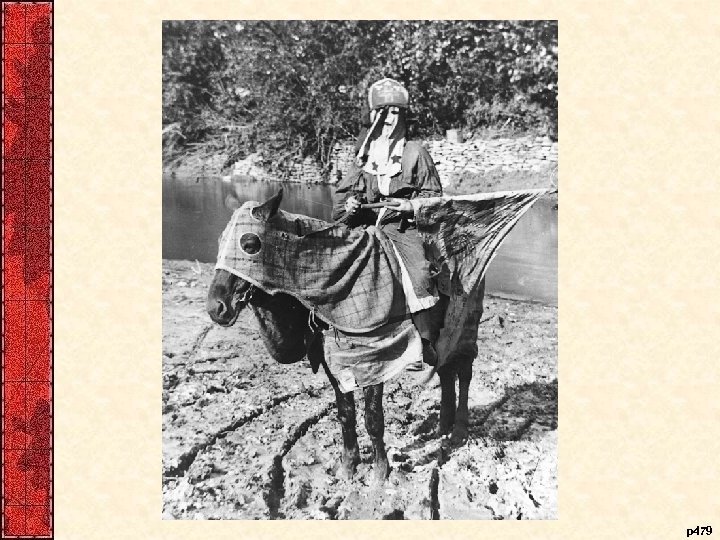
 XIV. The Ku Klux Klan • Embittered whites raged against “radical” rule • Most notorious—“Invisible Empire of the South” – Ku Klux Klan, used terror against “upstart” Blacks • The goals of white resistance – Undermined attempts to empower blacks politically – Wholesale disfranchisement of blacks in 1890
 p 479
p 479
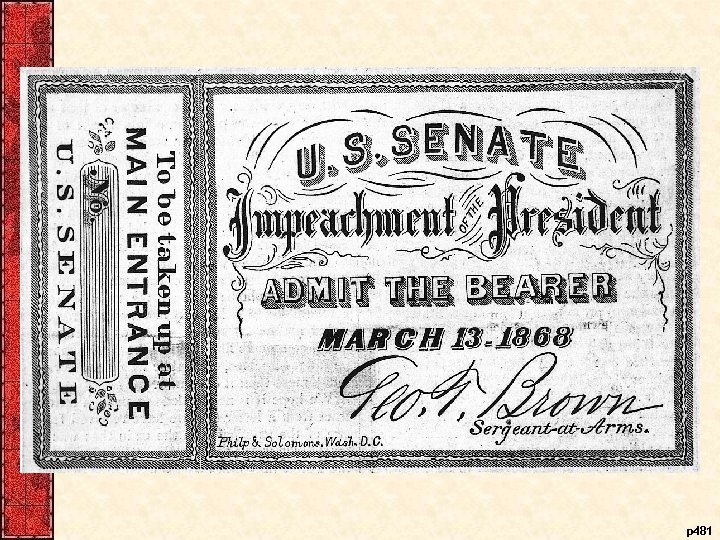
 XV. Johnson Walks the Impeachment Plank • Radicals attempt to remove President Johnson – Tenure of Office Act (1867) • Impeachment – Johnson dismissed (Sec of War) Stanton in 1868 – House voted 126 to 47 to impeach Johnson
 p 481
p 481
 XVI. A Not-Guilty Verdict for Johnson • Andrew Johnson impeached by House • Found innocent – Radicals one vote short of 2/3 s majority – Seven Republicans senators voted “not guilty”
 XVII. The Purchase of Alaska (1867) • Russian wanted to sell Alaskan Territory • U. S. wanted to buy Alaska – Russia supported the North during the Civil War – The territory had many resources – $7. 2 million was a bargain
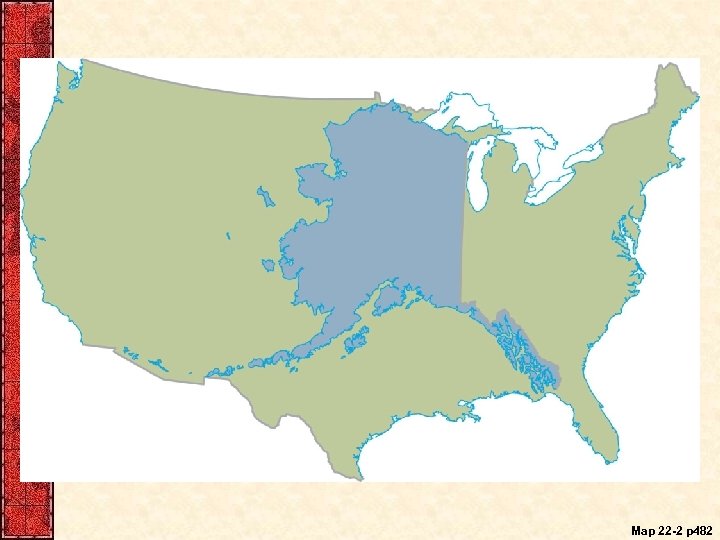 Map 22 -2 p 482
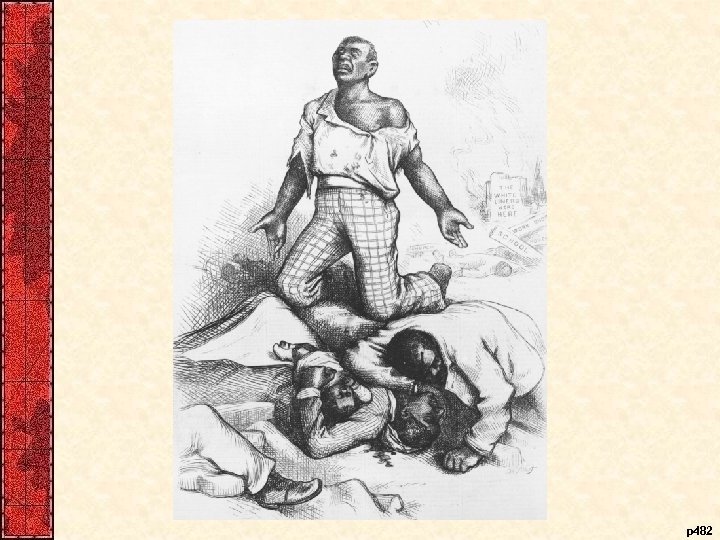
 XVIII. The Heritage of Reconstruction • Southern Whites saw “Reconstruction” as bad – Upended their social, economic, & racial system – Resented federal intervention in their affairs • The Old South - resurrected not reconstructed – Continued woe for generations of southern blacks
 p 482
p 482