


 Скачать презентацию Chapter 15 Poverty Lecture Power Point W
ac6dee36092a4178fb2e77bda33711e5.ppt
- Количество слайдов: 18
 Chapter 15 Poverty Lecture Power. Point © W. W. Norton & Company, 2008
 What is poverty? o o Poverty = a condition of deprivation due to economic circumstances that are severe enough that the individual cannot live with dignity in his or her society. Relative poverty = based on economic condition of society or area – median income n o 2 What is poor in the US would not be poor in Bangladesh Absolute poverty = household income falls below the necessary level to purchase food to physically sustain its members. You May Ask Yourself Copyright © 2008 W. W. Norton & Company, Inc.
 What is poverty? o o Poverty line (poverty threshold) - estimated food cost per household size, multiplied by 3. Household with income below this line is considered “poor. ” Poverty guidelines = simplification of threshold for statistical use (see next slide) Severe poverty = income less than ½ of federal poverty line Many criticisms n n n 3 Choice of multiplier – is 3 too much? Based on food – should it be housing? Something else? Does not take account of wealth or assets You May Ask Yourself Copyright © 2008 W. W. Norton & Company, Inc.
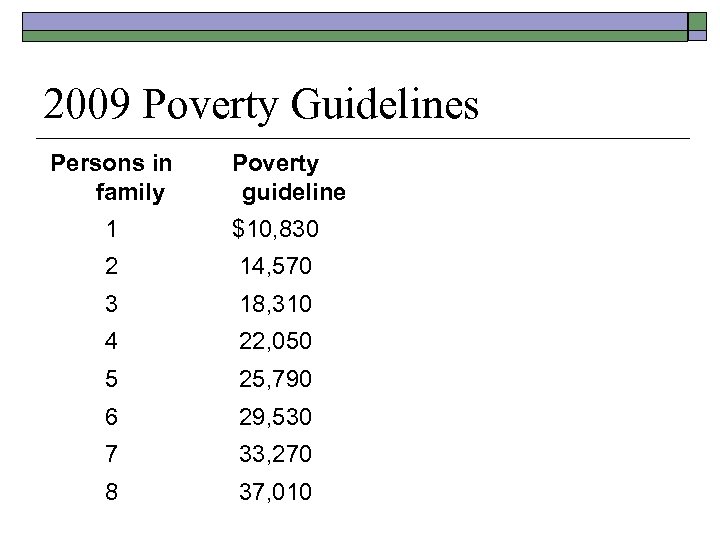 2009 Poverty Guidelines Persons in family Poverty guideline 1 $10, 830 2 14, 570 3 18, 310 4 22, 050 5 25, 790 6 29, 530 7 33, 270 8 37, 010
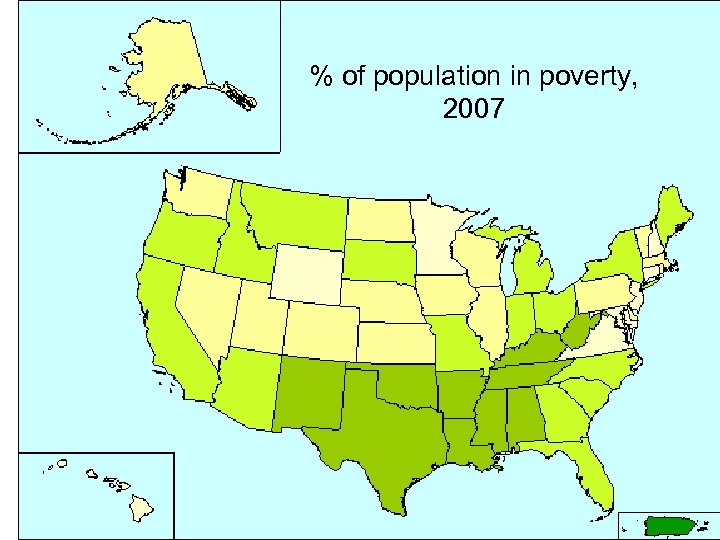 % of population in poverty, 2007
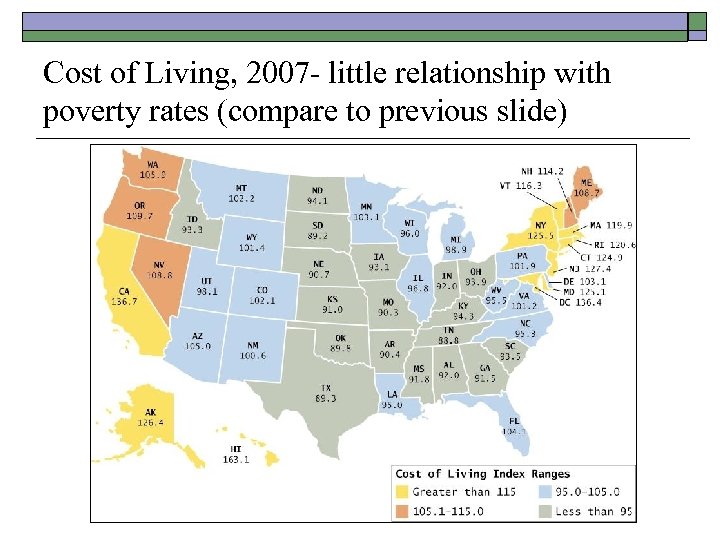 Cost of Living, 2007 - little relationship with poverty rates (compare to previous slide)
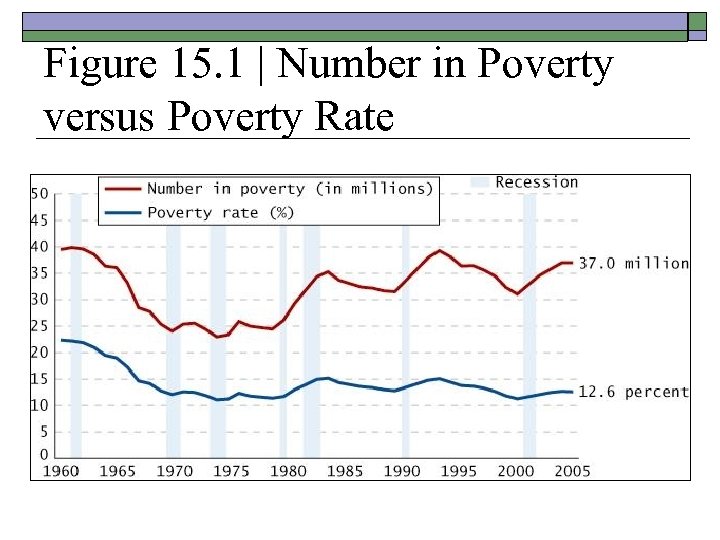 Figure 15. 1 | Number in Poverty versus Poverty Rate
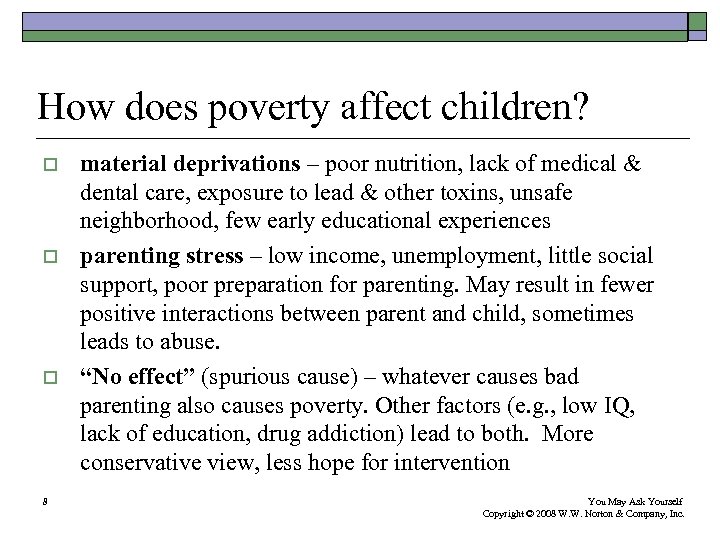 How does poverty affect children? o o o 8 material deprivations – poor nutrition, lack of medical & dental care, exposure to lead & other toxins, unsafe neighborhood, few early educational experiences parenting stress – low income, unemployment, little social support, poor preparation for parenting. May result in fewer positive interactions between parent and child, sometimes leads to abuse. “No effect” (spurious cause) – whatever causes bad parenting also causes poverty. Other factors (e. g. , low IQ, lack of education, drug addiction) lead to both. More conservative view, less hope for intervention You May Ask Yourself Copyright © 2008 W. W. Norton & Company, Inc.
 How does poverty affect children? o Susan Mayer (What Money Can’t Buy) n n 9 Giving more money to poor does not guarantee it will be spent on improving their children’s lives Good parenting is not dependent on income Rich families expose children to more possibilities, expectations, aspirations. Consistent with others’ notion of “limited world” of poor children. You May Ask Yourself Copyright © 2008 W. W. Norton & Company, Inc.
 The Culture of Poverty o poor people adopt different behaviors for survival n n n o Poor people have different values n n o o 10 Illegal work Multigeneration households Trading and swapping goods & services Immediate gratification Lack motivation to work May perpetuate cycle of poverty, passed on to kids Culturally biased theory, often used by welfare critics You May Ask Yourself Copyright © 2008 W. W. Norton & Company, Inc.
 Welfare and “culture of poverty” myths o o o Welfare takes away motivation to work Welfare enables men to escape responsibility for supporting families Welfare enables women to have more children than they can support Welfare creates dependency; once on it, people stay on it. All are myths.
 Welfare and culture of poverty o Perverse incentives are reward structures that lead to suboptimal outcomes by stimulating counterproductive behavior. n n o Unintended consequences are results of a policy that were not fully anticipated. n n 12 welfare makes marriage and work less attractive wages may be subtracted from welfare benefits, making work cost money. Welfare “reform” has increased poverty Fewer people are on welfare but most of those who get You May Ask Yourself off are still poor. Copyright © 2008 W. W. Norton & Company, Inc.
 Welfare in 20 th century U. S. o o o 13 Established after Great Depression – Aid to Dependent Children (later AFDC) Concept of “entitlement” – some dependents are entitled to support from society 1960’s: Lyndon Johnson’s “War on Poverty. ” 1980’s: Republicans questioned “entitlements” concept; redefined “income” to make poverty appear lower and reduce welfare benefits. 1996: Welfare reform ended entitlements You May Ask Yourself Copyright © 2008 W. W. Norton & Company, Inc.
 Welfare Reform, 1996 o o o PRWORA – “Personal Responsibility and Work Opportunity Reconciliation Act” AFDC became TANF – “Temporary Assistance to Needy Families” Shifted responsibility to welfare recipient Limited time on welfare Required training and work
 Structural Causes of Poverty o o o William Julius Wilson: Poverty is structural, not cultural deindustrialization, globalization, suburbanization, discrimination make it difficult to transition to work. Many jobs do not pay living wage or provide benefits n n n o 15 Federal minimum wage increases to $7. 25 in 2009 About $15, 000 per year if working 40 hrs per week Below poverty line for household of 3 or more Lack of jobs results in shortage of eligible men to marry. You May Ask Yourself Copyright © 2008 W. W. Norton & Company, Inc.
 Structural causes of poverty o o 16 Studies of Gautreaux Assisted Living Program in Chicago and Moving to Opportunity (MTO) in various cities Attempted to see how moving families from high to lowpoverty areas might affect parental employment, children’s outcomes, and other factors. n living in less stressful environment had positive effects on children. n Little difference in welfare, employment, or earnings n Suggested that reducing residential segregation might be beneficial for children, but may not increase economic opportunities directly You May Ask Yourself Copyright © 2008 W. W. Norton & Company, Inc.
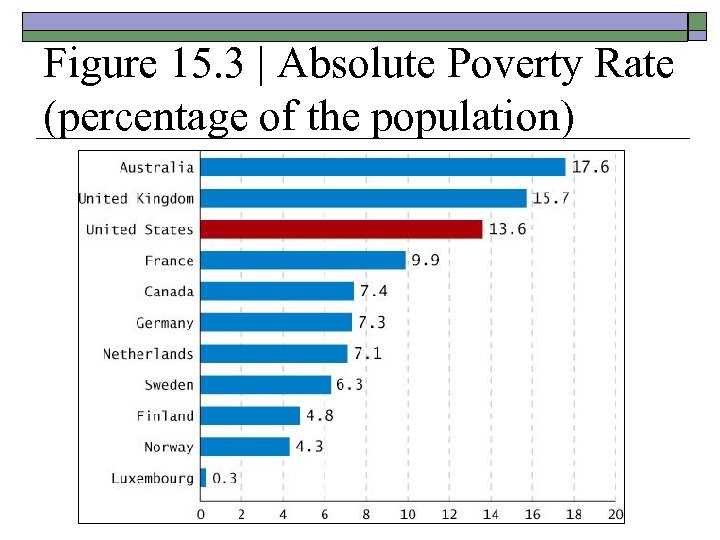 Figure 15. 3 | Absolute Poverty Rate (percentage of the population)
 Why Is the United States So Different? o o o 18 US is most unequal developed nation in the world. Some European countries transitioned to capitalism later; political institutions were better able to protect the weak. US has more separation of powers; this makes it difficult to coordinate social programs European feudalism may have developed into more “paternalistic” culture – modern welfare state Racialization is more evident in the US; poverty and race are closely connected You May Ask Yourself Copyright © 2008 W. W. Norton & Company, Inc.