


 Скачать презентацию Chapter 15 Electric Forces and Electric Fields
1b213c6b29d93d1fd4c0cca1070607be.ppt
- Количество слайдов: 34
 Chapter 15 Electric Forces and Electric Fields
 First Observations – Greeks • Observed electric and magnetic phenomena as early as 700 BC – Found that amber, when rubbed, became electrified and attracted pieces of straw or feathers • Also discovered magnetic forces by observing magnetite attracting iron
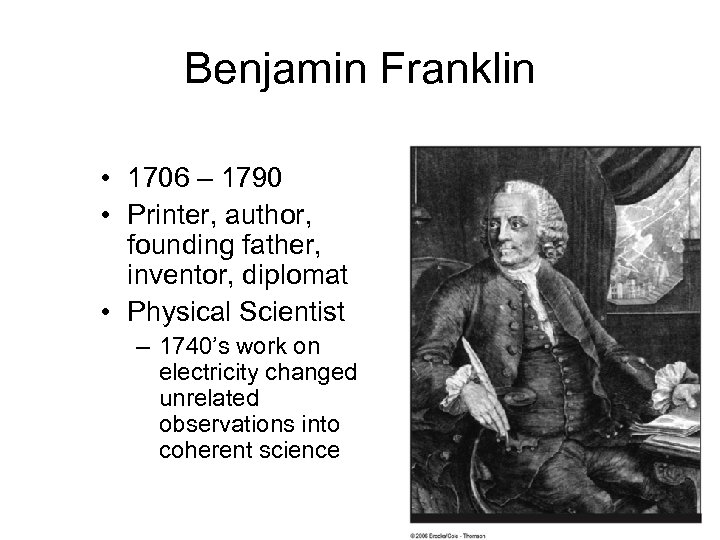 Benjamin Franklin • 1706 – 1790 • Printer, author, founding father, inventor, diplomat • Physical Scientist – 1740’s work on electricity changed unrelated observations into coherent science
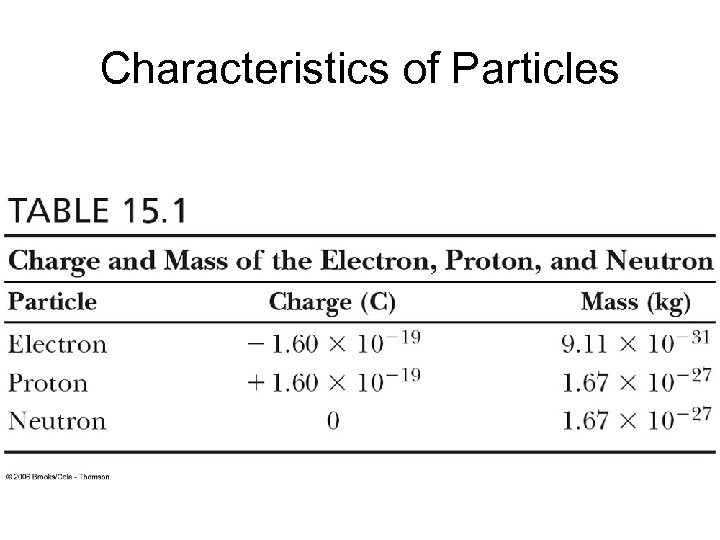
 Properties of Electric Charges 15. 1 • Two types of charges exist – They are called positive and negative – Named by Benjamin Franklin • Like charges repel and unlike charges attract one another • Nature’s basic carrier of positive charge is the proton – Protons do not move from one material to another because they are held firmly in the nucleus
 More Properties of Charge • Nature’s basic carrier of negative charge is the electron – Gaining or losing electrons is how an object becomes charged • Electric charge is always conserved – Charge is not created, only exchanged – Objects become charged because negative charge is transferred from one object to another
 Properties of Charge, final • Charge is quantized – All charge is a multiple of a fundamental unit of charge, symbolized by e • Quarks are the exception – Electrons have a charge of –e – Protons have a charge of +e – The SI unit of charge is the Coulomb (C) • e = 1. 6 x 10 -19 C
 Conductors 15. 2 • Conductors are materials in which the electric charges move freely in response to an electric force – Copper, aluminum and silver are good conductors – When a conductor is charged in a small region, the charge readily distributes itself over the entire surface of the material
 Insulators • Insulators are materials in which electric charges do not move freely – Glass and rubber are examples of insulators – When insulators are charged by rubbing, only the rubbed area becomes charged • There is no tendency for the charge to move into other regions of the material
 Semiconductors • The characteristics of semiconductors are between those of insulators and conductors • Silicon and germanium are examples of semiconductors
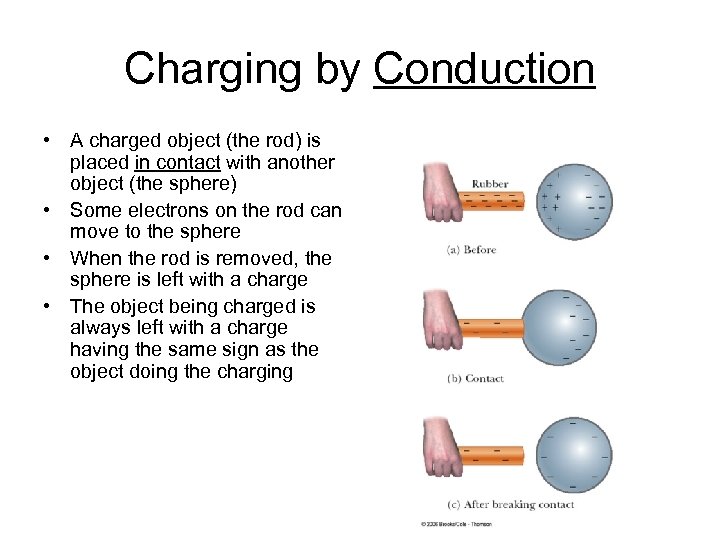 Charging by Conduction • A charged object (the rod) is placed in contact with another object (the sphere) • Some electrons on the rod can move to the sphere • When the rod is removed, the sphere is left with a charge • The object being charged is always left with a charge having the same sign as the object doing the charging
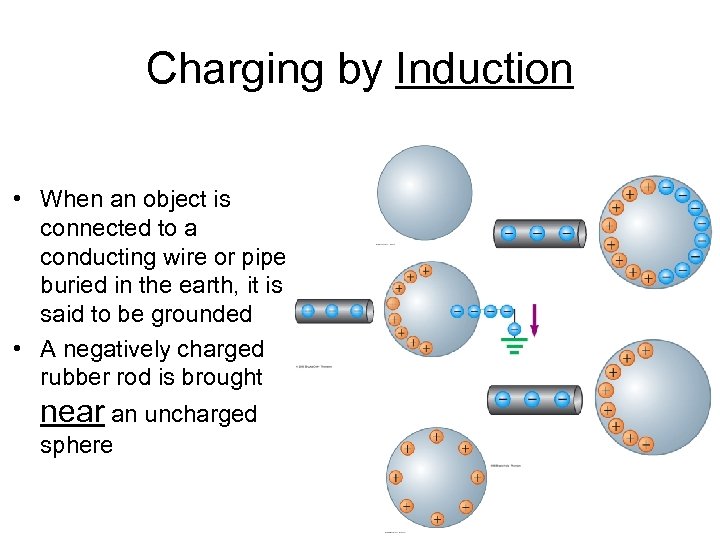 Charging by Induction • When an object is connected to a conducting wire or pipe buried in the earth, it is said to be grounded • A negatively charged rubber rod is brought near an uncharged sphere
 Charging by Induction, 2 • The charges in the sphere are redistributed – Some of the electrons in the sphere are repelled from the electrons in the rod
 Charging by Induction, 3 • The region of the sphere nearest the negatively charged rod has an excess of positive charge because of the migration of electrons away from this location • A grounded conducting wire is connected to the sphere – Allows some of the electrons to move from the sphere to the ground
 Charging by Induction, final • The wire to ground is removed, the sphere is left with an excess of induced positive charge • The positive charge on the sphere is evenly distributed due to the repulsion between the positive charges • Charging by induction requires no contact with the object inducing the charge
 Polarization • In most neutral atoms or molecules, the center of positive charge coincides with the center of negative charge • In the presence of a charged object, these centers may separate slightly – This results in more positive charge on one side of the molecule than on the other side • This realignment of charge on the surface of an insulator is known as polarization
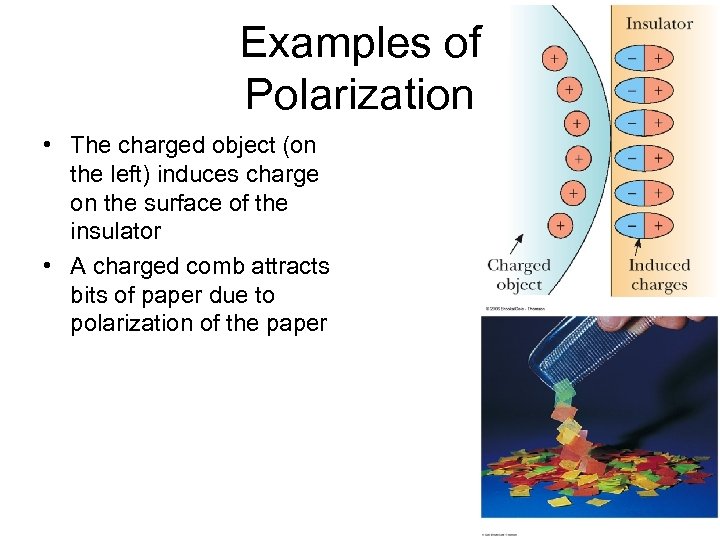 Examples of Polarization • The charged object (on the left) induces charge on the surface of the insulator • A charged comb attracts bits of paper due to polarization of the paper
 Coulomb’s Law 15. 3 • Coulomb shows that an electrical force has the following properties: – It is along the line joining the two particles and inversely proportional to the square of the separation distance, r, between them – It is proportional to the product of the magnitudes of the charges, |q 1|and |q 2|on the two particles – It is attractive if the charges are of opposite signs and repulsive if the charges have the same signs
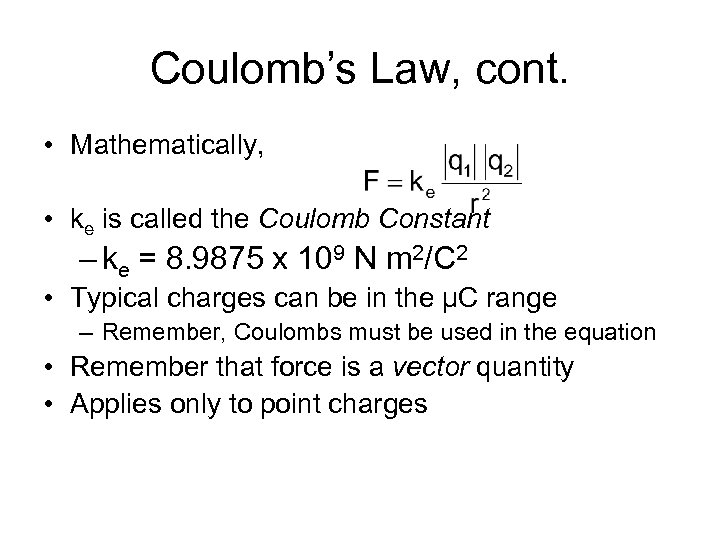 Coulomb’s Law, cont. • Mathematically, • ke is called the Coulomb Constant – ke = 8. 9875 x 109 N m 2/C 2 • Typical charges can be in the µC range – Remember, Coulombs must be used in the equation • Remember that force is a vector quantity • Applies only to point charges
 Characteristics of Particles
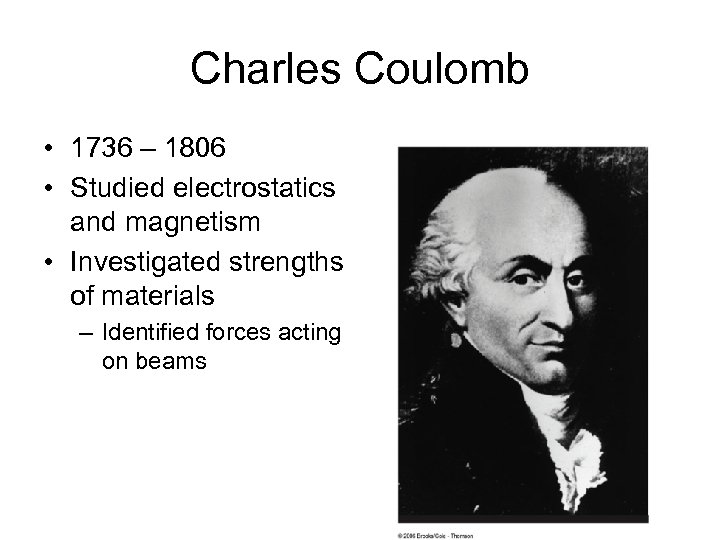 Charles Coulomb • 1736 – 1806 • Studied electrostatics and magnetism • Investigated strengths of materials – Identified forces acting on beams
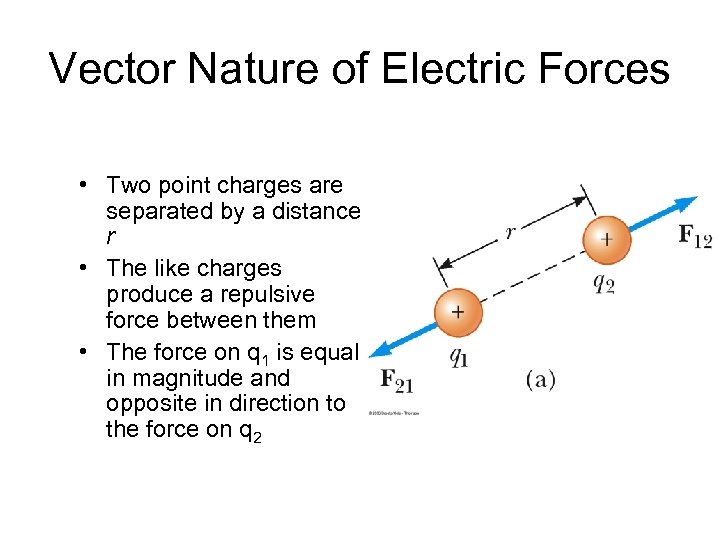 Vector Nature of Electric Forces • Two point charges are separated by a distance r • The like charges produce a repulsive force between them • The force on q 1 is equal in magnitude and opposite in direction to the force on q 2
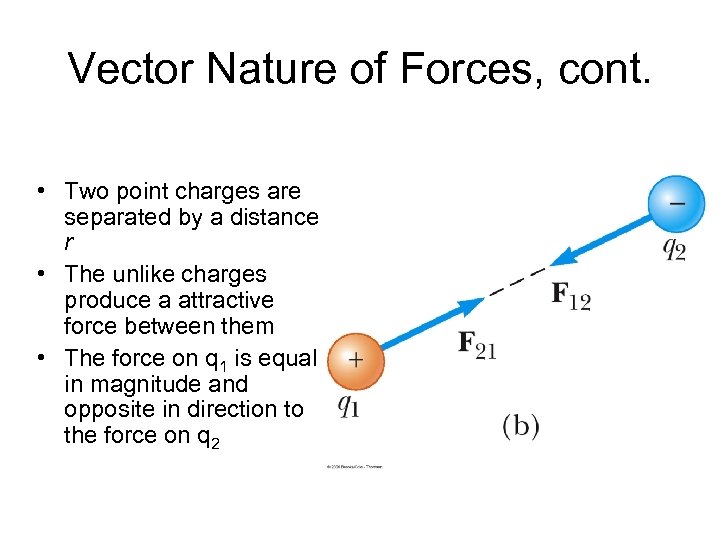 Vector Nature of Forces, cont. • Two point charges are separated by a distance r • The unlike charges produce a attractive force between them • The force on q 1 is equal in magnitude and opposite in direction to the force on q 2
 Electrical Forces are Field Forces • This is the second example of a field force – Gravity was the first • Remember, with a field force, the force is exerted by one object on another object even though there is no physical contact between them • There are some important similarities and differences between electrical and gravitational forces
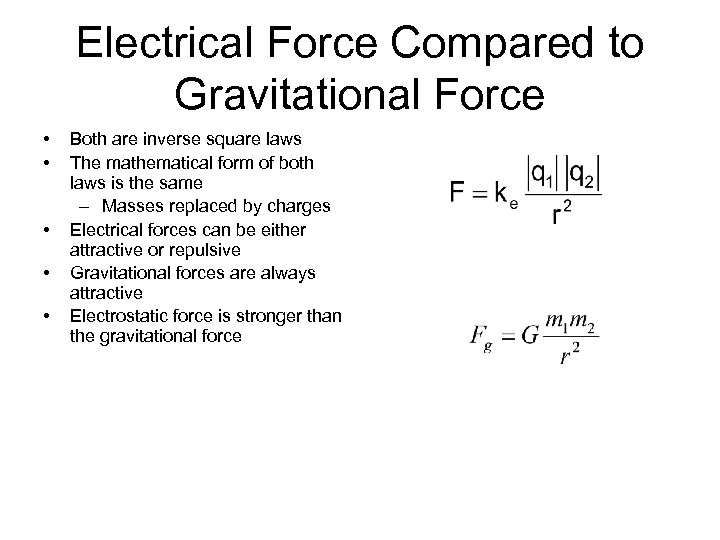 Electrical Force Compared to Gravitational Force • • • Both are inverse square laws The mathematical form of both laws is the same – Masses replaced by charges Electrical forces can be either attractive or repulsive Gravitational forces are always attractive Electrostatic force is stronger than the gravitational force
 The Superposition Principle • The resultant force on any one charge equals the vector sum of the forces exerted by the other individual charges that are present. – Remember to add the forces as vectors
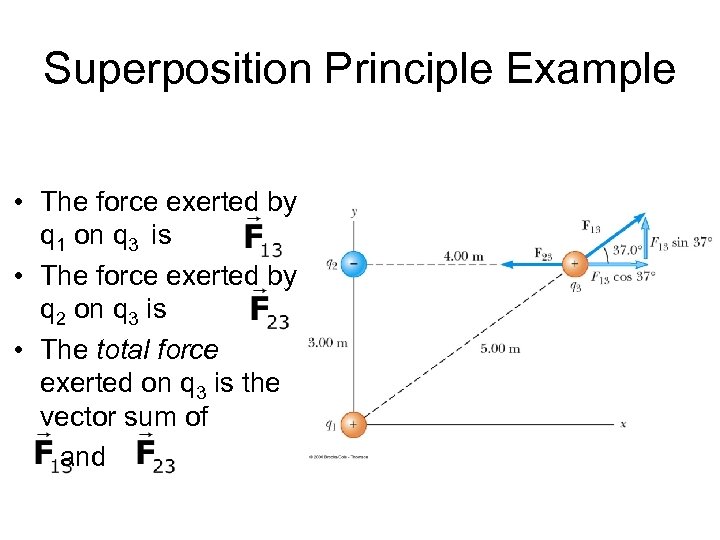 Superposition Principle Example • The force exerted by q 1 on q 3 is • The force exerted by q 2 on q 3 is • The total force exerted on q 3 is the vector sum of and
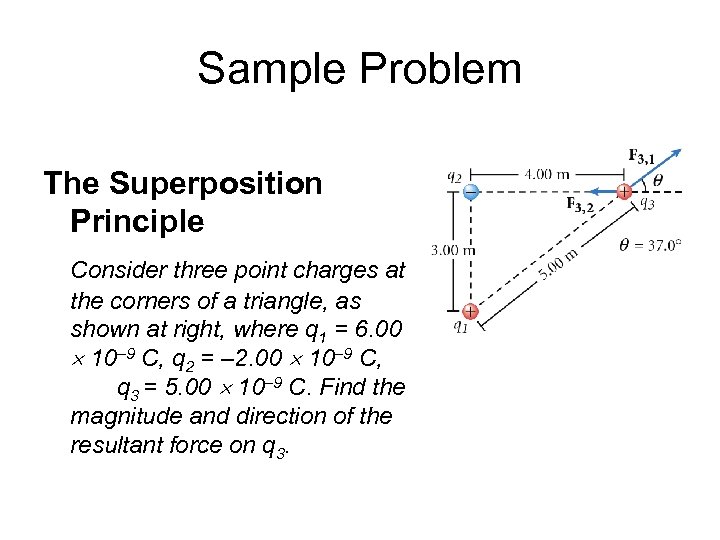 Sample Problem The Superposition Principle Consider three point charges at the corners of a triangle, as shown at right, where q 1 = 6. 00 10– 9 C, q 2 = – 2. 00 10– 9 C, and q 3 = 5. 00 10– 9 C. Find the magnitude and direction of the resultant force on q 3.
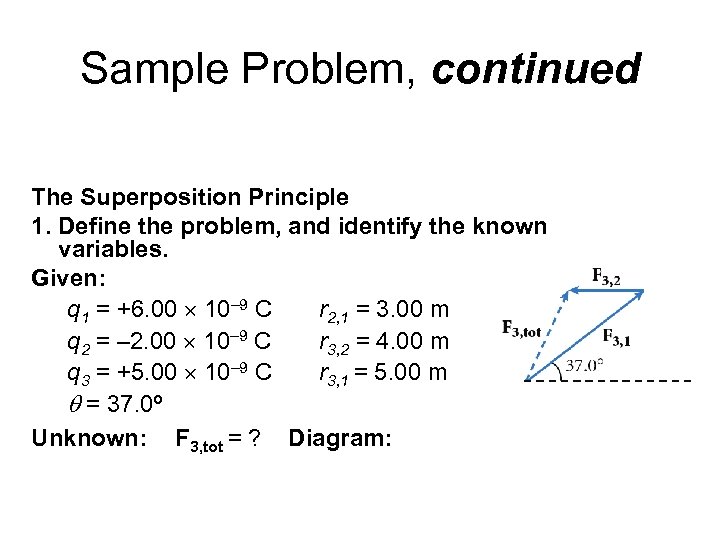 Sample Problem, continued The Superposition Principle 1. Define the problem, and identify the known variables. Given: q 1 = +6. 00 10– 9 C r 2, 1 = 3. 00 m q 2 = – 2. 00 10– 9 C r 3, 2 = 4. 00 m q 3 = +5. 00 10– 9 C r 3, 1 = 5. 00 m q = 37. 0º Unknown: F 3, tot = ? Diagram:
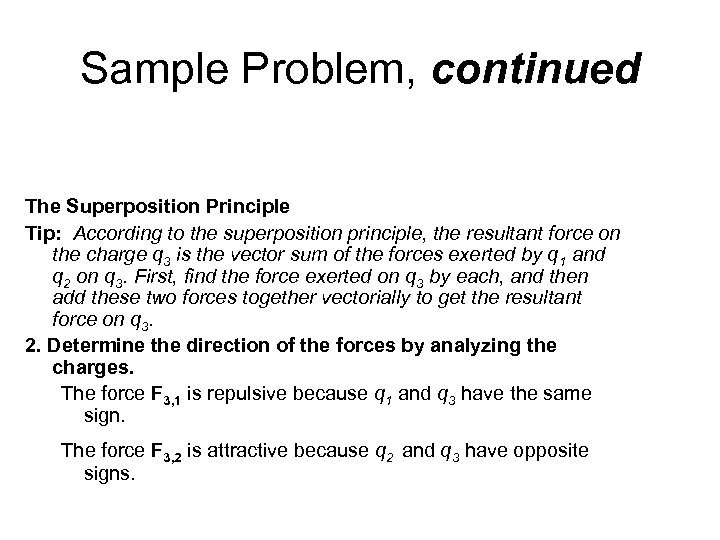 Sample Problem, continued The Superposition Principle Tip: According to the superposition principle, the resultant force on the charge q 3 is the vector sum of the forces exerted by q 1 and q 2 on q 3. First, find the force exerted on q 3 by each, and then add these two forces together vectorially to get the resultant force on q 3. 2. Determine the direction of the forces by analyzing the charges. The force F 3, 1 is repulsive because q 1 and q 3 have the same sign. The force F 3, 2 is attractive because q 2 and q 3 have opposite signs.
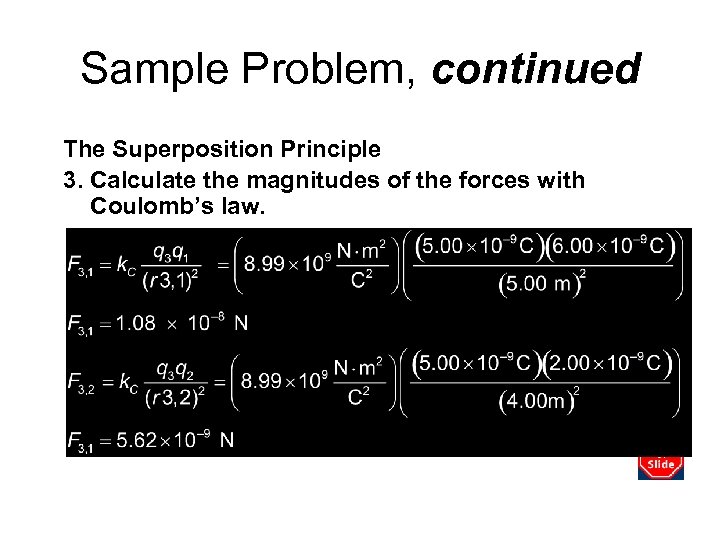 Sample Problem, continued The Superposition Principle 3. Calculate the magnitudes of the forces with Coulomb’s law.
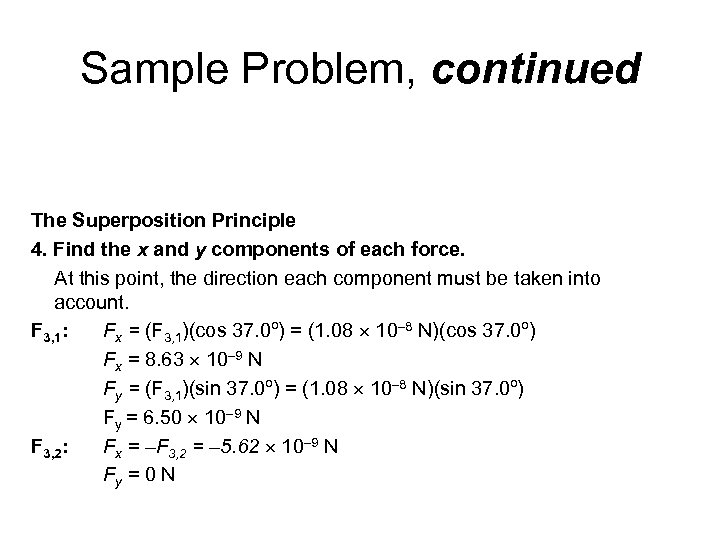 Sample Problem, continued The Superposition Principle 4. Find the x and y components of each force. At this point, the direction each component must be taken into account. F 3, 1: Fx = (F 3, 1)(cos 37. 0º) = (1. 08 10– 8 N)(cos 37. 0º) Fx = 8. 63 10– 9 N Fy = (F 3, 1)(sin 37. 0º) = (1. 08 10– 8 N)(sin 37. 0º) Fy = 6. 50 10– 9 N F 3, 2: Fx = –F 3, 2 = – 5. 62 10– 9 N Fy = 0 N
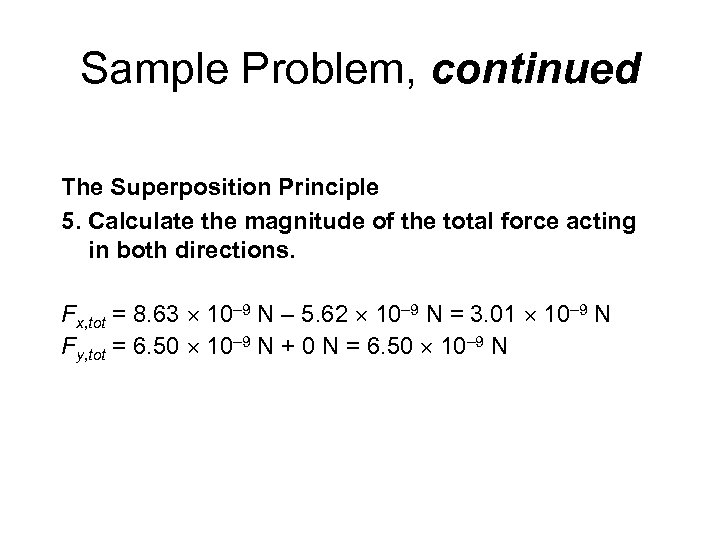 Sample Problem, continued The Superposition Principle 5. Calculate the magnitude of the total force acting in both directions. Fx, tot = 8. 63 10– 9 N – 5. 62 10– 9 N = 3. 01 10– 9 N Fy, tot = 6. 50 10– 9 N + 0 N = 6. 50 10– 9 N
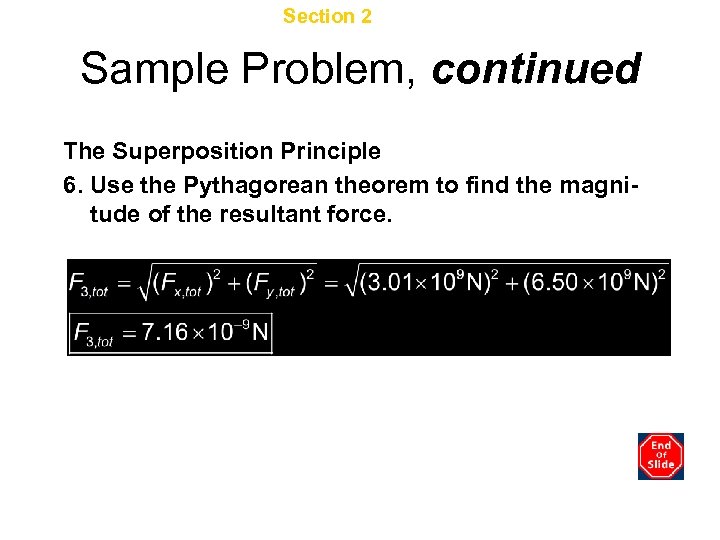 Chapter 16 Section 2 Electric Force Sample Problem, continued The Superposition Principle 6. Use the Pythagorean theorem to find the magnitude of the resultant force.
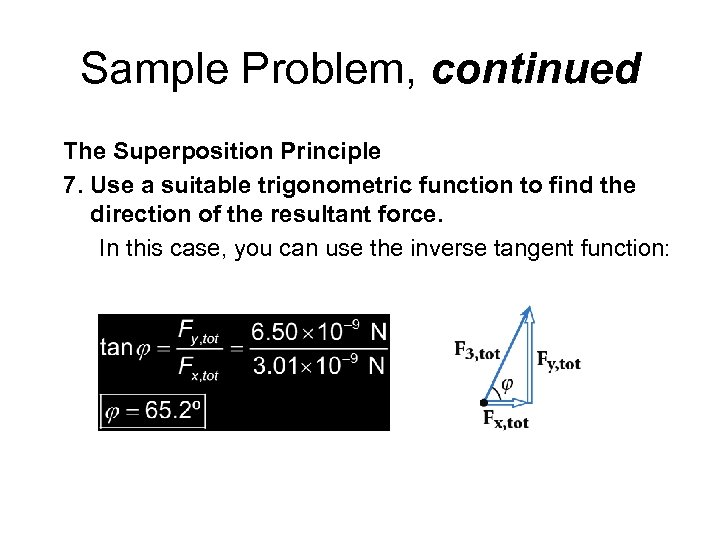 Sample Problem, continued The Superposition Principle 7. Use a suitable trigonometric function to find the direction of the resultant force. In this case, you can use the inverse tangent function: