


 Скачать презентацию Chapter 13 Advertising how it might work
a20a5718aac7bc53c24a3cdc79b15103.ppt
- Количество слайдов: 16
 Chapter 13 Advertising – how it might work Peggy Simcic Brønn
 z. Advertising -- any paid form of nonpersonal presentation and promotion of ideas, goods and services by an identified sponsor to a targeted audience and delivered primarily through the mass media. Peggy Simcic Brønn
 Leaders in US National Advertising -- 1890 s z. Ivory Soap z. Lipton’s Teas z. Mennen’s Talcum Powder z. Pond’s Extract z. Prudential Insurance Co. z. Quaker Oats Peggy Simcic Brønn
 Advertising, 1950 - 1975 z. Voice of consumer became more powerful z. Cigarette ads banned from TV z. Comparison ads mentioning competition was accepted z. Old staple magazines disappeared, special interests magazines filled void
 1950 - 1975 z. Inserts became more popular in newspapers z. Radio nearly died with advent of TV, but recovered z. Direct-response advertising saw huge growth z. Two biggest developments: TV and electronic data processing
 Advertising in the 1980 s z. New technology z. Audience fragmentation -- end of traditional mass market z. Consolidation z. Credit -- buy now pay later
 Advertising and the 21 st Century z. Much greater consumer involvement and control z. More toward 2 -way communication z. Marshall Mc. Luhan’s Global Village becoming a reality z. Costs will continue to increase
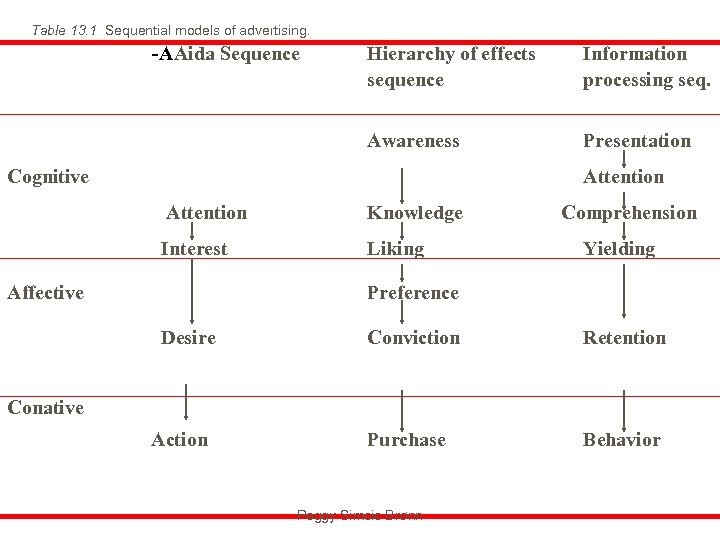 Table 13. 1 Sequential models of advertising. -AAida Sequence Hierarchy of effects sequence Information processing seq. Awareness Presentation Cognitive Attention Knowledge Interest Liking Affective Comprehension Yielding Preference Desire Conviction Retention Purchase Behavior Conative Action Peggy Simcic Brønn
 Strong and Weak Theories of Advertising z The strong theory suggests that advertising can persuade someone to buy a product for the first time and generate long-run purchase behavior. The process is similar to the hierarchy of effects model. z The Weak theory suggest that advertising provides reassurance and reinforces past purchase behavior. The ATR Model is the most appropriate. Peggy Simcic Brønn
 Strengths of the Advertising Media • Reaches large mass audiences • Intensifies broad-based product demand • Increased brand knowledge • Builds brand awareness • Creates long-term brand images and positions • Reminds consumers about positive experiences with the brand • Provides repetition to increase memorability
 Weaknesses of the Advertising Media • Often perceived as intrusive - consumers may avoid it. • Clutters the media environment. • Wastes efforts on non-target audience members. • Escalates costs of product. • May not be most cost effective means of marketing communication. • Does not allow marketers to closely determine accountability or immediate results as sales, promotion and other mc elements. • Traditionally, advertising has received undue attention, thus making it difficult to integrate it with other mc elements.
 Advertising’s Correlation to Sales 1. ) Businesses with higher relative advertising-tosales ratio earn a higher return on investment. 2. ) Advertising expenditures are related to market share. 3. ) Companies that do not cut advertising during down times have the highest growth in sales and net income, while companies that do cut such expenditures have lowest sales and net income increases.
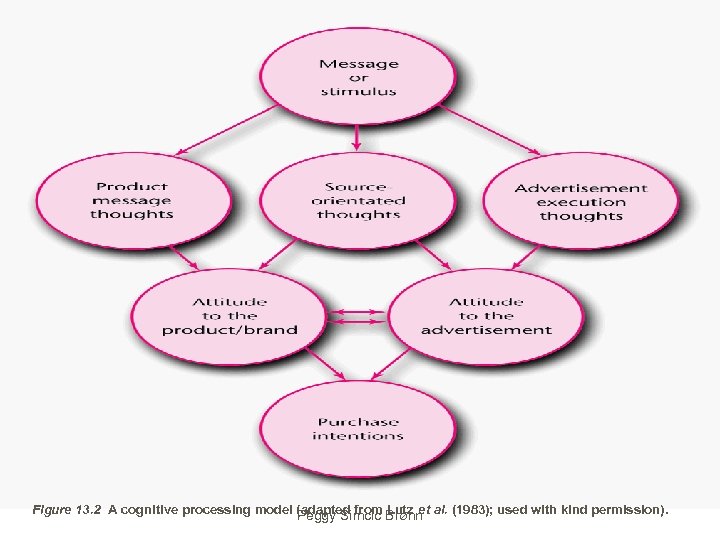 Figure 13. 2 A cognitive processing model (adapted from Brønn al. (1983); used with kind permission). Peggy Simcic Lutz et
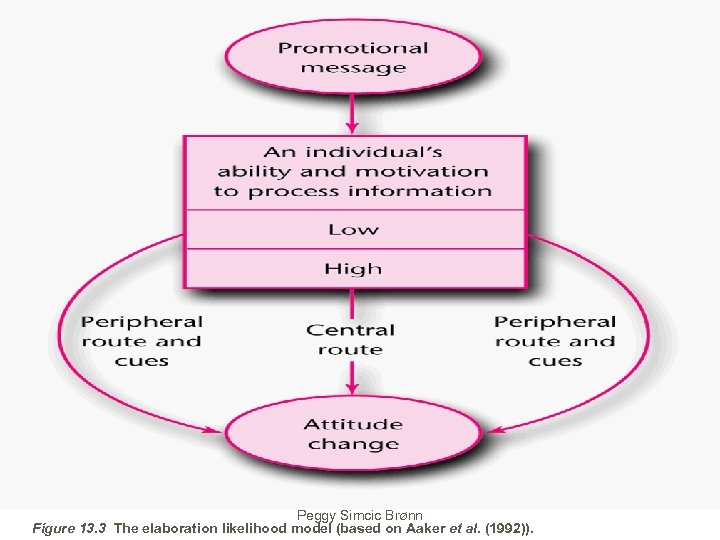 Peggy Simcic Brønn Figure 13. 3 The elaboration likelihood model (based on Aaker et al. (1992)).
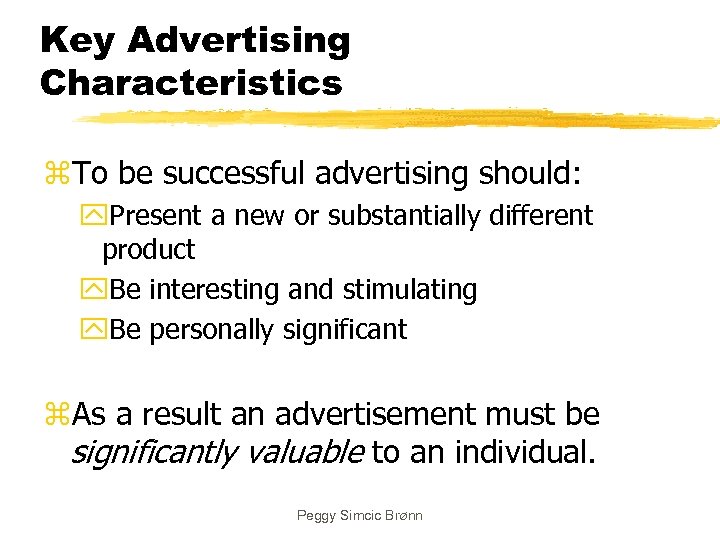 Key Advertising Characteristics z. To be successful advertising should: y. Present a new or substantially different product y. Be interesting and stimulating y. Be personally significant z. As a result an advertisement must be significantly valuable to an individual. Peggy Simcic Brønn
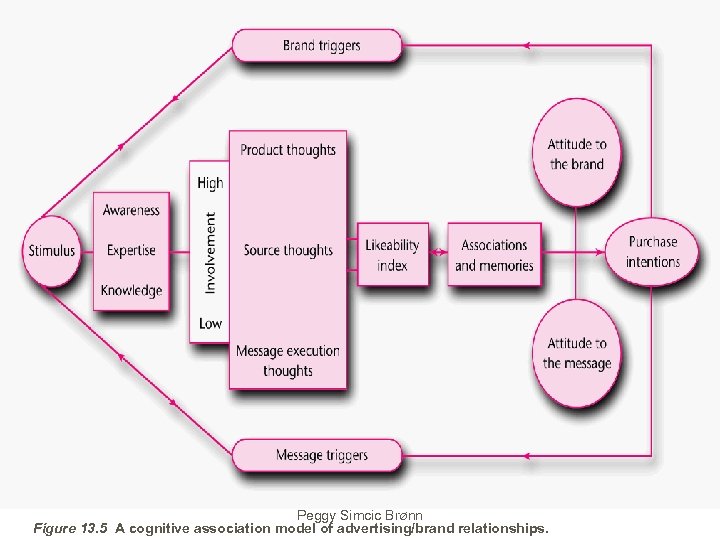 Peggy Simcic Brønn Figure 13. 5 A cognitive association model of advertising/brand relationships.