


 Скачать презентацию Chapter 12 -3 Toddlers Mrs Swope Family and
a16744de4390040a9ad469d76fb274c7.ppt
- Количество слайдов: 32
 Chapter 12 -3: Toddlers Mrs. Swope Family and Consumer Science Dept Columbian High School
 Toddlers Overview • Ages 13 mo. - 36 mo. • Toddlers strive for independence and are developing their individuality • Parents need much patience to cope with the frustrations of toddlerhood.
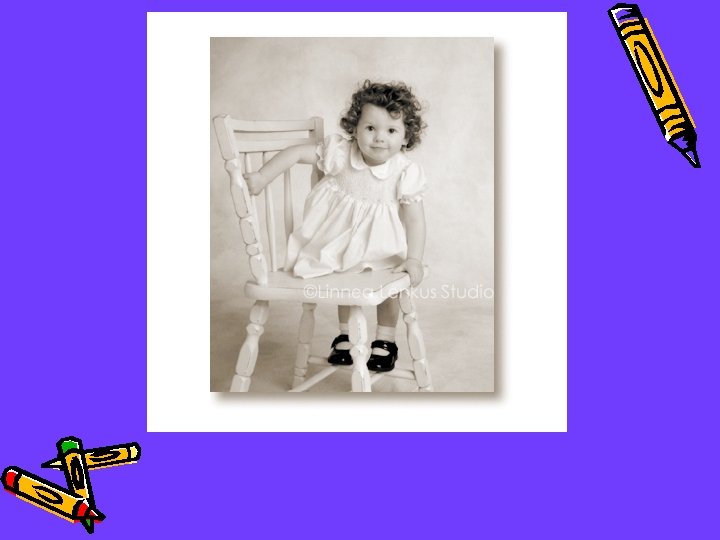
 Physical Development: Appearance • Still growing quickly; not as fast as infants • Head is still larger than body, arms, legs • Legs are growing longer, stronger • Baby fat is beginning to disappear.
 Appearance cont. • Hands and feet are still short and stubby • 2 yr. olds. 33 -35 inches, 24 -28 pounds • 3 yr. olds. 35 -37 inches, 31 -33 pounds • Childhood set of 20 teeth completed by 2 1/2 yrs.

 Large Muscle Development of Toddlers • Toddlers are almost always in motion • 13 -15 mo. Can walk, climb out of crib, stroller • 16 -18 mo. May walk on tiptoes, tries to walk fast, able to kick a ball • 19 -21 mo. Can run stiffly; walks up but backs down stairs, squats easily to play
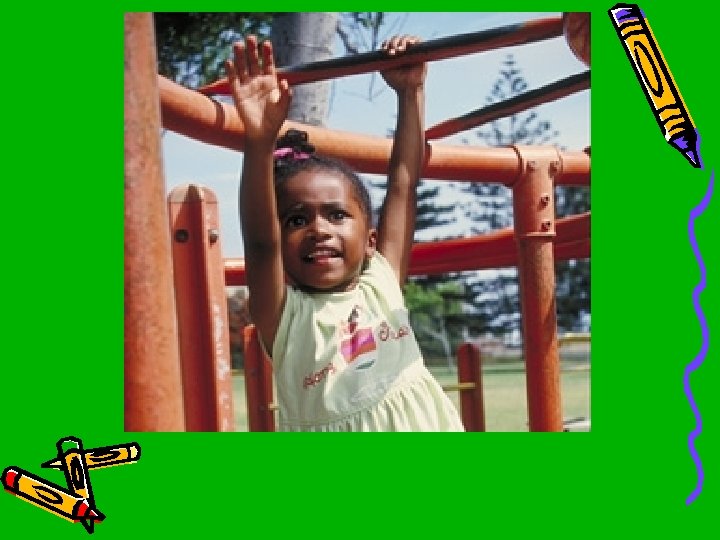
 Large Muscle Development Cont. • 22 -24 mo. Can walk sideways and backwards; jumps with both feet, can throw a ball into a large container • 24 -30 mo. Climbs everywhere, can play on some playground equipment with supervision • 30 -36 mo. In constant motion, likes to sit in adult chairs, can catch a large ball
 Small Muscle Development of Toddlers l l l Toddlers practice their grasping and manipulating skills by picking up all kinds of objects. 13 -15 mo. Can turn thick pages of toddler books. 16 -18 mo. Can begin to scribble, turns knobs on things, likes to fill and empty containers
 Small Muscle Development cont. l l 19 -21 mo. Can build a small block tower 22 -24 mo. Likes modeling clay, can screw on caps 24 -30 mo. Turns door knobs, can remove candy wrappers, can soap up hands for washing 30 -36 mo. Can string large beads
 Let’s Keep Toddlers Safe • Parent should do a safety check on each room of the house, garage, and yard • Keep an eye out for small objects like safety pins, coins, buttons, earrings, paperclips, and small removable parts • Keep all poisons, cleaning agents, and medicines out of reach of toddler
 Toys and Play Z Play helps muscles grow stronger, improves balance and coordination Z Play teaches values of following rules, sharing, and respect Z Can push themselves on wheeled toys Z Like to play in sandboxes Z Play helps develop imagination and creativity
 Life Skills • Refers to the eating, dressing and grooming skills children must learn • Food should be cut into small pieces so toddler can feed self • Place small amts. of food on toddlers plate • Using good table manners is NOT a reasonable goal, they still like to use their fingers
 Life Skills cont. • Meals and snacks should be nutritious • Food should not be used as a reward, bribe, or threat. • Toddlers can help with dressing and undressing • Toddlers need guidance with washing hands, face, and brushing teeth
 Toilet Training Toilet training involves basic steps. 1. Child must understand what parents wants him to do. l 2. Child must be able to tighten the sphincter muscles. l 3. Child must be able to get to the potty and remove clothing easily l 4. Child must be able to relax their sphincter muscles so they can empty the bladder or rectum. l l

 Toilet Training l Toilet training follows a set pattern l Bowel control is achieved first l Daytime bladder control is next l Last, nighttime bladder control is achieved
 Toilet Training l Child should be praised when successful l Parents should not ridicule child when they have accidents l They should not be forced to sit on the potty for long periods of time.
 Intellectual Development of Toddlers /Each child learns at his or her own pace /Parents cannot control their child’s intellectual development, just encourage it /Parents should provide stimulating interactions
 Intellectual Development /Toddlers tend to be EGOCENTRIC (self-centered) meaning their activities revolve around their own interests. /Whatever they see, they want, they grab
 Intellectual Development /13 -15 mo. Like picture books /16 -18 mo. Curious about everything, but they remember where things belong /19 -21 mo. Looks at books for longer time
 Intellectual Development /22 -24 mo. Follows simple directions, can draw crude pictures /24 -30 mo. Likes listening to music and children’s TV shows /30 -36 mo. Can classify objects into categories /Toddlers need a mix of new experiences and familiar routines
 The Importance of Books l l l Books are a vital part of child’s dev. Read books as part of bedtime routine Parents should involve the child by asking questions about the story Allow child to pick out books Reading books to toddler enhances the child’s language development
 Social and Emotional Development • Toddlers behavior is inconsistent, they struggle for independence. • Toddlers’ emotions change from laughing one minute to crying the next.
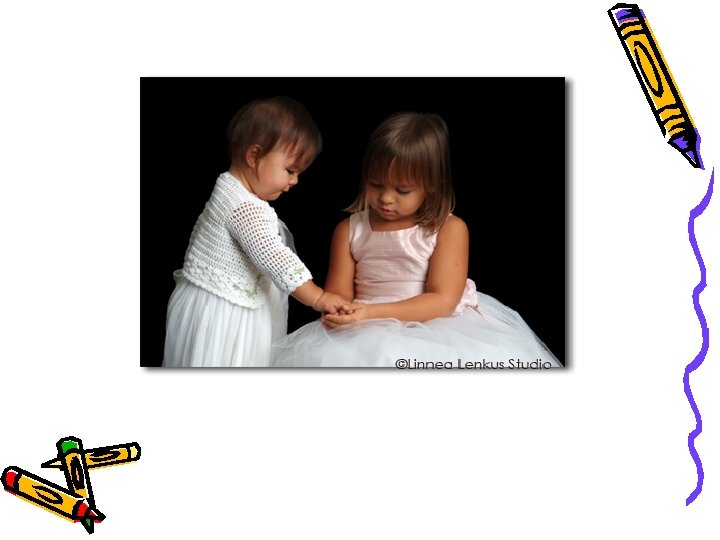
 Social /Emotional dev. • Parallel play - toddlers play beside each other, observing and watching each other. They may grab each other’s toys. • Cooperative play - older toddlers play together for short periods, social skills are not well dev.
 Social / Emotional • Toddlers learn roles of leader and follower • Allows child to use imagination • Child learns value of having patience. • Toddlers develop an attachment to one favorite object, a “lovey”


 Social / Emotional dev. • Separation anxiety continues well into the toddler years • Temper tantrums - violent outbursts of negative behavior; 70% of older toddlers have them. • Soothe and cuddle child after tantrum • Play can help toddlers gain greater independence and self-esteem
 Social / Emotional dev. • Toddlers need to follow a routine • Parents need to provide guidance and consistent discipline • Toddlers will test the limits; firm limits let the child know parents care