


 Скачать презентацию Chapter 10 Motivation Figure 10 F 01
2fe811ef5efebd6a6c6e3219470cfc2f.ppt
- Количество слайдов: 56
 Chapter 10 Motivation
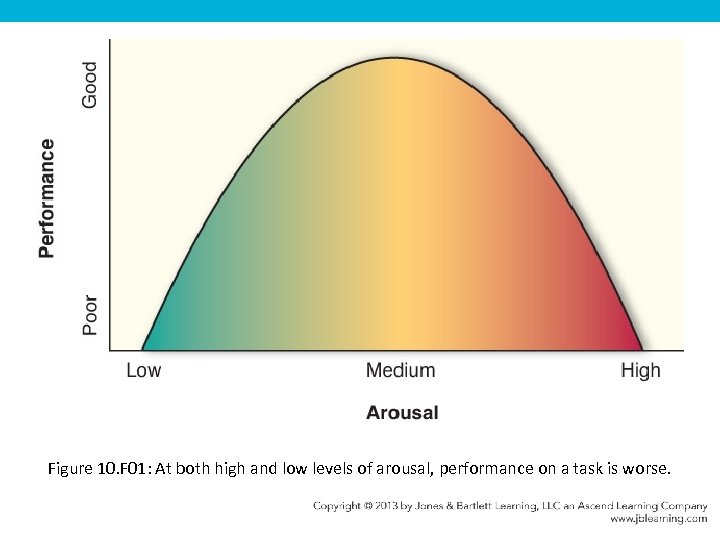 Figure 10. F 01: At both high and low levels of arousal, performance on a task is worse.
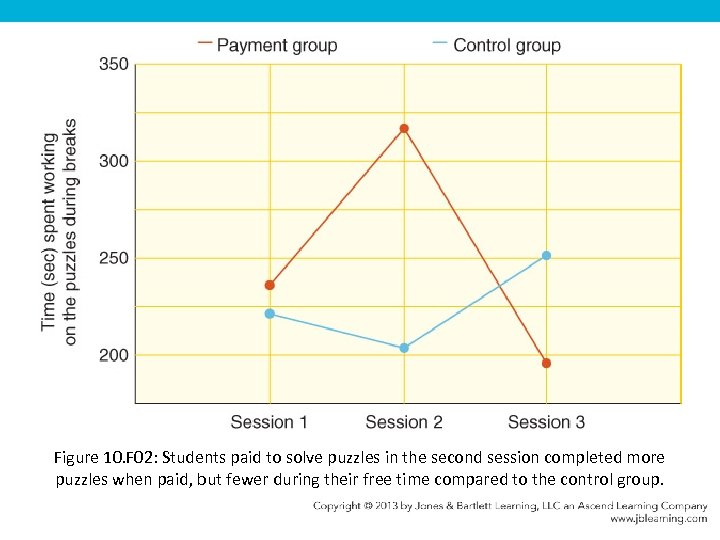 Figure 10. F 02: Students paid to solve puzzles in the second session completed more puzzles when paid, but fewer during their free time compared to the control group.
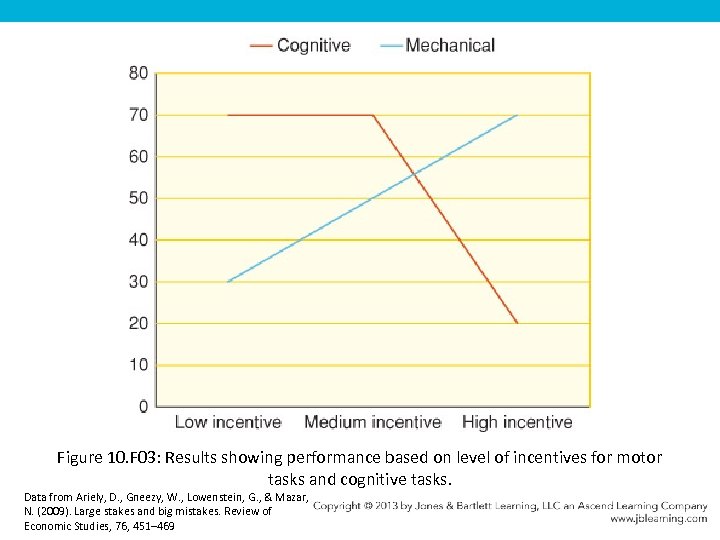 Figure 10. F 03: Results showing performance based on level of incentives for motor tasks and cognitive tasks. Data from Ariely, D. , Gneezy, W. , Lowenstein, G. , & Mazar, N. (2009). Large stakes and big mistakes. Review of Economic Studies, 76, 451– 469
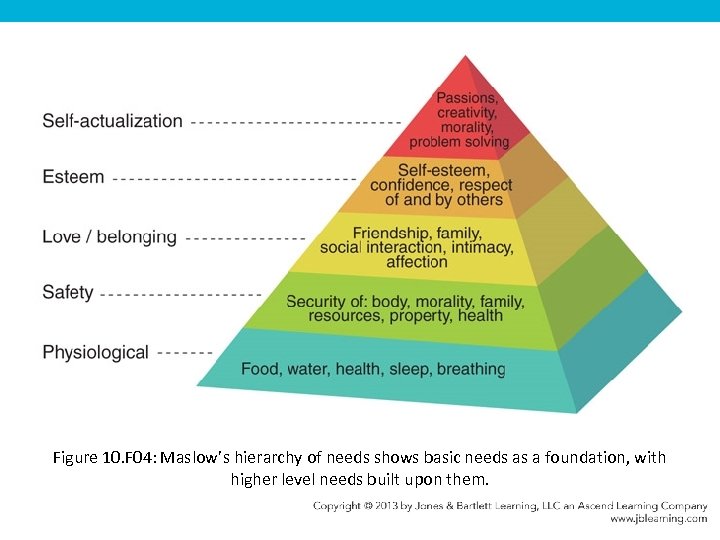 Figure 10. F 04: Maslow’s hierarchy of needs shows basic needs as a foundation, with higher level needs built upon them.
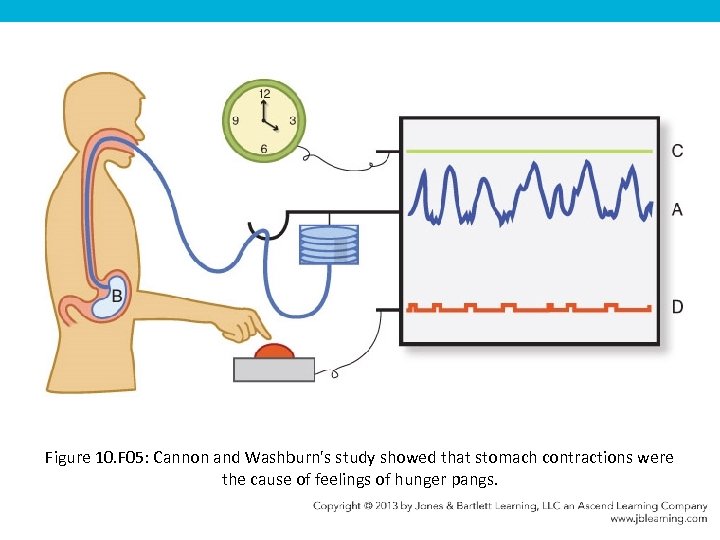 Figure 10. F 05: Cannon and Washburn's study showed that stomach contractions were the cause of feelings of hunger pangs.
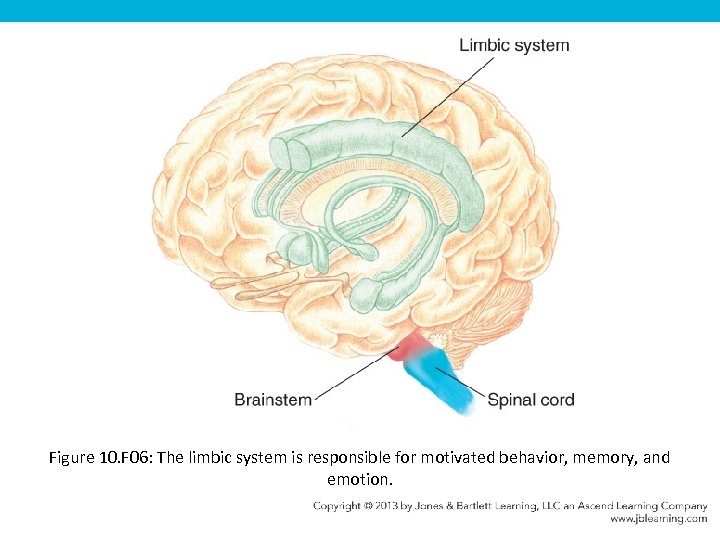 Figure 10. F 06: The limbic system is responsible for motivated behavior, memory, and emotion.
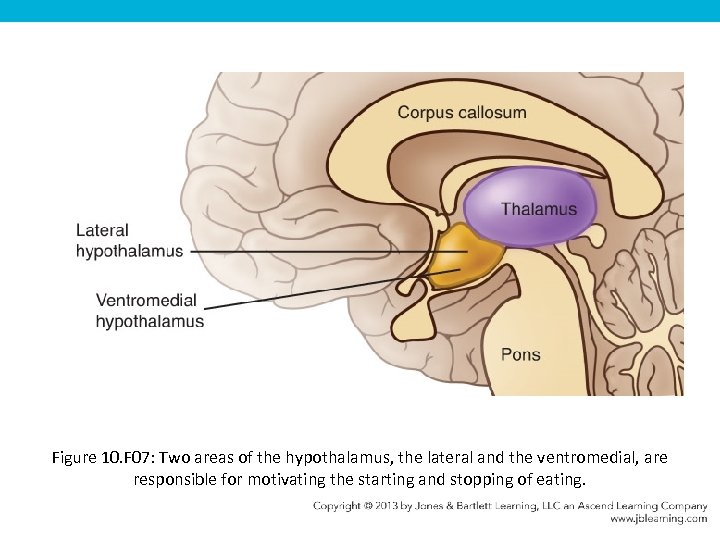 Figure 10. F 07: Two areas of the hypothalamus, the lateral and the ventromedial, are responsible for motivating the starting and stopping of eating.
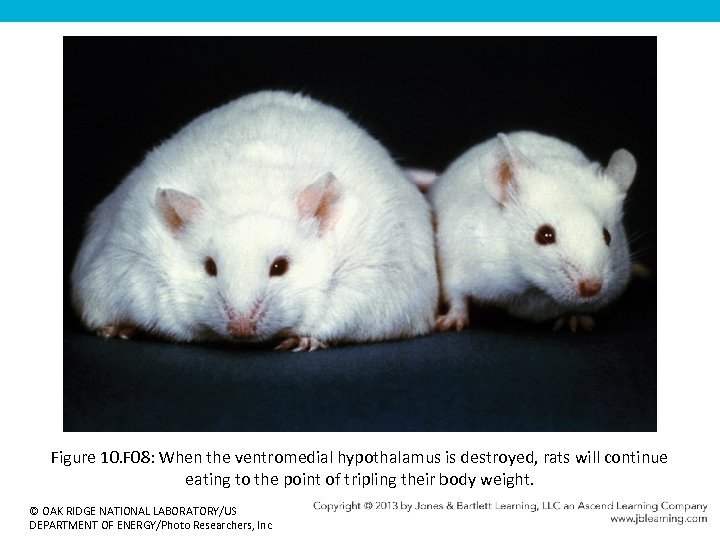 Figure 10. F 08: When the ventromedial hypothalamus is destroyed, rats will continue eating to the point of tripling their body weight. © OAK RIDGE NATIONAL LABORATORY/US DEPARTMENT OF ENERGY/Photo Researchers, Inc
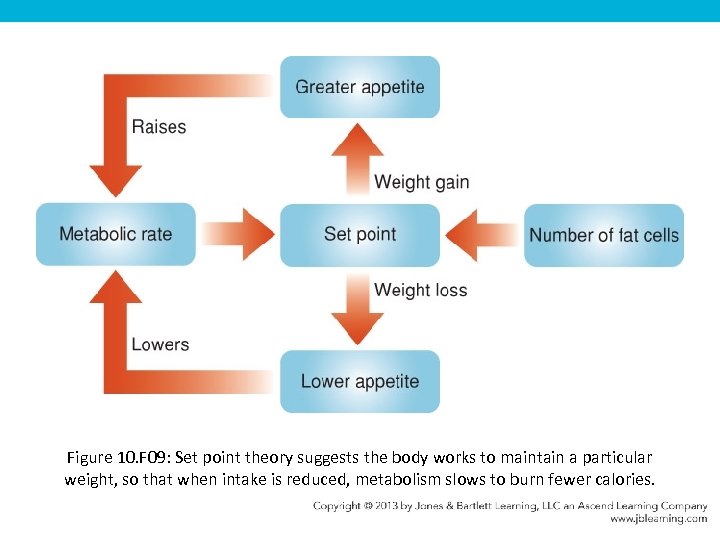 Figure 10. F 09: Set point theory suggests the body works to maintain a particular weight, so that when intake is reduced, metabolism slows to burn fewer calories.
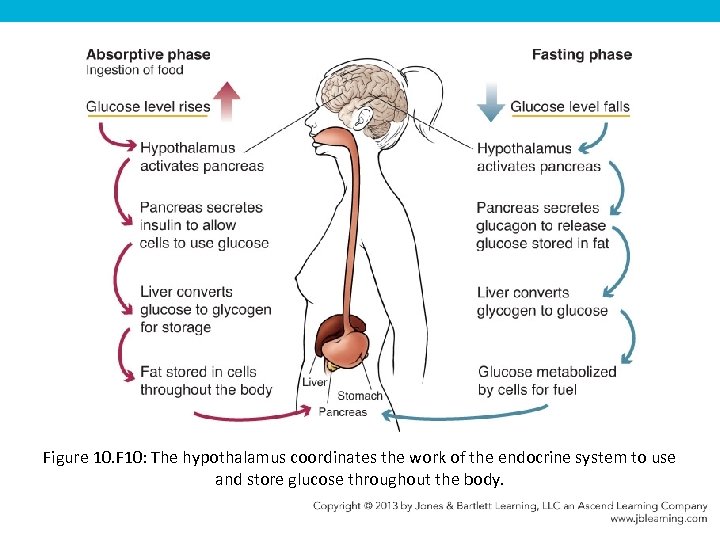 Figure 10. F 10: The hypothalamus coordinates the work of the endocrine system to use and store glucose throughout the body.
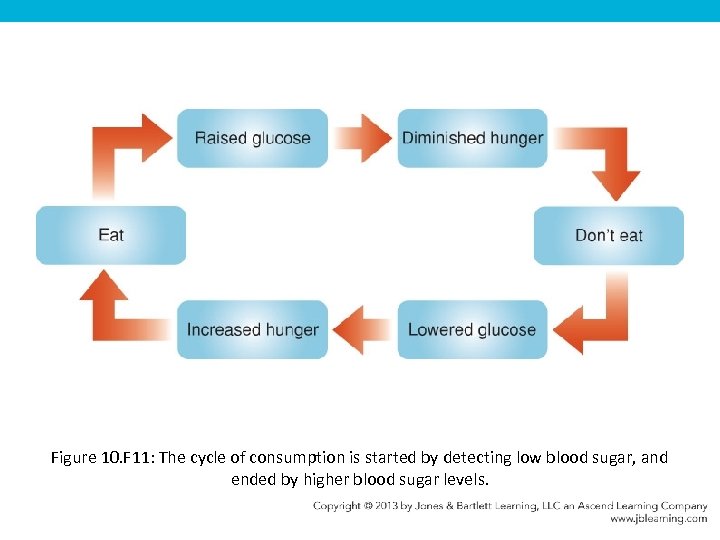 Figure 10. F 11: The cycle of consumption is started by detecting low blood sugar, and ended by higher blood sugar levels.
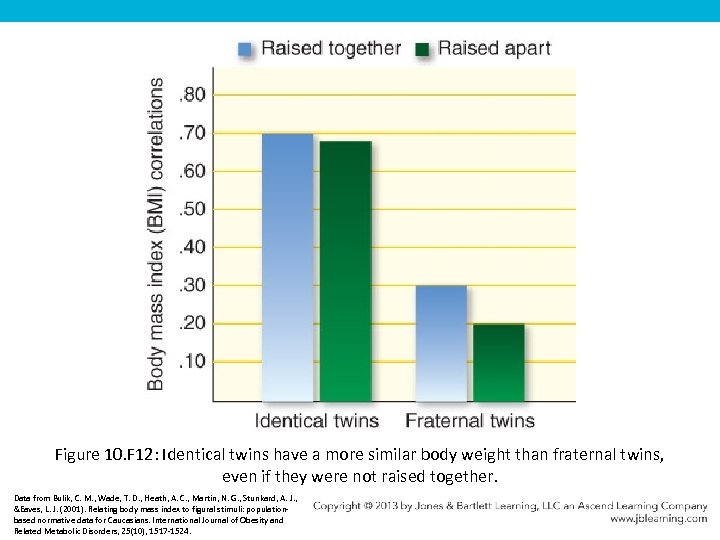 Figure 10. F 12: Identical twins have a more similar body weight than fraternal twins, even if they were not raised together. Data from Bulik, C. M. , Wade, T. D. , Heath, A. C. , Martin, N. G. , Stunkard, A. J. , &Eaves, L. J. (2001). Relating body mass index to figural stimuli: populationbased normative data for Caucasians. International Journal of Obesity and Related Metabolic Disorders, 25(10), 1517 -1524.
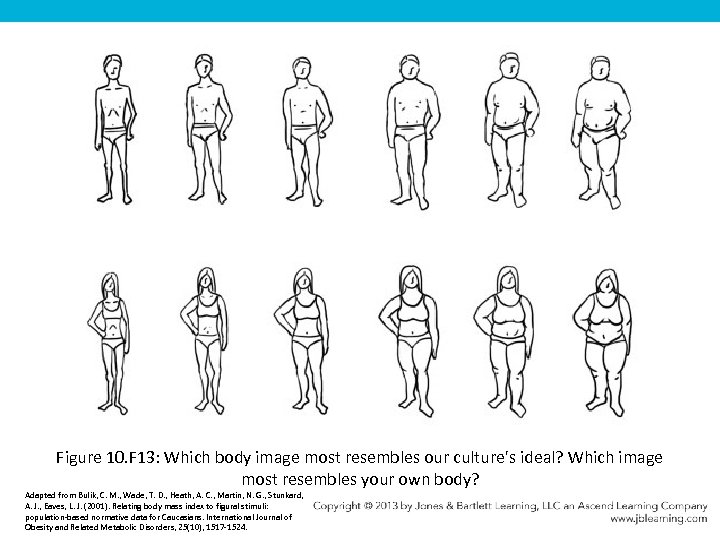 Figure 10. F 13: Which body image most resembles our culture's ideal? Which image most resembles your own body? Adapted from Bulik, C. M. , Wade, T. D. , Heath, A. C. , Martin, N. G. , Stunkard, A. J. , Eaves, L. J. (2001). Relating body mass index to figural stimuli: population-based normative data for Caucasians. International Journal of Obesity and Related Metabolic Disorders, 25(10), 1517 -1524.
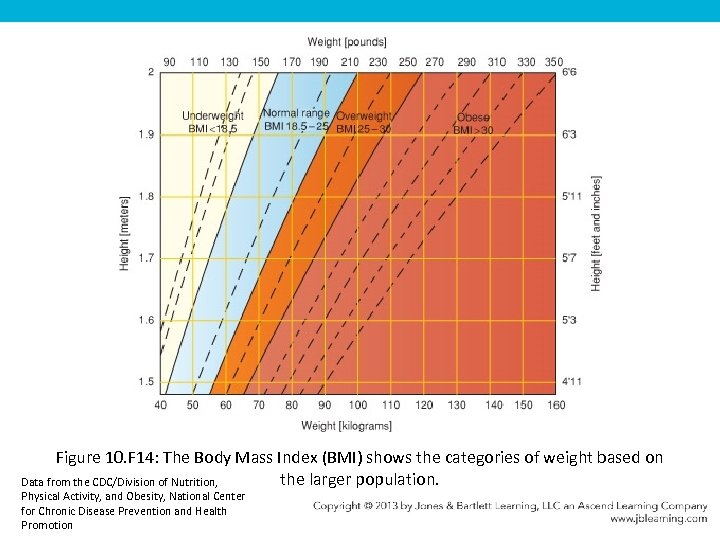 Figure 10. F 14: The Body Mass Index (BMI) shows the categories of weight based on the larger population. Data from the CDC/Division of Nutrition, Physical Activity, and Obesity, National Center for Chronic Disease Prevention and Health Promotion
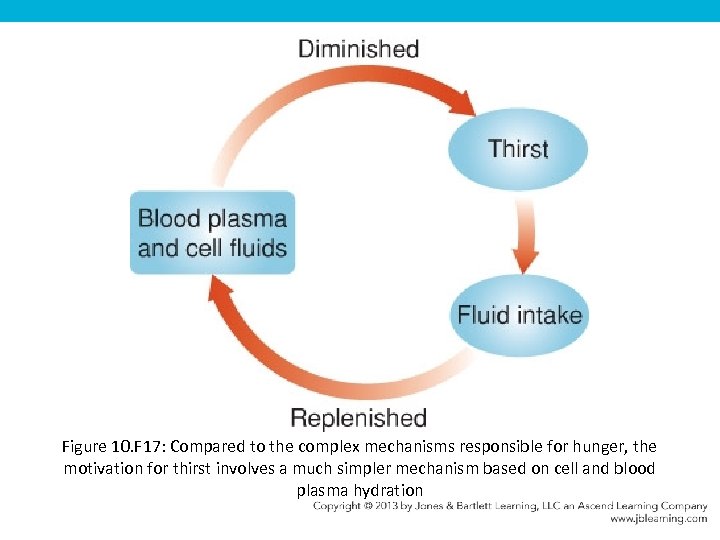 Figure 10. F 17: Compared to the complex mechanisms responsible for hunger, the motivation for thirst involves a much simpler mechanism based on cell and blood plasma hydration
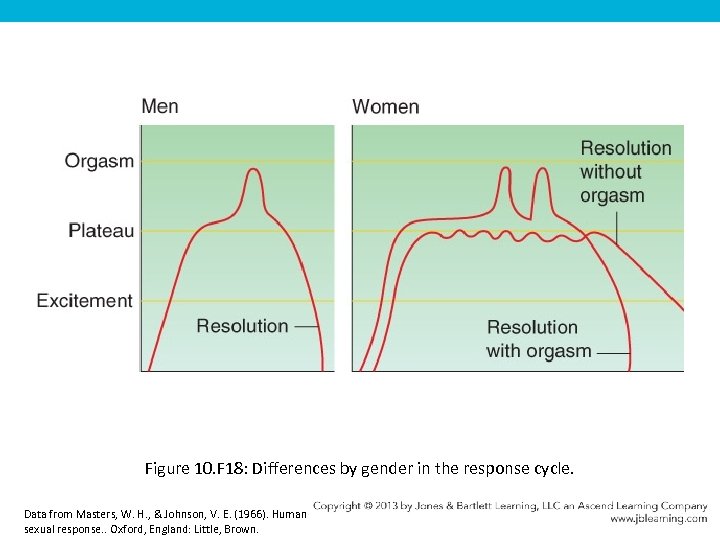 Figure 10. F 18: Differences by gender in the response cycle. Data from Masters, W. H. , & Johnson, V. E. (1966). Human sexual response. . Oxford, England: Little, Brown.
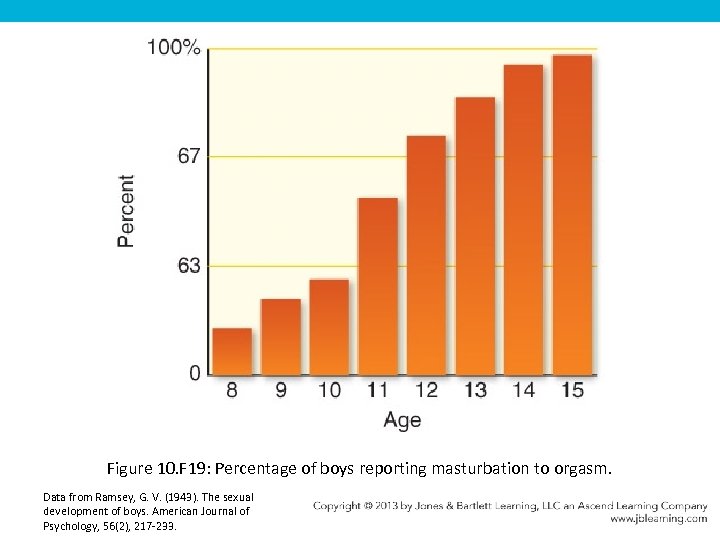 Figure 10. F 19: Percentage of boys reporting masturbation to orgasm. Data from Ramsey, G. V. (1943). The sexual development of boys. American Journal of Psychology, 56(2), 217 -233.
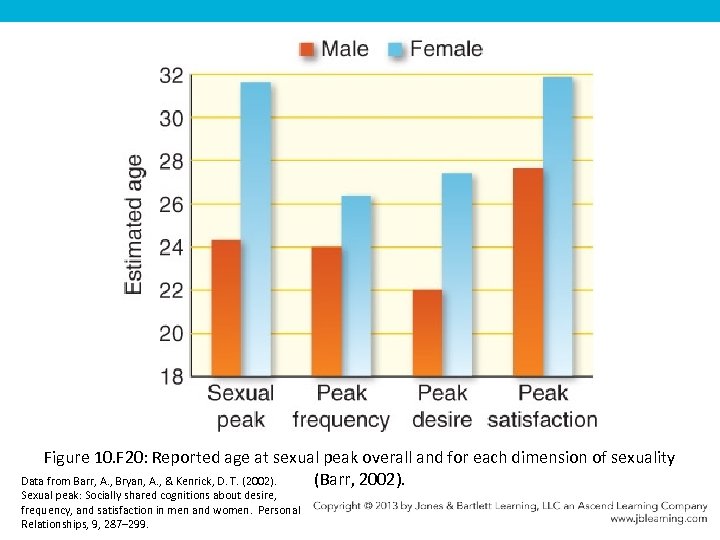 Figure 10. F 20: Reported age at sexual peak overall and for each dimension of sexuality (Barr, 2002). Data from Barr, A. , Bryan, A. , & Kenrick, D. T. (2002). Sexual peak: Socially shared cognitions about desire, frequency, and satisfaction in men and women. Personal Relationships, 9, 287– 299.
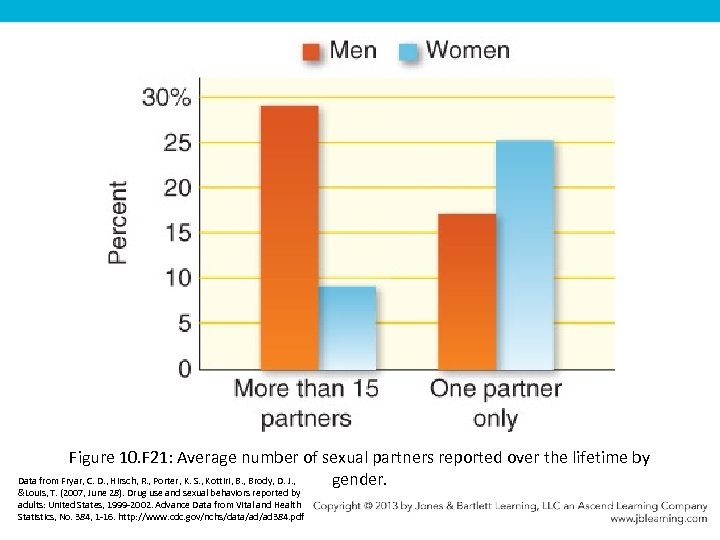 Figure 10. F 21: Average number of sexual partners reported over the lifetime by Data from Fryar, C. D. , Hirsch, R. , Porter, K. S. , Kottiri, B. , Brody, D. J. , gender. &Louis, T. (2007, June 28). Drug use and sexual behaviors reported by adults: United States, 1999 -2002. Advance Data from Vital and Health Statistics, No. 384, 1 -16. http: //www. cdc. gov/nchs/data/ad/ad 384. pdf
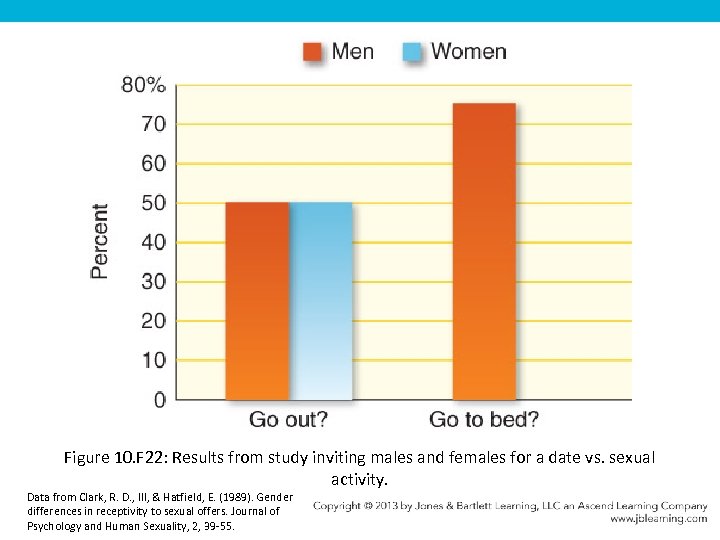 Figure 10. F 22: Results from study inviting males and females for a date vs. sexual activity. Data from Clark, R. D. , III, & Hatfield, E. (1989). Gender differences in receptivity to sexual offers. Journal of Psychology and Human Sexuality, 2, 39 -55.
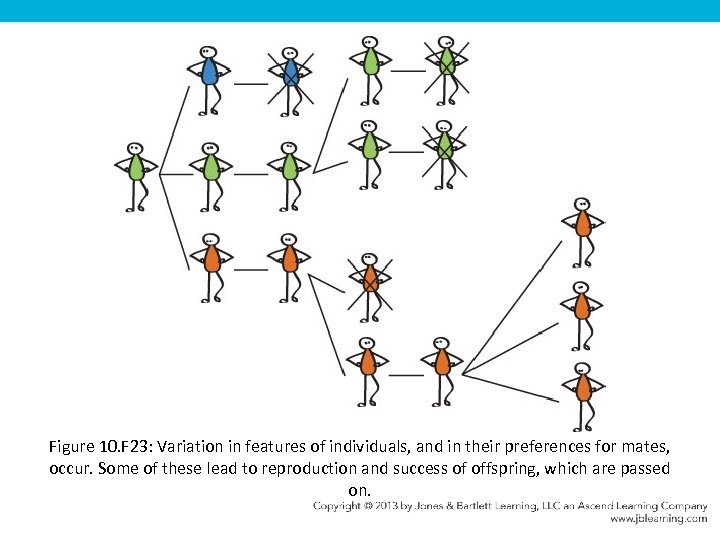 Figure 10. F 23: Variation in features of individuals, and in their preferences for mates, occur. Some of these lead to reproduction and success of offspring, which are passed on.
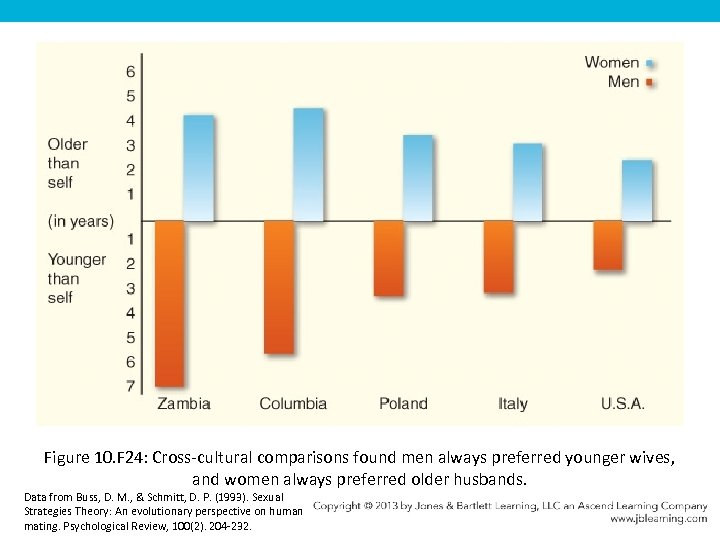 Figure 10. F 24: Cross-cultural comparisons found men always preferred younger wives, and women always preferred older husbands. Data from Buss, D. M. , & Schmitt, D. P. (1993). Sexual Strategies Theory: An evolutionary perspective on human mating. Psychological Review, 100(2). 204 -232.
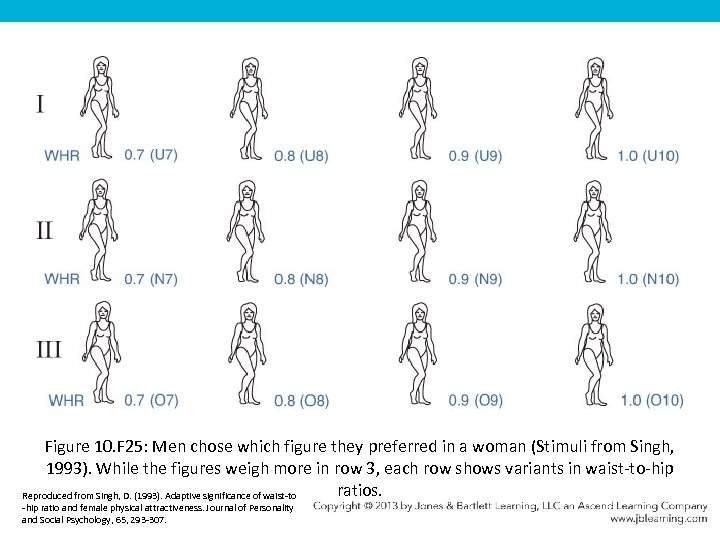 Figure 10. F 25: Men chose which figure they preferred in a woman (Stimuli from Singh, 1993). While the figures weigh more in row 3, each row shows variants in waist-to-hip ratios. Reproduced from Singh, D. (1993). Adaptive significance of waist-to -hip ratio and female physical attractiveness. Journal of Personality and Social Psychology, 65, 293 -307.
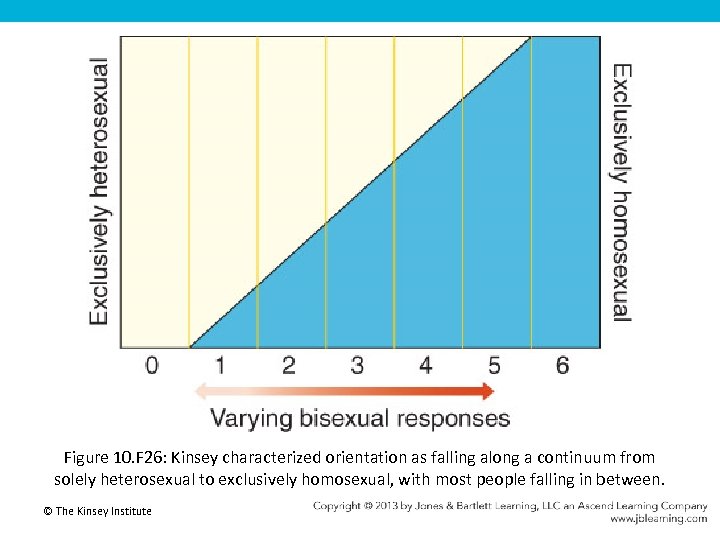 Figure 10. F 26: Kinsey characterized orientation as falling along a continuum from solely heterosexual to exclusively homosexual, with most people falling in between. © The Kinsey Institute
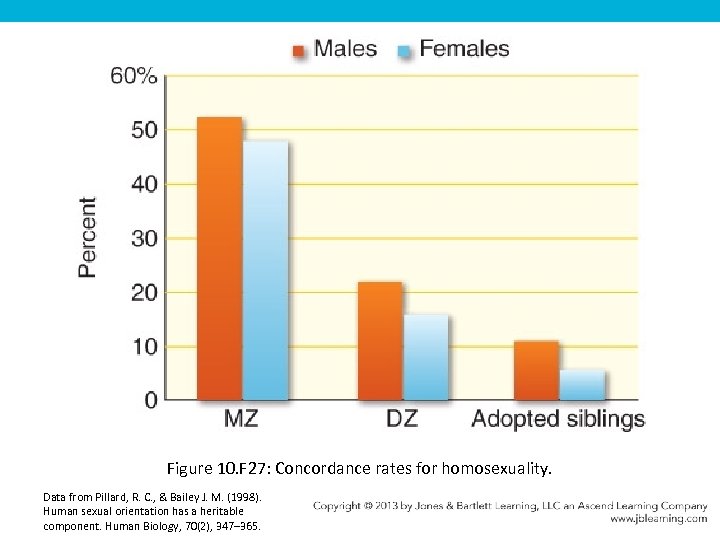 Figure 10. F 27: Concordance rates for homosexuality. Data from Pillard, R. C. , & Bailey J. M. (1998). Human sexual orientation has a heritable component. Human Biology, 70(2), 347– 365.
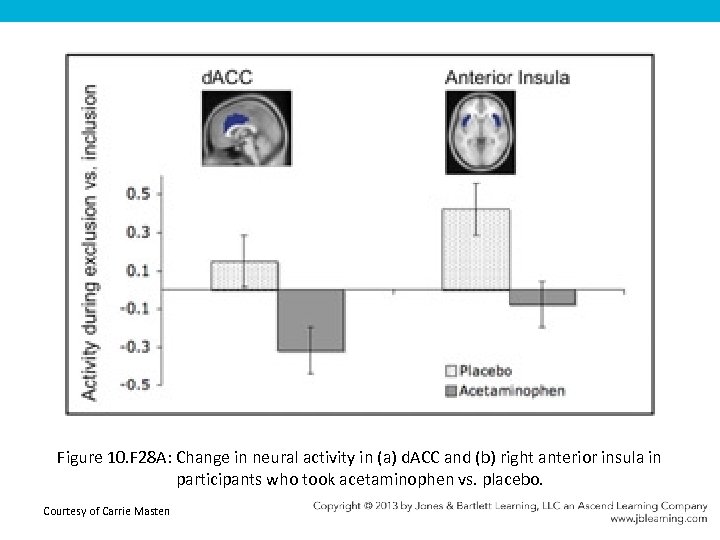 Figure 10. F 28 A: Change in neural activity in (a) d. ACC and (b) right anterior insula in participants who took acetaminophen vs. placebo. Courtesy of Carrie Masten
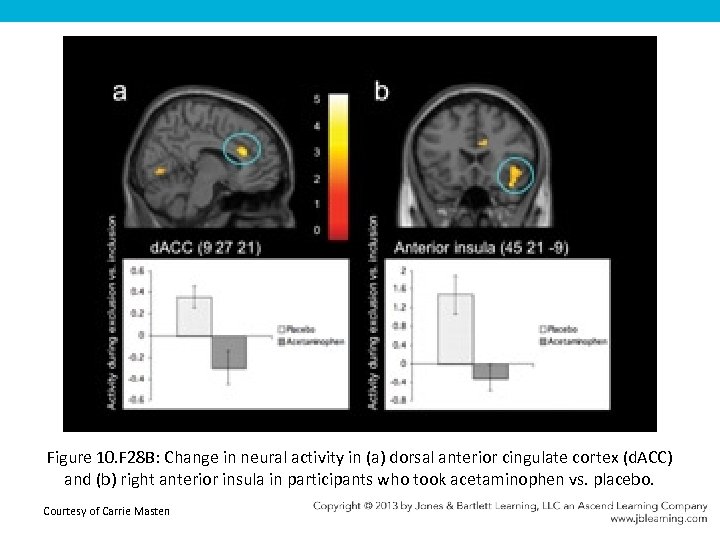 Figure 10. F 28 B: Change in neural activity in (a) dorsal anterior cingulate cortex (d. ACC) and (b) right anterior insula in participants who took acetaminophen vs. placebo. Courtesy of Carrie Masten
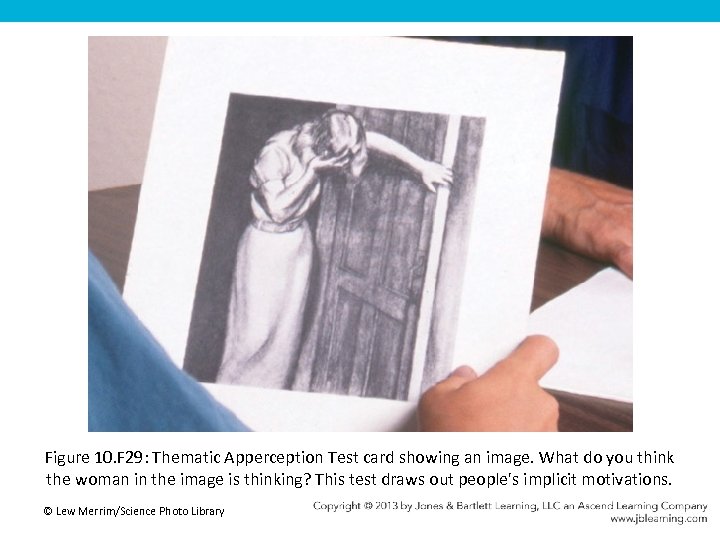 Figure 10. F 29: Thematic Apperception Test card showing an image. What do you think the woman in the image is thinking? This test draws out people's implicit motivations. © Lew Merrim/Science Photo Library
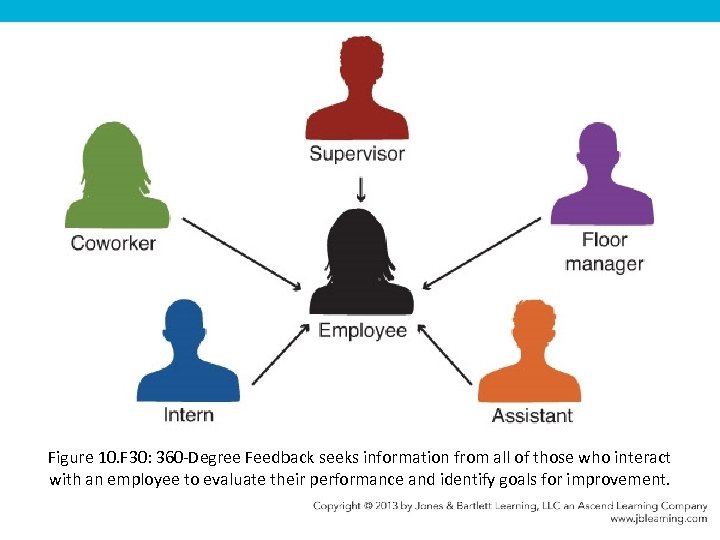 Figure 10. F 30: 360 -Degree Feedback seeks information from all of those who interact with an employee to evaluate their performance and identify goals for improvement.
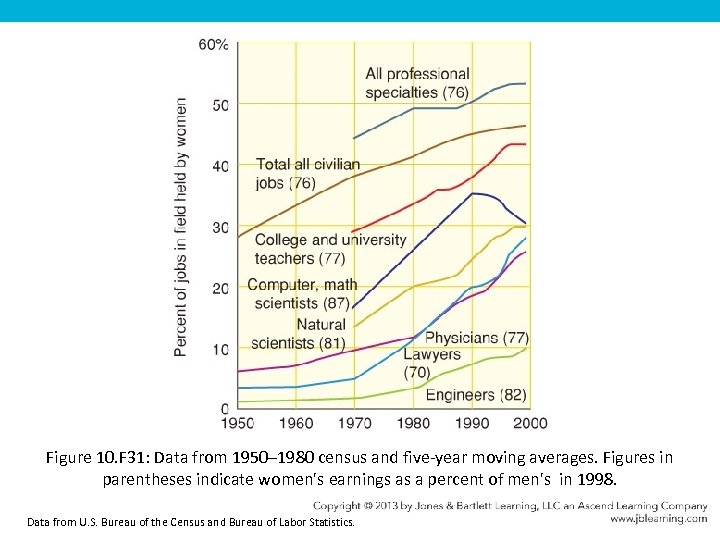 Figure 10. F 31: Data from 1950– 1980 census and five-year moving averages. Figures in parentheses indicate women's earnings as a percent of men's in 1998. Data from U. S. Bureau of the Census and Bureau of Labor Statistics.
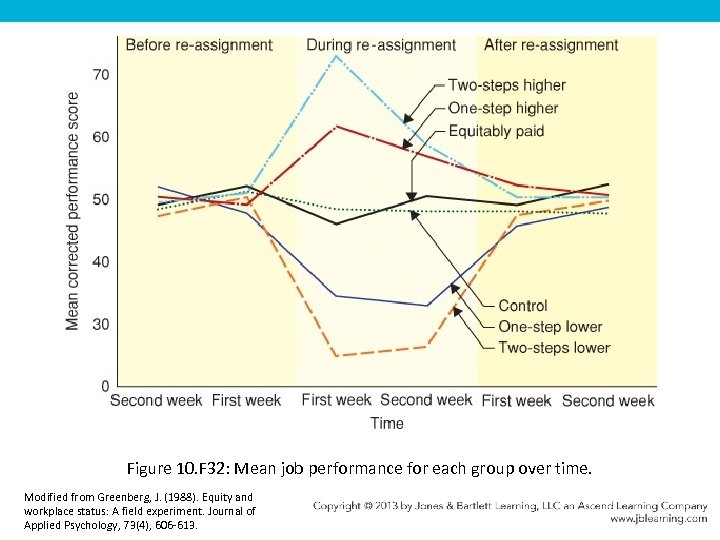 Figure 10. F 32: Mean job performance for each group over time. Modified from Greenberg, J. (1988). Equity and workplace status: A field experiment. Journal of Applied Psychology, 73(4), 606 -613.
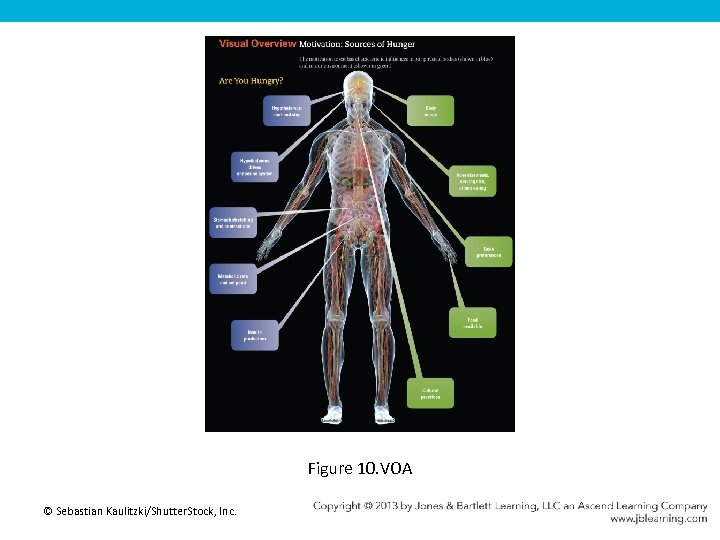 Figure 10. VOA © Sebastian Kaulitzki/Shutter. Stock, Inc.
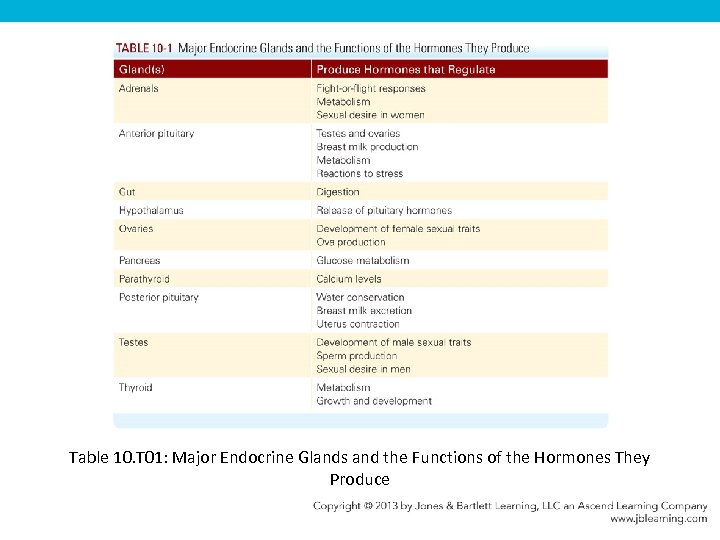 Table 10. T 01: Major Endocrine Glands and the Functions of the Hormones They Produce
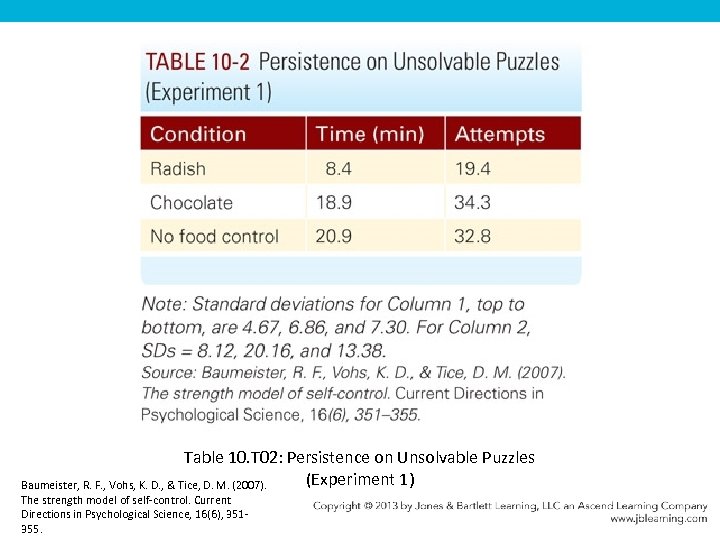 Table 10. T 02: Persistence on Unsolvable Puzzles (Experiment 1) Baumeister, R. F. , Vohs, K. D. , & Tice, D. M. (2007). The strength model of self-control. Current Directions in Psychological Science, 16(6), 351355.
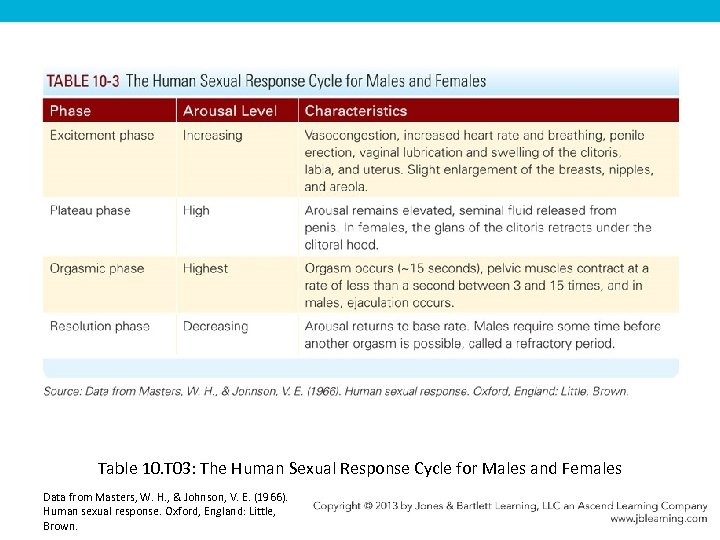 Table 10. T 03: The Human Sexual Response Cycle for Males and Females Data from Masters, W. H. , & Johnson, V. E. (1966). Human sexual response. Oxford, England: Little, Brown.
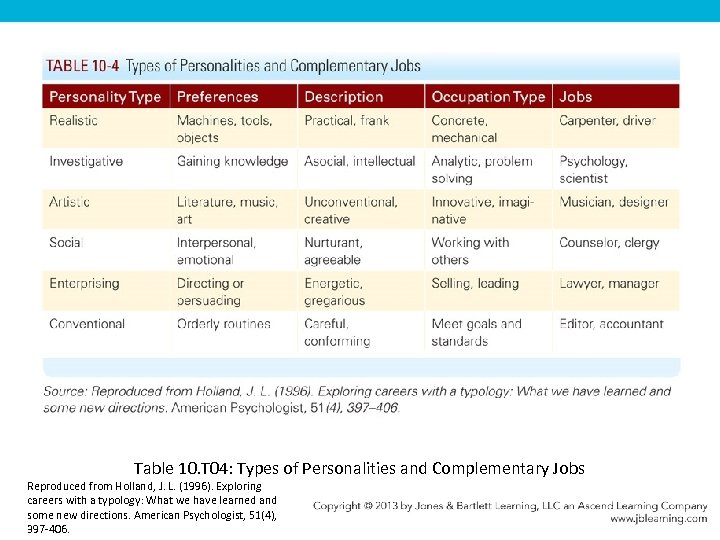 Table 10. T 04: Types of Personalities and Complementary Jobs Reproduced from Holland, J. L. (1996). Exploring careers with a typology: What we have learned and some new directions. American Psychologist, 51(4), 397 -406.
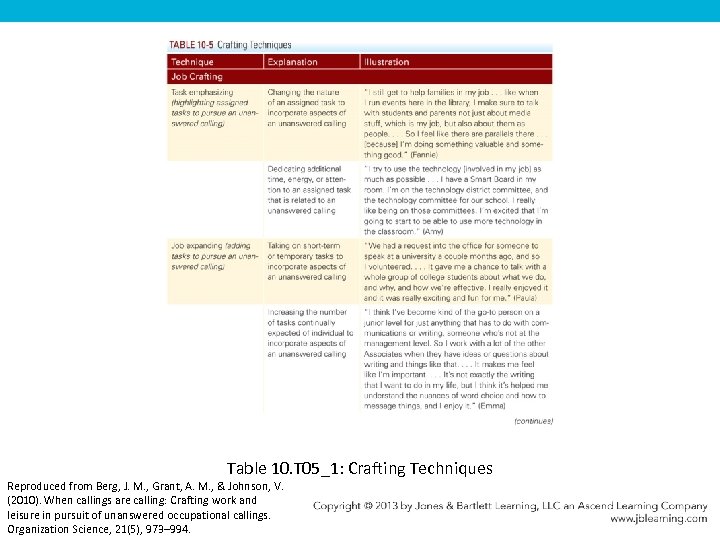 Table 10. T 05_1: Crafting Techniques Reproduced from Berg, J. M. , Grant, A. M. , & Johnson, V. (2010). When callings are calling: Crafting work and leisure in pursuit of unanswered occupational callings. Organization Science, 21(5), 973– 994.
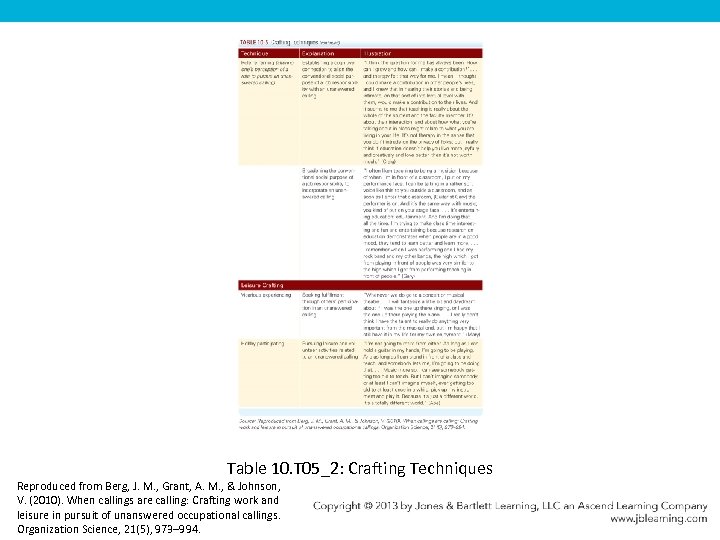 Table 10. T 05_2: Crafting Techniques Reproduced from Berg, J. M. , Grant, A. M. , & Johnson, V. (2010). When callings are calling: Crafting work and leisure in pursuit of unanswered occupational callings. Organization Science, 21(5), 973– 994.
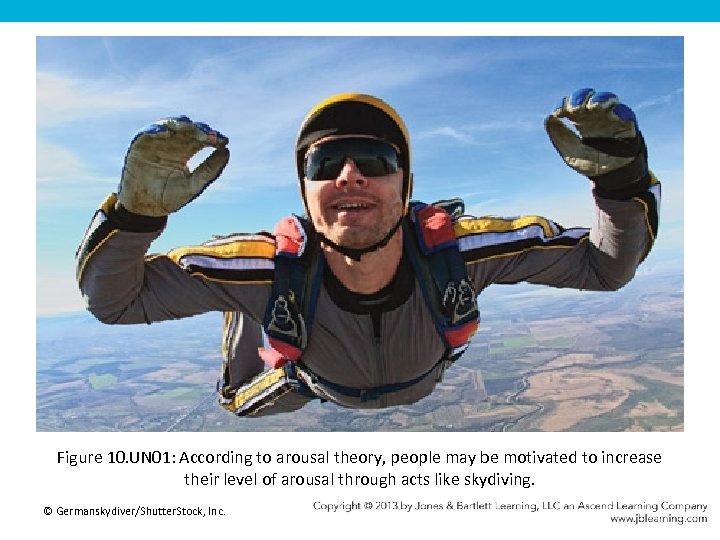 Figure 10. UN 01: According to arousal theory, people may be motivated to increase their level of arousal through acts like skydiving. © Germanskydiver/Shutter. Stock, Inc.
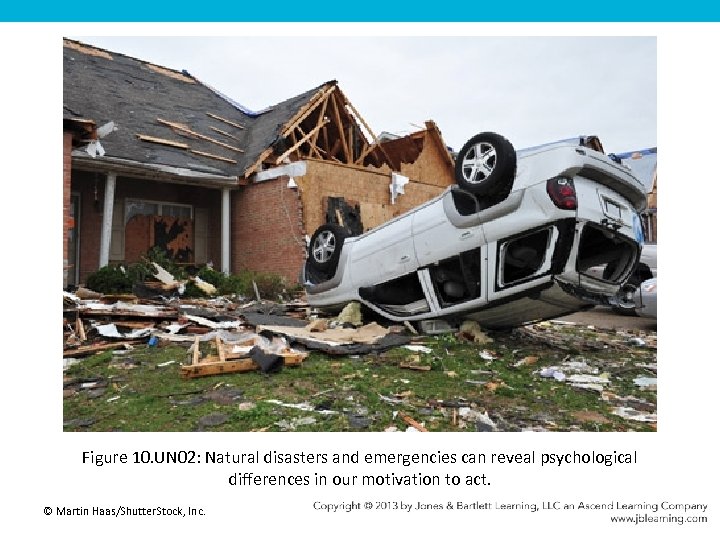 Figure 10. UN 02: Natural disasters and emergencies can reveal psychological differences in our motivation to act. © Martin Haas/Shutter. Stock, Inc.
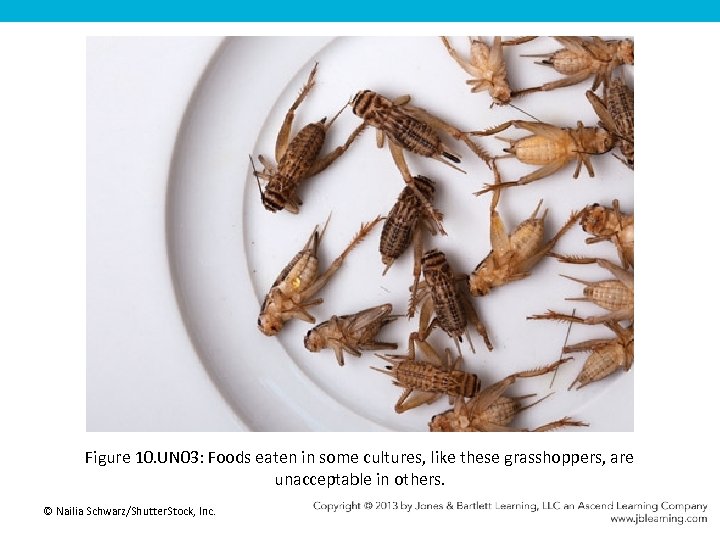 Figure 10. UN 03: Foods eaten in some cultures, like these grasshoppers, are unacceptable in others. © Nailia Schwarz/Shutter. Stock, Inc.
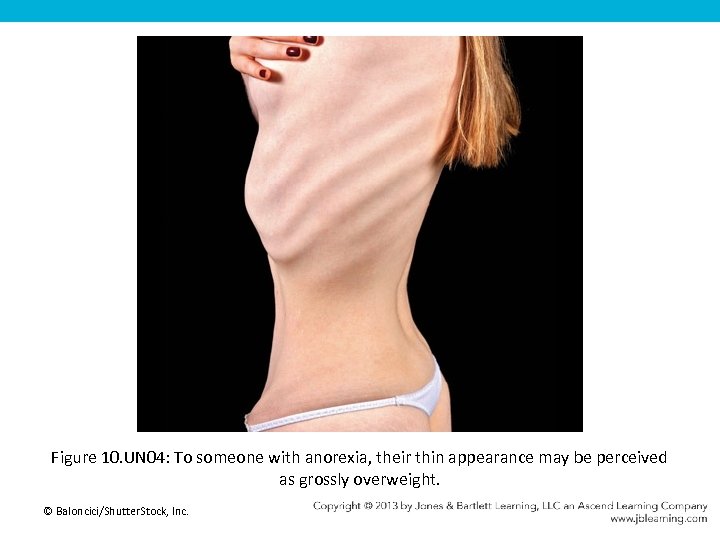 Figure 10. UN 04: To someone with anorexia, their thin appearance may be perceived as grossly overweight. © Baloncici/Shutter. Stock, Inc.
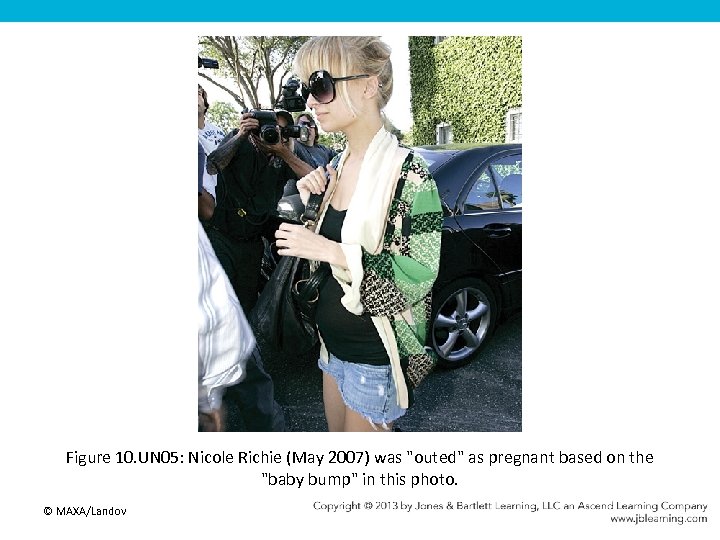 Figure 10. UN 05: Nicole Richie (May 2007) was "outed" as pregnant based on the "baby bump" in this photo. © MAXA/Landov
 Figure 10. UN 06: When you see someone drinking from a large water bottle, do you think of their behavior as driven by psychology? © David Mzareulyan/Shutter. Stock, Inc.
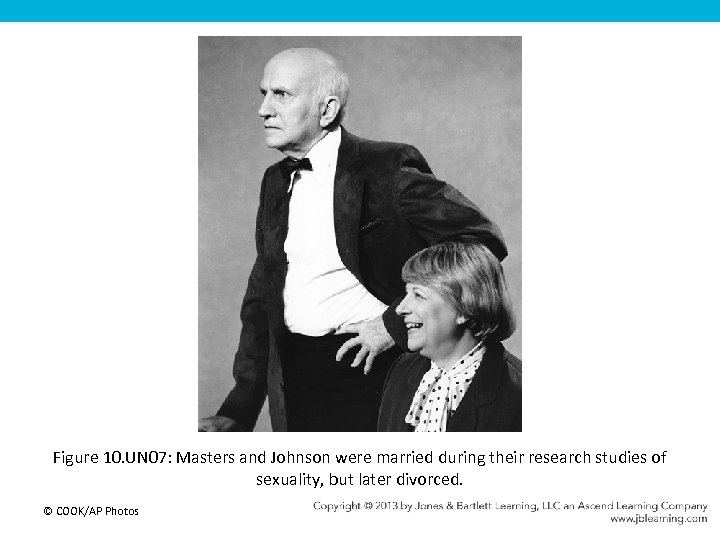 Figure 10. UN 07: Masters and Johnson were married during their research studies of sexuality, but later divorced. © COOK/AP Photos
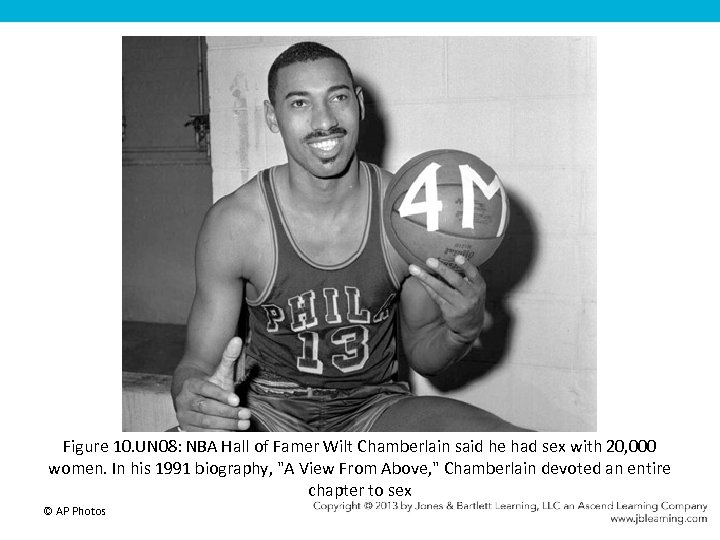 Figure 10. UN 08: NBA Hall of Famer Wilt Chamberlain said he had sex with 20, 000 women. In his 1991 biography, "A View From Above, " Chamberlain devoted an entire chapter to sex © AP Photos
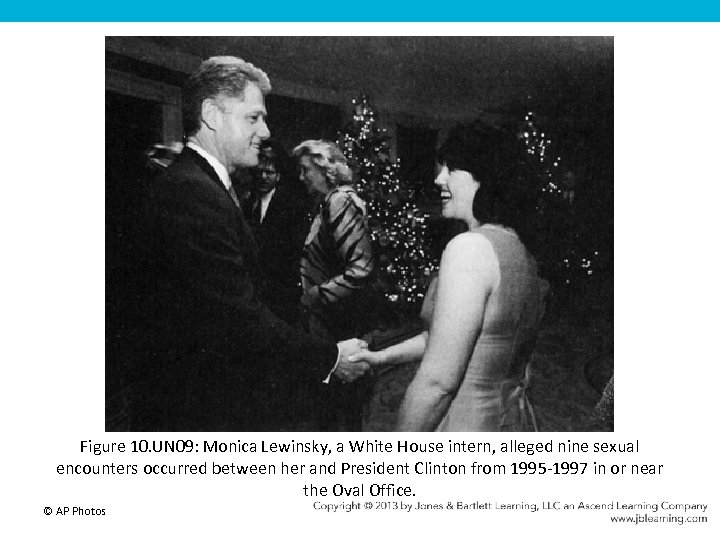 Figure 10. UN 09: Monica Lewinsky, a White House intern, alleged nine sexual encounters occurred between her and President Clinton from 1995 -1997 in or near the Oval Office. © AP Photos
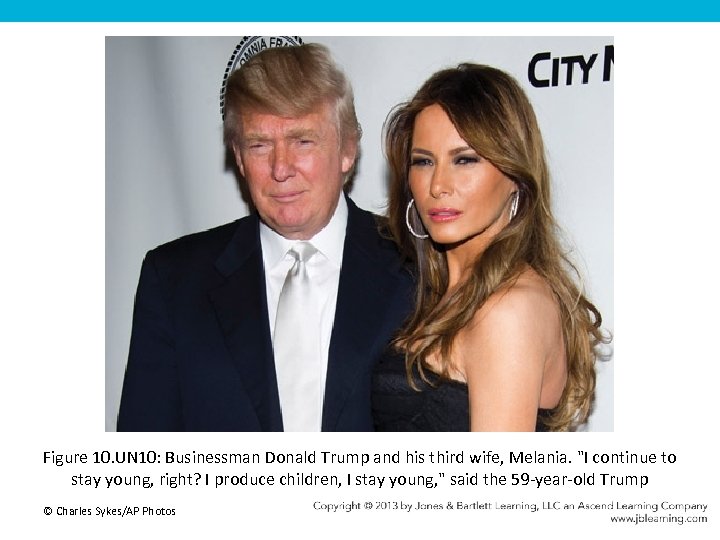 Figure 10. UN 10: Businessman Donald Trump and his third wife, Melania. "I continue to stay young, right? I produce children, I stay young, " said the 59 -year-old Trump © Charles Sykes/AP Photos
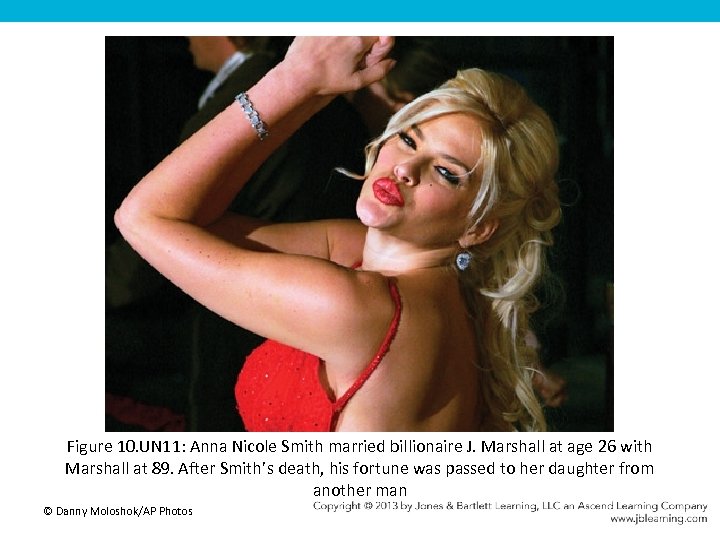 Figure 10. UN 11: Anna Nicole Smith married billionaire J. Marshall at age 26 with Marshall at 89. After Smith’s death, his fortune was passed to her daughter from another man © Danny Moloshok/AP Photos
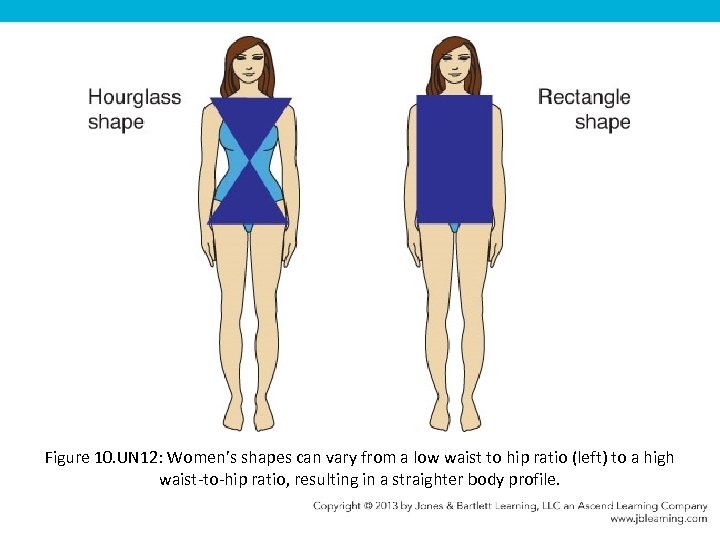 Figure 10. UN 12: Women’s shapes can vary from a low waist to hip ratio (left) to a high waist-to-hip ratio, resulting in a straighter body profile.
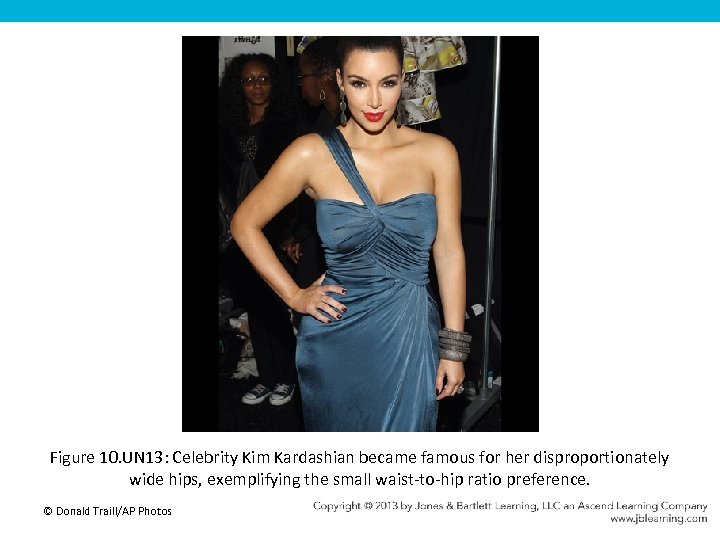 Figure 10. UN 13: Celebrity Kim Kardashian became famous for her disproportionately wide hips, exemplifying the small waist-to-hip ratio preference. © Donald Traill/AP Photos
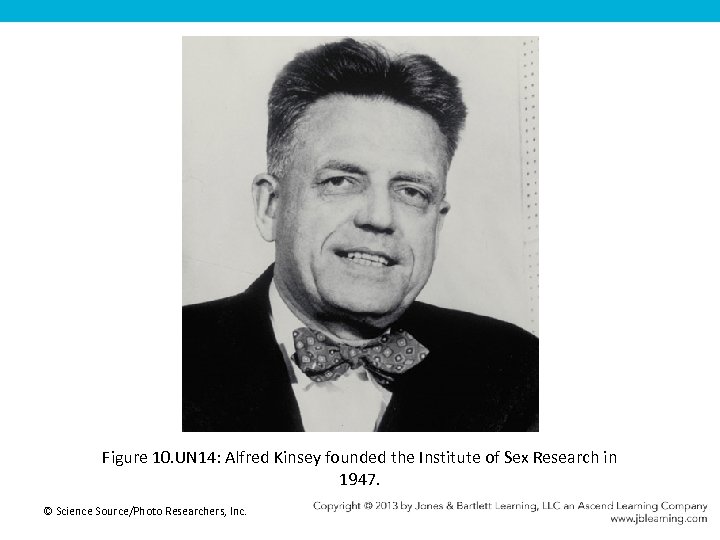 Figure 10. UN 14: Alfred Kinsey founded the Institute of Sex Research in 1947. © Science Source/Photo Researchers, Inc.
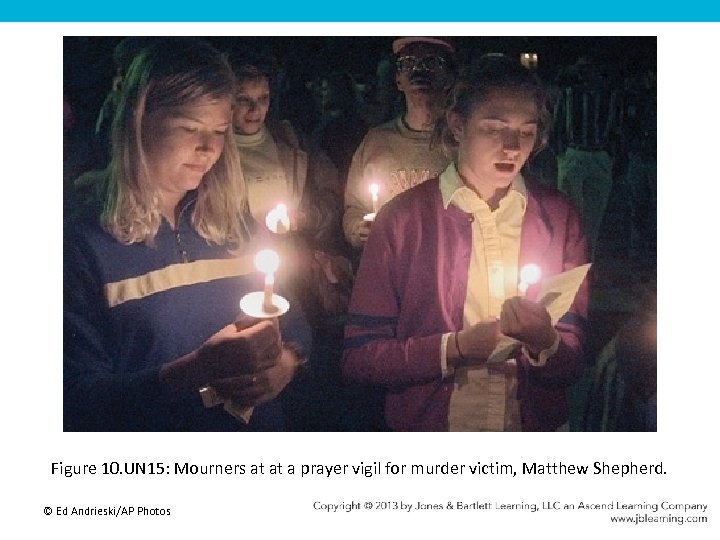 Figure 10. UN 15: Mourners at at a prayer vigil for murder victim, Matthew Shepherd. © Ed Andrieski/AP Photos
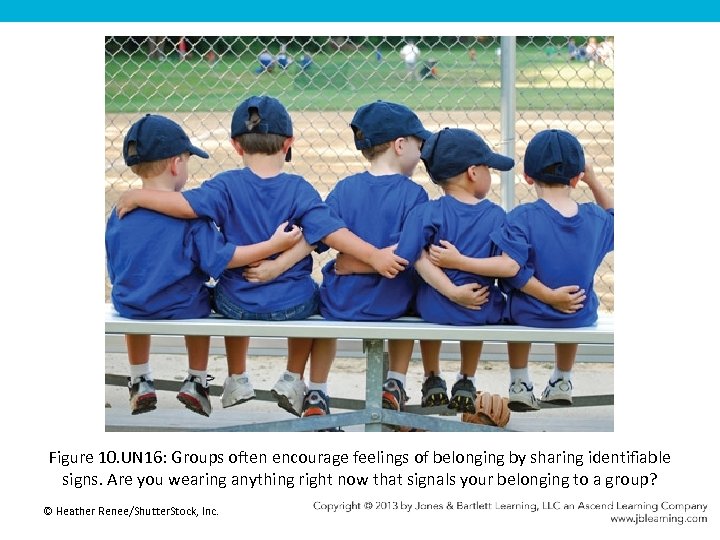 Figure 10. UN 16: Groups often encourage feelings of belonging by sharing identifiable signs. Are you wearing anything right now that signals your belonging to a group? © Heather Renee/Shutter. Stock, Inc.
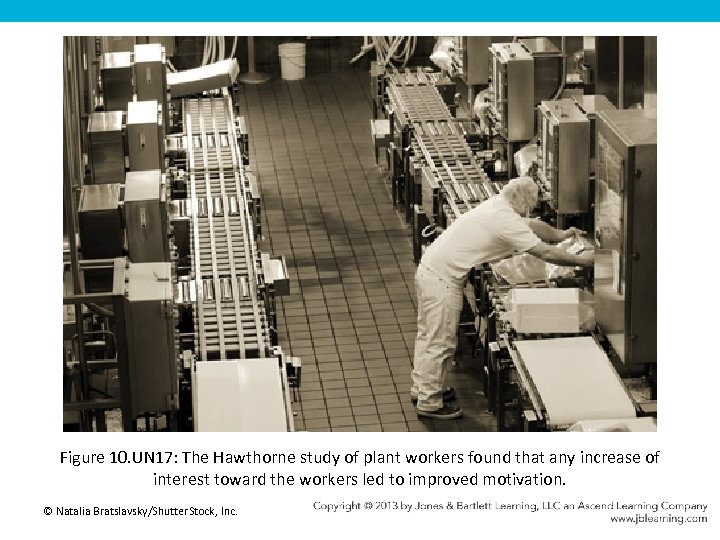 Figure 10. UN 17: The Hawthorne study of plant workers found that any increase of interest toward the workers led to improved motivation. © Natalia Bratslavsky/Shutter. Stock, Inc.