 Скачать презентацию Chapter 04 Managing in the Global Environment Mc
47e6909a8ab26847d8c28d2e3119a3ca.ppt
- Количество слайдов: 15



Chapter 04 Managing in the Global Environment Mc. Graw-Hill/Irwin Copyright © 2013 by The Mc. Graw-Hill Companies, Inc. All rights reserved.
Learning Objectives • Explain why the ability to perceive, interpret, and respond appropriately to the global environment is crucial for managerial success • Differentiate between the global task and global general environments • Identify the main forces in both the global task and general environments and describe the challenges that each force presents to managers 4 -2
Learning Objectives • Explain why the global environment is becoming more open and competitive and identify the forces behind the process of globalization that increase the opportunities, complexities, challenges, and threats that managers face • Discuss why national cultures differ and why it is important that managers be sensitive to the effects of falling trade barriers and regional trade associations on the political and social systems of nations around the world 4 -3
What is the Global Environment? • Global organizations operate and compete in more than one country • Global environment • Set of global forces and conditions that operate beyond an organization’s boundaries but affect a manager’s ability to acquire and utilize resources 4 -4
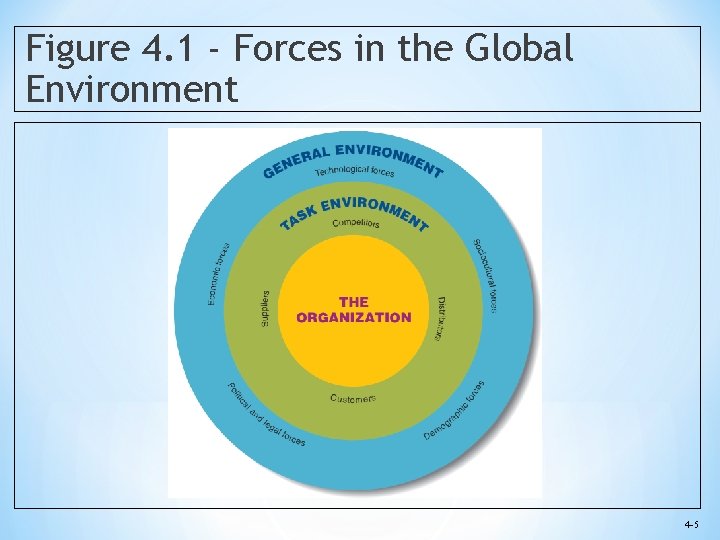
Figure 4. 1 - Forces in the Global Environment 4 -5
What is the Global Environment? • Task environment: Set of forces and conditions that originate with suppliers, distributors, customers, and competitors and affect an organization’s ability to obtain inputs and dispose of its outputs because they influence managers daily • General environment: Wide-ranging global, economic, technological, sociocultural, demographic, political, and legal forces that affect an organization and its task environment 4 -6
The Task Environment • Suppliers: Individuals and organizations that provide an organization with the input resources that it needs to produce goods and services • Global outsourcing: Purchase or production of inputs or final products from overseas suppliers to lower costs and improve product quality or design 4 -7
The Task Environment • Distributors: Organizations that help other organizations sell their goods or services to customers • Customers: Individuals and groups that buy the goods and services that an organization produces • Competitors: Organizations that produce goods and services that are similar to a particular organization’s goods and services 4 -8
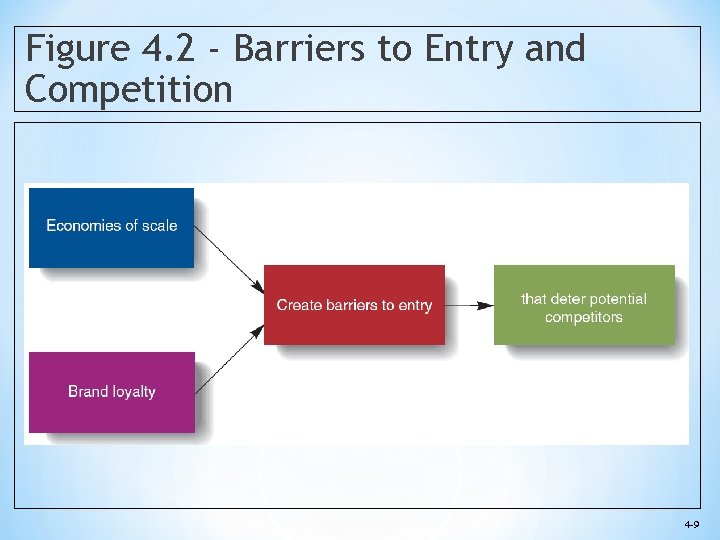
Figure 4. 2 - Barriers to Entry and Competition 4 -9
The General Environment • Economic forces: Interest rates, inflation, unemployment, economic growth, and other factors that affect the general health and wellbeing of a nation or the regional economy of an organization • Technological forces: Changes in the technology that managers use to design, produce, or distribute goods and services 4 -10
The General Environment • Sociocultural forces: Pressures emanating from the social structure of a country or society or from the national culture • Demographic forces: Changes in population characteristics such as age, gender, ethnic origin, race, sexual orientation, and social class • Political and legal forces: Changes in laws and regulations, such as the deregulation of industries, the privatization of organizations, and increased emphasis on environmental protection 4 -11
The Changing Global Environment • Globalization: The set of specific and general forces that work together to integrate and connect economic, political, and social systems across countries, cultures, or geographic regions • Economic advances associated with globalization result from 4 capital flows - Human, Financial, Resource, Political 4 -12
Declining Barriers • Trade and Investment • Free-trade doctrine: Idea that, if each country specializes in the production of the goods and services that it can produce most efficiently, this will make the best use of global resources • Distance and Culture • Advances in communications and transportation technology has reduced the barriers of distance and culture 4 -13
Effects of Free Trade on Managers • Declining trade barriers • Has created enormous opportunities for companies to expand the market for their goods and services through exports and investments in countries overseas • The growth of regional trade agreements such as NAFTA and CAFTA presents opportunities and threats for managers and their organizations 4 -14
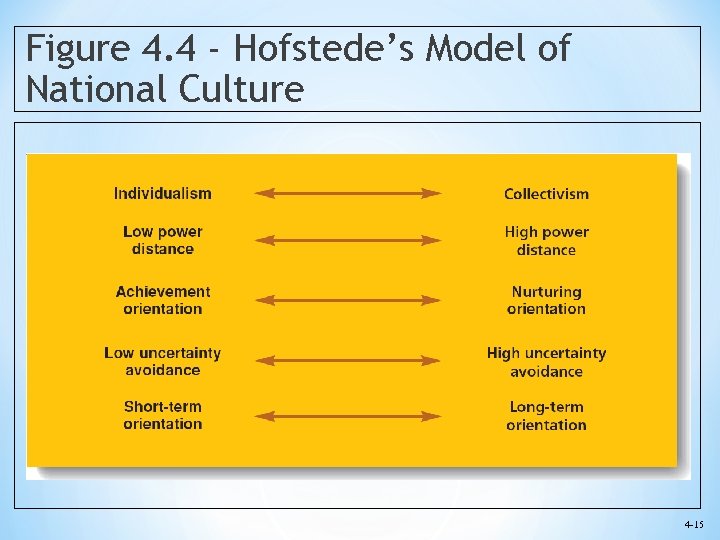
Figure 4. 4 - Hofstede’s Model of National Culture 4 -15
Скачать презентацию Chapter 04 Managing in the Global Environment Mc
47e6909a8ab26847d8c28d2e3119a3ca.ppt