


 Скачать презентацию Changing Practice with Operational Research Kate Sadler Valid
328bb65c7492ca2256dd1ee8fa0827d4.ppt
- Количество слайдов: 27
 Changing Practice with Operational Research Kate Sadler Valid International
 Aims l Changing international practice with simple operational research and well chosen publications: – Community-based therapeutic care (CTC) – Know your audience – Demonstrate need for change – Choose the right research tools – Use a range of data collection instruments – Disseminate results widely and effectively
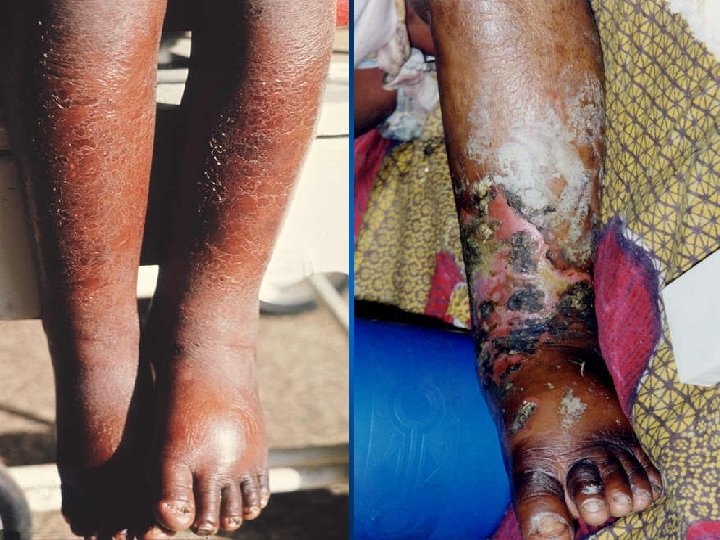
 Community based Therapeutic Care (CTC) 1. Treats acute malnutrition – Marasmus & Kwashiorkor 2. Provide easy access for populations – Decentralised outpatient therapeutic care (OTP) 3. Care in homes not feeding centres or hospitals – Using existing health infrastructure 4. Community mobilisation – Formal and informal networks – Traditional practitioners 5. Uses Ready to Use Therapeutic Foods
 Your Audience – Medical profession, docs • High science – Donors • Cost! – NGOs and implementers • ‘Doable’ • Impact
 Demonstrate need for change l Impact of existing centre-based programmes poor in nutritional emergencies: – Not ‘doable’ – High risks
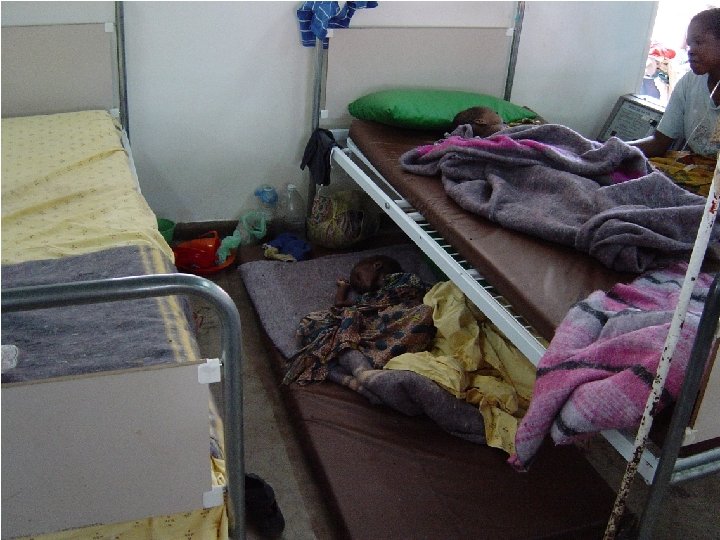
 Demonstrate need for change l Impact of existing centre-based programmes poor in nutritional emergencies: – Not ‘doable’ – High risks – Imbalance coverage : intensity
 ETHIOPIA 2000 BOLLOSSO SORIE
 l One of many highland districts l 400, 000 people - 40 km radius l 20% < 5 years = 80, 000 children < 5 years l 10% severe malnutrition = 8, 000 requiring TFC l TFC programme duration 4 months 20 TFCs REQUIRED (8000 / 400 = 20)
 Choose the right research tools l RCTs – Emergencies - too many external constraints – Humanitarianism? Timely interventions, ethical – Directed a lot of our high quality research to outside emergencies and the REAL suffering – Our experience disaster! l Observational studies, retrospective and prospective cohorts – Easily integrated into ongoing programmes
 Use a range of data collection instruments (1) l Quantitative, qualitative, observation and case studies – Triangulation
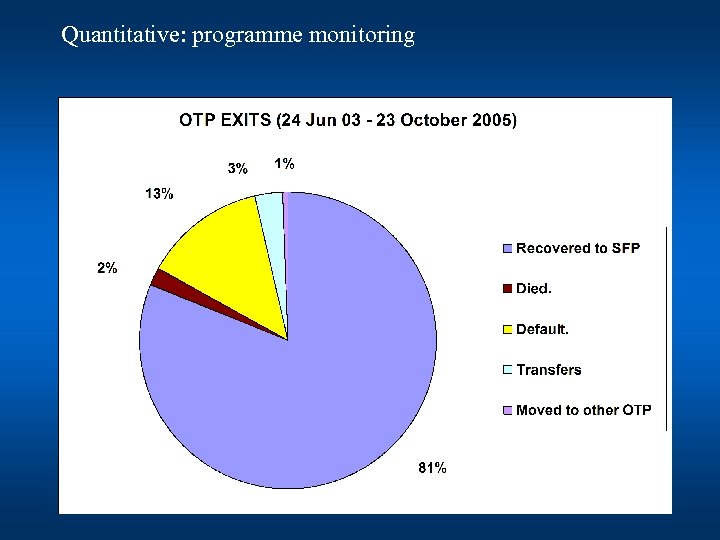 Quantitative: programme monitoring
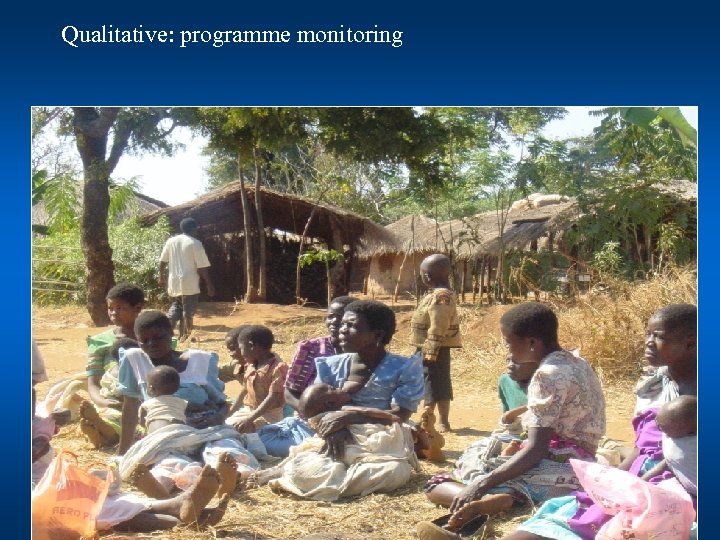 Qualitative: programme monitoring
 l Anthropological studies looking at the acceptability of non-centre based treatment compared to traditional TFC models: – Less disruption to home life – Carers able to fulfil social responsibilities – Improved access – Carers felt sense of empowerment being trusted to care for their kids – Tap into community ethos of looking after each other
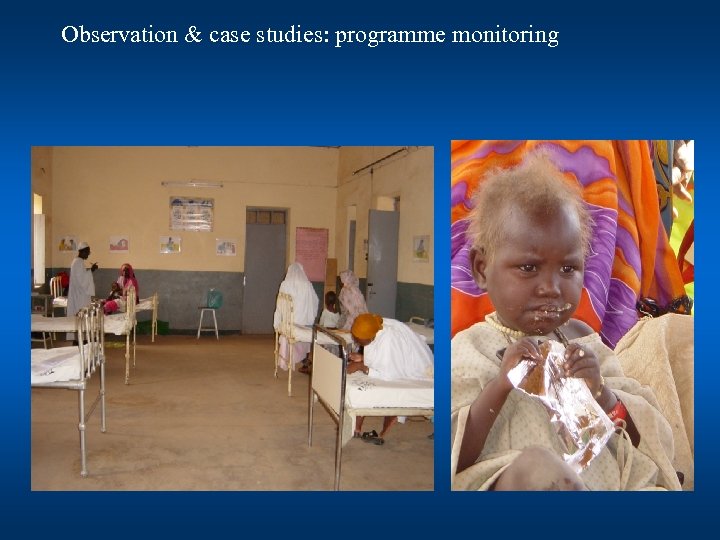 Observation & case studies: programme monitoring
 Use a range of data collection instruments (2) l Meta-data with range of partners – one observational and replicated 20 times. All data comparable and all showed the same thing
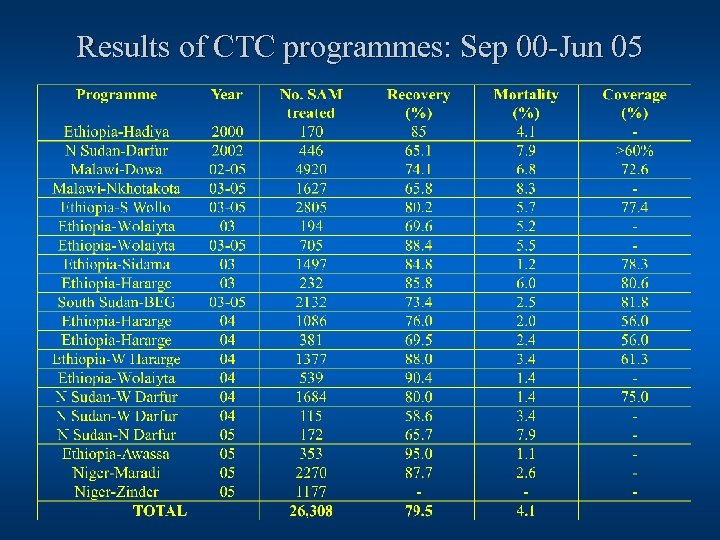 Results of CTC programmes: Sep 00 -Jun 05
 Disseminate results widely and effectively (1) l Use a combination of the right channels of dissemination – High-science journals – difficult? – Low-science journals – Practitioner publications – Meetings and teaching
 Disseminate results widely and effectively (2) l Design message with audience in mind: – Impact: outcomes, coverage
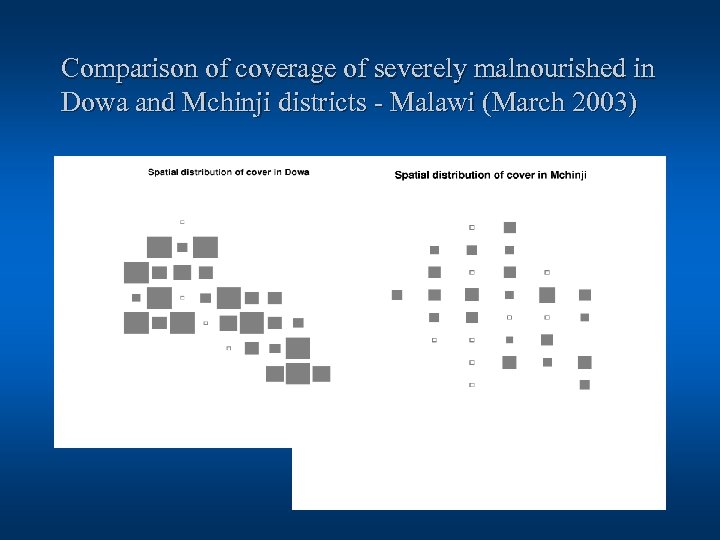 Comparison of coverage of severely malnourished in Dowa and Mchinji districts - Malawi (March 2003)
 Disseminate results widely and effectively (2) l Design message with audience in mind: – Impact: outcomes, coverage – ‘Doability’: simple protocols integrated into national PHC delivery
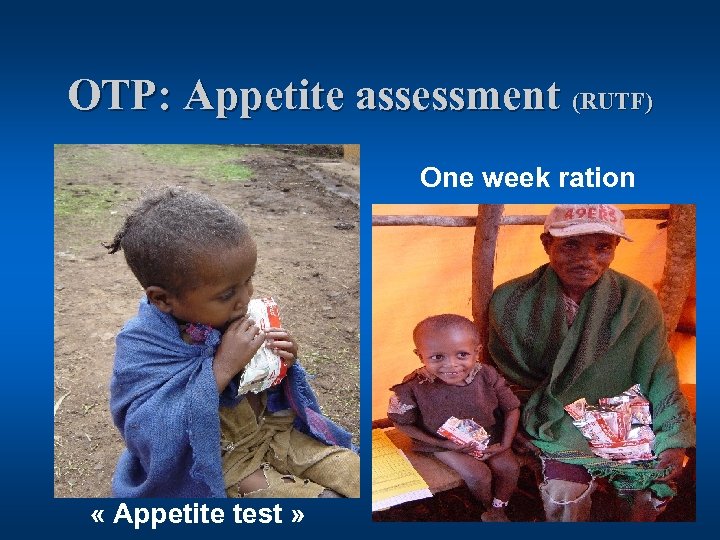 OTP: Appetite assessment (RUTF) One week ration « Appetite test »
 Disseminate results widely and effectively (2) l Design message with audience in mind: – Impact: outcomes, coverage – ‘Doability’: simple protocols integrated into national PHC delivery l For effective communication – Tell a story
 Disseminate results widely and effectively (3) l Don’t be afraid to present problems and failings > credibility
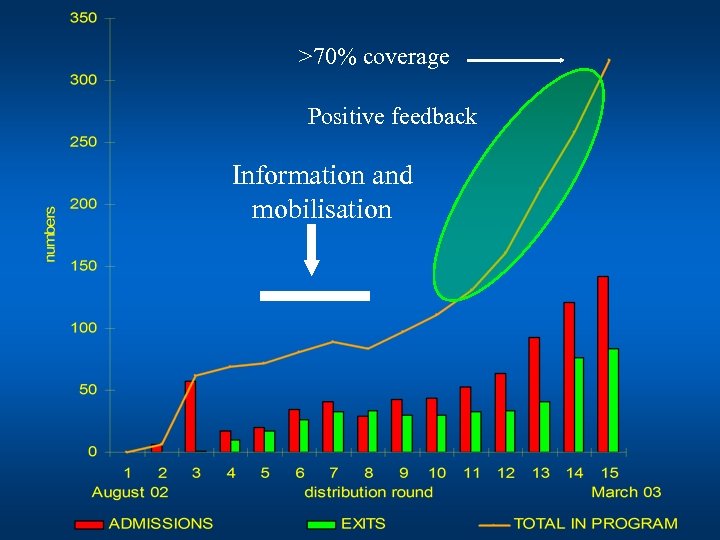 >70% coverage Positive feedback Information and mobilisation
 Conclusions Making a good case for change supports a positive research environment l Choosing the right research tools is key to obtaining rigorous data in emergency settings l Use the right channels of dissemination to reach the target audience l Presentation of research outcomes must focus on information needs of audience l