


 Скачать презентацию CH 2 NH 2 HO OH The Playful
5c4d4579280bebd00932c8530d13b89f.ppt
- Количество слайдов: 50
 CH 2 NH 2 HO OH The Playful Mind Play Behavior and the Neurobiology of Having Fun
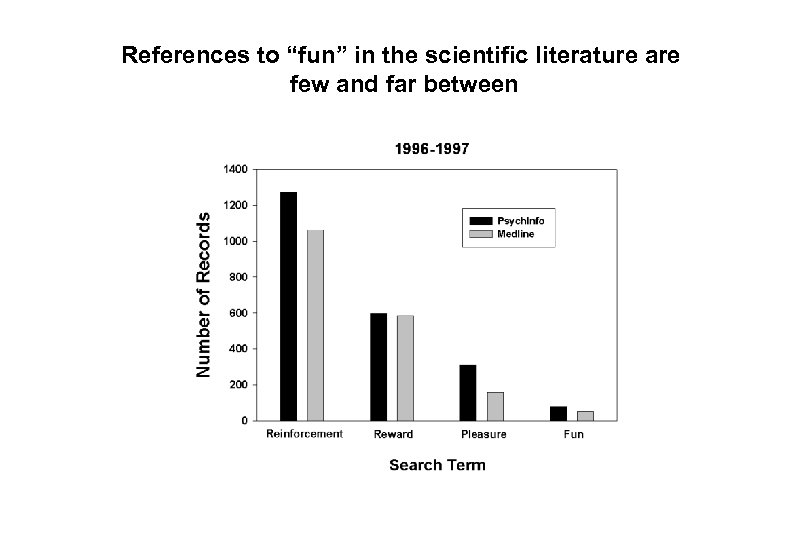 References to “fun” in the scientific literature are few and far between
 Is play fun? • Ask any kid • Rats will run a maze when the opportunity to play is the reward • Rats will prefer an environment where they’ve played over an environment where they haven’t played
 The questions of the day • What exactly is play and how do we study it in a rat? • Is there a neural circuit for play? • Since dopamine is involved in everything else, is it also involved in play? • Are there genes for playfulness? • Can studying play in rats tell us anything about psychiatric conditions in human children? • Is this the “fountain of youth”?
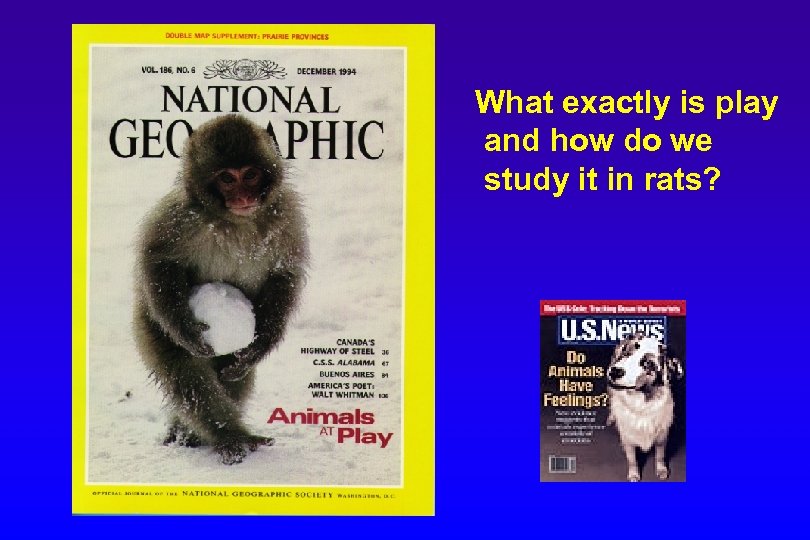 What exactly is play and how do we study it in rats?
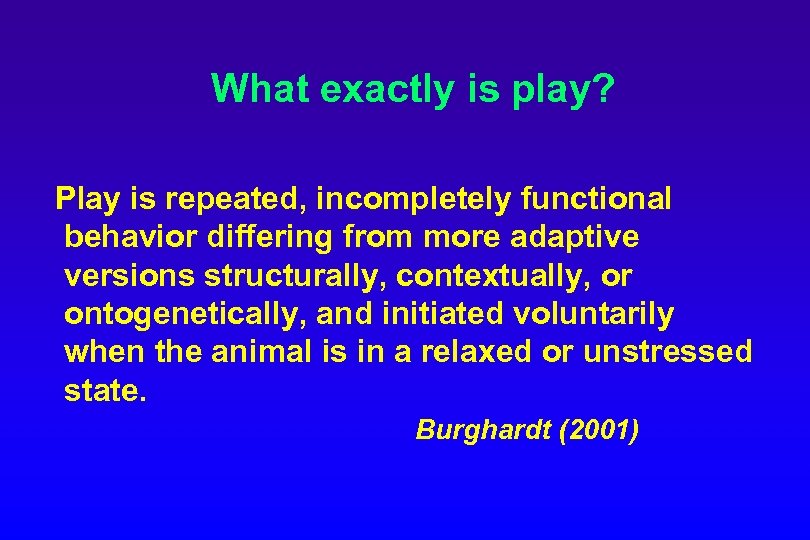 What exactly is play? Play is repeated, incompletely functional behavior differing from more adaptive versions structurally, contextually, or ontogenetically, and initiated voluntarily when the animal is in a relaxed or unstressed state. Burghardt (2001)
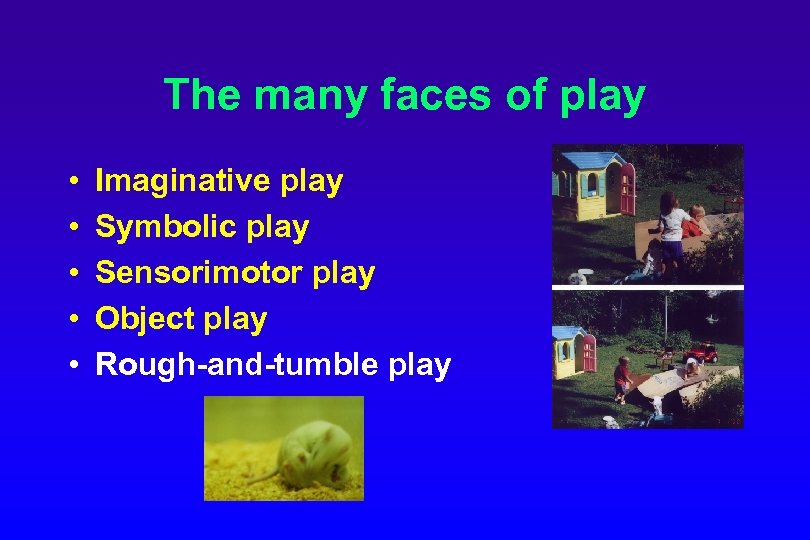 The many faces of play • • • Imaginative play Symbolic play Sensorimotor play Object play Rough-and-tumble play
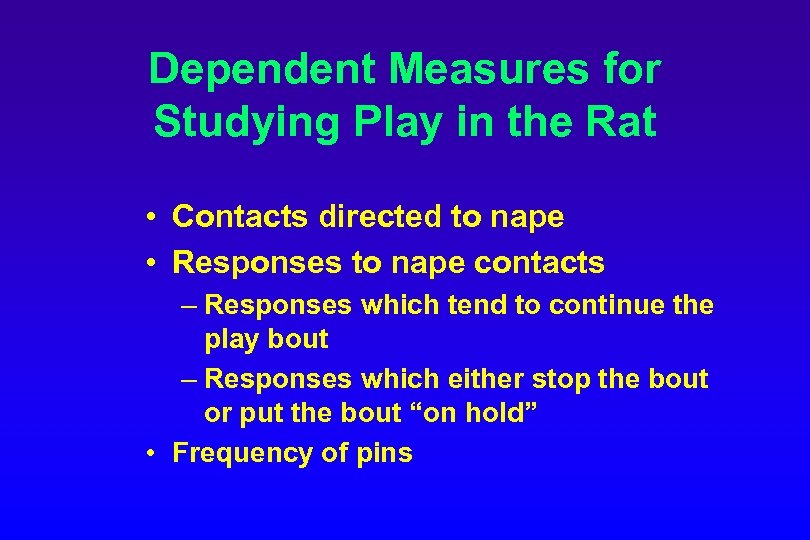 Dependent Measures for Studying Play in the Rat • Contacts directed to nape • Responses to nape contacts – Responses which tend to continue the play bout – Responses which either stop the bout or put the bout “on hold” • Frequency of pins
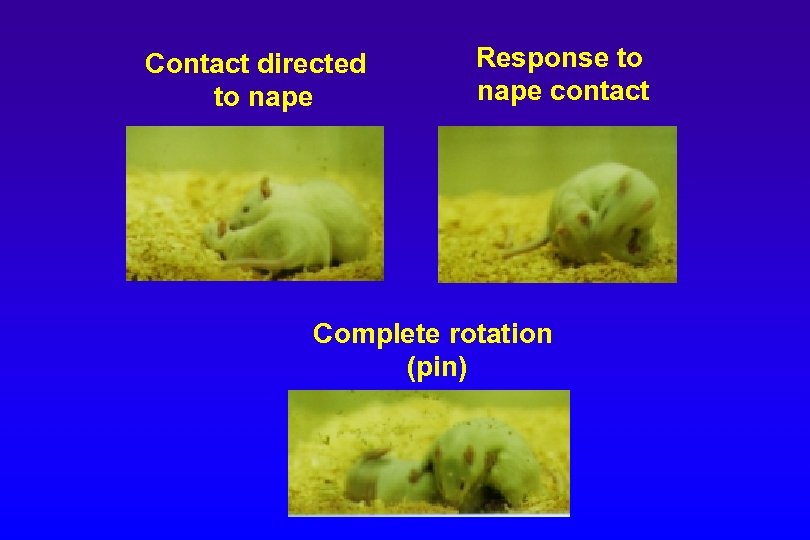 Contact directed to nape Response to nape contact Complete rotation (pin)
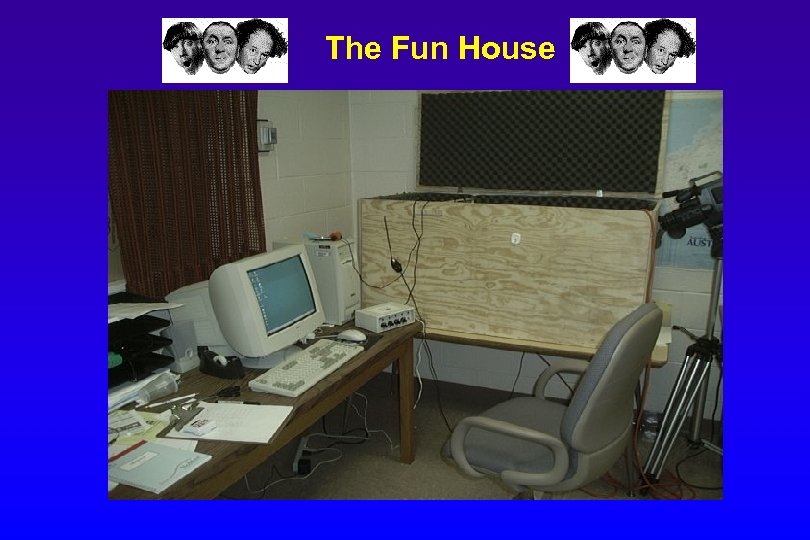 The Fun House
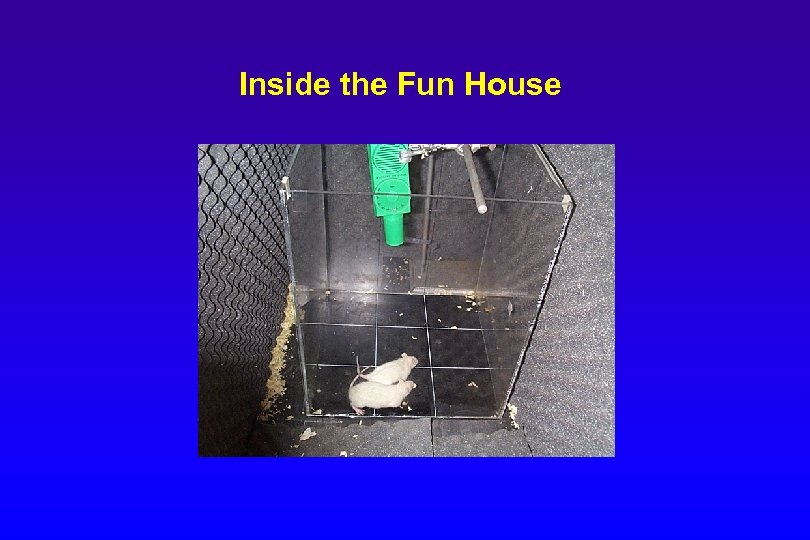 Inside the Fun House
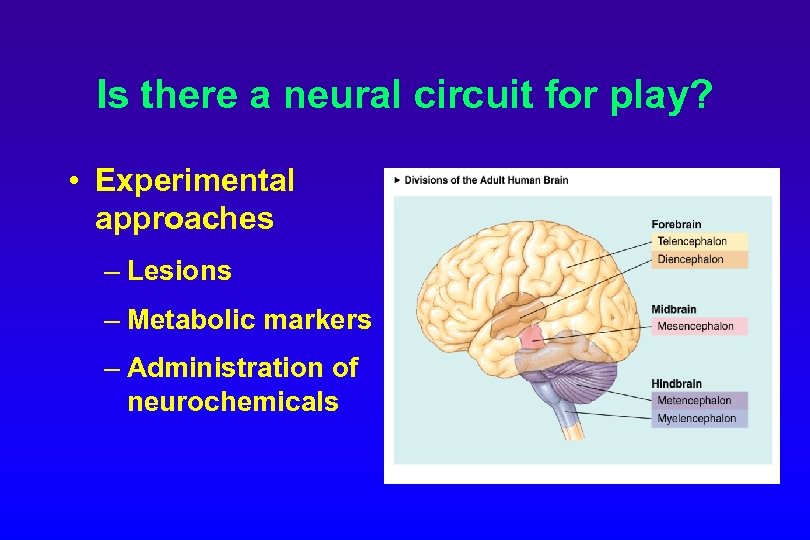 Is there a neural circuit for play? • Experimental approaches – Lesions – Metabolic markers – Administration of neurochemicals
 What do we know? • • Cerebral cortex not that important Thalamic / Somatosensory circuit Basal ganglia circuit Limbic circuit
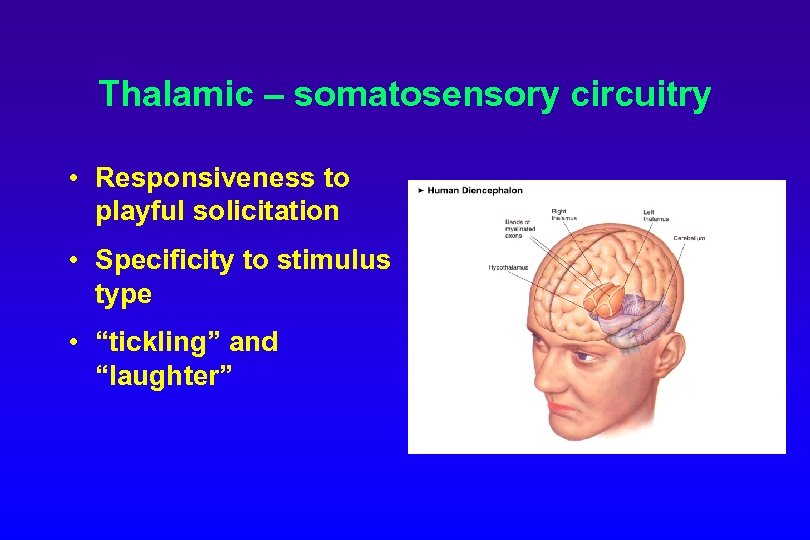 Thalamic – somatosensory circuitry • Responsiveness to playful solicitation • Specificity to stimulus type • “tickling” and “laughter”
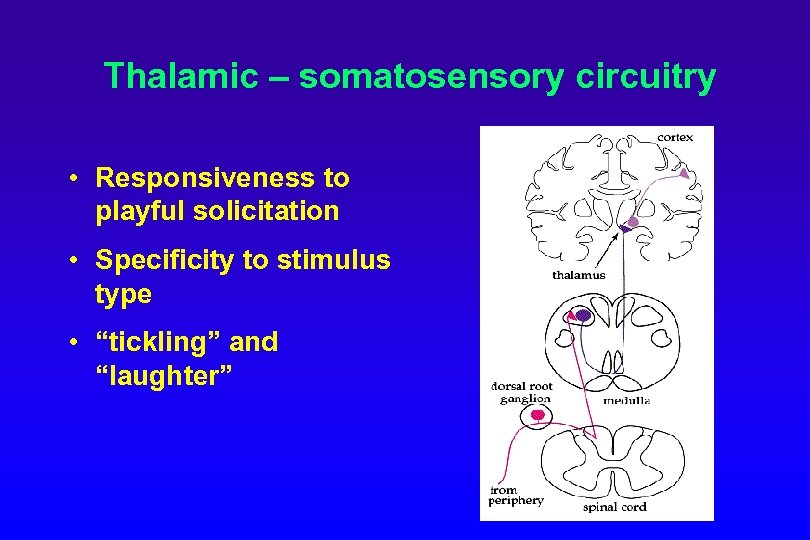 Thalamic – somatosensory circuitry • Responsiveness to playful solicitation • Specificity to stimulus type • “tickling” and “laughter”
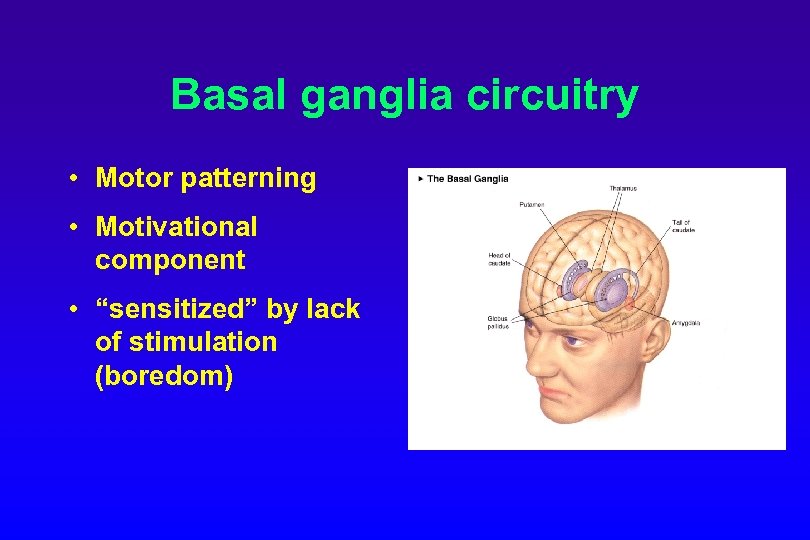 Basal ganglia circuitry • Motor patterning • Motivational component • “sensitized” by lack of stimulation (boredom)
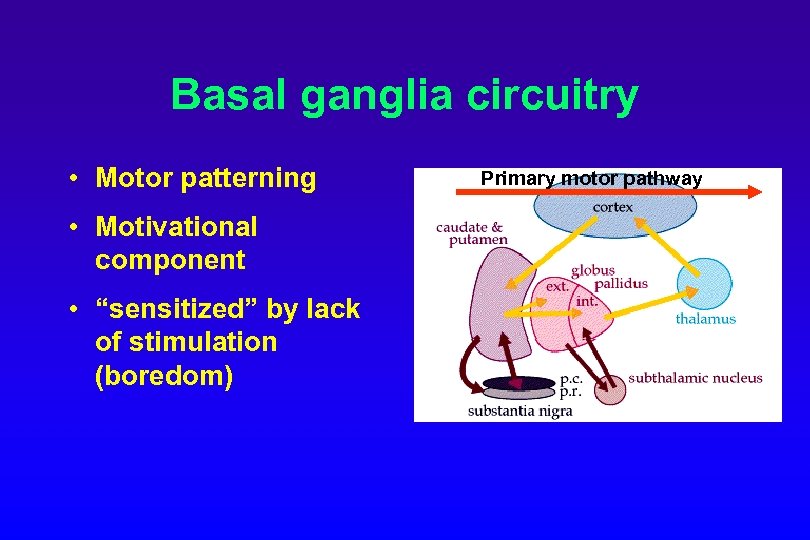 Basal ganglia circuitry • Motor patterning • Motivational component • “sensitized” by lack of stimulation (boredom) Primary motor pathway
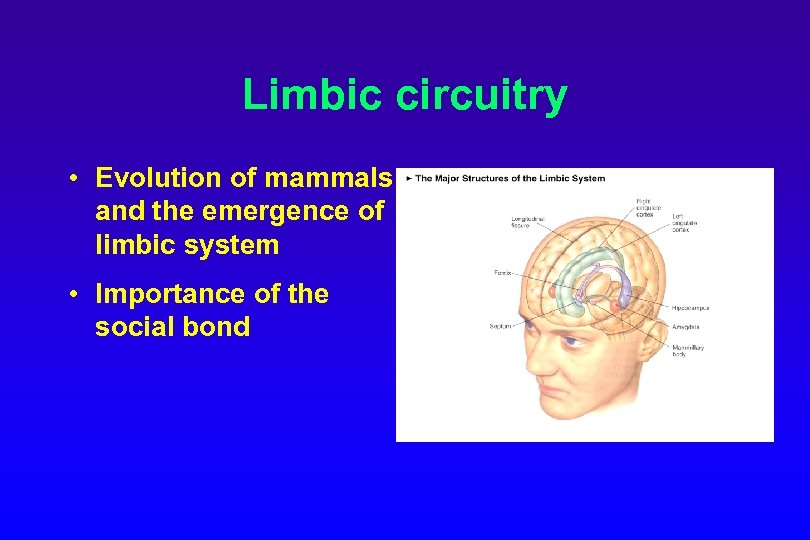 Limbic circuitry • Evolution of mammals and the emergence of limbic system • Importance of the social bond
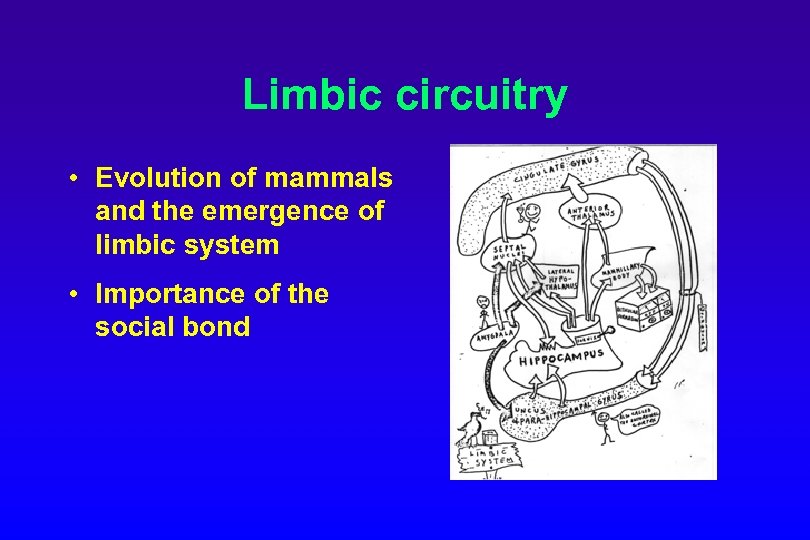 Limbic circuitry • Evolution of mammals and the emergence of limbic system • Importance of the social bond
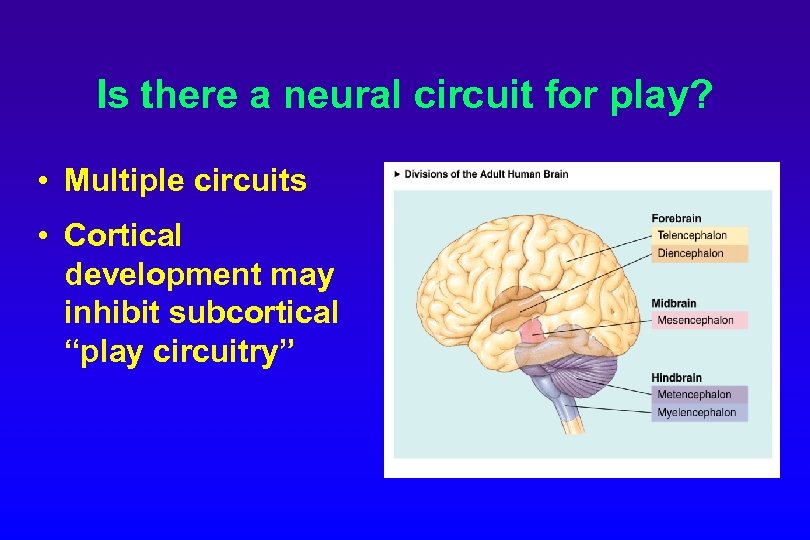 Is there a neural circuit for play? • Multiple circuits • Cortical development may inhibit subcortical “play circuitry”
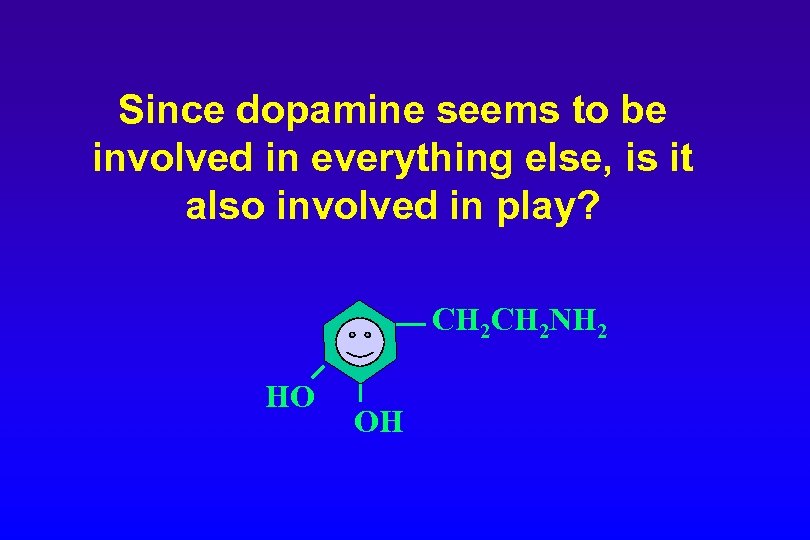 Since dopamine seems to be involved in everything else, is it also involved in play? CH 2 NH 2 HO OH
 “Dopamine, how do I love thee? Let me count the ways”, jokes George Koob, Ph. D. , from the Scripps Institute. Excitement about dopamine is now so high that the danger is not underestimating its reach, but exaggerating it: “Today’s gig is that dopamine is a kind of everyman’s neurotransmitter because it does everything. And the fact is, it doesn’t. “The Plunge of Pleasure” Psychology Today September/October 1997
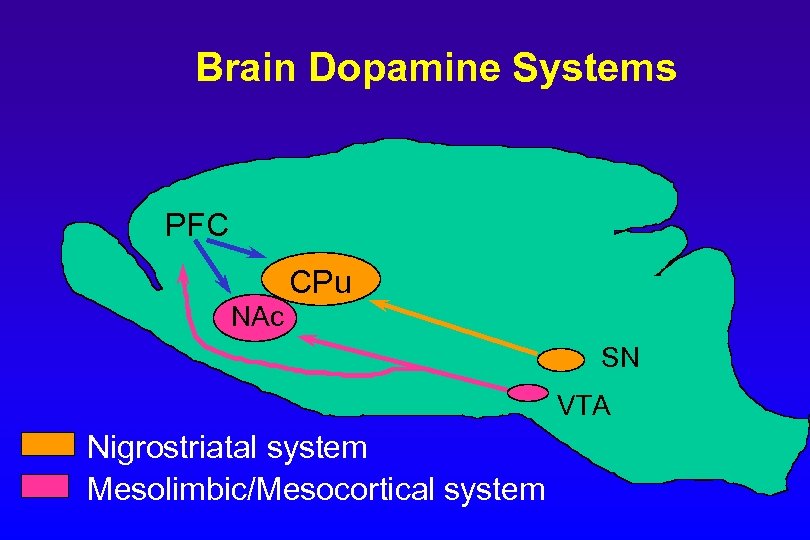 Brain Dopamine Systems PFC CPu NAc SN VTA Nigrostriatal system Mesolimbic/Mesocortical system
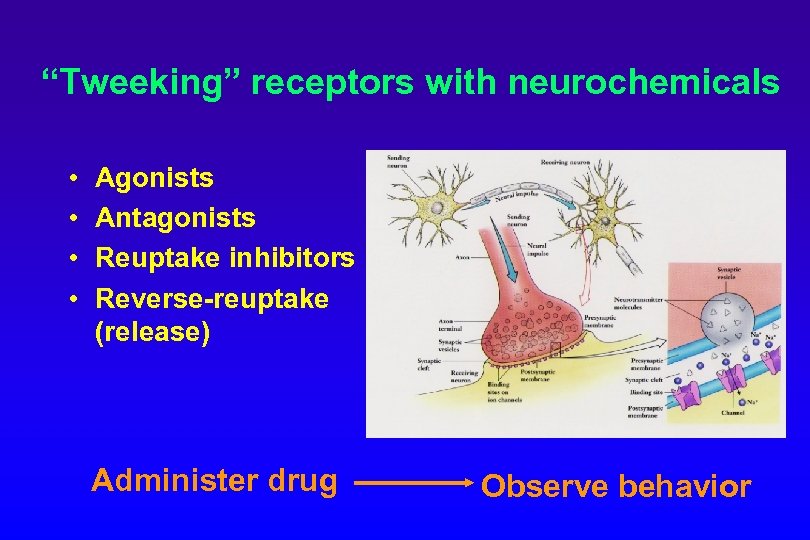 “Tweeking” receptors with neurochemicals • • Agonists Antagonists Reuptake inhibitors Reverse-reuptake (release) Administer drug Observe behavior
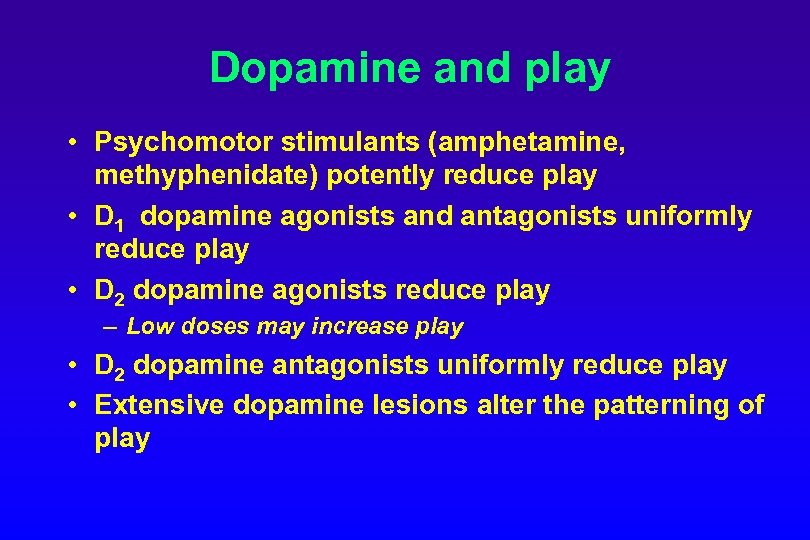 Dopamine and play • Psychomotor stimulants (amphetamine, methyphenidate) potently reduce play • D 1 dopamine agonists and antagonists uniformly reduce play • D 2 dopamine agonists reduce play – Low doses may increase play • D 2 dopamine antagonists uniformly reduce play • Extensive dopamine lesions alter the patterning of play
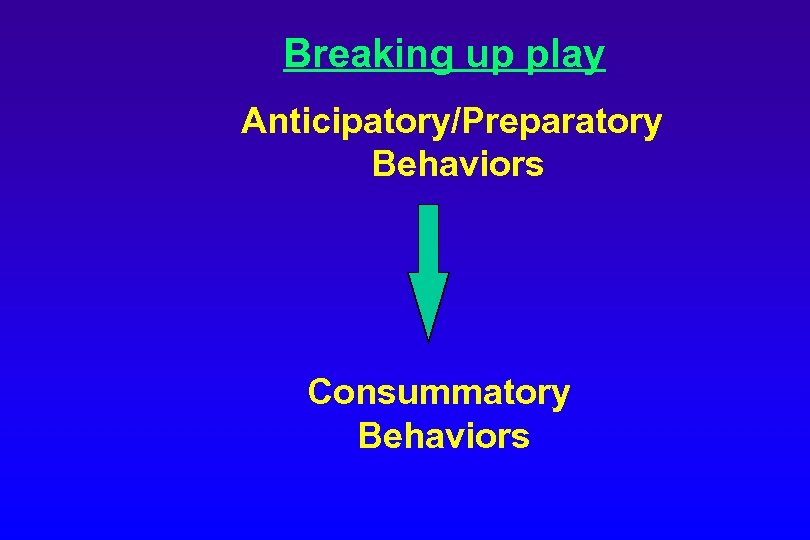 Breaking up play Anticipatory/Preparatory Behaviors Consummatory Behaviors
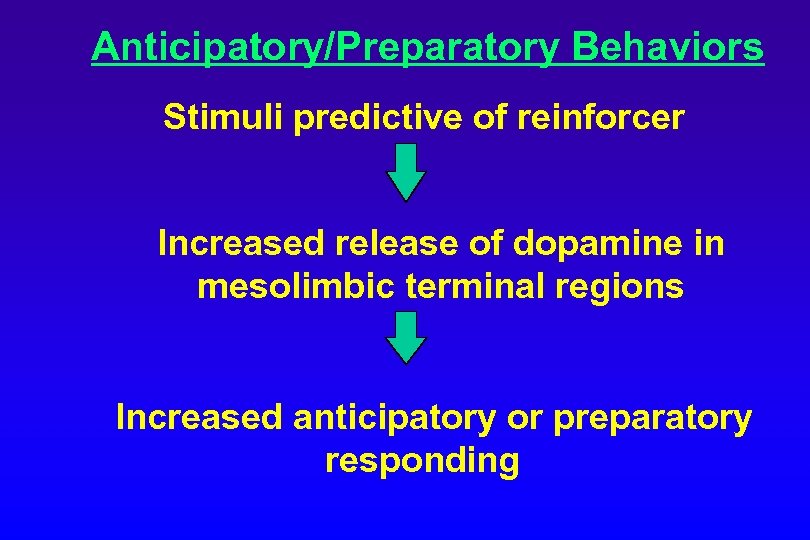 Anticipatory/Preparatory Behaviors Stimuli predictive of reinforcer Increased release of dopamine in mesolimbic terminal regions Increased anticipatory or preparatory responding
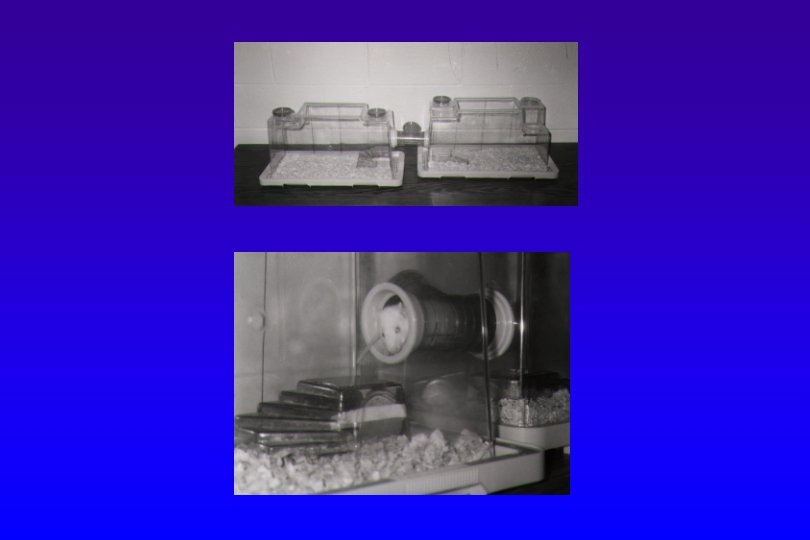
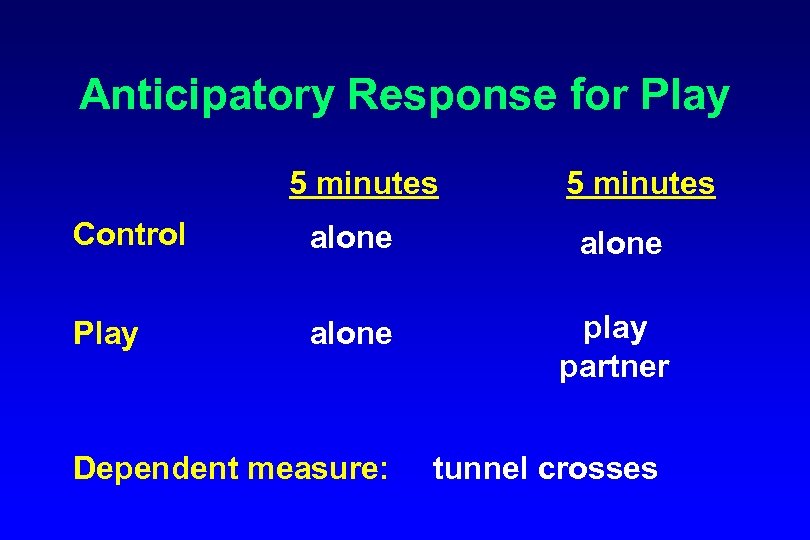 Anticipatory Response for Play 5 minutes Control alone Play alone play partner Dependent measure: tunnel crosses
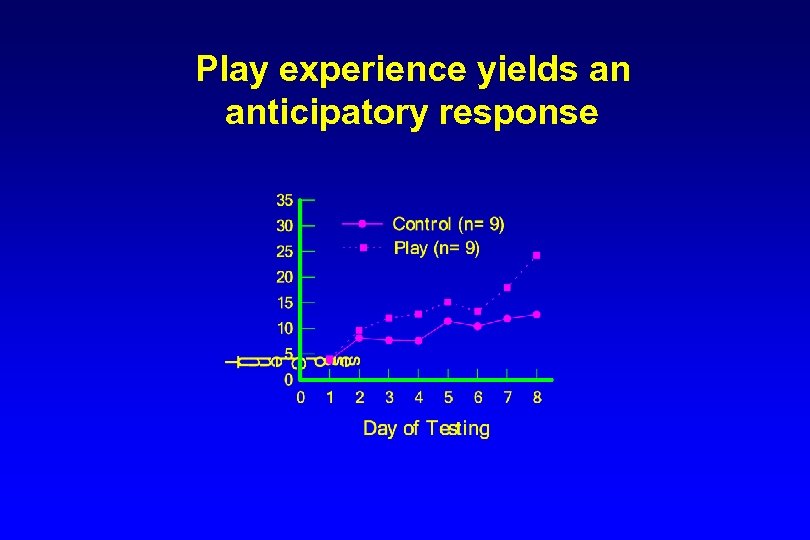 Play experience yields an anticipatory response
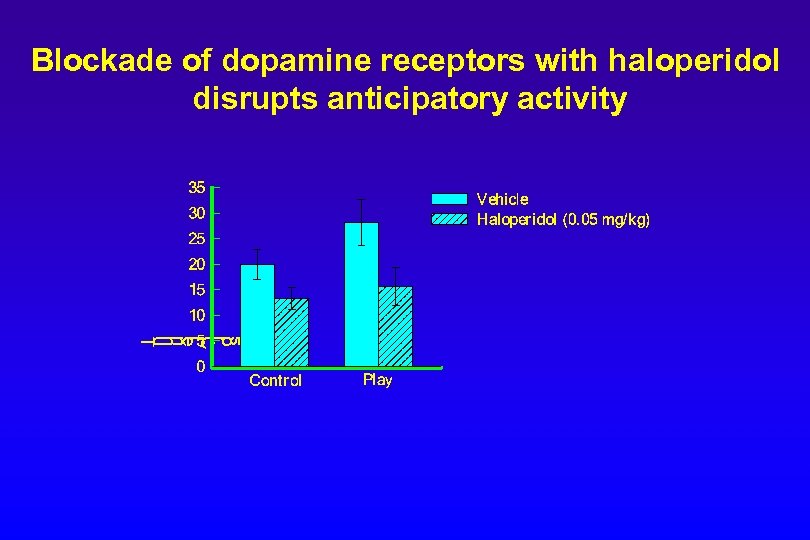 Blockade of dopamine receptors with haloperidol disrupts anticipatory activity
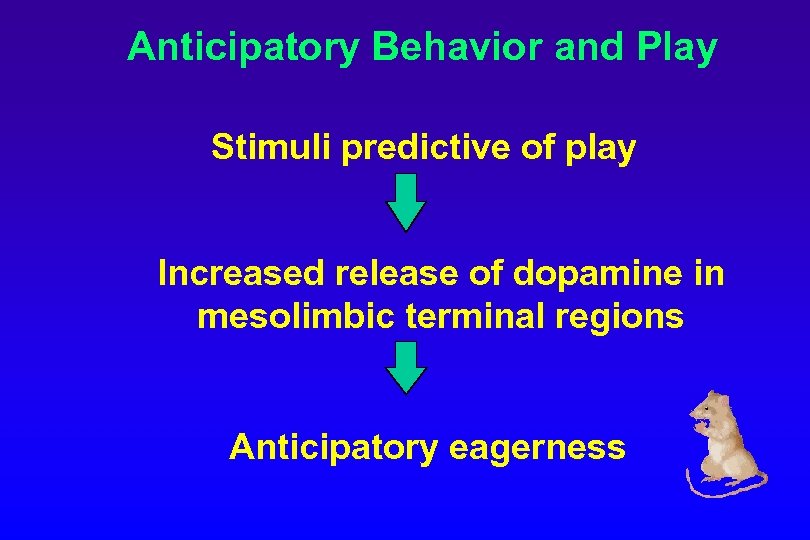 Anticipatory Behavior and Play Stimuli predictive of play Increased release of dopamine in mesolimbic terminal regions Anticipatory eagerness
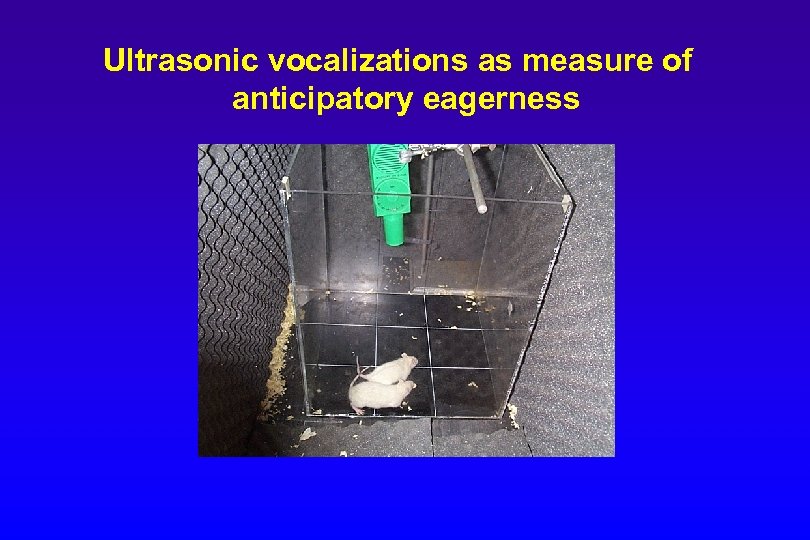 Ultrasonic vocalizations as measure of anticipatory eagerness
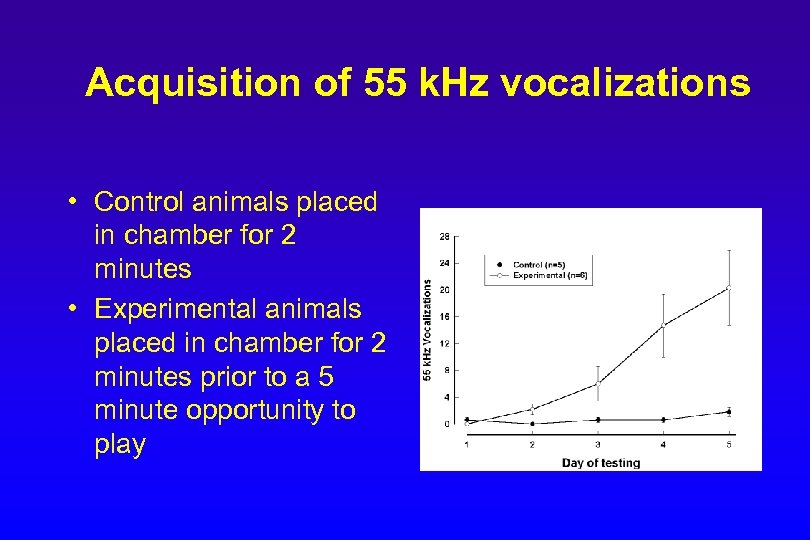 Acquisition of 55 k. Hz vocalizations • Control animals placed in chamber for 2 minutes • Experimental animals placed in chamber for 2 minutes prior to a 5 minute opportunity to play
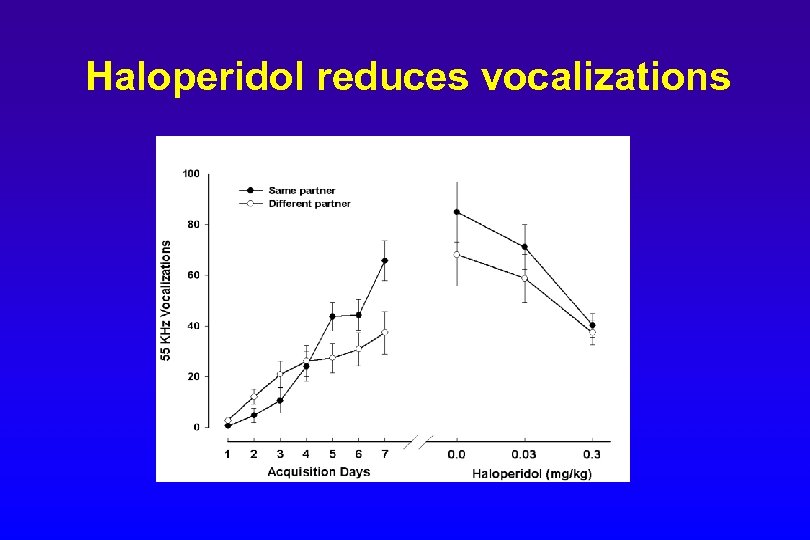 Haloperidol reduces vocalizations
 Since dopamine seems to be involved in everything else, is it also involved in play? • Important for actual execution of the behavior patterns • Anticipatory eagerness • Mesolimbic vs. nigrostriatal involvement CH 2 NH 2 HO OH
 Are there genes for playfulness?
 Use of inbred strains • Known behavioral and neurobiological differences between selected strains • Fischer-344 and Lewis strains • Groundwork for studying genetics of play • Increased understanding of disorders with genetic origins
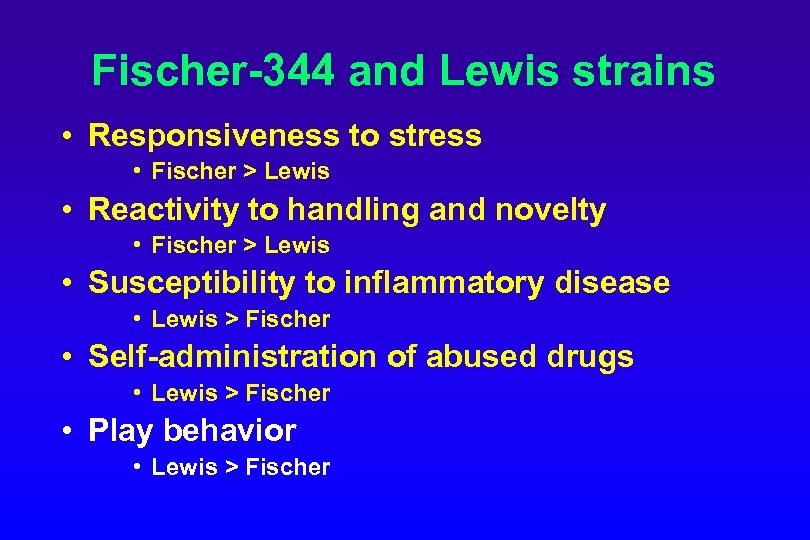 Fischer-344 and Lewis strains • Responsiveness to stress • Fischer > Lewis • Reactivity to handling and novelty • Fischer > Lewis • Susceptibility to inflammatory disease • Lewis > Fischer • Self-administration of abused drugs • Lewis > Fischer • Play behavior • Lewis > Fischer
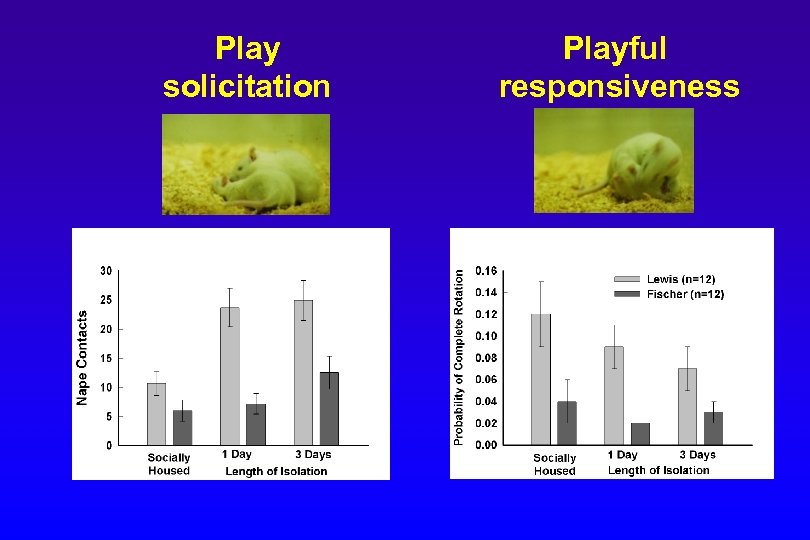 Play solicitation Playful responsiveness
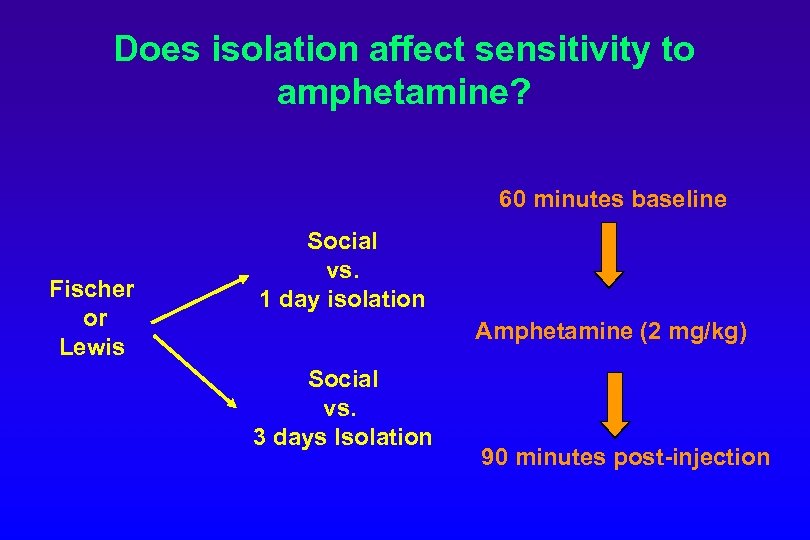 Does isolation affect sensitivity to amphetamine? 60 minutes baseline Fischer or Lewis Social vs. 1 day isolation Amphetamine (2 mg/kg) Social vs. 3 days Isolation 90 minutes post-injection
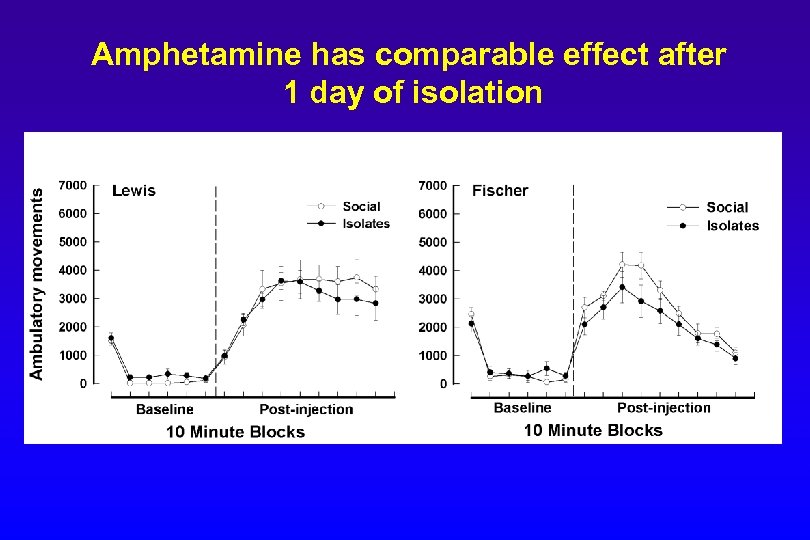 Amphetamine has comparable effect after 1 day of isolation
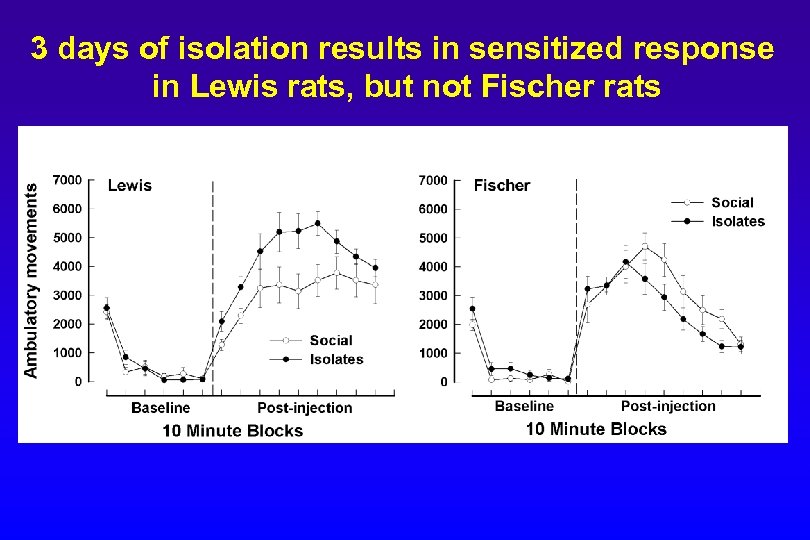 3 days of isolation results in sensitized response in Lewis rats, but not Fischer rats
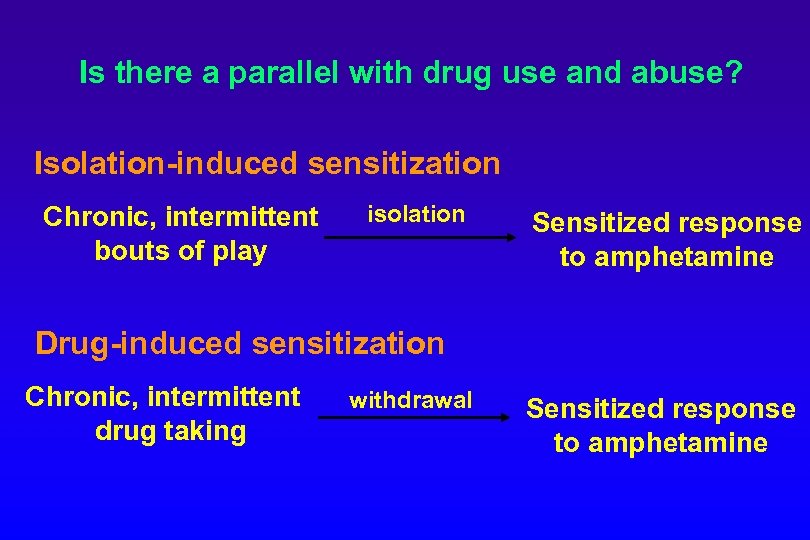 Is there a parallel with drug use and abuse? Isolation-induced sensitization Chronic, intermittent bouts of play isolation Sensitized response to amphetamine Drug-induced sensitization Chronic, intermittent drug taking withdrawal Sensitized response to amphetamine
 Are there genes for playfulness? • Strain differences • Independence of maternal influence • Individual differences? • Personality traits?
 Can studying play in rats tell us anything about psychiatric conditions in human children? • • Attention deficit disorder (ADHD) Autism Childhood depression Anti-social behaviors and violent tendencies
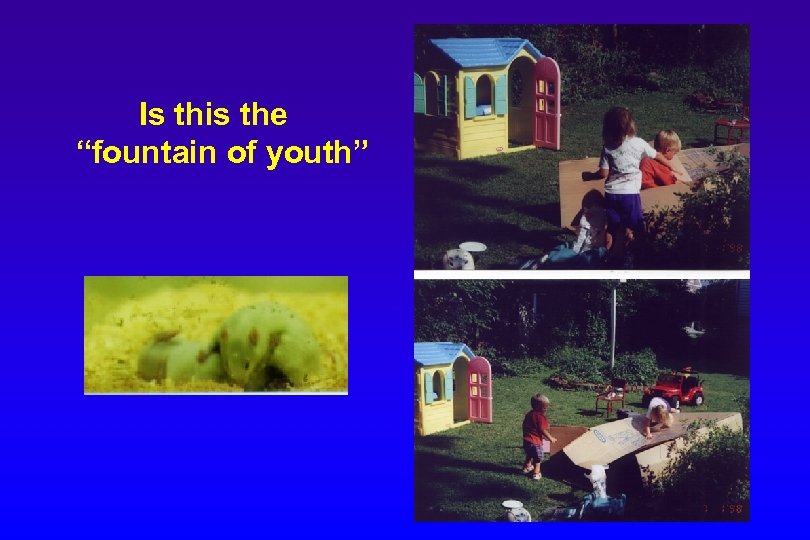 Is this the “fountain of youth”
 Why is it important for your child to play? When children play, they exercise their senses, their intellect, their emotions, their imagination - keenly and energetically…to play is to explore, to discover and to experiment. Playing helps children develop ideas and gain experience. It gives them a wealth of knowledge and information about the world in which they live - and about themselves. So to play is also to learn. Play is fun for children. But it’s much more than that - it’s good for them, and it’s necessary…play gives children the opportunity to develop and use the many talents they were born with.
 Why is it important for your child to play? When children play, they exercise their senses, their intellect, their emotions, their imagination - keenly and energetically…to play is to explore, to discover and to experiment. Playing helps children develop ideas and gain experience. It gives them a wealth of knowledge and information about the world in which they live - and about themselves. So to play is also to learn. Play is fun for children. But it’s much more than that - it’s good for them, and it’s necessary…play gives children the opportunity to develop and use the many talents they were born with. Lego’s Building Set