


 Скачать презентацию CENTRAL HEATING Most gas central heating works
CENTRAL HEATING2.pptx
- Количество слайдов: 13
 CENTRAL HEATING
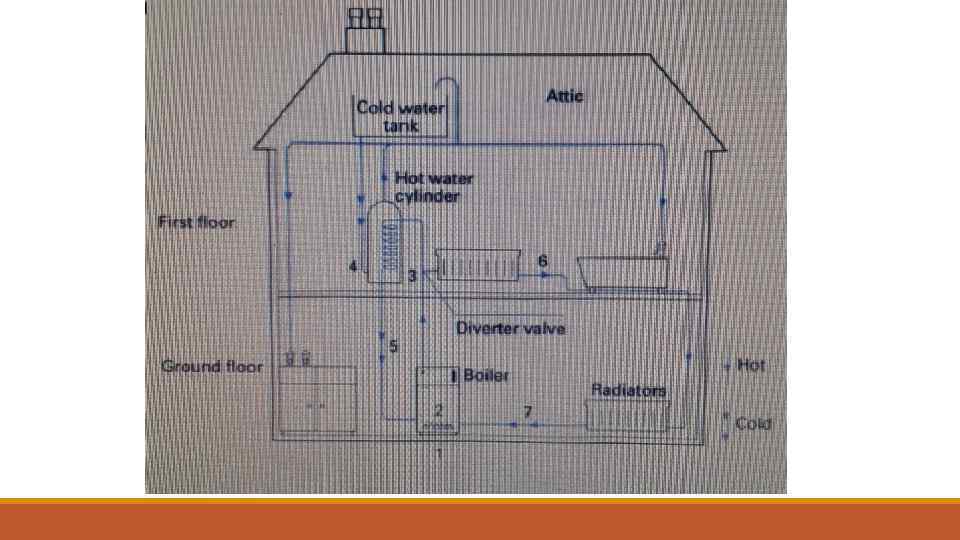
 Most gas central heating works on the 'wet' system of heat transfer between water flowing through pipes. A typical system includes a boiler, a network of pipes, a feed, and expansion tank, radiators, and a hot water storage system.
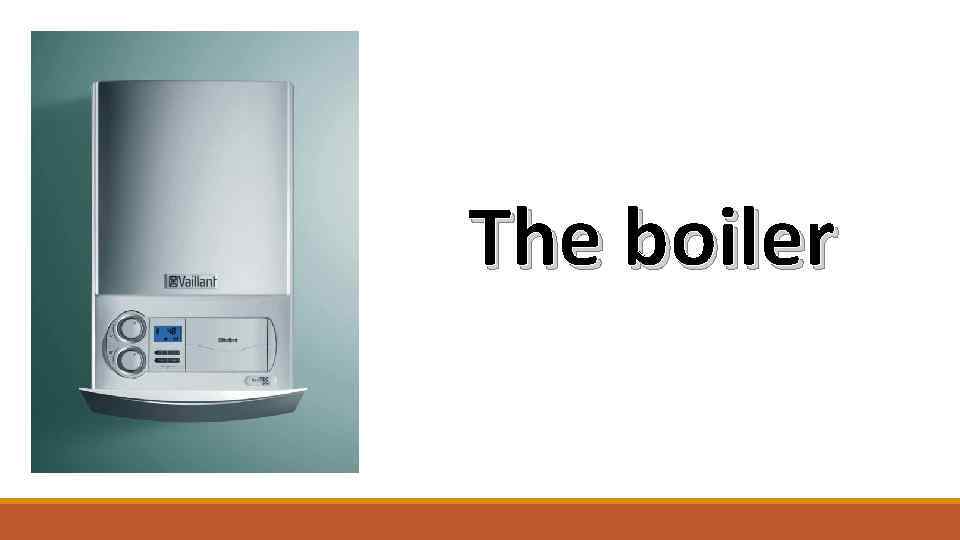 The boiler
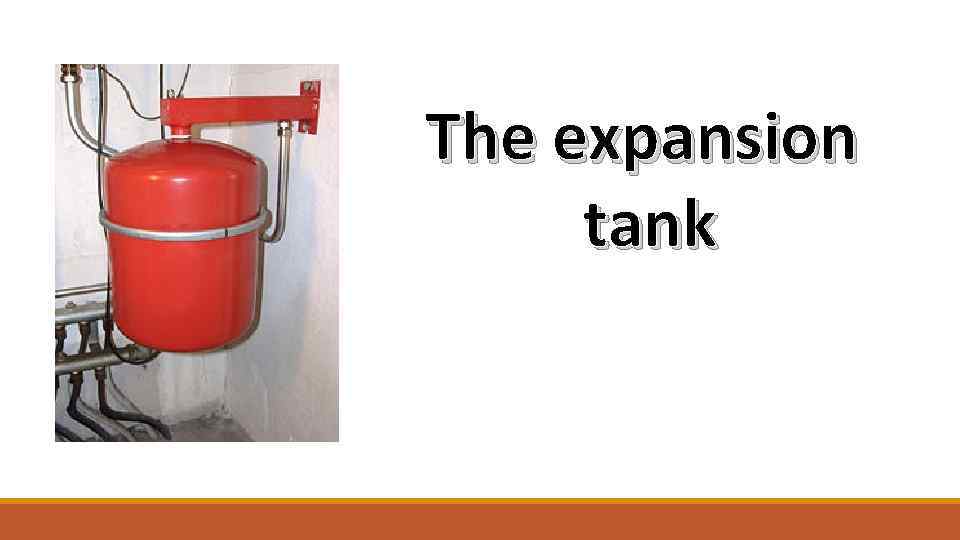 The expansion tank
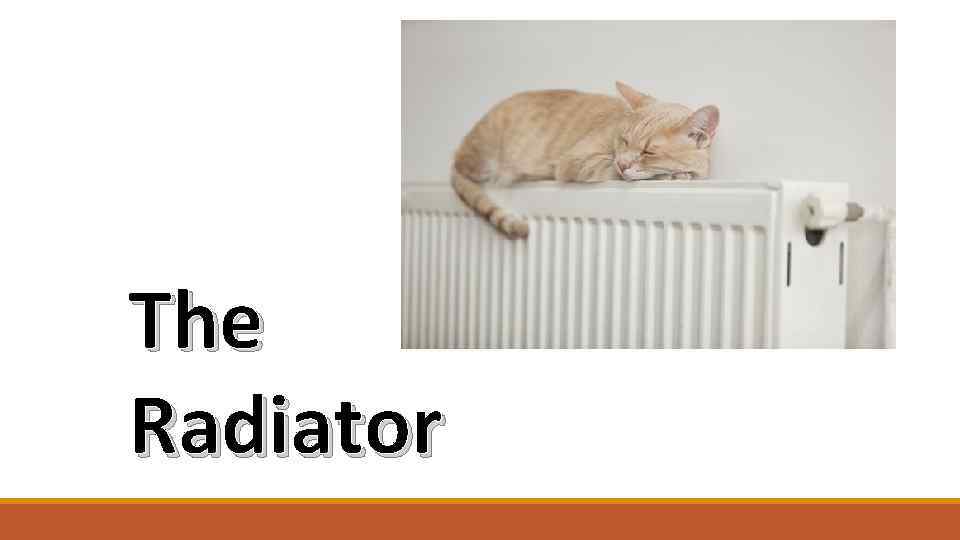 The Radiator
 In conventional boilers, water is heated by gas burners. It is then pumped around the central heating system and the hot water storage cylinder. The flow of gas to the burner is controlled by a valve (or valves) which can be operated by a time switch or by a boiler thermostat, hot water cylinder thermostat, or by a thermostat located in one of the rooms.
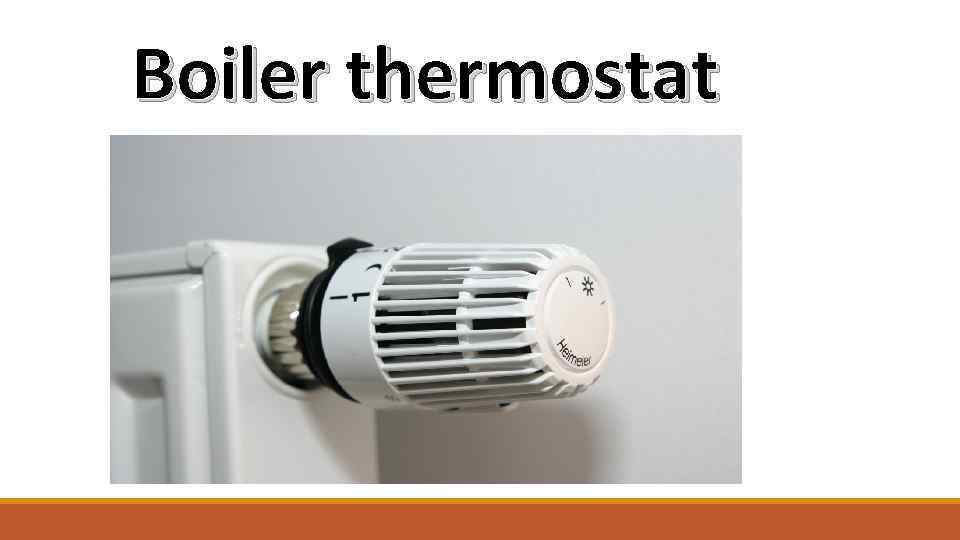 Boiler thermostat
 Air is necessary for complete combustion and is supplied to the burners either from inside the house, when adequate ventilation must be ensured, or directly from outside through a balanced flue.
 Water is circulated through a heat exchanger above the burner. The heat exchanger is made of tubes of cast iron or copper, which resist corrosion. Both types use fins to increase the surface area in contact with water, which improves the transfer of heat. A thermostat located in the boiler causes the gas control valve to shut off when the water temperature reaches the pre-set level.
 After being pumped through a diverter or priority valve, water circulates around either one of two loops of pipework, which act as heat exchangers. One loop passes through the inside of the hot water storage cylinder in a coil arrangement. Heat is transferred to the surrounding water, which can then be drawn off from this cylinder from various hot taps in the house when required. The loop then returns to the boiler for re-heating
 The other loop of the circuit passes to the radiators, which provide room heating. Several radiators are generally connected, where one pipe provides the hot water input and the other carries the cold water back to the boiler. In this way, all radiators receive hot water directly from the boiler.
 THE END