 Скачать презентацию Causes of Heart Disease by David Gukasyan
Causes of Heart Disease.pptx
- Количество слайдов: 12



Causes of Heart Disease. by David Gukasyan
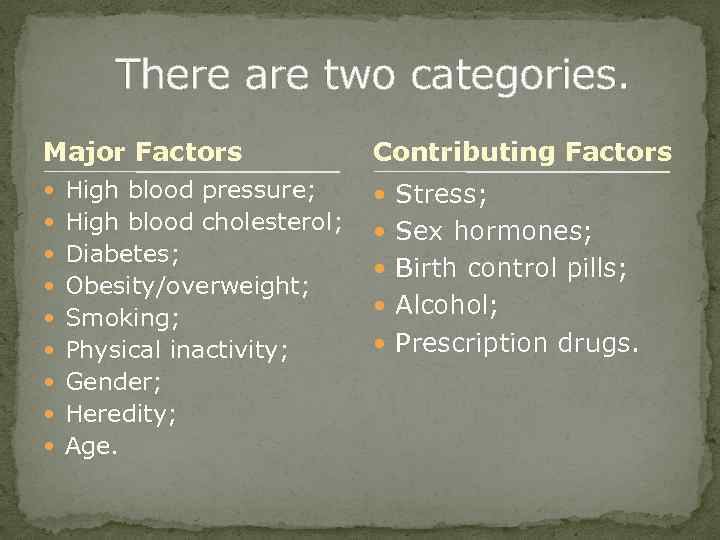
There are two categories. Major Factors Contributing Factors High blood pressure; Stress; High blood cholesterol; Diabetes; Obesity/overweight; Smoking; Physical inactivity; Gender; Heredity; Age. Sex hormones; Birth control pills; Alcohol; Prescription drugs.
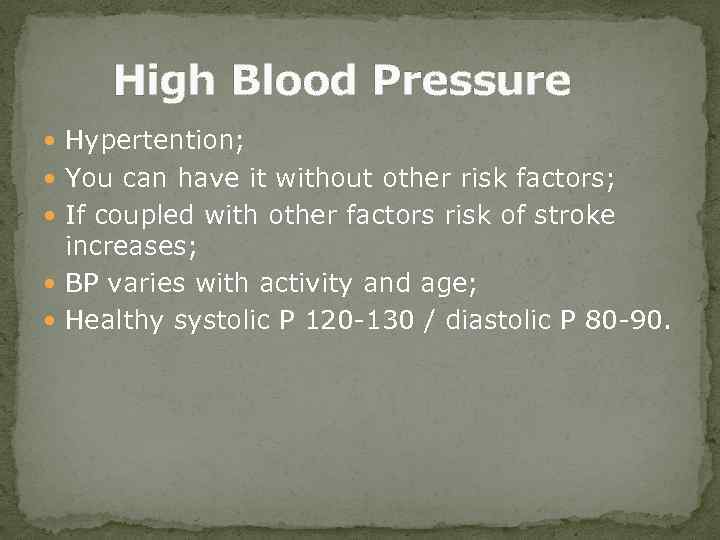
High Blood Pressure Hypertention; You can have it without other risk factors; If coupled with other factors risk of stroke increases; BP varies with activity and age; Healthy systolic P 120 -130 / diastolic P 80 -90.
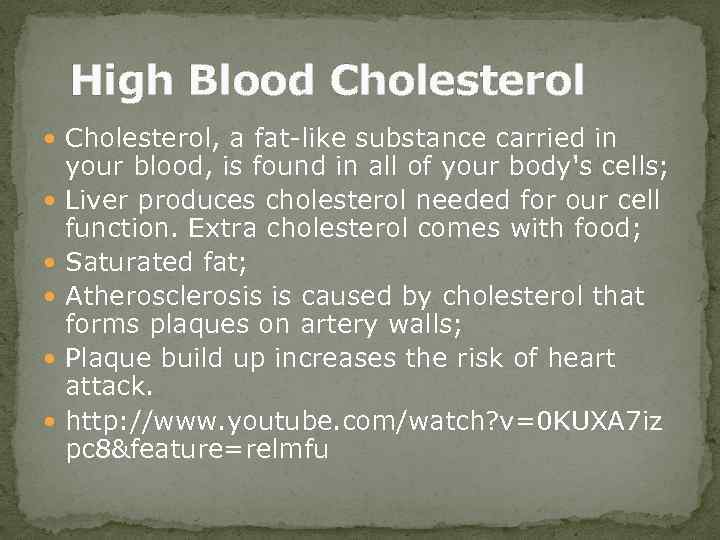
High Blood Cholesterol, a fat-like substance carried in your blood, is found in all of your body's cells; Liver produces cholesterol needed for our cell function. Extra cholesterol comes with food; Saturated fat; Atherosclerosis is caused by cholesterol that forms plaques on artery walls; Plaque build up increases the risk of heart attack. http: //www. youtube. com/watch? v=0 KUXA 7 iz pc 8&feature=relmfu
Diabetes Heart problems are the leading cause of death among non-insulin-dependent diabetes; Certain racial and ethnic groups have a greater risk of developing diabetes; Death of some form of cardiovascular disease. Good control of blood sugar levels can reduce your risk; See a doctor if you are not sure about your condition.
Obesity and Overweight. Both lead to increased cholesterol level and high blood pressure; Obesity increases your chances of developing other risk factors such as diabetes; Extra weight increases a risk of coronary artery disease; Measured in BMI=W [kg]/(H[m])^2; Being overweight is defined as having a BMI over 25. Those with a number over 30 are considered obese.
Smoking. Greatly increases your risk of heart disease and disease in the vessels that supply blood to the arms and legs; Increases heart rate, tightens major arteries, and can create irregularities in the timing of heartbeats; Raises blood pressure; Nicotine, tar and carbon monoxide lead to the buildup of fatty plaque in the arteries, affect cholesterol and levels of fibrinogen.
Physical Inactivity. Exercise burns calories, helps to control cholesterol levels and diabetes, and may lower blood pressure; Also strengthens the heart muscle and makes the arteries more flexible; Those who actively burn 500 to 3500 calories per week will live longer.
Gender. Overall, men have a higher risk of heart attack than women; Difference narrows after women reach menopause; Risk level equals after age 65.
Heredity. It is inherited disease as we inherit many risk factors such as high blood pressure, diabetes, and obesity; If your parents or siblings had a heart or circulatory problem before age 55, then you are at greater risk.
Age. Older age is a risk factor for heart disease; In fact, about 4 of every 5 deaths due to heart disease occur in people older than 65; As we age, the heart's walls may thicken, arteries may stiffen and harden, and the heart is less able to pump blood to the muscles of the body.
Contributing Risk Factors. Stress; Sex hormones; Alcohol; Stimulant prescription drugs.
Скачать презентацию Causes of Heart Disease by David Gukasyan
Causes of Heart Disease.pptx