Скачать презентацию Careers in Construction Unit 1 Construction Industry
0ef128cb8f23defdb70a5d67f57bc02f.ppt
- Количество слайдов: 19
 Careers in Construction Unit 1
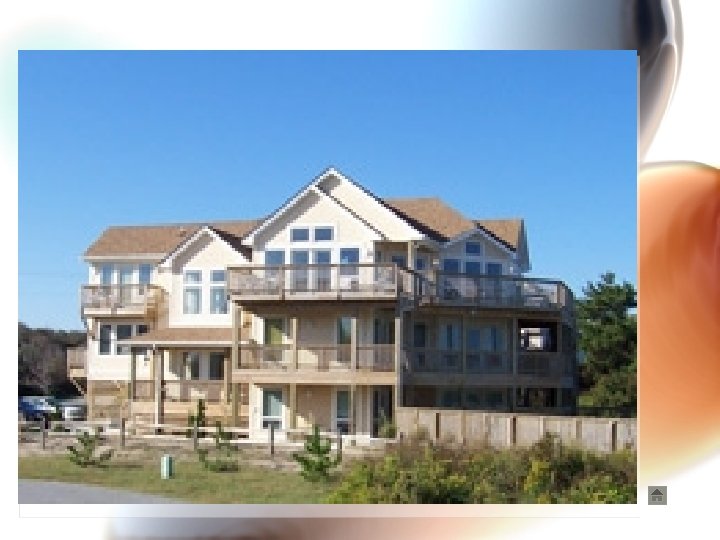
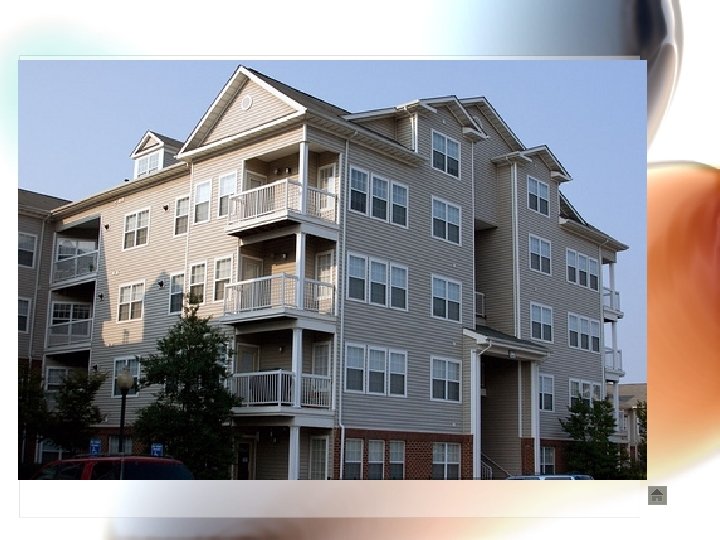
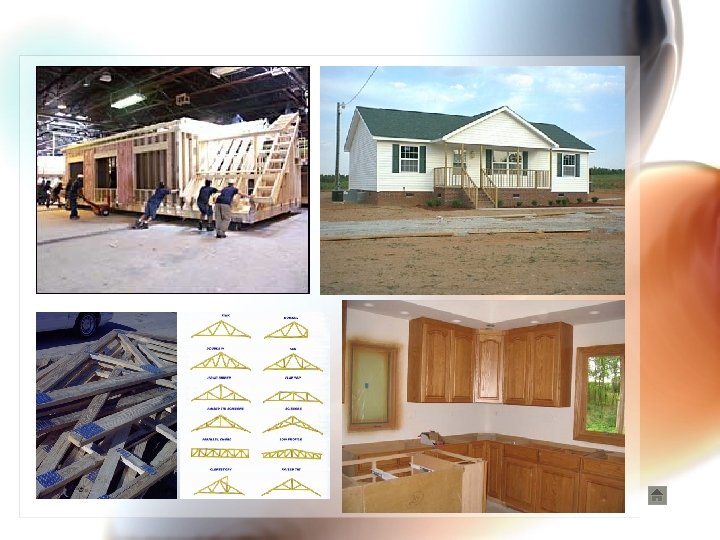
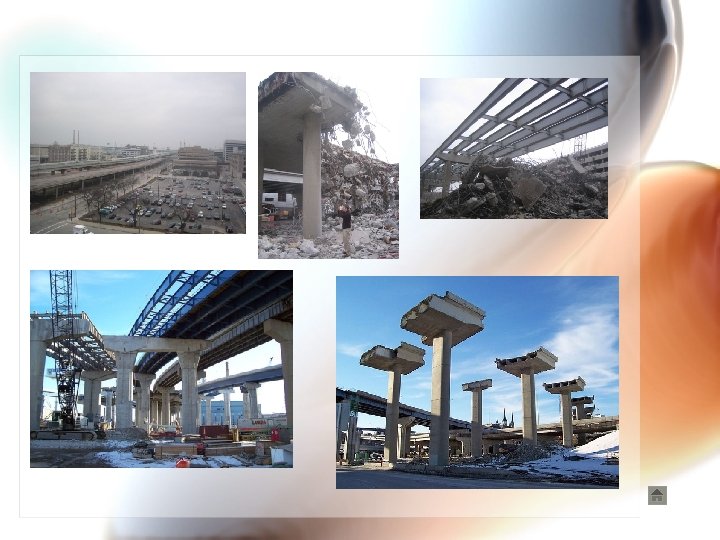
 Construction Industry • One of the largest industries in America • Divided into four major divisions – Residential • Light construction – Homes – Small Buildings – Uses many prefabricated components – Non –Residential – Highway and Heavy – Municipal
 More than two dozen skilled trades!
 Career Levels • Three career levels – Craft • • • Carpenter Painter Plumber Bricklayer Electrician – Journeyman if in union
 Career Levels – Technical • Drafting • Building techniques • Surveying – Professional • College degree required
 Employment • 1, 100, 000 Carpenters currently employed • 14. 8% in construction employment • Carpenters specialize in certain areas • May learn the trade without formal education
 What to spend on housing and location • Should not exceed 2 ½ times family income • Could the sun be used as an energy resource? • Are schools, community, jobs, and recreation nearby • Is the lot shallow or deep • Is the neighborhood relatively stable? • No more than 25% of monthly income should be spent on all housing expenses including mortgage payments, utilities, and repairs.
 Legal Documents • Survey – Shows boundaries of the property • Deed – Proof of ownership • Abstract of title – History of deeds and other papers
 Purchasing and Estimation • Plans may be purchased from companies that specialize in stock house plans • Stock plans are the least expensive way to purchase plans • Architects receive 5% of building costs for designing a home • A potential buyer can multiply the square footage of a home by the cost per square foot in the area to estimate the cost of the home • To get an accurate cost a contractor may bid on the home
 Mortgage Loans • Actually a lien on the home – Security for the lender – Lender receives property if the buyer does not make payments • Mortgages can run from 12 to 40 years • Closing costs are costs for paperwork to close on a loan • Payments for taxes and insurance on the property are held in escrow by the lender until payment is due • Contractors are paid a certain percentage before the home is constructed
 Building Codes • Establish minimum quality and safety in housing • Three major building codes – Uniform building code used in the West – Basic building code used in the Midwest – Standard building code used in the East • Electrical code throughout the U. S. – National Electrical Code (NEC) • A building permit is required before construction • A building inspector periodically will visit the job site at key points during construction • A certificate of occupancy will be issued if the home has no problems after inspection