 Скачать презентацию CAREER Presentation of subjects Human Resource Management Perform
HR.pptx
- Количество слайдов: 19



CAREER Presentation of subjects: Human Resource Management Perform by: Lyzhina Ekaterina Dmitrenko Yana Nechepurenko Ekaterina Khanaeva Ekaterina
OUTLINE: 1) 2) 3) 4) 5) Career Management Career Path Career Stages Occupational Orientation Assessment and identifying of skills
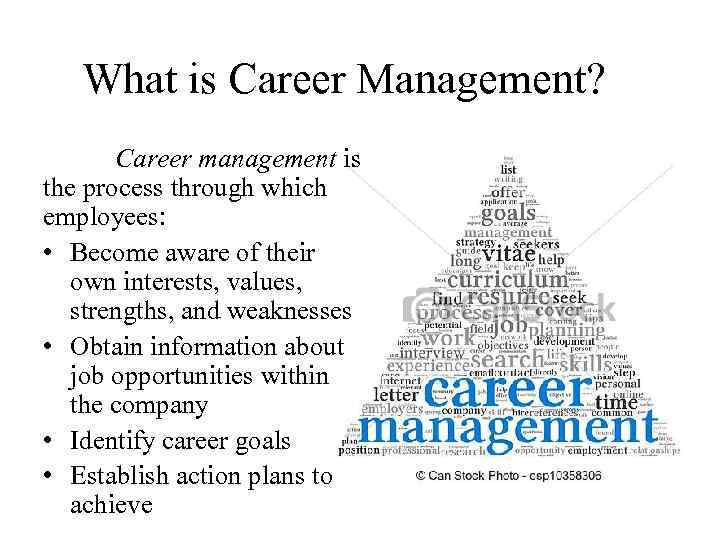
What is Career Management? Career management is the process through which employees: • Become aware of their own interests, values, strengths, and weaknesses • Obtain information about job opportunities within the company • Identify career goals • Establish action plans to achieve
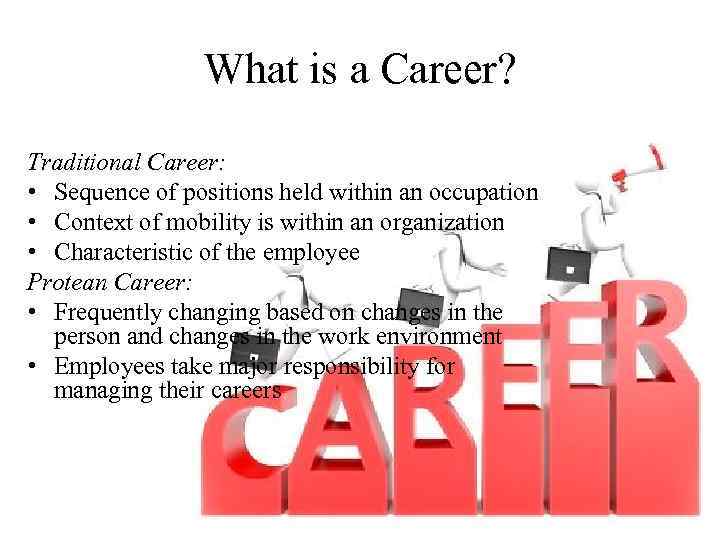
What is a Career? Traditional Career: • Sequence of positions held within an occupation • Context of mobility is within an organization • Characteristic of the employee Protean Career: • Frequently changing based on changes in the person and changes in the work environment • Employees take major responsibility for managing their careers
Why is Career Management Important? From the company’s perspective, the failure to motivate employees to plan their careers can result in: • A shortage of employees to fill open positions • Lower employee commitment • Inappropriate use of monies allocated for training and development programs
Why is Career Management Important? From the employee’s perspective, lack of career management can result in: • Frustration • Feelings of not being valued by the company • Being unable to find suitable employment should a job change be necessary due to mergers, acquisitions, restructuring, or downsizing
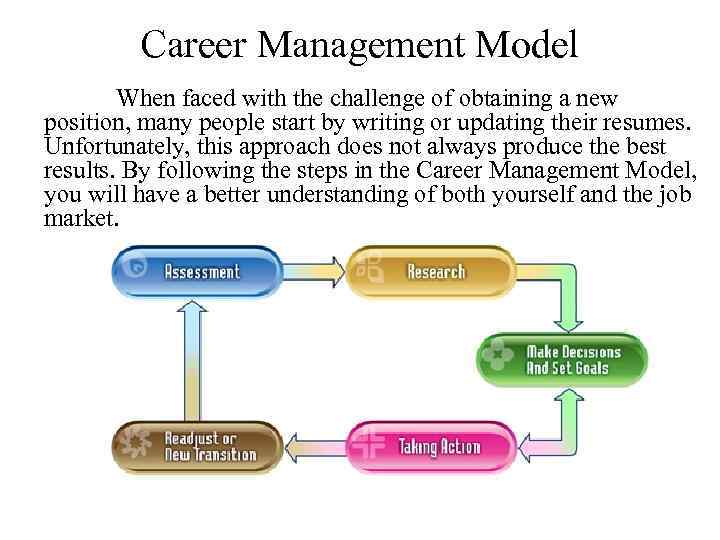
Career Management Model When faced with the challenge of obtaining a new position, many people start by writing or updating their resumes. Unfortunately, this approach does not always produce the best results. By following the steps in the Career Management Model, you will have a better understanding of both yourself and the job market.
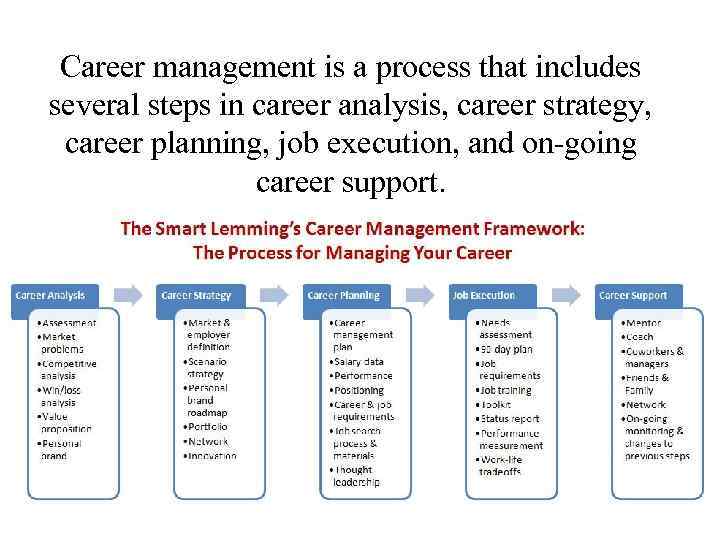
Career management is a process that includes several steps in career analysis, career strategy, career planning, job execution, and on-going career support.
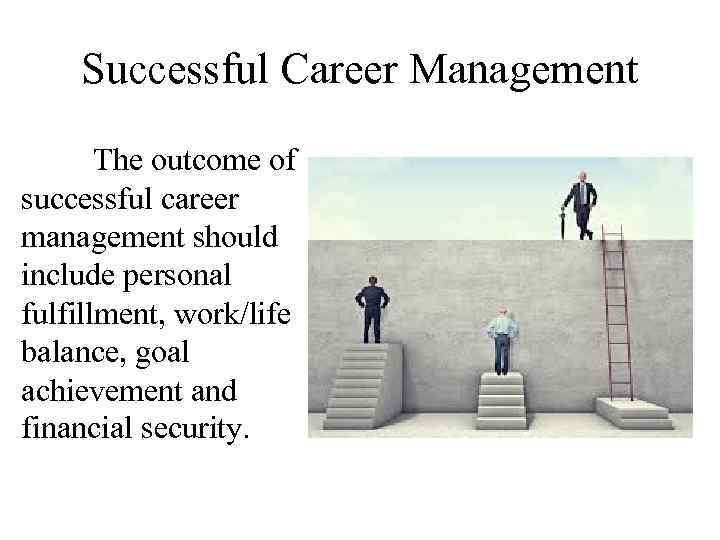
Successful Career Management The outcome of successful career management should include personal fulfillment, work/life balance, goal achievement and financial security.
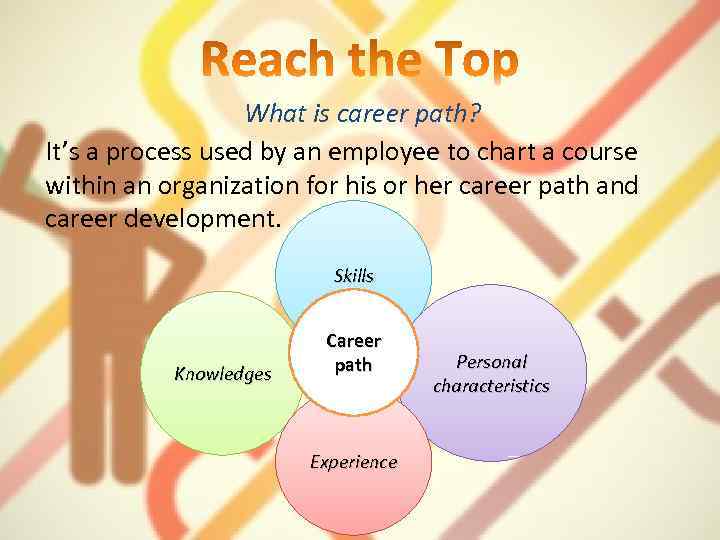
What is career path? It’s a process used by an employee to chart a course within an organization for his or her career path and career development. Skills Knowledges Career path Experience Personal characteristics
Do you know which career path you are on? Examples of career paths: "Patient Care": Home Health Aide → Nursing Assistant → Licensed Practical Nurse "Administrative Support": Receptionist → Office Clerk → Office Manager "Safety": Security Guard → Fire Fighter → Fire Inspector In Career Pathing, an employee makes a Plan for Career Development
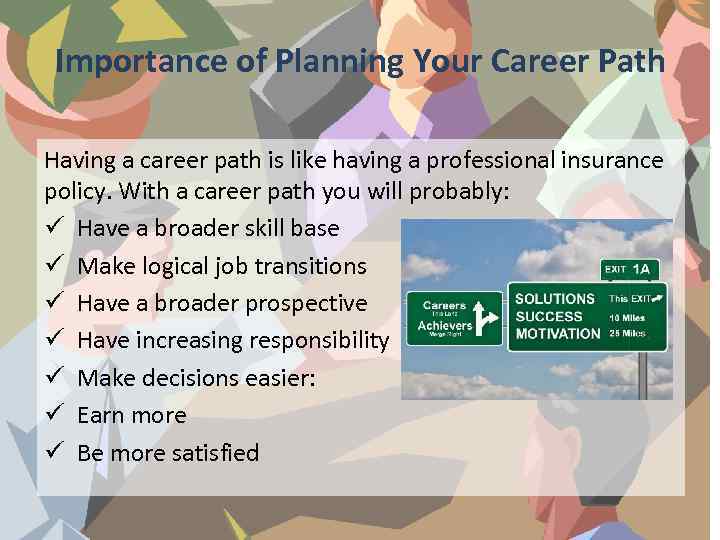
Importance of Planning Your Career Path Having a career path is like having a professional insurance policy. With a career path you will probably: ü Have a broader skill base ü Make logical job transitions ü Have a broader prospective ü Have increasing responsibility ü Make decisions easier: ü Earn more ü Be more satisfied
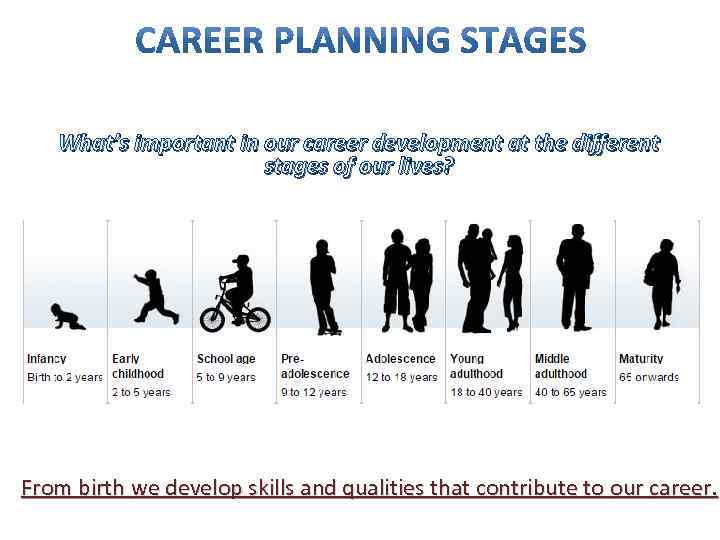
What’s important in our career development at the different stages of our lives? From birth we develop skills and qualities that contribute to our career.
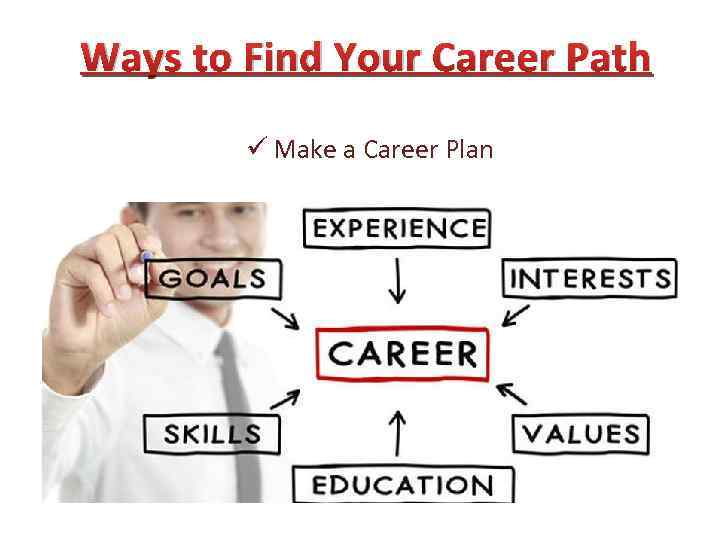
Ways to Find Your Career Path ü Make a Career Plan
________________Ways to Find Your Career Path ü Use the G+P+V Formula
________________Ways to Find Your Career Path ü Ask other people ü Find a mentor
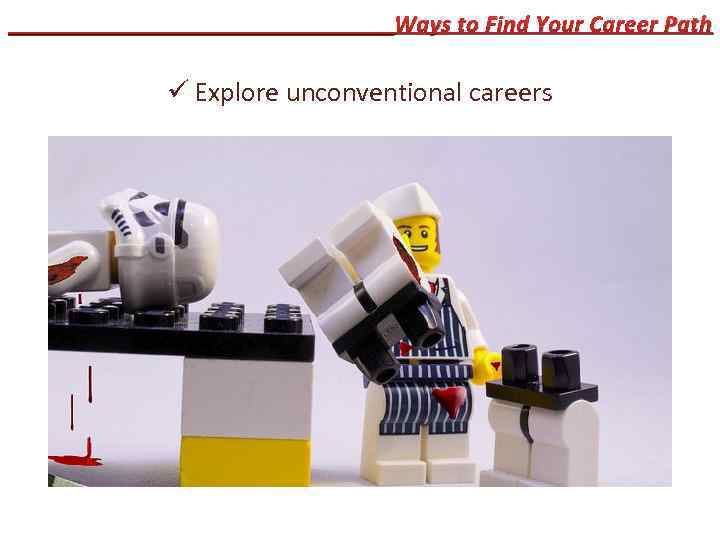
________________Ways to Find Your Career Path ü Explore unconventional careers
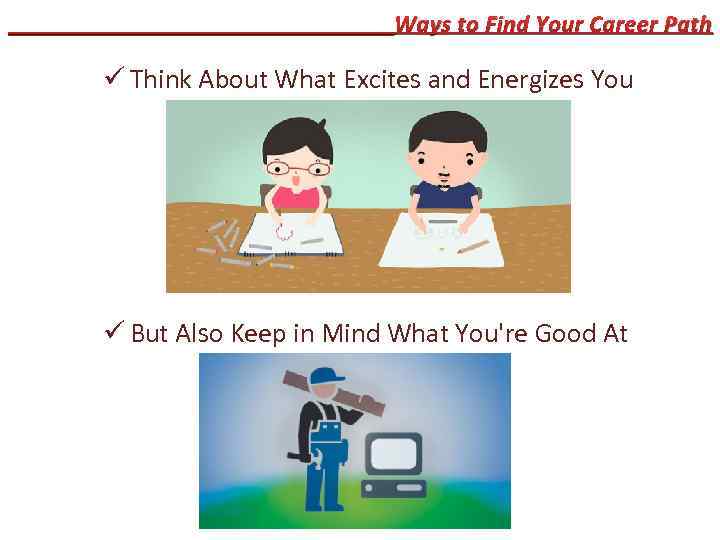
________________Ways to Find Your Career Path ü Think About What Excites and Energizes You ü But Also Keep in Mind What You're Good At
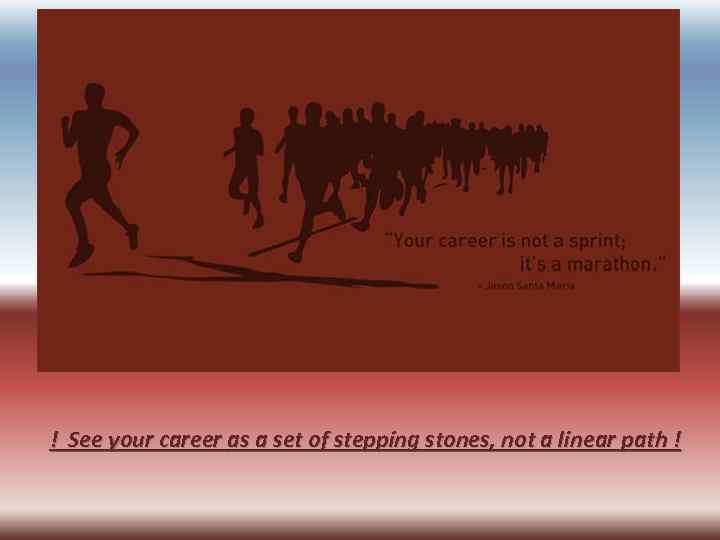
! See your career as a set of stepping stones, not a linear path !
Скачать презентацию CAREER Presentation of subjects Human Resource Management Perform
HR.pptx